
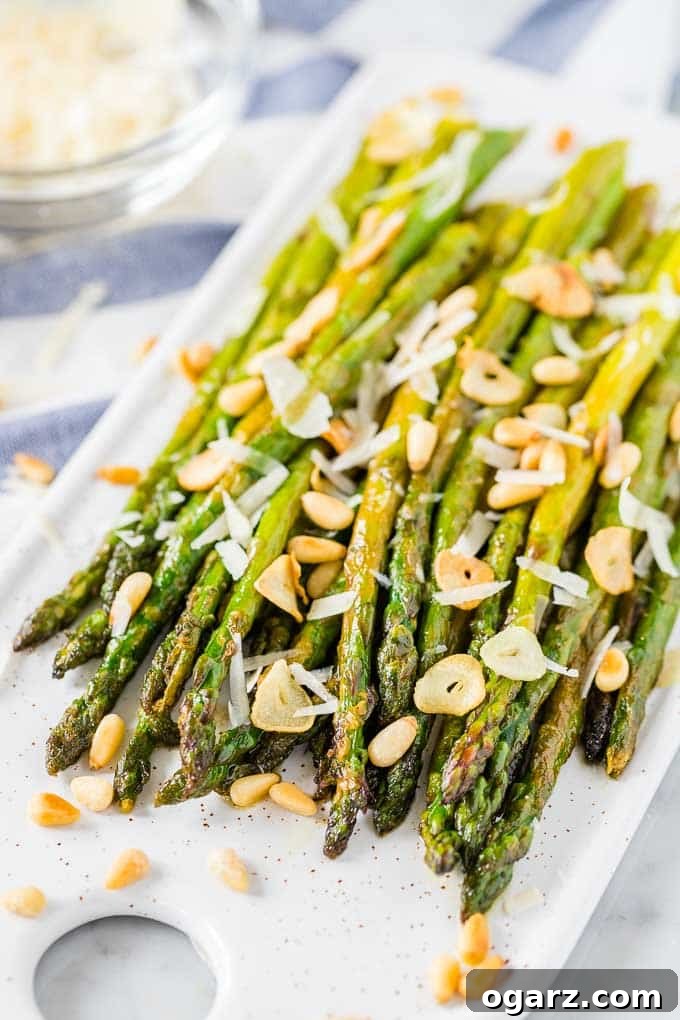
Welcome to your new favorite go-to side dish: perfectly pan-roasted asparagus! This recipe is a culinary game-changer, especially when your oven is already occupied with a magnificent Sunday roast or holiday feast. Imagine tender-crisp asparagus, kissed with garlic and lemon, ready in under 15 minutes, allowing you to free up valuable oven space and simplify your meal prep. It’s the ultimate combination of speed, flavor, and elegance.
We all crave effortless yet impressive side dishes, don’t we? Just like our beloved Roasted Brussels Sprouts with Bacon and our delightfully simple Oven Roasted Green Beans, this pan-roasted asparagus stands out for its minimal effort and maximum impact. It requires even less time, making it a true winner for busy weeknights and special occasions alike.
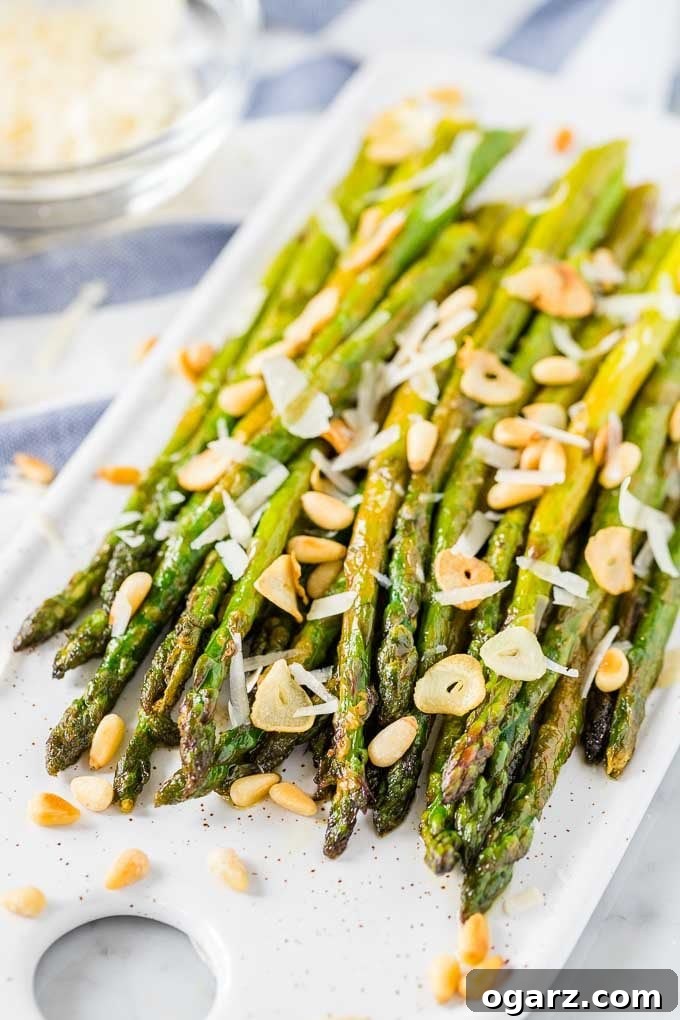
The Best Pan-Roasted Asparagus Recipe
Discover the secret to making truly exceptional roasted asparagus right in your skillet. This quick and easy recipe transforms fresh asparagus into a vibrant, flavorful side dish that complements virtually any meal. With just a few staple ingredients and a clever cooking technique, you can have this delightful vegetable ready in less than 15 minutes. Whether you prefer it simply seasoned or dressed up with delightful toppings like crunchy pine nuts or delicate Parmesan shavings, this recipe offers endless versatility and guaranteed satisfaction.
Forget soggy or overcooked asparagus! Our unique pan-roasting method ensures each stalk achieves that coveted tender-crisp texture and a subtly sweet, earthy flavor. It’s a side dish that’s not only incredibly delicious but also packed with nutrients, making it a healthy and smart choice for your family. Get ready to impress with minimal fuss and maximum taste!
Why This Pan-Roasting Technique Works Wonders
The magic behind this perfect roasted asparagus lies in a simple, yet highly effective two-step pan-roasting method. My secret is to first cook the asparagus in a skillet, covered, for a few minutes. This initial steaming phase ensures the asparagus cooks through evenly and becomes tender without drying out. Then, I remove the lid and allow it to sauté until lightly browned and slightly caramelized. This second step is crucial, as it develops incredible depth of flavor and creates that appealing, slightly charred exterior we all love. This technique brilliantly prevents overcooking, ensuring your asparagus retains a pleasant bite.
To further enhance the flavor profile and balance the asparagus’s natural bitterness, a touch of fresh lemon juice is added at the end. This brightens the entire dish, adding a zesty finish that makes the flavors sing. It’s a small addition that makes a big difference, transforming a simple vegetable into a gourmet experience. For more quick and healthy side dish inspiration, don’t miss our sweet and savory Honey Glazed Carrots or our refreshingly popular Pomegranate Pear Salad.
Exploring Asparagus: What it is and Its Distinctive Flavor
Asparagus, a perennial flowering plant species in the lily family, is a highly prized spring vegetable known for its unique spear-like stalks. While most commonly recognized for its vibrant green variety, asparagus actually comes in several distinct colors, each offering subtle differences in flavor and texture. Green asparagus, the most widely available type, boasts an earthy, slightly grassy flavor with a pleasant snap. Its verdant hue is thanks to chlorophyll, which develops as the spears grow above ground and are exposed to sunlight.
Beyond green, you might encounter white and purple asparagus. White asparagus is particularly popular in European countries like Germany and France. Its pallid color is due to a cultivation technique called etiolation, where the spears are grown entirely underground, depriving them of sunlight. Without light, chlorophyll never develops, resulting in a more delicate flavor, a tender texture, and a milder, less bitter profile compared to its green counterpart. Purple asparagus, on the other hand, is a sweeter and fruitier variety, often thinner and more tender. Its vibrant color comes from anthocyanins, powerful antioxidants, though much of this purple hue can fade when cooked. Regardless of color, the underlying flavor of asparagus shares similarities with green beans or broccoli, with a distinct “asparagusic” note. The natural bitterness, often present in green asparagus, is beautifully balanced and mellowed by the fresh lemon juice in this recipe, highlighting its delicate sweetness.
Is Asparagus a Healthy Choice? Unpacking its Nutritional Benefits
Absolutely! Asparagus is not just delicious; it’s a nutritional powerhouse, making it an excellent addition to any healthy diet. This humble vegetable is brimming with essential vitamins, minerals, and antioxidants that contribute to overall well-being. It’s particularly renowned for its potent anti-inflammatory effects, thanks to compounds like saponins and flavonoids, which can help reduce inflammation throughout the body.
Asparagus is an outstanding source of Vitamin K, crucial for blood clotting and bone health. It’s also rich in folate (Vitamin B9), which plays a vital role in cell growth, DNA formation, and is particularly important during pregnancy. Beyond these, asparagus provides a good supply of Vitamin C, Vitamin A, Vitamin E, and several B vitamins, as well as minerals like potassium, phosphorus, and iron. It’s also a fantastic source of dietary fiber, aiding digestion and promoting gut health. Some even consider it a natural aphrodisiac, attributed to its high levels of Vitamin B6 and folate, which can boost energy and vitality.
Now, let’s address the elephant in the room: the distinctive smell it imparts to urine. This well-known side effect is completely harmless and is caused by the breakdown of asparagusic acid and other sulfur-containing compounds in the body. Not everyone can smell it, as it’s linked to a genetic variation in our sense of smell! So, don’t let this minor quirk deter you from enjoying all the incredible health benefits asparagus has to offer.
Selecting, Storing, and Perfectly Trimming Asparagus
To ensure your pan-roasted asparagus is nothing short of spectacular, starting with fresh, high-quality spears is key. When selecting asparagus, look for firm, bright green (or purple/white, depending on the variety) stalks with tightly closed, compact tips. Avoid spears that appear wilted, dull, or have flowering tips, as these indicate older produce that will be less tender and flavorful. Thicker stalks tend to be juicier, while thinner ones are more delicate; both work beautifully for this recipe, though cooking times will vary slightly.
Once home, store your asparagus properly to maintain its freshness. The best method is to treat it like a bouquet of flowers: trim about half an inch off the bottom of the stalks, place them upright in a glass or jar with about an inch of water, cover loosely with a plastic bag, and refrigerate. This can keep asparagus fresh for up to a week.
Before cooking, trimming is essential to remove the tough, woody ends. There are two popular methods:
- The Snap Method: Hold an asparagus stalk in both hands, one near the middle and the other near the bottom end. Gently bend it until it naturally snaps. The stalk will break exactly where the tender part meets the tougher, woody end. While effective, this method can sometimes result in more waste.
- The Trim Method: For a more precise and less wasteful approach, simply gather a bunch of asparagus stalks and align their ends. Using a sharp knife, trim off about 1 to 1.5 inches from the bottom. You can also eyeball a single stalk, snap it to find the natural breaking point, and then use that as a guide to trim the rest of the bunch. This ensures uniform size and consistent cooking.
Once trimmed, your asparagus is ready for its delicious pan-roasting transformation!
How to Pan-Roast Asparagus: A Step-by-Step Guide
Achieving perfectly cooked, tender-crisp asparagus in a pan is incredibly simple with our foolproof method. Follow these steps for a delightful side dish every time:
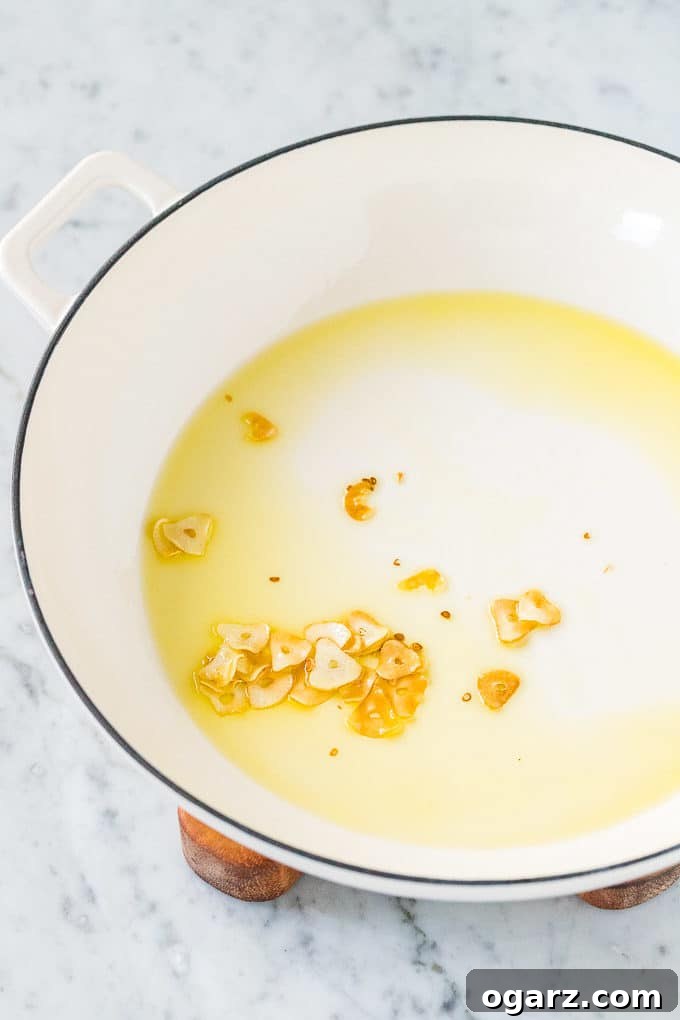
- Prepare the Aromatic Base: In a large skillet or frying pan, set over medium-low heat, add your olive oil. Once shimmering, add the thinly sliced garlic. Sauté gently until the garlic is fragrant and just lightly browned, being very careful not to let it burn, as burnt garlic can become bitter. Once golden, remove the garlic with a slotted spoon and transfer it to a paper towel-lined plate. Set aside; this will be your flavorful topping.
- Initial Steam & Sauté: Increase the heat to medium. Add the butter to the same pan, allowing it to melt and foam. Add your trimmed asparagus spears in a single layer if possible, or in batches if your pan isn’t large enough to avoid overcrowding (overcrowding can steam the asparagus instead of searing it). Cover the pan with a lid and cook for approximately 3-5 minutes. This crucial step creates a steamy environment that gently cooks the asparagus, making it tender from within. The exact timing will depend on the thickness of your asparagus; thinner spears will be ready in 3 minutes, while thicker ones may need up to 5.
- Achieve Golden Perfection: Remove the lid from the pan. Increase the heat to medium-high. Continue to sauté the asparagus, stirring occasionally, until it develops a beautiful, light brown char in spots, usually about 3 more minutes. This searing creates a wonderful roasted flavor and maintains a pleasant crispness.
- Finish and Serve: Once the asparagus reaches your desired doneness, transfer it immediately to a serving dish. Sprinkle generously with the reserved roasted garlic. Drizzle with fresh lemon juice, which adds a bright, zesty counterpoint to the richness. Season with a pinch of salt and a grind of fresh black pepper to taste. Toss gently to combine all the flavors. Just before serving, crown your roasted asparagus with a generous scattering of Parmesan shavings for an irresistible savory finish.
How Long to Pan-Roast Asparagus for Optimal Flavor and Texture?
The beauty of this pan-roasted asparagus recipe is its incredible speed. The cooking process is remarkably quick, allowing you to get a fresh, healthy side dish on the table in minutes. After the initial sauté of garlic, the asparagus itself cooks in two distinct phases:
- Covered Cooking: This steaming phase takes approximately 3 to 5 minutes. The exact duration depends directly on the thickness of your asparagus stalks. For slender, pencil-thin spears, 3 minutes under the lid will be sufficient to achieve tenderness. For thicker, more robust asparagus, allow up to 5 minutes. This step ensures the interior of the asparagus is perfectly cooked through.
- Uncovered Sautéing for Color and Flavor: Once the lid is removed, you’ll continue to sauté the asparagus for about 3 additional minutes. This is where the magic happens – the direct heat allows the asparagus to develop a beautiful, slightly browned exterior, enhancing its natural sweetness and adding a desirable roasted flavor.
In total, you’re looking at a mere 6 to 8 minutes of active cooking time for the asparagus itself. This efficient method ensures a tender interior and a subtly crisp exterior, a combination that defines perfectly cooked asparagus.
Mastering Doneness: How to Avoid Undercooked or Overcooked Asparagus
Achieving the ideal doneness for asparagus is a matter of personal preference, as it can even be enjoyed raw! The goal is usually tender-crisp, where it’s cooked through but still has a slight bite.
- Assessing Doneness: The easiest way to check for doneness is to simply pierce the end of a stalk with a fork. It should slide through with minimal resistance. If it feels too firm, it needs a little more time. If it’s mushy, it’s overcooked.
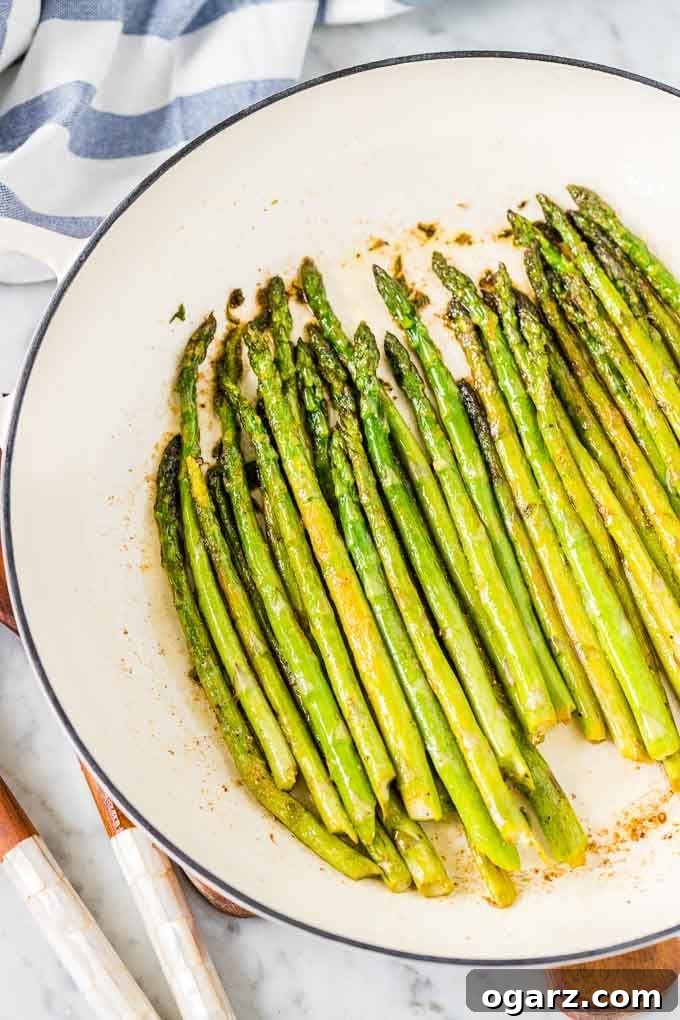
- Thickness Matters: As mentioned, the thickness of your asparagus spears is the primary factor influencing cooking time. Thin asparagus, like the elegant spears often seen in pictures, will cook much faster, sometimes in as little as 5-6 total minutes. Thicker asparagus, on the other hand, will require the full 8 minutes, or even a minute or two more, to become tender.
- Visual Cues: Beyond the fork test, pay attention to the color. Perfectly cooked green asparagus will become a brighter, more vibrant green, and you’ll see those lovely browned spots from the sautéing phase. Overcooked asparagus will lose its bright color, turning a dull olive green and becoming limp.
- Taste Test: Don’t be afraid to pull out a stalk and taste it as it cooks. This is the best way to determine if it’s precisely to your liking – whether you prefer it al dente or slightly softer.
With a little practice, you’ll intuitively know when your asparagus is perfectly cooked, tailored to your preferred texture.
Elevate Your Dish: Delicious Roasted Asparagus Toppings
While this roasted asparagus recipe is fantastic on its own, adding a few simple toppings can elevate it to a gourmet level, introducing new textures and complementary flavors. Here are some of our favorite ways to dress up your asparagus:
- Toasted Nuts:
- Pine Nuts: Roasting pine nuts briefly in a dry pan unlocks their rich, buttery flavor. Their delicate crunch and nutty aroma beautifully complement the savory Parmesan and the earthy roasted notes of the asparagus. Sprinkle them on just before serving for the best texture.
- Pecans or Walnuts: For a heartier, more robust nutty flavor, lightly toast chopped pecans or walnuts. Their slight bitterness and satisfying crunch add another layer of complexity.
- Almonds: Sliced or slivered almonds, toasted until golden, offer a more subtle nuttiness and delicate crispness.
- Tangy Glazes and Sauces:
- Balsamic Glaze: Instead of, or in addition to, the roasted garlic, consider drizzling a dash of rich, sweet, and tangy balsamic glaze over the asparagus at the very end. The acidity cuts through the richness and adds a sophisticated touch.
- Lemon Zest & Herbs: A sprinkle of fresh lemon zest and finely chopped fresh herbs like parsley, chives, or dill can brighten the flavor even further and add a pop of color.
- Cheesy Additions:
- Feta or Goat Cheese: Crumbled feta or creamy goat cheese can introduce a lovely tang and creaminess that contrasts beautifully with the asparagus.
- Nutritional Yeast: For a dairy-free alternative that still provides a cheesy, umami flavor, a sprinkle of nutritional yeast is an excellent choice.
- Spicy Kick: A pinch of red pepper flakes added with the garlic during the sautéing stage can give your asparagus a delightful warmth and gentle heat.
- Crispy Shallots or Onions: Thinly sliced shallots or red onions, briefly sautéed until crispy, offer a sweet and savory crunch.
Experiment with these options to discover your favorite combinations and customize your roasted asparagus to perfectly suit your meal and mood!
What Should I Serve with Roasted Asparagus? Perfect Pairings for Any Occasion
Roasted asparagus is an incredibly versatile side dish that pairs beautifully with a wide array of main courses, making it a staple for any meal, from casual weeknight dinners to elegant holiday spreads. Its fresh, earthy flavor and tender-crisp texture complement both light and hearty dishes.
Here are some ideal pairings:
- Classic Roasts: It’s the quintessential partner for your traditional Sunday roast dinner. Whether it’s a succulent roast chicken, a slow-cooked pot roast, a celebratory roast beef, or a festive roast turkey, the bright flavors of asparagus cut through the richness and add a refreshing element to the plate.
- Steak & Chops: Grilled or pan-seared steaks, lamb chops, or pork chops find a perfect match in roasted asparagus. The savory, often smoky flavors of the meat are beautifully balanced by the vegetable’s freshness and slight bitterness.
- Seafood Delights: For lighter meals, roasted asparagus is excellent with fish, particularly flaky white fish like cod, halibut, or salmon. Its delicate flavor doesn’t overpower the seafood, and the lemon notes in the recipe often enhance the fish. Shrimp and scallops also pair wonderfully.
- Poultry Dishes: Beyond roast chicken, consider serving it with pan-seared chicken breasts, grilled chicken thighs, or duck.
- Holiday Feasts: This easy recipe makes it a perfect side dish for major holidays like Thanksgiving or Christmas, freeing up oven space while still delivering a sophisticated and delicious component to your spread.
- Everyday Meals: Despite its elegant appearance, it’s simple enough to make during the week alongside pasta dishes, omelets, frittatas, or even as part of a grain bowl.
No matter the occasion, roasted asparagus adds a touch of freshness, flavor, and elegance to your table.
Discover More Easy Side Dish Recipes:
- German Red Cabbage
- Oven Roasted Potatoes
- German Cucumber Salad
- Air Fryer Potato Wedges
Storage and Reheating Tips for Roasted Asparagus
While roasted asparagus is undoubtedly at its best when served immediately, you can certainly enjoy leftovers with proper storage. Here’s what you need to know:
- Serving: For optimal flavor and texture, serve roasted asparagus as soon as it’s prepared. The tender-crisp texture and vibrant color are at their peak right off the pan.
- Storing Leftovers: Any leftover roasted asparagus should be transferred to an airtight container and stored in the refrigerator. It will keep well for 2-3 days. Be aware that the vibrant green color may fade slightly to a more yellowish hue, and it will lose some of its initial crisp “bite.” However, it will still taste delicious and remain a great healthy component for other meals. It makes a fantastic addition to salads, omelets, or even as a simple snack.
- Reheating: To reheat, you can gently warm it in a skillet over medium-low heat for a few minutes until heated through, or briefly microwave it. Avoid over-reheating, as this can make it mushy. For best results, a quick sauté in a pan is preferable to help it regain some texture.
- Freezing: Freezing roasted asparagus is generally not recommended. The delicate texture of cooked asparagus does not hold up well to freezing and thawing; it tends to become very soft and watery upon defrosting, losing its desirable consistency. If you wish to freeze asparagus, it’s best to blanch it first and then freeze it raw, for later cooking.
By following these tips, you can extend the enjoyment of your delicious pan-roasted asparagus without compromising too much on quality.
Print Recipe
Roasted Asparagus
By: Julia Foerster
Roasted Asparagus is the perfect side dish to go with your Sunday roast!
Prep Time: 7 minutes
Cook Time: 8 minutes
Total Time: 15 minutes
Servings: 4
Ingredients
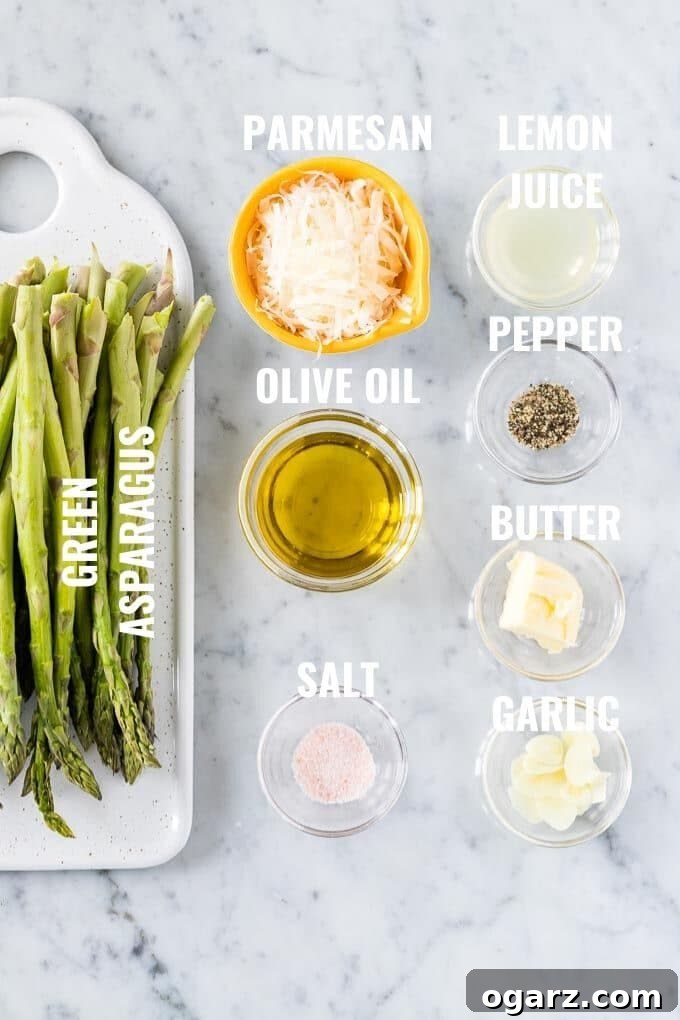
- 1 garlic clove, thinly sliced
- 1/3 cup coarsely grated Parmesan, or Parmesan shavings
- 2 Tbsp Olive Oil
- 1 Tbsp Unsalted Butter
- 1 lbs Asparagus, trimmed
- 1 Tbsp Lemon Juice, Freshly Squeezed
- 1/2 tsp Salt
- 1/4 tsp Pepper
Instructions
- In a medium skillet or frying pan set over medium-low heat, warm the Olive Oil. Add sliced garlic and sauté until lightly browned. Be careful not to burn it. Transfer garlic to a paper towel-lined plate and set aside.
- Add the butter to the pan and increase the temperature to medium. Add the trimmed asparagus to the pan, cover with a lid, and cook for about 5 minutes (3 minutes for thin asparagus, 5 minutes for thick asparagus).
- Remove the lid, increase the heat to medium-high, and fry until the asparagus is lightly browned, about 3 minutes. Test for desired doneness by lifting out a stalk and tasting it.
- Transfer the asparagus to a serving dish. Sprinkle over the reserved roasted garlic and season with fresh lemon juice, salt, and pepper. Toss gently to combine all the flavors. Top with Parmesan shavings just before serving.
Nutrition
Calories: 148 kcal | Carbohydrates: 5g | Protein: 6g | Fat: 12g | Saturated Fat: 4g | Cholesterol: 15mg | Sodium: 421mg | Potassium: 239mg | Fiber: 2g | Sugar: 2g | Vitamin A: 1018 IU | Vitamin C: 8mg | Calcium: 120mg | Iron: 3mg
We hope you enjoy this easy and delicious pan-roasted asparagus recipe! It’s a testament to how simple ingredients and a smart technique can yield outstanding results. Don’t forget to rate this recipe and share your thoughts in the comments below. Happy cooking!