
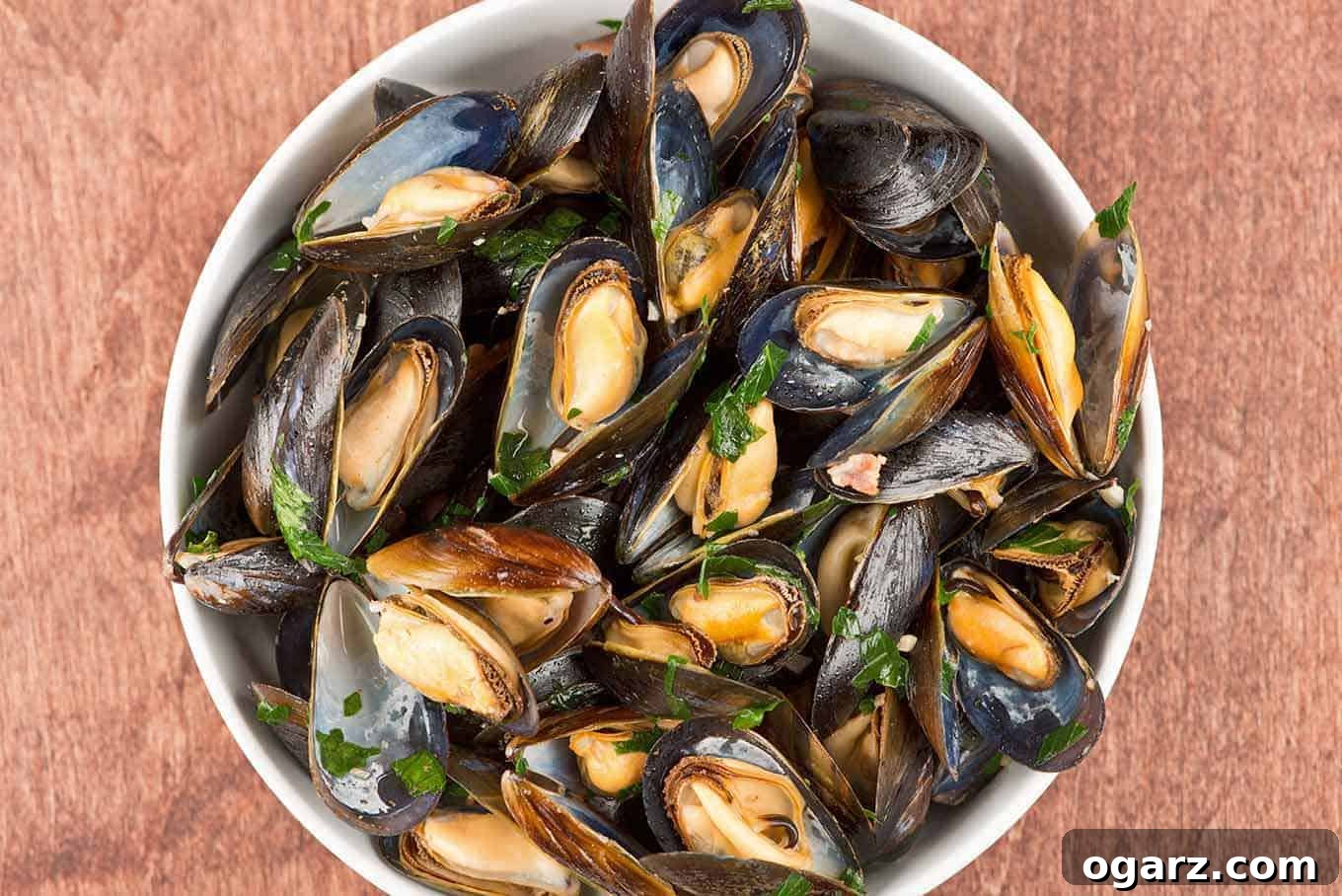
Belgian Ale-Braised Mussels: An Exquisite Seafood Delight
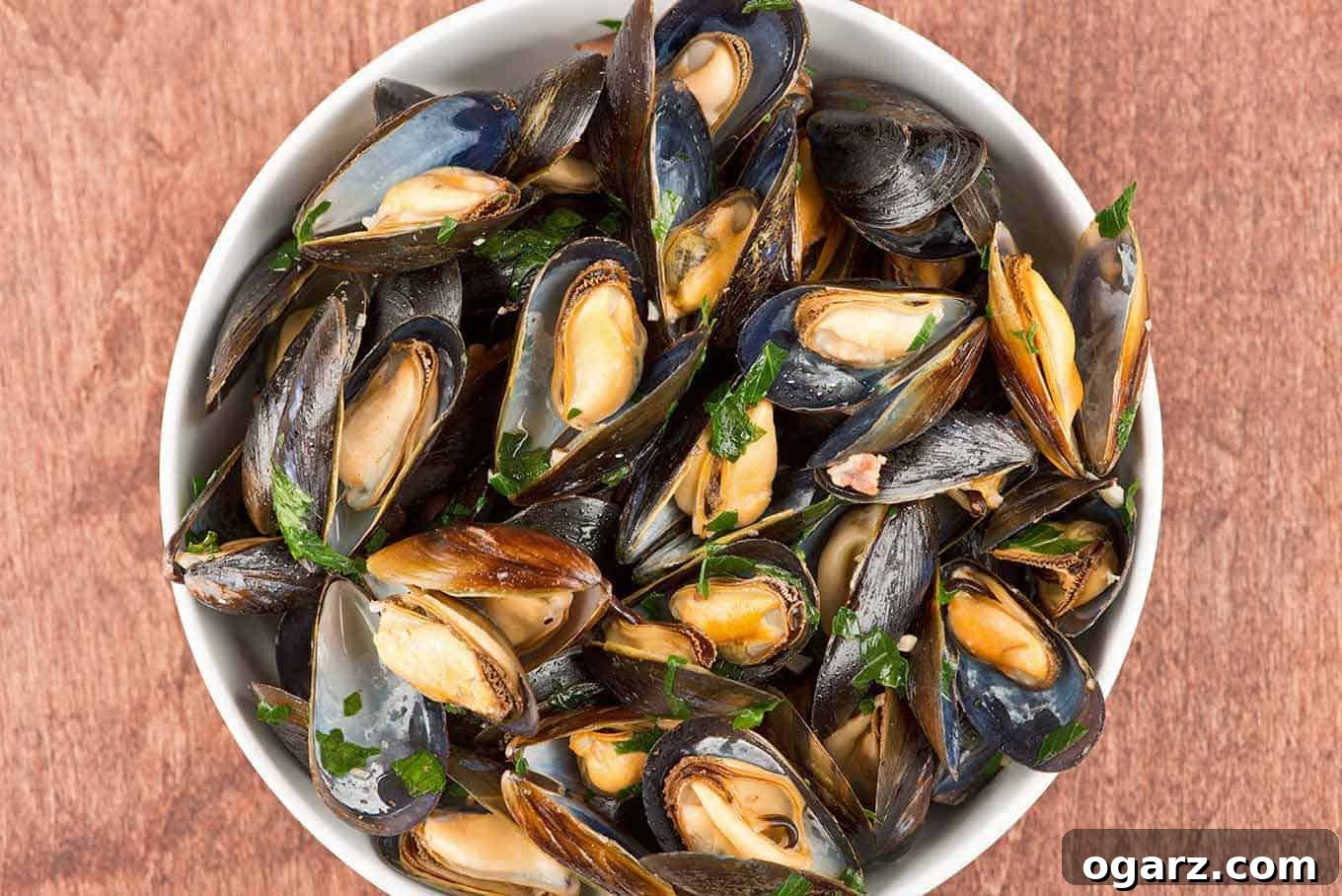
Mussels, those humble yet exquisite bivalves, offer a world of culinary possibilities, transforming from simple ingredients into a gourmet experience with surprising ease. Whether you’re seeking a light and refreshing meal or a sophisticated appetizer to kick off a dinner party, mussels are a fantastic choice. Their versatility allows them to be braised in an array of flavorful liquids and seasoned with countless spice combinations – from the exotic notes of green coconut curry to the robust depth of saffron-tomato broth, or the timeless elegance of classic white wine. This particular recipe presents a magnificent rendition, adapting a creation from the renowned cookbook, “Steak with Friends: At Home With Rick Tramonto,” featuring mussels expertly braised in a fragrant Belgian-style ale infused with the aromatic trinity of shallots, garlic, and fresh herbs. This method promises a dish that is both comforting and captivating, delivering a rich, complex flavor profile that belies its simple preparation.
Beyond their incredible taste, mussels are a highly sustainable and nutritious seafood option. They are rich in protein, omega-3 fatty acids, and essential minerals like iron and zinc, making them a healthy addition to any diet. Furthermore, they cook incredibly fast, making them ideal for busy weeknights or impromptu gatherings. In the following sections, we’ll delve deeper into the art of preparing these Belgian Ale-Braised Mussels, offering tips on ingredient selection, detailed cooking instructions, and creative serving suggestions to help you master this impressive dish.
The Allure of Braised Mussels: A Culinary Journey
Braising mussels is a cooking technique that truly highlights their delicate texture and natural brininess. By simmering them in a flavorful liquid, the mussels not only cook to perfection but also infuse the broth with their essence, creating a harmonious and deeply satisfying sauce. This method is incredibly forgiving and allows for immense creativity, as demonstrated by the diverse range of braising liquids one can employ. The beauty of mussels lies in their ability to absorb and complement the flavors of their surroundings, making them a blank canvas for culinary exploration.
Why Belgian Ale? A Match Made in Culinary Heaven
The choice of Belgian-style ale in this recipe is not merely a whim but a carefully considered element that elevates the dish. Belgian ales are celebrated for their complex flavor profiles, often exhibiting notes of fruit, spice, yeast, and sometimes a hint of sweetness, which can range from light and refreshing to rich and malty. When used in braising, these characteristics impart a unique depth and warmth to the broth that perfectly complements the briny sweetness of the mussels. Unlike stronger, more bitter beers, a well-chosen Belgian ale provides a nuanced backdrop that enhances rather than overwhelms the seafood. It creates a rustic yet refined flavor that evokes the charming culinary traditions of Belgium, where moules-frites (mussels and fries) are a national treasure.
Essential Ingredients for Your Belgian Ale-Braised Mussels
Crafting this remarkable dish begins with selecting high-quality ingredients. Each component plays a vital role in building the layered flavors that make this recipe a standout. Pay attention to freshness, especially when it comes to the mussels and herbs, as these will significantly impact the final taste.
Rated 4.20 out of 5 by 5 users
Belgian Ale-Braised Mussels
Lynne Webb
5 minutes
20 minutes
25 minutes
6
to 8 servings
Print Recipe
Ingredients
- 4 lbs mussels
- 4 strips thick cut bacon, diced
- 2 tablespoons olive oil
- 2 medium shallots, very finely chopped
- 2 cloves garlic, very finely chopped
- 2 cups Belgian-style ale (approximately 1-1/4 bottles)
- 1 tablespoon fresh thyme leaves
- 2 tablespoons butter
- 1 tablespoon fresh tarragon, chopped
- 2 tablespoons flat leaf parsley, chopped
- 2 tablespoons lemon juice
- Salt and freshly ground black pepper to taste
- 1 French baguette, sliced and lightly toasted, for serving
Instructions
- Rinse the mussels thoroughly under cool running water. If necessary, scrub the shells with a stiff brush to remove any grit or barnacles. Additionally, inspect for and remove any “beards” – the bristly fibrous growth protruding from the shell – by giving them a sharp tug towards the hinged end of the mussel. Note: Farmed mussels are typically quite clean and rarely have many beards.
- In a medium-sized stock pot, fry the diced bacon over medium heat until it is crisp. Carefully transfer the cooked bacon to a paper towel-lined plate to drain, reserving all but 1 tablespoon of the rendered bacon fat in the pot.
- Return the pot to medium heat. Add the olive oil, then introduce the finely chopped shallots, garlic, and fresh thyme leaves. Sauté this aromatic mixture for about 2 minutes, or until the shallots and garlic are soft and fragrant. Be careful not to let them brown. Add the prepared mussels to the pot and toss gently to coat them evenly with the oil and aromatic mixture.
- Increase the heat to medium-high. Pour in the Belgian-style ale, then cover the pot tightly. Bring the mixture to a simmer and continue cooking for 7 to 10 minutes, or until all the mussels have fully opened. Using a slotted spoon, quickly transfer the opened mussels into 4 individual serving bowls. Discard any mussels that remain closed, as these were likely dead before cooking and are not safe to eat.
- To the hot broth remaining in the pan, add the butter, chopped fresh tarragon, chopped flat-leaf parsley, and lemon juice. Season the broth with salt and freshly ground black pepper to taste. Whisk continuously until the butter has completely melted and the broth is well combined.
- Generously pour the hot, flavorful broth over the mussels in each serving bowl. Serve immediately, accompanied by plenty of crusty French baguette slices for dipping and a fresh green salad on the side to complete the meal.
- This recipe yields 4 main course servings or 6 to 8 appetizer servings.
- Adapted from “Steak With Friends” by Chef Rick Tramonto ©2010 Andrews McMeel Publishing.
Selecting and Preparing Mussels for Optimal Flavor
The success of any mussel dish hinges on the quality and freshness of your seafood. When purchasing mussels, look for those that are tightly closed and have a fresh, briny smell, indicative of the ocean. Avoid any mussels with cracked or broken shells, or those that are open and do not close when tapped gently. These might be dead and should be discarded. Most mussels available today are farmed, meaning they are cultivated in controlled environments, resulting in cleaner shells and less grit, which simplifies the cleaning process significantly.
Cleaning and Debarding Mussels
Upon bringing your mussels home, store them in a bowl covered with a damp cloth in the refrigerator, allowing them to breathe, until you’re ready to cook. Do not store them in an airtight container or submerged in water, as this can suffocate them. Just before cooking, give them a final rinse under cool running water. If you encounter any “beards” – the fibrous strands used by the mussel to attach itself to surfaces – firmly tug them towards the hinge of the shell to remove them. This step is crucial for a pleasant eating experience, as beards are tough and unpleasant to chew. Discard any mussels that remain stubbornly open after cleaning, as well as any that feel unusually heavy (potentially filled with mud) or too light (indicating they might be dead or empty).
The Role of Aromatics and Herbs
The foundation of the braising liquid for these Belgian Ale-Braised Mussels is built upon a classic combination of shallots and garlic. These aromatics, when gently sautéed in olive oil and bacon fat, create a fragrant base that awakens the senses and deepens the overall flavor profile. Shallots, with their milder, sweeter oniony flavor, and garlic, with its pungent warmth, meld beautifully to provide a robust starting point for the ale. Fresh thyme adds an earthy, slightly floral note that complements both the seafood and the beer. Post-braising, the addition of fresh tarragon and flat-leaf parsley infuses the broth with bright, peppery, and anise-like undertones, along with a vibrant freshness that lifts the entire dish. The final squeeze of lemon juice acts as a crucial balancer, cutting through the richness and brightening the flavors, making each spoonful irresistibly tangy and savory.
Serving Suggestions and Perfect Pairings
Belgian Ale-Braised Mussels are a complete culinary experience on their own, but they truly shine when paired with the right accompaniments. The most traditional pairing, inspired by Belgian cuisine, is undoubtedly crispy French fries (frites) for dipping into the exquisite broth. A simple green salad with a light vinaigrette provides a refreshing counterpoint to the rich mussels and broth. Crusty French baguette slices, as suggested in the recipe, are also essential for soaking up every last drop of the flavorful liquid. For drinks, consider pairing the dish with a Belgian blonde ale, a crisp Saison, or even a dry white wine such as a Sauvignon Blanc or a Pinot Grigio, which will echo the flavors of the dish without overpowering it.
Variations to Explore Your Culinary Creativity
While this recipe provides a fantastic framework, it’s also an excellent starting point for culinary experimentation. You can easily adapt it to suit your personal taste or available ingredients. For a different beer profile, consider a dry stout for a richer, darker broth, or a crisp Belgian witbier for a lighter, citrusy twist. If you prefer wine, a dry white wine (like a Muscadet or Pinot Grigio) or even a splash of pastis can replace the ale. To introduce more vegetables, try adding thinly sliced leeks, fennel, or diced bell peppers along with the shallots and garlic. A touch of cream or a spoonful of Dijon mustard can be whisked into the broth at the end for an extra layer of richness and tang. For those who enjoy a bit of heat, a pinch of red pepper flakes or a finely diced fresh chili can provide a delightful kick. These variations allow you to customize the dish to your liking, making it a staple in your recipe repertoire.
Rick Tramonto’s “Steak With Friends”: More Than Just Steak
Rick Tramonto’s cookbook, “Steak with Friends,” is a testament to the idea that home cooking can be both accessible and utterly gourmet. While the title suggests a focus on beef, Tramonto, a celebrated chef, demonstrates his culinary breadth by including sophisticated yet achievable recipes across various categories, including seafood. This mussel recipe is a perfect example of his philosophy: taking high-quality ingredients and transforming them with classic techniques and thoughtful flavor combinations. The book encourages readers to embrace cooking not just as a task, but as an act of hospitality and friendship, making it an inspiring guide for anyone looking to elevate their home dining experience beyond the ordinary.
Whether you’re new to cooking mussels or a seasoned seafood enthusiast, this Belgian Ale-Braised Mussels recipe offers a delightful and rewarding experience. It’s a testament to how simple ingredients, combined with a touch of culinary know-how, can create a truly memorable meal. Enjoy the process of bringing this flavorful dish to life and sharing it with your friends and family.