
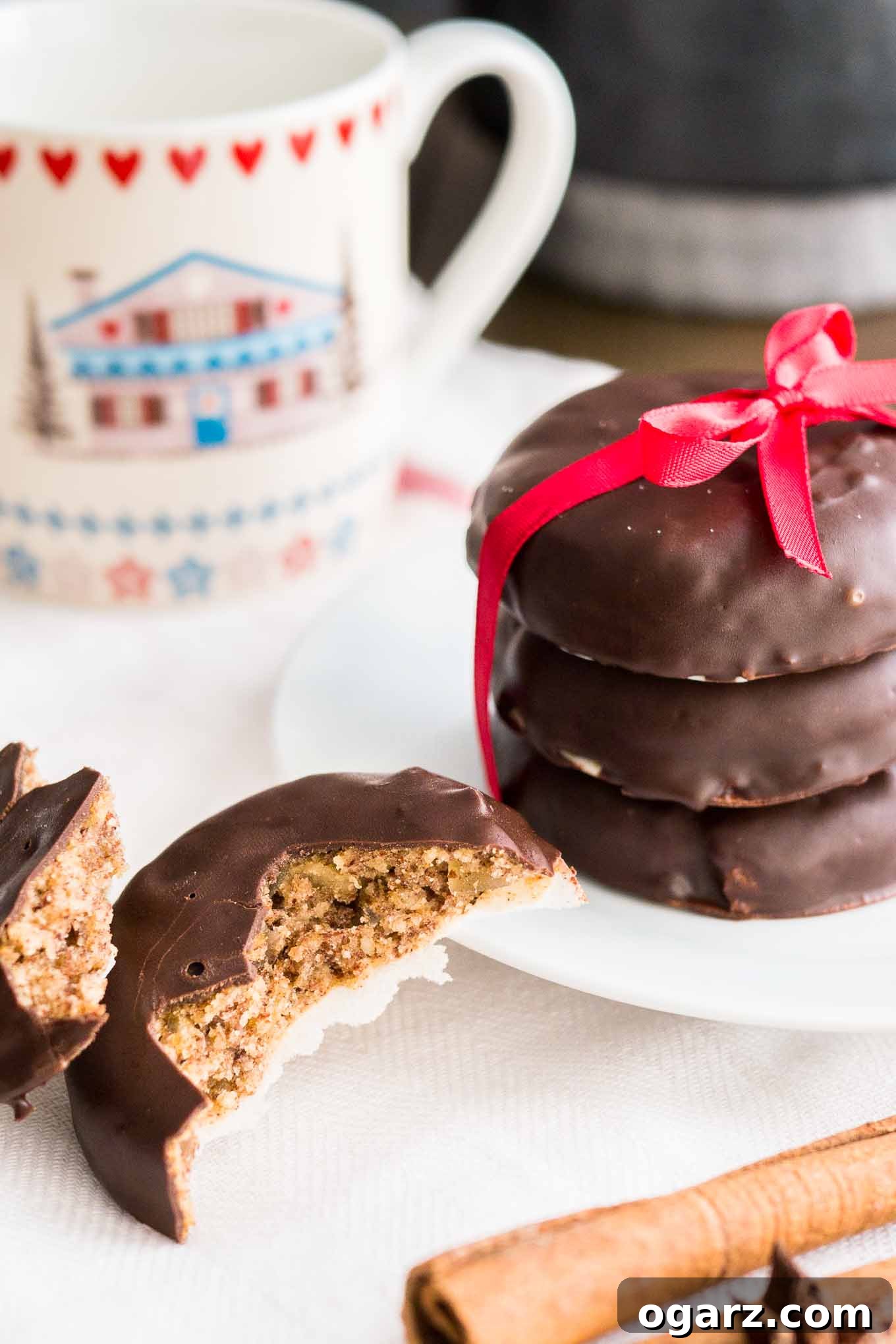
Delight in the rich traditions of German Christmas baking with this authentic Elisen Lebkuchen recipe. Far from the crisp gingerbread often found elsewhere, these German gingerbread cookies are renowned for their incredibly moist, soft texture, generously studded with a medley of nuts, candied fruits, and an aromatic blend of festive spices. Easy to prepare from scratch, these melt-in-your-mouth treats are not only a cherished part of the holiday season but also make exquisite, heartfelt edible gifts.
While Germany boasts a diverse array of Christmas cookies, such as the crescent-shaped Vanillekipferl, delightful Nut Corners, and elegant Cinnamon Stars, the Nuernberger Elisen Lebkuchen holds a special place in the hearts of many, embodying the true spirit of German Yuletide.

Lebkuchen truly stands as the most iconic German Christmas cookie. Unlike the hard, crunchy gingerbread prevalent in North America, its German counterpart offers a uniquely soft and tender experience. These exquisite cookies are crafted with a generous amount of ground nuts and a distinctive spice mixture known as Lebkuchen spice. This aromatic blend, somewhat akin to pumpkin pie spice, infuses them with their signature, irresistible flavor. One of the greatest advantages of baking Lebkuchen is their exceptional longevity; they remain wonderfully fresh and moist for weeks when stored in an airtight cookie tin in a cool, dry place, making them perfect for preparing well in advance of the holiday festivities.
What Exactly Are Lebkuchen? Unraveling the German Gingerbread Tradition
Lebkuchen are traditional German Christmas cookies that share a lineage with gingerbread but possess distinct characteristics. There are several varieties, with Oblaten Lebkuchen and Elisen Lebkuchen being among the most recognized. The primary distinction often lies in their nut content and the absence or minimal use of flour. Elisen Lebkuchen, in particular, is celebrated for its premium quality, containing little to no flour, and a higher proportion of fine nuts like almonds and hazelnuts. The essential ingredients across most Lebkuchen varieties consistently include a fragrant mixture of ground nuts, finely diced candied orange and lemon peel, eggs, a touch of sugar or honey, and sometimes a hint of marzipan. It is this distinctive combination, especially the flourless nature of Elisen Lebkuchen, that elevates them to such a revered status among German Christmas confections.
For many, including myself, these are the absolute pinnacle of Christmas cookies. A few years ago, I embarked on the delightful journey of baking them from scratch, discovering just how straightforward the process can be. This particular recipe yields a substantial batch of Lebkuchen, ensuring there’s plenty to share with cherished friends and family throughout the festive season, spreading warmth and holiday cheer.
Expert Tips for Crafting Perfect Homemade Lebkuchen
Achieving the perfect Lebkuchen is a rewarding experience, and a few expert insights can elevate your baking from good to extraordinary. Here are some invaluable tips to guide you through the process, ensuring your German gingerbread cookies are as authentic and delicious as possible:
- Freshly Ground Nuts Make a Difference: Instead of purchasing pre-ground almonds and hazelnuts, opt for whole nuts and process them yourself in a food processor until they achieve a coarse flour-like consistency. This method yields superior Lebkuchen because fresh-ground nuts retain more of their natural oils and flavor, resulting in a moister and more aromatic cookie. Always measure your nuts *after* grinding them to ensure accuracy in the recipe.
- Embrace Candied Fruit: While candied fruit might not be everyone’s preferred ingredient, it plays a crucial role in Lebkuchen. It not only contributes a vibrant, complex flavor profile but also significantly enhances the cookies’ moisture content and chewiness. Do not be tempted to omit it, as it is integral to the authentic Lebkuchen experience.
- Sourcing Baking Wafers (Oblaten): These thin, edible wafers form the base of traditional Lebkuchen, preventing sticking and adding a unique textural element. You can typically find baking wafers online or in specialty food stores that stock German imported goods. In Germany, they are known as “Backoblaten” and are very similar in composition to communion wafers.
- Wafers Alternatives: If locating baking wafers proves challenging, you can still successfully make these delightful cookies without them. Simply use a silicone baking mat in place of parchment paper. Scoop the Lebkuchen batter directly onto the mat using an ice cream scoop. To shape and flatten the batter, dip a knife or the bottom of a glass in water and press gently. After the cookies have completely cooled, you can dip their bottoms in melted chocolate for a classic finish.
- The Uniqueness of Lebkuchen Spice Mixture: There is no direct substitute for the distinctive Lebkuchen Spice Mixture. Its unique blend of warming spices is what truly defines the flavor of these cookies. The good news is that making your own Lebkuchen spice mix from individual spices is surprisingly easy and often more economical than buying a pre-made blend. Follow a dedicated recipe to create this essential component.
- Optimal Storage for Freshness: Lebkuchen are known for their excellent shelf life. They will remain fresh and wonderfully moist for approximately 3-4 weeks when stored properly. Always keep them in an airtight cookie tin placed in a cool, dry environment to preserve their texture and flavor.
The Art of Making Lebkuchen: A Step-by-Step Guide
Creating these cherished German Christmas cookies is a delightful process, beginning with the careful preparation of the dough. The key to Lebkuchen’s characteristic texture lies in the initial steps and the resting period.
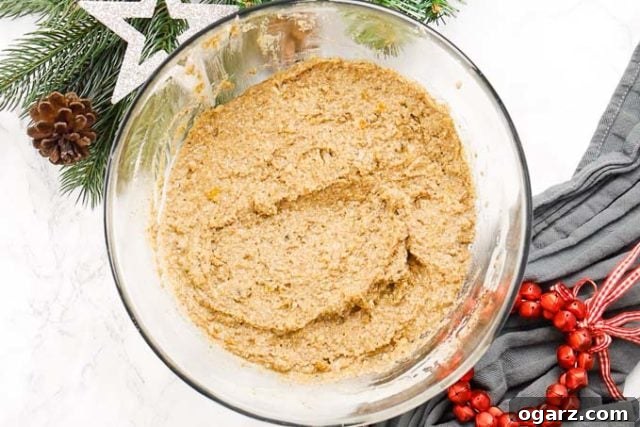
Begin by combining the sugar and eggs in the bowl of a stand mixer. Beat them together on medium speed for an extended period, approximately 15 minutes, until the mixture becomes remarkably light, fluffy, and significantly paler in color. During this process, the volume of the mixture will effectively double, creating an airy base. A stand mixer is highly recommended for achieving this optimal consistency. Once the egg and sugar mixture is ready, gently fold in all the other ingredients: the finely ground hazelnuts and almonds, the pulsed candied citrus and orange peel, the essential German Gingerbread Spice Mix, and a hint of fresh lemon zest. Mix until all ingredients are just well combined, ensuring not to overmix. Once the dough is prepared, cover the bowl tightly with plastic wrap and transfer it to the refrigerator. Allow the batter to rest overnight, or for a minimum of ten hours. This crucial resting period allows the flavors to meld and the dough to thicken and firm up, which is essential for proper shaping.
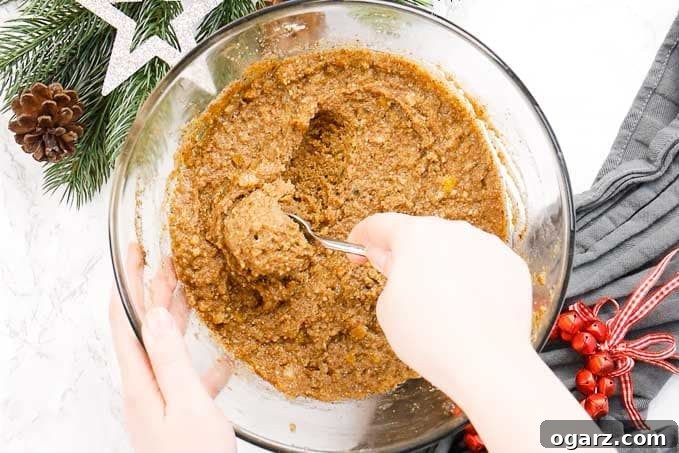
After its essential rest in the refrigerator for at least ten hours, the Lebkuchen batter will undergo a transformation. It will become noticeably thick, developing a consistency akin to a very dense porridge. At this stage, the dough should be readily spreadable yet firm enough to hold its shape when scooped, making it ideal for forming into individual cookies.
There are several methods for shaping German gingerbread, each with its own charm. The most traditional and often easiest way involves using a specialized tool called a “Lebkuchen Bell” or “Lebkuchen Mill,” though these are typically found only in Germany. Should you ever have the pleasure of visiting Germany during the Christmas season, acquiring one at a local Christmas Market would be a delightful souvenir. For those without access to such a tool, a dough scraper or a simple knife works perfectly well. To shape, invert a glass that has roughly the same diameter as your baking wafers (Oblaten). Place one of the wafers on top of the inverted glass. Scoop about 3 tablespoons of the Lebkuchen batter onto the wafer, then use a wet knife or a dough scraper to gently spread and shape the batter into a shallow dome, ensuring it extends to the very edges of the wafer. Observing a video demonstration can be incredibly helpful for visualizing this technique!
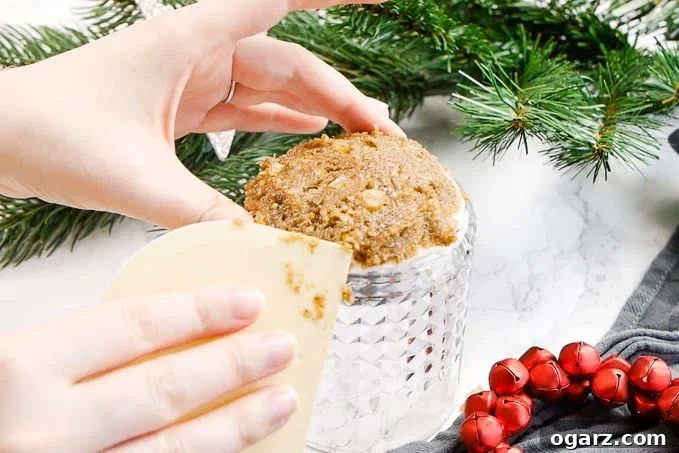
When shaping the Lebkuchen dough, strive for a slight dome – thicker in the center and gradually thinning out towards the edges of the wafer. If the batter begins to stick to your shaping tool, simply dip the knife or scraper in water; this will help achieve a smoother finish. As mentioned, if you are unable to procure Oblaten, a silicone baking mat serves as an excellent alternative to parchment paper. Scoop the dough onto the mat with an ice cream scoop, then use a wet knife or the bottom of a water-dipped glass to flatten the batter into a disc. While it may require a little more finesse, making delicious Lebkuchen without wafers is absolutely achievable.
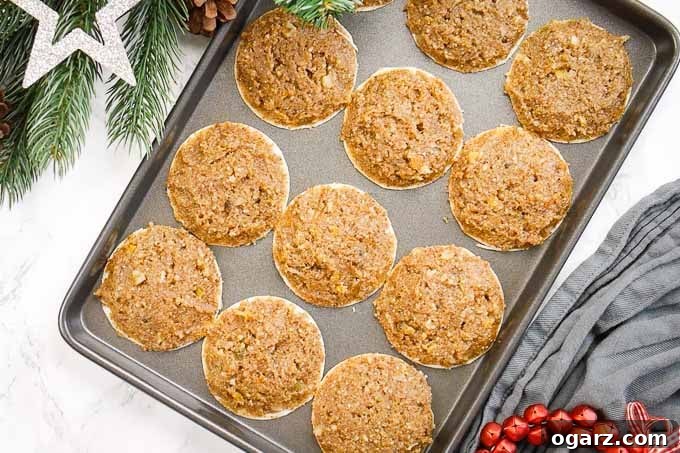
Once shaped, the Lebkuchen are ready for baking. Preheat your oven to 320°F (160°C). Bake the cookies for approximately 22 minutes. The key is to achieve a texture where they are just barely browned around the edges, with the centers remaining soft and yielding. You want your Lebkuchen to be wonderfully soft and moist, steering clear of any hardness or dryness. They will firm up slightly as they cool, so don’t be concerned if they seem very soft straight out of the oven.
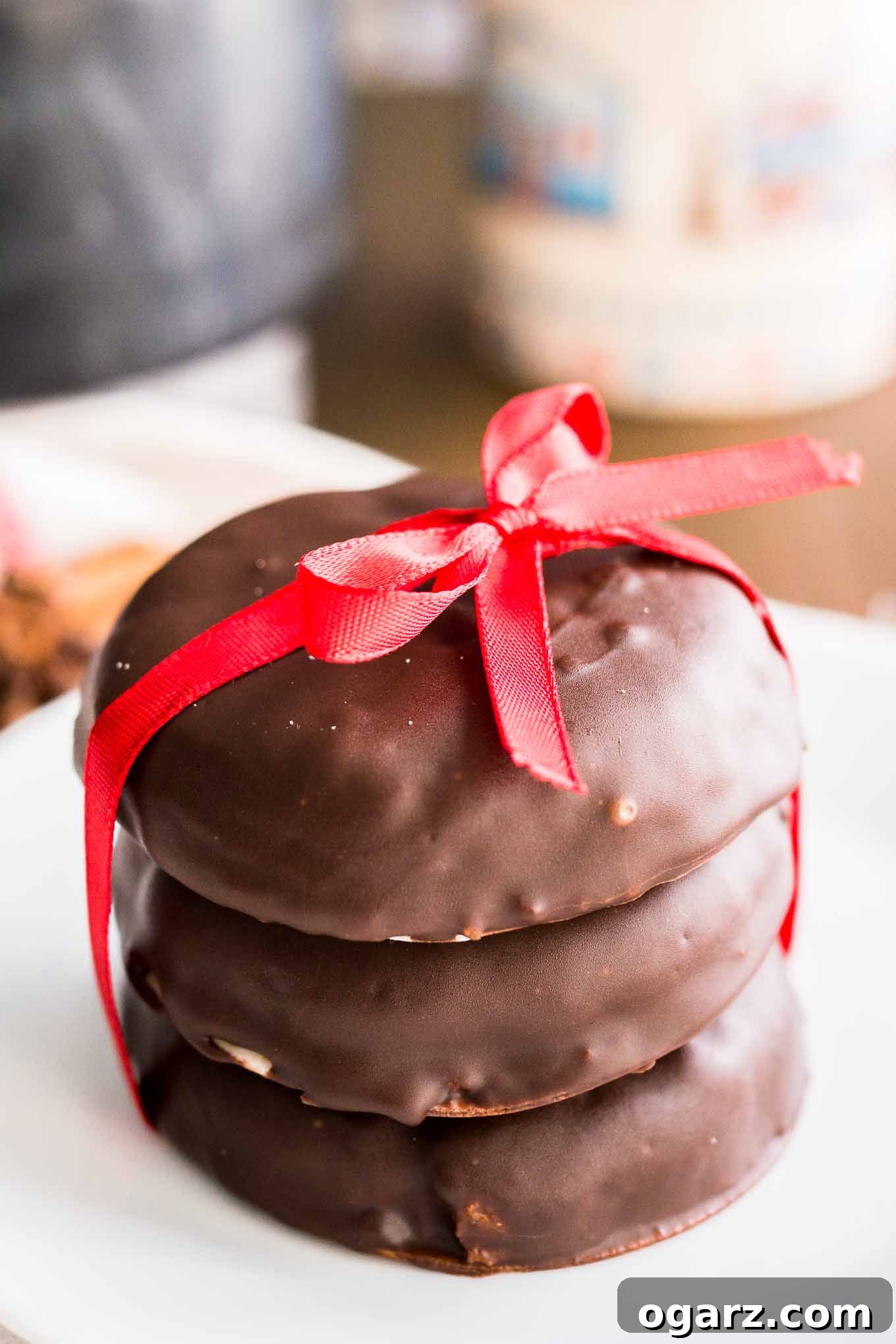
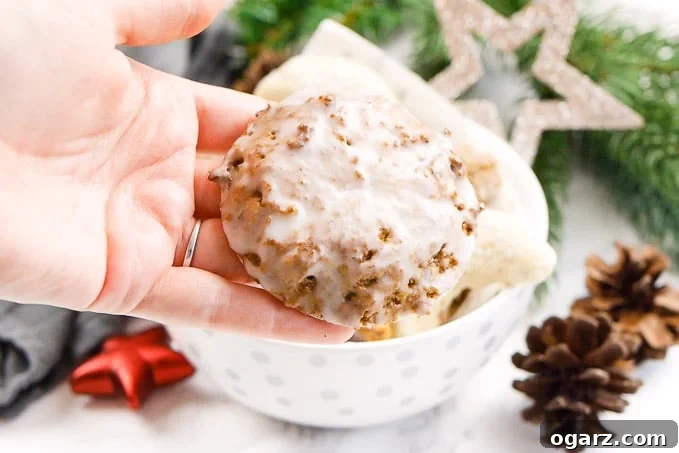
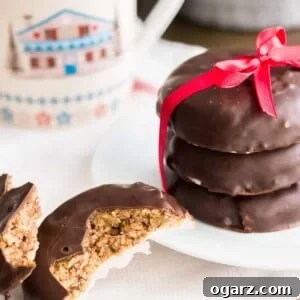
After the Lebkuchen have cooled completely – a crucial step before glazing – it’s time to add the finishing touch. In Germany, you’ll encounter Lebkuchen sold in various forms: plain, without any glaze; with a rich, dark chocolate glaze; or with a simple, sweet sugar glaze. While the chocolate glaze tends to be the most popular choice, a delicate sugar glaze remains my personal favorite for its classic appeal. For an added touch of elegance and flavor, you can gently press blanched whole almonds into the wet glaze before it sets.
Crafting the Perfect Chocolate Glaze
For a luscious chocolate coating, melt 4 ounces of high-quality dark chocolate. You can do this either in the microwave in short bursts, stirring frequently, or in a metal bowl set over a pot of simmering water (a double boiler method). Stir in 1 tablespoon of coconut oil, which helps create a smooth, glossy finish. Once melted and smooth, use a pastry brush to evenly coat the completely cooled Lebkuchen. Place the glazed cookies on a wire rack to allow any excess chocolate to drip off and the glaze to set completely before transferring them to an airtight cookie tin for storage.
Preparing a Classic Sugar Glaze
If you prefer a traditional sugar glaze, combine 1 cup of sifted powdered sugar with 2-3 tablespoons of water in a small bowl. Whisk the mixture until it is perfectly smooth and free of lumps, adjusting the amount of water slightly to achieve a pourable but not too thin consistency. Using a brush, apply this sweet glaze to the cooled cookies. Allow them to dry thoroughly on a wire rack before placing them in a cookie tin to maintain their freshness.
Essential Tools and Ingredients for Your Lebkuchen Baking
To embark on your Lebkuchen baking journey, having the right tools and quality ingredients is key:
- Baking Wafers (Oblaten): These edible wafers are fundamental for authentic Lebkuchen. You’ll need approximately 30-40 wafers, ideally with a 70mm diameter (though 50mm can also work). They have a long shelf life, so you can stock up!
- Candied Citrus Peel: Both candied citron and candied orange peel are critically important for imparting the signature flavor and moisture to this recipe. You can purchase these at specialty stores or, for an even fresher taste, make your own following my simple recipe.
- German Gingerbread Spice Mix: This unique blend of spices is the soul of Lebkuchen, often referred to as the German equivalent of pumpkin pie spice. I highly recommend making your own blend; it’s straightforward, incredibly fragrant, and generally more cost-effective than buying a pre-made mix.
Other German Christmas Cookie Favorites
If you’ve fallen in love with German Christmas baking, there are many other delightful cookies to explore:
Christmas Recipes
Zimtsterne (Cinnamon Stars)
Christmas Recipes
Thumbprint Cookies (Engelsaugen)
German Recipes
Heidesand (German Butter Cookies)
Christmas Recipes
Pfeffernusse (Spiced Molasses Cookies)
German Lebkuchen Recipe
This traditional Lebkuchen recipe is easy to make from scratch and loaded with nuts, candied fruit, and flavorful spices.
By: Julia Foerster
Details:
- Prep Time: 10 minutes
- Cook Time: 22 minutes
- Total Time: 32 minutes (excluding resting time)
- Servings: 30 Lebkuchen
Ingredients:
- 1 cup granulated sugar
- 5 large eggs
- 1 3/4 cups ground hazelnuts
- 1 3/4 cups ground almonds
- 1/2 cup candied citrus peel, finely pulsed in a food processor
- 1/2 cup candied orange peel, finely pulsed in a food processor
- 3 tbsp German gingerbread spice
- 1 tsp lemon zest
- 30-40 wafers, with a 70mm diameter (Oblaten)
Instructions:
- In the bowl of a stand mixer fitted with the paddle attachment, combine the eggs and sugar. Beat for about 15 minutes at medium speed until the mixture is white and fluffy and has doubled in volume.
- Add the ground hazelnuts, ground almonds, finely chopped candied orange peel, finely chopped citrus peel, gingerbread spice, and lemon zest. Whisk until all ingredients are just combined. Cover the bowl with plastic wrap and let the batter rest in the fridge overnight or for at least 10 hours.
- Preheat the oven to 320°F (160°C). Line a baking sheet with parchment paper.
- Scoop the mixture with a spoon or an ice cream scoop onto the wafers (Oblaten). Use a wet knife or dough scraper to smooth down the top until it reaches the very edge of the wafer. The dough should be slightly thicker in the center and thinner on the edges. Place the shaped Lebkuchen on the lined baking sheet.
- Bake for about 22 minutes, or until the Lebkuchen are set but still soft in the middle and have barely started to brown around the edges. Remove from the oven and leave them on the tray to cool down completely.
- Once the Lebkuchen are completely cooled, place a wire rack over a baking sheet (to catch any drippings). Dip each Lebkuchen in your chosen glaze (chocolate or sugar, as described above) and let the excess drip back into the bowl. Then, place the glazed Lebkuchen on the wire rack to dry completely. Store them in an airtight container.
Notes:
This recipe was originally published in December 2015 and has been updated with detailed instructions for an improved baking experience.
Nutrition:
- Calories: 132 kcal
- Carbohydrates: 13g
- Protein: 3g
- Fat: 7g
- Cholesterol: 27mg
- Sodium: 15mg
- Potassium: 16mg
- Fiber: 1g
- Sugar: 11g
- Vitamin A: 40IU
- Vitamin C: 0.5mg
- Calcium: 32mg
- Iron: 0.8mg
Enjoyed this recipe?
We’d love to hear your thoughts! Please consider rating and leaving a comment below to share your experience with this traditional Lebkuchen recipe.