
The Ultimate Guide to Crafting Perfect Homemade Macaroni and Cheese
There are few dishes that evoke the same warmth and nostalgia as a hearty bowl of macaroni and cheese. Far from the simplistic boxed varieties, homemade mac and cheese is a culinary art form, a symphony of rich flavors and comforting textures. Whether you prefer the bubbly, golden crust of a baked casserole or the silky, melt-in-your-mouth goodness of a stovetop classic, mastering this dish is a rewarding endeavor. This comprehensive guide will equip you with all the knowledge, tips, and techniques to consistently achieve creamy, delicious results that will impress even the most discerning palates.
From selecting the ideal pasta shape to understanding the science behind the perfect cheese blend, and from perfecting the foundational béchamel sauce to deciding between a baked or stovetop finish, we’ll cover every aspect. Get ready to transform your understanding of this beloved comfort food and elevate your home cooking with our step-by-step instructions for the ultimate mac and cheese sauce.
The Secret Weapon: Mastering Béchamel Sauce for a Creamy Cheese Base
The foundation of any truly exceptional macaroni and cheese lies in a well-executed béchamel sauce. Often referred to as one of the “mother sauces” in classical French cuisine, béchamel is a simple yet elegant white sauce that provides the perfect creamy canvas for your chosen cheeses. Without this stable base, your cheese sauce risks separating or becoming oily, detracting from the luxurious texture that defines great mac and cheese.
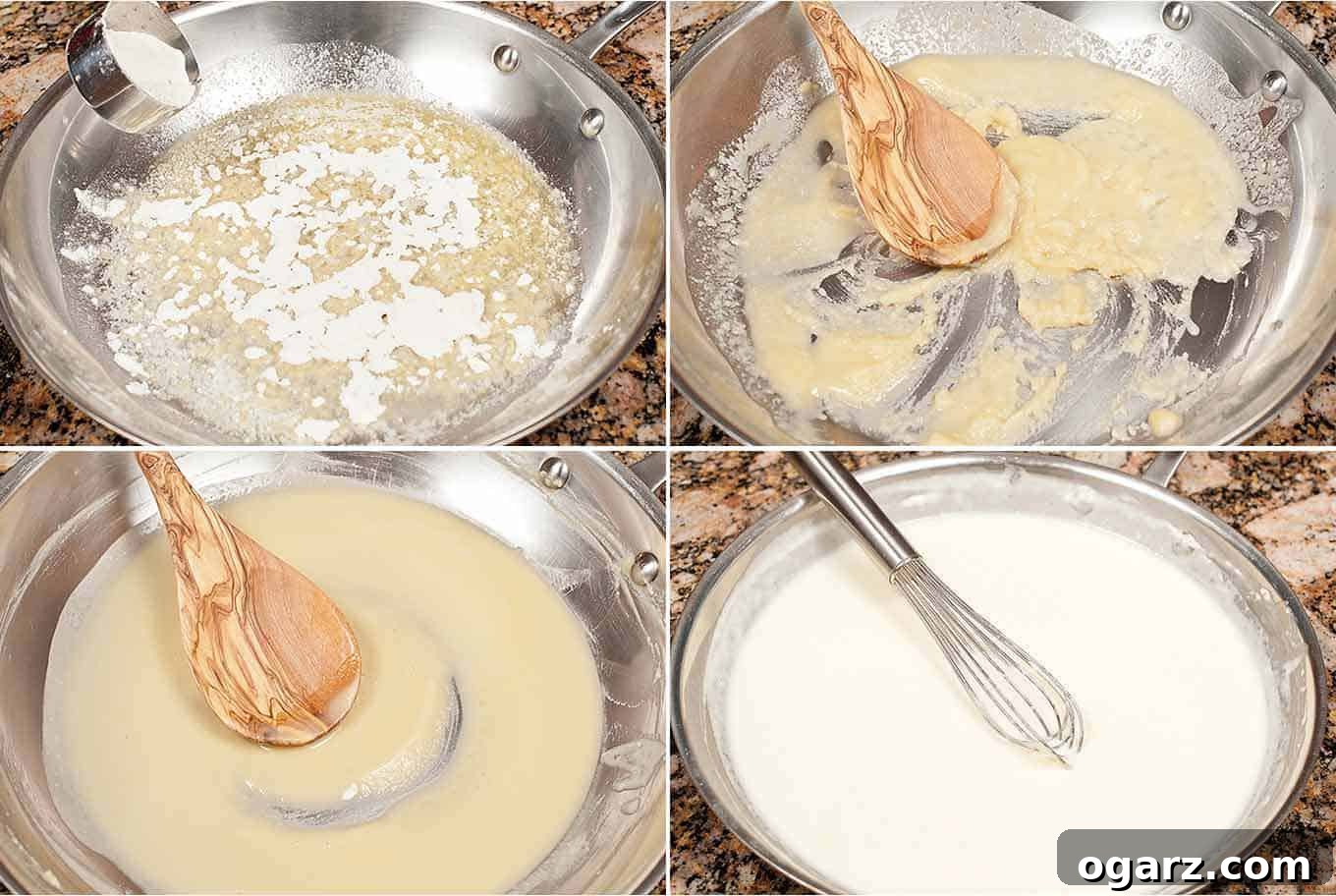
The process begins with creating a roux, which is a mixture of equal parts fat (typically butter) and flour cooked together. For mac and cheese, we aim for a “blond” roux – cooked just long enough to remove the raw flour taste but not so long that it develops too much color, which can alter the flavor of the final sauce. This roux acts as the thickening agent for the béchamel. Once the roux is smooth and slightly golden, warm milk is gradually whisked in. The key is to add the milk slowly while continuously whisking to prevent lumps and ensure a velvety-smooth consistency. The sauce is then gently cooked until it thickens to the point where it coats the back of a spoon. This rich, smooth béchamel is what will beautifully emulsify with your cheeses, creating an irresistibly creamy and stable cheese sauce.
Curating Your Ingredients: The Foundation of Flavor and Texture
While the concept of macaroni and cheese seems straightforward, the quality and type of ingredients you select can dramatically impact the final dish. Crafting this comfort food from scratch offers immense creative freedom, allowing you to tailor it precisely to your preferences. However, a few fundamental guidelines ensure optimal results every time.
Embrace Full-Fat Dairy: For Unrivaled Creaminess and Stability
When it comes to béchamel and subsequently your cheese sauce, compromise on fat content is not an option if you’re chasing that truly luxurious, lump-free consistency. Using low-fat or skim milk and reduced-fat butter will not only diminish the richness of your sauce but can also make it prone to separation and a grainy texture. The fat in whole milk and real unsalted butter plays a crucial role in the emulsion, ensuring a smooth, cohesive sauce. Indulge in good quality unsalted butter and whole milk; your taste buds (and your sauce) will thank you. This is one dish where saving calories can compromise the very essence of its comforting appeal.
Selecting the Perfect Pasta: Shapes for Ultimate Sauce Adherence
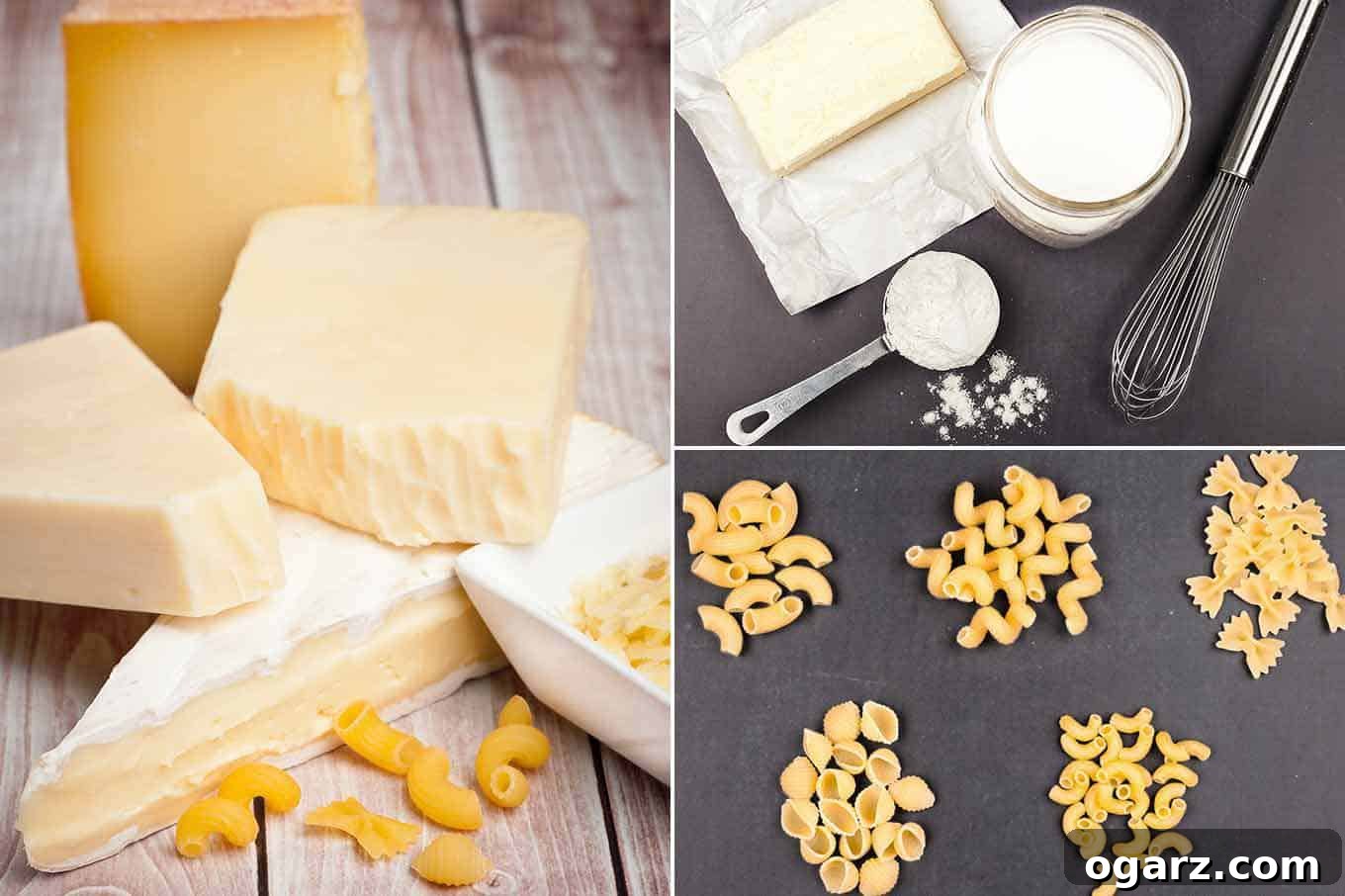
The pasta is more than just a vehicle for the cheese sauce; it’s an integral part of the textural experience. The ideal pasta shape for macaroni and cheese is one that maximizes “cheese coverage” and provides little nooks and crannies for the sauce to cling to. Smaller cuts generally excel at this. Ridged or tubular pasta varieties are particularly effective as their surfaces grab onto the creamy sauce, ensuring every bite is packed with cheesy goodness.
While classic elbow macaroni is a timeless choice, consider exploring other shapes to elevate your dish. Excellent alternatives include:
- **Pipette:** Slightly larger elbow-shaped pasta, often with ridges, offering more surface area.
- **Cavatappi:** Small, corkscrew-shaped tubes with ridges, providing an excellent chew and sauce-holding capability.
- **Mini Farfalle:** Also known as “bow ties” or “butterflies,” these charming shapes capture sauce in their folds.
- **Conchiglie:** Small, shell-shaped macaroni, with their curved interiors perfectly cradling the rich sauce.
- **Penne Rigate:** The ridges on penne rigate are fantastic for holding sauce, and their tubular shape ensures a satisfying mouthful.
- **Orecchiette:** Little “ears” that cup the sauce beautifully, adding a delightful textural element.
Remember to cook your pasta al dente – slightly firm to the bite. It will continue to cook slightly when mixed with the hot cheese sauce or during baking, ensuring it doesn’t become mushy.
The Art of Cheese Selection: Achieving Smooth-Melting Perfection
Undoubtedly, cheese is the star of macaroni and cheese. The key to a truly magnificent cheese sauce lies in selecting varieties that melt smoothly without separating into an oily mess. Cheeses with moderate moisture content and fat tend to melt beautifully, integrating seamlessly into the béchamel base. Avoid overly dry, crumbly cheeses or extremely high-moisture fresh cheeses that might release too much water.
Our top recommendations for smooth-melting cheeses, perfect for macaroni and cheese (and often delightful when combined for complex flavor profiles), include:
- **Cheddar:** A perennial favorite, offering a sharp, tangy flavor. Opt for a medium or sharp cheddar for best results.
- **Gruyère:** A Swiss cheese renowned for its nutty, earthy notes and exceptional melting qualities. It adds sophistication to the dish.
- **Fontina:** A semi-soft Italian cheese with a mild, buttery flavor and incredible meltiness, perfect for a silky sauce.
- **Muenster:** A mild, creamy, and semi-soft cheese that melts beautifully and adds a subtle tang.
- **Gouda:** Offers a slightly sweet, nutty flavor that deepens with age. Younger Gouda melts very smoothly.
- **Havarti:** A Danish semi-soft cheese known for its buttery, mild flavor and excellent melting properties.
- **Mozzarella (low-moisture):** While fresh mozzarella can be too watery, low-moisture, part-skim mozzarella melts into gooey strands, contributing to a great texture.
- **Monterey Jack:** A mild, buttery American cheese that melts incredibly smoothly, often used as a base cheese.
- **Colby:** Similar to cheddar but milder and softer, providing a good melt and color.
For the best texture and melt, always grate your cheese fresh from the block just before adding it to the sauce. Pre-shredded cheeses often contain anti-caking agents like cellulose, which can prevent them from melting smoothly and result in a grainy sauce. Use the small holes of your box grater to produce fine shreds; these will melt quickly and evenly, contributing to that coveted smooth, creamy consistency.
Elevating Flavor: Seasonings and Optional Add-Ins
Beyond the core ingredients, subtle seasonings can significantly enhance your mac and cheese. Don’t underestimate the power of salt and freshly ground black pepper. A pinch of nutmeg can add a classic, warm note that complements dairy, while a dash of cayenne pepper or a teaspoon of dry mustard powder can provide a slight kick and deepen the cheesy flavor without making the dish spicy. Consider a splash of hot sauce for an extra zing.
For those seeking to customize their mac and cheese, the possibilities for add-ins are endless. Cooked bacon bits, caramelized onions, sautéed mushrooms, roasted vegetables, or even a touch of truffle oil can transform a basic recipe into a gourmet experience. Remember to balance these additions so they complement, rather than overpower, the star of the show – the cheese.
The Perfect Crunch: Adding a Toasty Crumb Topping
If you’re opting for a baked macaroni and cheese, a crispy, golden crumb topping is an essential element, providing a delightful textural contrast to the creamy pasta beneath. It adds an extra layer of flavor and makes the dish visually irresistible.
The best choice for a superior topping is fresh breadcrumbs, coarsely chopped and lightly toasted in a pan with a knob of butter until golden brown. This yields an incomparable crunch and rich flavor. However, if time is of the essence, store-bought panko breadcrumbs are an excellent substitute. Panko, a Japanese-style breadcrumb, is renowned for its larger, flakier texture, which results in a wonderfully crispy topping. You can also mix in a little grated Parmesan cheese, herbs like parsley or thyme, or a sprinkle of paprika for extra flavor and color.
Baked vs. Stovetop: Choosing Your Mac and Cheese Style
The debate between baked and stovetop macaroni and cheese is a matter of personal preference, each offering a distinct experience. Both methods, when executed correctly, yield incredibly satisfying results. Understanding the nuances of each can help you choose the best approach for your desired texture and flavor profile.
The Classic Comfort of Baked Mac and Cheese
A casserole of nicely browned, bubbly baked macaroni and cheese is often considered the traditional form, synonymous with holiday meals and comforting family dinners. Baking allows the flavors to meld beautifully, creates a lovely golden crust on top (especially with a crumb topping), and can result in a slightly firmer, more cohesive texture. Certain cheese combinations tend to perform exceptionally well under the sustained heat of the oven, holding their structure and flavor.
As a general rule, macaroni and cheese recipes incorporating semi-soft to firm cheeses like Fontina, Gruyère, Gouda, and sharp Cheddar are ideal for baking. These cheeses maintain their integrity without becoming too oily or separating during the baking process. Here are a few examples of beloved baked macaroni and cheese recipes and the delightful cheese varieties often chosen for them:
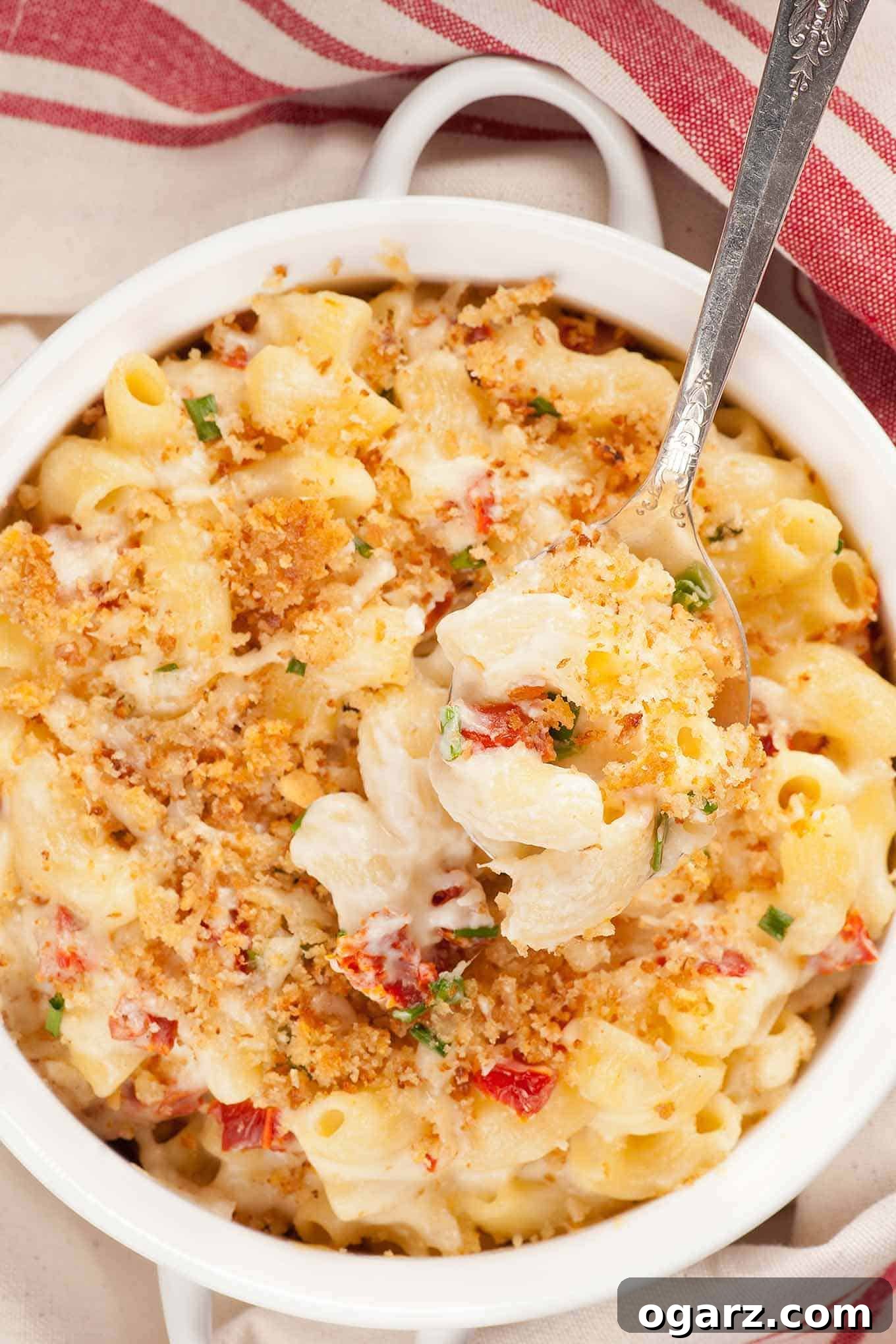
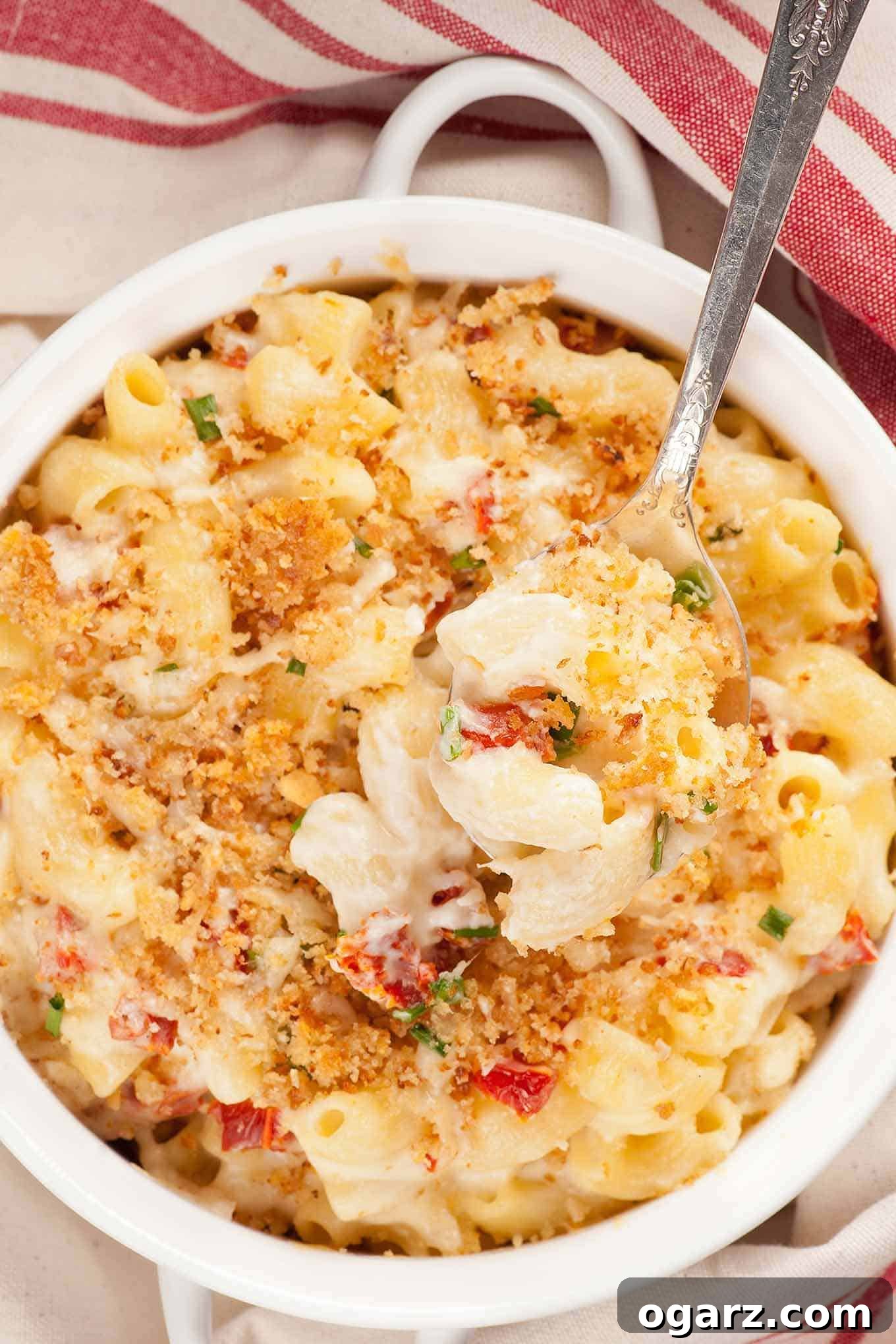
- Goat Cheese and Sun-Dried Tomato Mac and Cheese: This vibrant recipe, often pictured in culinary features, typically combines creamy Fontina for its melt, tangy chèvre (goat cheese) for a distinctive flavor, and savory bits of sun-dried tomatoes. Finished with a crispy crumb topping, it’s a sophisticated twist on the classic.
- French-Inspired Mac and Cheese: A gourmet exploration featuring a trio of exquisite French cheeses. Imagine the robust character of Ossau-Iraty (a sheep’s milk cheese), the delicate tang of soft chèvre (goat cheese), and the rich, nutty notes of Mimolette (an aged cow’s milk cheese), all contributing to a profoundly flavorful dish.
- Baked Truffle Macaroni and Cheese: An opulent creation featuring a decadent blend of Fontina and fresh mozzarella cheese, enriched with earthy sautéed mushrooms and a luxurious drizzle of white truffle oil. This recipe transforms mac and cheese into an extraordinary, indulgent experience.
The Speed and Silkiness of Stovetop Mac and Cheese
For those moments when immediate gratification and an unbelievably creamy, velvety sauce are paramount, stovetop macaroni and cheese is the undisputed champion. This method excels at showcasing the luscious melt of softer cheeses, delivering a sauce that is often looser, silkier, and ready to serve straight from the saucepan. Stovetop versions are typically quicker to prepare, making them perfect for weeknight dinners or when you crave instant comfort.
Recipes featuring soft, velvety cheeses like Brie, Mascarpone, or even a blend with milder, faster-melting cheeses, truly shine in a stovetop preparation. These cheeses melt quickly and integrate beautifully into the béchamel without the risk of overcooking or drying out in the oven. Here are a couple of delectable stovetop options to inspire you:
- Creamy Stovetop Macaroni and Cheese: This rendition often features a mild yet incredibly creamy combination, such as Fontina paired with cottage cheese (which adds an unexpected velvety texture when blended), resulting in a super creamy, family-friendly dish that’s a hit with kids and adults alike.
- Stovetop Lobster Macaroni and Cheese: A truly decadent and special occasion treat, this recipe often elevates the humble dish with a rich blend of Mascarpone and Gruyère cheese, generous chunks of succulent lobster, and a garnish of fresh chives. It’s an unforgettable culinary indulgence.
Regardless of whether you choose to bake your mac and cheese or serve it fresh from the stovetop, the fundamental techniques for preparing the béchamel and incorporating the cheese remain consistent. It’s this core process that ensures a perfect, creamy result every time.

How To Make Macaroni and Cheese (Basic Recipe)
Lynne Webb
40 minutes
20 minutes
1 hour
6
to 10 servings
Print Recipe
Have you tried this recipe? Rate and comment below!
Ingredients
- 1 lb pasta (e.g., elbow, cavatappi, pipette)
- 4 tablespoons unsalted butter
- 4 tablespoons all-purpose flour
- 3-3/4 cups whole milk (warmed)
- 12 to 14 ounces of high-quality cheese, up to 4 varieties, finely shredded fresh from the block
- 1/2 teaspoon salt, or to taste
- 1/4 teaspoon black pepper, or to taste
- Pinch of nutmeg (optional, but recommended)
- 1/2 teaspoon dry mustard powder (optional, enhances cheese flavor)
- 1 cup fresh breadcrumbs or panko (for baked version, optional)
- 1 tablespoon butter (for toasting breadcrumbs, optional)
Instructions
-
1. Cook the Pasta: Bring a large pot of salted water to a rolling boil. Add your chosen pasta and cook according to package directions until al dente – slightly firm to the bite. Drain well and set aside. Do not rinse the pasta; the starches help the sauce cling.
-
2. Prepare a Blond Roux: In a large, heavy-bottomed saucepan or Dutch oven, melt 4 tablespoons of unsalted butter over medium heat. Once melted, add 4 tablespoons of all-purpose flour. Whisk continuously for 2-3 minutes, ensuring the mixture is smooth and forms a paste. Cook until the roux takes on a light golden color and smells slightly nutty (a “blond” roux), ensuring the raw flour taste is cooked out.
-
3. Whisk in the Milk to Make Béchamel: Gradually whisk in the warm whole milk, a little at a time, into the roux. Continue whisking constantly to prevent lumps. Increase the heat to medium-high and bring the sauce to a gentle simmer, still whisking. Cook for about 5-7 minutes, or until the béchamel sauce is smooth, creamy, and thick enough to coat the back of a spoon. Season with salt, black pepper, nutmeg, and dry mustard powder if using.
-
4. Add the Cheese: Reduce the heat to low. Add your finely shredded cheeses to the béchamel sauce in handfuls, stirring constantly until each addition is fully melted and incorporated before adding more. This gradual process helps prevent the cheese from clumping or separating. Continue stirring until you have a smooth, velvety cheese sauce. Taste and adjust seasonings as needed.
-
5. Combine with Pasta and Add-ins: Add the drained, cooked pasta to the cheese sauce. Stir gently but thoroughly until all the pasta is evenly coated. This is the stage to incorporate any desired add-ins like cooked bacon, sautéed mushrooms, or sun-dried tomatoes.
-
6. Bake or Serve:
- For Baked Mac and Cheese: Preheat your oven to 375°F (190°C). Lightly grease a 9×13 inch baking dish. Pour the mac and cheese mixture into the prepared dish. In a small skillet, melt 1 tablespoon of butter over medium heat and toast 1 cup of breadcrumbs (panko or fresh) until golden brown. Sprinkle the toasted breadcrumbs evenly over the mac and cheese. Bake for 20-25 minutes, or until bubbly and the topping is golden brown. Let stand for a few minutes before serving.
- For Stovetop Mac and Cheese: Serve immediately straight out of the saucepan. Garnish with fresh herbs if desired.
Nutrition (Approximate per serving)
Calories: 399
,
Total Fat: 24g
,
Cholesterol: 70mg
,
Sodium: 362mg
,
Carbohydrates: 28g
,
Fiber: 1g
,
Sugar: 1g
,
Protein: 18g
Nutrition information is automatically calculated and should only be used as an approximation. It does not account for specific cheese choices or optional add-ins.
Enjoyed this recipe? Share your thoughts and leave a rating below!