
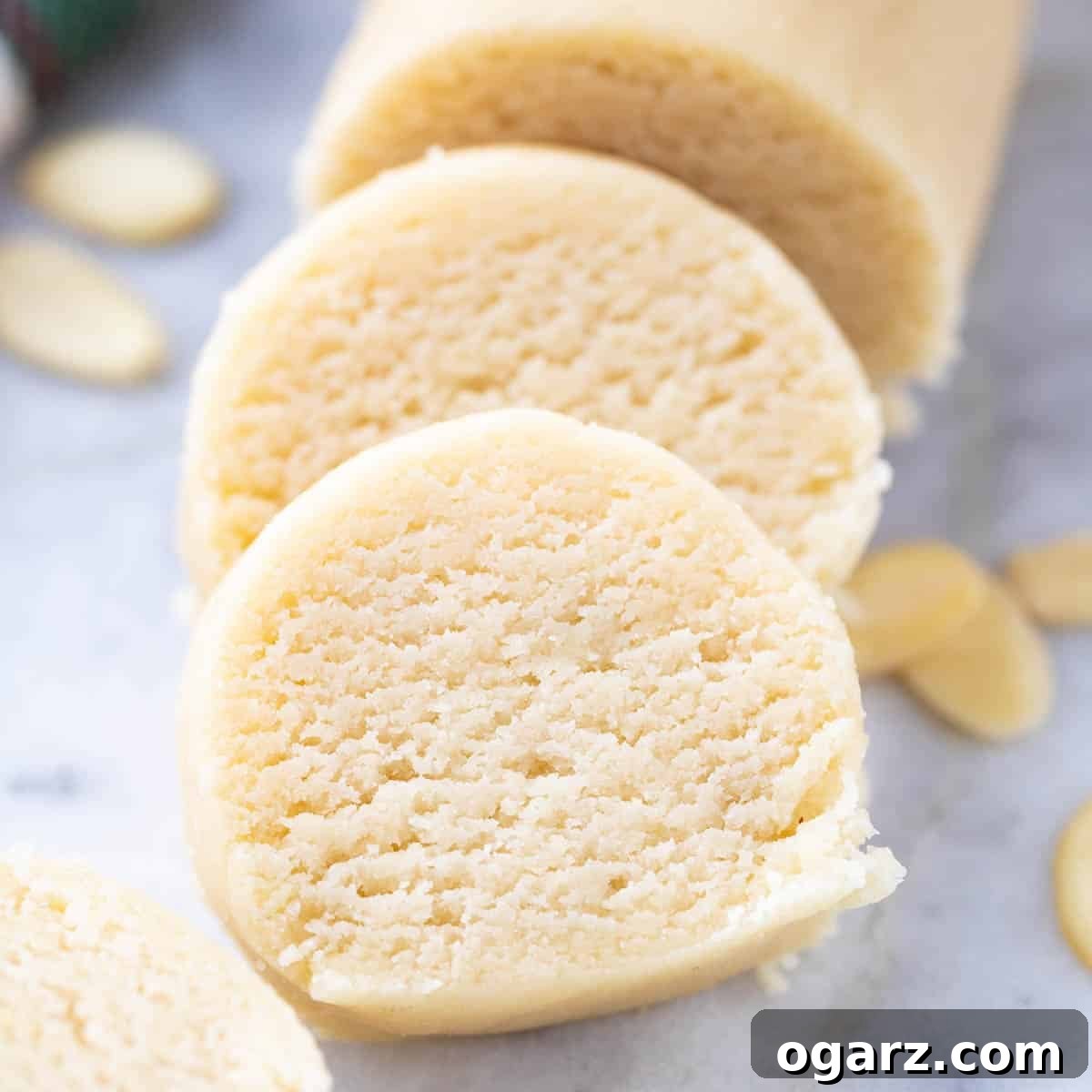
Unlock the secrets of creating exquisite **homemade marzipan** with this comprehensive, easy-to-follow guide! Often associated with festive holiday treats, marzipan transcends seasonal boundaries, serving as a versatile and delightful ingredient for cake decorating, confectionary creations, and gourmet desserts year-round. Forget expensive store-bought versions; this traditional **Marzipan Recipe** demonstrates just how effortlessly you can craft this luxurious almond paste in your own kitchen using only a handful of simple ingredients. Prepare to elevate your baking with a truly superior marzipan that boasts incredible flavor and perfect texture.
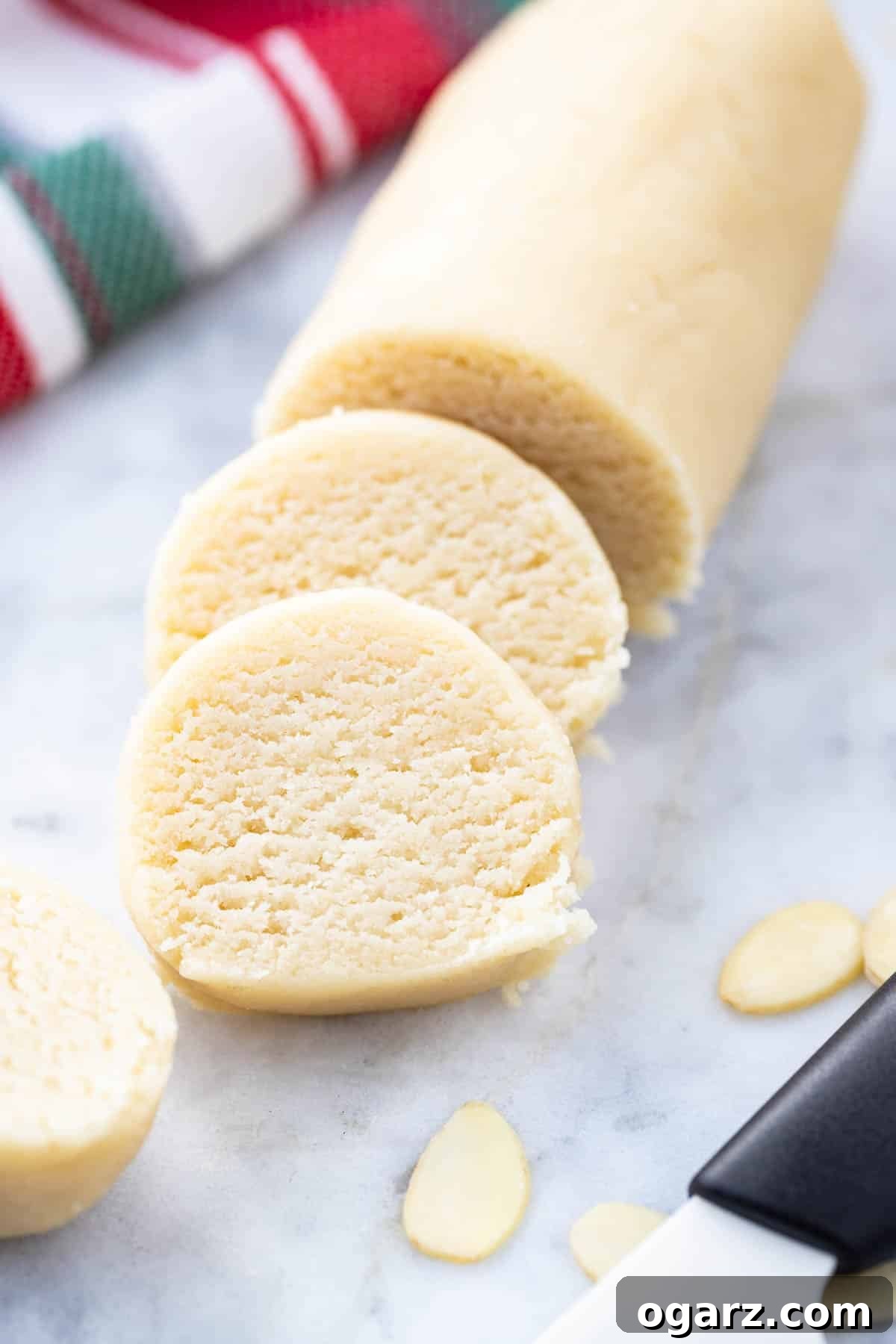
This **homemade Marzipan Recipe** empowers you to create this renowned confectionary ingredient from the ground up, guaranteeing a fresher and more authentic taste than anything you’ll find on a store shelf. Marzipan stands out as one of my absolute favorite sweets, celebrated for its perfectly balanced sweetness – rich yet never cloying. It’s characterized by a distinctive, aromatic almond flavor, often likened to the sophisticated notes of Amaretto, and a wonderfully pliable texture that resembles soft cookie dough. This unique combination makes it incredibly appealing to both taste buds and culinary creativity.
Culturally, marzipan holds a special place, particularly **in Germany**, where it is a beloved staple. You’ll find an astonishing array of almond-based confectionary delights in virtually every grocery store and bakery. These range from charmingly shaped **Marzipan Fruits** and the delightful little **Marzipankartoffeln (marzipan potatoes)**, to decadent chocolate-covered marzipan bars. Beyond candies, marzipan is a cornerstone in countless traditional **German baked goods** and pastries, lending its signature taste and texture to everything from festive Stollen to delicate tarts. Its versatility makes it indispensable in German culinary traditions, especially during holidays and celebrations.
Embracing the joy of homemade treats, our kitchen always features a rotating selection of cookies. Currently, we’re savoring the delicate crunch of Meringue Cookies, the simple charm of Cornflakes Cookies, and the buttery melt-in-your-mouth goodness of Vanillekipferl. If you’re inspired to explore more traditional holiday baking, be sure to check out our favorite German Christmas cookies for a wealth of festive ideas!
Why You’ll Love This Homemade Marzipan Recipe
- **Unmatched Flavor & Freshness:** Experience a superior taste profile that far surpasses any store-bought marzipan, allowing you to control the quality of ingredients and savor the freshest almond aroma.
- **Pure & Simple Ingredients:** This traditional German recipe uses only a few fundamental ingredients, ensuring a wholesome product without artificial additives or unnecessary fillers. You know exactly what goes into your delightful confection.
- **Effortless & Quick Preparation:** Crafting this gourmet ingredient from scratch takes less than 5 minutes of active preparation time. It’s surprisingly simple, even for novice bakers!
- **Cost-Effective Indulgence:** Making your own marzipan is significantly more economical than purchasing pre-made versions, letting you enjoy this luxury without breaking the bank.
- **Customizable Creations:** Easily tailor the flavor and color of your marzipan to suit any recipe or occasion, offering endless possibilities for personalized treats.
Essential Ingredient Notes for Perfect Marzipan
Crafting perfect **homemade marzipan** begins with understanding the role of each ingredient. Here’s a detailed overview of what you’ll need and why specific choices matter. For precise quantities, please refer to the recipe card at the bottom of this page.
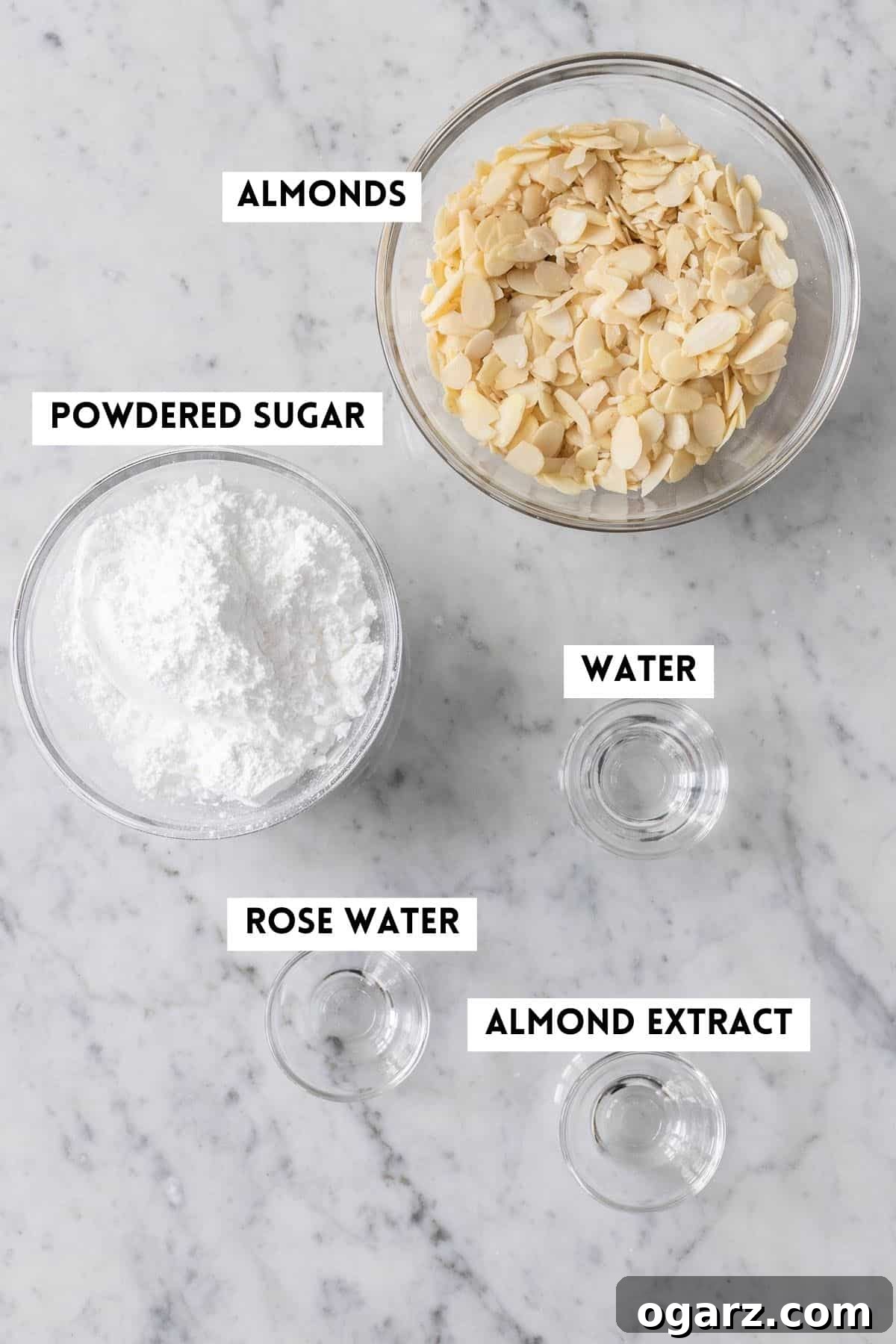
- Almonds: The cornerstone of marzipan. For the smoothest texture and best moisture retention, I highly recommend using **blanched sliced almonds**. These come pre-peeled, saving you the hassle of blanching and skinning them yourself. Sliced almonds also tend to retain more natural moisture compared to pre-ground almond flour, contributing to a more pliable and less dry marzipan. Ensure they are fresh for the best flavor.
- Powdered Sugar (Confectioners’ Sugar): This is crucial for achieving the signature silky-smooth texture of marzipan. Granulated sugar will result in a gritty product. Powdered sugar dissolves easily into the almond mixture, providing the necessary sweetness and binding agent.
- Almond Extract: While almonds provide a natural flavor, a touch of **almond extract** amplifies and deepens that quintessential almond aroma. It adds a wonderful intensity, making your homemade marzipan truly shine. Start with the recommended amount and adjust to your preference.
- Water: Used sparingly, water is the binding agent that brings the dry almond and sugar mixture together to form a cohesive dough. The exact amount can vary based on the humidity in your environment and the moisture content of your almonds, so it’s essential to add it gradually.
- Rose Water (Optional but Traditional): Rose water is a traditional flavoring in many marzipan recipes, particularly in European and Middle Eastern confections. It imparts a delicate, floral aroma and taste that pairs beautifully with almonds. However, its flavor is quite distinct and strong if you’re not accustomed to it. If you’re unsure or don’t have it on hand, you can certainly leave it out and use an extra teaspoon of plain water instead.
Step-by-Step Guide: How to Make Homemade Marzipan
Creating your own marzipan from scratch is a rewarding and incredibly simple process. Follow these detailed instructions, and you’ll have perfect **homemade marzipan** in no time. Detailed measurements and precise instructions can be found on the printable recipe card at the bottom of this page.
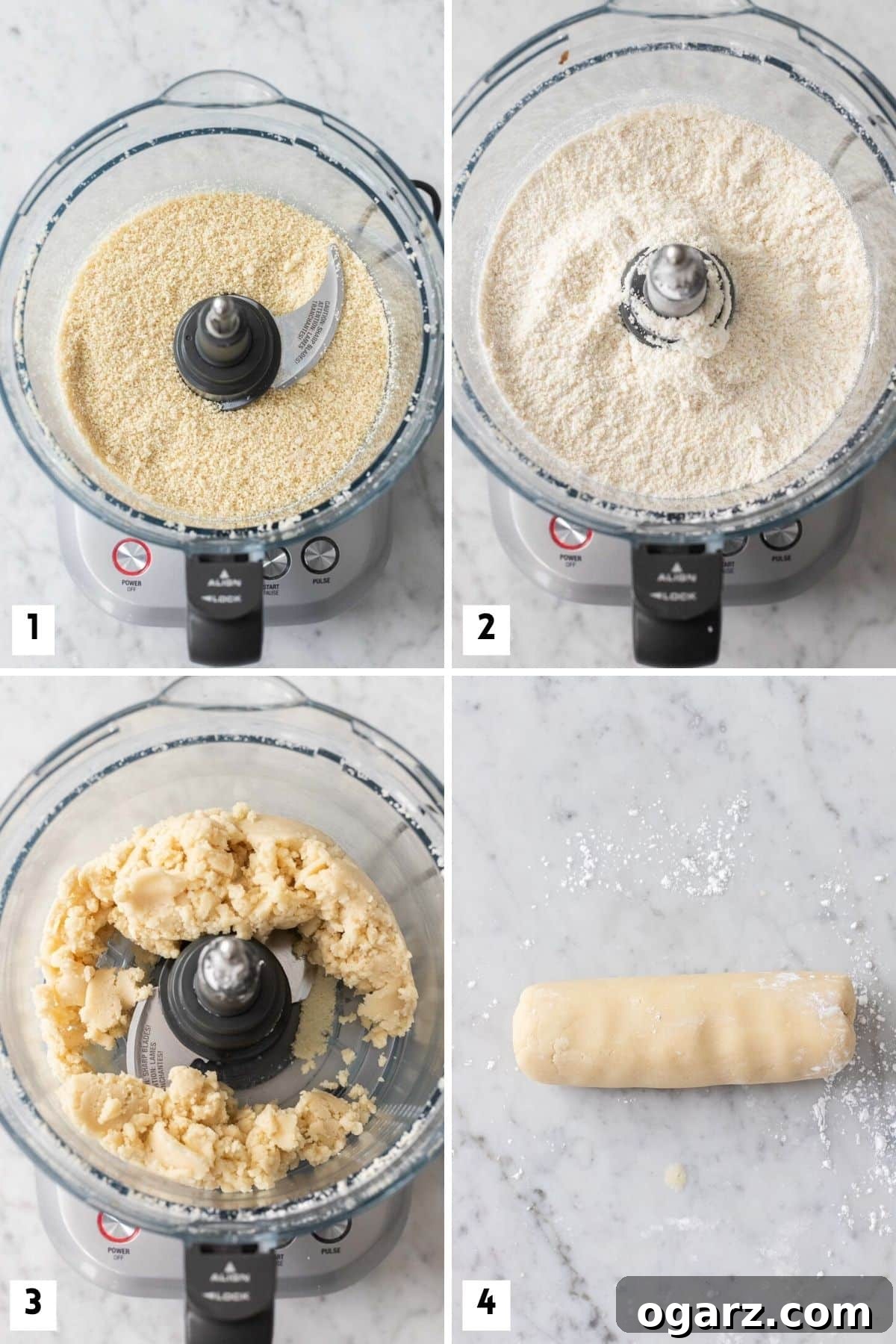
- Prepare the Almonds: Begin by placing your blanched sliced almonds into a high-powered food processor. Process them on high speed until they are very finely ground. You’re aiming for a consistency that resembles coarse flour or fine meal, without turning into almond butter. Ensure there are no large pieces remaining.
- Combine Dry Ingredients & Flavoring: To the finely ground almonds in the food processor, add the powdered sugar and almond extract. Pulse and mix until all the ingredients are well combined and the mixture has a uniform consistency. It will still be quite dry and powdery at this stage.
- Form the Dough: Now, it’s time to add the liquid. Start by adding water, one teaspoon at a time, to the mixture in the food processor. Pulse after each addition, just until the mixture begins to come together and forms a crumbly, yet cohesive, dough. Be patient and avoid adding too much water too quickly, as this can make the marzipan sticky. If desired, incorporate the rose water at this stage and mix until fully incorporated.
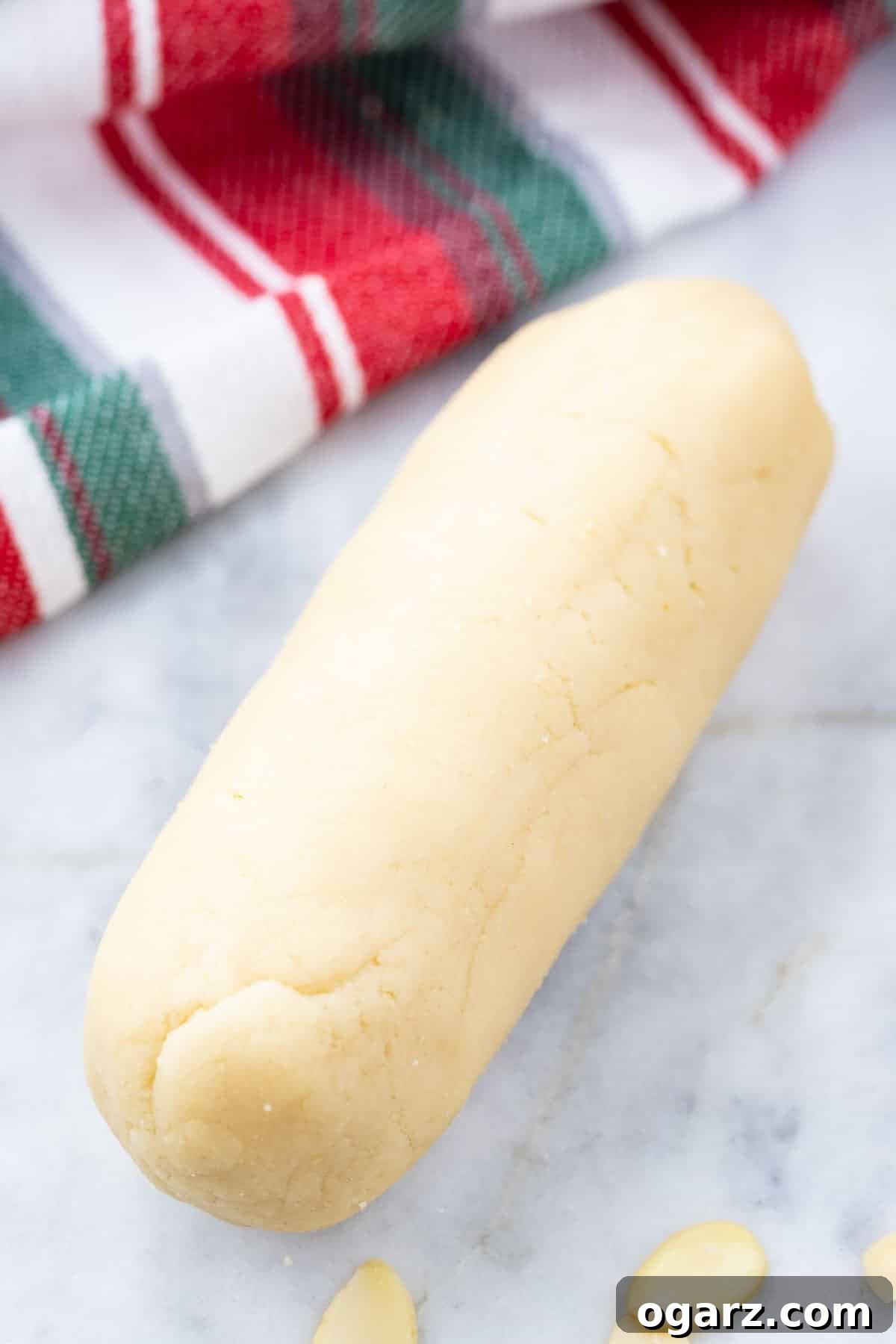
- Shape the Marzipan: Carefully turn the crumbly marzipan mixture out onto a clean work surface that has been lightly sprinkled with a bit of powdered sugar. Use your hands to gently knead the mixture together, pressing and shaping it into a smooth, compact log. The warmth from your hands will help the oils in the almonds release and bind the dough. If the mixture feels too dry, add a tiny bit more water (half a teaspoon at a time) and knead until it reaches the desired pliable consistency.
Expert Tips for Crafting Flawless Homemade Marzipan
Achieving the perfect consistency and flavor for your **homemade marzipan** is easy with a few expert insights. Keep these tips in mind to ensure your marzipan turns out beautifully every time:
- **Choose the Right Almonds:** As mentioned, **blanched sliced almonds are highly recommended**. Their pre-peeled state saves time, and their higher moisture content compared to ground almond flour contributes to a more pliable and less crumbly marzipan. Using whole blanched almonds is also an option, but ensure they are finely ground.
- **Utilize a Food Processor:** A **food processor is superior to a blender** for this recipe. Its wider bowl and S-blade design are ideal for processing nuts evenly without overheating them, and it makes it much easier to scrape out the sticky marzipan mixture once it’s formed.
- **Don’t Fear the Crumbles:** After combining the ingredients in the food processor, the mixture will initially appear quite crumbly. This is perfectly normal! The magic happens when you transfer it to a surface and use your hands. The warmth and pressure of kneading will release the natural oils from the almonds, binding the crumbs into a smooth, cohesive **marzipan log**.
- **Add Liquid Gradually:** This is perhaps the most crucial tip: **exercise caution with the liquid**. Start by adding water just one teaspoon at a time. The goal is to reach a pliable, dough-like consistency, not a sticky paste. Too much liquid will result in a gooey, unmanageable marzipan.
- **Adjust for Environment:** The amount of water needed can fluctuate based on environmental factors like the **humidity in your kitchen** and the inherent moisture content of your almonds. Always be prepared to add slightly less or more water than the recipe specifies to achieve the perfect consistency.
- **Flavor Customization:** While almond extract is a classic choice, feel free to experiment with other extracts to flavor your marzipan. A touch of vanilla bean paste, orange blossom water, or even a hint of rum extract can add delightful variations. However, for a traditional and robust almond flavor, **starting with almond extract is highly recommended**.
- **Rose Water Wisdom:** If using **rose water**, remember its fragrance and flavor are quite potent. **Use it sparingly**, adding just a drop or two at a time, especially if you’re not accustomed to its distinct taste. You can always omit it entirely if it’s not to your liking or unavailable.
Homemade Marzipan: Frequently Asked Questions
Marzipan is a soft, sweet, and pliable confectionary paste primarily made from ground almonds and sugar. Its dough-like consistency makes it incredibly versatile; it’s often used as an ingredient in baking – think delicious fillings for cookies and cakes – but is equally popular for crafting small, decorative candies and intricate figurines. To create these confections, marzipan is frequently colored with food dyes and then molded or covered in chocolate. The precise origin of marzipan is debated, with some historical accounts tracing it back to Persia, while others suggest its emergence in Europe. One of the most historically significant and renowned producers is Niederegger Marzipan in Lübeck, Germany, a company founded in 1806 that continues its tradition of excellence today.
The core ingredients of marzipan are simply almonds and sugar. The quality of marzipan is directly correlated with its almond content; a higher proportion of almonds generally indicates a superior product. To enhance its distinctive flavor, marzipan is frequently flavored with extracts such as rose water or additional almond extract. High-quality German marzipan, in particular, is traditionally prepared without the inclusion of egg whites or corn syrup, relying purely on the almonds and sugar for its texture and taste.
While both almond paste and marzipan are made from almonds, they are distinct products and not interchangeable. **Almond paste** typically has a coarser texture and contains little to no added sugar. It’s often used as a baking ingredient, particularly as a rich filling for pastries and cakes, where its less sweet profile is desired. **Marzipan**, on the other hand, is combined with a significant amount of sugar, resulting in a much smoother and sweeter consistency. Its sweetness and pliability make it ideal for crafting candies, molding decorative shapes, and covering cakes.
Marzipan and fondant share a common application in cake decoration, as both can be rolled out thinly and dyed in various colors to cover cakes. However, they differ significantly in taste and finish. **Fondant** provides an impeccably smooth, flat, and uniform finish, giving cakes a sleek, professional appearance. Its flavor is generally quite sweet and candy-like, which some people may find overly sugary. Crucially, fondant is the preferred choice for cakes served to individuals with nut allergies, as it is nut-free. **Marzipan**, while also creating a smooth surface, often has a slightly more speckled or textured appearance due due to the finely ground almonds. Its flavor is a distinct sweet almond, which is highly appreciated by many but might not appeal to everyone. Choosing between marzipan and fondant often comes down to desired taste, texture, and dietary considerations.
Inspiring Ways to Use Your Homemade Marzipan
Once you’ve mastered making **homemade marzipan**, a world of culinary possibilities opens up! Its versatility means it can be transformed into an array of delightful treats and elegant decorations. Here are some fantastic ideas to get you started:
- Marzipan Potatoes (Marzipankartoffeln): These charming, bite-sized marzipan balls are rolled in cocoa powder to resemble small potatoes. They are incredibly easy and fun to make at home, especially as a festive Christmas cookie activity with kids.
- Marzipan Fruits: Unleash your artistic side by shaping and coloring marzipan into realistic or whimsical miniature fruits. These make stunning edible decorations or delightful individual candies. Watch a step-by-step video here!
- Marzipan Cake & Pastry Fillings: Incorporate marzipan into your baked goods for an incredible burst of almond flavor and moist texture. It’s a key ingredient in traditional treats like **German Stollen** (get the recipe here!) and can be used as a simple yet elegant filling for various cakes and pastries.
- Chocolate-Covered Marzipan: For a truly decadent treat, shape your marzipan into small logs, balls, or squares, then dip them into luscious melted dark or milk chocolate. The combination of sweet almond and rich chocolate is simply irresistible.
- Marzipan Cookies: Elevate your cookie repertoire with marzipan. Classic German examples include Bethmännchen (recipe coming soon!) and Mandelhörnchen (Almond Horns – find a recipe here), where marzipan provides a tender crumb and intense almond flavor.
- Cake Decorations: Roll out marzipan thinly to cover cakes, providing a beautiful base for further decoration, or mold it into intricate designs, flowers, and figures for a truly personalized touch.
Proper Storage for Fresh Homemade Marzipan
Proper storage is key to maintaining the freshness, texture, and flavor of your **homemade marzipan**. Because it is primarily made from almonds, which contain natural oils, it’s important to protect it from air and light.
To prevent your marzipan from hardening and dehydrating, it must be stored in an **airtight container**. This barrier protects it from exposure to air, which can dry it out and cause it to become crumbly. When stored correctly at room temperature, homemade marzipan will **keep fresh for at least 2 weeks**. For even longer preservation, you can also store it in the refrigerator.
Additionally, to prevent the almond oil within the marzipan from becoming rancid – a common issue with nuts – it should be **protected from direct light** and stored in a **cold and dark place**. This could be a pantry, cupboard, or the back of your refrigerator. Always wrap it tightly in plastic wrap before placing it in an airtight container for maximum freshness.

Discover More German Christmas Recipes
Appetizer Recipes
Easy Cinnamon Candied Almonds
Desserts
Candied Orange Peel
German Recipes
Kinderpunsch
Cookies, Brownies & Bars
Linzer Cookies
Essential Tools for Making This Marzipan Recipe
While **homemade marzipan** is surprisingly simple to make, having the right kitchen tools can significantly streamline the process and ensure a perfectly smooth result.
Food Processor (affiliate link): A robust food processor is truly indispensable for this recipe. It efficiently grinds the almonds into a super-fine meal, which is crucial for the silky texture of marzipan. My personal favorite features an adjustable slicing disc, which is incredibly handy for various kitchen tasks, and its sturdy construction ensures reliability. I wholeheartedly recommend investing in a good quality food processor for consistent results in this and many other recipes!
Marzipan
Julia Foerster
5 minutes
0 minutes
5 minutes
1
12 oz loaf
Ingredients
- 2 cups blanched sliced almonds
- 1 1/2 cups powdered sugar
- 1 tsp almond extract
- 3 tsp water
- 1 tsp rose water, or 1 tsp more water
Instructions
-
Place blanched sliced almonds in a food processor and process until very finely ground, resembling a coarse flour.
-
Add powdered sugar and almond extract to the food processor. Mix until thoroughly combined.
-
Gradually add water, one teaspoon at a time, pulsing after each addition until the mixture starts to come together and forms a crumbly dough. If desired, add rose water at this point and mix until incorporated.
-
Transfer the marzipan mixture onto a clean surface lightly sprinkled with powdered sugar. Use your hands to press and knead the crumbs together firmly until they form a smooth, cohesive log. If the mixture is too dry, add a tiny bit more water (1/2 tsp at a time) and continue kneading.
-
Wrap the marzipan log tightly in plastic wrap and store it in a dark, cool place until you are ready to use it.
Notes
- I recommend using blanched sliced almonds because they already come peeled and retain more moisture than ground almonds and almond flour.
- A food processor works better for this recipe than a blender because it is easier to get the mixture out.
- The mixture will be crumbly after combining it in the food processor; using your hands to knead it together and form it into a log works best.
- Don’t add too much liquid or the mixture will be sticky. Start by adding only a tsp of water at a time.
- Depending on the humidity in your kitchen and the weather, you might need to add less or more water to get the desired consistency.
- You can use different extracts to flavor the marzipan. I recommend starting with almond extract.
- Only use rosewater sparingly; it tastes quite strong if you’re not used to it. You can also leave it out if you don’t like the taste or don’t have it on hand.
Nutrition Information
Carbohydrates: 220g |
Protein: 46g |
Fat: 113g |
Saturated Fat: 8g |
Sodium: 45mg |
Potassium: 1423mg |
Fiber: 21g |
Sugar: 186g |
Calcium: 510mg |
Iron: 7.1mg
Love this recipe? Please rate and leave a comment below! Your feedback helps us grow.