
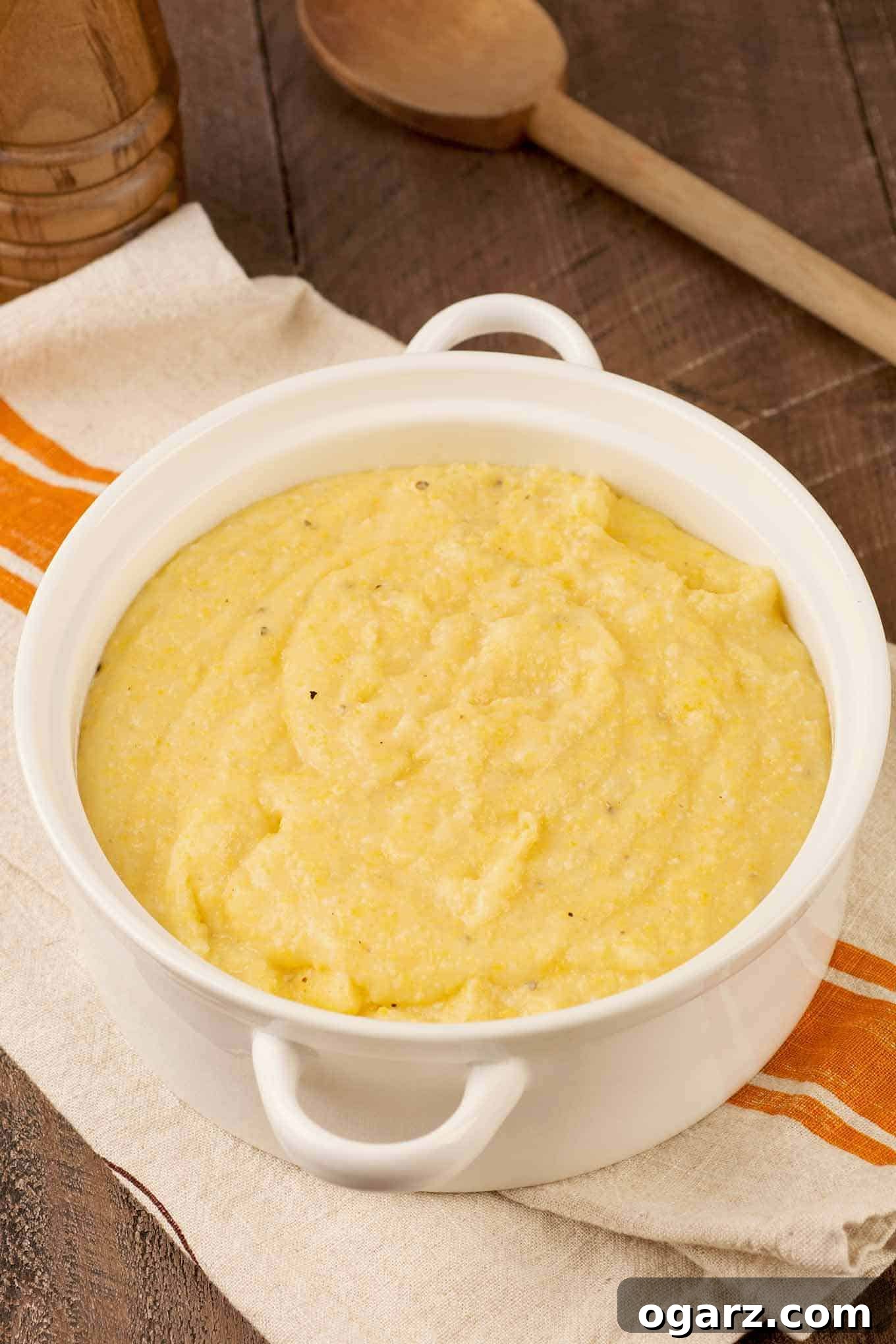
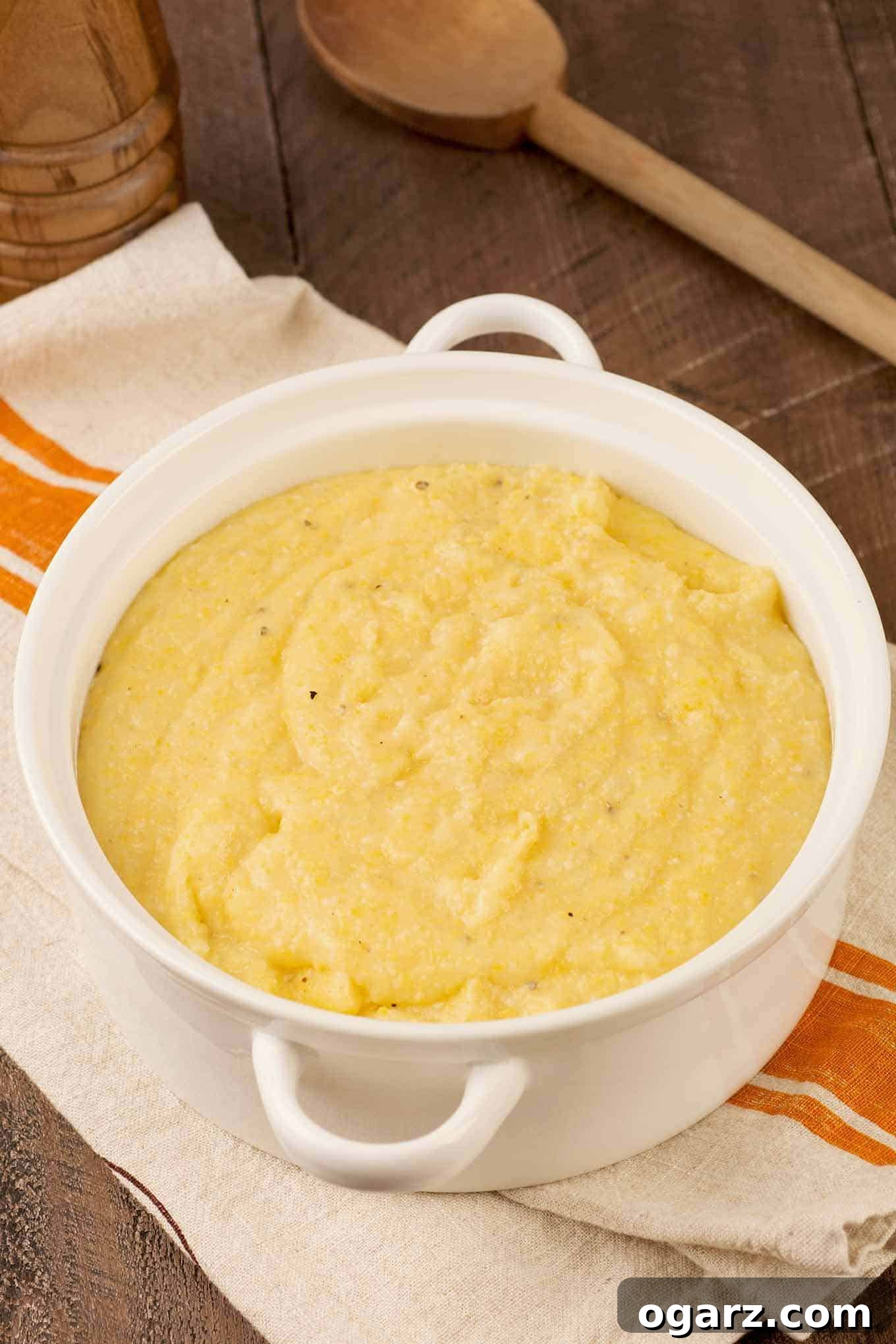
How to Make Creamy Polenta: Your Essential Guide to a Versatile Side Dish
Creamy polenta is an exquisitely versatile and comforting dish, perfect for elevating any meal. Often underestimated, this humble cornmeal preparation transforms into a luxurious, smooth accompaniment that can rival or even surpass traditional sides like pasta or potatoes. Its mild flavor makes it an ideal canvas for savory sauces, rich stews, and roasted meats, offering a delightful texture and a refreshing change of pace for your palate.
Whether you’re looking for a quick weeknight meal solution or an impressive side for a special occasion, mastering creamy polenta is a culinary skill worth acquiring. This comprehensive guide will walk you through everything you need to know, from choosing the right ingredients to perfecting various cooking methods. Prepare to discover your new favorite side dish!
Why Creamy Polenta is a Must-Try Side Dish
Polenta, at its heart, is a dish made from boiled cornmeal. But don’t let its simplicity fool you. When prepared correctly, it becomes incredibly creamy, hearty, and flavorful. It’s naturally gluten-free, making it an excellent alternative for those with dietary restrictions. Beyond its delicious taste, polenta offers a unique texture that pairs wonderfully with a wide array of main courses, especially those featuring rich, savory sauces that it can effortlessly absorb.
Serving polenta opens up a world of culinary possibilities. Here are just a few examples of main courses that beautifully complement its creamy texture:
- Slow Cooker Italian Pot Roast: The tender meat and robust sauce are divine over a bed of creamy polenta.
- Pan-Roasted Halibut with Tomato-Butter Sauce: A lighter option, where the delicate fish and tangy sauce contrast beautifully with the polenta’s richness.
- Seafood Medley in Tomato-Butter Sauce: For seafood lovers, the vibrant flavors of a tomato-butter sauce are perfectly soaked up by the polenta.
- Hearty Mushroom Ragu: Earthy mushrooms in a rich sauce find their perfect partner in creamy polenta.
- Braised Short Ribs: The succulent, fall-off-the-bone short ribs and their decadent gravy are exceptional with polenta.
- Roasted Vegetables with Feta: A vegetarian option where the creamy polenta provides a comforting base for roasted seasonal veggies and salty feta.
Choosing the Right Cornmeal for Perfect Polenta
The secret to truly delicious polenta begins with selecting the appropriate cornmeal. Not all cornmeal is created equal, and the grind size significantly impacts the final texture of your dish. Generally, you’ll find cornmeal in three main grinds: fine, medium, and coarse.
- Fine Grind: Often labeled as corn flour, this produces a very smooth, almost paste-like polenta. It cooks relatively quickly but can sometimes lack the characteristic grainy texture.
- Medium Grind: This is the most common and versatile choice for creamy polenta. It strikes a perfect balance, yielding a smooth yet slightly textured dish that holds its shape well. Most recipes, including ours, are optimized for medium-ground cornmeal.
- Coarse Grind: If you prefer a more rustic, substantial polenta with a noticeable bite, coarse-ground cornmeal is your best bet. It requires longer cooking times and more liquid but delivers a wonderfully toothsome result.
- Instant Polenta: While convenient, instant polenta is pre-cooked and dried, designed for very rapid preparation. However, it often sacrifices flavor and texture for speed, resulting in a less complex and sometimes gluey consistency. For truly creamy and flavorful polenta, we recommend sticking to traditional medium or coarse-ground cornmeal.
For our recipes, we typically opt for medium or coarsely ground yellow cornmeal, ensuring a rich texture and vibrant color. Always read the package labels to understand the grind size and origin of your cornmeal.
Explore Three Foolproof Polenta Methods
We’ve honed three distinct methods for preparing luscious creamy polenta, ensuring you can achieve perfect results regardless of your kitchen setup or time constraints. Each technique offers unique advantages, but all promise a smooth, rich, and utterly delicious outcome.
Stovetop Method: The Classic Approach
The stovetop method is our traditional, go-to technique for making consistently creamy polenta. It’s reliable with any brand of cornmeal and yields a wonderfully smooth dish that’s ideal for pairing with saucy entrées. While it requires a bit of attention and frequent stirring, the process is quite meditative and ensures a perfectly uniform consistency.
This method allows for precise control over the texture, letting you adjust the liquid gradually until the polenta reaches your desired creaminess. It’s perfect for those who enjoy the hands-on process of cooking and want to ensure every grain is perfectly hydrated and tender.
Instant Pot Method: The Hands-Off Solution
Our basic recipe for creamy polenta adapts beautifully to the Instant Pot or any electric pressure cooker. This method produces polenta that is just as smooth and flavorful as the stovetop version, but with the significant advantage of eliminating the need for constant stirring. It’s a fantastic option for busy cooks who want to multitask in the kitchen.
While the Instant Pot won’t necessarily reduce the total cooking time (due to the time it takes to build and release pressure), it frees you up from active stirring, allowing you to focus on other components of your meal. It’s a truly “set it and forget it” approach that delivers consistent results every time.
Oven-Baked Method: Patience Pays Off
Baking polenta in the oven is another excellent way to prepare this versatile side dish, especially when you prefer a largely hands-off approach and can afford a little extra cooking time. This method minimizes active prep and stirring, making it ideal for when you’re preparing a larger meal and need oven space.
The oven provides a gentle, even heat that slowly cooks the polenta to a tender, creamy perfection. Covering the casserole dish helps to retain moisture, ensuring the polenta doesn’t dry out and remains smooth throughout the baking process. It’s a forgiving method that delivers consistent, delectable results.
Creamy Polenta: The Essential Recipe
Lynne Webb
5 minutes
30 minutes
35 minutes
6
servings
Save Recipe (functionality not included in this HTML)
Pin Recipe
Rate Recipe (link to comments section)
Print Recipe
Ingredients
-
1
cup
medium or coarsely ground yellow cornmeal -
3
cups
low-sodium chicken broth -
1-1/2 to 2
cups
water or milk,
see specific method instructions for exact quantities -
3
tablespoons
butter -
1/2
teaspoon
salt -
Freshly ground black pepper -
1/4
cup
half-and-half or light cream
Want to keep this recipe handy? Consider bookmarking this page or printing the recipe above for easy access!
Instructions
Stovetop Method (see notes)
-
In a large, heavy-bottomed saucepan, combine 3 cups of low-sodium chicken broth, 1-3/4 cup water, milk, or a combination of both liquids. Add the butter, salt, and a few generous grinds of fresh black pepper.
-
Bring the liquid mixture to a rolling boil over high heat. Once boiling, gradually add the cornmeal in a steady stream, whisking constantly to prevent lumps and ensure it’s thoroughly blended into the liquid.
-
Continue whisking and cooking until the polenta begins to bubble and thicken significantly. This usually happens within a few minutes.
-
Reduce the heat to low. Continue to cook, whisking frequently (every 1-2 minutes) to prevent sticking and ensure even cooking, until the polenta is smooth, creamy, and tender. This process typically takes about 20 minutes, allowing the cornmeal to fully hydrate and soften.
-
Throughout the cooking process, if the polenta becomes too thick or stiff, gradually whisk in additional liquid (broth, water, or milk) a tablespoon at a time until you achieve your preferred creamy consistency.
-
Just before serving, stir in the half-and-half or light cream. Taste and adjust the seasoning with additional salt and pepper if needed. Serve hot.
Instant Pot Method (see notes)
-
Press the “Sauté” button on your electric pressure cooker. Add 3 cups of low-sodium chicken broth, 1-1/2 cups water, milk, or a combination, along with the butter.
-
Allow the liquid to come to a gentle simmer, which should take 4 to 6 minutes. Once simmering, stir in the cornmeal, salt, and a few grinds of black pepper, ensuring there are no dry lumps.
-
Cancel the “Sauté” function. Secure the lid on the pressure cooker and ensure the pressure release valve is set to the “Sealed” position. Program the cooker for 5 minutes on high pressure.
-
Once the cooking cycle is complete, allow the pressure to release naturally for 5 minutes. After 5 minutes, carefully open the pressure valve to quick-release any remaining pressure.
-
Carefully remove the lid. The polenta may appear quite loose at first. Stir vigorously with a whisk or sturdy spoon until it becomes smooth and creamy. Let the mixture rest for about 5 minutes, allowing it to thicken further.
-
Finally, stir in the half-and-half or light cream. Taste and adjust the seasoning with additional salt and pepper as needed before serving.
Oven-Baked Method (see notes)
-
Preheat your oven to 375°F (190°C). Lightly grease a 3-quart casserole dish, preferably one with a tight-fitting lid.
-
In the prepared casserole dish, combine the cornmeal, 2 cups chicken broth, 2 cups water, 1 cup milk, butter, and salt. Stir gently to combine the ingredients. Don’t be concerned if the mixture appears to separate initially; the polenta will come together as it cooks.
-
Cover the casserole dish securely with aluminum foil, then place the lid on top (if your dish has one). This double-covering helps trap moisture. Bake for 1 hour, stirring the polenta every 20 minutes to ensure even cooking and prevent sticking.
-
After 1 hour, remove the foil and lid. Continue to bake, uncovered, for an additional 15 minutes, or until all the liquid has been absorbed and the polenta reaches a wonderfully creamy consistency. Serve hot.
Notes and Tips for Success
Stovetop Method Notes: This classic method requires a total of 4-3/4 cups of liquid (plus more if needed) for 1 cup of cornmeal. The frequent whisking is crucial to prevent lumps and ensure a velvety smooth texture. Don’t rush this step, as proper hydration is key.
Instant Pot Method Notes: Due to the steam-retaining environment of the Instant Pot, this method requires slightly less liquid – approximately 4-1/2 cups (plus more if needed) for 1 cup of cornmeal. The natural pressure release step is important for preventing foam and ensuring a smooth finish.
Oven-Baked Method Notes: The dry heat of the oven necessitates a bit more liquid to prevent drying out. For 1 cup of cornmeal, use about 5 cups of liquid. The initial covering with foil and lid creates a steamy environment for thorough cooking, followed by uncovered baking to absorb excess moisture.
Recipe Variation: Creamy Garlic and Cheese Polenta
To elevate your polenta even further, try this delightful garlic and cheese variation. Follow all instructions for the stovetop method, but increase the chicken broth slightly to 3-1/3 cups. Add 1 or 2 cloves of minced garlic along with the liquids at the beginning of cooking. Once the polenta has finished cooking and is beautifully creamy, stir in 1/2 cup of shredded Asiago cheese and 1/4 cup of grated Parmesan cheese together with the half-and-half. The garlic infuses a wonderful aroma, and the cheeses add an irresistible depth of flavor and extra creaminess.
Tips for the Smoothest Polenta
- Whisk Vigorously: Especially when first adding the cornmeal, whisk continuously to prevent lumps. A balloon whisk works best.
- Add Slowly: Don’t dump all the cornmeal in at once. A slow, steady stream while whisking ensures even incorporation.
- Adjust Liquid: Polenta can absorb liquid differently depending on the cornmeal and desired consistency. Don’t hesitate to add extra broth or water, a splash at a time, until it’s perfect.
- Low Heat is Key: Once it comes to a boil, reduce heat to a gentle simmer. High heat can cause sticking and uneven cooking.
- Salt to Taste: Polenta needs generous seasoning. Taste and adjust salt and pepper throughout the cooking process.
- Finish with Fat: A pat of butter, a drizzle of olive oil, or a touch of cream at the end adds richness and enhances the texture.
Storage and Reheating Creamy Polenta
Leftover creamy polenta can be easily stored and reheated, making it great for meal prep. Allow it to cool completely, then transfer it to an airtight container and refrigerate for up to 3-4 days.
To reheat, place the polenta in a saucepan over medium-low heat. Add a splash of broth, water, or milk (about 1/4 cup per cup of polenta) to help loosen it up. Stir frequently until heated through and creamy again. You can also microwave it, stirring halfway through and adding liquid as needed.
Alternatively, chilled polenta can be sliced into rounds, squares, or other shapes and pan-fried, grilled, or baked until crispy. This transforms it into a different, equally delicious dish, perfect for appetizers or a unique side.
Nutritional Benefits of Polenta
Polenta is not just delicious; it also offers several nutritional benefits. Made from corn, it’s a good source of complex carbohydrates, providing sustained energy. It’s naturally gluten-free, making it suitable for those with celiac disease or gluten sensitivity. Depending on the brand, cornmeal can also provide dietary fiber, essential vitamins, and minerals. When cooked with low-sodium broth and moderate amounts of butter and cream, it can be a wholesome and satisfying addition to your diet.
Nutrition
Calories:
187
,
Total Fat:
10
g
,
Cholesterol:
25
mg
,
Sodium:
316
mg
,
Carbohydrates:
20
g
,
Fiber:
2
g
,
Sugar:
1
g
,
Protein:
6
g
Nutrition information is automatically calculated, so should only be used as an approximation.
Enjoyed this recipe? Share your thoughts and rate it below!
Your feedback helps others discover delicious meals.