Classic Flambéed Steak Diane
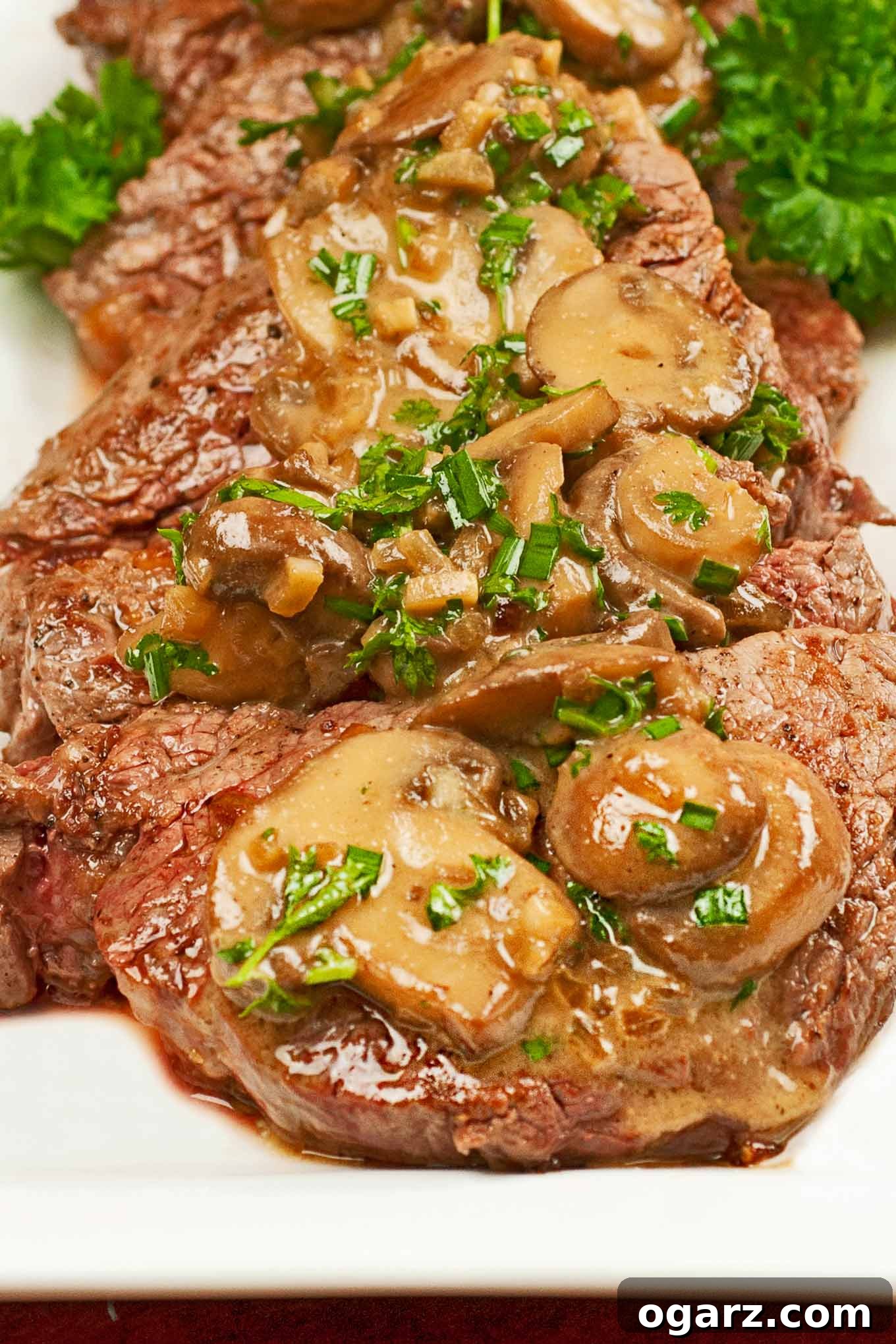
Steak Diane: A Classic Elegance for Your Dinner Table
Transport your taste buds back to the glamorous 1960s with Steak Diane, a timeless dish that exudes sophistication and flavor. This beloved classic, celebrated in fine dining establishments for its dramatic presentation and exquisite taste, features tender medallions of beef tenderloin bathed in a rich, flambéed brandy cream sauce infused with savory Worcestershire and a hint of Dijon mustard. While its exact origins are shrouded in delightful mystery, Steak Diane rose to culinary stardom in New York City restaurants, captivating diners with its swift preparation and decadent results. Perfect for a special occasion or an elevated weeknight meal, our traditional and remarkably easy recipe brings this restaurant-quality dish directly to your home kitchen.
Imagine perfectly seared, melt-in-your-mouth beef complemented by earthy sautéed mushrooms, all brought together by a silky, aromatic sauce. Steak Diane isn’t just a meal; it’s an experience, promising both culinary delight and a touch of theatrical flair, especially if you embrace the traditional flambé. Get ready to impress yourself and your guests with this iconic steak preparation that remains as captivating today as it was decades ago.
The Intriguing History and Enduring Appeal of Steak Diane
The precise genesis of Steak Diane is a subject of much charming debate among food historians. Some accounts trace its roots to Europe, potentially as early as the late 19th or early 20th century, perhaps named after Diana, the Roman goddess of the hunt, fitting for a game-meat dish. However, the version of Steak Diane we recognize today, particularly its pan-seared, flambéed preparation, undoubtedly gained significant traction and widespread popularity in the upscale American restaurant scene of the late 1950s and early 1960s. High-end establishments, particularly in cities like New York, embraced Steak Diane as a tableside spectacle, where skilled chefs would prepare and flambé the dish right before the diners’ eyes, adding an element of excitement and luxury to the dining experience.
This culinary theatricality contributed immensely to its allure, making it a symbol of mid-century chic. Beyond the showmanship, Steak Diane offers a compelling combination of textures and flavors. The inherent tenderness of beef tenderloin (filet mignon) is paramount, providing a luxurious base. The quick searing ensures a beautiful crust while keeping the interior juicy and pink. The hallmark of the dish, the brandy cream sauce, is a symphony of umami from Worcestershire, a subtle tang from Dijon, and the deep, caramelized notes of brandy, all mellowed by rich cream. These elements combine to create a deeply satisfying and surprisingly quick-to-prepare meal, solidifying its place as a beloved classic that continues to grace menus and home kitchens worldwide.
Mastering the Art of Steak Diane: Step-by-Step Guide
Creating an impressive Steak Diane at home is simpler than you might imagine. This recipe focuses on efficiency and maximizing flavor, ensuring a truly gourmet experience with minimal fuss. Follow these detailed steps for a perfect rendition:
Steak Diane Ingredients (Serves 4)
- 1 lb beef tenderloin, cut into 1/2-inch thick medallions
- 1/4 cup heavy cream
- 2 teaspoons Dijon-style mustard
- 1-1/2 teaspoons Worcestershire sauce
- 3 tablespoons unsalted butter, divided
- 1 small shallot, minced (about 1 tablespoon)
- 2 cloves garlic, minced
- 8 ounces white button mushrooms, sliced
- 1/4 cup brandy (or cognac)
- Salt and freshly ground black pepper, to taste
- 2 teaspoons chopped fresh parsley, for garnish
Detailed Preparation Instructions
- Prepare the Beef Medallions: Begin by patting your beef tenderloin medallions completely dry with paper towels. This crucial step promotes a better sear. Season both sides generously with salt and freshly ground black pepper. Set aside.
- Whip Up the Sauce Base: In a small bowl, combine the heavy cream, Dijon-style mustard, and Worcestershire sauce. Whisk until the mixture is smooth and uniform. This pre-mixed sauce ensures a quick finish later on. Set this bowl near your stovetop for easy access.
- Sear the Beef: Place a large, heavy-bottomed frying pan (cast iron or stainless steel works best) over medium-high heat. Add 1 tablespoon of the butter and allow it to melt and swirl to coat the entire surface of the pan. Once the butter is lightly browned and fragrant (but not burnt), add the beef medallions in a single layer, being careful not to overcrowd the pan. If necessary, sear in batches. Sear for approximately 45 seconds per side for rare to medium-rare, or slightly longer for your preferred doneness. The goal is a beautiful, caramelized crust. Transfer the seared meat to a clean plate and cover it loosely with aluminum foil to keep it warm and allow the juices to redistribute.
- Sauté Aromatics and Mushrooms: Reduce the heat to medium. Add the remaining 2 tablespoons of butter to the same pan. Once melted, add the minced shallots and garlic. Sauté gently, stirring frequently, until they become softened and aromatic, typically about 1 minute. Next, add the sliced white button mushrooms to the pan. Season the mushrooms with a pinch of salt and pepper. Continue cooking, stirring constantly, until the mushrooms release their moisture, brown lightly, and soften, which usually takes about 3 to 4 minutes.
- Flambé the Brandy (Optional but Recommended for Flavor): Carefully add the brandy (or cognac) to the hot pan with the mushrooms. Immediately and with caution, ignite the brandy using a long kitchen lighter or by tilting the pan slightly towards the flame if using a gas stove (ensure no flammable items are nearby). Allow the flames to subside completely, typically within a few seconds, as the alcohol cooks off, leaving behind a deep, rich flavor. If you prefer not to flambé, simply simmer the mushroom-brandy mixture until the liquid reduces by about half, which takes approximately 2 minutes.
- Finish the Sauce and Reheat Beef: Once the flame has died down or the brandy has reduced, immediately stir the reserved cream, mustard, and Worcestershire mixture into the pan. Bring the sauce to a gentle simmer. Return the seared beef medallions to the pan, along with any accumulated juices from the plate.
- Coat and Serve: Using tongs, gently turn the medallions several times to ensure they are thoroughly coated with the luxurious sauce and heated through. This step should be quick – no more than 1 minute, especially if you desire rare beef. Overcooking the beef at this stage will toughen it.
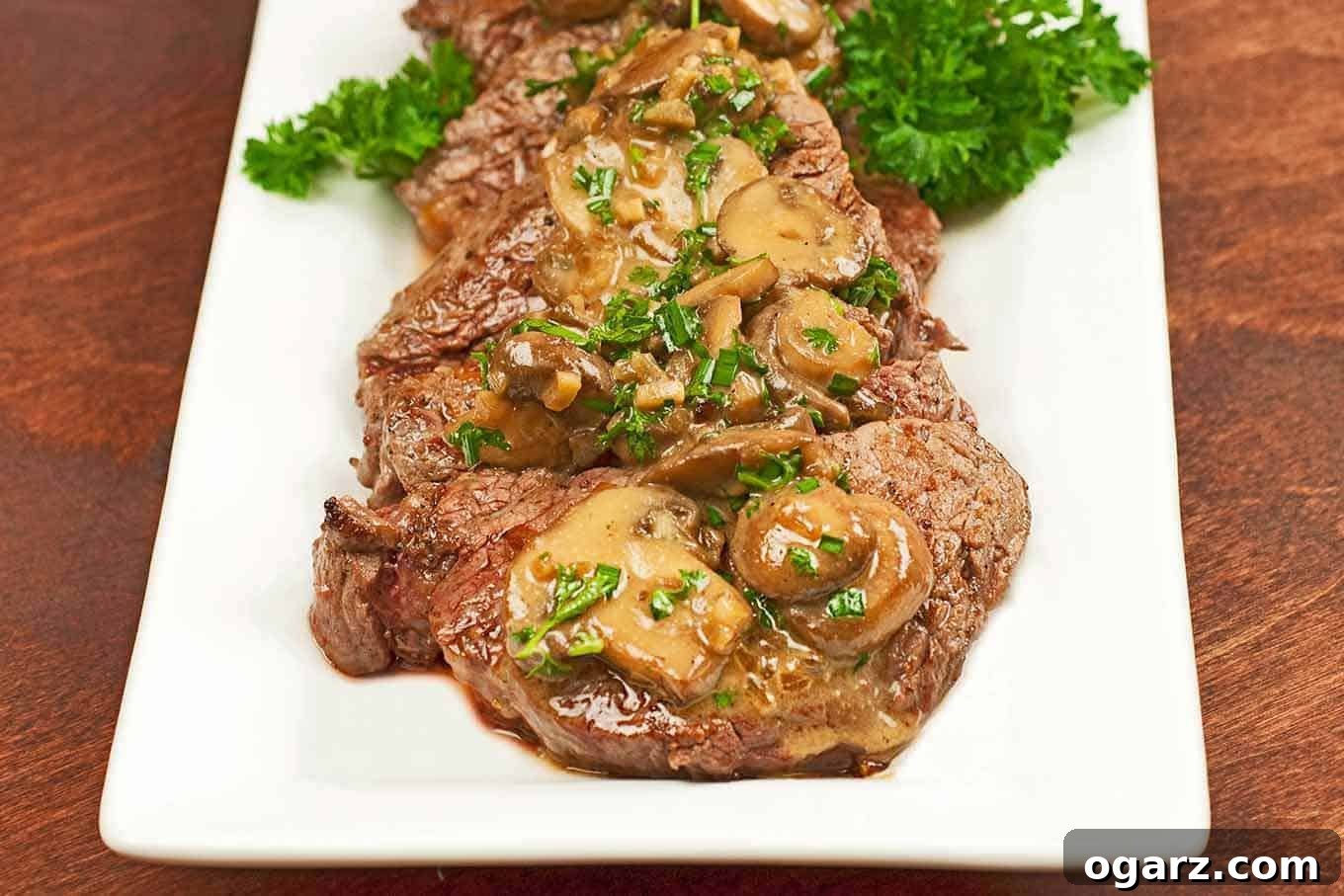
- Garnish and Present: Carefully transfer the saucy medallions to individual serving plates. Spoon the fragrant mushrooms and generous amounts of the brandy cream sauce over the top of the beef. Garnish with a sprinkle of freshly chopped parsley for a pop of color and freshness. Serve immediately.
Tips for a Flawless Steak Diane Experience
Achieving restaurant-quality Steak Diane at home is easily within reach with a few key considerations:
- Quality Beef is Key: Since beef tenderloin is the star, invest in good quality meat. Ensure the medallions are cut uniformly for even cooking. Bring the beef to room temperature for about 20-30 minutes before searing for a more consistent cook.
- Hot Pan, Quick Sear: A screaming hot pan is essential for developing that coveted brown crust (Maillard reaction) on your beef medallions without overcooking the interior. Don’t overcrowd the pan; sear in batches if necessary to maintain high heat.
- Flambéing Safely: If you choose to flambé the brandy, do so with extreme caution. Ensure your pan is not directly under an exhaust fan that could pull flames upwards. Remove the pan from direct heat, add the brandy, and then ignite it with a long match or lighter. Stand back and allow the flames to die down naturally. Always be mindful of your surroundings. If uncomfortable, simply simmer the brandy as suggested in the recipe notes – the flavor will still be fantastic.
- Sauce Consistency: The sauce should be rich and coating, not watery. If it’s too thin, simmer it for an extra minute or two to reduce slightly. If it’s too thick, a tiny splash of beef broth or water can adjust the consistency.
- Fresh Ingredients Make a Difference: Freshly minced shallots, garlic, and parsley elevate the overall flavor profile significantly.
Creative Variations & Serving Suggestions
While the classic Steak Diane is perfect as is, you can certainly explore variations to suit your taste or what you have on hand:
Ingredient Substitutions and Enhancements:
- Different Beef Cuts: While tenderloin is traditional, you can use other quick-cooking cuts like sirloin or even flattened chicken or pork cutlets for a different take. Adjust cooking times accordingly.
- Mushroom Varieties: Experiment with cremini (baby bellas) or even a mix of gourmet mushrooms like shiitake or oyster mushrooms for a deeper, more complex earthy flavor.
- Herbs: A sprig of fresh thyme or a bay leaf added to the sauce during simmering can impart an extra layer of aromatic complexity.
- Alcohol Alternatives: If brandy isn’t available, a dry sherry or even a robust red wine can be used, though the flavor profile will shift.
- Spice it Up: A tiny pinch of red pepper flakes can add a subtle warmth to the sauce for those who enjoy a bit of heat.
Perfect Pairings for Steak Diane:
Steak Diane, with its rich sauce, pairs beautifully with sides that can soak up the flavors or provide a contrasting texture. Classic choices include:
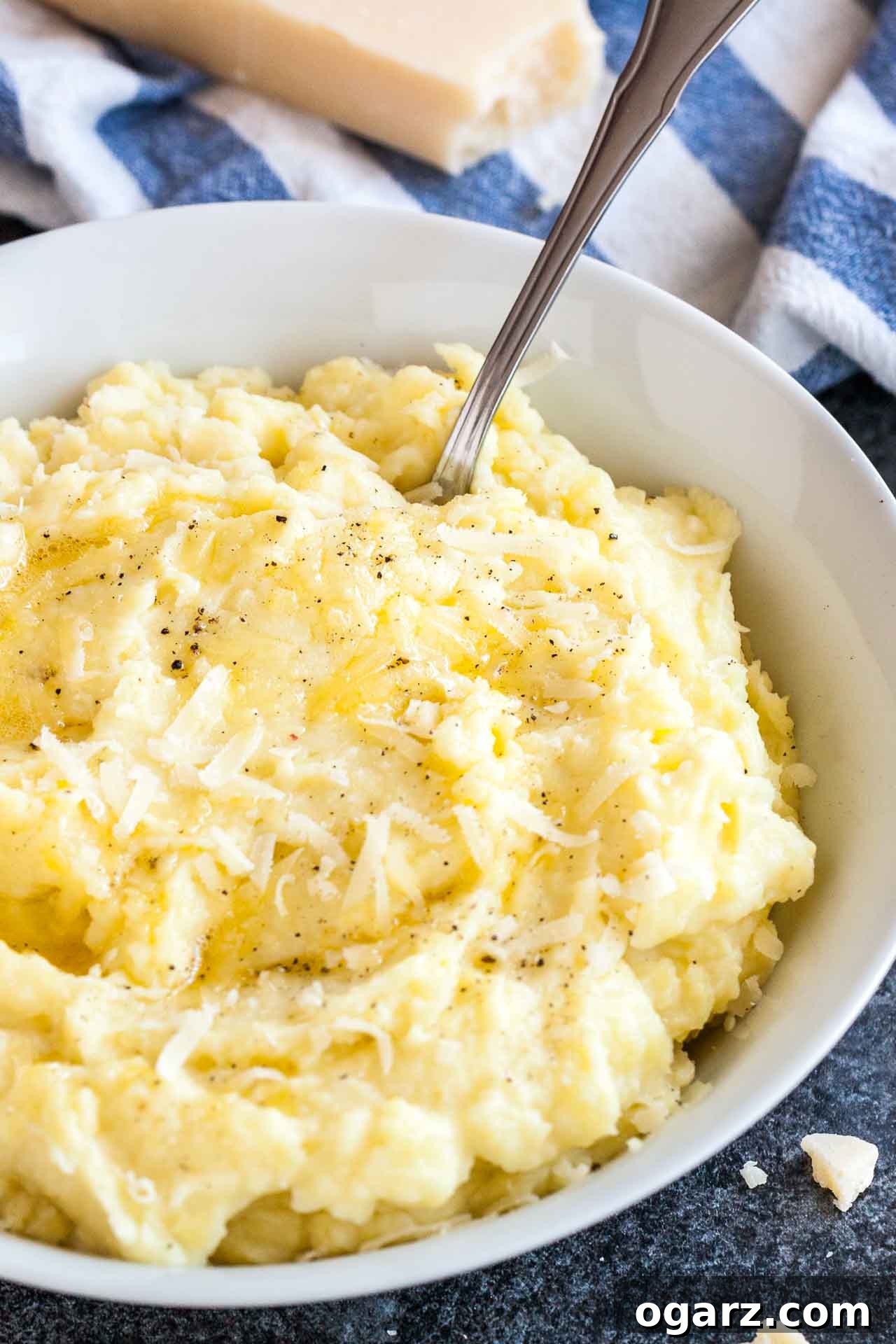
- Roasted or Mashed Potatoes: Creamy mashed potatoes, crispy roasted potatoes, or even delicate Duchess potatoes are ideal for absorbing every drop of the luxurious sauce.
- Sautéed Greens: Freshly sautéed spinach with garlic, blanched asparagus, or green beans tossed with toasted almonds provide a welcome freshness and textural contrast.
- Rice Pilaf: A simple rice pilaf can also be an excellent absorbent side.
- Crusty Bread: Don’t underestimate the simple pleasure of a warm, crusty baguette to mop up any leftover sauce.
- Wine Pairing: A medium-bodied red wine such as a Pinot Noir, Merlot, or even a lighter Cabernet Sauvignon complements the richness of the beef and the sauce without overpowering it.
Frequently Asked Questions About Steak Diane
Q: What cut of beef is best for Steak Diane?
A: The traditional and most recommended cut is beef tenderloin, often referred to as filet mignon when cut into medallions. Its tenderness and quick-cooking nature are perfect for this dish. You can also use sirloin or even ribeye, though tenderloin offers the most classic experience.
Q: Can I make Steak Diane without brandy?
A: Yes, absolutely! If you prefer to avoid alcohol or the flambéing process, simply simmer the mushroom mixture with a splash of beef broth or even non-alcoholic cooking wine until it reduces by about half. You’ll still achieve a delicious and rich sauce.
Q: How do I prevent my beef from becoming tough?
A: The key is to not overcook the beef. Sear it quickly over high heat to create a crust, then finish it briefly in the sauce. Beef tenderloin cooks very fast, so keep an eye on it. Using a meat thermometer to check for your desired doneness (e.g., 125-130°F for rare) can also be helpful.
Q: Can I prepare any part of Steak Diane in advance?
A: You can prepare the cream, mustard, and Worcestershire sauce mixture ahead of time. You can also mince the shallots and garlic. However, the beef searing and sauce assembly are best done right before serving to ensure the best texture and flavor. This dish is designed for quick, last-minute preparation.
Q: What is the purpose of flambéing?
A: Flambéing serves a few purposes. It burns off the raw alcohol, leaving behind a more complex, concentrated flavor from the brandy. It also adds a dramatic visual element to the cooking process, making it a showstopper, especially in a restaurant setting.
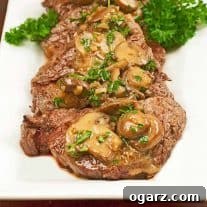
Steak Diane
Lynne Webb
Steak Diane is a classic restaurant dish from the 1960s made with pan-seared medallions of beef tenderloin, sautéed mushrooms, and a brandy cream sauce.
10 minutes
15 minutes
25 minutes
4
servings
Ingredients
- 1 lb beef tenderloin, cut into 1/2-inch thick medallions
- 1/4 cup heavy cream
- 2 teaspoons Dijon-style mustard
- 1-1/2 teaspoons Worcestershire sauce
- 3 tablespoons butter, divided
- 1 small shallot, minced (about 1 tablespoon)
- 2 cloves garlic, minced
- 8 ounces white button mushrooms, sliced
- 1/4 cup brandy, (or cognac)
- Salt and freshly ground black pepper
- 2 teaspoons chopped fresh parsley
Instructions
-
Season the beef medallions on both sides with salt and pepper.
-
Combine the cream, mustard and Worcestershire in a small bowl until smooth and set aside.
-
Melt 1 tablespoon of the butter in a large skillet over medium-high heat and swirl to coat the pan. Add the beef medallions and sear briefly ~ 45 seconds per side. Transfer the meat to a plate and cover loosely with foil.
-
Add the remaining 2 tablespoons of the butter to the pan. Add the shallots and garlic and sauté until softened, 1 minute. Add the mushrooms, season with salt and pepper and continue cooking, stirring continually, until they are lightly browned, 3 to 4 minutes.
-
Add the brandy to the pan and ignite (see notes). As soon as the flame dies, stir in the cream mixture. Immediately return the beef medallions to the pan along with any juices that have accumulated on the plate.
-
Using tongs, turn the medallions several times to coat with the sauce and heat through (no more than 1 minute for rare).
-
Transfer the medallions to a serving plate, top with the mushrooms and sauce and garnish with chopped parsley.
Notes
If you don’t want to ignite the brandy, simply simmer the mushroom-brandy mixture until the liquid is reduced by about half – about 2 minutes.
Nutrition
Calories: 493, Total Fat: 39g, Cholesterol: 119mg, Sodium: 168mg, Carbohydrates: 4g, Fiber: 1g, Sugar: 2g, Protein: 23g
Nutrition information is automatically calculated, so should only be used as an approximation.
Conclusion: An Enduring Legacy of Flavor
Steak Diane is more than just a recipe; it’s a culinary legacy that continues to enchant diners with its blend of rich flavors, tender beef, and a touch of old-world charm. Whether you’re a seasoned chef or a home cook looking to expand your repertoire, this dish offers a rewarding experience from preparation to the last delicious bite. Its straightforward steps and the ability to achieve gourmet results in your own kitchen make it an accessible luxury.
By following this guide, you can recreate the magic of those classic 1960s dining rooms, bringing a sophisticated yet comforting dish to your table. The balance of savory beef, earthy mushrooms, and the elegant brandy cream sauce ensures that Steak Diane will remain a celebrated dish for generations to come. So, gather your ingredients, fire up your pan, and prepare to savor a truly unforgettable meal that embodies classic American fine dining at its best.