
Table of Contents
- The Irresistible Appeal of Fresh Breadcrumbs
- Choosing the Best Bread for Homemade Breadcrumbs
- Essential Equipment for Making Breadcrumbs
- Step-by-Step Guide: How to Make Fresh Breadcrumbs
- Storage Solutions for Fresh Breadcrumbs
- Unleashing the Versatility: How to Use Fresh Breadcrumbs
- Fresh Breadcrumb FAQs
- Recipes to Try With Fresh Breadcrumbs
- How to Make Fresh Breadcrumbs (Printable Recipe)
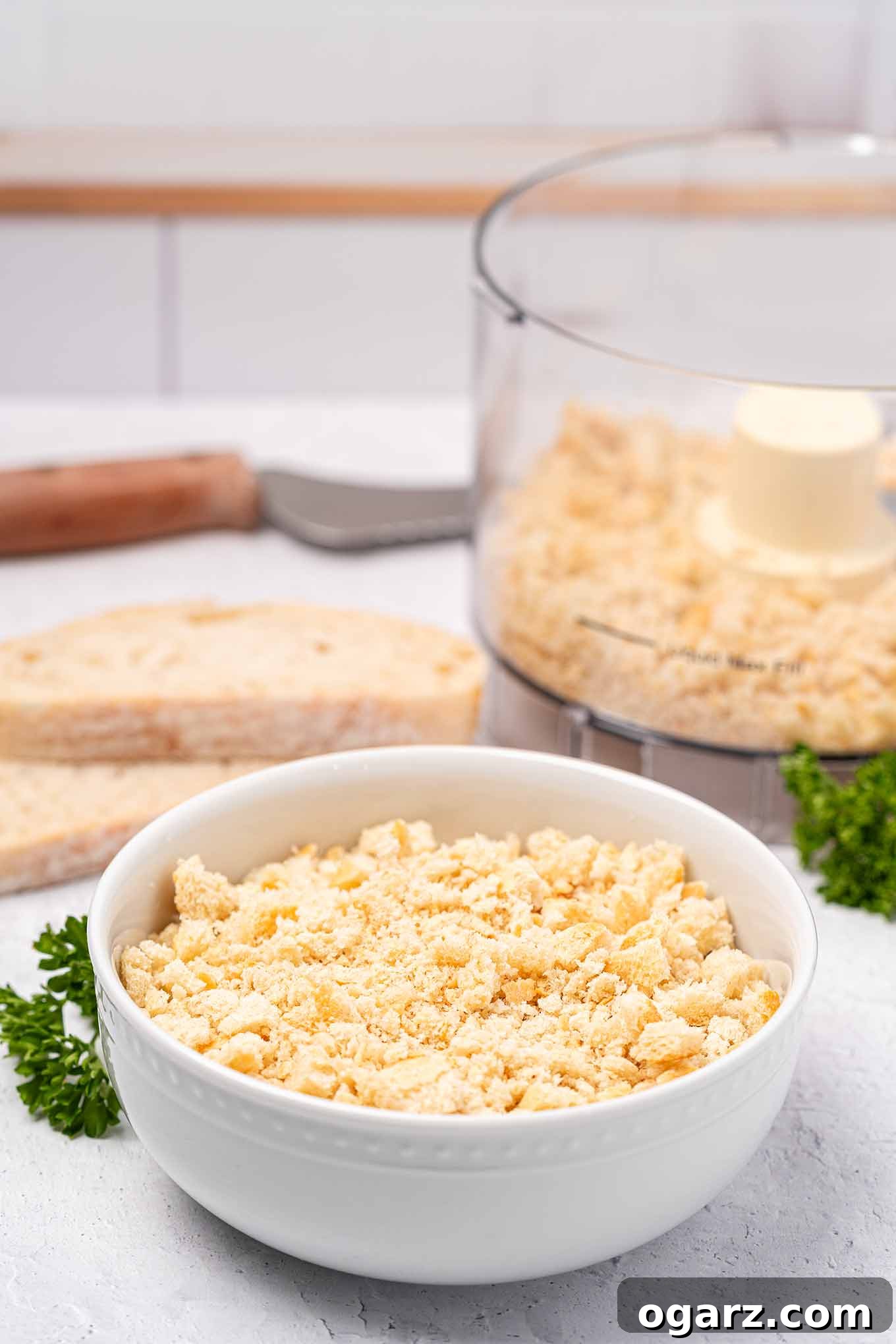
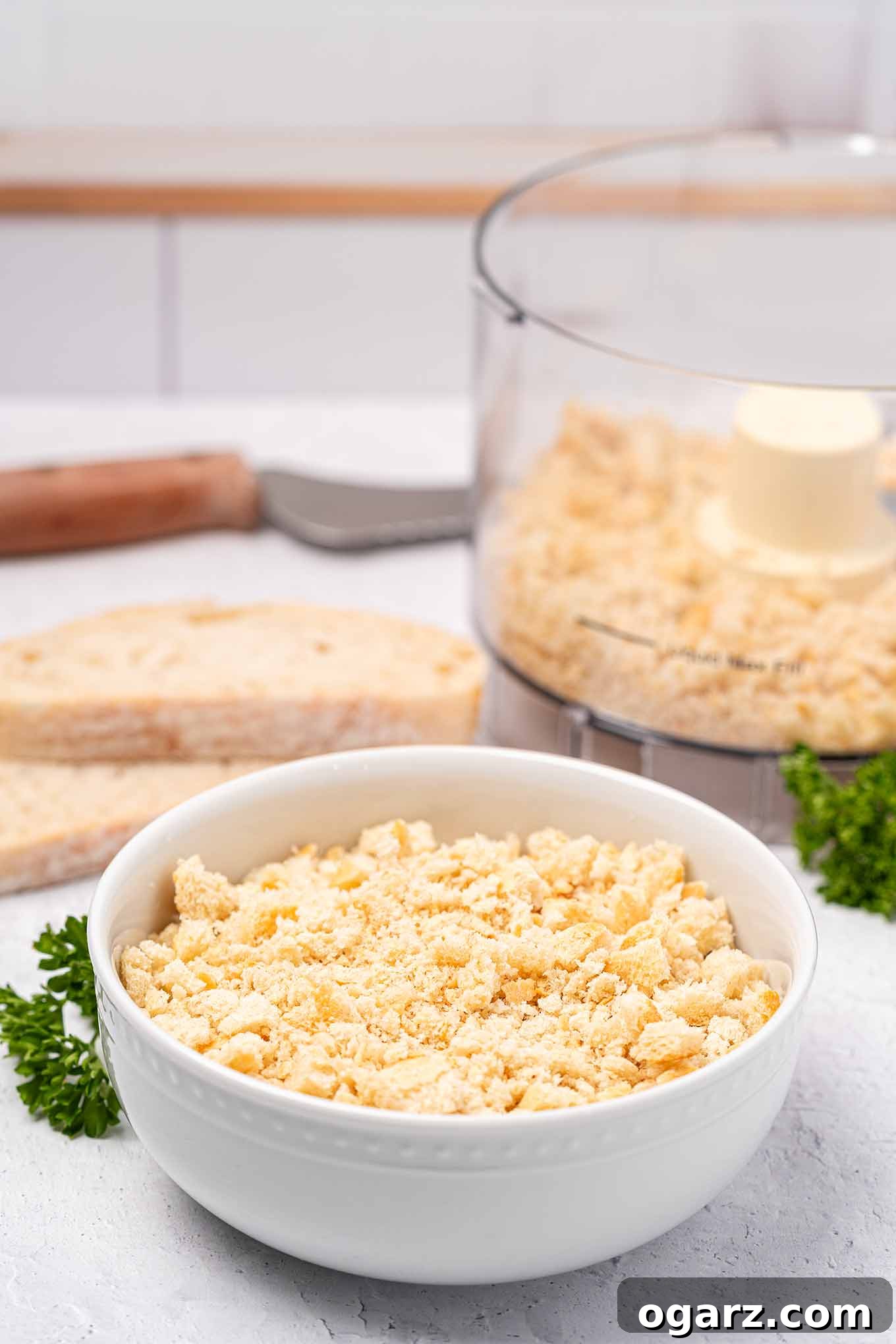
While the convenience of store-bought breadcrumbs is undeniable for many recipes, there are instances where nothing compares to the superior flavor and texture of fresh, homemade breadcrumbs. Often referred to as soft breadcrumbs, these culinary gems are remarkably easy to prepare and can elevate your dishes from good to gourmet. In this comprehensive guide, we’ll walk you through everything you need to know about crafting your own fresh breadcrumbs, from selecting the ideal bread to mastering the processing technique and exploring their diverse applications in the kitchen.
The Irresistible Appeal of Fresh Breadcrumbs
Imagine a meatloaf that’s exceptionally moist and light, or a gratin crowned with a perfectly golden, airy crust. These are the transformative results you achieve with fresh breadcrumbs. Unlike their dry, often overly crunchy store-bought counterparts, fresh breadcrumbs retain a subtle moisture and softness, allowing them to bind ingredients gently without making dishes dense. They absorb flavors more readily and provide a delicate texture that enhances rather than overwhelms. Making them at home also gives you complete control over the type of bread, ensuring a pure, unadulterated flavor profile tailored to your culinary needs. Plus, it’s an excellent way to prevent food waste by repurposing day-old bread.
Choosing the Best Bread for Homemade Breadcrumbs
The foundation of exceptional fresh breadcrumbs lies in selecting the right bread. While a food processor can handle almost any type of bread, certain varieties yield superior results due to their texture and flavor. We’ve found that rustic, bakery-style breads work best. Here are our top recommendations, along with reasons why they excel:
- Sourdough Bread: Our absolute top choice, sourdough offers a distinctive tangy flavor and a robust structure. Its thick, chewy crust and dense, slightly elastic interior create breadcrumbs with fantastic texture and depth of flavor, adding a gourmet touch to any dish.
- French Bread: Classic French loaves, including baguettes, are excellent for their light, airy interior crumb and a crisp, golden crust. Breadcrumbs made from French bread are wonderfully soft and contribute a subtle, buttery flavor that complements a wide array of recipes.
- Italian Bread: Italian bread typically features a thicker, golden-brown crust that can range from crisp to slightly chewy, depending on how it’s baked. Its interior is usually light and soft, often with irregular holes, which translates into breadcrumbs with a pleasingly varied texture and a mild, versatile flavor.
- Other Options: Don’t limit yourself to these three! Ciabatta, challah, or even rustic whole wheat loaves can produce delightful fresh breadcrumbs. Experiment with different bakery breads available in your area to discover your personal favorites and how their unique characteristics enhance your cooking.
Yield Guidance: The exact quantity of breadcrumbs you’ll obtain can vary slightly based on the bread’s density and whether you include the crust. As a general guideline, you can anticipate getting approximately 1/3 to 1/2 cup of fresh breadcrumbs from every ounce of bread. It’s often smart to make a larger batch than you immediately need, as homemade breadcrumbs freeze beautifully and are a fantastic convenience to have on hand.
Essential Equipment for Making Breadcrumbs
Creating fresh breadcrumbs is a straightforward process, especially with the right tools. Here’s what you’ll need:
- Food Processor: This is by far the easiest and most efficient tool for making fresh breadcrumbs. A good food processor will quickly transform bread into uniform crumbs with minimal effort. It’s ideal for larger batches and ensures a consistent texture.
- Mini Chopper: If you only need a small quantity of breadcrumbs, a mini chopper can be a convenient alternative to a full-sized food processor. Its compact size is perfect for handling a couple of slices of bread, making it a great option for quick, small-scale preparations.
- Box Grater: In a pinch, or if you prefer a more rustic crumb texture, a box grater can be used. For the best results with this method, freeze a couple of slices of bread beforehand. Grating the frozen bread on the large holes of a box grater will produce soft, fluffy crumbs. While it requires a bit more elbow grease, it’s a reliable method when electric appliances aren’t available or for specific textural preferences.
Beyond the processing tool, you’ll also want to have airtight plastic containers or reliable zip-top freezer bags readily available for storing any unused breadcrumbs. Proper storage is key to maintaining their freshness and extending their shelf life.
Step-by-Step Guide: How to Make Fresh Breadcrumbs
Making fresh breadcrumbs is a quick and rewarding process that takes only a few minutes. Follow these simple steps for perfectly textured crumbs every time:
Step 1: Decide on the Crust
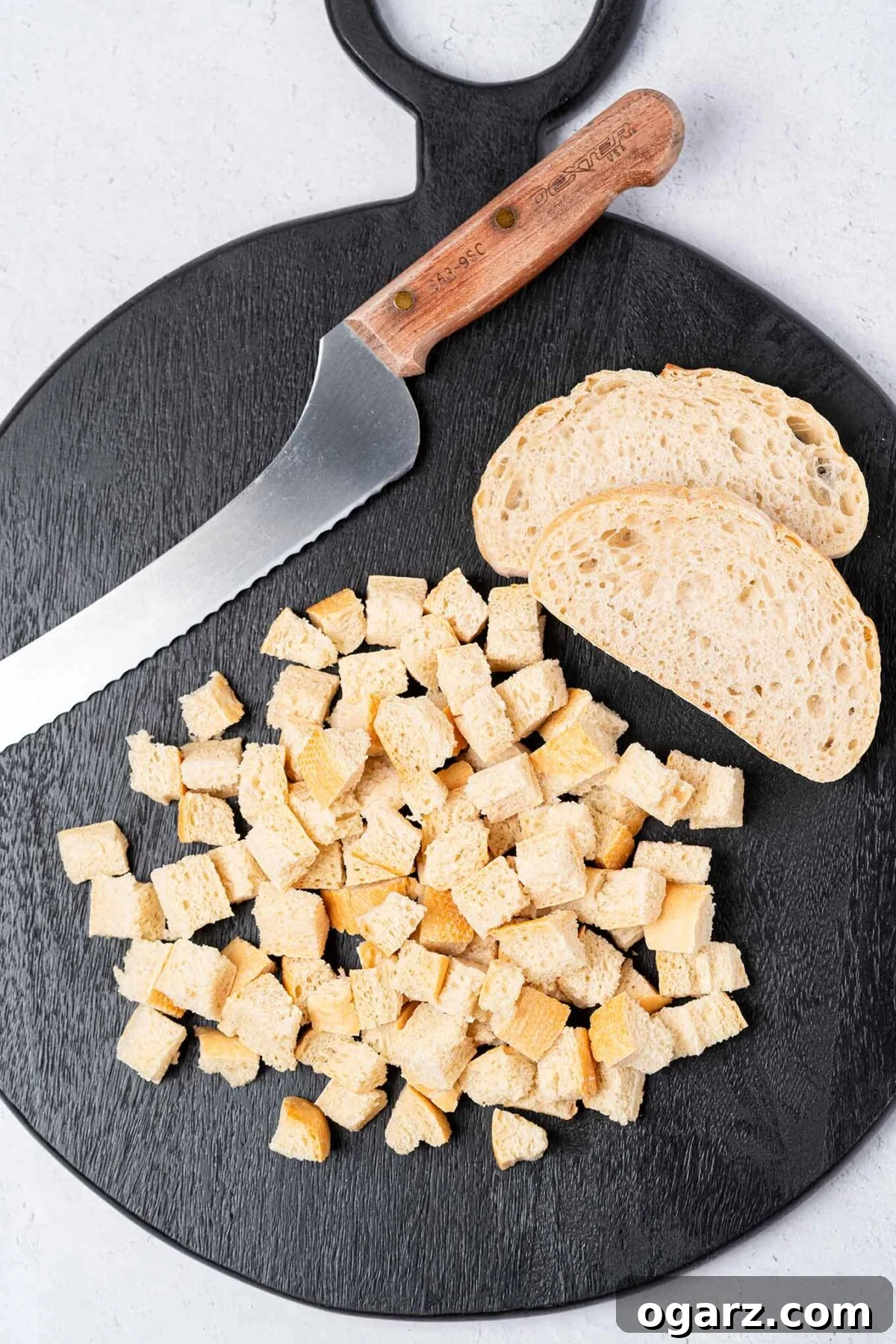
We generally recommend leaving the crusts on your bread. The crust adds a delightful depth of flavor and contributes to a more interesting texture in your finished breadcrumbs. However, if you prefer a lighter, more uniform crumb or find the crust too tough for your recipe, feel free to trim it off now. The choice is yours!
Step 2: Prepare the Bread Cubes
Cut or tear your chosen bread into roughly 1/2-inch cubes. Uniformity in size is important for even processing. If you’re working with a rustic loaf that has a particularly thick or chewy crust, it can be beneficial to separate the crust from the softer interior slices and chop the crust pieces slightly smaller. This ensures that the tougher crust breaks down more evenly with the softer bread.
Step 3: Process the Breadcrumbs
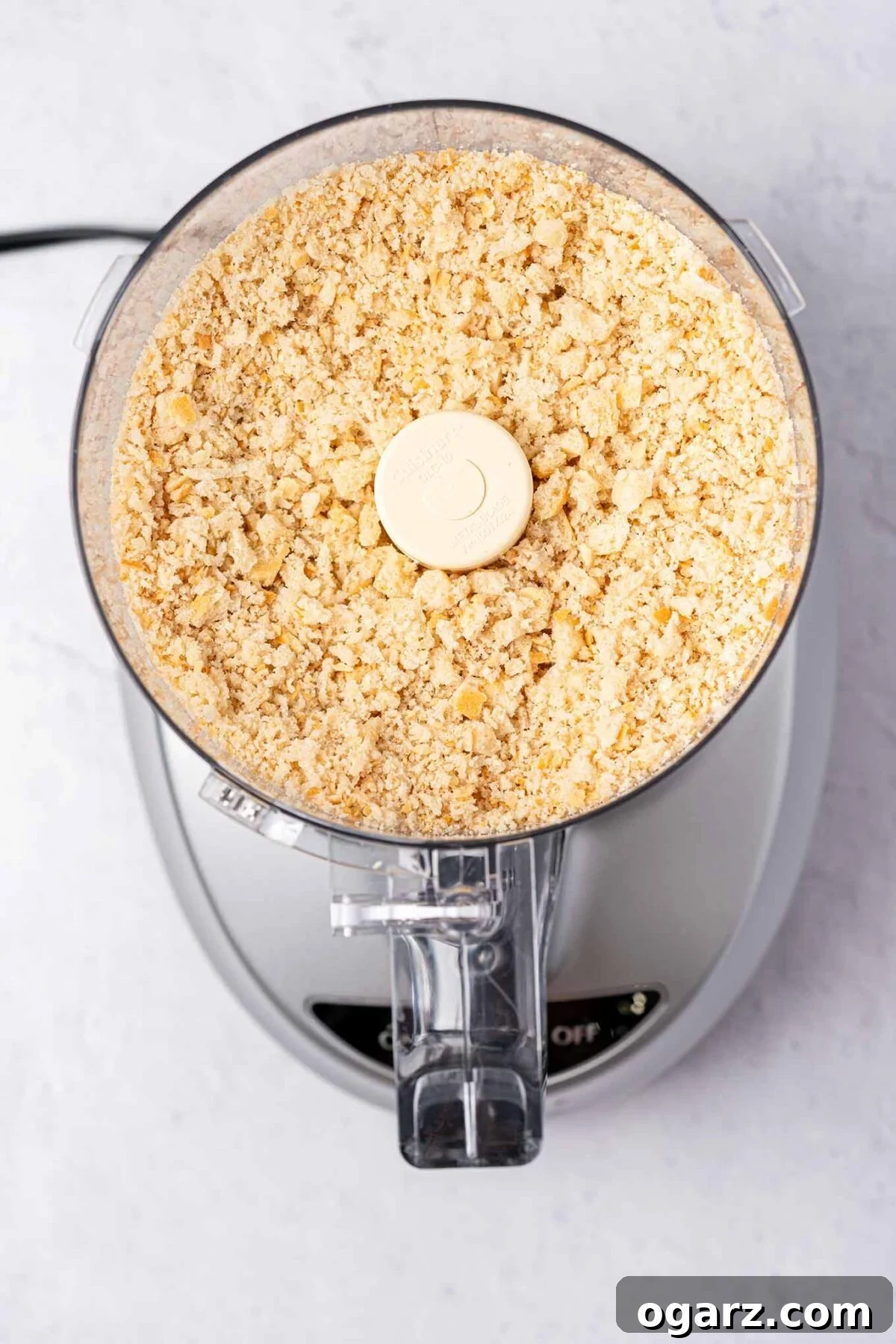
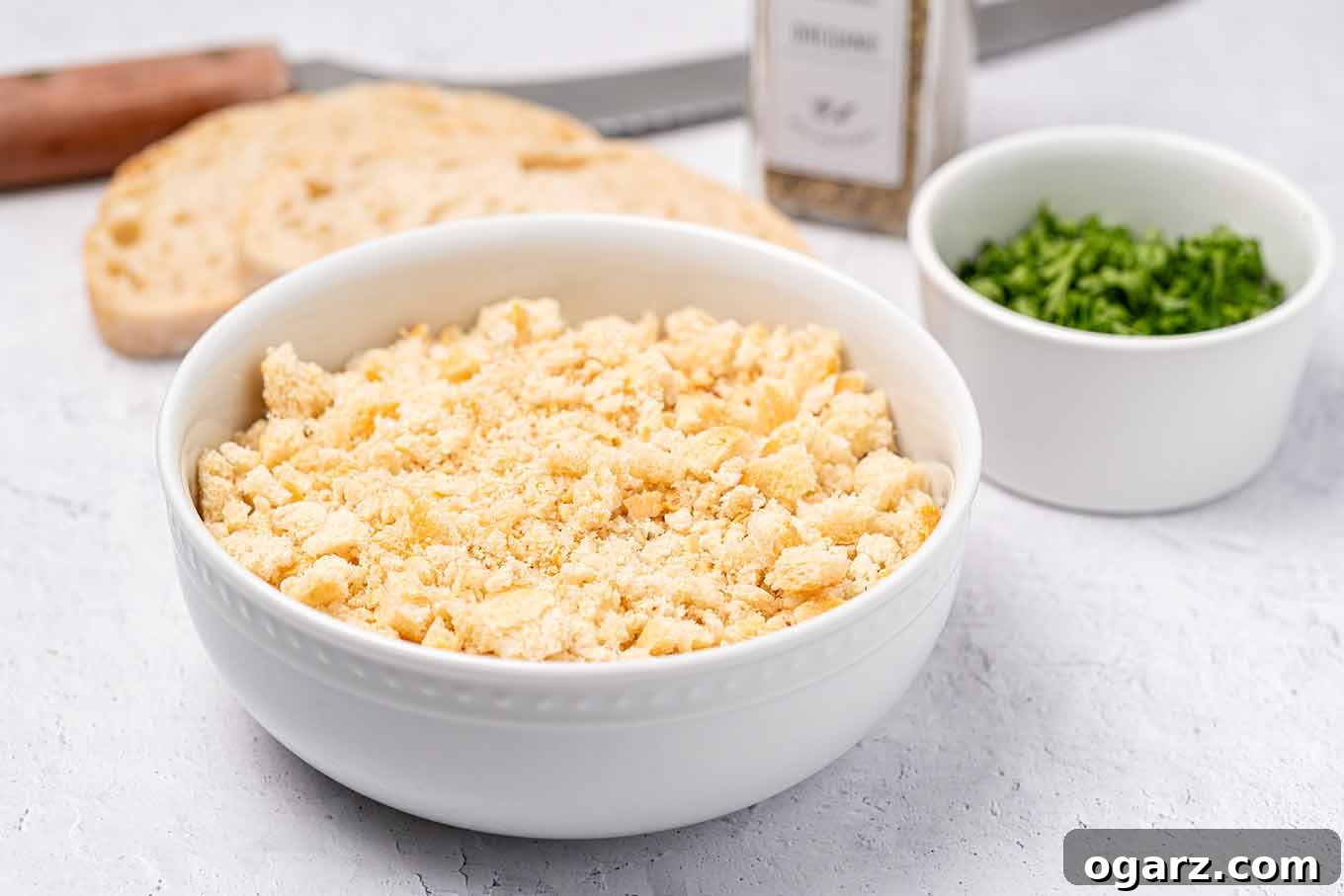
Transfer the bread cubes to the work bowl of your food processor. If you opted to remove and pre-chop the crusts, add those smaller crust pieces to the food processor first and give them two or three short pulses before adding the rest of the bread. Then, process all the bread cubes using short, quick pulses. Continue pulsing until you achieve a relatively uniform, medium-sized crumb. It’s perfectly fine and often desirable for some crumbs to be slightly larger than others; this variation adds to the delightful texture of fresh breadcrumbs.
Step 4: Package for Storage
Once processed, if you don’t plan to use your fresh breadcrumbs immediately, transfer them to tightly sealed plastic containers or zip-top freezer bags. Prompt and proper packaging helps maintain their freshness and prevents them from drying out.
Storage Solutions for Fresh Breadcrumbs
One of the best aspects of making fresh breadcrumbs is their excellent storability, allowing you to always have them ready for your culinary endeavors. Here’s how to store them effectively:
- Room Temperature: If you intend to use your fresh breadcrumbs within one to two days, they can be safely stored at room temperature. Simply place them in an airtight container or a zip-top freezer bag to prevent them from drying out and absorbing ambient moisture. Ensure they are kept in a cool, dry place away from direct sunlight.
- Freezer: Fresh breadcrumbs are ideally suited for freezing, making it easy to prepare a large batch and store it for future use. When properly stored in airtight freezer bags or containers, they will maintain their quality for up to three months. To use, you have two convenient options: you can either allow them to defrost at room temperature for about 30 minutes, or for many applications, you can incorporate them directly from the freezer into your recipe. Freezing is an invaluable method for reducing food waste and ensuring you always have this versatile ingredient at your fingertips.
Unleashing the Versatility: How to Use Fresh Breadcrumbs
Fresh breadcrumbs are a culinary secret weapon, offering a delicate texture and exceptional moisture retention that store-bought alternatives simply cannot match. Their soft, pliable nature allows them to perform beautifully in a variety of dishes, enhancing flavor and improving consistency. Here are the primary ways to incorporate these homemade delights into your cooking:
- As a Binder for Moist Dishes: Fresh breadcrumbs are the ideal choice when you need a binding agent that adds lightness and moisture. In recipes like meatloaf, meatballs, or veggie burgers, they absorb liquids effectively without making the final product dense or heavy. The result is a more tender, succulent, and flavorful dish that truly stands out.
- As a Flavorful Topping: Elevate simple dishes with a crispy, aromatic breadcrumb topping. To create this, heat a blend of butter and olive oil in a frying pan. Add a pinch of minced garlic, a generous amount of fresh breadcrumbs, and a handful of finely chopped fresh herbs like parsley, thyme, or rosemary. Cook until the crumbs are golden brown and fragrant, then sprinkle this irresistible mixture over oven-roasted vegetables, pan-seared fish fillets, creamy pasta dishes, or sautéed greens like spinach or kale. The freshness of the crumbs allows them to soak up the garlicky, herby flavors beautifully, providing a textural contrast that’s simply divine.
- For Light and Delicate Stuffings: When preparing dishes that feature light and fluffy stuffings, such as baked cod, classic clams casino, or decadent baked stuffed shrimp, fresh breadcrumbs are indispensable. Their soft, airy texture ensures the stuffing remains tender and doesn’t become heavy or dry, providing a far superior mouthfeel compared to dry, granulated breadcrumbs.
- As a Hearty Thickener: Fresh breadcrumbs can also serve as an excellent thickener for robust and comforting soups and stews. Incorporating them into dishes like a rich minestrone adds body and a subtle creamy texture, allowing the breadcrumbs to melt into the broth while providing a gentle substance.
A Note on Store-Bought Breadcrumbs: While fresh breadcrumbs are unparalleled for certain applications, there’s still a place for their store-bought cousins in your pantry. We often keep both panko and dry, unseasoned breadcrumbs for specific uses:
- Panko Breadcrumbs: Known for their unique jagged, flaky texture, panko crumbs are dry, exceptionally crisp, and light in color. They are ideal for creating a super crunchy coating for fried foods like chicken cutlets or onion rings. While panko can sometimes substitute for fresh breadcrumbs in a pinch, be aware that their flavor absorption isn’t as robust as fresh crumbs, and their texture is much crisper, which might alter the intended outcome of your dish.
- Dry Breadcrumbs: These fine, granulated crumbs are primarily used for breading items that will be shallow-fried or oven-fried, such as shallow-fried chicken or oven-fried pork chops. We also occasionally use them as a binder for very moist ground meats, particularly chicken or turkey, where their greater drying power can be beneficial. Always opt for the unseasoned variety to give you complete control over the flavor profile of your finished dish.
By understanding the unique properties of fresh breadcrumbs and their dry counterparts, you can confidently choose the best option for every recipe, ensuring delicious and perfectly textured results.
Fresh Breadcrumb FAQs
Fresh breadcrumbs are soft, slightly moist crumbs made from fresh, or ideally day-old, bread. Unlike dry breadcrumbs, they retain some of the bread’s original moisture and softness, resulting in a lighter, more tender texture that greatly enhances many dishes.
Yes, absolutely! Day-old bread is actually ideal for making fresh breadcrumbs. It’s slightly drier than freshly baked bread, which helps achieve a better crumb texture in the food processor without becoming too pasty. Just make sure it hasn’t gone completely hard or moldy.
While both dry and panko breadcrumbs can be used as substitutes for fresh breadcrumbs, be aware that the finished dish will likely have a noticeably different texture than originally intended. For example, a meatball recipe calling for fresh breadcrumbs will turn out heavier and more dense if made with dry breadcrumbs. Panko would offer a crispy texture rather than a soft bind. For best results, it’s always recommended to use fresh breadcrumbs when specified.
Yes, fresh breadcrumbs freeze exceptionally well! They can be stored in tightly sealed bags or containers in the freezer for up to 3 months. For many recipes, you can use them directly from the freezer without needing to thaw them first, making them a convenient ingredient to always have on hand.
The main difference lies in their moisture content and texture. Fresh breadcrumbs are made from soft, usually day-old bread, and retain a delicate moisture, resulting in a tender, fluffy crumb. Dry breadcrumbs, on the other hand, are made from dried bread, often baked until crunchy, and then finely ground. They are much crisper and drier, making them suitable for coatings and crisp toppings, but less ideal for binding or providing moisture within a dish.
Recipes to Try With Fresh Breadcrumbs
Ready to put your fresh, homemade breadcrumbs to delicious use? Here are a few popular recipes that truly shine with the unique texture and flavor of fresh breadcrumbs:
Baked Cod with Crispy Crumb Topping
Baked Stuffed Shrimp
Sardine Pasta With Lemon and Garlic Crumbs
Greek Meatballs in Tomato Sauce (Soutzoukakia)
How to Make Fresh Breadcrumbs
Lynne Webb
15
15
16
servings
Rate Recipe
Print Recipe
Ingredients
-
1/2
loaf
Italian, French, or sourdough bread,
(about 8 ounces, preferably day-old)
Instructions
PREP THE BREAD
-
Decide whether to keep the crusts on or remove them. Keeping them adds flavor and texture, but removing them creates a more uniform crumb.
-
Cut or tear the bread into approximately 1/2-inch cubes. If using rustic bread with a very thick crust, you may want to chop the crust pieces slightly smaller for more even processing.
PROCESS INTO CRUMBS
-
If you separated the crusts, add them to your food processor first and pulse 2-3 times before adding the softer bread cubes.
-
Add all bread cubes to the food processor. Use short pulses to process until you achieve a relatively uniform, medium-sized crumb. Some larger crumbs are acceptable.
PACKAGE FOR STORAGE
-
If not using immediately, package the fresh breadcrumbs in tightly sealed plastic containers or zip-top freezer bags to maintain freshness. (See storage notes below for details).
Notes
ROOM TEMPERATURE: For use within 1-2 days, store fresh breadcrumbs in tightly sealed containers or zip-top freezer bags at room temperature.
FREEZER: Fresh breadcrumbs freeze exceptionally well. Store them in airtight freezer bags for up to 3 months. You can thaw them at room temperature or use them directly from the freezer in most recipes.
Nutrition
Calories:
56
,
Total Fat:
1
g
,
Sodium:
104
mg
,
Carbohydrates:
10
g
,
Fiber:
1
g
,
Sugar:
1
g
,
Protein:
2
g
Nutrition information is automatically calculated, so should only be used as an approximation.
Like this recipe? Rate and comment below!