
Effortless Elegance: The Ultimate Orange Tarragon Chicken Pan Sauce Recipe
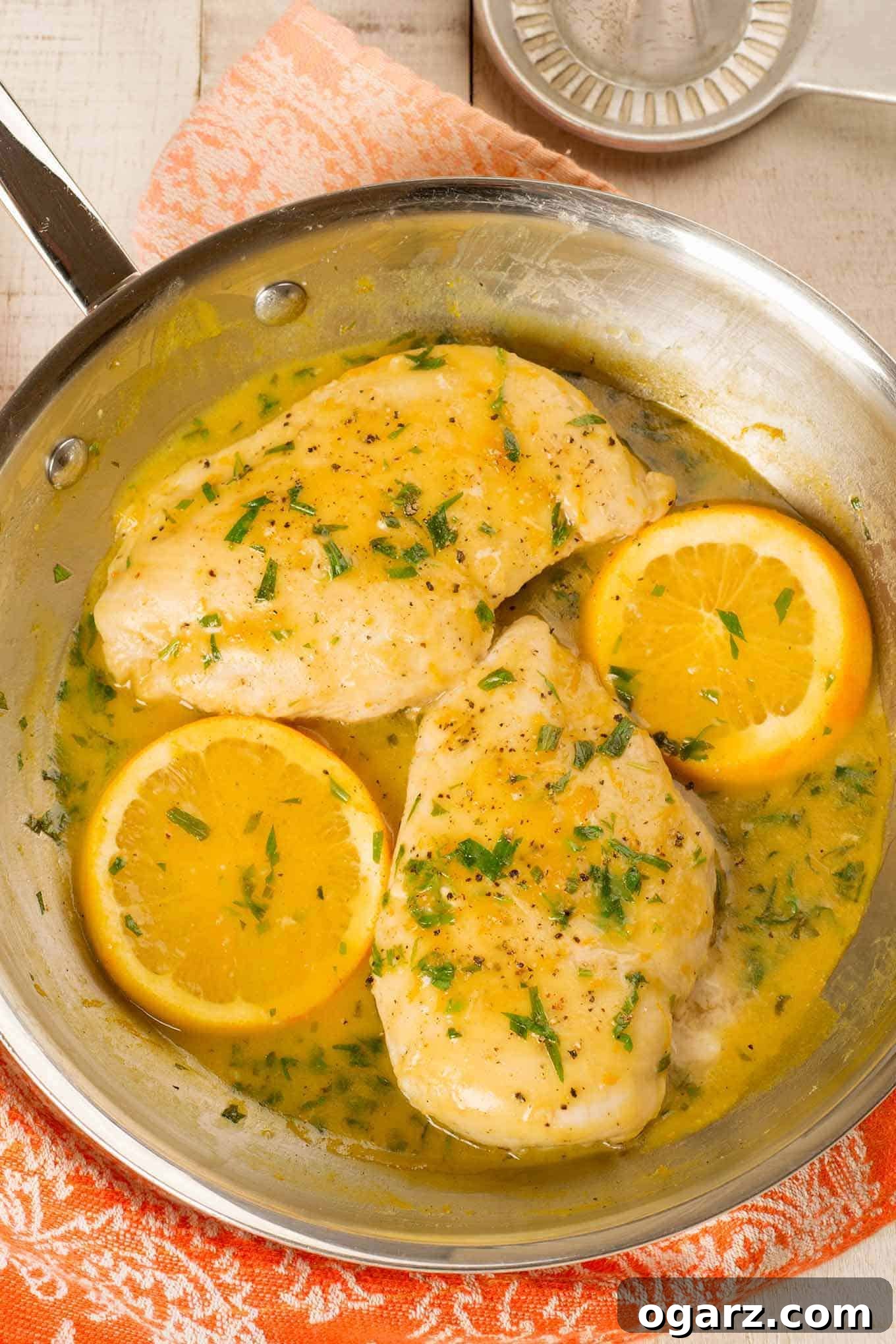
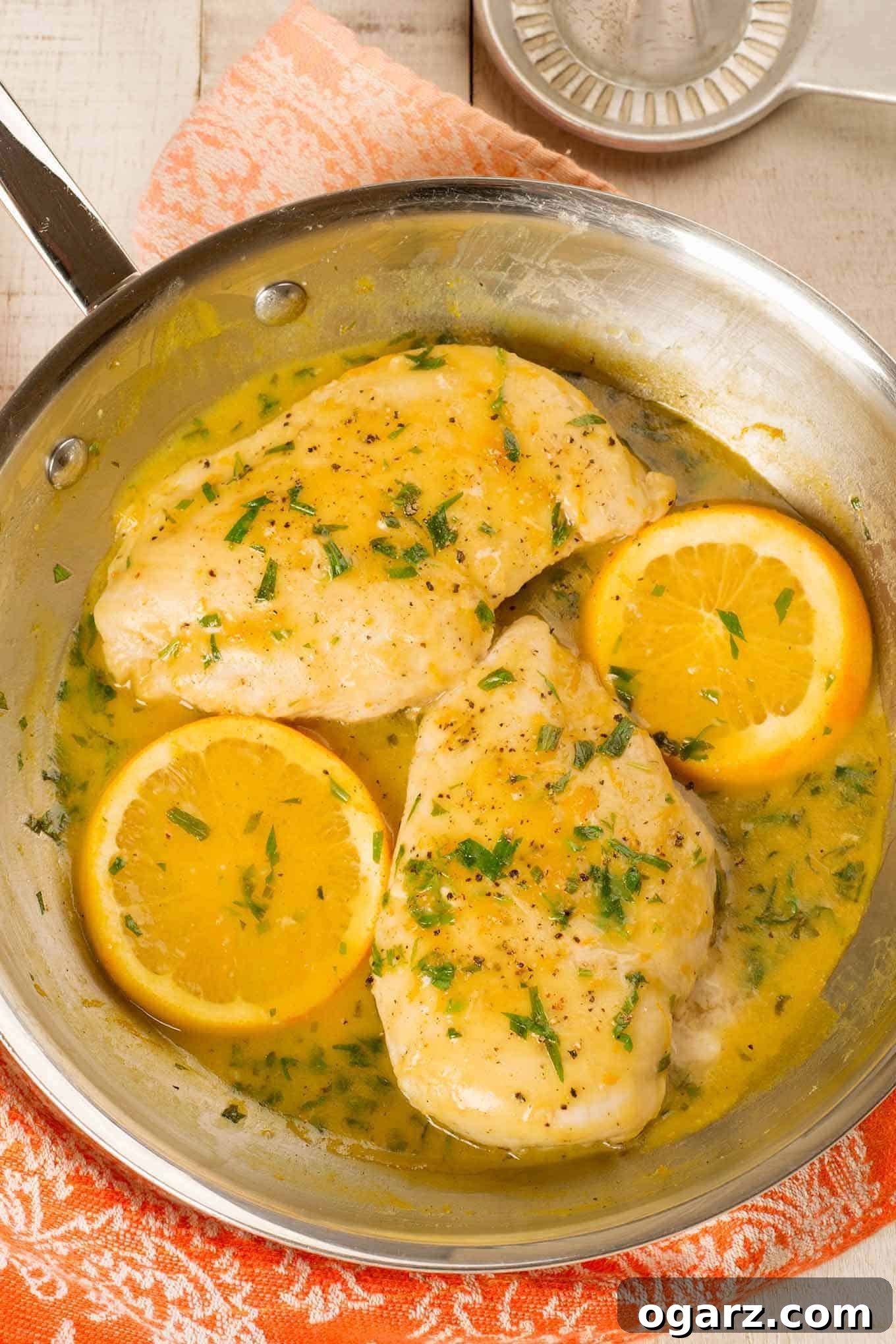
Are you searching for a dish that’s both simple to prepare and impressive to serve? Look no further than our exquisite Orange Tarragon Chicken. This remarkable recipe strikes a perfect balance between everyday ease and gourmet sophistication, making it an ideal choice for any occasion. The unique flavor profile, combining the sweet, vibrant notes of fresh orange with the delicate, subtle licorice undertones of tarragon, creates a restaurant-worthy pan sauce that will tantalize your taste buds. Best of all, this entire culinary delight comes together in a single pan in just about 30 minutes, proving that truly memorable meals don’t require hours in the kitchen.
Mastering the art of simple pan sauces is one of the easiest ways to infuse your cooking with incredible flavor and variety without excessive effort. These sauces transform lean proteins like chicken into rich, flavorful main courses. With just a handful of thoughtfully chosen ingredients, you can craft a sauce that’s bursting with depth, aroma, and versatility, allowing for easy adaptation to suit your personal taste or whatever ingredients you have on hand. Our Orange Tarragon Chicken is a prime example of this technique, delivering maximum flavor with minimal fuss.
Why This 30-Minute Chicken Recipe Belongs in Your Kitchen
The beauty of the Orange Tarragon Chicken lies not only in its speed but also in its harmonious blend of flavors. In a culinary landscape often dominated by complex preparations, this dish offers a refreshing return to straightforward, delicious cooking. The synergy between citrus and herb is what truly sets it apart: fresh oranges lend a bright, zesty sweetness that beautifully cuts through the richness of the chicken, while tarragon introduces an aromatic, slightly anise-like quality that is both comforting and intriguing. This pairing is a delightful symphony, invigorating the palate with every bite. Envision tender, juicy chicken breasts, perfectly pan-seared to a golden crisp, then delicately bathed in a silky, golden sauce – it’s a dish that captivates both visually and gastronomically.
Beyond its exceptional taste, this quick chicken dish exemplifies efficient cooking at its best. The single-pan method is a game-changer for busy individuals, significantly minimizing cleanup while simultaneously maximizing flavor. As the chicken sears, it leaves behind flavorful browned bits, known as “fond,” at the bottom of the pan. These caramelized fragments are pure culinary gold, forming the foundation of your sauce and building an unparalleled depth of flavor when deglazed. This makes the Orange Tarragon Chicken an excellent choice for weeknight dinners when you crave something special without the lengthy commitment. It’s a healthy, flavorful, and incredibly satisfying meal solution that consistently delivers.
Ingredient Deep Dive: Essential Notes and Savvy Substitutions
Understanding the role and characteristics of your ingredients is fundamental to achieving culinary excellence. Below, we delve into the star ingredients of this recipe. For a comprehensive list, including precise quantities and detailed instructions, please refer to the complete recipe card found further down the page.
Chicken: Choosing and Preparing Your Protein
For this delightful recipe, we strongly recommend using boneless, skinless chicken breasts. Their lean nature and rapid cooking time make them an ideal candidate for a quick pan-sauce preparation. To ensure that your chicken cooks evenly and remains exquisitely tender, it is paramount to gently pound the breasts to a uniform thickness, ideally around 3/8-inch. This crucial step prevents the thinner edges from overcooking and drying out while the thicker portions finish cooking perfectly. If you don’t possess a dedicated meat pounder, worry not – the flat side of a heavy skillet or even a rolling pin will perform admirably. Simply place the chicken between two sheets of plastic wrap or parchment paper before pounding for a mess-free process. Should you wish to bypass the pounding step entirely, boneless chicken tenderloins offer a convenient alternative, as they naturally boast a more uniform thickness. For those open to culinary exploration, pork tenderloin medallions can also be substituted for a equally delicious outcome.
Orange: The Zesty Heart of the Sauce
The fresh and vibrant character of orange zest is a cornerstone of this dish’s unique flavor profile. The zest, the outermost colored layer of the orange peel, contains concentrated essential oils that impart an intense citrus aroma and taste, far more complex and aromatic than what you’d derive from juice alone. After carefully zesting the orange, we typically proceed to juice it, providing the liquid foundation for our rich pan sauce. However, if fresh oranges are not within reach or you’re seeking a time-saving hack, a high-quality ready-made orange juice can serve as a suitable substitute for the sauce. When selecting bottled juice, prioritize pure orange juice free from added sugars, artificial flavors, or pulp to maintain the authentic taste of the dish. For an added visual flourish and burst of fresh flavor, consider incorporating a few thin slices of orange during the final moments of cooking or as a vibrant garnish when serving.
Tarragon: The Aromatic Herb
Fresh tarragon stands as a true jewel in the herb world. Its distinctive, delicate licorice-like (often described as anise-like) flavor and enchanting aroma create an exquisite partnership with chicken and other citrus notes, particularly orange or lemon. When fresh, tarragon contributes a bright, subtly peppery counterpoint to the sweetness of the orange. If procuring fresh tarragon proves challenging, dried tarragon can be employed as a viable alternative. Nevertheless, bear in mind that dried herbs are generally more potent and concentrated than their fresh counterparts. As a rule of thumb, use a smaller quantity of dried herbs – typically one-third of the amount specified for fresh herbs (for instance, 1 teaspoon of dried tarragon for 1 tablespoon of fresh). While dried tarragon will still impart its characteristic flavor, fresh tarragon will undoubtedly offer a superior aromatic complexity and visual appeal, elevating the overall sensory experience of the dish.
Mastering the Method: A Comprehensive Preparation Guide
How to Create the Perfect Orange Tarragon Chicken
Ready to embark on your culinary adventure? Here’s a detailed overview of the cooking process, designed to guide you every step of the way. For complete, precise step-by-step instructions, including exact quantities and helpful tips for perfection, please consult the printable recipe card located further below.
This quick and flavorful chicken dish commences with the meticulous preparation of your boneless chicken breasts. Each breast is gently pounded to achieve a uniform thinness, then lightly dredged in a seasoned flour mixture. This simple coating serves a dual purpose: it facilitates the development of a beautiful, golden-brown crust when seared and acts as a natural thickening agent for the subsequent pan sauce. The floured chicken is then swiftly seared in a hot skillet until it acquires an appealing golden hue on both sides, locking in its juices and developing foundational flavor.
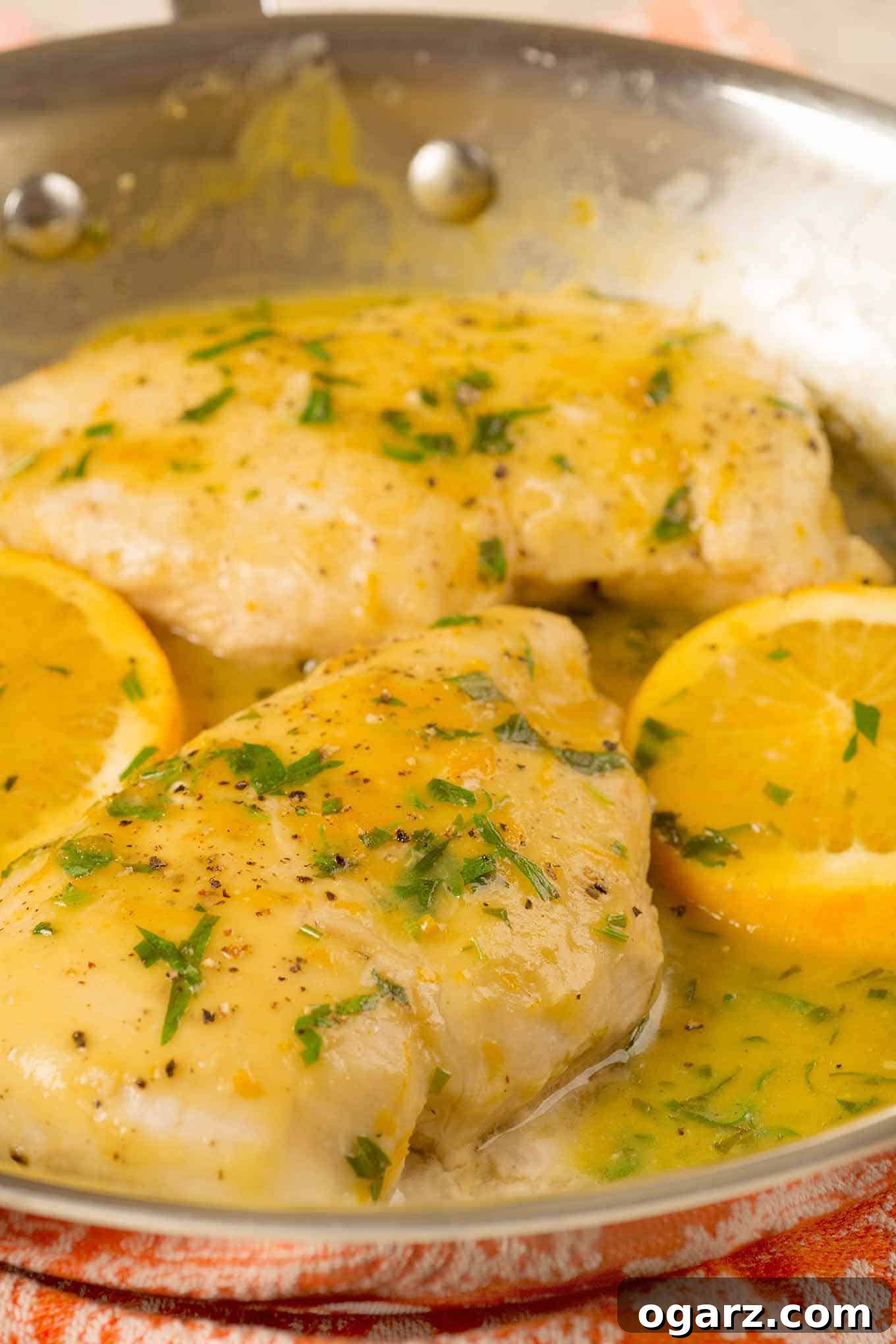
Once the chicken has been perfectly seared, it is temporarily removed from the pan, paving the way for the creation of our star attraction: the straightforward yet sensational pan sauce. The hot pan is then deglazed with fresh orange juice – we highly recommend freshly squeezed for unparalleled flavor and brightness. This process involves adding the liquid to the hot pan and using a wooden spoon or spatula to vigorously scrape up all those delectable browned bits, or “fond,” that have adhered to the bottom. These bits are concentrated flavor reservoirs, contributing immense depth and complexity to your sauce. Following deglazing, the fragrant fresh orange zest and meticulously chopped tarragon are stirred into the simmering liquid, infusing the sauce with their signature aromas and vibrant taste.
The beautifully seared chicken then makes its grand return to the pan, nestling comfortably into the simmering orange-tarragon sauce for a final few minutes of cooking. During this crucial stage, the residual flour from the chicken’s exterior performs its magic, gently thickening the sauce to an ideal consistency that lovingly coats each piece of chicken. This final simmer not only ensures the chicken is cooked through to perfection but also allows it to fully absorb all the magnificent flavors of the sauce, culminating in an incredibly tender, moist, and flavorful main course. The result is a harmonious blend of textures and tastes, a true testament to the power of a well-executed pan sauce.
Perfect Pairings: Elevating Your Orange Tarragon Chicken Experience
This richly flavorful chicken with pan sauce yearns for an accompanying side dish that can gracefully absorb every precious drop of its exquisite sauce. Creamy mashed potatoes remain a timeless and universally adored choice, offering a comforting and velvety contrast to the bright citrus notes of the dish. Alternatively, a bed of delicately cooked egg noodles provides a wonderful textural element and acts as an excellent vehicle for soaking up the luscious sauce. To round out your meal with freshness and vibrant color, consider incorporating a simple green vegetable. Lightly sautéed spinach, perfectly steamed asparagus spears, or tender broccoli florets offer a refreshing counterpoint, ensuring a balanced, delicious, and effortlessly elegant dining experience. For those seeking a slightly different texture, fluffy couscous or nutrient-rich quinoa can serve as delightful alternatives, absorbing the sauce beautifully. A crisp side salad, dressed with a light vinaigrette, would also provide a refreshing palate cleanser, creating a well-rounded and satisfying meal.
Expand Your Culinary Repertoire: More Delectable Pan Sauce Chicken Recipes
If you’ve been captivated by the sheer ease and incredible flavor of crafting meals with pan sauces, you’ll be thrilled to discover our extensive collection of saucy chicken recipes! These dishes are designed to add excitement and variety to your weekly meal plan. Our Lemon Pepper Chicken Tenders promise a bright, invigorating burst of fresh citrus and bold black pepper flavors, making them a perfect solution for a speedy yet sophisticated weeknight dinner. Should your cravings lean towards something luxuriously creamy, our Creamy Cilantro Lime Chicken masterfully combines tangy lime and aromatic fresh herbs with an utterly irresistible creamy finish. For those seeking a hearty, comforting, and incredibly convenient one-skillet dinner that minimizes cleanup, our Chicken and Mushroom Skillet delivers tender chicken, earthy mushrooms, and cheesy goodness directly to your table. And for all the devoted pasta lovers, our Chicken Marsala with Pasta and Tomatoes offers an easy-to-make, fresh, and vibrant twist on a beloved classic that is guaranteed to impress and never disappoint.
Orange Tarragon Chicken Recipe
Lynne Webb
This quick and easy orange tarragon chicken recipe features tender, perfectly sautéed chicken breasts enrobed in a light, bright, and citrusy pan sauce. Made with fresh orange juice and aromatic tarragon, this flavorful dish comes together from kitchen to table in just 30 minutes, making it an ideal choice for a gourmet-inspired meal any night of the week.
15 mins
15 mins
30 mins
4 servings
Print Recipe
Ingredients
- 1-1/2 lbs boneless skinless chicken breasts, (about 4 pieces)
- 1/3 cup all-purpose flour
- Salt and freshly ground black pepper, (to taste)
- 1 tablespoon unsalted butter
- 1 tablespoon olive oil
- 3/4 cup orange juice, freshly squeezed preferred for best flavor
- Zest of 1/2 medium orange
- 1 tablespoon chopped fresh tarragon, (or 1 teaspoon dried tarragon)
Instructions
-
Prepare the Chicken: If your chicken breasts have tenderloins, gently remove and reserve them for another culinary use. Place each boneless chicken breast between two sheets of plastic wrap or parchment paper. Using the flat side of a meat mallet or a heavy rolling pin, gently pound them to an even 3/8-inch thickness. This ensures uniform cooking and prevents uneven dryness.
-
Season and Dredge: In a shallow dish, combine the 1/3 cup all-purpose flour with 1 teaspoon salt and several generous grinds of fresh black pepper. Thoroughly dredge each pounded chicken breast lightly on both sides, ensuring it’s evenly coated, then gently shake off any excess flour.
-
Sear the Chicken: Heat the 1 tablespoon unsalted butter and 1 tablespoon olive oil in a large, heavy-bottomed skillet (preferably stainless steel or cast iron for best results) over medium heat. Once the butter is melted and sizzling, add the floured chicken breasts in a single layer. Cook in batches if necessary to avoid overcrowding the pan, which can lead to steaming instead of a beautiful sear. Cook for approximately 2-3 minutes per side, or until they develop a beautiful light golden-brown crust. Transfer the perfectly seared chicken to a clean plate and set aside.
-
Build the Pan Sauce: Add the 3/4 cup orange juice to the same skillet. Increase the heat slightly and bring the juice to a gentle simmer. While simmering, use a wooden spoon or spatula to vigorously scrape up any browned bits (fond) from the bottom of the pan. These caramelized bits are absolutely crucial for developing a rich, deep flavor in your sauce. Once deglazed, stir in the fresh zest of 1/2 orange and the 1 tablespoon of finely chopped fresh tarragon (or 1 teaspoon dried, if using).
-
Finish Cooking: Return the seared chicken breasts to the skillet, nestling them comfortably into the simmering orange-tarragon sauce. Allow the chicken to cook, turning occasionally to ensure even coating, for another 3-4 minutes, or until the sauce thickens slightly and lightly coats the back of a spoon. The internal temperature of the chicken should reach 165°F (74°C) to be fully cooked through and safe to eat.
-
Serve: Plate the chicken immediately, generously spooning the warm, aromatic orange tarragon sauce over each breast. For an added touch of freshness and visual appeal, garnish with a few fresh tarragon sprigs or additional orange zest, if desired. Serve hot with your preferred side dishes.
Notes for Success & Pro Tips
Pounding the Chicken Correctly: When pounding chicken, always use the flat side of a meat mallet to prevent tearing the delicate meat; aim for gentle and even pressure. If a meat mallet isn’t available, the bottom of a small, heavy pan, a sturdy rolling pin, or even a heavy can wrapped in foil can serve as suitable alternatives. Remember to always place the chicken between two sheets of plastic wrap or parchment paper before pounding for a clean and effortless process.
The primary objective of pounding is to achieve a uniform thickness across the entire chicken breast, rather than hitting an exact 3/8-inch measurement. If your chicken breasts are naturally thicker, simply strive to make them as consistent in thickness as possible. This uniformity is crucial for even cooking, preventing some parts from drying out while others remain undercooked. If your chicken is thicker, you might need to add an extra minute or so to the cooking time within the pan sauce. Always verify doneness with a meat thermometer, aiming for an internal temperature of 165°F (74°C).
Fresh vs. Dried Tarragon: A Flavor Consideration: While fresh tarragon undoubtedly delivers the most vibrant flavor and aroma, dried tarragon can certainly be used in its place. As a general guideline, when substituting dried herbs for fresh, use approximately one-third the amount. Therefore, for this particular recipe, if opting for dried tarragon, use 1 teaspoon instead of 1 tablespoon.
The Art of Deglazing the Pan: Don’t Skip This Step!: Deglazing is a foundational technique for building rich sauces. This step is absolutely essential! By adding the orange juice to the hot pan and vigorously scraping up all the flavorful browned bits (known as “fond”) from the bottom, you capture and incorporate concentrated flavor that would otherwise be left behind. These bits are key to creating a truly complex and deeply satisfying sauce. Use a sturdy wooden spoon or spatula to ensure you scrape them up thoroughly, releasing all their delicious essence into the sauce.
Nutrition Information (Approximate per serving)
Total Fat: 11g,
Cholesterol: 116mg,
Sodium: 366mg,
Carbohydrates: 5g,
Fiber: 0.1g,
Sugar: 4g,
Protein: 36g
Nutrition information is automatically calculated and is an approximation only. It may vary based on specific ingredients, preparation methods, and portion sizes.
Enjoyed this recipe? Please consider sharing your thoughts and rating it below! Your feedback helps us grow and inspires other home cooks.