
Table of Contents
- The Ultimate Slow-Roasted Duck Experience
- Why Our Slow-Roast Method Is Superior
- Essential Ingredients and Smart Shopping Tips
- Choosing the Perfect Whole Duck
- Selecting Fresh Oranges and Rosemary
- How Much Duck Do You Need?
- Mastering the Roast Duck Process: A Step-by-Step Overview
- Expert Tips for a Flawless Roast Duck
- Pairing Perfection: What to Serve With Roast Duck
- A Festive Flavor Variation: Spiced Pomegranate Sauce
- Delightful Related Poultry Recipes
- Slow Roasted Duck with Orange Rosemary Sauce (Full Recipe)
- Ingredients for Roast Duck and Sauce
- Detailed Roasting Instructions
- Notes from the Chef
- Nutrition Information
The Ultimate Slow-Roasted Duck Experience
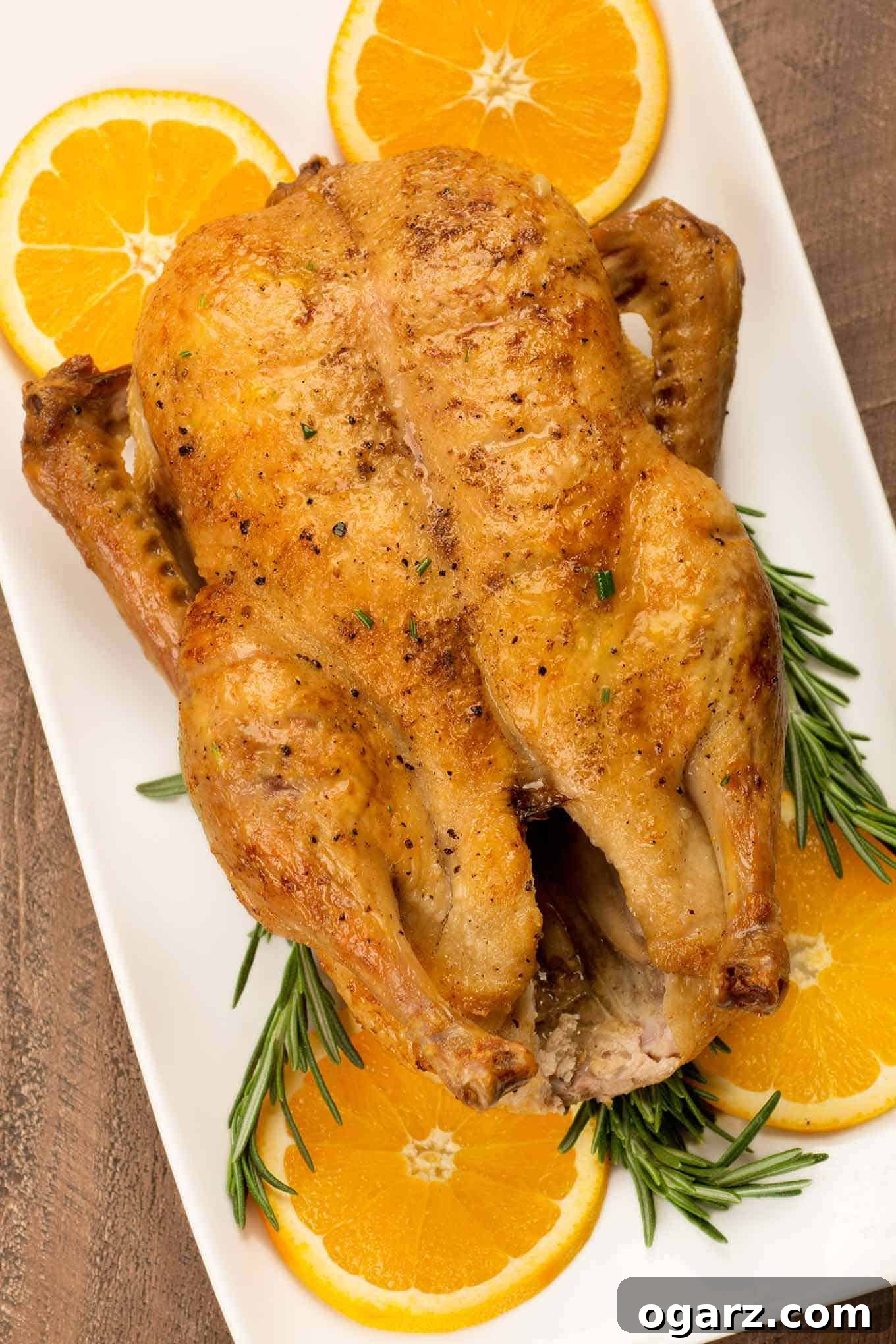
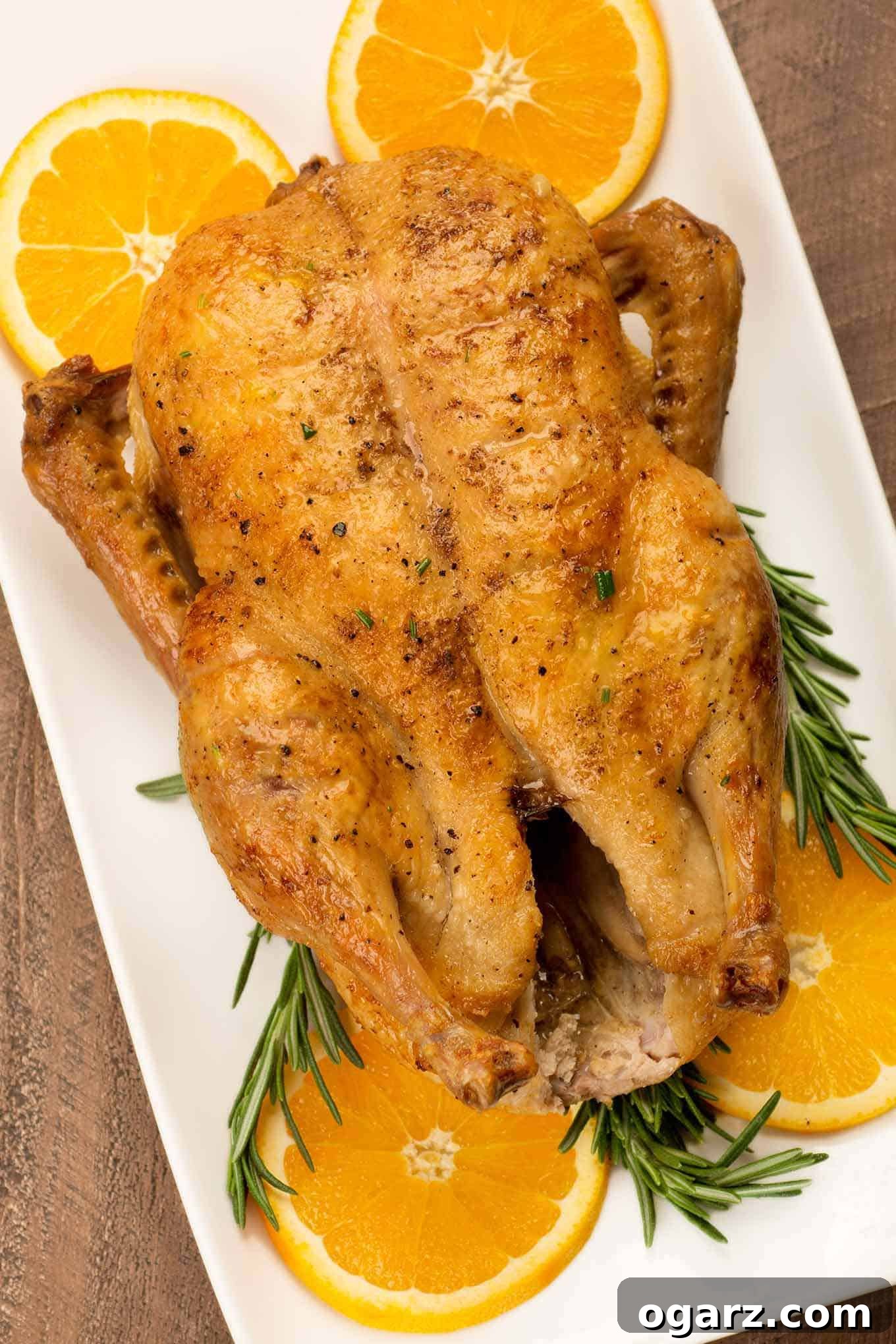
Elevate your culinary repertoire with this exquisite slow-roasted duck recipe, a dish renowned for its sophisticated flavor and impressive presentation. Infused with the bright, citrusy notes of fresh orange and the aromatic depth of rosemary during its gentle roasting, this whole roasted duck transforms into a succulent centerpiece perfect for any special gathering or holiday feast. Beyond its captivating aroma and golden-crisp skin, the accompanying orange and rosemary sauce is a true culinary gem, effortlessly complementing the rich duck meat. What’s more, its versatile flavor profile means it’s not just for duck; this vibrant sauce also pairs wonderfully with other mains such as tender chicken, savory pork, or even delicate salmon, making it a fantastic addition to your go-to sauce collection. Prepare to impress your guests with a meal that looks and tastes incredibly gourmet, yet remains surprisingly straightforward to prepare.
Why Our Slow-Roast Method Is Superior
In our quest to perfect the art of roasting duck, we explored a myriad of techniques, temperatures, and timing variations. After extensive testing of numerous roast duck recipes, we confidently present this slow-roasted version as our definitive favorite. This method consistently delivers unparalleled results, ensuring a tender, juicy duck with irresistibly crispy skin, all while simplifying the cooking process. Here are the four compelling reasons why slow-roasting stands out:
- Effortless Elegance: Slow-roasting is by far the most accessible and least demanding approach to preparing a whole roast duck. It minimizes hands-on effort, allowing you more time to focus on other aspects of your meal or simply relax.
- Smoke-Free Kitchen: Unlike higher roasting temperatures that can often lead to excessive smoke and potential kitchen alarms, our slow-roasting method maintains a gentler heat. This prevents scorching of rendered fat, ensuring a pleasant, smoke-free cooking environment.
- Consistently Crispy Skin: Achieving that coveted crackling-crisp, golden-brown skin is a hallmark of a perfectly roasted duck. Our slow and steady technique guarantees this desirable texture every single time, making each bite a delight.
- Unmatched Moisture and Tenderness: The prolonged, low-temperature cooking allows the duck fat to render slowly and thoroughly, basting the meat from within. This results in extraordinarily moist and tender meat throughout the duck, even in leaner areas like the drumsticks, preventing any dryness.
While this slow-roasting method for a whole duck requires a few hours in the oven, the actual hands-on preparation time is minimal. This extended cooking duration is an advantage, providing ample opportunity to prepare complementary side dishes, set your table with care, and engage with your guests while the duck transforms into a culinary masterpiece, filling your home with an inviting aroma.
Essential Ingredients and Smart Shopping Tips
Here’s what you need to know about selecting the key ingredients for this recipe. The complete list, including precise quantities, is conveniently located in the printable recipe card below.
Choosing the Perfect Whole Duck
- WHOLE DUCK: Finding fresh duck can sometimes be a challenge in standard supermarkets, so don’t hesitate to explore your grocer’s freezer case. The most common and widely available variety in local markets is Pekin duck, also known as Long Island duck. Pekin ducks are prized for their mild, approachable flavor and plump, well-marbled meat, making them an excellent choice for roasting. Other varieties you might encounter include Muscovy, which offers a richer, more gamey flavor, and Moulard, a hybrid duck primarily used for foie gras and duck confit dueations. For this recipe, Pekin is highly recommended for its balanced taste and tenderness. When selecting, look for a duck with intact skin and no freezer burn if buying frozen.
Selecting Fresh Oranges and Rosemary
- ORANGES: Navel oranges are our top recommendation for this recipe. They are delightfully sweet, easy to peel, and most importantly, seedless, which saves you preparation time. Since you’ll be utilizing the zest as well as the juice and fruit, opting for organic navel oranges is a wise choice to avoid pesticide residues and ensure the purest flavor. The zest holds much of the essential oil and aromatic compounds that will infuse the duck and sauce with vibrant citrus notes.
- ROSEMARY: For an optimal depth of flavor and aromatic impact, fresh rosemary is absolutely indispensable in this recipe. Dried rosemary, while convenient, simply cannot replicate the vibrant, piney, slightly peppery nuances that fresh sprigs impart during the roasting process and in the finished sauce. Look for bright green sprigs with no signs of wilting or browning.
How Much Duck Do You Need?
A typical Pekin duck generally weighs between 5-1/2 to 6 pounds. It’s important to note that this weight usually includes the giblets, neck, liver, and heart, which you’ll remove before cooking. When you account for the significant amount of fat that renders from the skin during the roasting process, a duck of this size typically yields about 4 generous servings of lean, succulent meat. Duck meat is richer than chicken or turkey, so a smaller portion often feels more satisfying.
If you’re planning to serve a larger group, expanding your menu with additional duck is simple. You can easily accommodate two whole ducks by placing them end-to-end on a large roasting rack in a sizable roasting pan. The roasting instructions and cooking times remain consistent for two ducks of similar size; you’ll simply need to double the ingredients for the orange-rosemary sauce to ensure everyone gets a delightful drizzle.
HAVING TROUBLE FINDING WHOLE DUCK LOCALLY? We understand this can be a common challenge, as whole duck isn’t always readily available in every local grocery store. For your convenience and peace of mind, we highly recommend ordering online from reputable purveyors such as D’Artagnan. Their Pekin ducks are humanely raised, free from antibiotics and hormones, and consistently deliver an exceptional, positively delicious quality that we’ve come to trust.
Mastering the Roast Duck Process: A Step-by-Step Overview
Planning to embark on this delicious recipe? Here’s a quick, actionable overview of how it’s done, ensuring you achieve a perfectly roasted duck with minimal fuss. Detailed, step-by-step instructions with precise measurements are provided in the printable recipe card further below.
BEFORE YOU BEGIN: Prepare your roasting setup by thoroughly coating a sturdy roasting pan and its rack with a nonstick spray. Take one large navel orange; slice four central rounds for an elegant garnish later, then cut the remaining orange into wedges to be used for stuffing the duck cavity. This thoughtful preparation sets the stage for a smooth cooking experience.
PREP THE DUCK FOR ROASTING: Begin by removing the neck, giblets, and any excess fat or skin from the duck cavity, reserving or discarding as preferred. Rinse the duck thoroughly under cool water, then meticulously pat it dry, both inside and out, with paper towels – this step is crucial for crispy skin. Season the cavity generously with salt and pepper, then fill it with the prepared orange wedges and fresh rosemary sprigs. Secure the duck’s shape by tucking the wing tips underneath and tying the legs together with cotton twine. Allow the duck to stand, uncovered, at room temperature for about an hour before roasting. This brings it to an even temperature for more uniform cooking.
EXPERT TIP: For the absolute crispiest skin imaginable, consider preparing the duck the night before. After patting it dry, let it air-dry, uncovered, in the refrigerator overnight. This further dehydrates the skin, maximizing crispness.
THE SLOW ROAST: Preheat your oven to the recommended temperature. Using the tip of a sharp knife or a clean needle, carefully prick the duck’s skin all over, aiming for about ¼-inch spacing, ensuring you penetrate only the skin and not the meat below. This allows the fat to render effectively. Season the duck generously with salt and pepper. Place the duck breast-side up on the prepared rack and roast for the initial half-hour. Then, carefully turn the duck breast-side down for another half-hour, rotating the roasting pan as well to encourage even browning. Continue this process of turning the duck and rotating the pan every 30 minutes, until an instant-read thermometer inserted into the thickest part of the thigh (avoiding bone) registers 165°F (74°C). The total roasting time will be approximately 2-1/2 hours, depending on your duck’s size and oven. Once cooked, tilt the duck to drain any accumulated fat and juices from the cavity into the roasting pan. Tent the duck loosely with foil and allow it to rest for 10 to 15 minutes before carving; this crucial step ensures the juices redistribute, resulting in more tender meat.
CRAFT THE ORANGE ROSEMARY SAUCE: While your magnificent duck rests, turn your attention to the vibrant sauce. In a small saucepan, combine fresh orange juice, finely chopped fresh rosemary, and a touch of Dijon mustard. Bring this mixture to a rapid simmer over medium-high heat. Allow it to cook, uncovered, until it has reduced to a thicker, more concentrated consistency—about ½ cup in approximately 6 to 8 minutes. Remove the saucepan from the heat, then stir in a hint of balsamic vinegar, a pat of butter for richness, and the reserved orange zest. Stir until the butter has completely melted, then season the sauce carefully to taste with salt and pepper. This creates a beautifully balanced, sweet-savory accompaniment.
GARNISH AND SERVE: Once the duck has rested, carve it expertly onto a grand serving platter. Adorn the platter with the fresh orange slices and additional sprigs of rosemary you set aside earlier. Drizzle a generous amount of the warm, aromatic orange-rosemary sauce over the carved duck, offering extra sauce on the side. Present your masterpiece immediately and savor the exquisite flavors of this impressive dish!
Expert Tips for a Flawless Roast Duck
Achieving a perfectly roasted duck—tender and juicy meat encased in crispy, golden skin—is easily within reach with these expert cooking tips:
- Monitor Browning Closely: Ovens often have hot spots that can cause uneven browning. Keep a watchful eye on your duck during roasting. If you notice certain areas of the skin browning too quickly or excessively, you can easily shield these sections by loosely covering them with small pieces of aluminum foil. This helps to ensure a uniformly golden and crispy exterior.
- Utilize Tongs for Easy Turning: Flipping a whole, hot duck can be tricky. The safest and most effective method is to use a sturdy pair of long-handled tongs. Insert the tongs into the duck’s cavity to get a firm grip, then carefully lift the duck and transfer it to a plate. On the plate, you can comfortably turn it to the desired position before using the tongs again to return it to the roasting rack. This technique minimizes the risk of dropping the duck or burning yourself.
- Rotate the Roasting Pan for Evenness: For consistent heat distribution and uniform browning, it’s a good practice to rotate your roasting pan in the oven each time you flip the duck. This simple action helps counteract any hot spots in your oven, ensuring that all sides of the duck are exposed to similar heat levels throughout the cooking process. This tip is beneficial for roasting any large cut of meat or poultry.
- Prevent Sticking with a Well-Coated Rack: Duck fat renders copiously, and while much of it drains away, some can cause the duck skin to stick to the roasting rack. To prevent this, thoroughly coat your roasting rack with nonstick cooking spray before placing the duck on it. For maximum effectiveness, especially when flipping the duck, consider asking for an extra pair of hands to help re-coat the rack each time. You definitely don’t want to leave any of that precious, perfectly crispy skin behind on the rack!
Pairing Perfection: What to Serve With Roast Duck
Wondering what to serve alongside your magnificent roasted duck to create a truly unforgettable dining experience? We’ve curated a perfectly harmonized dinner menu, featuring a complementary appetizer, two exquisite side dishes, and a light, refreshing dessert to round out your meal.
- APPLE CRANBERRY CHUTNEY – This easy-to-prepare, make-ahead chutney offers a delightful balance of sweet and tart flavors. It’s an ideal accompaniment for an appetizer course when served with sharp cheddar cheese or a creamy, ripe Brie and crackers, perfectly whetting the appetite for the richness of the duck.
- SAVORY CORN BREAD STUFFING – Featuring flavorful bits of crispy bacon, tender sautéed onion, and fragrant thyme, this cornbread stuffing provides a wonderful textual and flavor contrast to the sweet and savory notes of the duck and its orange-rosemary sauce. Its hearty yet balanced profile makes it an excellent choice.
- ROASTED GREEN BEANS WITH WALNUTS – Elevate simple green beans into an elegant side dish. This recipe pairs vibrant, caramelized oven-baked green beans with a luxurious buttery walnut and shallot topping. The slight bitterness of the walnuts and the sweetness of the shallots beautifully complement the duck.
- ORANGE SPICED POACHED PEARS – Conclude your meal on a light, sophisticated note with these exquisitely poached pears. Gently cooked in a fragrant orange juice syrup and delicately flavored with warm ginger, nutmeg, and vanilla, they offer a refreshing and elegant finish without being overly heavy.
A FESTIVE FLAVOR VARIATION: SPICED POMEGRANATE SAUCE
If you’re preparing roast duck as a distinguished alternative to traditional roast turkey for Thanksgiving or Christmas, consider a festive twist for your sauce. Our holiday-inspired spiced pomegranate sauce offers a wonderful balance of tart, sweet, and aromatic spices, perfect for enhancing the celebratory spirit of your holiday meal.
Delightful Related Poultry Recipes
While roast duck offers a truly special dining experience, there are many other exquisite poultry options that can grace your table. All types of roasted poultry, when prepared with care, deliver incredible flavors and textures. We’ve gathered a couple of fantastic alternatives if you’re looking to explore beyond duck, or simply want more impressive main course ideas:
- Glazed Cornish Hens are an excellent choice for individual elegance. These small, flavorful birds are easy to prepare and make a stunning presentation for any special occasion, offering a delicate taste and tender meat.
- And if you’ve never had the pleasure of trying Roast Capon before, you’re in for a treat. Capon, a castrated rooster, is celebrated for its exceptionally tender, juicy, and rich meat, boasting a superb flavor profile. It could very well become your new favorite alternative to the classic Thanksgiving turkey, providing a luxurious experience that’s surprisingly easy to achieve.

Slow Roasted Duck with Orange Rosemary Sauce
Print Recipe
Ingredients
- 1 Pekin (Long Island) duck, 5 to 6 pounds
- Salt and freshly ground black pepper
- 1 large navel orange
- 2 sprigs fresh rosemary, plus more for garnish
For the Orange Rosemary Sauce:
- 1 cup orange juice, freshly squeezed if possible
- 1 tablespoon finely chopped fresh rosemary (or less to taste – see notes)
- 2 teaspoons Dijon-style mustard
- 1 teaspoon balsamic vinegar
- 1 tablespoon butter
- Zest of 1 orange
Instructions
-
Thoroughly coat a roasting pan and rack with nonstick spray.
-
Cut 4 slices from the center of the orange for garnish and refrigerate until ready to serve. Cut the remainder of the orange into wedges and set aside.
Prepare the duck:
-
Remove the neck, giblets, liver, and heart from the cavity of the duck and reserve for another use or discard. Trim away any flaps of excess skin from around the cavity and tail area. Rinse the duck in cool water and pat dry with paper towels inside and out.
-
Season the duck’s cavity with kosher salt and freshly ground black pepper, then stuff with the orange wedges and rosemary sprigs. Bend the wing tips under the bird and tie the legs together with cotton twine. Place the duck, breast side up, on the prepared roasting rack.
TIP: For the crispiest skin, prep the duck ahead of time and refrigerate uncovered overnight to air-dry the skin. -
Before roasting, set the duck aside for 1 hour at room temperature (do not cover).
Roast the duck:
-
Preheat the oven to 350°F (175°C).
-
Using the tip of a sharp knife, prick the skin of the duck all over (about ¼-inch spacing), being careful not to pierce through to the meat. Rub kosher salt and pepper all over the duck, top and bottom, then place it in the oven and roast for 30 minutes.
-
Remove the duck from the oven, turn it breast side down on the rack (see notes for turning tip), rotate the roasting pan, and continue roasting for another 30 minutes.
-
Repeat this process every 30 minutes (flipping the duck and rotating the pan) until an instant-read thermometer inserted in the thickest part of the duck’s thigh registers 165°F (74°C). Total cooking time should be approximately 2-1/2 hours.
-
Once cooked, tilt the duck to drain the fat and juices that have accumulated in the cavity into the roasting pan. Tent loosely with foil and allow it to rest for 10 to 15 minutes before carving.
Make the orange sauce:
-
While the duck rests, prepare the sauce. Combine the orange juice, rosemary, and Dijon mustard in a small saucepan and bring to a rapid simmer over medium-high heat. Cook, uncovered, until reduced to about ½ cup, approximately 6 to 8 minutes.
-
Remove from the heat, add the vinegar, butter, and orange zest, and stir until the butter has melted. Season to taste with salt and pepper.
Carve and serve:
-
To serve, transfer the carved duck to a serving platter and garnish with fresh orange slices and sprigs of rosemary. Drizzle with sauce and serve immediately.
Notes
Nutrition
Nutrition information is automatically calculated, so should only be used as an approximation.