
Table of Contents
- The Essence of Trout Meunière
- Notes From the Culinary Kitchen
- Unlocking Flavor: Key Ingredients and Substitutions
- Selecting the Perfect Catch: Tips for Buying Trout Fillets
- Crafting Trout Meunière: A Step-by-Step Guide
- Mastering the Brown Butter Sauce: Tips for Success
- Perfect Pairings: Serving Suggestions for Trout Meunière
- Easy Trout Meunière (Printable Recipe)
The Essence of Trout Meunière: A Classic French Delight for Your Dinner Table
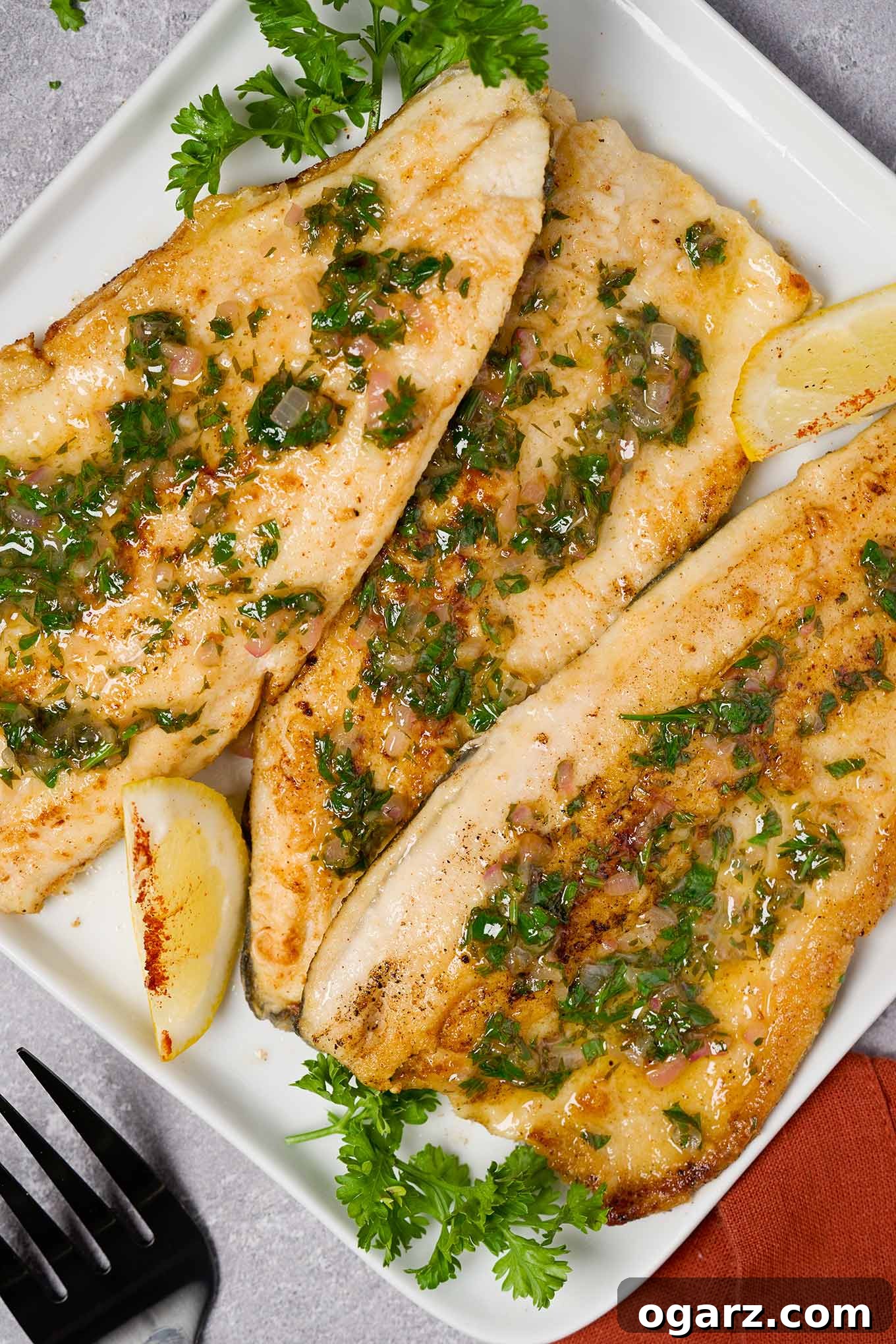
Delicate and quick-cooking, trout fillets are an ideal canvas for the elegant yet deceptively simple French cooking style known as “meunière.” While the name might conjure images of a complex gourmet dish, “meunière” actually translates to “miller’s wife” in French, a nod to the humble origin of dusting food in flour before pan-frying. This classic preparation involves lightly coating fish, such as tender rainbow trout, in seasoned flour, sautéing it to golden perfection in rich butter, and then finishing it with a luscious brown butter sauce brightened with fresh lemon juice and vibrant parsley. Our rendition elevates this timeless recipe by incorporating finely minced shallots, adding an extra layer of mild, aromatic sweetness that beautifully complements the fish.
Notes From the Culinary Kitchen: Why This Dish Shines
Trout Meunière is truly a gem in the world of quick and flavorful seafood dishes. It stands out as one of our most beloved methods for preparing delicate fish fillets like trout, sole, or flounder. The beauty of this recipe lies in its balanced harmony: a rich, nutty butter flavor perfectly complemented by a refreshing burst of lemon. The simplicity of the meunière technique reveres the natural essence of the fish, enhancing both its subtle flavor and its wonderfully tender texture without overpowering it. While traditionally prepared with fish, the versatility of the meunière method means it can easily be adapted for other proteins. For instance, chicken tenderloins, pounded to a consistent thickness of about 1/4 inch, make an excellent substitute, offering a similar quick-cooking profile and delicate texture.
This dish is a testament to the fact that extraordinary flavor doesn’t always require intricate steps or exotic ingredients. It’s about understanding how simple, high-quality components can transform into something truly memorable with the right technique. The crispy, seasoned exterior of the trout, paired with the savory depth of the brown butter, creates a textural and flavor experience that feels both indulgent and comforting.
Unlocking Flavor: Key Ingredients and Substitutions for Perfect Trout Meunière
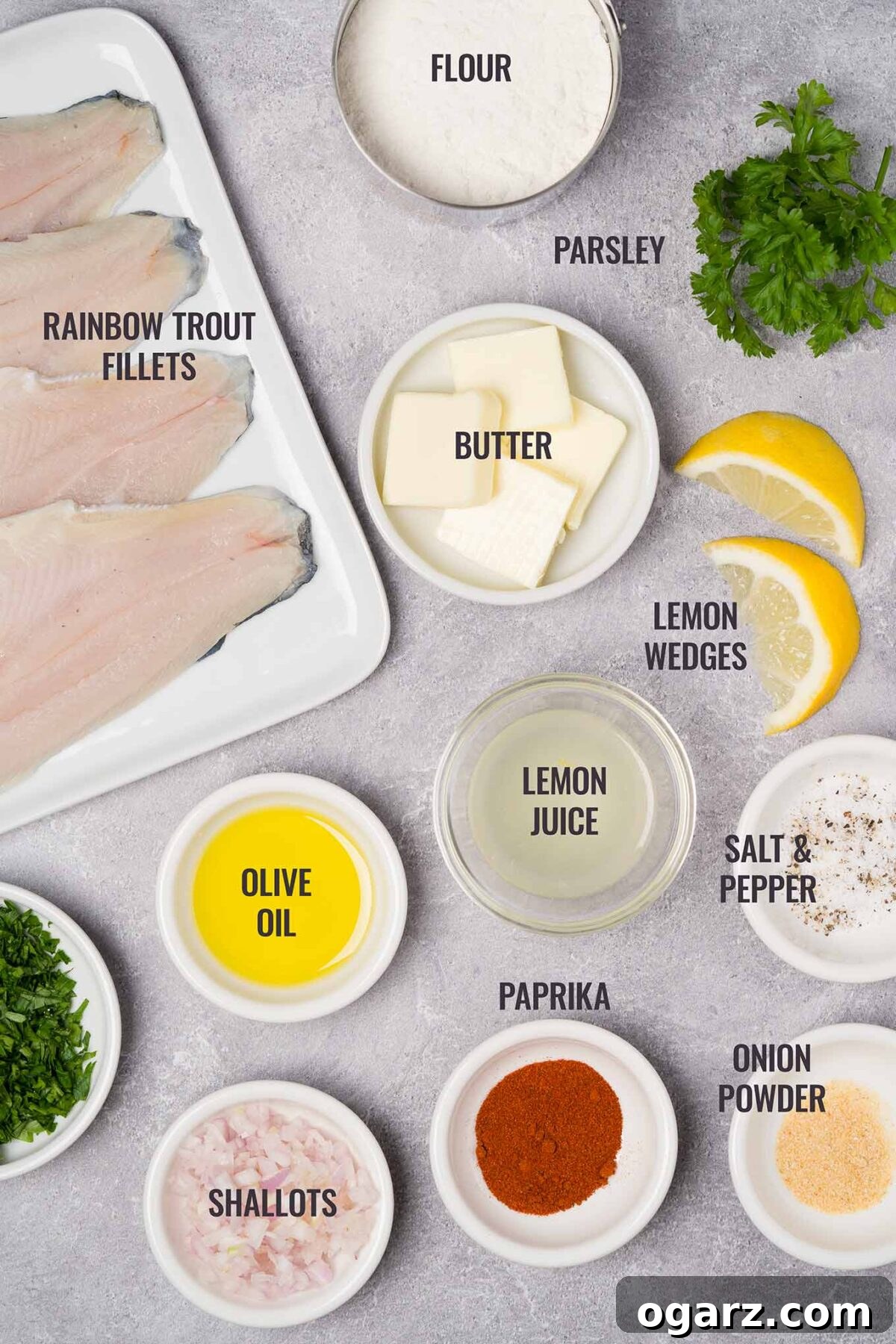
Crafting an exceptional Trout Meunière starts with understanding the role of each ingredient. Here’s what you need to know about the essential components in this recipe, alongside helpful substitution tips. The complete list, including precise quantities, is available in the printable recipe card below.
- RAINBOW TROUT FILLETS: Rainbow trout is our top recommendation for this recipe due to its inherently delicate flavor and quick cooking nature, which perfectly complements the straightforward meunière preparation. Its mild taste ensures the rich brown butter sauce and vibrant lemon notes shine through. While rainbow trout is ideal, other excellent choices for meunière include sole, flounder, or even tilapia. When selecting, opt for fillets that are not excessively thick to ensure even cooking and a tender result.
- SEASONINGS: Our simple yet effective seasoning blend for the flour dredge includes salt, black pepper, onion powder, and paprika. The salt and pepper enhance the natural flavor of the fish, while a touch of onion powder adds a subtle savory depth. Paprika is primarily used for color, giving the dredged fish a beautiful golden hue when sautéed, though it also contributes a very mild, sweet undertone. Feel free to adjust the seasoning to your personal preference.
- BUTTER: The star of the meunière sauce, butter, is crucial. We consistently use unsalted butter to give us precise control over the overall saltiness of the dish. If salted butter is all you have on hand, remember to reduce the amount of salt added to the flour by about 1/4 teaspoon to prevent the dish from becoming overly salty. The butter is transformed into a rich, nutty brown butter (beurre noisette) which forms the foundation of the sauce.
- SHALLOTS: While not every traditional meunière recipe calls for them, we find that minced shallots add an indispensable mild, sweet onion flavor to the brown butter sauce. Unlike stronger onions, shallots offer a subtle aromatic complexity that enhances the dish without overpowering the delicate trout. They caramelize beautifully in the butter, contributing to the depth of flavor.
- LEMON JUICE: Freshly squeezed lemon juice is an absolute non-negotiable for Trout Meunière. Its bright, acidic zest cuts through the richness of the butter, balancing the flavors and adding a much-needed freshness. The vibrant citrus note lifts the entire dish. For an even more pronounced lemon aroma and flavor, consider adding a tiny amount of fresh lemon zest along with the juice.
- PARSLEY: Fresh parsley is the final flourish for any meunière preparation. It contributes a fresh, herbaceous flavor that brightens the sauce and adds a crucial pop of green color, making the dish visually appealing. Flat-leaf (Italian) parsley is generally preferred for its more robust flavor compared to curly parsley.
Selecting the Perfect Catch: Tips for Buying and Storing Trout Fillets
Choosing high-quality trout fillets is paramount to the success of your Trout Meunière. Our recipe specifically calls for rainbow trout fillets, primarily because it’s the most commonly farmed species and thus readily available in most grocery stores and fish markets. These fillets are typically sold with the skin on and usually weigh between 4 to 6 ounces each, presenting a lovely pinkish hue.
When purchasing fresh trout fillets, look for several key indicators of quality and freshness. The fish should appear moist and glistening, not dry or dull. It should have a clean, mild oceanic scent – avoid any fish that smells overly “fishy” or has an ammonia-like odor. The flesh should feel firm and resilient to the touch, springing back when gently pressed. Fresh trout fillets should be stored properly; tightly wrapped in plastic or parchment paper and placed in the coldest part of your refrigerator, ideally consumed within 1 to 2 days of purchase for optimal flavor and safety.
If opting for frozen trout fillets, which can be a convenient alternative, ensure they are securely vacuum-sealed to prevent freezer burn. Inspect the packaging for any visible ice crystals, which can indicate that the fish has been thawed and refrozen, compromising its texture and flavor. To defrost frozen fillets, transfer them to the refrigerator overnight. Once thawed, use them within one day. Proper thawing and storage are essential to maintain the delicate texture and flavor of the trout.
Crafting Trout Meunière: A Step-by-Step Guide to Culinary Perfection
Embark on your journey to create this exquisite Trout Meunière. Here’s a quick overview of the cooking process, designed for clarity and ease. Detailed, step-by-step instructions, including ingredient quantities, can be found in the printable recipe card below.
- PREPARE FOR SUCCESS: Begin by preheating your oven to a low 200°F (95°C). This warm environment will be crucial for keeping your cooked trout fillets warm while you prepare the irresistible brown butter sauce. Line a baking sheet with aluminum foil for incredibly easy cleanup later.
- DREDGE THE FISH IN SEASONED FLOUR: In a shallow dish, whisk together the flour, salt, sweet paprika, onion powder, and several generous grinds of fresh black pepper. Take one trout fillet at a time and lightly dredge it in this seasoned flour mixture, ensuring both sides are evenly coated. Gently shake off any excess flour to achieve a thin, even layer. This light coating will create a beautiful, crispy crust and help to thicken the meunière sauce.
- SEAR THE TROUT FILLETS: Heat a large, heavy-bottomed frying pan or skillet over medium-high heat. Add the olive oil along with 2 tablespoons of the unsalted butter. As soon as the butter melts and begins to sizzle, carefully place 2 trout fillets into the pan, skin-side up if they have skin. Cook undisturbed until the first side is beautifully golden brown and crispy, typically 1 1/2 to 2 minutes.
- FLIP AND FINISH COOKING: Using a thin spatula, carefully flip the fillets to the other side. Continue cooking for another 1 1/2 to 2 minutes, or until the fish is opaque and cooked through, flaking easily with a fork. Avoid overcooking to maintain the trout’s delicate texture. Once cooked, transfer these first two fillets to the prepared baking sheet.
- KEEP WARM AND REPEAT: Place the baking sheet with the cooked trout into the preheated oven to keep them warm while you cook the remaining fillets and prepare the sauce. Repeat the searing process with the remaining 2 fillets, adding a little more olive oil and butter if needed, ensuring they achieve the same golden perfection. Transfer these to the warm oven as well.
- SAUTÉ THE SHALLOTS: Reduce the heat on the frying pan to medium. Add 1 tablespoon of the remaining butter. Once melted, add the minced shallots and sauté gently for about 1 1/2 minutes, stirring occasionally, until they become soft and translucent. Their mild sweetness will infuse beautifully into the butter.
- CRAFT THE BROWN BUTTER SAUCE: Add the final 3 tablespoons of butter to the pan. Melt the butter and continue to cook over medium heat, stirring gently. Observe carefully as the butter begins to foam. As the water evaporates, the milk solids will sink to the bottom of the pan and begin to toast. Watch diligently for them to develop a light golden-brown color and a distinct nutty, toasted aroma. This transformation is quick, so do not leave the pan unattended.
- FINISH THE MEUNIÈRE SAUCE: The moment the milk solids reach that perfect light golden-brown hue, immediately remove the pan from the heat to stop the cooking process. Whisk in the freshly squeezed lemon juice – this will create a beautiful emulsion and prevent further browning. Stir in the chopped fresh parsley.
- SERVE WITH ELEGANCE: To serve, carefully plate individual trout fillets. Generously drizzle each fillet with the freshly made brown butter and lemon-parsley sauce. Garnish with fresh lemon wedges, allowing guests to add extra citrus brightness to their taste. Enjoy this exquisite dish immediately for the best experience.
Mastering the Brown Butter Sauce: Essential Tips for Success
A perfectly crafted brown butter sauce (or beurre noisette) is the heart and soul of a truly delicious meunière. This technique, while simple, requires attention and a few insider tips to ensure success every time. These principles aren’t just for this recipe; they’re valuable for any dish where brown butter is featured.
- OPT FOR A LIGHT-COLORED PAN: The color of your pan plays a surprisingly crucial role in making brown butter. Using a light-colored pan (stainless steel is ideal) makes it significantly easier to monitor the subtle color changes of the butter as it browns. In a dark pan, it’s much harder to discern when the milk solids are reaching their perfect golden-brown stage, increasing the risk of burning.
- START WITH COLD BUTTER AND EVENLY SIZED PIECES: Begin the browning process with cold butter, preferably cut into evenly sized pieces (about 1 tablespoon each). This helps the butter melt more uniformly and prevents some parts from browning too quickly while others are still melting. Even melting reduces the risk of uneven cooking and premature burning of smaller butter fragments.
- MAINTAIN VIGILANCE AND UNDERSTAND THE STAGES: Brown butter goes through several distinct stages of cooking, and it’s imperative not to leave it unattended, even for a moment.
- Melting and Foaming: First, the butter will melt completely and begin to foam as the water content starts to evaporate.
- Evaporation and Milk Solids Sinking: As the water continues to evaporate, the foam will subside slightly, and the milk solids will begin to separate and sink to the bottom of the pan. This is when they start to toast.
- Color Change and Toasted Aroma: The milk solids at the bottom will gradually change from white to a light golden brown, then deepen in color. Simultaneously, a delightful nutty, toasted aroma will emerge, reminiscent of hazelnuts. Stirring occasionally or gently swirling the pan during this stage ensures even browning and prevents the solids from sticking or burning on one spot.
- STOP COOKING AT THE RIGHT TIME – ACT SWIFTLY: This is the most critical step. The moment the milk solids achieve a beautiful light, golden-brown color and release that alluring toasted aroma, remove the pan from the heat immediately. Brown butter can transition from perfect to burned in a matter of mere seconds. The residual heat in the pan will continue to cook the butter, so swift removal is essential to prevent it from turning bitter and black. Whisking in the lemon juice or another cold liquid as soon as it’s off the heat helps to stop the cooking process effectively.
Perfect Pairings: Serving Suggestions for Trout Meunière
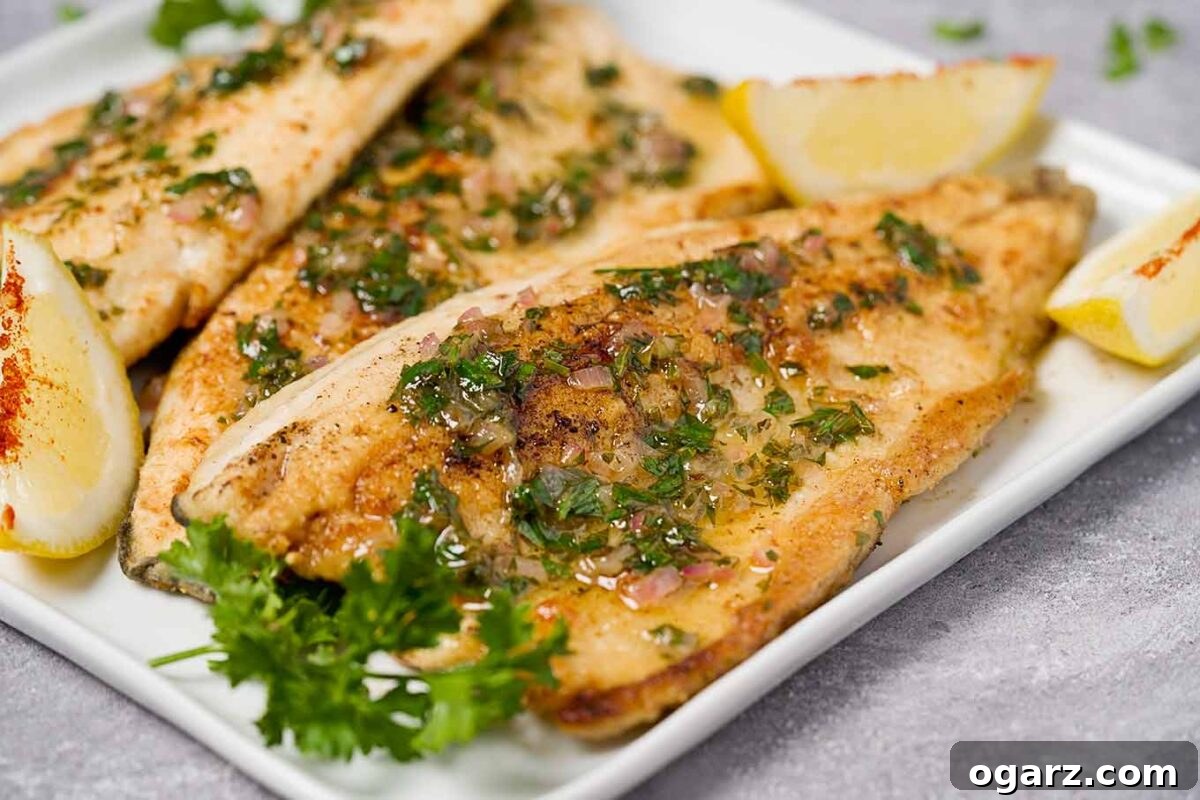
Trout meunière, with its delicate flavors and rich brown butter sauce, pairs beautifully with simple, elegant side dishes that complement without overwhelming. The goal is to create a balanced meal that highlights the star of the plate: the perfectly cooked trout.
Our go-to recommendations are creamy, classic mashed potatoes and tender roasted asparagus kissed with lemon butter. The velvety texture of mashed potatoes provides a comforting contrast to the crispy fish, and they’re excellent for soaking up every last drop of the exquisite meunière sauce. Roasted asparagus adds a touch of fresh green vibrancy and a slight bitterness that beautifully cuts through the richness of the butter. Alternatively, for a heartier option, crispy oven-roasted potatoes make a wonderful accompaniment, offering a satisfying texture and earthy flavor.
For those busy weeknights when time is of the essence, you can still enjoy this sophisticated dish with minimal fuss. Opt for a package of high-quality pre-prepared mashed potatoes from your local grocery store – a true time-saver. Then, quickly steam some fresh green beans until tender-crisp. Toss them with a knob of butter, a tiny dab of honey for a hint of sweetness, and a fresh squeeze of lemon juice. This simple yet flavorful vegetable side perfectly complements the trout.
Beyond these, consider other light and fresh pairings: a simple green salad with a light vinaigrette, rice pilaf, quinoa, or sautéed spinach with garlic. For a wine pairing, a crisp white wine such as a Sauvignon Blanc, Pinot Grigio, or an unoaked Chardonnay would beautifully complement the delicate fish and citrus notes of the meunière sauce.
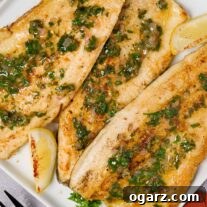
Easy Trout Meunière
Lynne Webb
10 minutes
15 minutes
25 minutes
4
servings
Print Recipe
Ingredients
-
4
rainbow trout fillets,
about 6 ounces each -
3/4
cup
all-purpose flour -
1
teaspoon
salt -
1/2
teaspoon
sweet paprika -
1/4
teaspoon
onion powder - Freshly ground black pepper
-
1
tablespoon
olive oil -
6
tablespoons
unsalted butter,
divided -
1-1/2
tablespoons
minced shallots -
2
tablespoons
freshly squeezed lemon juice -
4
tablespoons
chopped fresh parsley -
4
lemon wedges,
for garnish
Instructions
-
Preheat your oven to 200°F (95°C) and line a baking sheet with aluminum foil for easy cleanup. This will keep your cooked fish warm while you prepare the sauce.
-
In a shallow dish, combine the flour, salt, paprika, onion powder, and a few generous grinds of fresh black pepper. Dredge the trout fillets in the flour mixture one at a time, ensuring they are lightly and evenly coated. Gently shake off any excess flour.
-
Heat a large frying pan or skillet over medium-high heat. Add the olive oil and 2 tablespoons of the unsalted butter.
-
Once the butter begins to sizzle, carefully place 2 trout fillets into the hot pan, skin-side up. Cook until the first side is beautifully golden brown, about 1 1/2 to 2 minutes. Using a thin spatula, carefully flip the fillets and continue cooking for another 1 1/2 to 2 minutes, or until the fish is opaque and cooked through.
-
Transfer the cooked fish fillets to the prepared baking sheet and place them in the preheated oven to keep warm. Repeat the cooking process with the remaining 2 fillets.
-
Reduce the heat on the pan to medium. Add 1 tablespoon of the remaining butter. Add the minced shallots and sauté, stirring occasionally, until they are soft and translucent, which should take about 1 1/2 minutes.
-
Melt the final 3 tablespoons of butter in the pan. Continue to cook over medium heat, stirring gently, as it begins to foam. Watch carefully as the milk solids separate, sink to the bottom, and start to change color.
-
When the milk solids develop a light golden-brown color and a distinct nutty, toasted aroma, immediately remove the pan from the heat. Whisk in the freshly squeezed lemon juice, then stir in the chopped fresh parsley.
-
To serve, carefully plate individual fish fillets, generously drizzle them with the warm brown butter and lemon-parsley sauce, and garnish with fresh lemon wedges. Serve immediately.
Notes
Tips for Success with Brown Butter
Achieving a perfect brown butter sauce is key to an outstanding Meunière. Here are a few essential tips to ensure your brown butter is nutty and delicious, not burnt.
- USE A LIGHT-COLORED PAN: For optimal visibility and control, always use a light-colored pan (such as stainless steel) when making brown butter. This allows you to easily monitor the subtle changes in the butter’s color as it browns, preventing it from burning.
- START WITH COLD, EVENLY CUT BUTTER: Beginning with cold butter that has been cut into evenly sized pieces promotes even melting and browning. This reduces the risk of some butter solids burning while others are still melting.
- MAINTAIN VIGILANCE – WATCH CAREFULLY: Brown butter goes through several critical stages of cooking very quickly. It’s important to stay attentive throughout the process. First, the butter melts and foams. Then, as the water evaporates, the milk solids will sink to the bottom and begin to toast. Stirring or swirling the pan occasionally ensures uniform browning.
- REMOVE FROM HEAT PROMPTLY: The most crucial step is knowing when to stop. Immediately remove the pan from the heat the moment the milk solids turn a light, golden-brown color and you detect a toasted, nutty aroma. Brown butter can go from perfectly golden to burnt in a matter of seconds due to residual heat, so quick action is vital.
Nutrition
Calories:
411
,
Total Fat:
26
g
,
Cholesterol:
139
mg
,
Sodium:
769
mg
,
Carbohydrates:
9
g
,
Fiber:
1
g
,
Sugar:
1
g
,
Protein:
34
g
Nutrition information is automatically calculated, so should only be used as an approximation.
We hope you enjoy preparing and savoring this elegant yet straightforward Trout Meunière. It’s a testament to the fact that classic French techniques can be effortlessly brought into your home kitchen, creating restaurant-quality meals that are both impressive and comforting. Whether it’s for a special occasion or a quick weeknight dinner, this recipe delivers on flavor, simplicity, and a touch of culinary sophistication. Bon appétit!