
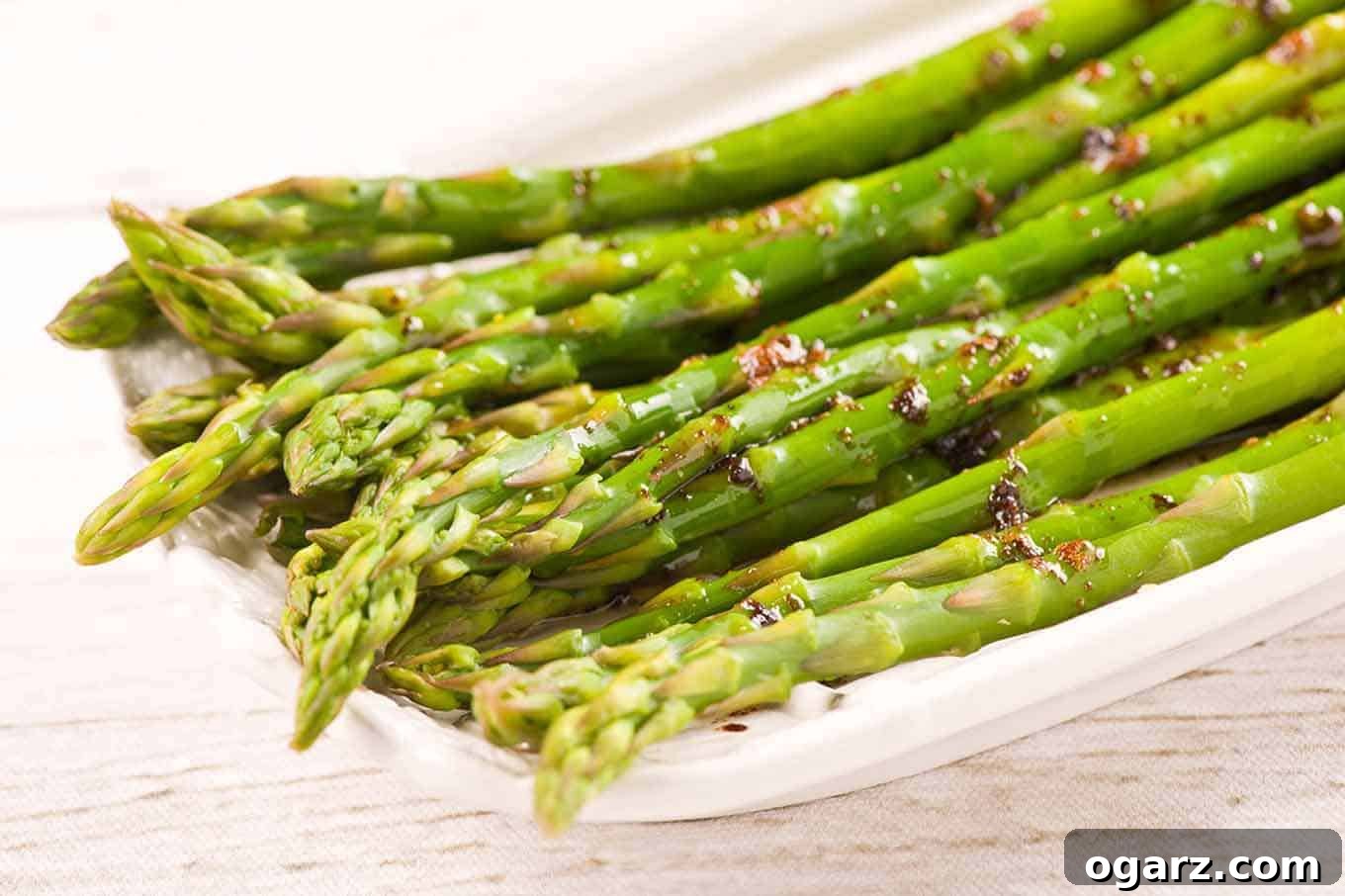
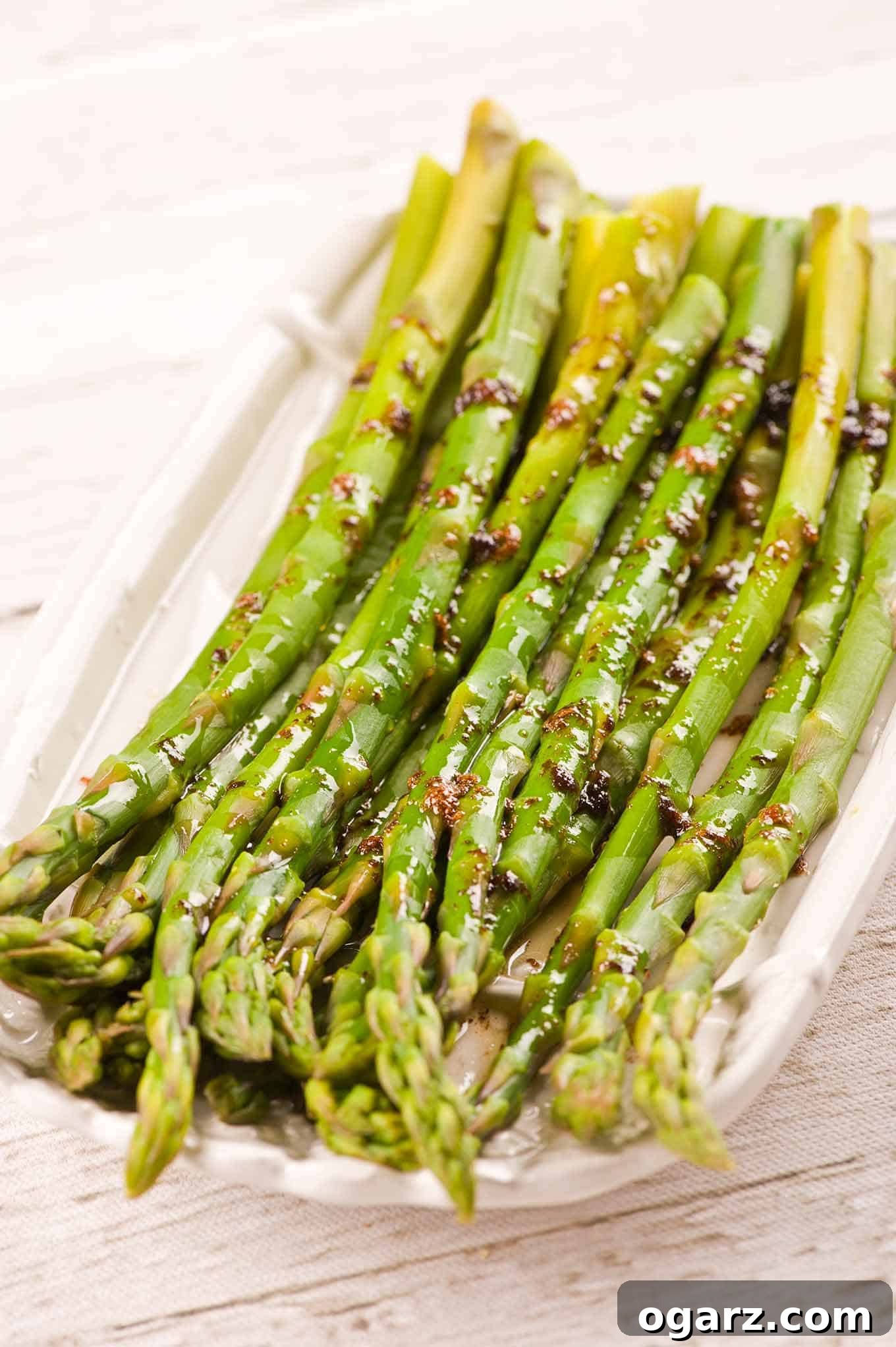
Elevate Your Side Dish: Asparagus with Balsamic Brown Butter
Transforming simple ingredients into a dish that feels effortlessly gourmet is a culinary joy. This recipe for asparagus with balsamic brown butter is a perfect example, marrying the earthy freshness of tender asparagus with the rich, nutty notes of brown butter and a delightful tang from balsamic vinegar. It’s an elegant, flavorful side dish that comes together quickly, making it ideal for both weeknight dinners and special occasions. Prepare to impress your guests and delight your family with this surprisingly simple yet utterly sophisticated vegetable preparation.
Asparagus, often hailed as a herald of spring, is a versatile and nutritious vegetable. While delicious on its own, a drizzle of our specially crafted brown butter and balsamic sauce elevates it to an entirely new level. This combination doesn’t just add flavor; it creates a symphony of textures and tastes, balancing the slight bitterness of the asparagus with the sweet, savory, and nutty notes of the dressing. Let’s delve into the secrets of creating this irresistible dish.
The Culinary Alchemy of Brown Butter (Beurre Noisette)
Brown butter, known as beurre noisette in French, is a secret weapon in many chef’s arsenals, and for good reason. It’s simply butter that has been gently heated until its milk solids caramelize, developing a distinctive nutty aroma and a deeper, more complex flavor profile reminiscent of toasted hazelnuts or caramel. This transformation is a result of the Maillard reaction, a chemical process that occurs when amino acids and reducing sugars react in the presence of heat, creating hundreds of new flavor compounds.
Making brown butter is surprisingly easy and requires only a few minutes, but the payoff in flavor is immense. It adds an incredible depth and richness that can turn even the most humble ingredients into something extraordinary. Imagine the difference between plain melted butter and a sauce infused with a warm, toasted, and slightly sweet essence. This depth is what makes brown butter a game-changer for vegetables, pasta, fish, and even desserts.
In this recipe, the brown butter doesn’t just coat the asparagus; it actively enhances its natural sweetness and provides a luxurious mouthfeel. When combined with the vibrant acidity of balsamic vinegar, it creates a balanced dressing that is both indulgent and bright, preventing the dish from feeling too heavy. This interplay of rich and tangy flavors is key to the dish’s appeal.
Asparagus: Selecting and Preparing the Perfect Spears
Asparagus is not only delicious but also packed with nutrients, including vitamins K, A, C, and folate, making it a healthy addition to any meal. To ensure the best possible flavor and texture for your dish, selecting fresh, high-quality asparagus is paramount. Look for spears that are firm, bright green, and have tightly closed tips. Avoid any bunches that appear limp, wrinkled, or have splayed out tips, as these are signs of older, less fresh asparagus.
Once you’ve chosen your asparagus, proper preparation is simple but crucial. The woody ends of asparagus spears are fibrous and unpleasant to eat. The easiest way to remove them is to gently bend each spear until it naturally snaps. It will break at the point where the tough end meets the tender stalk. Alternatively, you can line up the spears and cut off the bottom inch or two, inspecting them to ensure no woody parts remain. Rinsing the spears under cold water is also a good practice to remove any residual dirt or sand.
For this recipe, we opt for steaming the asparagus. Steaming is an excellent method for cooking asparagus as it preserves its vibrant color, crisp-tender texture, and delicate flavor, while also retaining more of its water-soluble vitamins compared to boiling. It’s a gentle cooking process that ensures the asparagus remains firm enough to hold its shape but tender enough to be easily pierced with a fork.
The Tangy Twist: How Balsamic Vinegar Completes the Dish
While brown butter brings richness and nuttiness, a touch of balsamic vinegar introduces a much-needed acidic counterpoint. Balsamic vinegar, originating from Italy, is renowned for its complex, sweet-sour flavor profile. Traditional balsamic vinegar is aged for many years, developing incredible depth, while commercial versions offer a more accessible and often fruitier acidity.
In this recipe, balsamic vinegar plays a critical role in balancing the richness of the brown butter. Its bright acidity cuts through the fat, preventing the sauce from feeling too heavy or cloying. Furthermore, the balsamic vinegar enhances the natural sweetness of the asparagus, bringing out its best qualities. The marriage of nutty brown butter and tangy balsamic creates a harmonious, multi-layered flavor experience that coats each tender spear perfectly.
Choose a good quality balsamic vinegar for the best results. While you don’t necessarily need an expensive aged variety, a balsamic with a pleasant balance of sweetness and acidity will significantly contribute to the overall flavor of the dish. This simple addition is what elevates the brown butter from merely delicious to truly exquisite.
Mastering the Technique: Step-by-Step Asparagus with Balsamic Brown Butter
Creating this gourmet side dish is straightforward, requiring minimal effort for maximum flavor. Here’s a detailed guide to ensure your asparagus and balsamic brown butter turn out perfectly every time.
- Prepare for Steaming: Begin by bringing about an inch of water to a boil in a pot large enough to accommodate a steaming rack. Ensure the water level is below the rack to steam the asparagus, not boil it directly.
- Arrange the Asparagus: Place your trimmed asparagus spears evenly on the steaming rack. Lightly sprinkle them with a pinch of salt. Carefully lower the rack into the pot, making sure the spears are not submerged in the boiling water.
- Steam to Perfection: Cover the pot with a lid and steam the asparagus for 6 to 9 minutes, depending on the thickness of the spears and your desired tenderness. The goal is crisp-tender; the thickest part of the spears should be easily pierced with the tip of a sharp knife, but still retain a slight bite. Overcooked asparagus will be mushy and lose its vibrant green color.
- Start the Brown Butter: While the asparagus is steaming, begin preparing the brown butter. Melt the butter in a light-colored frying pan (stainless steel or enameled cast iron is ideal for easily monitoring color changes) over medium-high heat. The lighter pan interior makes it simple to observe the butter’s transformation, which is crucial for perfect browning.
- Achieve Beurre Noisette: As the butter melts, it will begin to foam. Continue to cook, swirling the pan occasionally, until the foam starts to subside. At this point, the milk solids will begin to brown quickly. Watch diligently; the color will transition from pale yellow to golden yellow, and then to a rich, nutty brown. As soon as you see the butter turn a beautiful amber color and smell a distinct nutty aroma, immediately remove the pan from the heat to stop the cooking process.
- Infuse with Balsamic: Promptly whisk in the balsamic vinegar. The residual heat from the pan will gently warm the vinegar, integrating its tanginess beautifully with the browned butter. The mixture might foam slightly as the vinegar hits the hot butter, but this is normal. Continue whisking until well combined.
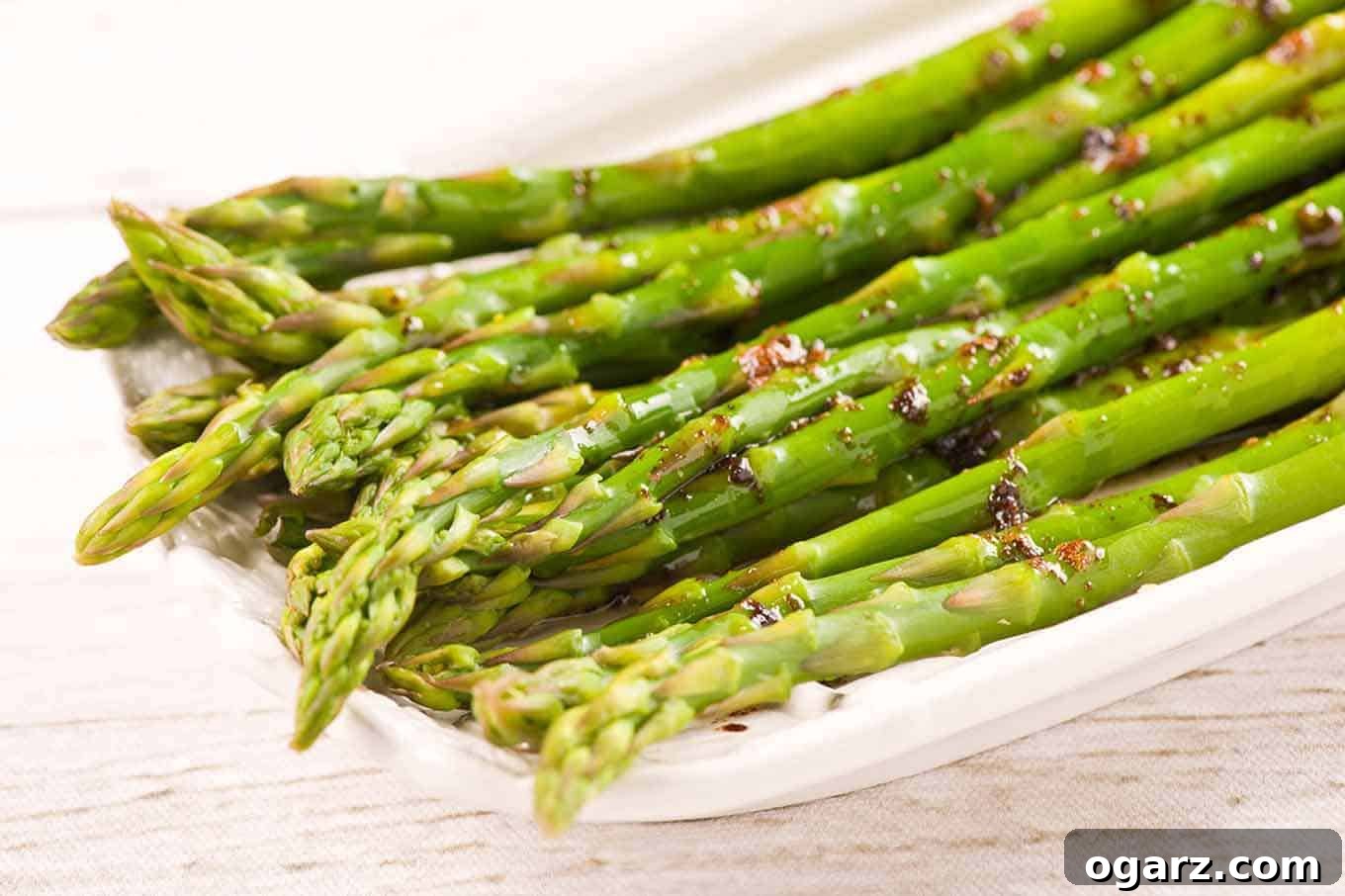
- Serve with Elegance: Carefully transfer the steamed asparagus to a serving platter. Drizzle the warm balsamic brown butter sauce generously over the spears. Finish with a fresh grinding of black pepper over the top for an added aromatic touch and a hint of spice. Serve immediately and enjoy!
This method ensures that both the asparagus and the sauce are prepared to their optimal states, combining seamlessly for a truly memorable side dish.
Pro Tips for Brown Butter Perfection
While making brown butter seems simple, a few key considerations will ensure it turns out perfectly every time, contributing its signature nutty flavor without burning.
- Choose the Right Pan: As mentioned, stainless steel or enameled cast iron pans are your best friends for making brown butter. Their light interiors allow you to clearly see the butter’s color changes, which are your primary indicator of doneness. Dark-colored pans can obscure these subtle shifts, leading to overcooked or burnt butter.
- Stay Attentive: Butter transitions from a perfectly toasted brown to burnt black very quickly – often in a matter of seconds. Never walk away from the pan once the butter has melted. Keep a close eye on it, and be ready to remove it from the heat as soon as it reaches the desired amber color.
- Observe the Foaming Stage: When butter first starts heating, its water content evaporates, causing it to foam. This foam acts as a protective layer. Once the foaming subsides, the milk solids at the bottom of the pan become more exposed to the heat and will begin to brown rapidly. This is your cue to pay extra attention.
- Monitor Color Changes Closely: After the foam subsides, swirl the pan or stir the butter occasionally to ensure even cooking. The color progression will be from pale yellow to golden yellow, then to a beautiful, fragrant, toasty brown. Remove it from the heat the instant it reaches this stage to prevent it from burning. The residual heat in the pan will continue the browning process slightly, so it’s often better to err on the side of removing it a moment early.
- Storage and Reheating: If you make a larger batch of brown butter, it can be stored in an airtight container in the refrigerator for up to two weeks. When ready to use, gently reheat it over very low heat on the stovetop or in the microwave until it becomes liquid again. Be careful not to re-brown it.
Beyond Asparagus: Brown Butter’s Endless Culinary Applications
The beauty of brown butter extends far beyond this asparagus dish. Its unique nutty and slightly sweet flavor profile makes it an incredibly versatile ingredient, capable of elevating a vast array of both savory and sweet dishes. Once you master the technique, you’ll find countless ways to incorporate this culinary gem into your cooking.
Savory Delights with Brown Butter
Brown butter is a fantastic base for simple sauces that pair beautifully with many ingredients. It harmonizes wonderfully with aromatic elements like garlic, shallots, and fresh herbs such as sage, parsley, and thyme. A squeeze of fresh lemon juice or a splash of white wine can brighten these sauces, while a touch of balsamic vinegar, as seen in our asparagus recipe, adds a complex sweet-tangy note.
- Pasta Dishes: Toss freshly cooked pasta with brown butter, sautéed sage leaves, and a sprinkle of Parmesan cheese for a quick yet incredibly satisfying meal. It’s also excellent with ravioli or tortellini, especially those filled with squash or cheese.
- Potatoes and Root Vegetables: Drizzle brown butter over roasted potatoes, mashed potatoes, or baked sweet potatoes for an instant upgrade. It also complements roasted carrots, parsnips, or winter squash, enhancing their natural sweetness and adding a rich, earthy depth.
- Fish and Seafood: Brown butter is a classic accompaniment for delicate fish fillets like sole, trout, or cod. Simply pan-fry your fish and then pour the warm brown butter over it, perhaps with a squeeze of lemon and some chopped parsley. It’s also exquisite drizzled over seared scallops, shrimp, or lobster, adding a luxurious finish. Classic French dishes like Trout Meunière exemplify this perfect pairing, often featuring lemon, parsley, and shallots.
- Eggs and Grains: A dollop of brown butter can transform scrambled eggs or an omelet. Stir it into cooked grains like quinoa or farro for an added layer of flavor.
Sweet Indulgences with Brown Butter
Don’t limit brown butter to savory applications; its caramelized notes are equally at home in desserts. It adds a sophisticated, complex flavor that’s hard to resist.
- Baked Goods: Substitute a portion of the melted butter or oil in your favorite cookie, brownie, or cake recipes with brown butter. It lends a wonderful depth and nutty character, particularly good in chocolate chip cookies, blondies, or pecan pie.
- Pancakes and Waffles: Drizzle warm brown butter over a stack of pancakes, waffles, or crepes instead of plain melted butter. It adds a richer, more caramel-like flavor that pairs beautifully with maple syrup or fruit compotes.
- Ice Cream and Fruit: A spoonful of warm brown butter over vanilla ice cream is a simple yet decadent dessert. It also complements baked apples, pears, or a warm berry compote.
- Frostings and Glazes: Incorporate brown butter into buttercreams, glazes, or caramels for a sophisticated twist that will set your desserts apart.
Experimentation is key! Once you’re comfortable with the process, you’ll discover countless ways to incorporate the unique flavor of brown butter into your culinary repertoire.
★
★
★
★
Asparagus with Balsamic Brown Butter
Lynne Webb
Steamed asparagus, drizzled with a flavorful combination of brown butter and balsamic vinegar, is an easy side dish with a gourmet touch that makes the most of this tasty and nutritious vegetable.
10 mins
15 mins
25 mins
8 servings
Ingredients
- 2 lbs asparagus, ends trimmed
- 6 tablespoons butter
- 2 tablespoons balsamic vinegar
- Salt and freshly ground black pepper, to taste
Instructions
- Bring an inch of water to a boil in the bottom of a pot large enough to hold a steaming rack.
- Arrange the asparagus spears on the rack, sprinkle them with a little bit of salt, and lower them into the pot.
- Cover and steam for 6 to 9 minutes, or until the thickest part of the spears are tender when pierced with the tip of a sharp knife.
- While the asparagus cooks, melt the butter in a frying pan (preferably stainless steel or enameled cast iron for better color monitoring) over medium-high heat.
- Swirling the pan occasionally, cook until the butter begins to foam. Watch carefully and as soon as the color begins to turn brown, remove the pan from the heat and whisk in the balsamic vinegar.
- To serve, plate the steamed asparagus, drizzle generously with the balsamic brown butter, and grind a little black pepper over the top.
Notes
As delicious as the asparagus is, the flavor of brown butter is truly the star of this dish. Here are a few tips to ensure it turns out perfectly:
- Choose the correct pan: Stainless steel and enameled cast iron pans are the best choice for making brown butter. Both types conduct heat evenly, and their light-colored interior makes it easy to monitor the butter as it changes color.
- Don’t walk away: Butter can turn from a toasty brown to black in seconds. Keep a close eye on your butter as it browns, and never leave the pan unattended.
- Watch for foam: Butter will begin to foam as its water content evaporates. Once this foam subsides, the milk solids in the butter will start browning very quickly.
- Monitor color changes: Once the butter’s foam has subsided, swirl the pan or stir occasionally. The color will change from pale yellow to golden yellow to a rich, toasty brown. Remove from the heat immediately when it reaches this desired brown stage.
- Storage: Brown butter can be stored in an airtight container in the refrigerator for up to two weeks and gently reheated over low heat.
Nutrition
Calories: 101, Total Fat: 9g, Cholesterol: 23mg, Sodium: 143mg, Carbohydrates: 5g, Fiber: 2g, Sugar: 3g, Protein: 3g
Nutrition information is automatically calculated, so should only be used as an approximation.
Final Thoughts
This Asparagus with Balsamic Brown Butter recipe proves that simple ingredients, when handled with a bit of care and culinary insight, can yield truly extraordinary results. It’s a testament to the power of quality ingredients and classic techniques to create a dish that is both comforting and sophisticated. Whether you’re a seasoned home cook or just starting your culinary journey, this recipe offers a rewarding experience with a delicious outcome.
The combination of fresh, tender asparagus, the deep, nutty essence of beurre noisette, and the vibrant tang of balsamic vinegar creates a harmonious flavor profile that is sure to become a favorite. It’s a perfect side for grilled meats, roasted chicken, or even as a light vegetarian main course when served with a complementary grain. Embrace the simple elegance of this dish and let it inspire your next meal.
We encourage you to try this recipe and discover the delightful difference brown butter can make. Don’t hesitate to experiment with the flavors, perhaps adding a pinch of chili flakes for a subtle heat or a sprinkle of toasted almonds for extra crunch. Enjoy the process of creating and savoring this magnificent vegetable dish!
Enjoyed this recipe? Share your thoughts below!