
Mastering Mirepoix: The Foundational French Flavor Base for Home Cooks
In the vast world of culinary arts, some techniques stand out not for their complexity, but for their foundational importance. Mirepoix is one such cornerstone, a simple yet profoundly impactful blend of aromatic vegetables that forms the flavor backbone of countless dishes. Even a modest quantity of this classic medley can dramatically elevate the success and depth of your finished creations. Whether you’re crafting a hearty soup, a slow-simmered stew, or a luxurious braise, beginning with a properly prepared mirepoix is the secret to unlocking layers of rich, harmonious flavor. Join us as we explore the art of mirepoix, from its origins and essential preparation to its diverse global interpretations.
What Exactly Is Mirepoix?
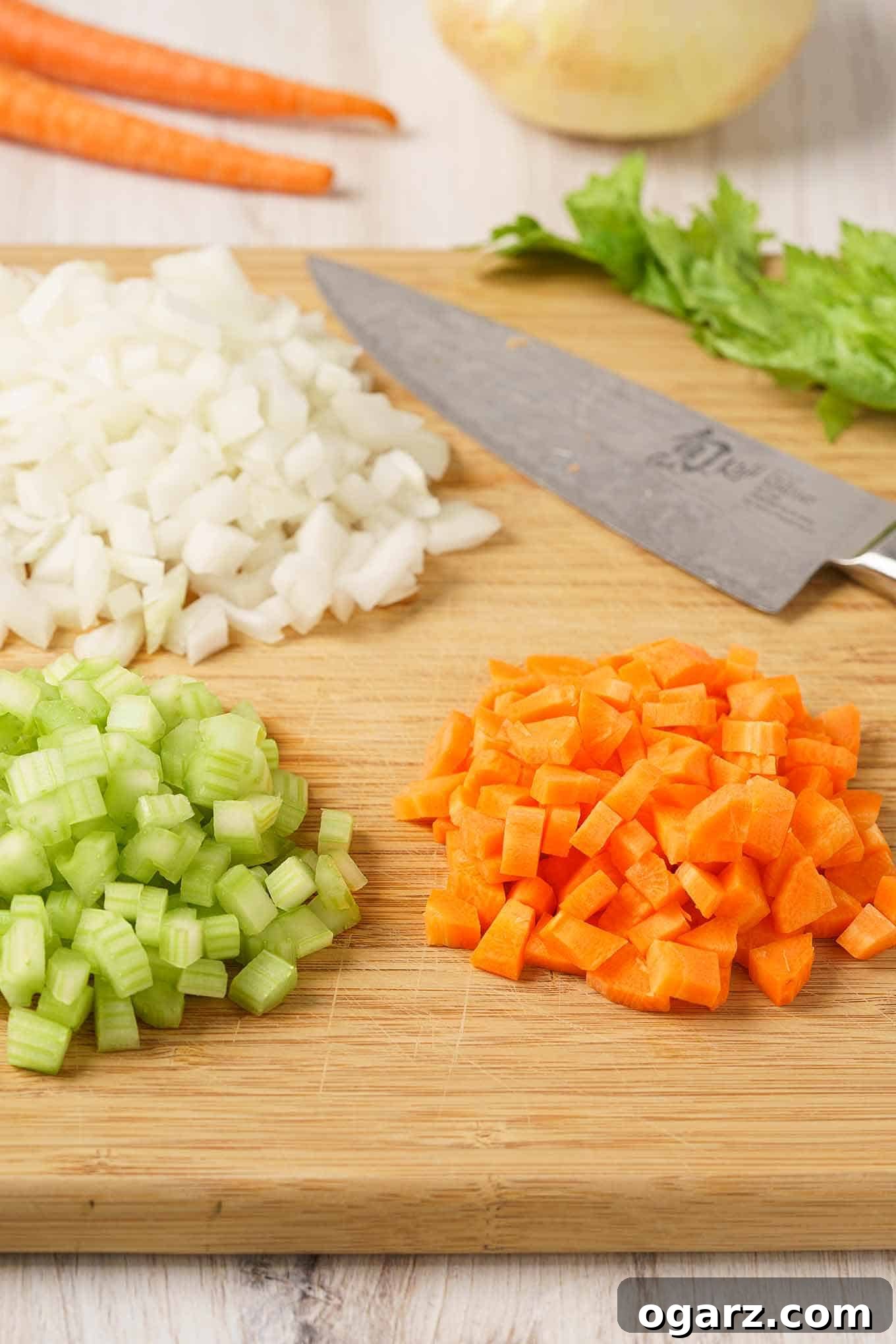
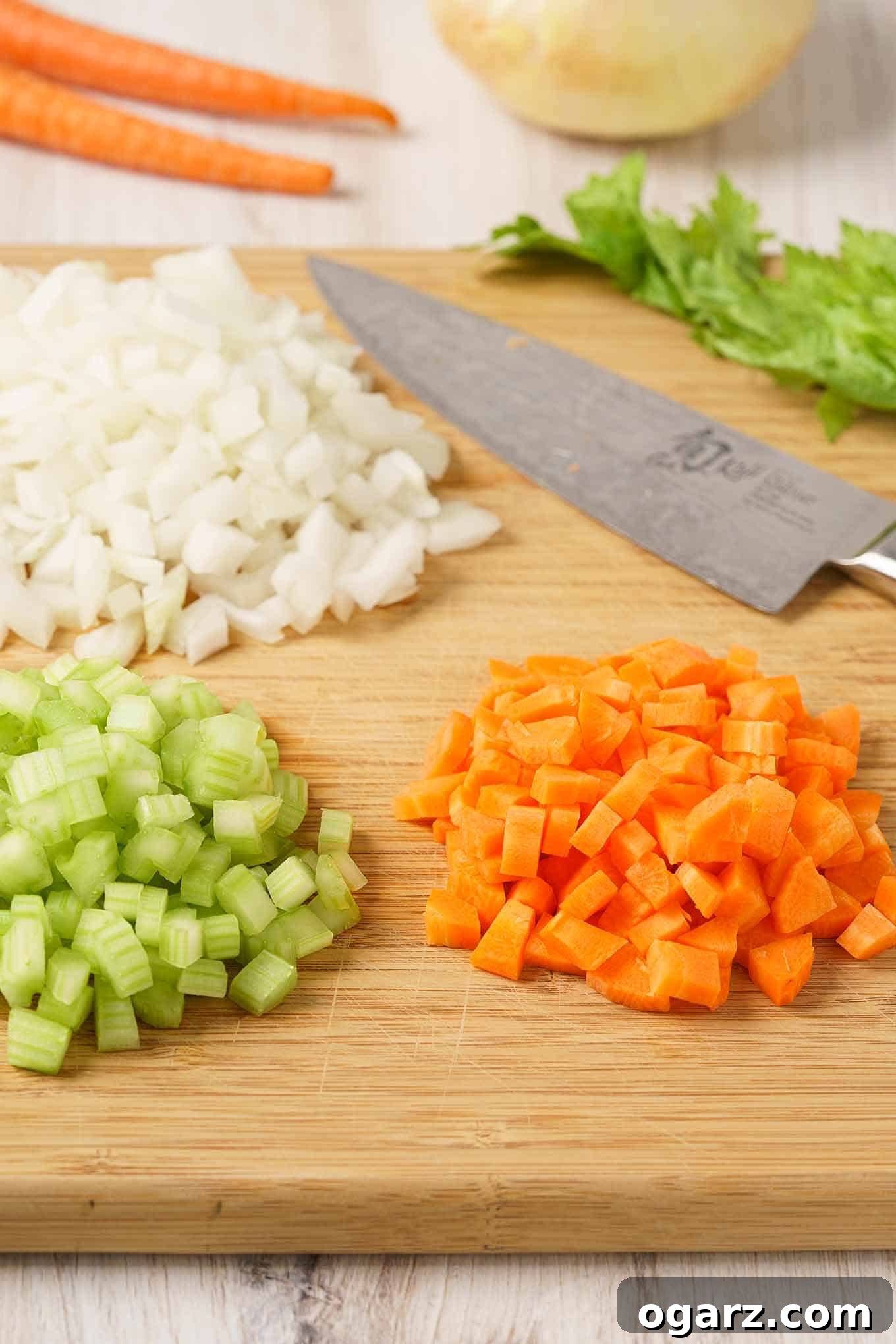
Mirepoix (pronounced meer-pwah) is a revered French culinary term referring to a foundational mixture of diced onions, carrots, and celery gently sautéed in butter or oil. This aromatic trio is not merely a collection of vegetables; it’s a carefully balanced flavor base designed to add depth, sweetness, and complexity to a wide array of savory dishes without overpowering other ingredients. The magic of mirepoix lies in its subtle contribution, providing an invisible yet indispensable layer of flavor that enriches everything it touches.
The standard, time-honored recipe dictates a specific ratio for this classic blend: two parts diced onion, one part diced celery, and one part diced carrot. These vegetables are traditionally cooked slowly over medium-low heat in butter until they become incredibly soft, translucent, and just begin to develop a slight caramelization around the edges. This gentle cooking process coaxes out their natural sugars and mellows their distinct flavors, allowing them to meld into a cohesive, sweet, and savory essence that enhances the overall profile of your dish.
While often associated with elaborate French cooking, mirepoix is an accessible technique that empowers home cooks to build incredible flavor from the ground up. Understanding its purpose and mastering its preparation is a vital step toward becoming a more confident and skilled chef in your own kitchen.
The Versatile Applications of Mirepoix
When mirepoix is prepared with care and precision, you won’t distinctly taste the individual flavors of onion, carrot, or celery in your finished dish. Instead, these humble vegetables will have harmonized, creating a unified, savory backdrop that adds remarkable depth and complexity. It’s the unsung hero that supports and elevates the main ingredients, making your sauces richer, your stews more comforting, and your braises truly unforgettable. Here are several fundamental ways you can integrate this powerful technique into your cooking repertoire:
- Robust Pot Roasts and Braises: Elevate your next pot roast by laying down a flavorful foundation. Begin by seasoning your beef generously with salt and pepper, then sear it deeply on all sides to develop a rich crust. Remove the seared meat, reduce the heat, add a knob of butter or a splash of oil to the pan, and then prepare your mirepoix. This aromatic base will infuse your cooking liquid with incredible flavor, which in turn permeates the meat as it slowly braises to tender perfection. The resulting gravy will be far more nuanced and satisfying.
- Flavorful Roast Chicken with Pan Gravy: For a roast chicken that boasts more than just crispy skin, scatter a bed of mirepoix at the bottom of your roasting pan. Place your seasoned chicken directly on top of the vegetables and roast as usual. As the chicken cooks, its juices will drip down, mingling with the sautéed mirepoix. This creates a deeply savory pan dripping, which becomes the ideal foundation for an exceptionally flavorful pan gravy. The vegetables themselves will become wonderfully tender and caramelized, perfect for serving alongside the chicken or pureeing into the gravy for extra body.
- The Ultimate Soup and Stock Base: Mirepoix is the undisputed champion when it comes to building rich, homemade stocks and delectable soups. It serves as the primary aromatic flavor base for virtually any variety, from classic chicken and beef stocks to vibrant vegetable broths. For instance, our Instant Pot Italian Chicken Soup is a fantastic illustration of how mirepoix provides a robust starting point for a comforting and aromatic meal. Beyond stocks, simply sautéing mirepoix before adding liquid is the first step for creamy tomato soups, hearty lentil stews, French onion soup, and much more.
- Enriching Sauces and Gravies: Many classic sauces, from espagnole to béchamel, benefit from a mirepoix base. For brown sauces and gravies, a mirepoix that has achieved a deeper caramelization can contribute a profound umami richness. For lighter sauces, a “white mirepoix” (discussed later) keeps the color light while still providing aromatic depth.
- Laying the Groundwork for Risotto and Pilafs: For creamy risottos or flavorful rice pilafs, sautéing a mirepoix (often finely diced) at the beginning ensures that every grain absorbs that beautiful baseline flavor from the start. This simple step transforms a plain rice dish into something truly special.
- Hearty Casseroles and Baked Dishes: Incorporating mirepoix into the base of casseroles, shepherds’ pies, or baked pasta dishes adds an essential layer of savory flavor that permeates the entire dish, preventing it from tasting bland or one-dimensional.
Essential Tips for Mastering Mirepoix
Creating a truly effective mirepoix requires more than just chopping vegetables and throwing them into a pan. Attention to detail in a few key areas will ensure you extract maximum flavor and achieve that coveted aromatic harmony. Here are vital tips to guarantee your mirepoix always forms the perfect foundation for your culinary masterpieces:
- Uniform Dicing is Paramount: Precision in dicing your vegetables is perhaps the most crucial step. Aim to dice the onions, carrots, and celery as uniformly as possible. This uniformity ensures even cooking, allowing all the vegetables to soften and release their flavors at the same rate. The size of your dice can vary slightly depending on the total cooking time of the dish for which the mirepoix is intended. For instance, a very finely diced mirepoix (brunoise) is suitable for quick sauces or delicate dishes, while a larger dice (medium or large dice) is perfect for long-simmered stocks, stews, or roasts where the vegetables will break down over time. Remember, the shorter the cooking time of the final dish, the smaller the dice should be.
- Add Vegetables in the Right Order: The classic mirepoix ratio is 2 parts onion, 1 part carrot, 1 part celery. When adding these to the pan, respect their individual cooking times. Carrots are the firmest and take the longest to soften, so they go into the pan first. Sauté the diced carrot in your chosen fat (butter or oil) for 2 to 3 minutes until it begins to soften slightly. Next, add the diced onion and continue cooking until it starts to become translucent and tender, usually another 3 to 4 minutes. Finally, add the diced celery. Continue cooking the mixture, stirring frequently, until all the vegetables are tender, translucent, and just beginning to turn golden around the edges. Depending on the size of your dice, the total cooking time should generally be between 12 to 20 minutes for a standard mirepoix. This sequential addition ensures each vegetable reaches its optimal state without overcooking.
- Avoid Browning at All Costs: The core concept behind preparing a traditional mirepoix is to slowly “sweat” the vegetables. This gentle, low-heat cooking extracts the mellow sweetness and aromatic compounds from the vegetables without encouraging any significant caramelization or browning. Browning can impart a bitter flavor and a darker color to your mirepoix, which might be undesirable for lighter sauces or stocks. For a classic mirepoix, the goal is translucency and tenderness, not crispness or deep color. Maintain a medium-low heat and stir often to prevent sticking or burning.
- Enhancement with Tomato Paste: For dishes where a richer, deeper color and umami flavor are desired, particularly brown sauces, gravies, or hearty stews, a small amount of tomato paste can be a wonderful addition. Add about a tablespoon of tomato paste when the vegetables are nearly finished cooking, after they have softened. Sauté the tomato paste with the mirepoix for a minute or two, stirring constantly, to cook out its raw flavor and deepen its complexity. This optional step adds a lovely depth and savory note.
- Crafting a White Mirepoix (Mirepoix Blanc): When your mirepoix is destined for a white sauce, a light-colored stock, or a delicate cream soup where color is a concern, consider making a “white mirepoix” or “mirepoix blanc.” In this variation, leeks (the white and light green parts, thoroughly cleaned and diced) are used in place of carrots. The leeks contribute a milder, sweeter oniony flavor without adding the orange hue of carrots, maintaining a pale appearance for your final dish.
- Choosing Your Fat Wisely: While butter is traditional for French mirepoix due to its rich flavor, olive oil, vegetable oil, or a combination of butter and oil can also be used. The choice of fat can subtly influence the final flavor profile. For long, slow cooks, butter can sometimes burn more easily, so a blend with oil can be beneficial.
- Season Lightly: A mirepoix is a flavor base, not typically meant to be heavily seasoned on its own. A light sprinkle of salt and a grind of black pepper are usually sufficient at the end of the cooking process. The main seasoning for the dish will come later, after the mirepoix has contributed its foundation.
A World of Aromatic Variations: Mirepoix Around the Globe
While the French mirepoix holds a cherished place in classical cuisine, the concept of a sautéed aromatic vegetable base is a universal culinary strategy. Many cuisines across the globe have developed their own distinctive versions, adapting the core idea to suit local ingredients, flavor preferences, and traditional dishes. These variations often incorporate different aromatics, fats, and an exciting array of herbs and spices, dramatically transforming the flavor profile of even the simplest meal. Exploring these global counterparts is a fantastic way to broaden your cooking horizons and understand the interconnectedness of food cultures. Here are a few prominent variations you might enjoy trying:
- France (Provençal Variation): Beyond the classic butter-based mirepoix, the sun-drenched region of Provence offers a lighter, Mediterranean-inspired twist. This variation typically uses olive oil as the cooking fat and features onions, garlic, leeks, and tomatoes. Optional additions that evoke the spirit of the region include fennel (for an anise-like note), thyme, bay leaf, and even a hint of orange zest, bringing bright, herbaceous, and citrusy undertones perfect for fish and vegetable dishes.
- Italy (Soffritto): The Italian “soffritto” is remarkably similar to mirepoix in concept but often with a slightly different flavor profile. Italians commonly use robust olive oil for sautéing and frequently enrich the mix with finely minced garlic. For added depth and savory complexity, some versions might include a small amount of diced pancetta or prosciutto, which renders its fat and infuses the vegetables with a smoky, salty essence. Parsley, bay leaf, and sage are popular optional additions, lending earthy and fresh herbaceous notes. Soffritto is fundamental to pasta sauces, risottos, and braised meats.
- Spain (Sofrito): The Spanish “sofrito” is a vibrant, often reddish base that showcases the country’s rich culinary heritage. It typically consists of onions, garlic, and tomatoes, all cooked down in olive oil or, traditionally, rendered ham fat. What sets Spanish sofrito apart are the common additions of saffron, which imparts a distinctive floral aroma and golden color, and various forms of paprika (sweet, smoked, or hot), along with dried chiles, giving it a characteristic smoky and spicy depth. Spanish sofrito is integral to paellas, stews, and many rice dishes.
- India (Tadka/Masala Base): Indian cooking employs a diverse range of aromatic bases, often referred to as “tadka” or a foundational “masala base.” These begin with ghee (clarified butter) or vegetable oil and combine finely chopped onion, garlic, and ginger. Crucially, a variety of hot peppers (like green chiles) are almost always included to provide heat. The truly distinctive element comes from the dry spices, which are often bloomed in the hot fat along with the aromatics. Common optional add-ins include whole or ground cardamom, cumin, cloves, cinnamon, and various blends of garam masala, creating incredibly complex and fragrant curries, dals, and vegetable dishes.
- Thailand (Curry Pastes): Thai cuisine relies heavily on intricate curry pastes as its aromatic foundation. These pastes are labor-intensive but yield unparalleled flavor. They typically start with a base of shallots, garlic, and chiles (fresh or dried) pounded into a fine paste. Beyond these, essential additions often include fragrant lemongrass, bright kaffir lime leaves, and pungent galangal (a root similar to ginger but with a more floral, citrusy, and piney flavor). Shrimp paste is also a common ingredient, adding a deep umami character. These pastes are then sautéed in oil to release their full aroma before other ingredients are added to form the core of Thai curries, stir-fries, and soups.
- Cajun (USA – The Holy Trinity): In the rich culinary landscape of Louisiana, the French mirepoix finds its soulful American cousin in the “Holy Trinity.” This iconic aromatic base replaces the carrot with green bell pepper, combining diced onions, celery, and green bell pepper. It’s typically cooked in oil or rendered fat (like bacon grease) and serves as the indispensable flavor starter for beloved Cajun and Creole dishes such as gumbo, jambalaya, étouffée, and red beans and rice. The green bell pepper adds a distinct, slightly bitter and vegetal note that defines the cuisine.
Rated 5 out of 5 stars by 3 votes
How To Make Classic Mirepoix
By Lynne Webb
Ramp up the flavor of your soups, stews, braises, and more by starting with a base of mirepoix, the classic French blend of diced aromatic vegetables sautéed in butter.
10 mins
15 mins
25 mins
Approximately 1 1/3 cups (serves 10 as a base)
Ingredients
- 1/3 cup diced carrot (about 1 medium carrot)
- 2/3 cup diced onion (about 1 small to medium onion)
- 1/3 cup diced celery (about 1 large stalk)
- 3 tablespoons unsalted butter (or your preferred cooking oil)
- Salt and freshly ground black pepper to taste
Instructions
- Melt the butter (or heat your chosen oil) in a large frying pan or Dutch oven over medium-low heat. Ensure the fat coats the bottom of the pan evenly.
- Add the uniformly diced carrots to the pan. Sauté for 2 to 3 minutes, stirring occasionally, until they begin to soften slightly. Carrots take the longest to cook, so they go in first.
- Next, add the diced onion to the pan. Continue cooking for another 3 to 4 minutes, stirring, until the onion starts to become translucent and tender. Avoid any browning.
- Finally, add the diced celery to the pan. Continue to cook the entire medley, stirring often, for an additional 7 to 10 minutes. The goal is for all the vegetables to be very tender, translucent, and just barely beginning to turn golden around the very edges, not deeply browned.
- Season lightly with a pinch of salt and a grind of fresh black pepper. Stir to combine.
- Remove the mirepoix from the heat and use it immediately as the aromatic base for your desired dish.
Chef’s Notes
- For a classic mirepoix, consistency in dicing is key for even cooking. Aim for small, uniform pieces.
- Always cook on medium-low heat to sweat the vegetables and extract their sweetness without browning, which can lead to bitterness.
- If making a lighter-colored dish, substitute leeks for carrots to maintain a pale appearance (white mirepoix).
- Consider adding 1 tablespoon of tomato paste during the last few minutes of cooking for deeper color and umami, especially for brown sauces or stews.
- Mirepoix can be made ahead and stored in an airtight container in the refrigerator for up to 3-4 days, or frozen for up to 3 months.
Nutrition
Serving: 1 tablespoon, Calories: 73, Total Fat: 7g, Cholesterol: 18mg, Sodium: 13mg, Carbohydrates: 3g, Fiber: 1g, Sugar: 1g, Protein: 0.4g
Nutrition information is automatically calculated and should be used as an approximation.
Storing Your Mirepoix: Prep Ahead for Convenience
One of the beauties of mirepoix is its adaptability to meal prep. Preparing a batch of mirepoix in advance can significantly cut down on cooking time during busy weeknights, making it a favorite technique for home cooks looking for efficiency without sacrificing flavor. Here’s how to store your aromatic base:
- Refrigeration: Once your mirepoix has cooled completely, transfer it to an airtight container. It will keep well in the refrigerator for 3 to 4 days. This is perfect for planning a few meals throughout the week that will benefit from this flavorful start.
- Freezing: For longer storage, mirepoix freezes exceptionally well. After cooling, divide the mirepoix into single-serving portions (e.g., 1/2 cup or 1 cup amounts) using freezer-safe bags or ice cube trays. If using trays, freeze until solid, then transfer the frozen cubes to a larger freezer bag. Mirepoix can be frozen for up to 3 months. When you’re ready to use it, simply drop the frozen mirepoix directly into your hot pan or pot; it will thaw and integrate into your dish as it cooks. This makes it incredibly convenient to add instant flavor to any recipe.
Conclusion: The Unsung Hero of the Kitchen
Mirepoix is far more than just a mix of vegetables; it’s a fundamental culinary technique that stands as a testament to the power of building flavor from the ground up. By mastering the simple art of slowly sautéing onions, carrots, and celery, you unlock a depth of taste that elevates soups, stews, sauces, and countless other dishes from ordinary to extraordinary. Its role as the “unseen hero” in so many recipes underscores its importance in classic cuisine and its enduring relevance in modern cooking.
Whether you stick to the classic French ratio or venture into the vibrant variations from Italy, Spain, India, or the American South, embracing mirepoix will undoubtedly transform your approach to cooking. It encourages mindfulness in the kitchen, teaching you to appreciate the subtle interactions of ingredients and the profound impact of patient preparation. So, the next time you embark on a savory culinary adventure, remember to start with this humble yet mighty trio. Your taste buds, and those of anyone you cook for, will surely thank you.
Like this recipe? We encourage you to share your feedback by leaving a comment or rating below!