
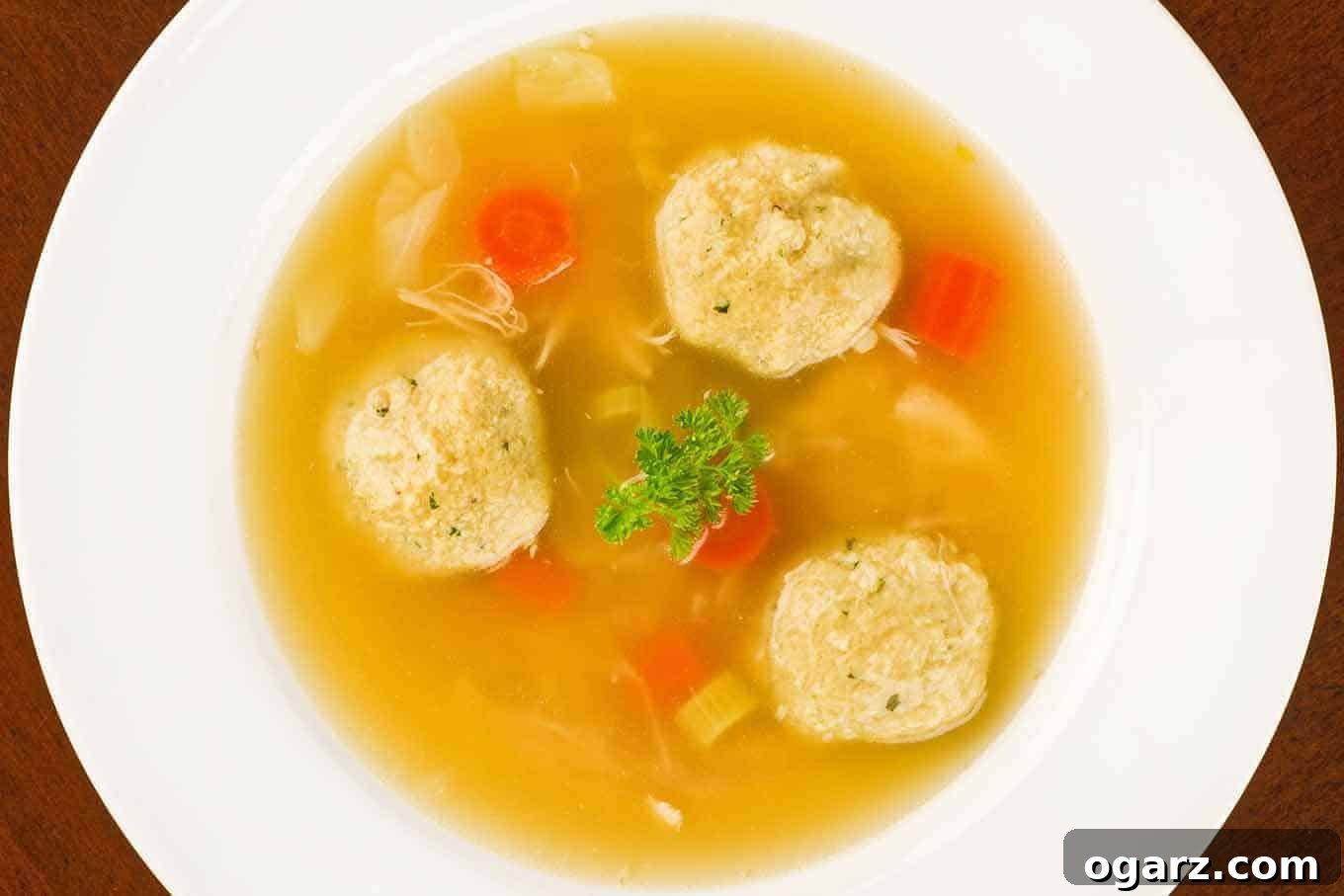
The Ultimate Homemade Matzo Ball Soup Recipe: A Timeless Classic
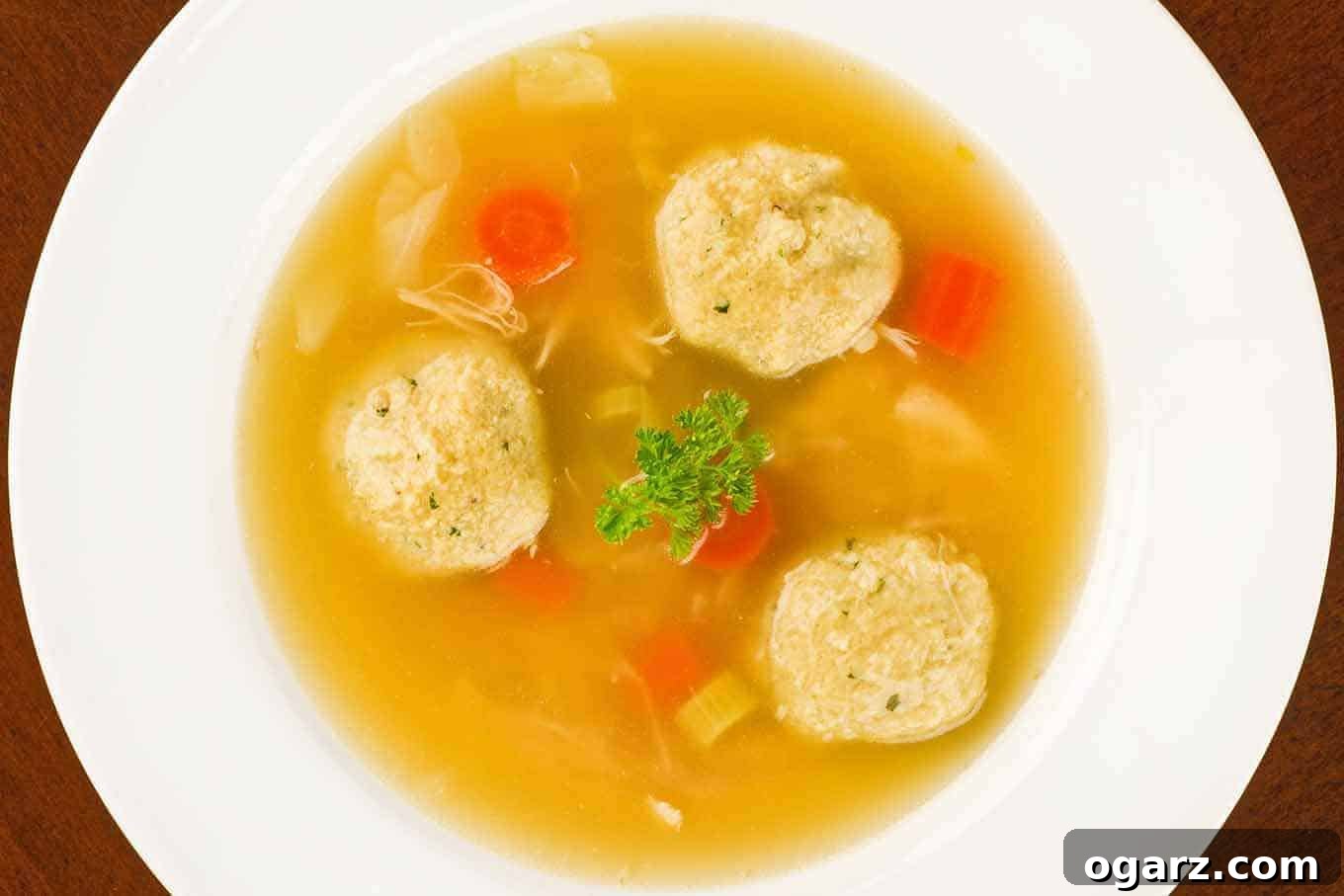
There’s a reason why matzo ball soup is often called “Jewish penicillin.” This classic dish is more than just a meal; it’s a hug in a bowl, a comforting elixir that transcends cultural boundaries and brings warmth to any table. At its heart, matzo ball soup is a simple yet profound creation: delicate, fluffy dumplings made from matzo meal, eggs, and often a touch of schmaltz (rendered chicken fat), simmered to perfection in a rich, golden homemade chicken broth. While traditionally a staple of the Passover Seder, its deliciousness knows no season, making it a beloved comfort food year-round.
This comprehensive guide will walk you through crafting the ultimate matzo ball soup from scratch, ensuring every spoonful is bursting with flavor and nostalgia. From simmering a robust chicken stock to achieving perfectly light and airy matzo balls, you’ll discover the secrets to this iconic dish. Prepare to delight your senses and impress your family and friends with a truly authentic and heartwarming culinary experience.
What is Matzo Ball Soup? A Culinary Journey Through Tradition
Matzo ball soup is a quintessential Ashkenazi Jewish dish, known worldwide for its soothing properties and satisfying taste. The star of the soup, the matzo ball (or matzah ball), is a dumpling made from matzo meal – crushed unleavened bread – combined with eggs, fat (typically chicken fat or vegetable oil), and often seasonings like salt, pepper, and fresh parsley. These ingredients are mixed, chilled, rolled into spheres, and then cooked in boiling water or, ideally, in flavorful chicken broth until they are tender and swollen.
The history of matzo ball soup is deeply intertwined with Jewish culture, particularly with Passover. Matzo, an unleavened bread, symbolizes the haste with which the Israelites left Egypt, without time for their bread to rise. Incorporating matzo meal into dumplings was a natural extension, transforming the humble bread into a more elaborate and celebratory dish. Over centuries, various communities developed their own takes, leading to the beloved recipe we cherish today. Beyond its religious significance, matzo ball soup has earned a reputation as a restorative meal, often prescribed for colds and flu due to its nourishing broth and easy-to-digest components. It’s a culinary symbol of home, healing, and tradition.
Why Homemade Matzo Ball Soup is Unbeatable
While convenient store-bought options exist, there’s truly nothing comparable to homemade matzo ball soup. The difference lies primarily in the quality of the chicken stock. A homemade stock, slow-simmered with aromatic vegetables and chicken pieces, develops a depth of flavor and richness that simply cannot be replicated by bouillon cubes or canned broths. It’s a foundational element that elevates the entire dish from good to extraordinary. The effort invested in making your own stock pays dividends in the final taste, creating a broth that is both intensely savory and wonderfully clear.
Furthermore, crafting your own matzo balls allows for complete control over their texture. Are you a fan of dense, “sinker” matzo balls, or do you prefer light, “floater” varieties? By adjusting the ingredients and preparation methods, you can achieve your desired consistency. Adding fresh herbs and a touch of rendered chicken fat (schmaltz) to the matzo ball mixture infuses them with an unparalleled richness. This recipe emphasizes the importance of these homemade elements, guiding you through each step to ensure your matzo ball soup is not just a meal, but an unforgettable culinary experience that embodies true comfort and tradition.
Master the Art of Matzo Ball Soup: Your Comprehensive Recipe
Matzo (Matzah) Ball Soup
By Lynne Webb
Matzo (or matzah) ball soup may be a traditional part of the Passover Seder, but it’s a delicious version of homemade chicken soup that can be enjoyed any time.
- Prep Time: 20 mins
- Cook Time: 2 hrs 20 mins
- Total Time: 2 hrs 40 mins
- Servings: 8 servings
Print Recipe
Ingredients
For the Rich Homemade Chicken Stock:
- 4 lbs bone-in, skin-on chicken thighs
- 2 carrots, cut into thirds
- 2 stalks of celery, leaves attached, cut into thirds
- 1 medium yellow onion, quartered (unpeeled)
- 1 core from a small head of cabbage
- 2 or 3 cloves of garlic, smashed (unpeeled)
- 1 teaspoon salt
- 10 whole peppercorns
- 4 sprigs parsley
- 10 cups water
For the Perfect Fluffy Matzo Balls:
- 4 eggs
- 1 egg white
- 2 tablespoons rendered chicken fat, softened
- 1 cup matzo meal
- 1 teaspoon salt
- 2 tablespoons parsley, chopped
- 3 to 4 tablespoons chicken stock
For the Hearty Finished Soup:
- 8 cups homemade chicken stock (reserved from earlier steps)
- 2 carrots, peeled and sliced
- 2 stalks celery, peeled and sliced
- 3 cups cabbage, thinly sliced
- Reserved shredded chicken (from making stock)
Instructions
Crafting Your Flavorful Chicken Stock:
- Begin by combining the roughly cut carrots, celery, quartered onion, cabbage core, smashed garlic cloves, salt, whole peppercorns, and fresh parsley sprigs in a large, heavy-bottomed pot. Pour in 10 cups of cold water.
- Add the bone-in, skin-on chicken thighs to the pot. Bring the mixture to a rapid simmer over high heat. As the stock heats, you will notice froth rising to the surface. Carefully skim off this froth with a spoon during the first 10-15 minutes to ensure a clear broth.
- Once the skimming is complete, reduce the heat to low, cover the pot with a lid, and allow the stock to simmer gently for 1-1/2 hours. This slow simmering extracts maximum flavor from all the ingredients.
- After simmering, use tongs to carefully transfer the cooked chicken pieces from the pot to a separate bowl. Let them cool enough so you can handle them comfortably.
- Once cooled, remove the chicken meat from the bones and discard the skin. Shred the cooked chicken meat into bite-sized pieces and set aside; this will be added back to the finished soup later.
- Carefully strain the entire stock through a fine-mesh sieve or cheesecloth into a clean bowl or container. Discard all the solids (vegetables and bones). Allow the strained stock to chill completely in the refrigerator. Once cold, a layer of fat will solidify on top. Skim off this fat, reserving 2 tablespoons for your matzo balls.
- If desired, the remaining chicken fat (schmaltz) can be frozen for other culinary uses, adding rich flavor to many dishes.
Preparing the Classic Matzo Balls:
- While the matzo balls are chilling (or ready to be cooked), bring your reserved homemade chicken stock (approximately 8 cups) to a gentle simmer in a large pot over medium-high heat.
- In a medium-sized bowl, lightly whisk together the 4 eggs and the extra egg white until just combined.
- To the egg mixture, add the softened reserved rendered chicken fat (schmaltz), matzo meal, salt, and finely chopped parsley. Mix thoroughly until all ingredients are well incorporated and form a cohesive batter.
- Gradually add 3 to 4 tablespoons of the chicken stock to the matzo ball mixture, one tablespoon at a time, mixing until the mixture forms a moist, pliable dough. Be careful not to add too much liquid; the goal is a mixture that can be easily formed into balls.
- Cover the matzo ball mixture and refrigerate for at least 30 minutes. This chilling period is crucial for the matzo balls to firm up, making them easier to handle and preventing them from falling apart during cooking.
- Prepare a bowl of cold water next to your work area. Using wet hands (this prevents sticking), gently form the chilled matzo mixture into 1-1/2-inch balls. Aim for a consistent size for even cooking.
- One at a time, carefully drop the formed matzo balls into the simmering chicken stock. Ensure the stock is at a gentle simmer, not a rolling boil, to prevent the matzo balls from breaking apart.
- Once all matzo balls are in the pot, reduce the heat to medium-low, cover, and cook for 15 minutes.
Assembling Your Comforting Soup:
- After the matzo balls have cooked for 15 minutes, add the peeled and sliced carrots, sliced celery, and thinly sliced cabbage to the pot with the simmering soup.
- Continue cooking, covered, until the vegetables are tender-crisp, typically about 15 minutes longer.
- Finally, stir in the reserved shredded chicken meat and allow it to heat through for a few minutes. Taste and adjust seasoning with additional salt and pepper if needed.
- Ladle the hot, comforting matzo ball soup into individual bowls, ensuring each serving gets a generous portion of matzo balls, chicken, and vegetables. Serve immediately and enjoy!
Tips for the Best Matzo Ball Soup
Creating the perfect matzo ball soup involves a few key techniques and considerations. Here are some expert tips to help you achieve a truly outstanding result:
- The Power of Schmaltz: Don’t skip the rendered chicken fat (schmaltz) in your matzo balls. It adds an incredible depth of flavor and contributes significantly to a lighter, more tender texture. If you don’t render enough from your stock, you can often buy it at specialty grocery stores or use a good quality vegetable oil as a substitute, though the flavor won’t be quite the same.
- Achieving the Right Matzo Ball Texture: The debate between “sinkers” (dense) and “floaters” (light and airy) is a matter of preference. For floaters, avoid overworking the matzo meal mixture; gentle mixing is key. Also, chilling the mixture thoroughly helps them hold their shape without becoming too compact. Some cooks even separate egg yolks and whites, whipping the whites to soft peaks and folding them in gently for extra lightness.
- Crystal Clear Stock: Skimming the froth that rises during the initial simmering of the stock is crucial for a clear broth. Also, avoid boiling your stock vigorously; a gentle simmer is sufficient to extract flavors without making the broth cloudy. Straining through cheesecloth after chilling helps remove even the finest impurities.
- Seasoning is Key: Taste your stock and matzo ball mixture throughout the process. Proper seasoning with salt and pepper is essential. Remember, flavors can mellow during cooking, so don’t be afraid to adjust at the end. Fresh parsley, both in the matzo balls and as a garnish, brightens the overall flavor.
- Don’t Overcrowd the Pot: When cooking the matzo balls, ensure they have enough space in the simmering stock. If your pot is too small or too many matzo balls are added at once, they might stick together or cook unevenly. Cook in batches if necessary.
Variations and Serving Suggestions
While classic matzo ball soup is perfect as is, there’s always room for personal touches and creative variations:
- Add More Vegetables: Feel free to customize the vegetables in your finished soup. Beyond carrots, celery, and cabbage, consider adding parsnips for a touch of sweetness, diced potatoes for a heartier texture, or even a handful of fresh spinach towards the end of cooking for added greens.
- Different Chicken Cuts: While chicken thighs provide excellent flavor and moisture, you can certainly experiment with other chicken parts for your stock, such as whole chicken pieces, drumsticks, or even chicken backs and necks for maximum flavor extraction.
- Herb Power: Enhance the aromatic profile of your soup with additional fresh herbs. Dill is a popular choice that pairs wonderfully with chicken soup and matzo balls. Chives or thyme can also add subtle complexities.
- Make it Gluten-Free: For those with dietary restrictions, gluten-free matzo meal is available. Be sure to check product labels to ensure it’s suitable for your needs.
- Serving Suggestions: Serve your matzo ball soup hot, garnished with a sprinkle of fresh chopped parsley or dill. A crusty bread or challah on the side can be a lovely accompaniment, though the soup itself is often considered a complete meal. For a larger spread, it pairs beautifully with other traditional dishes like roasted chicken or brisket.
Frequently Asked Questions (FAQs) about Matzo Ball Soup
How do you make matzo balls light and fluffy (“floaters”)?
To achieve light and fluffy matzo balls, several factors are important. First, use club soda or seltzer in your mixture instead of plain water, as the carbonation can help aerate the dough. Second, gently mix the ingredients, avoiding overworking the dough, which can lead to dense matzo balls. Third, ensure the mixture is thoroughly chilled (at least 30 minutes, ideally longer) before forming the balls. Finally, cook them in a gentle simmer, not a rapid boil, and ensure there’s enough room in the pot for them to expand.
Can I make matzo ball soup ahead of time?
Absolutely! Matzo ball soup is an excellent make-ahead dish. You can prepare the chicken stock several days in advance and store it in the refrigerator or freeze it for longer storage. The matzo ball mixture can also be prepared and chilled for up to 24 hours before forming and cooking. For optimal texture, it’s best to cook the matzo balls separately and add them to the hot soup just before serving. This prevents them from becoming too soggy or falling apart if reheated multiple times with the soup.
What’s the difference between matzo and matzah?
There is no difference in the food itself; “matzo” and “matzah” are simply two different spellings of the same Hebrew word. “Matzah” is the more traditional Hebrew transliteration, while “matzo” is a more common English spelling. Both refer to the unleavened flatbread eaten during Passover, and consequently, matzo meal and matzah meal refer to the same crushed product used to make matzo balls.
Embrace the Comfort of Homemade Matzo Ball Soup
There’s a unique satisfaction that comes from preparing a dish steeped in history and comfort like matzo ball soup. The rich aroma of simmering chicken stock filling your kitchen, the simple act of shaping each matzo ball with care, and finally, the joy of sharing a bowl of this golden elixir with loved ones. Whether you’re observing Passover, nursing a cold, or simply craving a taste of home, this recipe provides a blueprint for a truly memorable culinary experience. Embrace the tradition, savor the flavors, and enjoy the heartwarming embrace of your very own homemade matzo ball soup. It’s more than just food; it’s a legacy of love, comfort, and nourishment.