
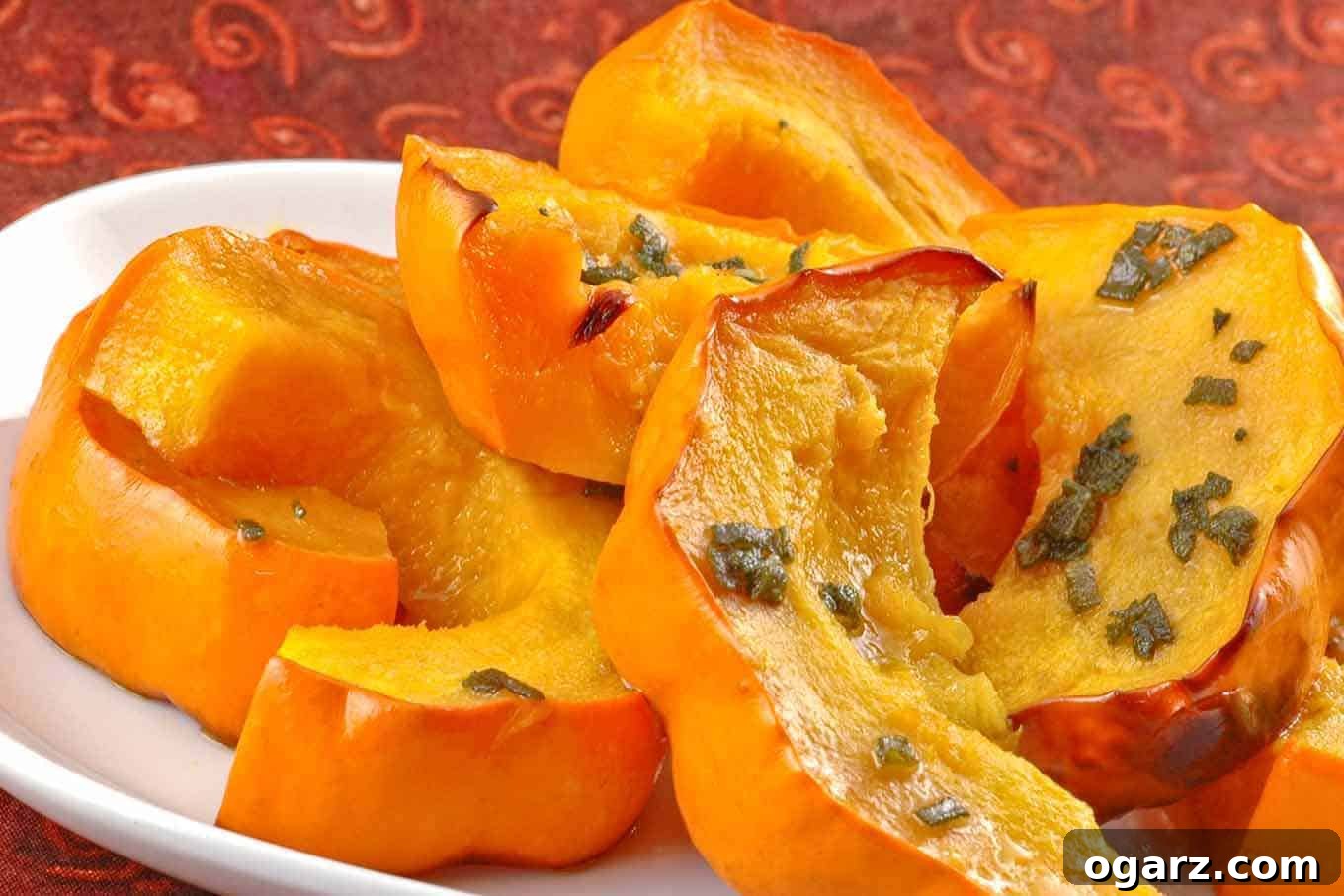
Golden Acorn Squash with Sage and Honey: A Simple Yet Elegant Side Dish
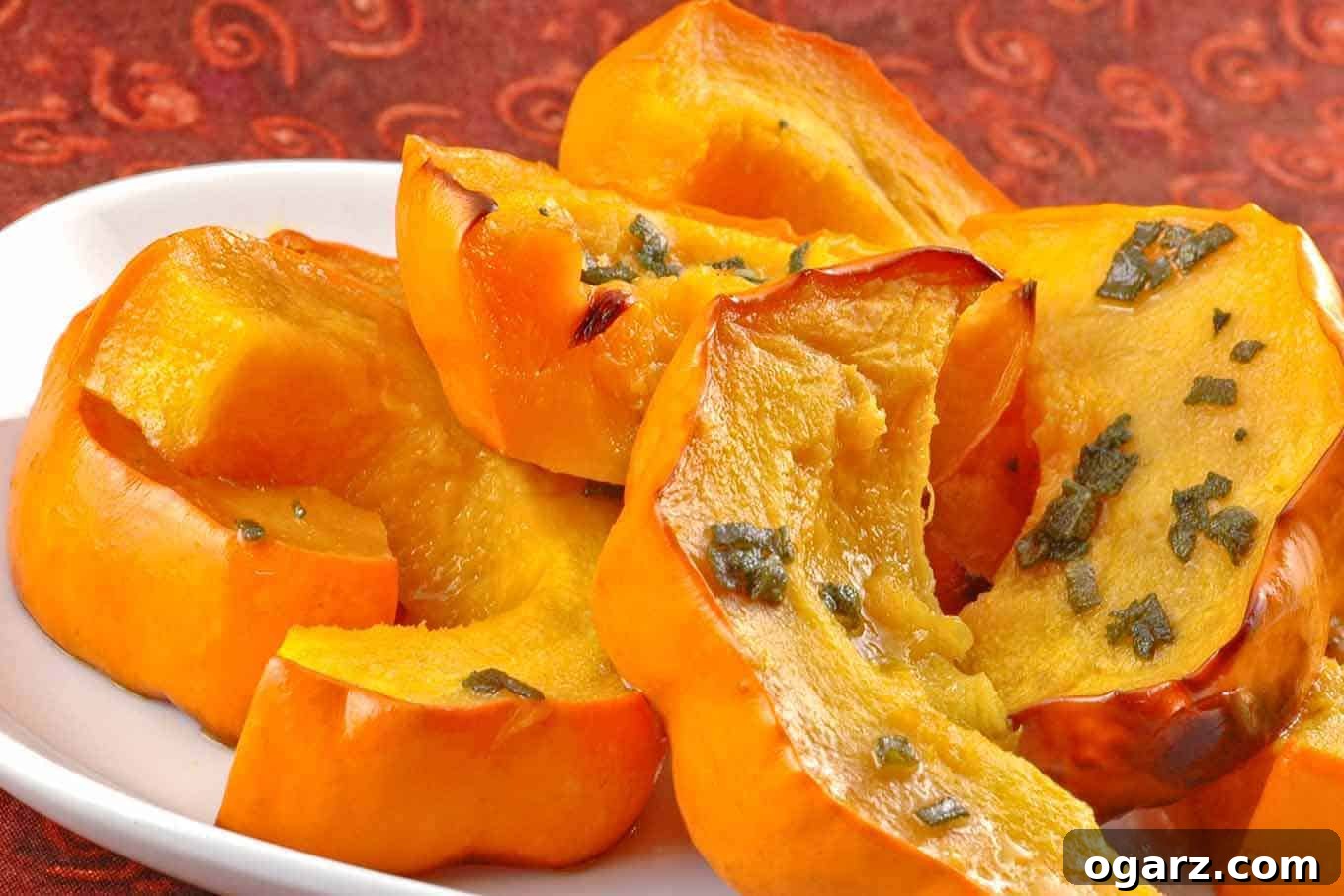
Acorn squash is a true gem among winter squash varieties, beloved for its distinctive shape, vibrant color, and remarkably straightforward preparation. This particular recipe highlights the inherent goodness of golden acorn squash, allowing its subtle, earthy flavor to shine through, beautifully complemented by the aromatic freshness of sage and a delicate touch of honey. Far from being overly sweet, this dish achieves a perfect balance, making it an ideal companion to a wide range of main courses. Its simplicity belies its sophisticated taste, proving that extraordinary flavors don’t always require complex techniques. We found it to be an exceptional side dish when paired with our Gruyere-Stuffed Chicken with Caramelized Apples and Onions, but its versatility ensures it will elevate any meal.
Embracing the rich bounty of autumn and winter, this Golden Acorn Squash with Sage and Honey recipe brings warmth and wholesome goodness to your table. Whether you’re a seasoned chef or a novice in the kitchen, you’ll appreciate how effortlessly this dish comes together, delivering impressive results with minimal effort. The natural sweetness of the squash, enhanced by a hint of honey, creates a delightful counterpoint to the herbaceous notes of fresh sage, resulting in a side dish that is both comforting and elegantly flavorful. It’s an invitation to savor the simple pleasures of seasonal cooking.
Discovering the Charm of Acorn Squash
Acorn squash, named for its resemblance to an acorn, is a cornerstone of seasonal cooking, particularly during the cooler months. Its hard, ridged skin, which can range from dark green to orange-gold (as in our golden variety), protects a tender, mildly sweet, and slightly nutty flesh. What makes acorn squash particularly appealing is its ease of preparation. Unlike some other winter squash that can be notoriously difficult to cut, acorn squash offers a relatively smooth experience, especially when using a sharp, sturdy knife.
Beyond its culinary versatility, acorn squash is also a nutritional powerhouse. It’s an excellent source of dietary fiber, which aids digestion and promotes a feeling of fullness, contributing to weight management. Furthermore, it’s rich in vitamins, especially Vitamin C, a powerful antioxidant that supports immune health, and Vitamin A, crucial for vision and skin health. It also provides essential minerals like potassium and manganese, which play vital roles in various bodily functions, including blood pressure regulation and bone health. Incorporating acorn squash into your diet is a delicious way to boost your intake of wholesome nutrients.
While often enjoyed simply roasted with butter and seasoning, acorn squash lends itself beautifully to both sweet and savory applications. Its inherent mild sweetness means it pairs wonderfully with maple syrup, brown sugar, or, as in this recipe, honey. However, its earthy undertones also make it a fantastic canvas for savory herbs like sage, thyme, and rosemary, and spices such as cinnamon and nutmeg. This adaptability makes it a chef’s favorite for creating hearty side dishes, comforting soups, or even as a flavorful stuffing for main courses.
The Perfect Pairing: Sage and Honey
The combination of winter squash and fresh sage is a time-honored classic in culinary traditions worldwide, and for good reason. Sage, with its slightly peppery, pine-like, and earthy aroma, cuts through the richness of squash, adding a layer of sophisticated flavor that is both grounding and aromatic. It’s a herb that evokes warmth and comfort, perfectly suited for dishes enjoyed during crisp autumn evenings or chilly winter days. In this recipe, the sage isn’t just an afterthought; it’s a key player, providing a depth of flavor that elevates the entire dish.
Honey, on the other hand, introduces a gentle, natural sweetness that beautifully complements the squash without overwhelming it. Unlike refined sugars, honey offers complex floral and sometimes fruity notes, depending on its origin, which can add subtle nuances to the dish. Its role here is not merely to sweeten, but to enhance and deepen the squash’s natural flavors, creating a delicate glaze that caramelizes slightly during roasting. This caramelization contributes to a beautiful golden-brown exterior and a tender interior, making each bite utterly irresistible. The mild sweetness from the honey acts as a perfect accent, allowing the subtle, fresh sage notes to truly come alive and create a harmonious, unforgettable flavor profile.
Golden Acorn Squash With Sage And Honey
Pin Recipe
Rate Recipe
Print Recipe
Ingredients
- 2 small golden acorn squash, about 1 lb each, look for firm squash without soft spots
- 3 tablespoons unsalted butter, melted, for a richer flavor
- 2 teaspoons honey, preferably a mild, liquid honey
- Kosher salt and freshly ground black pepper, to taste, essential for enhancing flavors
- 1 tablespoon fresh sage, finely chopped, for the best aromatic impact
Want to keep this recipe handy? Bookmark this page or share it with friends!
Instructions
-
First, preheat your oven to 425°F (220°C). This high temperature is crucial for achieving beautifully caramelized squash. While the oven heats, thoroughly scrub the exterior of your acorn squash under running water to remove any dirt. Using a sturdy, sharp knife, carefully cut each squash in half lengthwise. Scoop out the seeds and any fibrous pulp attached to them using a spoon. You can discard these, or set the seeds aside for toasting later if you wish to make a crunchy snack.
-
Once cleaned, take each squash half and cut it lengthwise again, creating quarters. Then, slice each quarter crosswise into uniform 3/4-inch thick slices. Maintaining consistent thickness is key to ensuring all pieces cook evenly and reach that perfect tender-crisp texture simultaneously.
-
In a small bowl, combine the melted butter with the honey, stirring until well blended. This fragrant mixture will be the base of our delicious glaze. Arrange the prepared squash slices in a single layer on a large baking sheet. Make sure not to overcrowd the pan; if necessary, use two baking sheets to allow for proper air circulation, which promotes better browning and caramelization. Brush each piece of squash generously with half of the butter and honey mixture, ensuring an even coating. Reserve the other half for later.
-
Lightly season the coated squash pieces with kosher salt and freshly ground black pepper. These seasonings will enhance the natural flavors of the squash and balance the sweetness. Cover the baking sheet loosely with aluminum foil. Roasting the squash initially covered helps to steam it, making it tender and ensuring it cooks through without drying out. Place the baking sheet in the preheated oven and roast for 20 minutes.
-
While the squash is roasting, finely chop your fresh sage leaves. Add the chopped sage to the remaining butter-honey mixture that you set aside earlier, stirring to combine. The sage will infuse the mixture with its distinctive aroma and flavor. After 20 minutes, carefully remove the squash from the oven and remove the aluminum foil. Using tongs, gently turn each piece of squash over to ensure even cooking and browning on both sides.
-
Now, brush the turned squash pieces with the sage-infused butter and honey mixture. Re-season lightly with additional salt and pepper if desired. Return the baking sheet to the oven, this time uncovered, and continue to roast for another 10 minutes. This final roasting period, uncovered, allows the squash to caramelize beautifully, developing a rich golden color and a slightly crisp edge. Cook until the squash is fork-tender and exhibits an appetizing golden hue.
-
A note on varieties: Golden acorn squash, with its lovely pumpkin-orange skin and vibrant flesh, is very similar to its more common green counterpart. While some claim the golden variety has a slightly sweeter flesh, both types offer a fantastic texture and flavor profile for this recipe.
-
We’ve found that the golden acorn squash often has a more delicate skin and tends to be somewhat less fibrous, which can make for a more pleasant eating experience. However, if golden acorn squash isn’t readily available, feel free to substitute with the green variety; the results will still be delicious! The key is to choose squash that is firm, heavy for its size, and free of soft spots or blemishes.
Enjoyed this recipe? Please consider rating and leaving a comment below!
Your feedback helps us create more delicious content.
Tips for Achieving Perfectly Roasted Acorn Squash
Roasting acorn squash is a simple process, but a few key tips can elevate your results from good to truly exceptional. First, ensure your oven is fully preheated to the specified temperature. A hot oven is crucial for achieving that desirable caramelization on the squash’s exterior, which locks in moisture and enhances sweetness. Don’t rush this step!
Secondly, consistent slicing is paramount. Aim for uniform 3/4-inch slices as suggested in the recipe. If your slices vary too much in thickness, some pieces will be overcooked and mushy while others remain undercooked and firm. A sharp chef’s knife and a steady hand will make this task much easier and safer.
Thirdly, avoid overcrowding the baking sheet. When squash pieces are packed too tightly, they tend to steam rather than roast, preventing them from browning properly. Give each slice a little breathing room. If you have a large amount of squash, it’s always better to use two baking sheets and roast in batches or rotate them between oven racks to ensure even cooking and beautiful caramelization.
Lastly, don’t be shy with seasoning. Kosher salt and freshly ground black pepper are fundamental for balancing the flavors. A good pinch of salt will enhance the squash’s natural sweetness and the sage’s herbaceous notes. Taste and adjust as needed!
Creative Serving Suggestions and Pairings
While this Golden Acorn Squash with Sage and Honey is a standout side dish on its own, its versatile flavor profile makes it a fantastic accompaniment to a variety of meals. As mentioned, it pairs wonderfully with rich poultry dishes, like our Gruyere-Stuffed Chicken. The sweet and savory notes of the squash cut through the richness of the cheese and meat, providing a delightful contrast.
Consider serving it alongside roasted pork loin or pan-seared scallops for a sophisticated dinner. For a heartier vegetarian meal, it can be tossed with quinoa or farro, along with some toasted nuts like pecans or walnuts, and a drizzle of balsamic glaze for added depth. It also makes a fantastic addition to a fall or winter harvest bowl, combined with other roasted vegetables and a grain base.
For a Thanksgiving or holiday feast, this dish offers a lighter, yet equally flavorful alternative to heavier casseroles, providing a vibrant pop of color and a fresh, herbaceous aroma. You can even cube any leftovers and add them to a simple green salad the next day for a touch of warmth and flavor.
Variations to Explore and Customizations
This recipe provides a beautiful foundation, but don’t hesitate to experiment with variations to suit your taste or what you have on hand. If fresh sage isn’t available, dried sage can be used, though in a smaller quantity (about 1/2 to 1 teaspoon, as its flavor is more concentrated). Other herbs like fresh thyme or rosemary would also be excellent choices, offering different aromatic profiles that complement winter squash.
For an extra layer of sweetness and spice, a pinch of cinnamon or nutmeg could be added to the butter-honey mixture. If you prefer a richer flavor, brown sugar or maple syrup can be used in place of honey. For a touch of heat, a tiny pinch of red pepper flakes would provide an interesting contrast without making the dish spicy.
To make this dish vegan, simply substitute the butter with a plant-based butter alternative or a neutral-flavored oil like olive oil or avocado oil. Ensure your honey is ethically sourced, or substitute with maple syrup to maintain vegan credentials. For those who enjoy a bit of crunch, consider sprinkling some toasted pumpkin seeds or slivered almonds over the squash just before serving.
Nutritional Highlights of Golden Acorn Squash
Beyond its delicious taste, golden acorn squash offers a bounty of nutritional benefits, making it a healthy and satisfying choice for any meal. It is naturally low in calories and fat, yet surprisingly filling due to its high fiber content. This dietary fiber is not only great for digestive health but also helps regulate blood sugar levels, preventing rapid spikes and crashes.
As part of the winter squash family, acorn squash is packed with antioxidants, including beta-carotene, which gives it its vibrant orange color. Beta-carotene is converted into Vitamin A in the body, essential for maintaining healthy vision, robust immune function, and glowing skin. It also provides a significant amount of Vitamin C, another powerful antioxidant that protects cells from damage and supports collagen production.
Furthermore, acorn squash contributes valuable minerals like potassium, which is important for heart health and maintaining proper fluid balance, and magnesium, vital for muscle and nerve function. Incorporating this flavorful squash into your diet is a simple and enjoyable way to boost your intake of these essential micronutrients, contributing to overall well-being.
Conclusion: A Simple Side, Unforgettable Flavor
In a world where culinary complexity often takes center stage, the Golden Acorn Squash with Sage and Honey stands out for its elegant simplicity and profound flavor. This recipe proves that you don’t need an elaborate list of ingredients or intricate techniques to create a truly memorable dish. With just a few wholesome components and a straightforward roasting method, you can transform a humble winter squash into a vibrant, sweet, and savory masterpiece.
Whether you’re preparing a weeknight family dinner or hosting a special gathering, this acorn squash dish is sure to impress. Its inviting aroma, beautiful golden hues, and harmonious blend of flavors make it a perfect complement to almost any main course. It’s a testament to the timeless appeal of seasonal ingredients, expertly combined to bring warmth and joy to your table. So, go ahead, give this recipe a try, and savor the delightful taste of autumn and winter.