
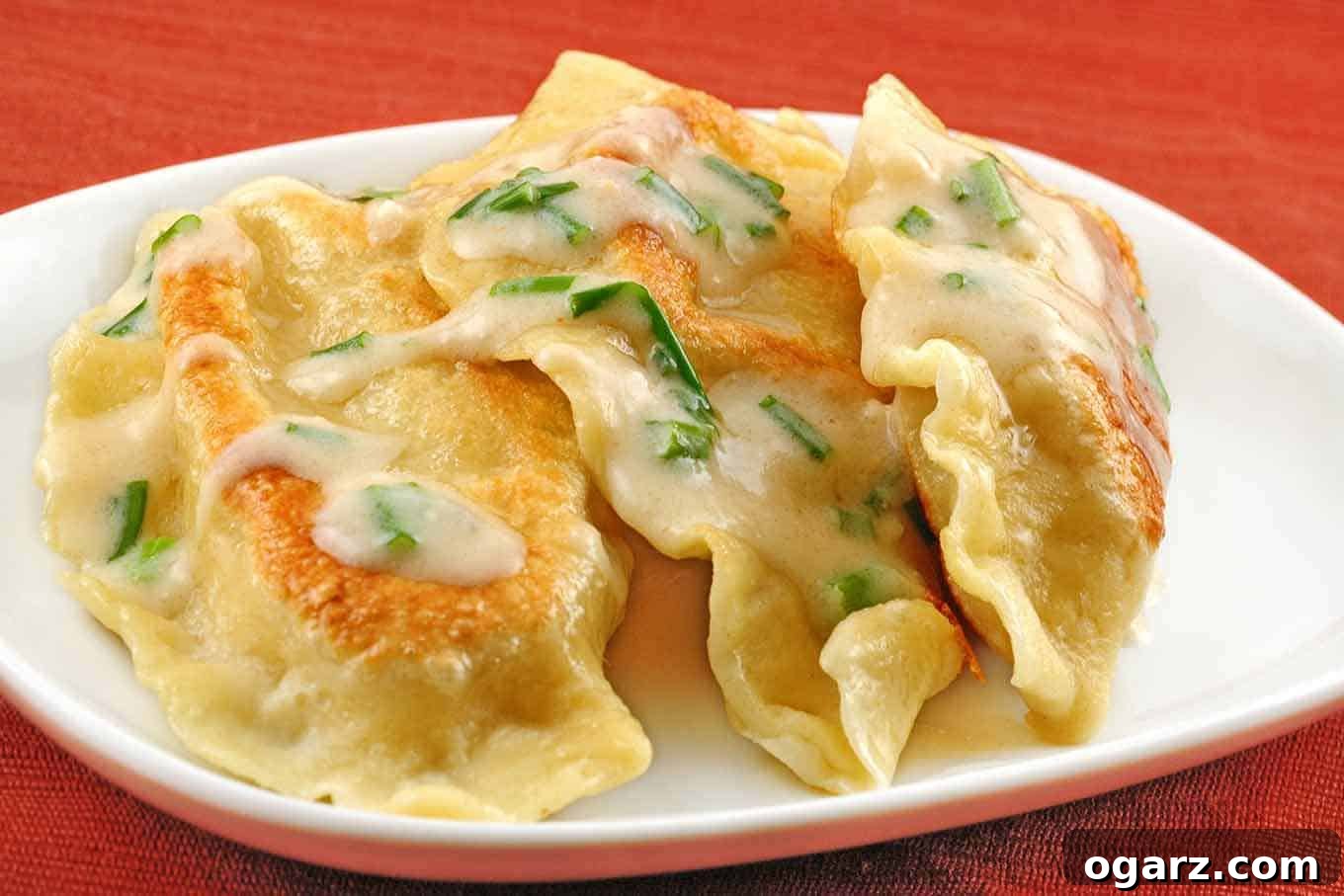
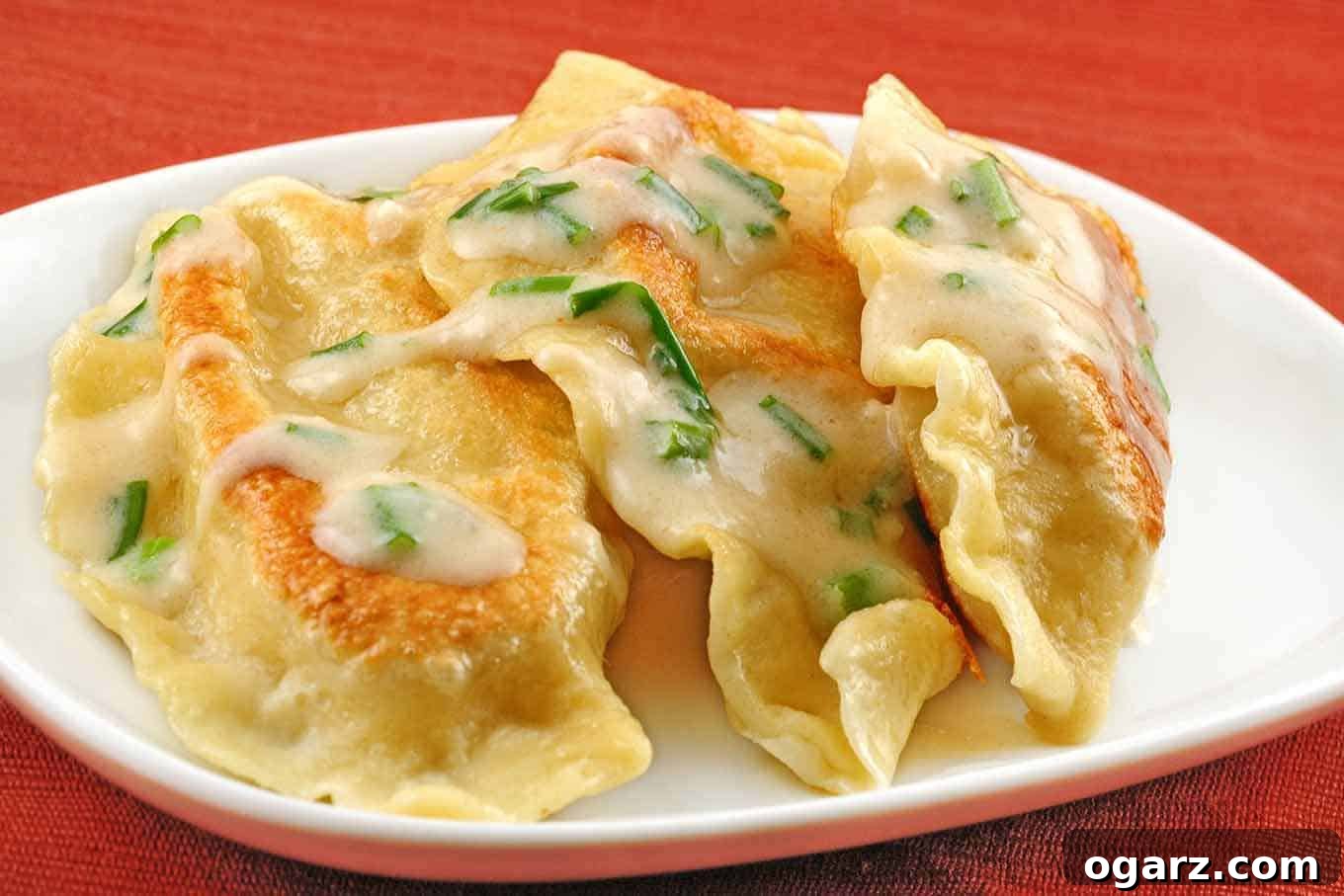
Embark on a culinary journey to Eastern Europe with a plate of classic Potato and Cheese Pierogi. These beloved Polish dumplings, often regarded as a quintessential comfort food, are a testament to simple ingredients yielding extraordinary flavor. While the idea of making dumplings from scratch might seem daunting, the reward of biting into a perfectly tender, savory pierogi filled with creamy potatoes and rich cheese is truly unparalleled. This comprehensive guide will walk you through crafting these traditional delights, from mixing the ideal dough to achieving that golden, crispy finish.
Our family recipe, refined over generations, pairs a fairly standard dough preparation method with a secret technique that produces an exceptionally light and tender finished product. The key to this tender texture lies not in aggressive kneading, but in a delicate approach: pinching off individual portions of dough and rolling them separately. This method prevents overworking the dough, ensuring each pierogi boasts a soft, melt-in-your-mouth quality that distinguishes it from denser, tougher versions. We’ve chosen a timeless potato-cheese filling for this recipe, serving these delectable dumplings as a hearty side dish, beautifully complemented by a bright and zesty sour cream, garlic, and chive sauce.
The Enduring Appeal of Pierogi: A Culinary Heritage
Pierogi are much more than just dumplings; they are a culinary institution in Poland and across many Eastern European cultures. Thought to have originated in Asia and traveled west through trade routes, these stuffed pockets of dough have been embraced and adapted, becoming deeply embedded in local traditions. From festive holiday meals to everyday family dinners, pierogi hold a special place on the table, symbolizing warmth, home, and heritage.
The beauty of pierogi lies in their versatility. While savory fillings like potato and cheese, meat, sauerkraut and mushroom, or various cheeses are popular, sweet versions filled with fruits like blueberries, cherries, or sweet cheese are equally cherished. This adaptability makes them a perfect dish for any occasion and palate. Whether boiled and served simply with melted butter or pan-fried until golden and crispy with caramelized onions, pierogi offer a comforting and satisfying experience. Making them at home allows for complete control over the quality of ingredients and the perfect balance of flavors, ensuring a truly authentic and delicious outcome.
Why Homemade Pierogi are Always Best
While frozen pierogi offer convenience, nothing compares to the taste and texture of freshly made, homemade pierogi. The dough, when prepared correctly, has a delicate chewiness that complements the creamy filling, a stark contrast to the often thick and rubbery store-bought varieties. Furthermore, making pierogi from scratch allows you to customize the filling to your exact preferences, using high-quality cheeses and perfectly seasoned potatoes.
Our recipe emphasizes a gentle touch, particularly with the dough. Overworking dough develops too much gluten, resulting in a tough pierogi. By rolling individual portions, we achieve a consistently tender dough that yields beautifully soft dumplings. This method, while requiring a bit more patience, ensures an end product that is far superior and well worth the effort. It’s a culinary practice passed down through generations, now shared with you to create your own cherished family tradition.
More Central European Delights You Might Love:
- Hungarian Noodle Dumplings (Nokedli)
- Easy Chicken Paprikas (Paprikash)
- Hungarian Stuffed Cabbage Rolls

Rating: 5 out of 5 stars from 7 votes
Potato and Cheese Pierogi
Lynne Webb
20 mins
1 hr 20 mins
1 hr 40 mins
8 servings
Rate Recipe
Print Recipe
Ingredients
For the Dough:
Creating the perfect pierogi dough is crucial for that desirable tender texture. This recipe ensures a pliable dough that is easy to work with and results in a light, delicate dumpling.
- 3-1/2 cups all-purpose flour, plus more for dusting
- 3 large eggs
- 2 tablespoons sour cream
- 3/4 to 1 cup water (start with 3/4 cup and add more gradually if needed)
For the Filling:
The classic potato and cheese filling is both comforting and flavorful. The key is to achieve a creamy, well-seasoned mixture with perfectly caramelized onions.
- 1-1/2 lbs baking potatoes, peeled and cut into 1-inch slices (Russet or Yukon Gold work best)
- 2 tablespoons unsalted butter
- 1 tablespoon extra-virgin olive oil
- 1 small sweet onion, finely chopped (Vidalia or Walla Walla are excellent choices)
- 1 clove garlic, minced
- 1/4 teaspoon dried thyme
- 3/4 to 1 cup grated dry farmer’s cheese (or a sharp cheddar for a bolder flavor)
- Kosher salt and freshly ground black pepper to taste
For the Finished Dish:
These ingredients are for pan-frying and topping your freshly made pierogi, adding a layer of rich flavor and texture.
- 1/2 stick butter, cut into 1 tablespoon portions
- 1 recipe Sour Cream Garlic-Chive Sauce (for a creamy, tangy topping)
Instructions
Follow these steps carefully to ensure tender dough, flavorful filling, and perfectly cooked pierogi.
For the Dough:
- In a large mixing bowl or the bowl of a stand mixer fitted with a dough hook, combine the flour, eggs, sour cream, and 1/2 cup of water. Begin to beat the eggs and mix, gradually adding the remaining water (up to 1 cup) until the mixture comes together and forms a cohesive dough.
- Turn the dough out onto a lightly floured surface. Knead it gently using a “dropping” technique: lift the dough from the surface and drop it down repeatedly. Continue kneading only until the ingredients are well blended and the dough feels smooth and slightly sticky, typically 3 to 5 minutes. The goal is to avoid overworking the dough, which can lead to tough pierogi.
- Shape the dough into a ball, wrap it tightly in plastic wrap, and let it rest at room temperature for at least 20 to 30 minutes while you prepare the filling. This resting period allows the gluten to relax, making the dough easier to roll.
For the Filling:
- Place the peeled and sliced potatoes in a medium pot. Add just enough cold, salted water to cover them. Bring the water to a boil over high heat and cook until the potatoes are fork-tender, which usually takes about 20 minutes.
- While the potatoes are cooking, melt the unsalted butter and olive oil together in a large sauté pan over medium heat. Add the chopped sweet onion, minced garlic, and dried thyme. Sauté, stirring occasionally, until the onion becomes translucent, about 2 minutes. Reduce the heat to low and continue cooking, stirring frequently, until the onions are lightly caramelized and deeply flavorful, about 20 minutes. You may need to add a touch more butter if the mixture appears too dry. Season the onion and garlic mixture with salt and pepper to taste, then set it aside to cool completely.
- Once the potatoes are soft, drain them thoroughly in a colander. Gently press out any remaining moisture. Return the drained potatoes to the pot, remove it from the heat, and add the cooled caramelized onion mixture along with the grated farmer’s cheese. Mash the ingredients together just until blended and any large lumps of potato are gone. Avoid over-mashing, which can make the filling gummy. Taste and adjust seasoning with additional salt and pepper as needed. Set the filling aside to cool while you roll out the pierogi dough.
Assemble and Cook:
- Bring a large pot of generously salted water to a rolling boil over high heat. With lightly floured hands, pinch off tablespoon-sized portions of the rested dough. Roll each portion into a smooth ball. These balls should be approximately 1-1/2 inches in diameter, and this recipe typically yields about 3 dozen pierogi.
- On a well-floured surface, gently roll each dough ball with a rolling pin until it is about 1/8 inch thick and forms a 3-1/2-inch round. As you finish rolling each round, cover them with a damp towel to prevent them from drying out, which can make sealing difficult.
- Once all your dough rounds are prepared, take one in the palm of your hand. Place a generous tablespoon of the cooled potato and cheese filling in the center of the round. Gently fold the dough round in half over the filling, aligning the edges. Carefully pull the edges away from the filling slightly and firmly pinch them shut to enclose the filling. Ensure the edges are completely sealed by working your way from one end to the other, creating a tight seam.
- As you assemble each pierogi, place them on a floured surface, ensuring they don’t touch each other, and cover them loosely with plastic wrap to prevent drying. This also gives the pierogi a little time to set before boiling.
- Working in batches, carefully drop no more than 6 pierogi at a time into the boiling water to avoid overcrowding the pot and lowering the water temperature too much. Once the pierogi float back to the surface, allow them to cook for another 2 to 4 minutes to ensure the dough is fully cooked. Remove the cooked pierogi from the water using a slotted spoon and place them on a clean kitchen towel or wire rack to drain and cool slightly.
Sauté and Serve:
- To finish the dish and achieve that irresistible golden crust, heat a tablespoon or two of butter in a large pan over medium heat. Briefly sauté the boiled pierogi in batches until they are slightly crispy and beautifully brown on the exterior. Transfer the sautéed pierogi to a serving dish and top generously with the Sour Cream Garlic-Chive Sauce. Serve immediately and enjoy!
Notes
The technique of rolling individual portions of pierogi dough for each dumpling significantly contributes to a more delicate and tender finished product. We first discovered this method in the May 2000 issue of “Fine Cooking Magazine,” and it has since become our preferred approach. Traditionally, many recipes, including our own family’s original method, involve rolling out large rectangles of dough, cutting circles with a biscuit cutter, and then re-rolling the scraps. While that method also works, the individual rolling technique truly elevates the texture, resulting in a lighter, more ethereal dumpling. (Sorry, Grandma, but sometimes new techniques just make things better!)
For best results, ensure your filling is completely cool before adding it to the dough. Warm filling can make the dough sticky and difficult to seal. Don’t be afraid to experiment with other fillings once you’ve mastered the potato and cheese! Common variations include ground meat, sauerkraut and mushrooms, sweet cheese, or various fruits for dessert pierogi.
Pierogi can be made ahead of time and frozen. After boiling and cooling, arrange them in a single layer on a parchment-lined baking sheet and freeze until solid. Once frozen, transfer them to an airtight freezer bag for up to 3 months. When ready to cook, you can either boil them from frozen (they may take a few extra minutes) or thaw them in the refrigerator before pan-frying.
Nutrition
Calories: 94, Total Fat: 4g, Cholesterol: 24mg, Sodium: 55mg, Carbohydrates: 12g, Fiber: 1g, Sugar: 1g, Protein: 3g
Nutrition information is automatically calculated and should be used as an approximation only. Actual values may vary based on specific ingredients and preparation methods.
Like this recipe? We’d love to hear from you! Please rate and comment below to share your experience and tips with our community.