
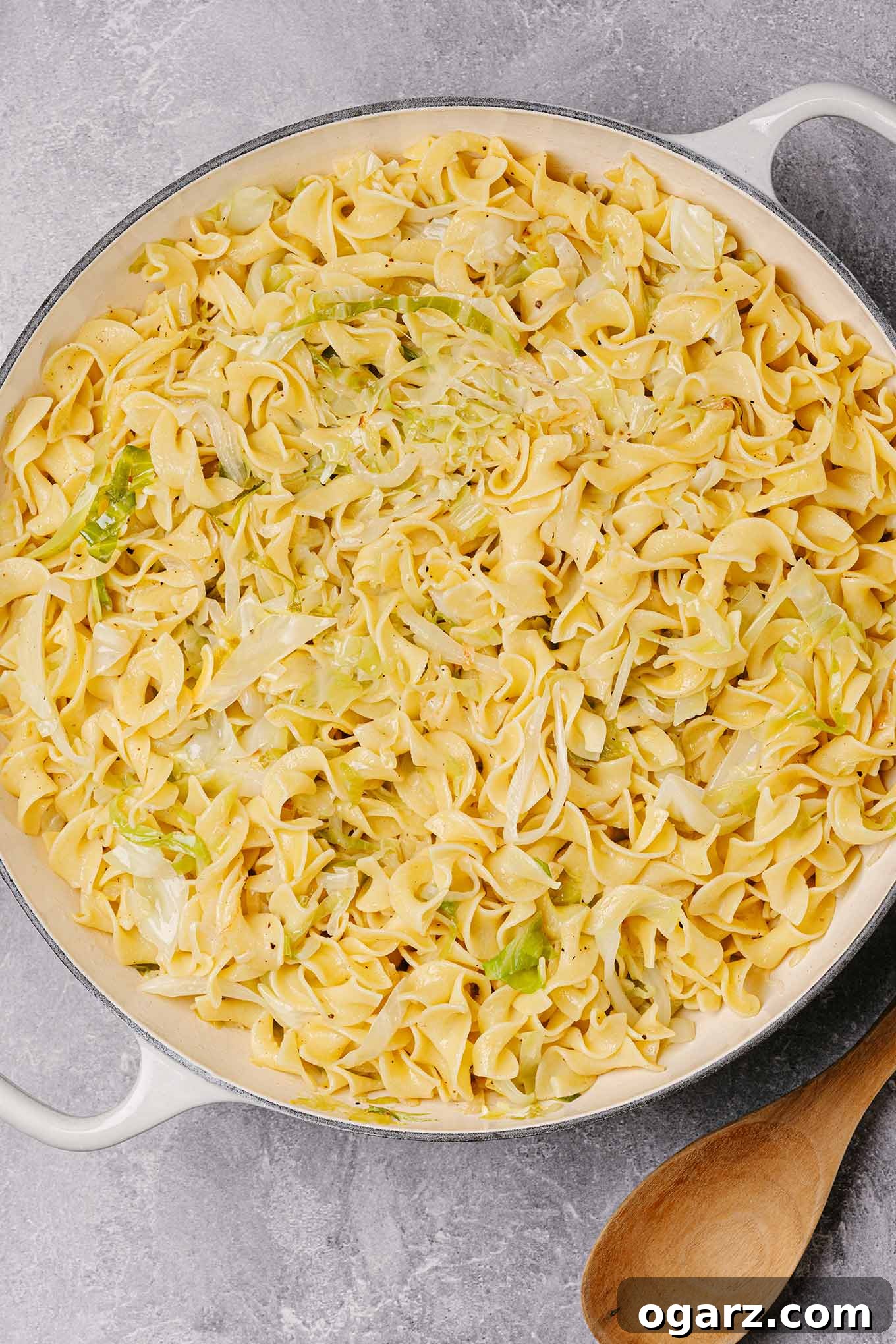
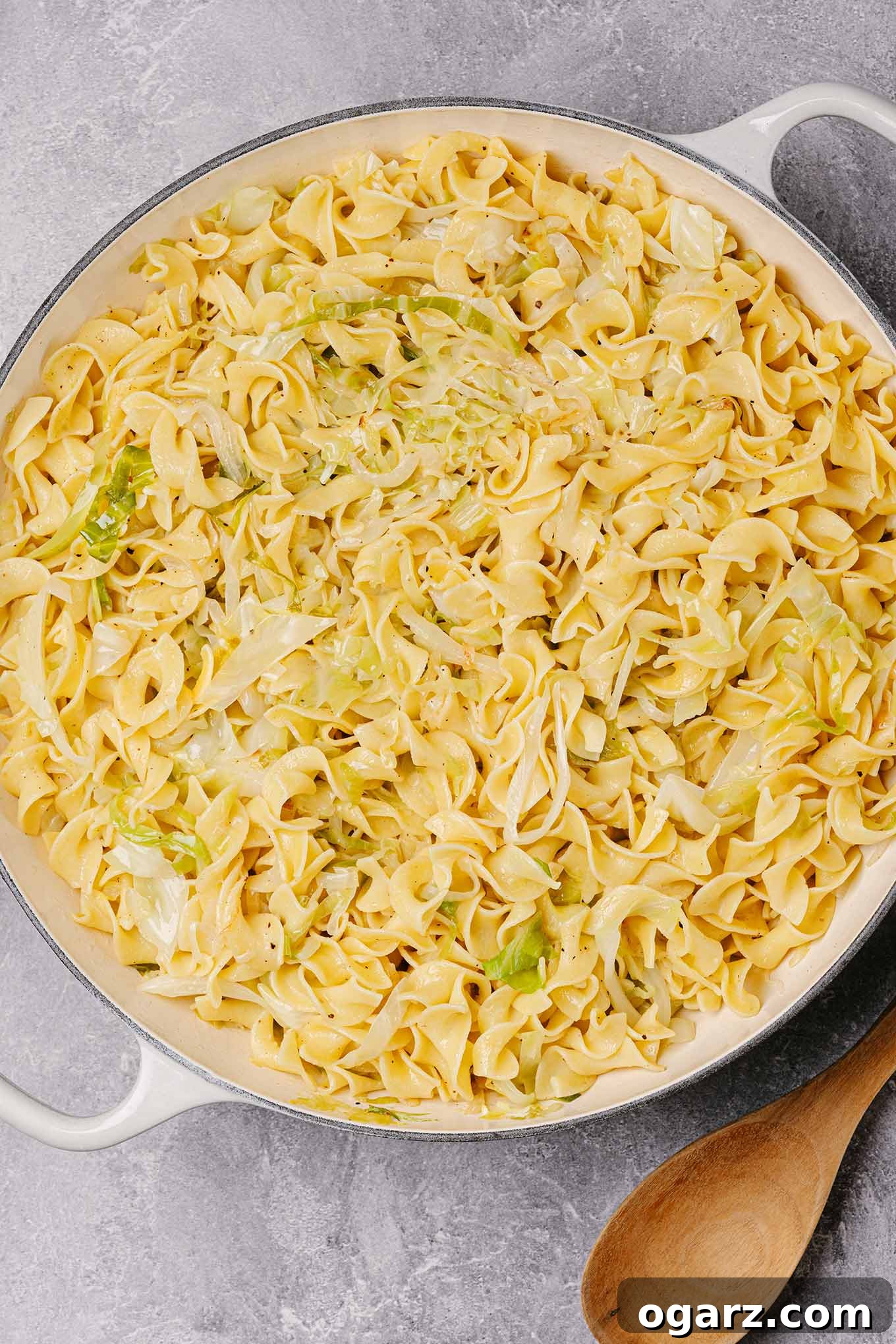
Authentic Hungarian Cabbage and Noodles (Káposztás Tészta): The Ultimate Comfort Food Side Dish
Few dishes evoke the warmth and nostalgia of home cooking quite like Hungarian Cabbage and Noodles, known in its homeland as Káposztás Tészta. This traditional Eastern European staple is more than just a recipe; it’s a culinary hug, a versatile side dish, and for many, an all-time favorite comfort food. Combining tender, buttery sautéed cabbage with perfectly cooked egg noodles, this dish is deceptively simple yet profoundly satisfying. Whether you’re looking for a hearty accompaniment to a main course or a standalone vegetarian meal, Káposztás Tészta delivers a harmonious blend of sweet, savory, and subtly creamy flavors that resonate with generations.
Our rendition of this beloved classic emphasizes ease of preparation without sacrificing authentic taste. The beauty of Káposztás Tészta lies in its straightforward process: cabbage and egg noodles are prepared separately to ensure optimal texture and flavor development, then gently combined and baked. This final baking step is crucial, allowing the ingredients to meld together, deepening their individual flavors into a cohesive, comforting whole that’s perfect for family dinners, holiday gatherings, or a cozy weeknight treat. Get ready to discover why this humble dish has remained a culinary cornerstone for centuries.
Unlocking Flavor: Essential Ingredients for Káposztás Tészta
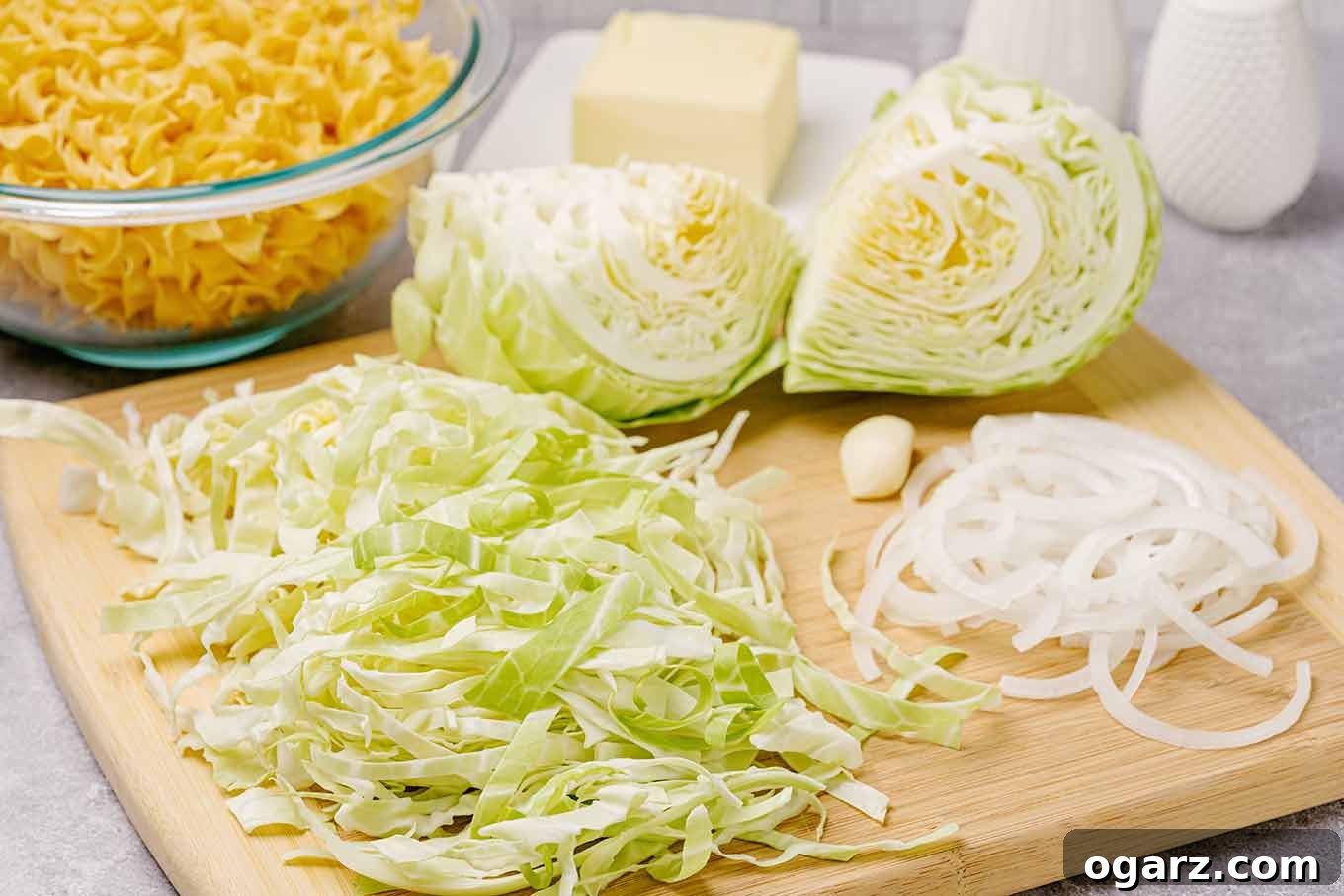
The magic of Hungarian Cabbage and Noodles truly begins with a handful of quality ingredients. While simple, each component plays a vital role in building the dish’s signature profile. Here’s a deeper look into the core ingredients that make Káposztás Tészta so incredibly delicious:
- Egg Noodles: The foundation of this dish, egg noodles offer a rich, substantial texture that beautifully complements the tender cabbage. Our recipe specifies a 12-ounce package, and while any type can work, we find that wider egg noodles provide the best mouthfeel, ensuring a satisfying bite in every forkful. For those conscious about dietary choices, yolk-free noodles are an excellent alternative; we’ve found they don’t compromise on either flavor or texture, making them a great option for maintaining the dish’s integrity. Consider varieties like “broad” or “extra wide” for that classic Hungarian feel.
- Fresh Green Cabbage: Cabbage is the star, bringing a unique sweetness and earthy depth when properly sautéed. We recommend using an average-sized head of green cabbage, which typically yields a generous 6 to 8 cups once cored and thinly sliced. The key here is not to skimp on the cabbage; a higher cabbage-to-noodle ratio is often preferred, as it ensures the vegetable’s robust flavor shines through and balances the richness of the noodles. Look for firm, fresh heads of cabbage with crisp, vibrant green leaves for the best results.
- Unsalted Butter: Butter is indispensable in Káposztás Tészta, providing the luxurious richness and nutty flavor that defines the dish. We advocate for unsalted butter to give you complete control over the seasoning. While traditional family recipes might call for more, we’ve carefully adjusted the amount, replacing some of the butter with chicken broth and half-and-half. This smart substitution significantly reduces fat and calories without compromising the comforting taste or texture, allowing the natural flavors to flourish.
- Low-Sodium Chicken Broth: This ingredient acts as a secret weapon, primarily used to deglaze the pan after the cabbage has begun to caramelize. Deglazing is a crucial step that captures all the flavorful browned bits (fond) from the bottom of the skillet, infusing the entire dish with a deeper, more complex savory profile. Using low-sodium broth ensures you can control the saltiness, while also helping the cabbage cook down without needing to be submerged in excessive butter.
- Half-and-Half or Light Cream: The addition of half-and-half in the final stages of cooking the cabbage introduces a delicate creaminess that elevates the dish. It’s lightly reduced, allowing it to be absorbed by the egg noodles during the baking process, resulting in a wonderfully moist and tender finish. If half-and-half isn’t available, a light cream can be used as a suitable substitute, adding that touch of richness without making the dish overly heavy.
- Salt and Freshly Ground Black Pepper: Proper seasoning is paramount. We season the cabbage incrementally as it cooks, building layers of flavor. A generous final grind of black pepper once the cabbage and noodles are combined provides a delightful punch of warmth and spice that beautifully enhances the overall taste. Don’t be shy with the pepper; it adds a vibrant counterpoint to the dish’s inherent sweetness.
- Onion: Though not always highlighted as a “key” ingredient, the thinly sliced onion (about 1/2 medium) is sautéed early in the process, providing a foundational aromatic sweetness that sets the stage for the cabbage. Its gentle caramelization with the butter creates a depth of flavor that is essential to the dish’s character.
By understanding the role of each of these core components, you’re well on your way to crafting a truly memorable Káposztás Tészta.
Crafting Káposztás Tészta: A Step-by-Step Guide
Making Hungarian Cabbage and Noodles is a straightforward process that yields incredibly delicious results. Follow these steps carefully to achieve the perfect balance of tender cabbage and flavorful noodles:
- Prepare Your Baking Dish: Begin by preheating your oven to 350°F (175°C). Lightly coat a large, shallow casserole dish with a nonstick cooking spray. This prepares the vessel for the final baking step, ensuring easy cleanup and preventing sticking.
- Cook the Egg Noodles: Bring a large pot of generously salted water to a rolling boil. Add the egg noodles and cook them according to the package directions until they are al dente (firm to the bite). Once cooked, drain them thoroughly and set them aside. Overcooked noodles can become mushy, so be mindful of the cooking time.
- Sauté the Onion: While the noodles are cooking, melt the unsalted butter in a large, deep frying pan or Dutch oven over medium heat. Add the thinly sliced onion and sauté gently for 3 to 4 minutes, or until the onion becomes translucent and slightly softened. This step builds the aromatic base for the cabbage.
- Wilt the Cabbage in Batches: Add about one-third of the thinly sliced cabbage to the pan. Season this portion with a pinch of salt and a grind of black pepper. Cook, stirring occasionally, until the cabbage wilts down, which typically takes 4 to 5 minutes. Repeat this process two more times with the remaining cabbage, adding one-third at a time and seasoning each batch. This method ensures the cabbage cooks evenly and allows you to season it in layers for optimal flavor.
- Caramelize the Cabbage: Once all the cabbage has been added and has wilted, continue cooking it in the pan. Stir frequently to prevent burning and allow the cabbage to lightly caramelize. This caramelization is key to developing its sweet, rich flavor. The total cooking time for the cabbage, from the moment you add the first batch until it’s lightly browned, should be about 25 minutes. Don’t rush this step, as it’s crucial for flavor development.
- Deglaze the Pan: Pour the low-sodium chicken broth into the pan with the caramelized cabbage. Using a wooden spoon or spatula, scrape up any browned bits (fond) that have accumulated on the bottom of the pan. These bits are packed with flavor and will enrich your sauce. Stir well to incorporate the fond into the cabbage mixture. Taste the cabbage and adjust the seasoning with more salt and pepper if necessary.
- Add Creaminess and Combine: Stir in the half-and-half (or light cream) and cook for just 1 minute longer, allowing it to gently warm through. Then, add the cooked and drained egg noodles to the pan with the cabbage mixture. Mix everything thoroughly until the noodles are evenly coated and combined with the buttery cabbage. Taste the entire mixture once more for seasoning, and if desired, add a few generous grinds of fresh black pepper for an extra kick.
- Bake to Perfection: Transfer the combined cabbage and noodle mixture to the prepared casserole dish. Cover the dish tightly with aluminum foil. Bake in the preheated oven for 45 to 50 minutes. This baking period allows the flavors to truly meld and deepen. After this time, uncover the casserole and continue baking for an additional 10 minutes. This final step helps to slightly crisp the top and allows any excess moisture to evaporate. Serve warm and enjoy your homemade Káposztás Tészta!
Add Your Own Spin: Popular Ingredient Additions & Variations
One of the most appealing aspects of Hungarian Cabbage and Noodles is its incredible versatility. While delicious in its classic form, it also serves as a fantastic canvas for your culinary creativity. Here are some popular additions and variations to give this comfort food your unique personal touch:
- Smoked Bacon: For an irresistible smoky depth, cut a few strips of bacon (about 4-6 slices) into 1/2-inch pieces and fry them in your pan until they are perfectly crisp. Drain the bacon bits on paper towels, reserving them until you’re ready to combine the cabbage and noodles before baking. For an extra layer of flavor, leave a small amount of the rendered bacon fat in the pan when you begin sautéing the onion, allowing its savory essence to permeate the dish from the start.
- Hearty Smoked Sausage: If you’re looking to transform this side into a more substantial meal, consider adding diced smoked sausage. Polish kielbasa is an excellent choice, bringing a garlicky, savory profile that pairs wonderfully with cabbage. Simply dice a single link (or more, to your preference), sauté it until beautifully browned, then remove it from the pan. Proceed with the recipe by adding your butter and sautéing the onion and cabbage, combining the cooked sausage back in with the noodles before baking.
- Creamy Sour Cream & Paprika: For an even creamier, richer version of these cabbage noodles, stir in some warmed sour cream after the dish has finished baking. The tanginess of sour cream adds a delightful contrast to the sweet cabbage. To enhance the Hungarian character, a sprinkle of sweet Hungarian paprika (not spicy, unless you prefer heat) can be added along with the sour cream for a beautiful color and a subtly peppery, earthy note.
- Sweet Caramelized Onions: If you’re a true enthusiast of the sweet, deep flavor of caramelized onions, you can elevate this dish significantly. Triple the amount of onion called for in the recipe (using 1.5 medium onions). Using about half of the butter designated for the entire recipe, sauté the onions over medium-low heat until they are wonderfully soft, deeply golden brown, and intensely sweet. This slow caramelization will take approximately 15 to 20 minutes. Once done, remove the caramelized onions with a slotted spoon before adding the remaining butter and beginning to sauté the cabbage. Combine all components back together before the final baking step.
- Make it Italian-Style: While undeniably Hungarian, the concept of pasta and cabbage lends itself beautifully to other cuisines. We’ve developed an Italian-inspired take on this recipe that substitutes traditional egg noodles with a fun pasta shape like cavatappi. It incorporates classic Italian flavors such as Parmesan cheese, fresh thyme, and a generous helping of garlic. If this sounds appealing, you can explore our recipe for Parmesan Pasta With Cabbage and Thyme for a delightful cross-cultural experience.
- Caraway Seeds: For an authentic Eastern European touch, a teaspoon of caraway seeds added with the cabbage as it begins to wilt will impart a warm, slightly anise-like flavor that complements cabbage exceptionally well.
- Mushrooms: Sautéed mushrooms (cremini or white button) can add an earthy, umami depth. Add them to the pan with the onions for a few minutes before the cabbage.
Make It a Meal: Perfect Pairings for Káposztás Tészta
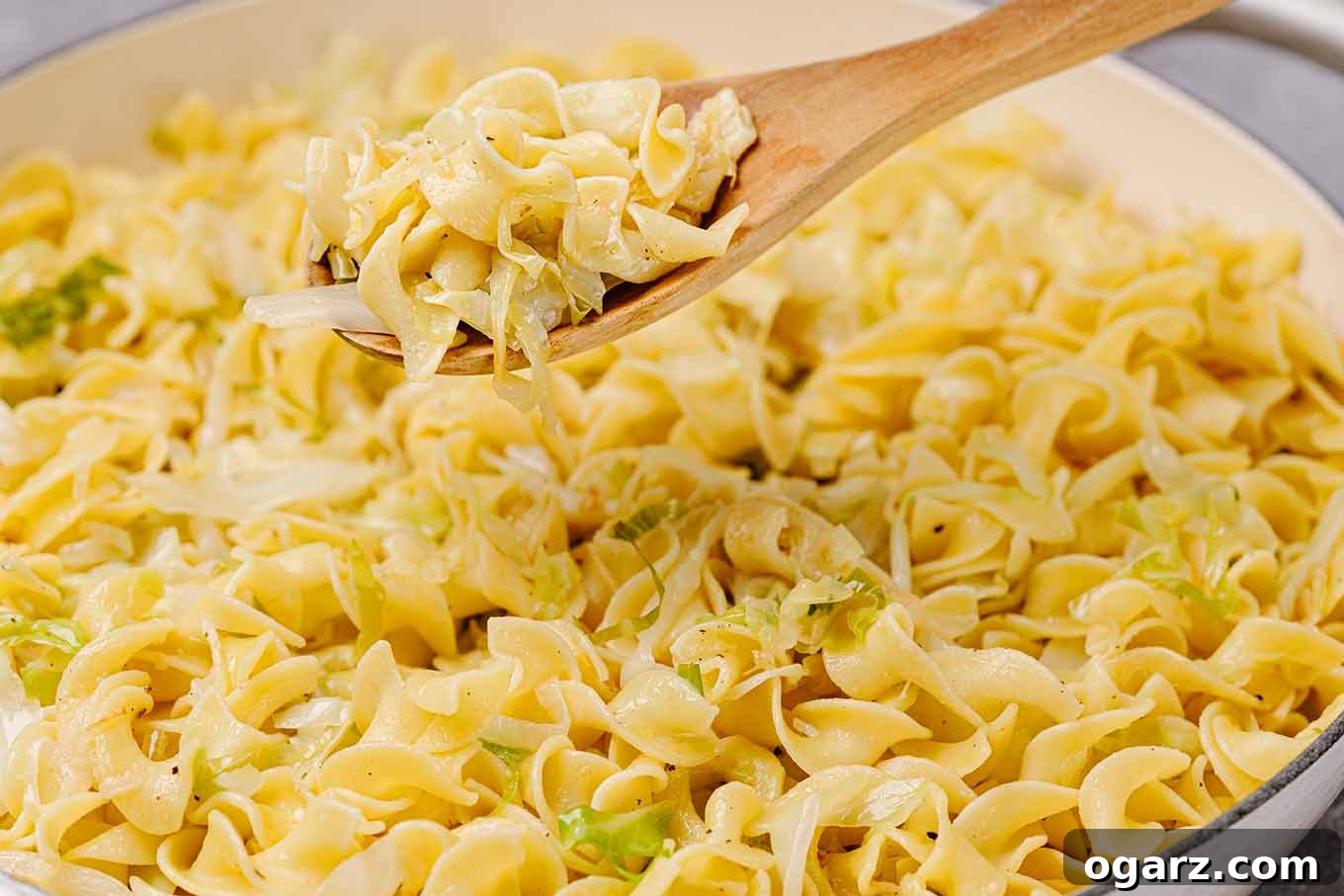
Hungarian Cabbage and Noodles, with its rich and comforting profile, makes an outstanding side dish that pairs wonderfully with a variety of main courses. Its versatility allows it to complement both robust meats and lighter options. Here are some of our favorite main dishes that will turn your Káposztás Tészta into a complete, satisfying meal:
- Succulent Pork Roast: For an easy yet elegant Sunday dinner, consider serving Káposztás Tészta alongside our Garlic and Herb Crusted Boneless Pork Roast. The savory herbs and tender pork create a perfect harmony with the sweet, buttery noodles and cabbage. Complete this comforting meal with a simple green vegetable such as buttered green beans or lightly steamed spinach for a burst of freshness.
- Classic Pork Chops: Continue the comfort food theme by pairing these noodles with some crispy breaded pork chops. The crunchy exterior of the chops offers a delightful textural contrast to the soft noodles and cabbage. For a truly classic pairing, round out the meal with a side of sweet homemade applesauce and creamy creamed spinach.
- Hearty Roast Chicken: The next time you plan to prepare a golden-brown roasted chicken, make a batch of Káposztás Tészta ahead of time. Keep it warm while the chicken roasts, then serve them together. The delicate flavors of roast chicken are beautifully enhanced by the savory-sweet notes of the cabbage and noodles. A side of vibrant glazed carrots adds color and a touch of sweetness to this wholesome meal.
- Flavorful Boneless Chicken Thighs: When you have leftover Hungarian Cabbage and Noodles, they reheat beautifully and make for a quick and easy dinner. Serve them with our fast and simple Oven-Roasted Chicken Thighs. The rich chicken thighs provide a satisfying protein, and adding a big, crisp green salad with ranch dressing will complete a balanced and flavorful weeknight dinner.
- Beef Goulash or Stew: For a truly Hungarian experience, serve Káposztás Tészta alongside a hearty beef goulash or a rich beef stew. The noodles and cabbage will soak up the savory sauce, creating an incredibly satisfying and authentic meal.
- Vegetarian Options: For a meat-free meal, Hungarian Cabbage and Noodles can be enjoyed on its own as a main course, or paired with a crisp garden salad, roasted root vegetables, or a simple vegetable soup for a lighter but equally delicious option.
Hungarian Cabbage and Noodles Recipe (Káposztás Tészta)
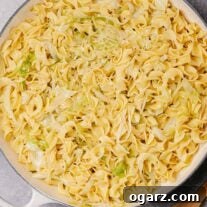
Hungarian Cabbage and Noodles
By Lynne Webb
This classic Hungarian cabbage and noodles recipe (Káposztás Tészta) combines buttery sautéed cabbage and tender egg noodles for a comforting, make-ahead-friendly side dish.
Prep Time: 15 mins
Cook Time: 55 mins
Total Time: 1 hr 10 mins
Servings: 8 servings
Ingredients
- 12 ounces broad egg noodles
- 1/2 cup unsalted butter (1 stick)
- 1/2 medium onion, thinly sliced (about 3/4 cup)
- 1 head cabbage, thinly sliced (6 to 8 cups)
- 1 teaspoon salt, plus more to taste
- 1/2 teaspoon freshly ground black pepper, plus more to taste
- 1/4 cup low-sodium chicken broth
- 1/4 cup half-and-half or light cream
Instructions
- Preheat the oven to 350°F and lightly coat a large, shallow casserole dish with nonstick spray.
- Bring a large pot of salted water to a boil. Cook the egg noodles according to the package directions, then drain and set aside.
- While the noodles cook, melt the butter in a large skillet over medium heat. Add the onion and sauté until softened slightly, about 3 to 4 minutes.
- Add one-third of the sliced cabbage, season with salt and pepper, and cook until wilted, about 4 to 5 minutes. Repeat in batches with the remaining cabbage, seasoning each time.
- Once all the cabbage is in the pan, continue cooking, stirring often, until lightly caramelized, about 25 minutes total.
- Deglaze the pan with the chicken broth, scraping up any browned bits from the bottom. Taste and adjust the seasoning as needed.
- Stir in the half-and-half and cook for 1 more minute. Add the cooked egg noodles and mix until evenly combined. Taste again and season with additional black pepper, if desired.
- Transfer the mixture to the prepared casserole dish. Cover tightly and bake for 45 to 50 minutes. Uncover and bake for 10 minutes more, then serve warm.
Notes
Make Ahead, Storage, and Leftover Tips
This dish can be assembled ahead and baked later. Prepare up to the baking step, cover, and refrigerate for up to 2 days. Add about 10 minutes to the baking time if chilled.
Leftovers keep well for up to 3 days and reheat best in a 325°F oven, tightly covered, for 30 to 45 minutes depending on the portion size. For quicker reheating, use the microwave at 70% power, stirring occasionally for even warming.
Nutrition
Total Fat: 14g,
Cholesterol: 69mg,
Sodium: 321mg,
Carbohydrates: 36g,
Fiber: 3g,
Sugar: 4g,
Protein: 8g
Nutrition information is automatically calculated, so should only be used as an approximation.
Frequently Asked Questions About Káposztás Tészta
To help you master this delightful dish, here are answers to some common questions:
- Can I use different types of noodles? While wide egg noodles are traditional and recommended for their texture, you can experiment with other pasta shapes. Broad, flat noodles like fettuccine or tagliatelle can work, or even smaller shapes like cavatappi for a different feel, as explored in our Italian variation.
- Can I make this dish vegetarian or vegan? Absolutely! For a vegetarian version, simply substitute chicken broth with vegetable broth. To make it fully vegan, use a plant-based butter alternative and an unsweetened plant-based cream (like oat or soy cream) instead of half-and-half. Ensure your egg noodles are egg-free or use a suitable vegan pasta.
- What kind of cabbage is best? Green cabbage is the standard and best choice for Káposztás Tészta. Its mild flavor and crisp texture that softens beautifully upon cooking are ideal. Red cabbage can be used, but it will change the color and add a slightly different, more peppery flavor.
- How do I get the cabbage to caramelize perfectly? Patience is key! Ensure your pan is large enough so the cabbage isn’t overcrowded, which can steam it instead of browning. Cook over medium heat, stirring frequently, and allow enough time for the natural sugars in the cabbage to develop that lovely golden-brown hue. Cooking in batches helps prevent overcrowding.
- Can I freeze Hungarian Cabbage and Noodles? Yes, you can freeze leftovers. Allow the dish to cool completely, then transfer it to freezer-safe containers. It will keep well for up to 2-3 months. Thaw overnight in the refrigerator before reheating in the oven or microwave.
Why Káposztás Tészta Remains a Beloved Comfort Food
The enduring popularity of Hungarian Cabbage and Noodles stems from more than just its simple ingredients and straightforward preparation. It embodies the essence of comfort food – dishes that are warm, satisfying, and often carry sentimental value. For many, Káposztás Tészta is a taste of heritage, a recipe passed down through generations, reminding them of family gatherings and cherished moments. Its unassuming appearance belies a depth of flavor that is both hearty and subtly complex, proving that the most comforting meals are often the least complicated. Whether it’s the tender embrace of the buttered noodles, the sweet earthiness of the caramelized cabbage, or the wholesome satisfaction it brings, this dish has a special way of making any meal feel like home. It’s a testament to the power of simple, honest cooking to create something truly extraordinary and universally loved.