
Table of Contents
- Why Mayonnaise for Roast Turkey?
- Essential Ingredients for Your Perfect Turkey
- Step-by-Step Guide to Herb Roasted Turkey
- Our Recommended Herb Roasted Turkey Dinner Menu
- Versatile Mayonnaise Coating: Beyond Turkey
- Herb Roasted Turkey With Mayonnaise Coating (Printable Recipe)
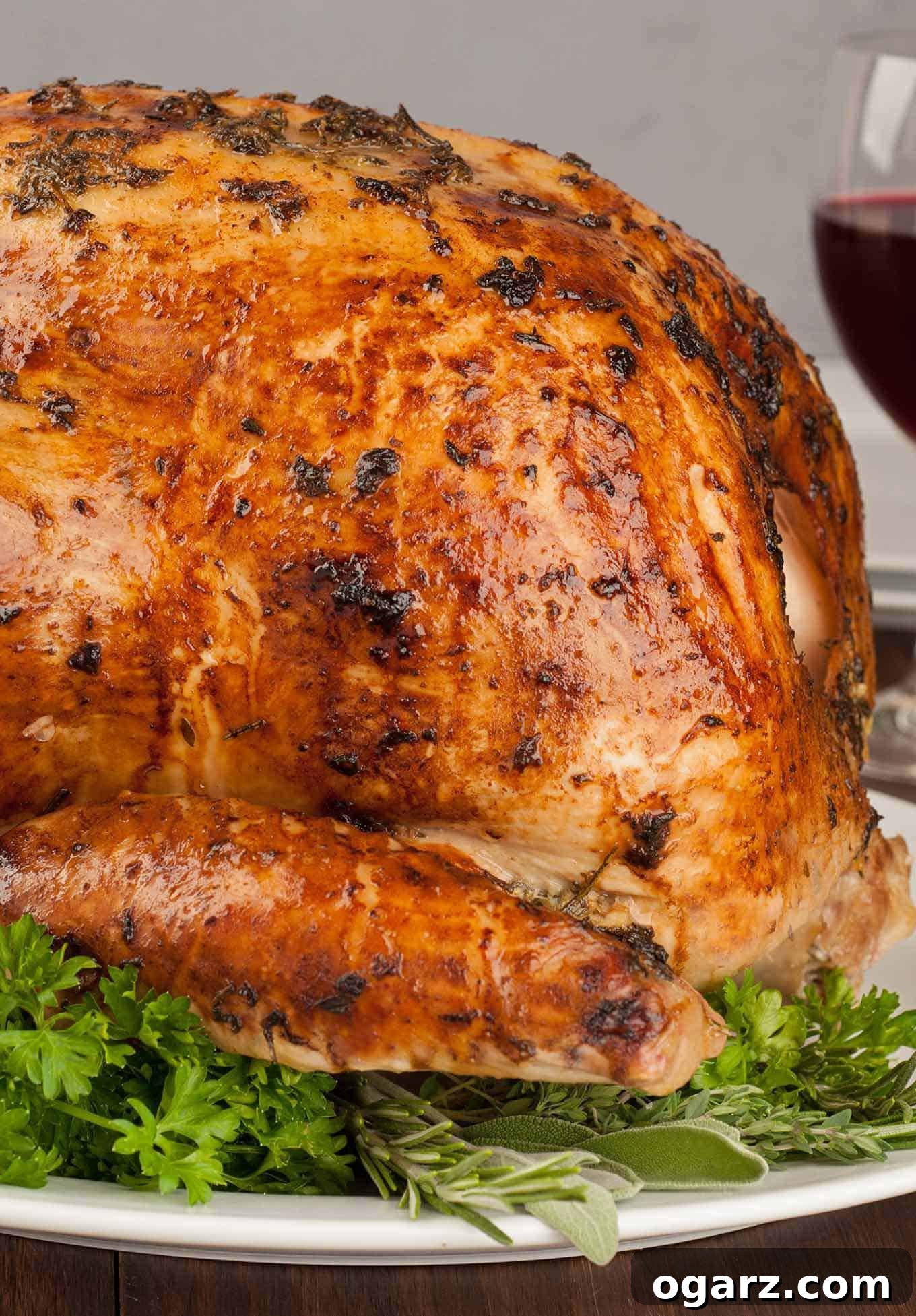
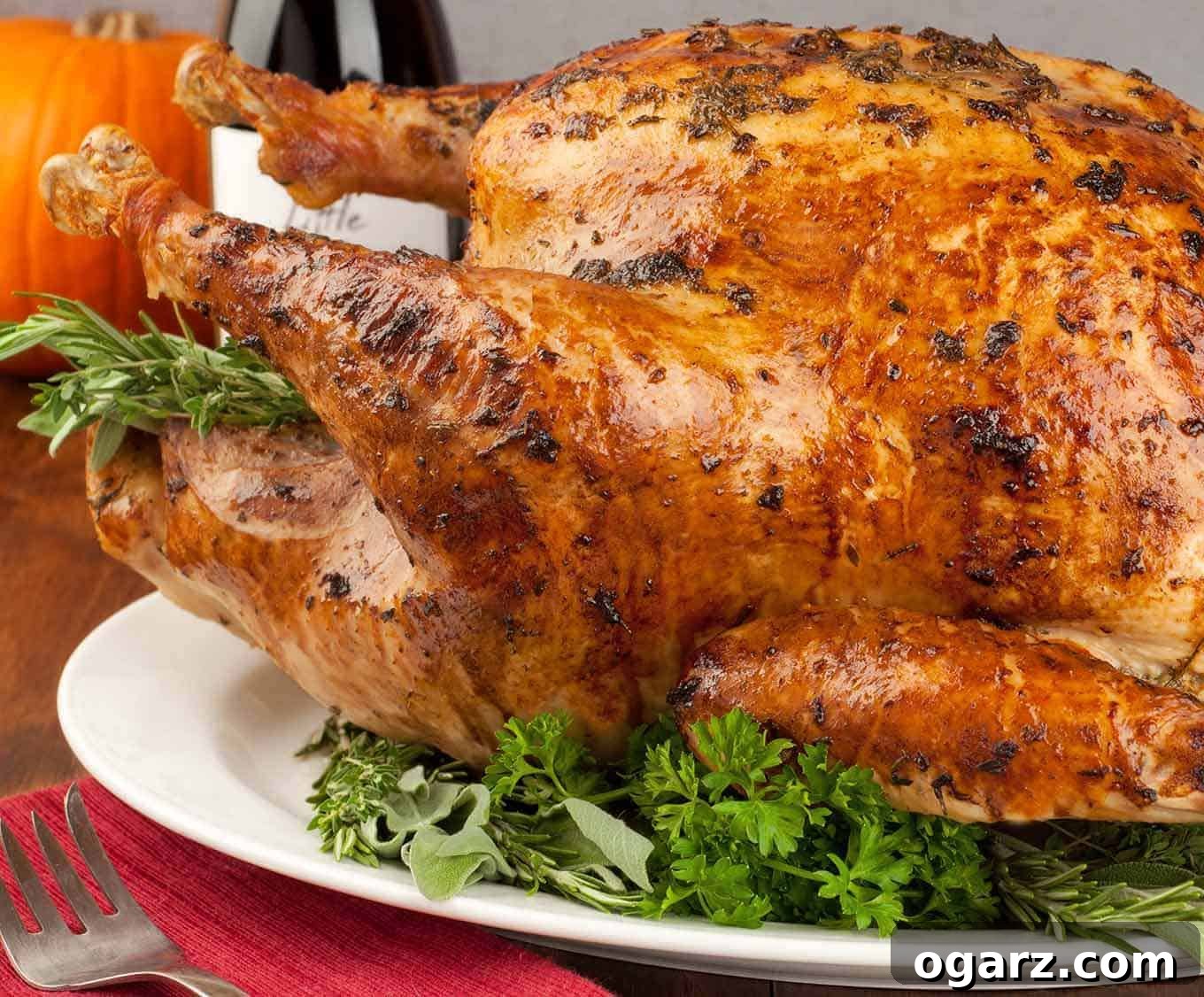
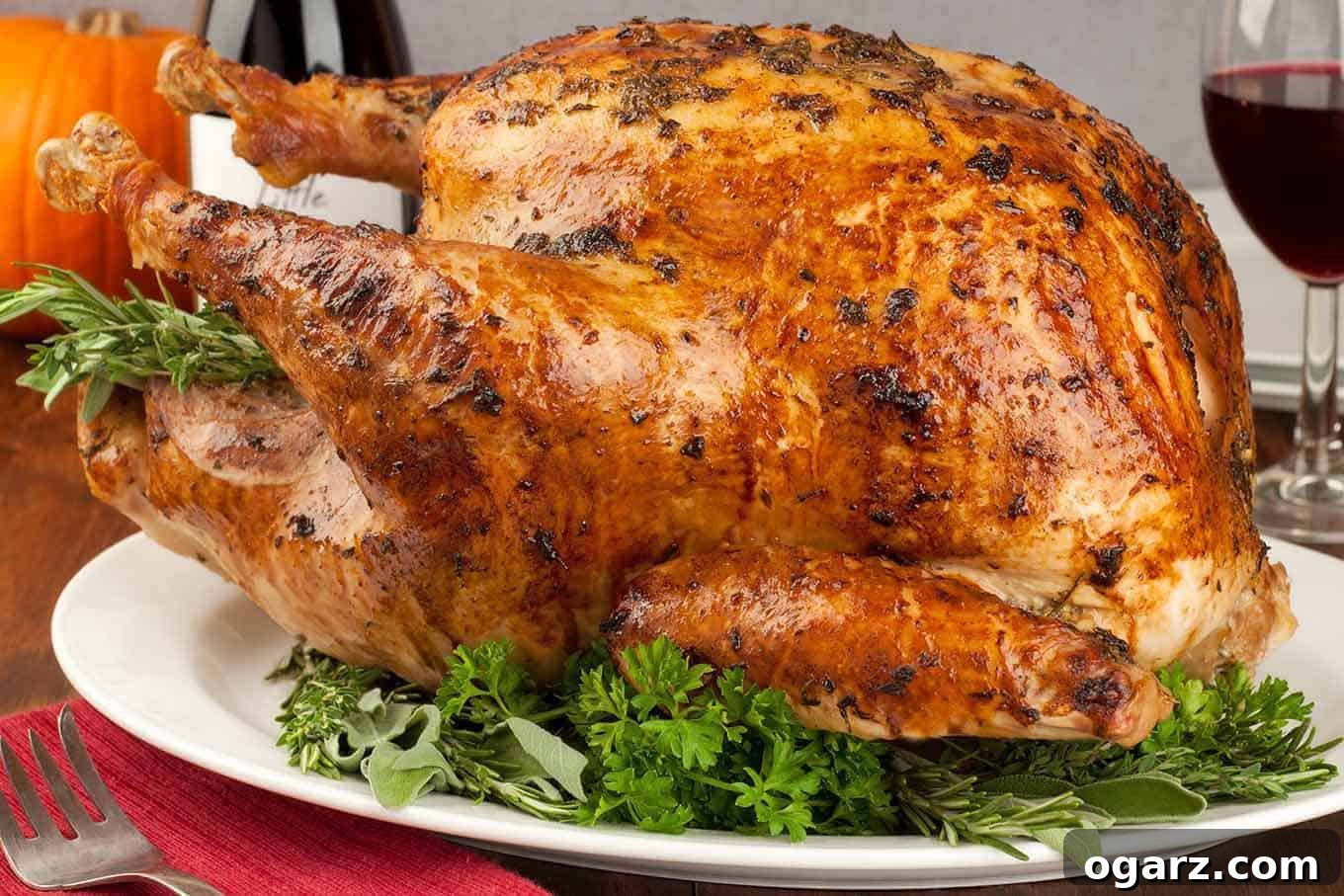
The thought of serving a dry, lackluster holiday turkey can cast a shadow over any festive meal. But what if there was a simple, virtually foolproof method to guarantee a moist, tender, and beautifully golden-brown turkey every time? This innovative recipe, featuring a unique mayonnaise and fresh herb coating, promises to banish dry turkey fears forever. It’s a game-changer that not only locks in moisture and infuses incredible flavor but also eliminates the need for constant basting, freeing you to enjoy your holiday celebrations with minimal kitchen fuss.
This approach transforms your turkey into a self-basting marvel, delivering consistent results that will impress your guests and bring a sigh of relief to any home chef. Say goodbye to guesswork and hello to a perfectly roasted turkey, rich with aromatic herbs and boasting an irresistibly crispy, golden skin.
Why Mayonnaise for Roast Turkey?
For many years, we’ve experimented with various methods to achieve that elusive, perfectly roasted turkey – tender, juicy, and bursting with flavor. Our journey led us to this remarkably simple yet incredibly effective technique: coating the turkey with mayonnaise. This method stands out as the easiest way we’ve discovered to ensure consistently exceptional results.
The secret lies in the mayonnaise itself. When generously spread both under and over the turkey skin, it creates a protective barrier that seals in the bird’s natural juices. Mayonnaise is primarily an emulsion of oil and eggs, which are excellent at conducting heat and promoting even browning. The oil contributes to a wonderfully crispy skin, while the fat helps to tenderize the meat underneath, preventing it from drying out during the long roasting process.
A common misconception is that the roasted turkey will taste like mayonnaise. We can confidently reassure you: it absolutely does not. The mayonnaise undergoes a transformation in the high heat of the oven, its distinct flavor dissipating and leaving behind only a rich, savory crust and deeply moisturized meat. What remains is a subtle tang and a beautiful richness that enhances the turkey’s natural taste, rather than overpowering it. Infused with fresh herbs, the mayonnaise acts as a fragrant, flavorful marinade that penetrates the skin and enhances every bite.
This technique turns your turkey into a “self-basting” masterpiece. Once it’s in the oven, the mayonnaise coating works its magic, requiring minimal intervention from you. This hands-off approach allows you to focus on other aspects of your holiday meal or, even better, to simply relax and enjoy the festive atmosphere without constantly checking and basting the bird.
Essential Ingredients for Your Perfect Turkey
Understanding your ingredients is key to culinary success. Here’s what you need to know about the key components of this recipe. The full list, including precise quantities, is conveniently located in the printable recipe card further down.
- WHOLE TURKEY: This recipe is specifically designed for a 10 to 13-pound turkey, which is an ideal size for family gatherings or smaller holiday meals, ensuring it cooks thoroughly and evenly. When selecting your bird, we highly recommend choosing an all-natural, fresh turkey. Look for labels indicating minimal added ingredients or solutions, as this will give you the purest turkey flavor and texture. If using a frozen turkey, ensure it is fully defrosted in the refrigerator well in advance of cooking.
- MAYONNAISE: For this recipe, the quality and type of mayonnaise truly matter. Opt for regular, full-fat mayonnaise. Its rich oil and egg content are crucial for achieving that desirable golden-brown skin and succulent meat. Steer clear of reduced-fat, alternate oil, plant-based, cholesterol-free, or any “mayo-like dressing.” These variations often contain stabilizers, less fat, or different emulsifiers that won’t deliver the same moisture-locking and browning properties essential for this technique.
- FRESH HERBS: The aromatic foundation of this turkey comes from a classic poultry blend of fresh thyme, sage, and rosemary. These herbs are incorporated into the mayonnaise coating and also tucked inside the turkey’s cavity to infuse a deeper, more complex flavor. During the holiday season, many grocery stores offer convenient pre-packaged poultry herb blends that include these three. Depending on their freshness and size, you might need to purchase more than one package to ensure you have enough vibrant, fragrant herbs for both the coating and the cavity. Fresh herbs are paramount here; dried herbs will not provide the same bright, aromatic impact.
- AROMATIC VEGETABLES: To further enhance the turkey’s flavor and create a rich base for your pan drippings, we stuff the cavity with humble yet potent aromatic vegetables: quartered onion, chopped celery, and carrot pieces. As the turkey roasts, these vegetables gently steam from the inside, releasing their essences into the bird and mingling with the drippings in the pan, which are essential for making a delicious gravy. They don’t just add flavor; they also help maintain a moist internal environment for the turkey.
Step-by-Step Guide to Herb Roasted Turkey
Ready to prepare this show-stopping centerpiece? Here’s a quick overview of how it’s done, followed by detailed, step-by-step instructions in the comprehensive recipe card below. These steps are designed to ensure success, even for first-time turkey roasters.
PREPARE THE TURKEY: Begin by coating your roasting pan and its rack with a generous layer of nonstick cooking spray. This crucial step prevents the turkey from sticking and makes cleanup much easier. Carefully remove any giblets or the neck from the turkey’s cavity. Drain any accumulated liquid and then, using paper towels, thoroughly pat the turkey dry both inside and out. This step is critical for achieving crispy skin. Season the cavity generously with salt and pepper, then stuff it with the fresh rosemary, thyme, sage, quartered onion, celery pieces, and carrot. These aromatics will infuse the turkey with flavor from the inside. Tuck the wings behind the bird’s back to prevent them from burning and to help the turkey sit more stably. Secure the drumstick ends together with kitchen twine, forming a compact shape that promotes even cooking. Place the prepared turkey, breast side up, on the roasting rack. Allow it to sit uncovered at room temperature for 1 hour; this “chill-off” period helps promote even cooking and a crispier skin.
PREHEAT THE OVEN: Position an oven rack in the lower third of your oven. Preheat your oven to 425°F (220°C). If you are fortunate enough to have a convection oven, we highly recommend turning off the fan for roasting turkey to prevent the skin from browning too quickly before the meat is cooked. If your convection oven doesn’t allow for the fan to be turned off, reduce the initial roasting temperature to 400°F (200°C) to compensate for the more intense heat circulation.
COAT THE TURKEY WITH HERBED MAYONNAISE: In a medium mixing bowl, combine the mayonnaise with the finely chopped fresh sage, thyme leaves (stripped from their stems), chopped fresh rosemary leaves (also stripped from stems), and garlic powder. Mix until all ingredients are well incorporated and the mixture is fragrant. This is your flavorful herb coating. Now, for the critical step: starting at the tail end of the turkey, gently work your fingers under the skin of the breast. The goal is to loosen the skin from the meat, creating a pocket for the mayonnaise. Be extremely careful not to tear the skin or detach it completely, as it acts as a protective layer. Using a spoon, carefully place a small dollop of the herbed mayonnaise mixture under the skin on either side of the breast. Remove the spoon and use your fingers from the outside of the skin to gently spread the mayonnaise as evenly as possible over the breast meat, underneath the skin. Next, using a spatula or your hands, thoroughly coat the entire exterior of the turkey with half of the remaining mayonnaise-herb mixture. Pay special attention to getting the mixture into all the crevices where the legs and wings meet the body. Finally, season the entire exterior of the coated turkey as evenly as possible with salt and freshly ground black pepper.
START ROASTING THE TURKEY: Confirm your oven rack is in the lower portion and the oven is preheated to 425°F (220°C). Pour 2-1/2 cups of low-sodium chicken broth into the bottom of the roasting pan. This broth will prevent pan drippings from burning, add moisture to the oven, and become the flavorful base for your gravy. Place the turkey in the preheated oven and roast for an initial 30 minutes at 425°F. This high initial temperature helps to crisp the skin and jump-start the browning process. After 30 minutes, carefully rotate the roasting pan 180 degrees in the oven to ensure even browning across the entire bird. Immediately reduce the oven temperature to 325°F (160°C). Continue roasting for an additional 45 minutes. At this point, remove the turkey from the oven and coat it thoroughly with the remaining half of the herbed mayonnaise mixture. This second application ensures maximum moisture and flavor. Add another 3/4 to 1 cup of chicken broth to the roasting pan to replenish liquids. Return the turkey to the oven, rotating the pan again.
CONTINUE ROASTING THE TURKEY: For a whole, unstuffed turkey, the general guideline for roasting time is approximately 13 minutes per pound. Given this, and depending on the exact size of your turkey, you can expect to cook the bird for an additional 1 to 1-3/4 hours from this point. However, roasting times can vary significantly based on your oven, the turkey’s exact starting temperature, and its shape, so monitoring is key. Begin checking the internal temperature approximately 45 minutes after returning the turkey to the oven for its second round of roasting, and then every 15 to 20 minutes thereafter.
Tip for Checking Temperature: To ensure an accurate reading, insert an instant-read thermometer into the meatiest part of the turkey thigh, making sure the thermometer probe does not touch the bone, as this will give a false high reading. The turkey is fully cooked and safe to eat when the internal temperature of the thigh registers 165°F (74°C). Once the turkey reaches this temperature, remove it from the oven immediately. Carefully transfer the turkey to a large carving board or platter. Tent it loosely with aluminum foil and allow it to rest for at least 30 minutes before carving. This resting period is crucial; it allows the juices to redistribute throughout the meat, ensuring every slice is incredibly tender and moist.
MAKE THE PAN GRAVY: While your beautiful turkey is resting, it’s the perfect time to make a rich, flavorful gravy from the pan drippings. First, carefully skim off any excess fat from the pan juices using a spoon or a fat separator. Transfer the remaining pan juices to a 4-cup measuring cup. If you find you have less than 3 cups of liquid, add enough extra low-sodium chicken broth to reach a total of 3 cups. Pour this liquid into a medium saucepan and bring it to a gentle simmer over medium heat. In a small separate bowl, whisk together the cornstarch and water until completely smooth, creating a slurry. Gradually whisk this cornstarch slurry into the simmering broth in the saucepan. Continue whisking constantly until the gravy thickens to your desired consistency and becomes smooth. Taste the gravy and season it with salt and freshly ground black pepper as needed. Transfer the finished gravy to a warmed bowl or a gravy boat for serving alongside your magnificent turkey.
Notes for Success
Should you notice the turkey skin browning too quickly at any point during the roasting process, simply tent a piece of aluminum foil loosely over the top of the bird. This will protect the skin from over-browning while allowing the meat to continue cooking to perfection.
Our Recommended Herb Roasted Turkey Dinner Menu
Embracing the “no-fuss” philosophy of this turkey recipe, we’ve curated a selection of easy-to-make yet incredibly delicious accompaniments. These dishes complement the rich flavors of the herb-roasted turkey beautifully and can often be prepared ahead of time, ensuring a stress-free holiday meal:
- CRANBERRY CHEESE BALL: A delightful and festive starter that’s incredibly simple to assemble. This creamy cheese ball, rolled in crunchy toasted pecans and studded with cranberries, is always a crowd-pleaser and can be made days in advance.
- ROASTED GREEN BEANS WITH TOASTED WALNUTS: A fresh, vibrant, and wholesome alternative to heavier green bean casseroles. Roasting brings out the natural sweetness of the beans, and the addition of toasted walnuts and shallots adds texture and sophisticated flavor. It’s also very easy to prepare ahead.
- OLD-FASHIONED BREAD STUFFING: Light, wonderfully moist, and deeply flavorful, this time-honored family recipe for bread stuffing is the epitome of comfort food. It perfectly soaks up the turkey’s juices without becoming soggy.
- CREAMY MASHED POTATOES: The quintessential side dish for any turkey dinner. Our recipe provides easy instructions for both stovetop and Instant Pot preparations, along with invaluable make-ahead tips to streamline your holiday cooking. Achieve perfectly smooth, rich mashed potatoes every time.
- FRESH CRANBERRY ORANGE RELISH: A tangy, bright, and refreshing counterpoint to the richness of the turkey. This incredibly easy, no-cook recipe requires only three simple ingredients, making it a quick and vibrant addition to your table.
- APPLE BROWN BETTY: Finish your meal with a comforting taste of nostalgia. This old-time favorite dessert is remarkably easy to make, featuring tender baked apples topped with a sweet, buttery crumb. Serve it warm with a dollop of fresh whipped cream or a scoop of vanilla ice cream for a truly satisfying conclusion.
Versatile Mayonnaise Coating: Beyond Turkey
The beauty of this mayonnaise coating technique extends far beyond just turkey. Its ability to seal in moisture, enhance browning, and deliver incredible flavor makes it a wonderfully versatile method for a variety of proteins. It’s incredibly easy to customize with different seasonings, allowing you to adapt it to any cuisine or preference.
Consider applying this technique to other roasted meats: it works wonders on whole roasted chicken, individual chicken parts (such as thighs or drumsticks), or even boneless chicken breasts. For pork lovers, a mayonnaise coating can transform a lean pork tenderloin into a juicy, flavorful main course. It’s also fantastic for sheet pan fish fillets, creating a delicate crust that protects the fish from drying out while baking.
Chef’s Tip: Don’t limit mayonnaise to just roasting! For an unexpectedly delightful twist on classic grilled cheese sandwiches, try spreading a thin, even coating of mayonnaise on the outside of your bread instead of butter. It doesn’t need to be a total replacement, but it’s perfect for achieving edge-to-edge coverage and creates an exceptionally beautiful, golden-brown crust with a subtle, rich flavor that will elevate your sandwich game.
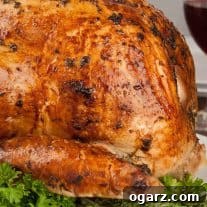
Herb Roasted Turkey With Mayonnaise Coating
30 mins
3 hrs
30 mins
4 hrs
8 servings
Ingredients
- 10 to 13 lb turkey (fresh or frozen and fully defrosted), neck and giblets removed
- Salt and freshly ground black pepper
- 1 sprig fresh rosemary
- 2 sprigs fresh thyme
- 1 small bunch fresh sage
- 1 yellow onion, quartered
- 1 stalk celery, cut into 4 pieces
- 1 carrot, cut into 4 pieces
- 3 to 4 cups low-sodium chicken broth, plus more for gravy
- 1/4 cup cornstarch
- 1/3 cup water
For the herb coating:
- 1-1/3 cups mayonnaise
- 1 tablespoon finely chopped fresh sage leaves
- 1-1/2 tablespoons fresh thyme leaves, stripped from the stems
- 1 tablespoon chopped fresh rosemary leaves, stripped from the stems
- 1/2 teaspoon garlic powder
Instructions
Prepare the turkey:
-
Coat a roasting pan and rack with nonstick spray. Drain any liquid that may have accumulated in the turkey’s cavity and thoroughly pat the bird dry with paper towels inside and out.
-
Season the inside of the turkey’s cavity with salt and pepper, then add the rosemary, thyme, sage, onion, celery, and carrot.
-
Tuck the wings behind and under the back of the bird and tie the drumstick ends together with kitchen twine. Place the turkey, breast side up, on the roasting rack and set aside, uncovered, for 1 hour to take the chill off.
Preheat the oven:
-
Position a rack in the lower portion of the oven and preheat to 425°F (220°C). If you have a convection oven and can shut off the fan, we recommend doing that. If not, lower the starting temperature to 400°F (200°C).
Coat the turkey with herbed mayonnaise:
-
Combine the mayonnaise, sage, thyme, rosemary, and garlic powder in a mixing bowl.
-
Starting at the tail end of the turkey, gently work your fingers under the skin of the breast to loosen it from the meat. Be careful not to tear it or detach it completely.
-
Using a spoon, place a small dollop of the herbed mayo under the skin on either side of the breast. Remove the spoon and use your fingers to distribute the mayo as evenly as possible from the outside of the skin.
-
Using a spatula, coat the turkey completely with half of the remaining mayonnaise-herb mixture, being careful to get the mixture into the crevices where the legs and wings meet the body.
-
Season the turkey as evenly as possible with salt and freshly ground black pepper.
Start roasting the turkey:
-
Position a rack in the lower portion of the oven and preheat it to 425°F (220°C).
-
Pour 2-1/2 cups of chicken broth into the bottom of the roasting pan. Roast the turkey for 30 minutes at 425°F (220°C), then rotate the roasting pan in the oven to ensure even browning and reduce the temperature to 325°F (160°C).
-
Continue roasting for 45 minutes longer, then remove the turkey from the oven, and coat it with the remaining half of the herbed mayonnaise. Add another 3/4 to 1 cup of chicken broth to the roasting pan. Return the turkey to the oven, rotating the pan again.
Continue roasting the turkey:
-
Roasting time for a whole, unstuffed turkey is approximately 13 minutes per pound, so at this point, depending on size, you can expect to cook the bird for an additional 1 to 1-3/4 hours. This time can vary, so begin to check the internal temperature 45 minutes after returning the turkey to the oven and every 15 to 20 minutes thereafter.
-
Tip: To properly check the temperature, insert an instant-read thermometer into the meatiest part of the thigh. Be careful not to touch the bone with the thermometer, or you won’t get an accurate reading.
-
Turkey is done when the internal temperature of the thigh registers 165°F (74°C). Remove the turkey from the oven, reserve the pan juices for gravy, and let it rest for 30 minutes before carving.
Make the pan gravy:
-
While the turkey rests, skim any excess fat from the pan juices and transfer to a 4-cup measure. If you are short on juices, add extra chicken broth to equal 3 cups of liquid total. Pour the broth into a saucepan and bring to a simmer over medium heat.
-
In a small bowl, whisk together the cornstarch and water. Add to the simmering broth and continue whisking until thickened and smooth. Season to taste with salt and freshly ground black pepper. Transfer to a bowl or gravy boat for serving.
Notes
Nutrition
Total Fat: 24g,
Cholesterol: 95mg,
Sodium: 579mg,
Carbohydrates: 1g,
Fiber: 0.1g,
Sugar: 0.4g,
Protein: 30g
Nutrition information is automatically calculated, so should only be used as an approximation.
Enjoy this delicious recipe!