
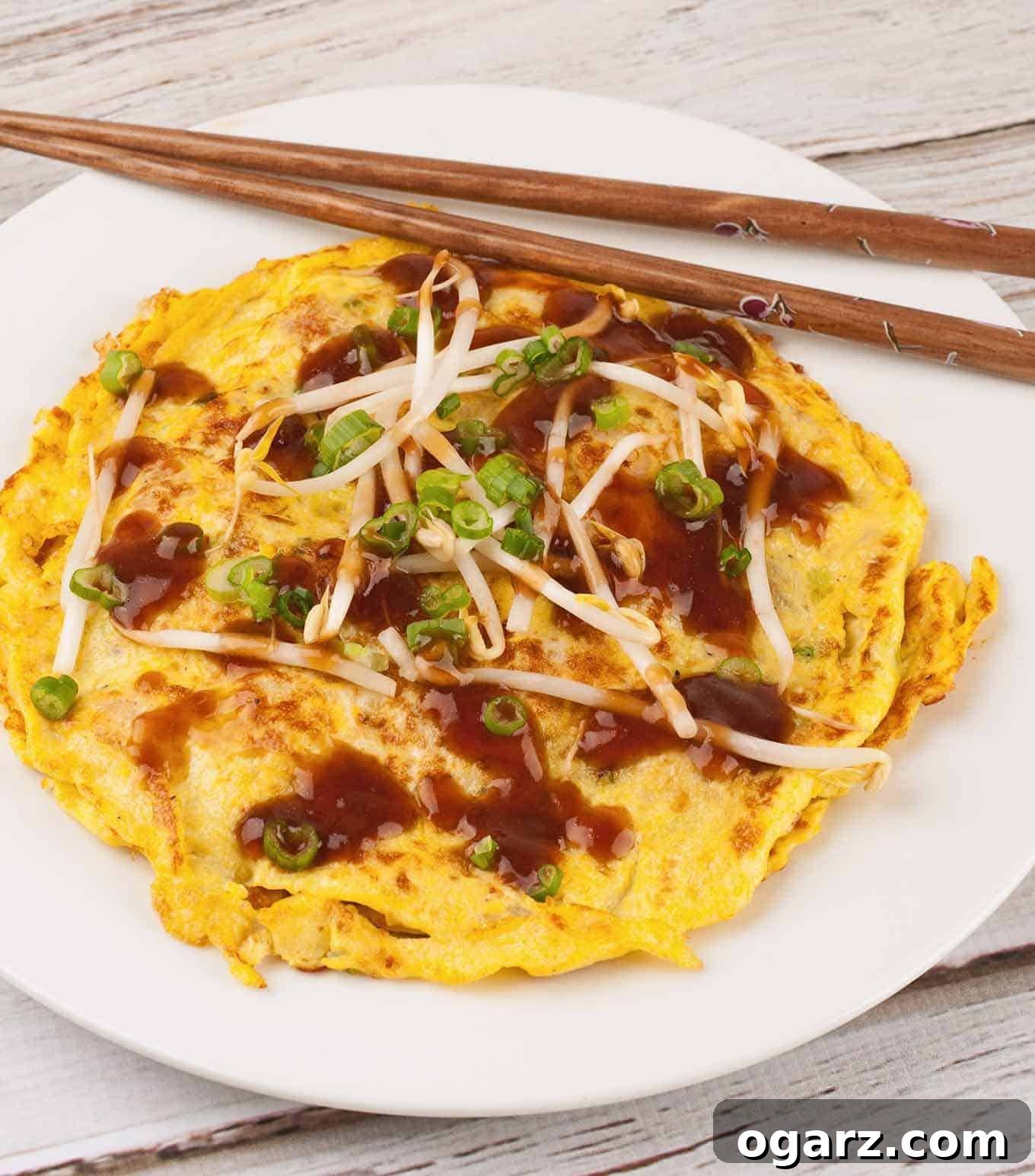
The Ultimate Guide to Homemade Egg Foo Young: Savory Omelets with Rich Gravy
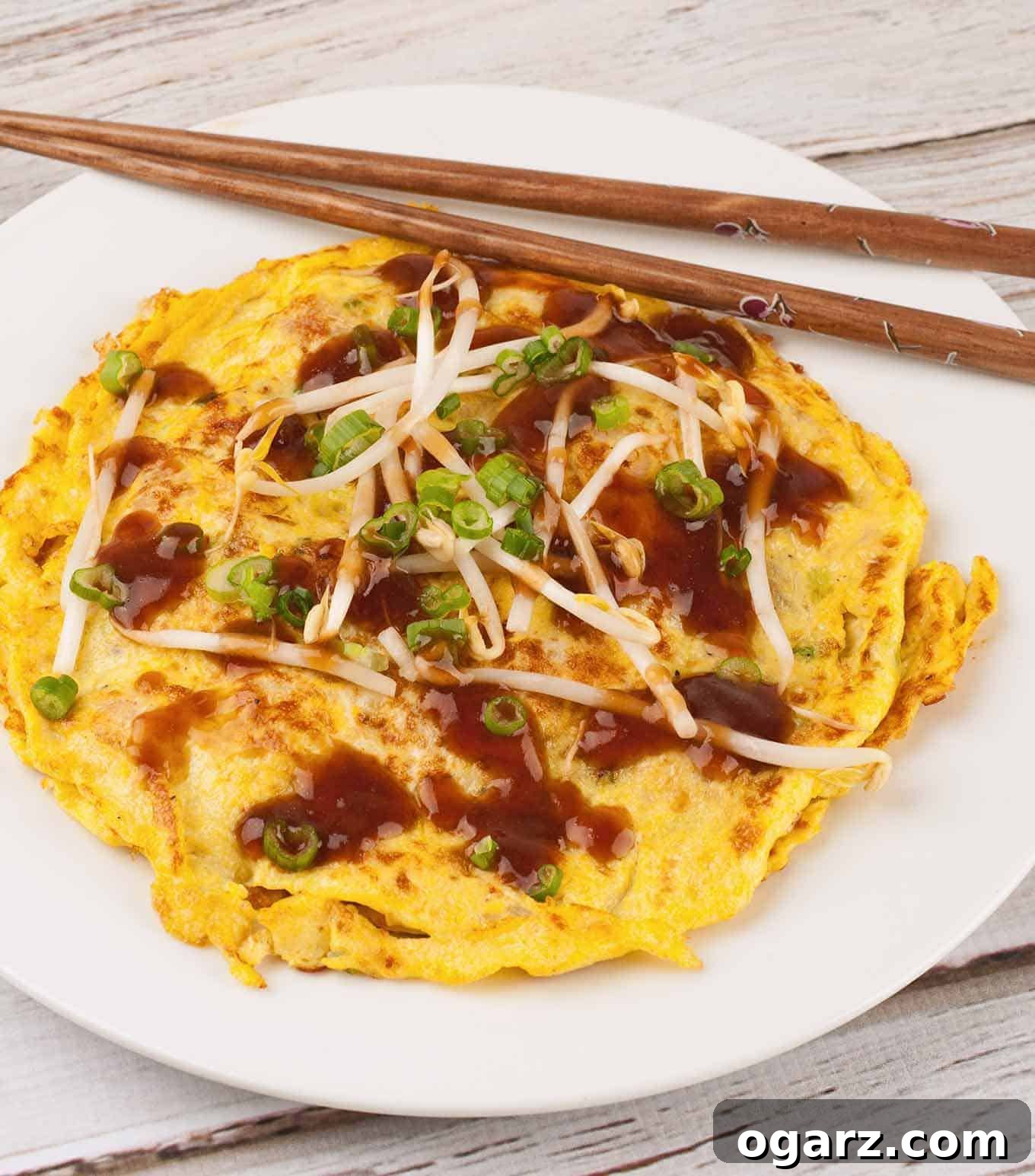
Egg Foo Young, a beloved staple of Chinese-American cuisine, offers a delightful blend of fluffy omelets packed with vibrant vegetables and succulent proteins, all crowned with a luscious, savory brown gravy. Far more than just a simple egg dish, this culinary classic provides a perfect balance of flavors and textures, making it an ideal choice for a quick weeknight dinner, a satisfying brunch, or a light yet fulfilling meal any time. Often found on the menus of traditional Chinese restaurants, recreating this iconic dish at home is surprisingly straightforward and incredibly rewarding. This comprehensive guide will walk you through every step, from mastering the light and airy omelets to perfecting the rich, umami-packed gravy, ensuring your homemade Egg Foo Young rivals your favorite takeout experience.
What is Egg Foo Young? Exploring a Culinary Classic
At its heart, Egg Foo Young is a Chinese-style omelet, traditionally Cantonese in origin, though its form and popularity have truly flourished in Western countries, particularly the United States. The name itself, “Egg Foo Young” (sometimes spelled Egg Fu Yung), translates roughly to “hibiscus egg,” referring to the beautiful, often flower-like shape of the cooked omelet. Unlike Western omelets that are typically folded, Egg Foo Young patties are often pan-fried until golden and slightly crispy on the edges, yet tender and moist inside.
These generously sized omelets are filled with a medley of ingredients, commonly including various meats or seafood like shrimp, chicken, or roast pork, combined with finely chopped vegetables such as cabbage, bean sprouts, and scallions. What truly distinguishes Egg Foo Young, however, is the accompanying thick, savory brown gravy, which ties all the components together with its deep, umami-rich flavor profile. This versatile dish is celebrated for its ease of preparation and its capacity for customization, making it a fantastic addition to any home cook’s repertoire.
Why You’ll Love This Homemade Egg Foo Young Recipe
There are countless reasons to fall in love with making Egg Foo Young from scratch. Firstly, it’s incredibly quick to prepare, with a total time of under an hour, making it perfect for busy weeknights. Secondly, its ingredients are readily available and affordable, allowing for budget-friendly meals without compromising on flavor. This recipe specifically features plump shrimp, crunchy cabbage, and fresh bean sprouts, offering a delightful texture contrast in every bite.
Moreover, Egg Foo Young is inherently adaptable; you can easily swap proteins or introduce your favorite vegetables, catering to diverse tastes and dietary preferences. For health-conscious diners, it offers a protein-rich base with plenty of vegetables. Finally, there’s an immense satisfaction in recreating a classic takeout dish at home, knowing exactly what goes into your food and tailoring it to your exact specifications, free from any artificial additives or unwanted ingredients.

Classic Shrimp Egg Foo Young with Savory Brown Gravy
Drizzled with a silky brown sauce, this classic Chinese-style omelet features succulent shrimp, finely shredded cabbage, crisp bean sprouts, and fresh scallions, offering a delightful and customizable meal.
Pin Recipe
Ingredients for the Omelets:
- 8 large eggs
- 2 teaspoons sesame oil, divided
- 1 teaspoon oyster sauce
- 3 tablespoons vegetable oil, divided
- 3 cloves garlic, very finely chopped
- 1 cup cabbage, finely shredded
- 1/2 teaspoon ground ginger
- 1 teaspoon sugar
- 1 cup cooked shrimp, peeled and chopped (about 6 ounces – see notes)
- 1/2 cup bean sprouts, roughly chopped (plus more for garnish)
- 1/4 cup scallions, chopped (plus more for garnish)
For the Savory Brown Gravy:
- 1/2 cup plus 2 tablespoons water, divided
- 1-1/2 tablespoons soy sauce
- 2 teaspoons oyster sauce
- 1 teaspoon sugar
- 2 teaspoons cornstarch
- 1 teaspoon sesame oil
Step-by-Step Instructions:
- Whisk the eggs, 1 teaspoon of the sesame oil, and 1 teaspoon of oyster sauce together in a mixing bowl until thoroughly blended. Set this flavorful egg mixture aside.
- Begin preparing the savory brown gravy: Combine 1/2 cup of the water, soy sauce, 2 teaspoons of oyster sauce, and 1 teaspoon of sugar in a small saucepan. Place over medium-high heat and bring the mixture to a rapid simmer, stirring constantly to ensure the sugar fully dissolves.
- In a separate small bowl, thoroughly combine the remaining 2 tablespoons of water with the cornstarch to create a smooth slurry. Gradually add this cornstarch slurry to the simmering sauce in the saucepan, stirring continuously until the sauce thickens to a desirable, glossy consistency. Remove the thickened gravy from the heat and stir in the remaining 1 teaspoon of sesame oil. Set aside and keep warm.
- Heat 1 tablespoon of the vegetable oil along with the remaining teaspoon of sesame oil in a large wok or skillet over medium-high heat. Add the very finely chopped garlic and stir-fry for about 1 to 1-1/2 minutes until it becomes wonderfully fragrant. Be careful not to burn the garlic.
- Introduce the finely shredded cabbage to the wok and sprinkle it with the ground ginger and 1 teaspoon of sugar. Continue to stir-fry briefly, just until the cabbage starts to soften.
- Add the cooked shrimp, roughly chopped bean sprouts, and chopped scallions to the wok. Toss the mixture together vigorously for 1 to 2 minutes, just until the cabbage is wilted and the shrimp is warmed through. Remove the wok from the heat and allow the shrimp and vegetable mixture to cool for at least 5 minutes. Once cooled, quickly and gently stir this cooled mixture into the whisked eggs.
- To cook the omelets, film the bottom of a small (approximately 8-inch) nonstick fry pan with a little of the remaining vegetable oil and heat it over medium-high heat. Once hot, ladle about 1/4 of the egg mixture (roughly 3/4 cup) into the pan. Cook until the edges of the omelet begin to set and turn golden brown.
- Working carefully and evenly around the pan, use a spatula to slightly lift the edges of the omelet. Gently tilt the pan to allow the uncooked liquid egg portion to flow underneath, ensuring even cooking.
- Once the omelet is mostly set and golden brown on the bottom, carefully flip it over using your spatula. Continue cooking for approximately 1/2 minute longer, or until it is completely set and cooked through. Transfer the finished omelet to a serving platter and cover it loosely with aluminum foil to keep it warm. Repeat this process for the remaining 3 omelets, adding a little more vegetable oil to the pan as needed for each.
- To serve your delicious Egg Foo Young, gently warm the prepared savory brown gravy for a minute or two if it has cooled too much. Plate the individual omelets, and if desired, garnish each with additional fresh bean sprouts and thinly sliced scallions for extra flavor and visual appeal. Drizzle each omelet generously with the warm savory brown gravy and serve immediately for the best experience.
Recipe Notes and Tips:
Protein Substitutions: This recipe is incredibly adaptable! Feel free to substitute the cooked shrimp with an equal amount of cooked chicken (diced or shredded), roasted pork (like Char Siu), ham, or even flaked crabmeat. For a delicious vegetarian option, consider using sautéed mushrooms, crumbled firm tofu, or a combination of various hearty vegetables.
Cooling the Filling: It’s important to allow the cooked shrimp and vegetable mixture to cool slightly before stirring it into the eggs. Adding hot ingredients directly to the eggs can start to cook them prematurely, resulting in a less fluffy omelet.
Key Ingredients for Egg Foo Young Success
Creating truly exceptional Egg Foo Young starts with understanding the role of each ingredient in contributing to the dish’s distinctive flavor and texture profile. Here’s a closer look at the stars of our recipe:
- Eggs: The very foundation of this dish, large fresh eggs are essential for achieving the characteristic light and fluffy texture of the omelet patties. Whisking them well with a touch of sesame oil and oyster sauce adds an initial layer of depth and umami.
- Shrimp (or your chosen protein): For shrimp, ensure they are cooked, peeled, and chopped into bite-sized pieces. If opting for other proteins like chicken or roast pork, they should also be pre-cooked and finely diced or shredded. The protein adds substance, richness, and a savory core to the omelets.
- Cabbage & Bean Sprouts: These vegetables provide crucial texture and freshness. Finely shredded cabbage softens just enough to meld beautifully with the eggs, while crisp bean sprouts offer a delightful crunch that contrasts with the tender omelet. Don’t underestimate their contribution to the overall culinary experience.
- Scallions (Green Onions): Used both mixed into the omelet filling and as a vibrant garnish, scallions bring a mild oniony zest and a welcome pop of fresh green color, enhancing both flavor and visual appeal.
- Garlic & Ginger: These aromatic powerhouses are fundamental to Chinese cooking. Freshly chopped garlic and ground ginger infuse the vegetable mixture with warmth, pungent flavor, and a hint of spice, creating an aromatic base for the omelets.
- Oyster Sauce: A truly indispensable ingredient used in both the omelets and the gravy, oyster sauce delivers a profound umami flavor that is unmistakably authentic to Chinese cuisine. Its savory, slightly sweet profile enhances all other ingredients, adding depth and richness.
- Sesame Oil: This fragrant oil is employed in two key stages – first in the egg mixture, then in the finishing gravy. Sesame oil provides a distinctive nutty aroma and flavor that is characteristic of many beloved Asian dishes, adding an exotic finishing touch.
- Soy Sauce: A staple seasoning for the savory gravy, soy sauce contributes essential saltiness, a rich, dark color, and an additional layer of umami that forms the backbone of the sauce.
- Cornstarch: The magic thickening agent for the glorious brown gravy. When mixed with cold water to form a slurry and then added to the hot sauce, it creates that perfectly smooth, glossy consistency that beautifully coats every bite of Egg Foo Young, ensuring a satisfying mouthfeel.
Crafting the Perfect Egg Foo Young Gravy: A Masterclass in Sauce
While the fluffy omelets are undoubtedly the star of Egg Foo Young, the savory brown gravy is truly its soul. It’s what elevates the dish from a simple egg patty to a complete, harmonious meal, tying all the components together with its deep, umami-rich flavor and luscious texture. The key to a truly fantastic gravy lies in its careful balance of flavors and its perfectly smooth, thick consistency. Our recipe calls for a blend of water, soy sauce, oyster sauce, sugar, and a touch of sesame oil, all expertly thickened with a cornstarch slurry.
To achieve perfection and ensure your gravy is as delicious as your omelets, consider these essential tips:
- Dissolve Sugar Completely: Before introducing the cornstarch slurry, ensure that all the sugar in the base mixture is fully dissolved. This crucial step prevents any unwanted graininess and guarantees a silky-smooth flavor profile.
- The Cornstarch Slurry Secret: Always mix cornstarch with an equal amount of cold water before adding it to hot liquids. This technique, known as creating a slurry, is vital for preventing lumps and ensuring your gravy thickens evenly and smoothly.
- Gradual Thickening is Key: Add the cornstarch slurry gradually to the simmering sauce while stirring continuously. The sauce will begin to thicken as it heats. If it becomes too thick for your preference, you can always thin it down with a tablespoon or two of water or broth. Conversely, if it’s still too thin, a bit more cornstarch slurry can be added incrementally.
- Simmer, Don’t Boil Vigorously: A gentle simmer is ideal for thickening the gravy. Vigorous boiling can sometimes break down the starch molecules, paradoxically making the sauce thinner and less stable. Maintain a steady, moderate heat.
- Finish with Sesame Oil: Stirring in the sesame oil at the very end, just after the gravy has thickened and been removed from the heat, is important. This preserves its delicate, nutty aroma and ensures its distinct flavor doesn’t cook off, adding a final, authentic layer of taste to your sauce.
Tips for Frying Fluffy Egg Foo Young Omelets Every Time
Making the individual omelet patties is a crucial step in achieving the authentic Egg Foo Young experience. With a few simple techniques, you can ensure they come out perfectly fluffy, tender, and golden every single time, delighting your taste buds and impressing your guests.
- Choose the Right Pan: A small (ideally 8-inch) nonstick skillet is your best friend for making Egg Foo Young. Its size helps create beautifully thick, well-formed patties, and the nonstick surface is absolutely essential for preventing sticking and making the flipping process much easier and less stressful.
- Maintain Medium-High Heat: Consistent medium-high heat is key to success. If the heat is too low, the omelets will absorb too much oil, becoming greasy and heavy. If the heat is too high, they will burn on the outside before the inside has a chance to cook through properly, leaving them raw in the center.
- Never Overcrowd the Pan: For optimal results, cook one omelet at a time. This allows you to maintain consistent heat distribution across the pan and gives you ample space to maneuver the omelet, ensuring each one cooks perfectly without steaming or sticking together.
- Ensure Even Cooking: As the edges of the omelet begin to set, gently lift them slightly with a spatula. At the same time, gently tilt the pan, allowing the uncooked liquid egg mixture to flow underneath the partially cooked edges. This technique is similar to making a classic French omelet and is vital for ensuring the entire patty cooks evenly from the inside out.
- Exercise Caution When Flipping: Patience is a virtue when it comes to flipping. Wait until the omelet is mostly set on the first side and a beautiful golden brown color has developed before attempting to flip it. A wide, thin spatula will be your most helpful tool for this task. Don’t worry if the first one isn’t picture-perfect; the first omelet is often affectionately known as the “chef’s treat” for a reason!
- Keep Cooked Omelets Warm: As you cook multiple omelets, transfer the finished ones to a serving platter and cover them loosely with aluminum foil. This simple step helps to keep them warm, moist, and tender until all the patties are cooked and ready to be served, ensuring a consistent dining experience for everyone.
Customization and Creative Variations: Make it Your Own!
One of the most appealing aspects of Egg Foo Young is its incredible flexibility and adaptability. While our recipe features delicious shrimp, don’t feel bound by it! Let your imagination guide your fillings and truly make this dish your own, catering to personal preferences, dietary needs, or whatever ingredients you have on hand.
Protein Alternatives:
- Chicken: Diced cooked chicken breast or thigh, or even leftover shredded rotisserie chicken, works wonderfully. It absorbs flavors beautifully.
- Roast Pork (Char Siu): For a truly authentic Chinese restaurant flavor, dice up some savory char siu (Chinese BBQ pork) and add it to your omelets.
- Tofu: For a fantastic vegetarian or vegan option (if using egg substitutes), press extra-firm tofu, crumble it, and stir-fry it until golden before adding to the egg mixture.
- Crabmeat: Flaked imitation crab or real crabmeat adds a delicate sweetness and oceanic flavor that pairs well with the savory eggs and gravy.
- Ham: Diced cooked ham provides a salty, savory element that’s particularly good for a quick meal or using up leftovers.
- Beef: Finely shredded or diced cooked beef, perhaps leftover from a stir-fry, can also be an interesting and hearty addition.
Expand Your Vegetable Horizons:
Enhance the nutritional value, texture, and flavor with more vegetables. Almost any finely chopped vegetable that cooks relatively quickly can be incorporated:
- Mushrooms: Sliced shiitake, cremini, or button mushrooms sautéed until tender add an earthy depth.
- Water Chestnuts: Diced water chestnuts provide a unique crisp texture that stands out in the soft omelet.
- Shredded Carrots: Add a touch of natural sweetness and vibrant color.
- Peas: Frozen peas can be added directly to the stir-fry mixture; they thaw and cook quickly.
- Bell Peppers: Finely diced bell peppers of any color (red, green, yellow, orange) add fresh flavor and visual appeal.
- Spinach: Wilted spinach can be a healthy and subtle addition, incorporating more greens.
Seasoning Adjustments:
Feel free to fine-tune the seasonings to your personal taste:
- Spice it Up: A dash of white pepper, a pinch of red pepper flakes, or a drizzle of chili oil can add a subtle kick if you enjoy a bit of heat.
- Boost Umami: A small amount of MSG (monosodium glutamate) can further enhance the savory depth and complexity, closely mirroring traditional restaurant flavors.
- Garlic and Ginger: Adjust the amounts of freshly chopped garlic and grated ginger to your preference – some prefer a stronger, more pungent flavor.
Serving Suggestions for a Complete and Delicious Meal
Egg Foo Young, especially with its rich and flavorful gravy, is substantial enough to be considered a meal on its own. However, it also pairs beautifully with a variety of other Chinese-inspired dishes, allowing you to create a more elaborate and satisfying feast for your family or guests.
- Steamed Rice: This is arguably the most classic accompaniment. The plain, fluffy grains of steamed white or brown rice are perfect for soaking up every drop of the savory brown gravy and complementing the tender omelets.
- Fried Rice: For a heartier and more substantial meal, serve your Egg Foo Young alongside a simple chicken, pork, or vegetable fried rice. The combination of the two dishes creates a truly fulfilling experience.
- Noodles: Dishes like Lo Mein (stir-fried noodles) or Chow Mein (crispy fried noodles) can offer an interesting textural contrast and a different carbohydrate base to your meal.
- Spring Rolls or Egg Rolls: Crispy appetizers are always a welcome addition. The satisfying crunch of spring rolls or egg rolls provides a delightful textural contrast to the soft omelets and gravy.
- Hot and Sour Soup: A warming and flavorful soup makes for a perfect starter, cleansing the palate and preparing it for the main course.
- Steamed Vegetables: A simple side of lightly steamed green vegetables, such as broccoli, asparagus, or bok choy, dressed with a touch of soy sauce or sesame oil, adds freshness, color, and balances the richness of the meal.
- Potstickers or Dumplings: These savory morsels can make for an excellent appetizer or side dish, rounding out an authentic Chinese-inspired spread.
Storage and Reheating Your Homemade Egg Foo Young
Leftover Egg Foo Young can be just as delicious as when it’s freshly made, making it a great option for meal prepping or enjoying later. Proper storage and reheating are key to maintaining its quality and flavor.
- Refrigeration: Store any leftover omelets and gravy separately in airtight containers in the refrigerator. They will keep well for up to 2-3 days. Storing them separately prevents the omelets from becoming soggy from the gravy.
- Reheating Omelets: To reheat the omelets, you have a few options. Gently warm them in a microwave until heated through, or for a slightly crisper exterior, reheat them in a nonstick skillet over low to medium heat. Be careful not to overcook them, as eggs can become dry and rubbery when overheated.
- Reheating Gravy: The gravy may thicken further upon cooling. Reheat it gently on the stovetop over low heat, stirring occasionally. If it’s too thick, you can restore its original consistency by adding a tablespoon or two of water or chicken broth, stirring until smooth.
- Freezing: While it is possible to freeze Egg Foo Young, it’s generally recommended to enjoy it fresh or within a few days from the refrigerator. Freezing can sometimes alter the texture of the eggs and vegetables, making them a bit watery or rubbery upon thawing. If you do choose to freeze, ensure the omelets are cooled completely before placing them in freezer-safe containers for up to 1-2 months. Thaw in the refrigerator overnight before reheating.
Conclusion: Savor the Flavor of Homemade Egg Foo Young
Homemade Egg Foo Young is a culinary delight that proves you don’t need to visit a restaurant to enjoy authentic Chinese-American flavors. With its tender, flavorful omelets, packed with your choice of savory fillings, and drenched in a rich, velvety brown gravy, this dish is a testament to comfort food at its finest. It’s a wonderful way to bring the diverse and delicious world of Chinese cuisine into your home kitchen.
Whether you’re a seasoned chef looking for a new take on a classic or a novice in the kitchen eager to try something new, this recipe is designed to be accessible, rewarding, and utterly delicious. The ability to customize the fillings makes it a versatile choice for any palate or dietary preference, ensuring that every batch can be a unique culinary adventure. So, gather your ingredients, follow our simple steps, and embark on your journey to creating a memorable Egg Foo Young experience right in your own home. Enjoy the process, savor the incredible flavors, and delight in the versatility of this truly wonderful dish!