
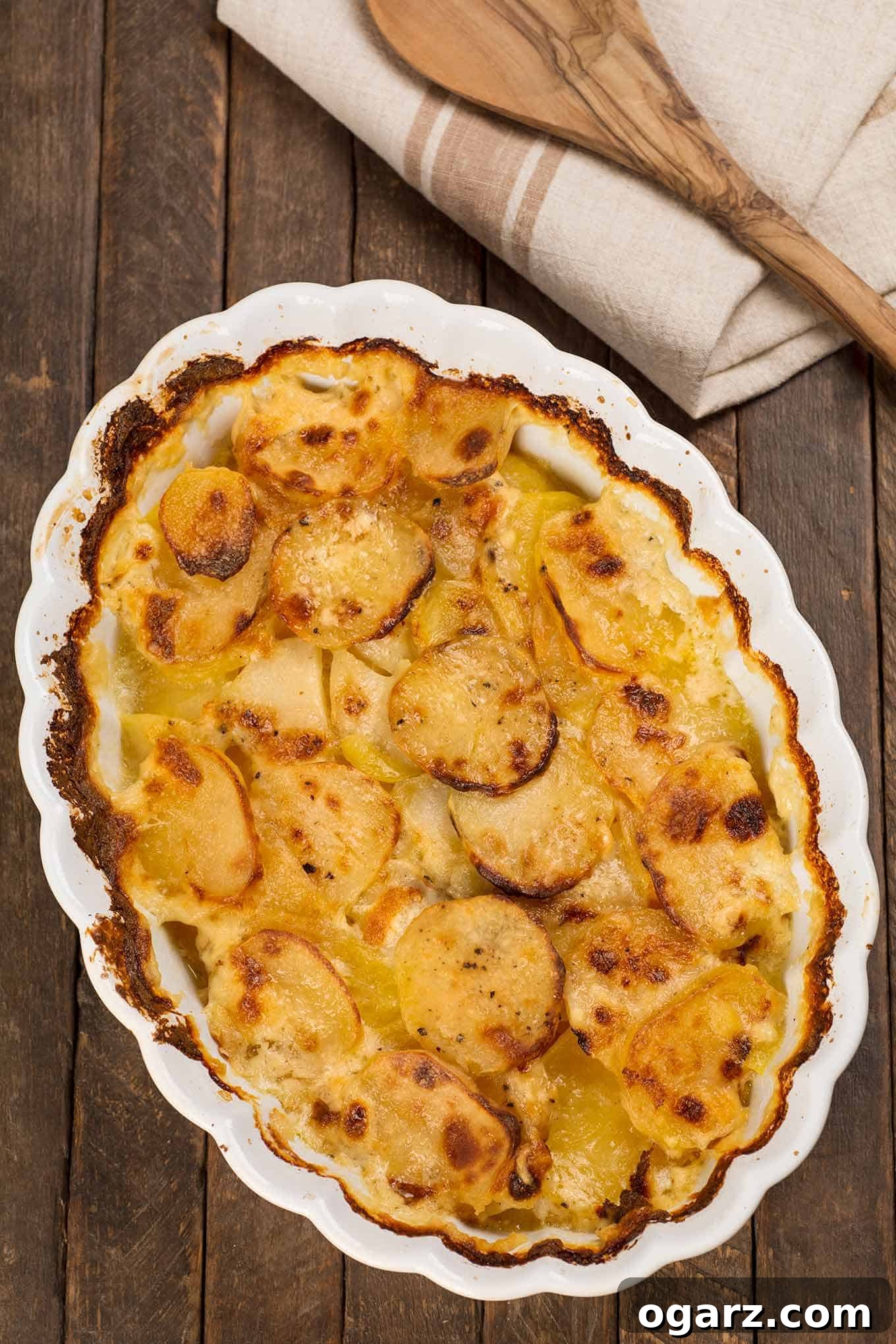
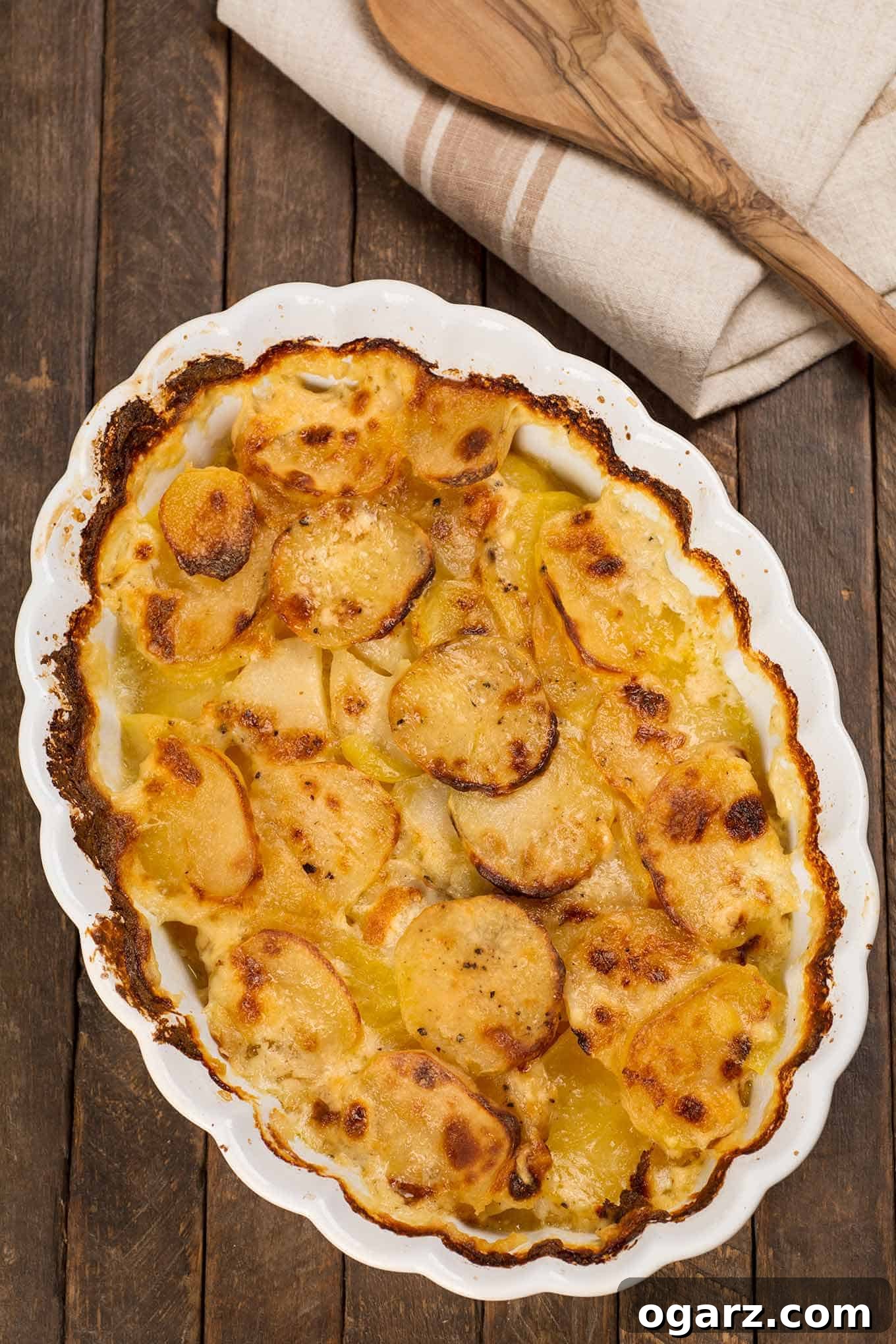
Few dishes evoke a sense of home and culinary comfort quite like a perfectly baked casserole of scalloped potatoes. With their tender, thinly sliced potatoes bathed in a rich, creamy sauce and crowned with a golden-brown, bubbling crust, they are a beloved classic that graces tables from casual family dinners to festive holiday gatherings. Whether you’re a novice cook eager to master this comforting side or a seasoned chef aiming to perfect your technique, this comprehensive guide and time-tested recipe will walk you through creating an irresistibly delicious scalloped potato dish that will earn rave reviews every time.
This article delves into the art and science of preparing classic scalloped potatoes, focusing on achieving that ideal balance of creaminess and texture. We’ll share invaluable insights, expert tips, and even delightful variations to ensure your culinary success. Prepare to elevate your potato game and impress everyone at your next meal!
The Essence of Scalloped Potatoes: A Culinary Journey
While numerous recipes for scalloped potatoes exist, ranging from simple to elaborately cheesy, the core appeal lies in its straightforward elegance. The beauty of this dish is in its simplicity: layers of thinly sliced potatoes, seasoned to perfection, and slow-baked in a rich, dairy-based liquid until they become fork-tender and deeply flavorful. Our particular method, an oven-baked version, has been refined over many years and consistently delivers outstanding results, making it our unwavering favorite. It’s a testament to the fact that sometimes, the simplest approaches yield the most profound satisfaction.
What sets this recipe apart is its reliability. We’ve experimented with countless variations, different cooking instructions, and ingredient ratios, but this one always shines through. It’s the kind of recipe you’ll want to keep in your repertoire for its consistent excellence, whether for a quiet Sunday meal or a bustling holiday feast. The secret lies not just in the ingredients but in the careful layering and patient baking process that transforms humble potatoes into a truly extraordinary side dish.
Mastering the Ingredients for Superior Scalloped Potatoes
Understanding the role of each key ingredient is crucial for crafting the perfect scalloped potatoes. The complete list of quantities can be found in the detailed recipe card below, but here’s what you need to know about selecting and preparing your core components:
- POTATOES: The Foundation of Flavor and Texture
For scalloped potatoes, the choice of potato is paramount. Our absolute favorite is the Yukon Gold. These potatoes boast a creamy yellow flesh and a naturally buttery flavor, which intensifies during baking. Their medium-starch content allows them to become wonderfully tender without completely disintegrating, providing that desirable soft texture while holding their shape in layers. Other good choices include Russet (for a more floury texture) or red potatoes (for a firmer bite, though they tend to be less creamy).
- FLOUR: The Unsung Thickener
All-purpose flour is our go-to for its reliable thickening properties. It works subtly to bind the liquids and create a velvety, cohesive sauce, preventing the dish from becoming watery. If you’re catering to dietary restrictions, a 1:1 ratio gluten-free flour blend can be used successfully without compromising the texture or flavor. The key is to distribute it evenly to avoid clumping.
- BUTTER: The Heart of Richness
We typically advocate for unsalted butter in our cooking to maintain precise control over seasoning. However, scalloped potatoes truly benefit from a generous hand with salt. In this instance, salted butter is perfectly acceptable and can even enhance the overall flavor profile. If using unsalted butter, remember to be more liberal with your salt application throughout the layering process. Butter not only adds richness but also contributes to the golden-brown crust.
- MILK: The Creamy Conductor
For an authentically rich and creamy experience, we recommend using whole milk. Its fat content is essential for a luxurious texture and deep flavor. If you desire an even richer dish, half-and-half is an excellent substitute, providing an extra layer of indulgence. We strongly advise against using reduced-fat or skim milk, as they will result in a much thinner sauce and a less satisfying, often watery, outcome.
A Step-by-Step Guide to Baking Flawless Scalloped Potatoes
Ready to create culinary magic? Here’s a detailed, step-by-step overview of the process. For precise measurements and a printable version, please refer to the recipe card below.
Step 1: Preparation is Key – Preheat and Butter
Before you begin layering, preheat your oven to 400°F (200°C). This ensures the oven is at the correct temperature for even cooking from the moment your casserole goes in. Next, generously butter a 3-quart casserole dish. Buttering prevents sticking and contributes to a beautiful, slightly crispy edge.
Step 2: The Art of Layering Potatoes
Begin by arranging a single layer of thinly sliced potatoes in the bottom of your prepared casserole dish. Overlap the edges slightly, creating a beautiful pattern and ensuring even coverage. Season this layer generously with salt and freshly ground black pepper. Now, take a small, fine-mesh strainer and lightly dust the potatoes with a sprinkle of flour. Think of it like sprinkling powdered sugar – a light, even coat is all you need. Add a second layer of potatoes, season it, and dust with flour. Finally, scatter a few small pieces of butter over this second layer. This careful layering and seasoning at each stage are critical for building flavor and ensuring every bite is delicious.
Step 3: Introduce the Milk and Continue Building Layers
Gently warm 1 cup of whole milk (or half-and-half) in the microwave for about a minute. This takes the chill off the milk, helping it integrate better with the other ingredients and promoting more even cooking. Pour a small amount of this warm milk evenly over the first two potato layers. Now, repeat the layering process with the remaining potato slices, ensuring you season each new layer and dust with flour, scattering butter pieces on top. Once all potatoes are layered, assess the liquid level. The milk should come about three-quarters of the way up the height of the potatoes. If you need more than the initial 1 cup, add it incrementally, being careful not to overfill, as too much liquid can lead to a runny dish.
Step 4: The Baking Process – Covered for Tenderness, Uncovered for Golden Perfection
Take a piece of aluminum foil and butter one side (the side that will face the potatoes). Cover the casserole dish tightly with this buttered foil. This initial covered baking phase is crucial as it essentially steams the potatoes in the creamy liquid, ensuring they become perfectly tender. Bake for 30 to 40 minutes, or until the potatoes are easily pierced with a knife. Once tender, remove the foil. Gently tilt the dish and spoon some of the accumulated liquid over the top layer of potatoes. Return the casserole to the oven, uncovered, for an additional 20 to 30 minutes. This uncovered period allows the excess liquid to evaporate, the flavors to concentrate, and the top layer of potatoes to turn a beautiful, irresistible golden brown.
Step 5: The Essential Resting Period
After removing the casserole from the oven, resist the urge to dive in immediately. Let it stand for at least 10 minutes (or even a bit longer) before serving. This resting time is vital; it allows the sauce to fully absorb into the potatoes and thicken, creating that perfect, cohesive creamy consistency that scalloped potatoes are known for. It also ensures the dish holds its shape better when served. The wait is worth it!
Expert Tips for Scalloped Potato Perfection
Making a truly delicious casserole of scalloped potatoes is often more about intuitive cooking and common sense than rigid adherence to precise measurements. There are several variables that can influence the final outcome, from potato density to oven calibration. Therefore, while our recipe provides excellent guidelines for quantities, these tips are designed to ensure your success, guaranteeing a dish that’s consistently tender, creamy, and beautifully browned.
- Achieve Uniform Slices: Consistency in potato slice thickness is paramount for even cooking. Aim for slices that are approximately 1/8-inch thick. A food processor with a slicing blade or a mandoline slicer makes this task significantly easier and ensures uniformity, preventing some potatoes from being undercooked while others are mushy.
- Season Every Layer Liberally: This is a crucial step! Since you cannot effectively adjust the seasoning once the dish is cooked and assembled, it is vital to season each individual layer of potatoes with salt and freshly ground black pepper. This builds flavor throughout the casserole, rather than just on the top.
- Dust with Flour Judiciously: Use a fine-mesh strainer to evenly dust each layer of potatoes with flour. The goal is a light, almost invisible coating, not a thick blanket. Too much flour can make the sauce overly thick or pasty, while too little might result in a runny dish. You should still be able to clearly see the potato slices beneath the dusting.
- Embrace Full-Fat Dairy: For the best flavor and creamy texture, always opt for whole milk or half-and-half. Reduced-fat or skim milk simply do not have enough fat content to create the desired richness and can lead to a watery, unsatisfying sauce.
- Mind the Milk Level: The milk level in your casserole dish should ideally reach about three-quarters of the way up the height of the potato layers. Do not exceed this recommendation. Overfilling with milk is a common mistake that can result in a soupy or runny casserole, as the potatoes won’t be able to fully absorb all the liquid.
- Initial Covered Baking: Covering the casserole tightly with buttered aluminum foil for the first half of the baking time creates a steamy environment. This gentle steaming method ensures that the potato slices cook through uniformly and become wonderfully tender before the browning stage begins.
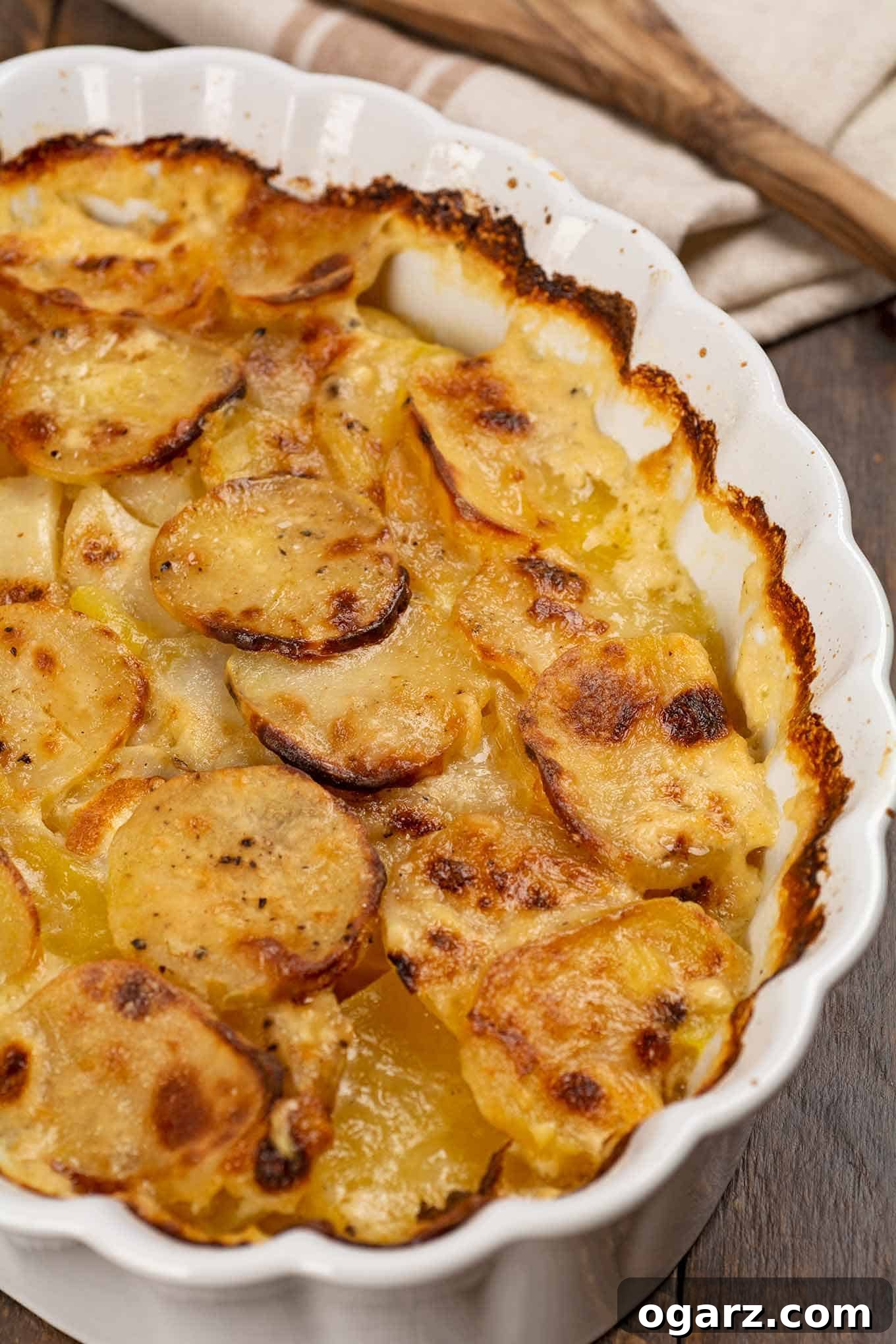
- Uncover for Golden Perfection: Once the potatoes are tender, remove the foil and return the casserole to the oven uncovered. This allows any remaining excess liquid to evaporate and, most importantly, for the top layer of potatoes to achieve a beautiful, crispy, and golden-brown finish. This step is where the visual appeal and textural contrast truly develop.
- Allow for Essential Resting: After removing the scalloped potatoes from the oven, let them stand for at least 10-15 minutes before serving. This resting period is critical for the sauce to set, thicken, and be fully absorbed by the potatoes, ensuring a cohesive and perfectly creamy consistency. It also helps the layers hold together better when scooped.
Creative Recipe Variations for Scalloped Potatoes
While our classic scalloped potato recipe is undeniably delicious on its own, this versatile dish also serves as a fantastic canvas for flavor experimentation. Here are two delightful variations to inspire your culinary creativity, adding unique twists to this beloved comfort food.
Scalloped Potatoes with Fontina, Caramelized Onions, and Sage
This variation introduces aromatic onions, pungent garlic, fragrant sage, and nutty Fontina cheese for a sophisticated upgrade.
In addition to the ingredients in the basic recipe, you’ll need:
- 2 medium yellow onions, thinly sliced
- 2 tablespoons olive oil
- 1 teaspoon minced garlic
- 1-1/2 tablespoons chopped fresh sage leaves
- 1 cup coarsely grated Fontina cheese
Preparation: Before assembling the scalloped potatoes, heat the olive oil in a large skillet over medium heat. Add the thinly sliced onions and sauté them gently until they are softened and lightly caramelized, which usually takes about 7 minutes. Stir in the minced garlic and fresh sage leaves, continuing to cook for another 2 minutes until the garlic becomes fragrant. This aromatic mixture will infuse the potatoes with incredible depth.
Assembly: Follow the original recipe instructions for preparing the potato layers. However, when layering, scatter approximately half of the sautéed onion mixture and a few tablespoons of the grated Fontina cheese over every other layer of potatoes. Be sure to reserve a good portion of the Fontina cheese to sprinkle generously over the very top layer before baking. This ensures a beautiful, bubbly, cheesy crust.
Scalloped Potatoes with Sour Cream, Havarti, and Fresh Dill
For a tangy, herb-infused twist, this variation combines the richness of sour cream with the mild, buttery notes of Havarti cheese and the fresh brightness of dill.
In addition to the ingredients in the basic recipe, you’ll need:
- 1/3 cup sour cream
- 3 tablespoons chopped fresh dill
- 1/2 cup coarsely grated Havarti cheese
Preparation & Assembly: Begin by whisking the sour cream and fresh dill into your warmed milk (or half-and-half) mixture. This will create a slightly tangy and herbaceous base for your potatoes. Proceed with the basic recipe for Scalloped Potatoes as outlined above, using this infused milk mixture. Once the potatoes are tender after their initial covered baking, and you’re ready to uncover the casserole, scatter the grated Havarti cheese evenly over the top layer. Return the dish to the oven uncovered and continue baking until the cheese is bubbly, melted, and lightly browned. This adds a delightful cheesy crust with a hint of tang.
For those looking for a slightly different approach to cooking scalloped potatoes, you might also enjoy our Skillet Scalloped Potatoes recipe. This version, an adaptation of a Julia Child classic, offers a less time-consuming method and produces fewer servings, perfect for smaller gatherings or weeknight meals.

Classic Scalloped Potatoes
Lynne Webb
This recipe for classic, oven-baked scalloped potatoes is a tried-and-true family favorite that’s easy to make and a staple for holidays and Sunday dinners. Its rich, creamy layers and golden-brown crust make it an unforgettable side dish.
20 mins
1 hr
1 hr 20 mins
6 servings
Rate Recipe
Print Recipe
Ingredients
- 3 lbs Yukon gold potatoes, peeled and thinly sliced
- Salt and freshly ground black pepper
- 1 tablespoon all-purpose flour, plus more if needed
- 4 tablespoons butter, cut into 1/4-inch pieces
- 1 cup whole milk or half-and-half, plus more if needed
Instructions
-
Preheat the oven to 400°F (200°C) and generously butter a 3-quart casserole dish.
-
Arrange a single layer of potato slices in the bottom of the casserole dish with their edges overlapping slightly. Season this layer generously with salt and freshly ground black pepper.
-
Add the flour to a small, fine-mesh strainer and dust the potatoes as evenly as possible (like sprinkling powdered sugar). Add another layer of potatoes, season, and dust with flour, then scatter a few pieces of butter over them.
-
Heat 1 cup of the milk in the microwave for 1 minute. Pour about 1/4 cup evenly over the first two layers of potatoes. Repeat the layering process with the remaining potato slices, ensuring you season each layer, dust with flour, and scatter butter pieces. Make sure you have some butter left to dot the top layer.
-
The total amount of milk needed will vary based on your casserole dish’s shape and size. The liquid level should come about 3/4 of the way up the height of the potatoes. If more milk is required beyond the initial 1 cup, add it in small increments, being careful not to add too much.
-
Butter a piece of aluminum foil, cover the casserole tightly, and bake for 30 to 40 minutes, or until the potatoes are tender when pierced with a knife.
-
Remove the foil. Gently tilt the dish and spoon some of the accumulated liquid over the top of the potatoes. Return the casserole to the oven uncovered for 20 to 30 minutes longer, or until the liquid has mostly evaporated, and the top layer of potatoes is beautifully golden brown.
-
Let the scalloped potatoes stand for 10 minutes before serving. This allows the sauce to set and thicken.
Notes
As discussed, many variables can affect the outcome of scalloped potatoes. Use this recipe as a guideline and incorporate the following tips for consistent success:
- Cut potatoes into uniform 1/8-inch slices for even cooking; a mandoline or food processor is ideal.
- Season every layer of potatoes liberally, as adjustments are difficult once cooked.
- Dust each potato layer lightly and evenly with flour using a fine-mesh strainer.
- Always use whole milk or half-and-half for richness; avoid reduced-fat or skim milk.
- Maintain the milk level at approximately 3/4 the height of the potatoes to prevent a runny dish.
- Cover the casserole tightly with buttered foil during the first baking phase to steam the potatoes until tender.
- Remove the foil for the second half of baking to allow the milk to absorb and the top to brown beautifully.
- Allow the scalloped potatoes to stand for 10-15 minutes before serving for the sauce to fully set and thicken.
RECIPE VARIATIONS
Here are two easy variations to add new dimensions to our classic scalloped potato recipe:
SCALLOPED POTATOES WITH FONTINA, ONIONS, AND SAGE
In addition to the basic ingredients, you’ll need:
- 2 medium yellow onions, thinly sliced
- 2 tablespoons olive oil
- 1 teaspoon minced garlic
- 1-1/2 tablespoons chopped fresh sage leaves
- 1 cup coarsely grated Fontina cheese
Before assembly, sauté onions in olive oil over medium heat for about 7 minutes until softened. Add garlic and sage, cooking for 2 more minutes until fragrant. When layering potatoes, scatter half of this onion mixture and a few tablespoons of Fontina over every other layer, reserving some cheese for the top.
SCALLOPED POTATOES WITH SOUR CREAM, HAVARTI, AND DILL
In addition to the basic ingredients, you’ll need:
- 1/3 cup sour cream
- 3 tablespoons chopped fresh dill
- 1/2 cup coarsely grated Havarti cheese
Whisk sour cream and dill into your milk before proceeding with the basic scalloped potatoes recipe. Once potatoes are tender and uncovered, scatter grated Havarti cheese on top and continue baking until bubbly and lightly browned.
Nutrition
Calories: 271
Total Fat: 8g
Cholesterol: 25mg
Sodium: 283mg
Carbohydrates: 42g
Fiber: 5g
Sugar: 4g
Protein: 6g
Nutrition information is automatically calculated, so should only be used as an approximation.
Like this recipe? We’d love to hear from you! Rate and comment below!