
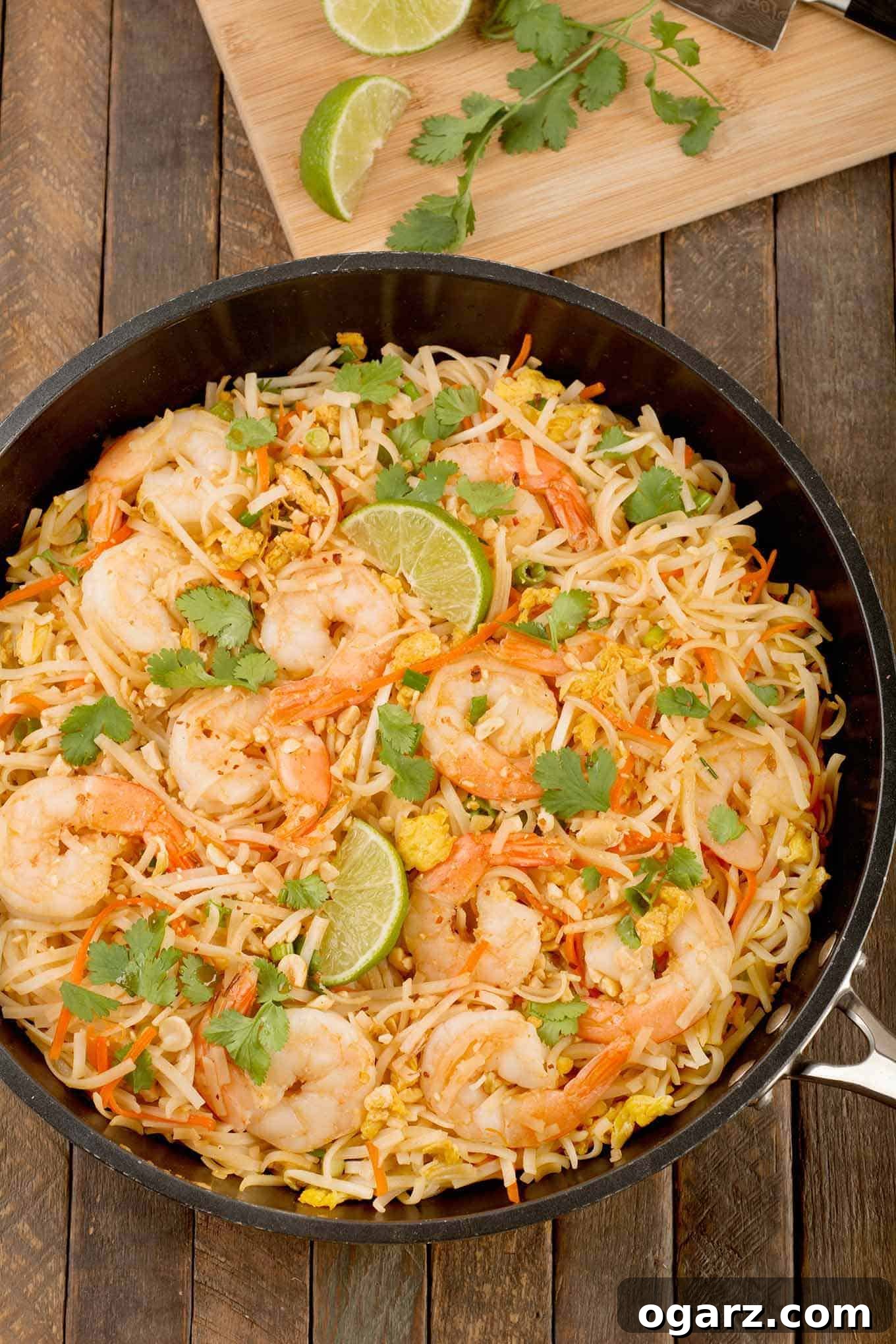
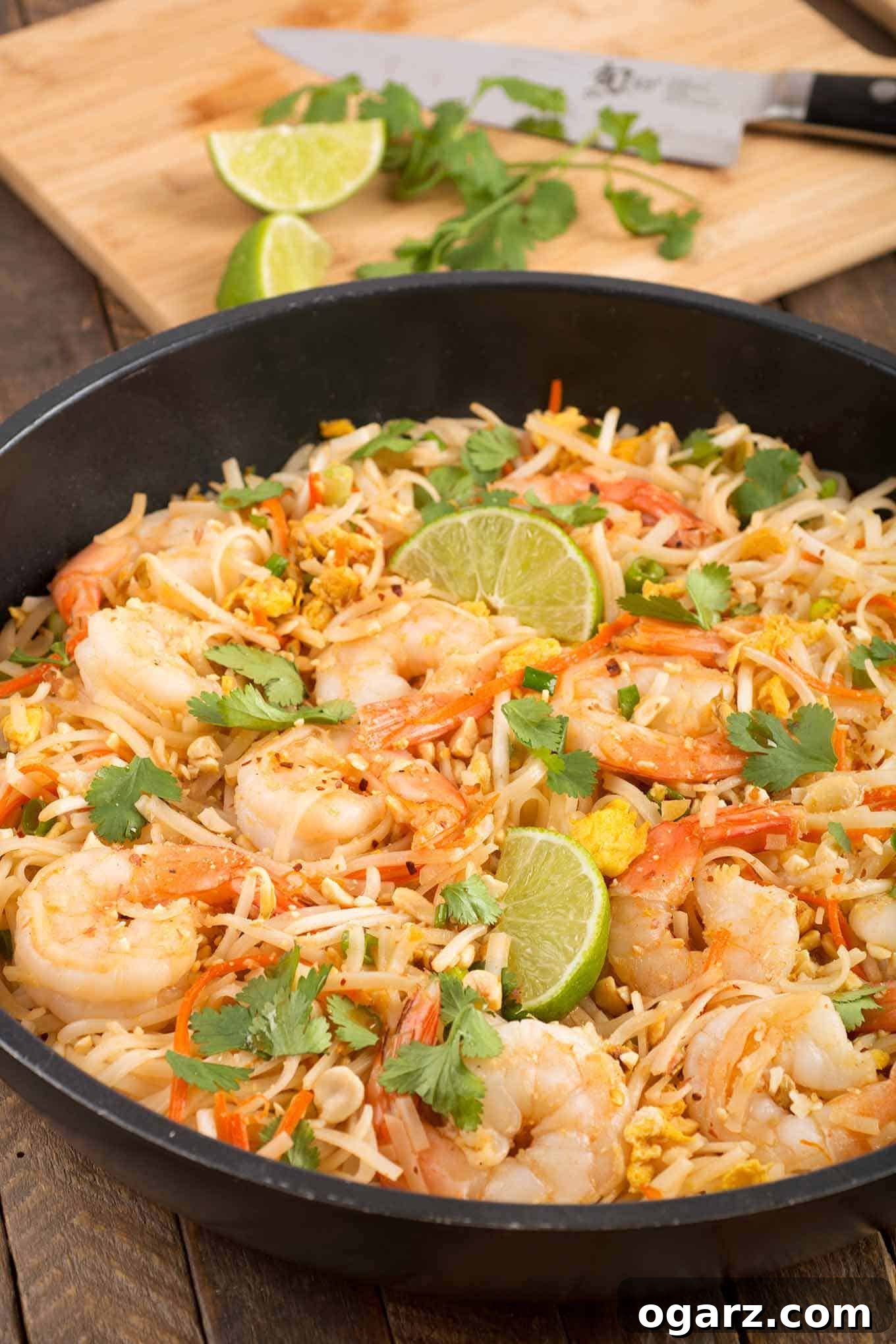
Mastering Homemade Shrimp Pad Thai: An Easy & Authentic Recipe Guide
Pad Thai, the iconic stir-fried noodle dish from Thailand, is celebrated worldwide for its tantalizing balance of sweet, sour, salty, and spicy flavors. While a trip to your favorite Thai restaurant always delivers, imagine recreating that vibrant, comforting experience in your own kitchen. This comprehensive guide will walk you through crafting a delicious Shrimp Pad Thai, offering both a simple pantry-friendly version and insights into achieving authentic flavors.
Our goal is to demystify this popular dish, making it accessible for home cooks regardless of their experience level. We’ll explore ingredient choices, offer practical cooking tips, and provide a detailed recipe that will have you serving up a restaurant-quality meal in about 30 minutes.
Crafting Delicious Pad Thai with Everyday Pantry Staples
One of the biggest hurdles for home cooks attempting Pad Thai is often sourcing tamarind paste or concentrate, a key ingredient in traditional Thai cuisine that provides its distinctive tangy note. While readily available in specialty Asian markets, it’s not always a standard item on supermarket shelves. To address this, we’ve developed a brilliant sauce recipe that expertly mimics the complex sweet and sour profile of tamarind, ensuring you can enjoy a fantastic Pad Thai without a special ingredient hunt.
This clever sauce, when combined with succulent shrimp, fluffy scrambled eggs, aromatic garlic, crisp bean sprouts, fresh cilantro, and crunchy peanuts, transforms into a light yet incredibly flavorful dish. While perhaps not 100% authentically structured in its sauce base, the resulting taste is undeniably delicious and satisfying. Best of all, this simplified approach means you can have a delightful Thai meal on your table in approximately 30 minutes from start to finish, perfect for busy weeknights.
Adapting Your Pad Thai: Protein Substitutions and Variations
Pad Thai is wonderfully versatile, allowing for customization to suit individual preferences. If shrimp isn’t your protein of choice, feel free to substitute it with other options. Chicken, thinly sliced pork, or firm tofu are excellent alternatives. When making substitutions, ensure your chosen protein is cut into bite-sized pieces for even cooking and ease of stir-frying. Adjust the cooking time as necessary; thinner cuts of chicken or pork will cook quickly, while tofu may require a bit more time to brown and develop flavor. For a vegetarian or vegan version, simply omit the eggs and fish sauce (use a vegan fish sauce alternative or extra soy sauce/tamari) and double down on the tofu and vegetables.
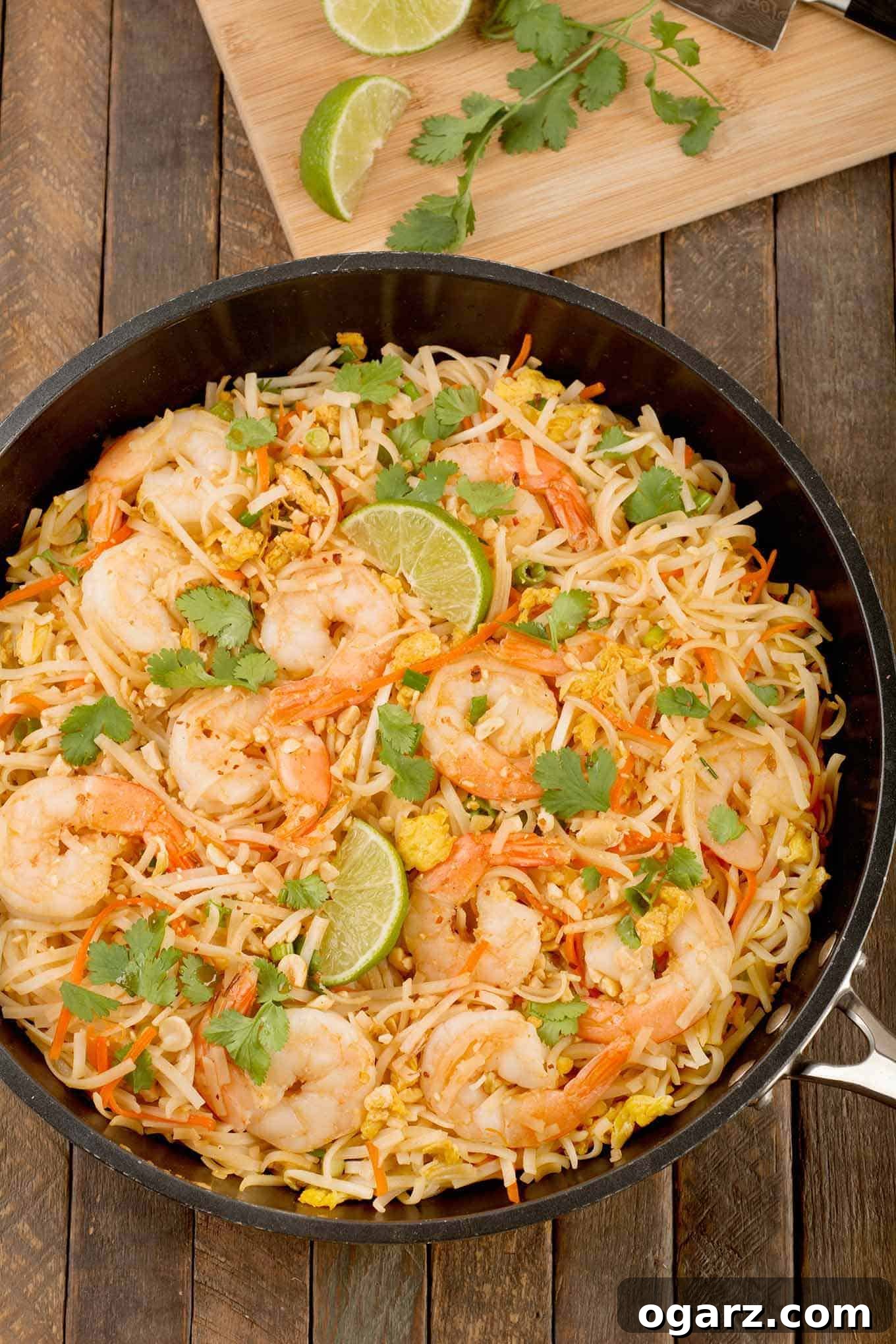
Unlocking Authentic Pad Thai Flavors with Traditional Ingredients
For those who are keen to experience a more traditional Pad Thai, incorporating authentic ingredients is key. The most significant addition will be tamarind paste or concentrate. Once you have this staple, you can adjust the sauce profile to align more closely with classic Thai culinary practices. Here’s a common authentic sauce blend:
- 1 tablespoon tamarind paste (or concentrate, diluted if specified)
- 1/4 cup water (adjust based on tamarind consistency)
- 1/4 cup brown sugar
- 3 tablespoons fish sauce
- Sriracha to taste (optional, for heat)
This combination delivers the quintessential sweet, sour, and savory foundation that defines authentic Pad Thai. The slight variation in proportions and the direct inclusion of tamarind deepen the flavor profile considerably.
What Exactly is Tamarind? Exploring its Culinary Significance
Tamarind, often referred to as “Indian date,” is a truly fascinating ingredient with a rich history and a distinctive flavor profile. The tamarind tree, Tamarindus indica, is indigenous to tropical Africa but has been cultivated for centuries across India and Southeast Asia, where it thrives in warm, humid climates. The tree produces long, curved pods containing a sticky, brownish pulp embedded with seeds.
This pulp is the culinary treasure, known for its intensely unique sweet and sour taste. Its complex tanginess makes it indispensable in a wide array of global cuisines. In Thai cooking, tamarind paste is frequently thinned with water before use to create a more manageable consistency and to mellow its potent flavor, allowing it to integrate seamlessly into dishes. Beyond Pad Thai, tamarind is a star ingredient in various chutneys, lending a vibrant tartness to savory and sweet condiments, and in rich, aromatic curry dishes, where it balances the spices. Interestingly, it’s also a crucial component in the iconic Worcestershire sauce, contributing to its distinctive savory and slightly fermented character. Sourcing tamarind paste or concentrate is easier than ever, with many Asian markets and even some larger supermarkets carrying it in their international aisles, often in block form or as a ready-to-use paste.
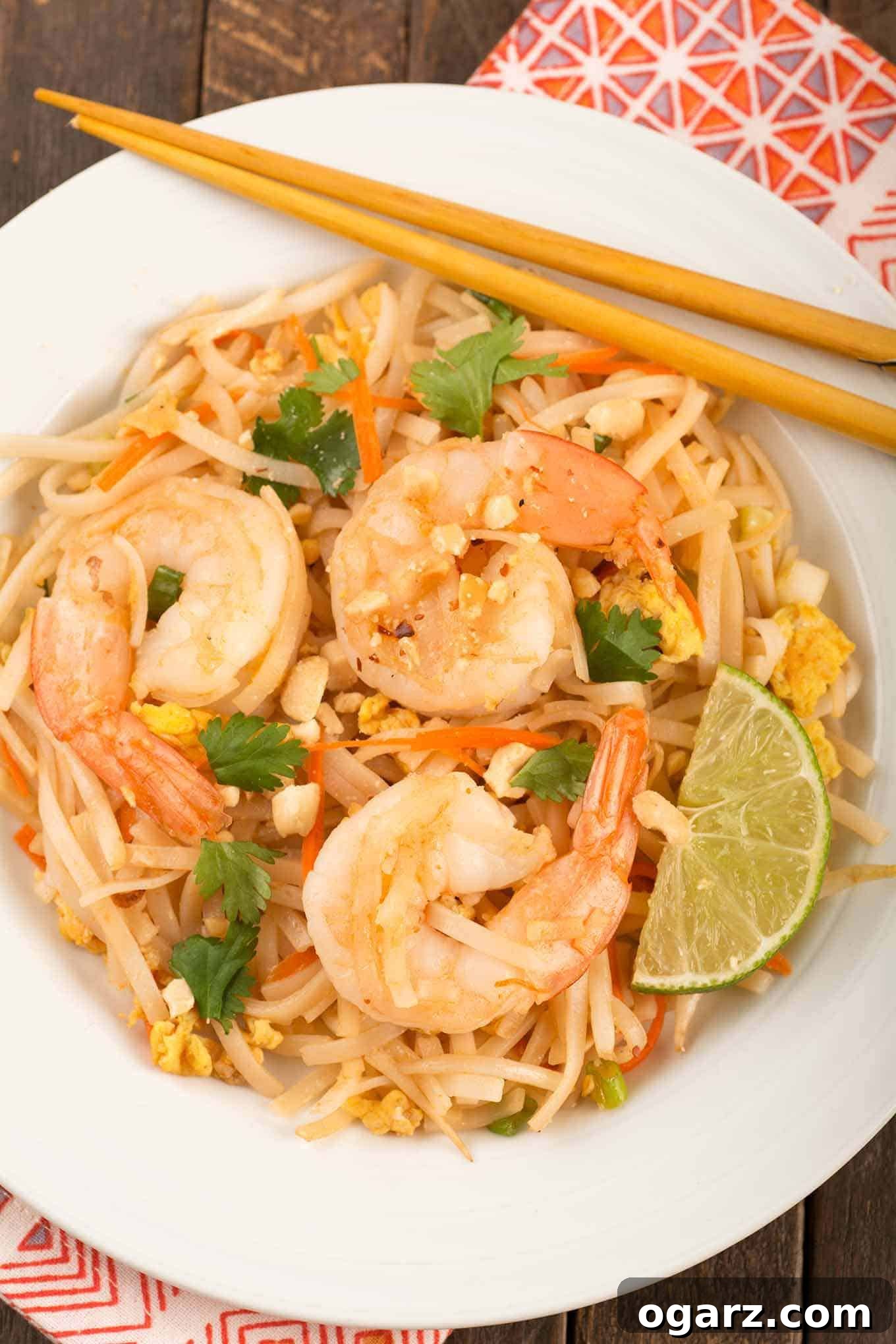
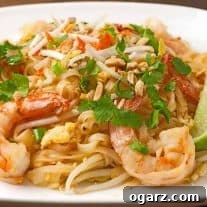
Shrimp Pad Thai
Lynne Webb
A fast, flavorful takeout classic made at home, this Shrimp Pad Thai is loaded with plump shrimp, crisp veggies, tender rice noodles, and a tangy sauce. It’s on the table in just 30 minutes and made with easy-to-find ingredients.
15 mins
15 mins
30 mins
2 servings
Rate Recipe
Print Recipe
Ingredients
- 3/4 lb jumbo shrimp, peeled and deveined (tails left on)
- 6 ounces wide rice noodles
- 2-1/2 tablespoons vegetable oil, divided
- 3 cloves garlic, minced
- 2 large eggs, lightly beaten
- 1 cup shredded carrots
- 4 scallions, chopped
- 2 cups bean sprouts
- 1/4 cup chopped fresh cilantro
- 1/4 cup chopped unsalted peanuts
- 4 lime wedges
For the sauce:
- 3 tablespoons brown sugar
- 3 tablespoons freshly squeezed lime juice
- 2 tablespoons fish sauce
- 1 tablespoon soy sauce, substitute tamari for gluten-free
- 2 teaspoons ketchup
- 1/2 teaspoon Worcestershire sauce
- 1/2 to 1 teaspoon sriracha, optional
Instructions
- Prepare the rice noodles according to package directions (or start them soaking as per the directions in the recipe notes below). Once tender, rinse the noodles in cool water, drain, and return them to the pan (off heat).
- While the noodles soak, make the sauce by combining the brown sugar, lime juice, fish sauce, soy sauce, ketchup, Worcestershire and sriracha in a microwave-safe measuring cup. Heat for 30 seconds on high, then stir until the mixture is smooth and the sugar is dissolved. Set aside.
- Heat a wok or large frying pan over medium-high heat and add 1 tablespoon of the vegetable oil. Pour in the eggs, scramble until set, then break them into small pieces with your spatula. Add them to the pan with the noodles and return the pan to the stove.
- Add about 2 teaspoons of the remaining oil to the pan along with the garlic, and stir-fry until fragrant, 20 to 30 seconds. Add the carrots and scallions and cook for 20 to 30 seconds longer, to soften them.
- Add the carrots and scallions to the pan with the noodles and gently toss everything together until well combined.
- Return the frying pan to the stove, add the remaining oil, and stir-fry the shrimp until pink, about 1-1/2 minutes. Working quickly, add the noodle and veggie mixture to the shrimp, reduce the heat to medium, and pour on the sauce.
- Toss everything together and heat just long enough to re-warm the noodles, about 1 minute. Remove from the heat and mix in the bean sprouts and cilantro. Toss again.
- To serve, divide the Pad Thai between four serving plates, top with crushed peanuts and garnish with a wedge of lime.
Notes
How To Cook Rice Noodles
Bring a pot of water to a boil, remove it from the heat and add the noodles. Stir frequently and test every 2 minutes until the noodles are softened. The time will vary between brands, but 8 minutes is average for the flat Pad Thai-style noodles used in this recipe. Once the noodles are tender, drain and rinse with cool water to prevent them from sticking together.
Nutrition
- Calories: 824
- Total Fat: 23g
- Cholesterol: 378mg
- Sodium: 1335mg
- Carbohydrates: 117g
- Fiber: 8g
- Sugar: 29g
- Protein: 41g
Nutrition information is automatically calculated, so should only be used as an approximation.
Essential Tips for Perfect Homemade Pad Thai
Achieving restaurant-quality Pad Thai at home goes beyond just following a recipe; it involves understanding a few key techniques and considerations. Here are some essential tips to elevate your homemade Pad Thai:
Noodle Preparation is Crucial
The texture of your rice noodles can make or break your Pad Thai. Always follow the package instructions closely, as cooking times can vary significantly between brands and noodle widths. For flat Pad Thai-style noodles, soaking them in hot water (off the heat) until al dente is often preferred over boiling. This method helps prevent them from becoming mushy and ensures they absorb the sauce effectively. Once cooked, rinse them thoroughly with cool water to halt the cooking process and prevent them from sticking together. This step is non-negotiable for a pleasant, non-clumpy texture.
High Heat is Your Friend
Pad Thai is a stir-fry, and stir-frying demands high heat. Ensure your wok or large frying pan is thoroughly heated before adding any ingredients. This high temperature sears the ingredients quickly, locking in flavors and creating that desirable smoky “wok hei” effect. Avoid overcrowding the pan, as this can lower the temperature and cause ingredients to steam rather than fry, leading to a soggy dish. Cook in batches if necessary, especially if you’re making a larger quantity.
Mise en Place: Prepare Everything Before You Start
Stir-frying is a rapid cooking process, leaving little time for chopping or measuring once you begin. Having all your ingredients prepped and laid out – your shrimp peeled, garlic minced, vegetables shredded, eggs beaten, and sauce mixed – is absolutely critical. This organized approach ensures a smooth cooking flow and prevents anything from burning while you scramble for the next ingredient.
Balance of Flavors: The Heart of Pad Thai
Pad Thai is renowned for its perfect harmony of flavors: sweet (sugar), sour (tamarind/lime), salty (fish sauce/soy sauce), and sometimes spicy (sriracha/chili). Taste your sauce before adding it to the pan and adjust according to your preference. Don’t be afraid to add a little more lime juice for tang, a pinch more sugar for sweetness, or extra sriracha for a kick. The final squeeze of fresh lime juice at the end brightens all the flavors and adds a zesty finish.
Don’t Overcook the Shrimp
Shrimp cooks very quickly, typically in just 1-2 minutes per side until pink and opaque. Overcooked shrimp become tough and rubbery. Add them towards the end of the cooking process, just long enough to turn pink, and then remove them briefly if needed, returning them to the pan when combining all ingredients with the sauce.
Serving and Garnishing Your Homemade Pad Thai
Presentation is an important part of the dining experience, especially for a dish as visually appealing as Pad Thai. Once your noodles are perfectly coated and warmed through, it’s time to plate and garnish.
Traditionally, Pad Thai is served immediately after cooking, ensuring the noodles are tender and the vegetables retain a slight crispness. Divide the generous portions among individual serving plates. The garnishes are not just for decoration; they add essential texture, aroma, and fresh flavor to the dish. A generous sprinkle of crushed unsalted peanuts provides a wonderful crunch and nutty undertone. Fresh cilantro leaves add a bright, herbaceous note and a pop of color. And, of course, no Pad Thai is complete without several lime wedges on the side. A squeeze of fresh lime juice over the finished dish before eating truly awakens all the flavors, cutting through the richness and adding a delightful zing.
For those who enjoy extra heat, a small dish of dried chili flakes or additional sriracha can be offered on the side. Some also like to serve it with a sprinkling of extra bean sprouts for an added fresh crunch. This personalized touch allows each diner to customize their Pad Thai to their ideal taste.
The Global Appeal of Pad Thai and Its Rich History
Pad Thai’s journey from a humble street food dish to a global culinary icon is a testament to its irresistible flavor profile. Its origins can be traced back to the 1930s and 1940s in Thailand, during a period of nationalistic fervor when Prime Minister Plaek Phibunsongkhram sought to promote a national dish. Encouraging the consumption of rice noodles was also a strategic move to reduce rice consumption and strengthen the economy by utilizing domestically produced ingredients.
The dish quickly became a staple, adaptable with various proteins and local ingredients, and was eventually promoted internationally to showcase Thai culture and cuisine. Today, Pad Thai is synonymous with Thai food for many around the world, loved for its complex interplay of flavors—a perfect example of Thai culinary philosophy.
Whether you opt for our convenient pantry-friendly version or venture into the realm of authentic tamarind, making Pad Thai at home is a rewarding experience. It allows you to connect with a rich culinary tradition and savor a truly delicious meal crafted with your own hands. Enjoy the process, experiment with flavors, and delight in the vibrant tastes of Thailand!