
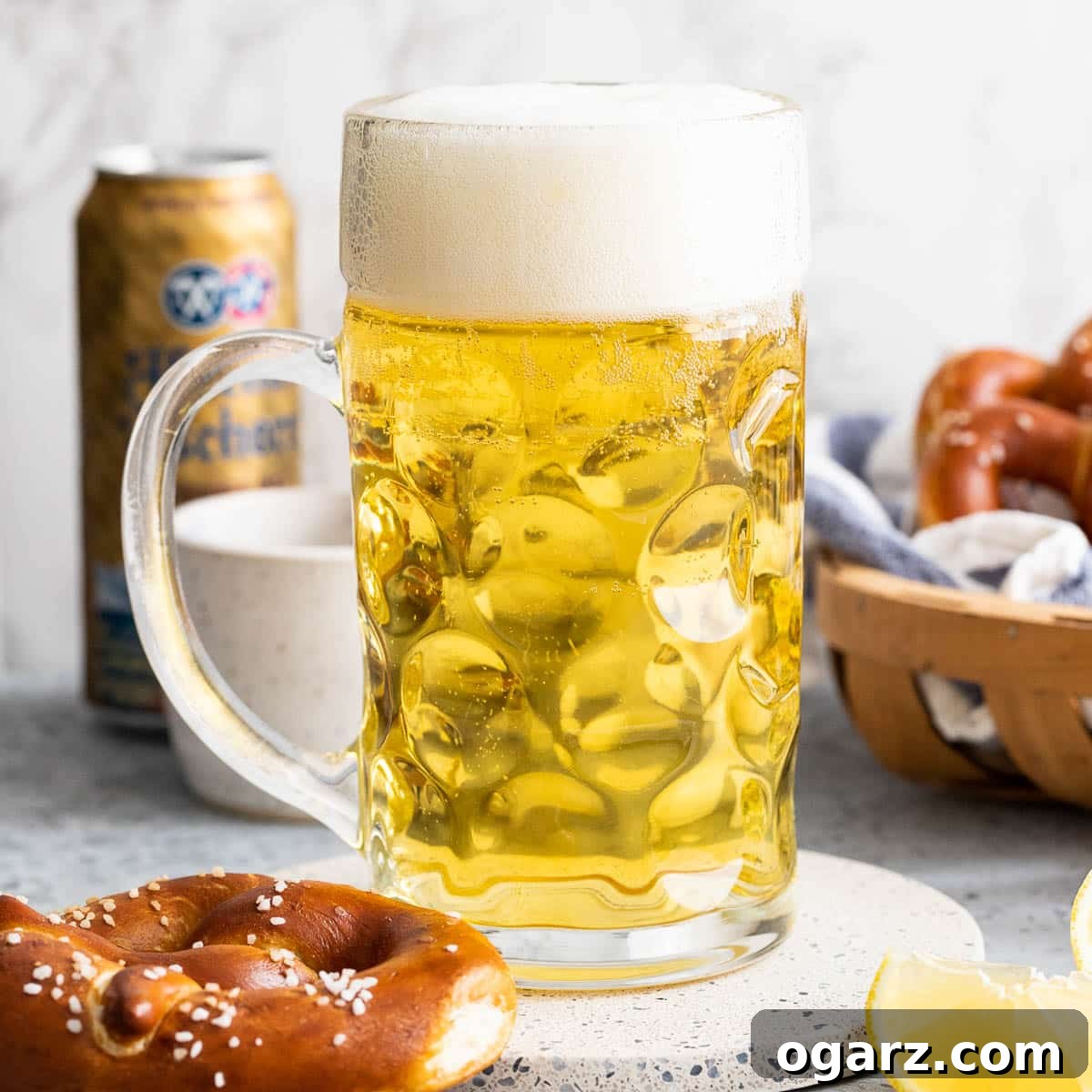
In the vibrant tapestry of German beverage culture, few drinks capture the essence of refreshing simplicity quite like the Radler. This popular concoction, which literally translates to “cyclist” in German, is a harmonious blend of crisp beer and zesty lemonade. It’s more than just a drink; it’s a refreshing experience, perfectly suited for sun-drenched summer days, post-activity rejuvenation, or simply unwinding with a delightful, low-alcohol option.
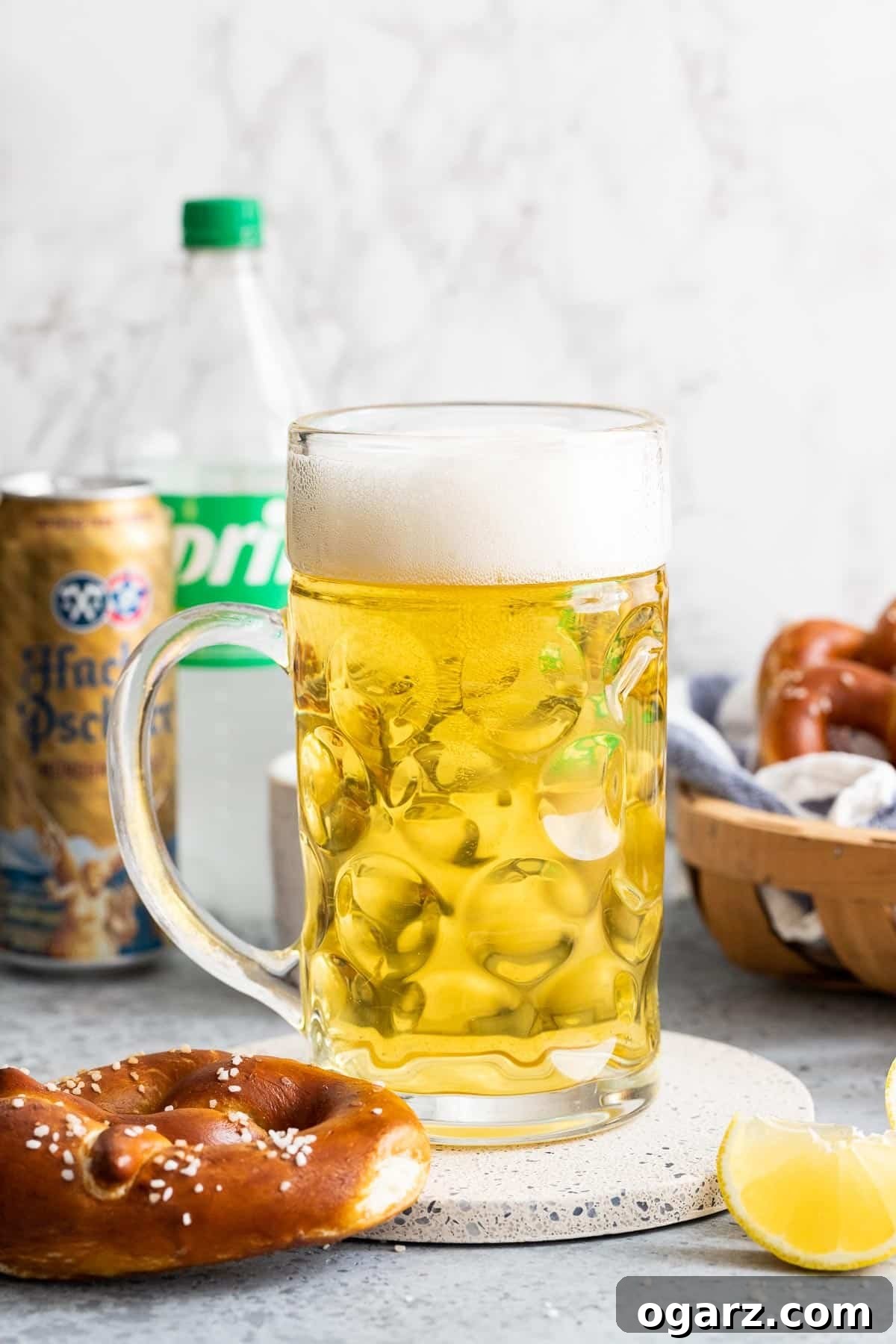
Discovering the Radler: Germany’s Iconic Beer-Lemonade Mix
A true staple in German beer gardens and homes, the Radler is fundamentally a mix of lager beer and sparkling lemonade. This combination isn’t just about diluting beer; it’s about creating a new flavor profile entirely. The addition of lemonade introduces a wonderful citrusy and subtly sweet taste that beautifully complements the beer’s malty notes. The effervescence from the sparkling lemonade adds a vital crispness, making it exceptionally refreshing. Imagine the perfect thirst-quencher after an invigorating hike, a long bike ride, or any physical activity – that’s the Radler’s sweet spot. Its light body and invigorating taste make it a universally loved beverage, often appealing even to those who typically shy away from beer.
The Fascinating History Behind the Radler’s Creation
The origins of the Radler are steeped in a charming Bavarian legend dating back to the early 20th century, specifically 1922. The story credits a resourceful innkeeper named Franz Xaver Kugler, whose establishment, Kugleralm, was nestled along a popular cycling route south of Munich. On a particularly hot summer day, an unexpectedly large contingent of over 13,000 cyclists descended upon his establishment, threatening to exhaust his entire beer supply. In a moment of brilliant improvisation, Kugler decided to stretch his remaining beer by mixing it with an equal amount of clear lemon soda he had on hand. To market this unconventional drink, he shrewdly claimed he had created it specifically for cyclists, proclaiming it “Radlermaß” (cyclist’s liter). The name stuck, and the drink quickly gained immense popularity among the thirsty cyclists, solidifying its place in German drinking culture. The name “Radler” itself, meaning “cyclist” in German, perfectly encapsulates this spirited origin story.
Why You’ll Love Making and Drinking Radler
- Unbeatably Refreshing: It’s the ultimate cool-down on a hot day, offering a crisp, revitalizing escape.
- Perfectly Low-Alcohol: With its diluted alcohol content, it’s ideal for longer sessions, light enjoyment, or can even be crafted entirely with alcohol-free beer for a guilt-free pleasure.
- Broad Appeal: Its delightful balance of sweet and tart often wins over even those who typically don’t enjoy the taste of traditional beer.
- Simple to Prepare: Requires minimal ingredients and effort, making it a quick and easy concoction.
- Versatile for Any Occasion: From backyard barbecues to post-workout refreshment, Radler fits seamlessly into various social settings.
Essential Ingredients for Your Perfect Radler
Crafting an authentic and delicious Radler requires just two core ingredients. The quality and type of each component play a significant role in the final taste profile. Here’s what you’ll need, along with some expert recommendations:
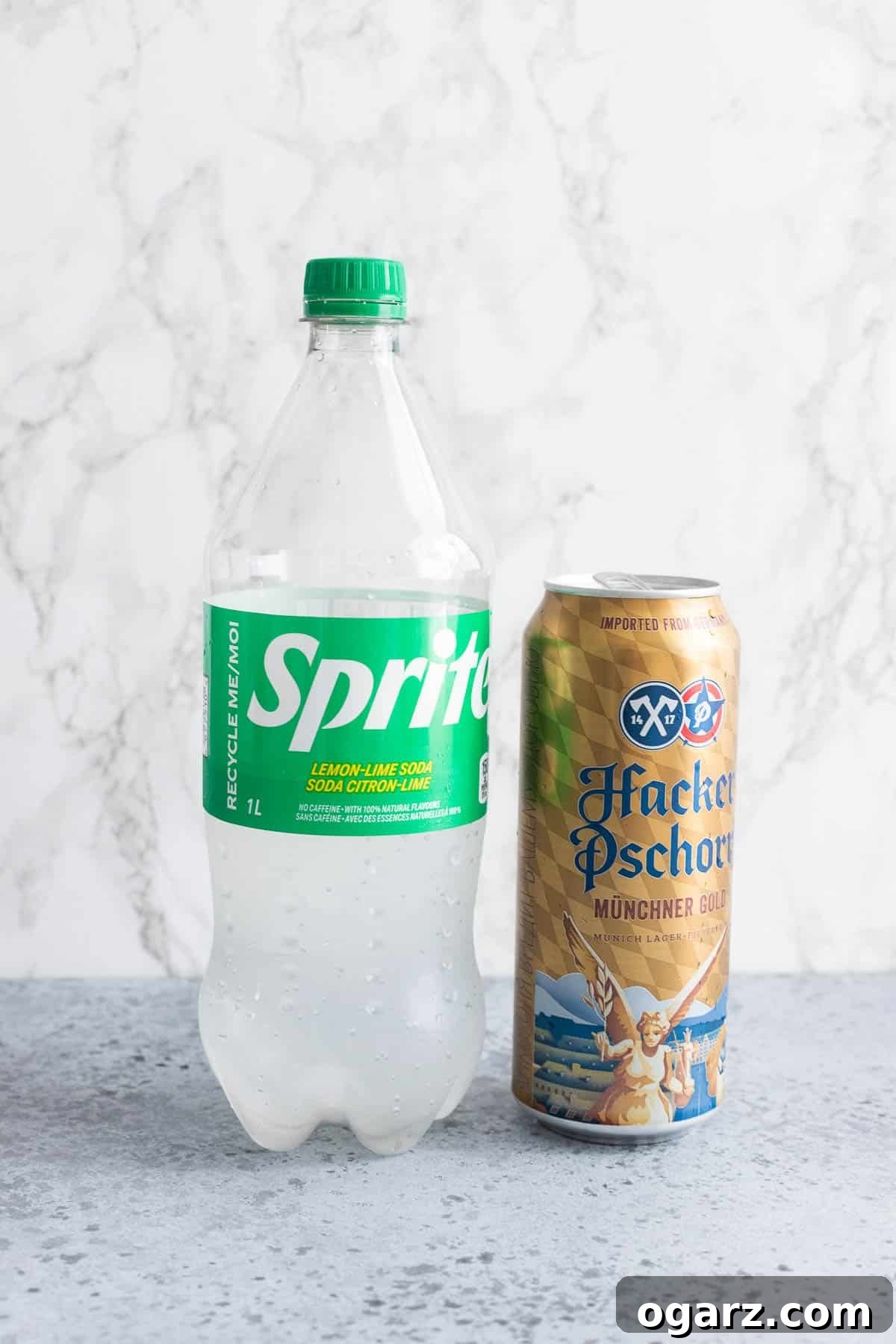
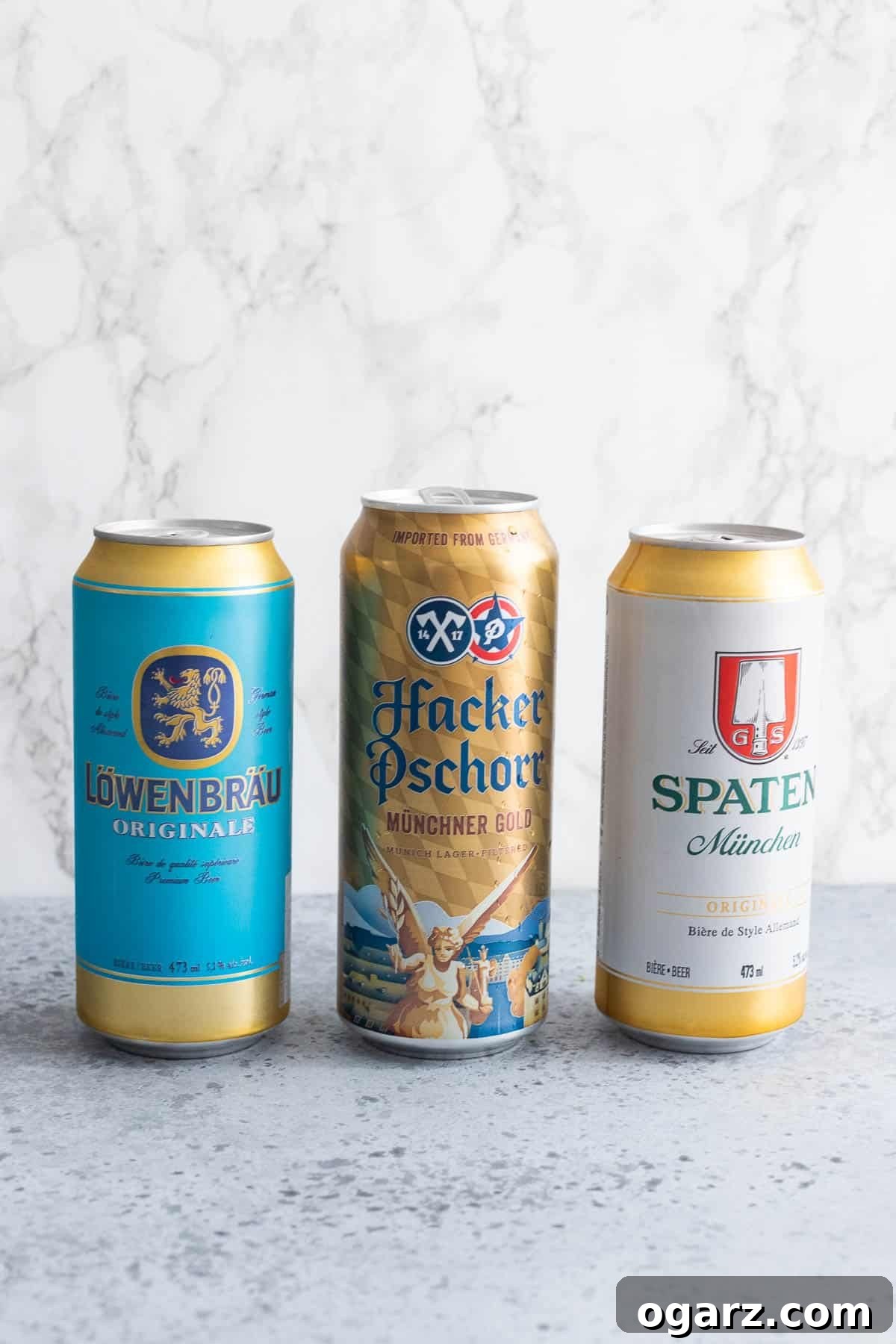
- Beer: The traditional choice for a Radler is a light lager beer. This style provides a clean, crisp base that allows the lemonade’s citrus notes to shine without being overwhelmed. Classic German lagers like a Helles or a Pilsener are excellent choices. While Helles (meaning “light” in German) offers a slightly sweeter, maltier profile, a Pilsener brings a touch more hoppy bitterness. Some adventurous variations might include wheat beer (for a “Russ” Radler, discussed below) or even certain darker beers, but for a true classic, stick to a light lager. For this guide, a Hacker Pschorr Münchner Gold, a quintessential German Helles lager, was used, offering a beautiful golden color and balanced taste.
- Lemonade: Crucially, the lemonade must be sparkling. This is where the German term “Limonade” differs from what Americans typically call lemonade. German Limonade is a carbonated soft drink, often clear and less intensely sweet than its American counterpart. Using a flat, still lemonade or juice will result in a lifeless Radler. Recommended options include a European-style sparkling lemonade such as San Pellegrino Limonata, or popular lemon-lime sodas like Sprite or 7-Up. The effervescence is key to the Radler’s signature refreshing quality.
Crafting Your Own Radler: A Simple Guide
Making a Radler is incredibly straightforward, requiring no special skills or complex equipment. The magic happens in the simple combination of perfectly chilled ingredients.
- Ensure Optimal Chill: This is arguably the most crucial step. Both your beer and sparkling lemonade must be thoroughly chilled. A cold beverage maintains its carbonation longer and provides the most refreshing experience. Avoid adding ice directly to your Radler, as it will dilute the flavors and flatten the fizz.
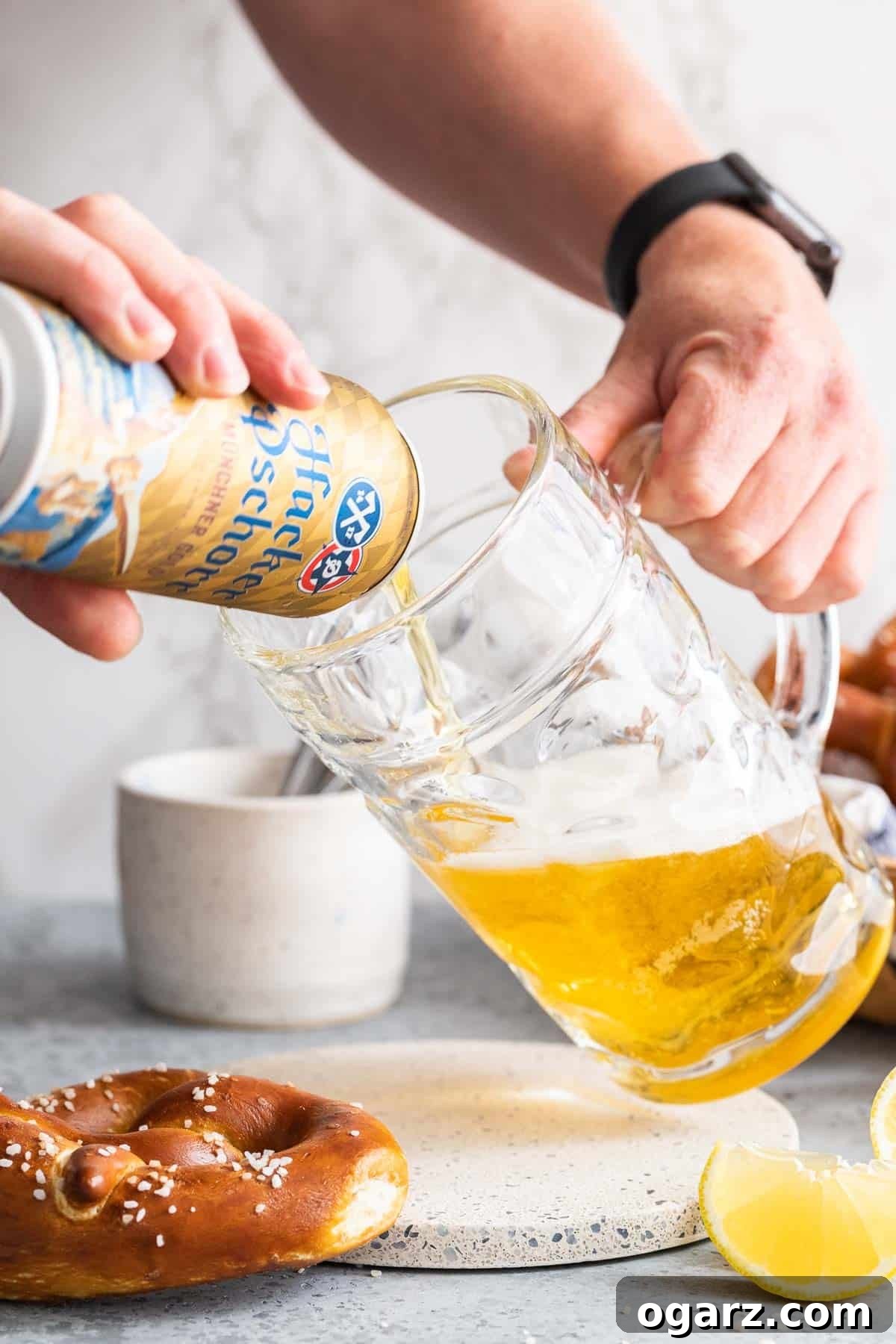
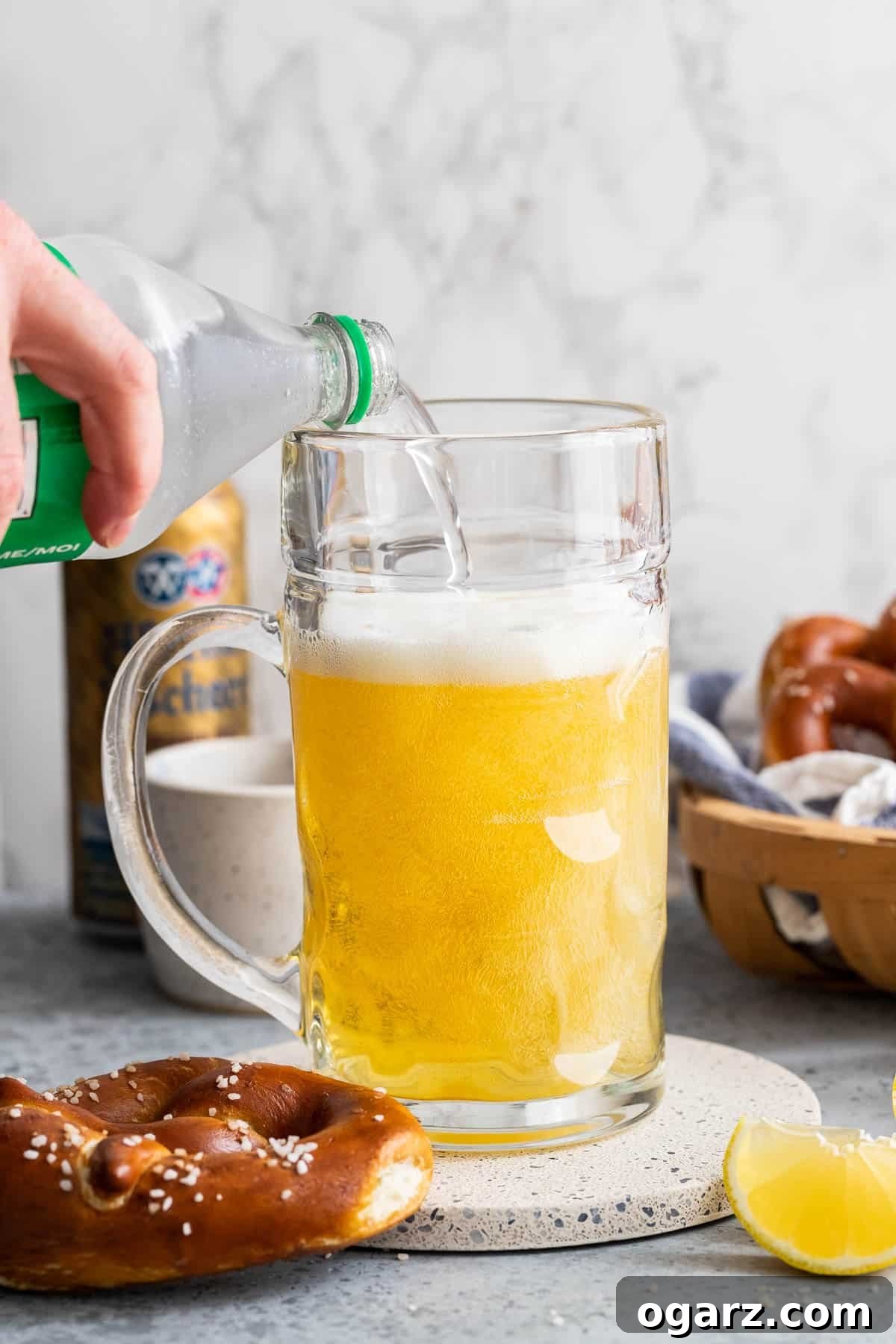
- Pour the Beer First: Carefully pour your chosen light lager beer into your serving glass. Fill it approximately halfway. This sequence is important because the lemonade is denser than beer, and pouring the beer first helps achieve an optimal mix and foam head.
- Slowly Add the Lemonade: Gently and slowly pour the sparkling lemonade or citrus soda into the glass, filling the remaining half. The carbonation from the lemonade will react with the beer, causing it to foam. Pouring slowly helps manage this foam, preventing overflow and ensuring a good head without losing too much fizz.
- Serve Immediately and Savor: Your homemade Radler is now ready! Enjoy it right away while it’s perfectly chilled and effervescent. The sooner you drink it, the more refreshing and vibrant its flavors will be.
Expert Tips for the Ultimate Radler Experience
While making a Radler is simple, a few professional insights can elevate your drink from good to truly exceptional:
- Temperature is Paramount: As reiterated, chilling both liquids is vital. Ice cubes will dilute and diminish the carbonation, ruining the crispness. Plan ahead and keep your beer and lemonade in the refrigerator.
- Choosing Your Beer Wisely: For the most authentic taste, opt for a German Lager (like Helles) or a Pilsener. These beers have a clean flavor profile that harmonizes perfectly with lemon. However, feel free to experiment with non-alcoholic beers if you prefer. Avoid overly hoppy or heavy beers, as their strong flavors can overpower the delicate lemonade.
- The Importance of Sparkling Lemonade: A flat lemonade will result in a flat Radler. Ensure your chosen mixer is genuinely sparkling to maintain that signature fizz and refreshing quality. Good options include traditional German “Limonade,” San Pellegrino Limonata, or even classic lemon-lime sodas like Sprite or 7-Up.
- Pouring Technique for Perfect Integration: Always pour the beer first, then slowly add the lemonade. This allows the heavier lemonade to gently integrate with the beer, reducing excessive foaming and ensuring a more harmonious mix.
- Finding Your Ideal Ratio: The classic Radler ratio is 50:50 beer to lemonade. This creates a perfectly balanced, low-alcohol drink. However, personal preference varies; some enjoy a 60:40 ratio with more beer for a slightly stronger flavor, while others might prefer more lemonade for extra sweetness and citrus punch. Experiment to find your sweet spot!
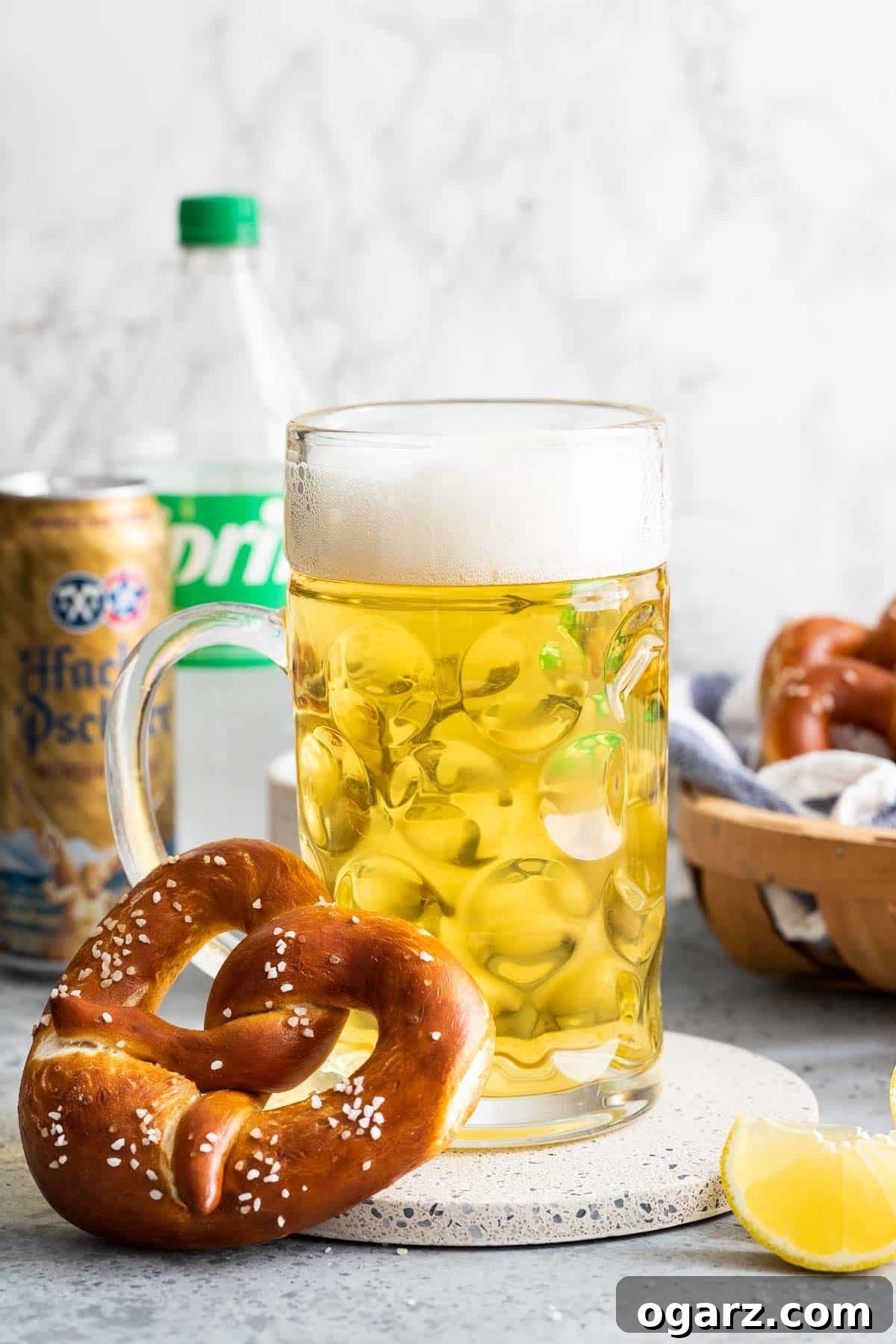
- Traditional Serving Vessels: Radler is traditionally served in a German beer stein (Masskrug) or a Willi Becher beer glass. These robust glasses are designed to keep the drink cold and display its inviting appearance. Garnishes are typically unnecessary, as the drink itself is visually appealing and aromatically rich.
- Embrace the Foam: A good Radler should have a decent head of foam on top. This foam isn’t just for aesthetics; it acts as a natural barrier, protecting the drink’s carbonation and preserving its fresh aromas.
- Best Enjoyed Fresh: Radlers are not meant to be made ahead of time. Preparing it too far in advance will lead to a loss of fizz, resulting in a stale and significantly less refreshing beverage. Mix and serve immediately for the best taste.
Exciting Radler Variations to Explore
While the classic lemon Radler is beloved, the concept of mixing beer with sparkling fruit beverages has inspired delightful regional and creative variations:
Non-Alcoholic Radler: For those seeking all the flavor without the alcohol, non-alcoholic Radlers are a fantastic option. Many excellent non-alcoholic German beers are available today that serve as a perfect base. You can also find pre-mixed, canned non-alcoholic German Radlers on the market, offering convenience and authentic taste. Simply swap regular beer for its non-alcoholic counterpart in your homemade recipe.
Russ (Bavarian Wheat Beer Radler): This popular Bavarian twist on the Radler uses wheat beer (Weissbier or Hefeweizen in German) instead of a lager. German wheat beer is known for its natural cloudiness, vibrant carbonation, and distinct aromatic profile featuring notes of banana and clove. When mixed with sparkling lemonade, a Russ (also sometimes called a Snow Radler due to its cloudy white appearance) offers a creamier texture and a more complex, fruitier flavor. Famous brands like Weihenstephaner Hefeweissbier and Paulaner Hefe-Weissbier are excellent choices for a truly authentic Russ.
Radler with Other Citrus Juices (and Beyond): While lemon is the traditional choice, the Radler concept is wonderfully adaptable. You can experiment with different fruit flavors:
- Grapefruit Radler: Known as “Grapefruit Radler” or sometimes “Alsterwasser” when made with orange, this variation is particularly popular. The tartness and slight bitterness of grapefruit soda create a more complex and zingy profile.
- Orange Radler: Using sparkling orange soda (Fanta-style) instead of lemonade creates a sweeter, more overtly fruity drink, often referred to as “Colaweizen” (if mixed with wheat beer and Coke) or simply an “Orange Radler.”
- Raspberry or Red Berry Radler: For a sweeter, more vibrant drink, sparkling raspberry or other red berry sodas can be used. These variations are less traditional but offer a fun and visually appealing alternative.
Remember, the key is always a sparkling mixer to maintain the effervescence. Don’t be afraid to try something new and discover your favorite fruit-beer combination!
Radler vs. Shandy: Understanding the Differences
While often conflated, Radler and Shandy are distinct beer-based drinks with different origins and characteristics:
- Origin: Radler unequivocally hails from Germany, as detailed in the legend of Franz Kugler. Shandy, on the other hand, originated in the United Kingdom.
- Typical Beer Base: Radler traditionally uses a light lager (like Helles or Pilsener) or sometimes a wheat beer. Shandy is more flexible, often made with a variety of beers, including traditional ales.
- Mixer: For Radler, the mixer is specifically sparkling lemonade (German “Limonade”) or a clear citrus soda. Shandy commonly uses regular still lemonade (British style) or ginger beer, which offers a different flavor profile.
- Alcohol Content: Radlers are intentionally lower in alcohol, usually around 2.5-3.5% ABV, designed for refreshment and hydration. Shandies can vary widely in alcohol content, often being closer to regular beer strength depending on the ratio and beer used, though lighter versions exist.
- Flavor Profile: Radlers are characterized by their clean, crisp, citrusy, and slightly sweet taste with a distinct fizziness. Shandies can have a broader flavor profile, ranging from sweeter lemon notes to the spicier, more pronounced kick of ginger beer, often less effervescent than a Radler.
- Cultural Context: Radler is deeply embedded in German outdoor and beer garden culture. Shandy is a classic British pub drink.
In essence, while both offer a refreshing beer-mixed experience, their geographical roots, typical ingredients, and resulting taste profiles maintain their unique identities.
Best Canned Radler Options
For convenience, many excellent canned Radler options are available globally. While homemade offers ultimate freshness, these pre-mixed versions are great for on-the-go enjoyment. Many popular options, particularly in North America, feature grapefruit soda, adding a delightful tartness. Some favorites include:
- Stiegl Radler: An Austrian classic, widely available in both lemon and grapefruit flavors. It’s known for its authentic taste and crisp finish.
- Schöfferhofer Grapefruit: Hailing from Germany, this is a very popular choice made with wheat beer and natural grapefruit juice. It strikes a fantastic balance between sweetness and the distinct, tangy flavor of grapefruit.
- Many other craft breweries now offer their own Radler interpretations, so keep an eye out for local options!
Serve Your Radler with These Delicious Pairings
Radlers are often enjoyed in a relaxed setting, making them a fantastic companion to typical “Biergarten” (beer garden) dishes or light, summery fare. Their refreshing nature cuts through richer foods and complements lighter ones beautifully. Here are some of our favorite pairings:
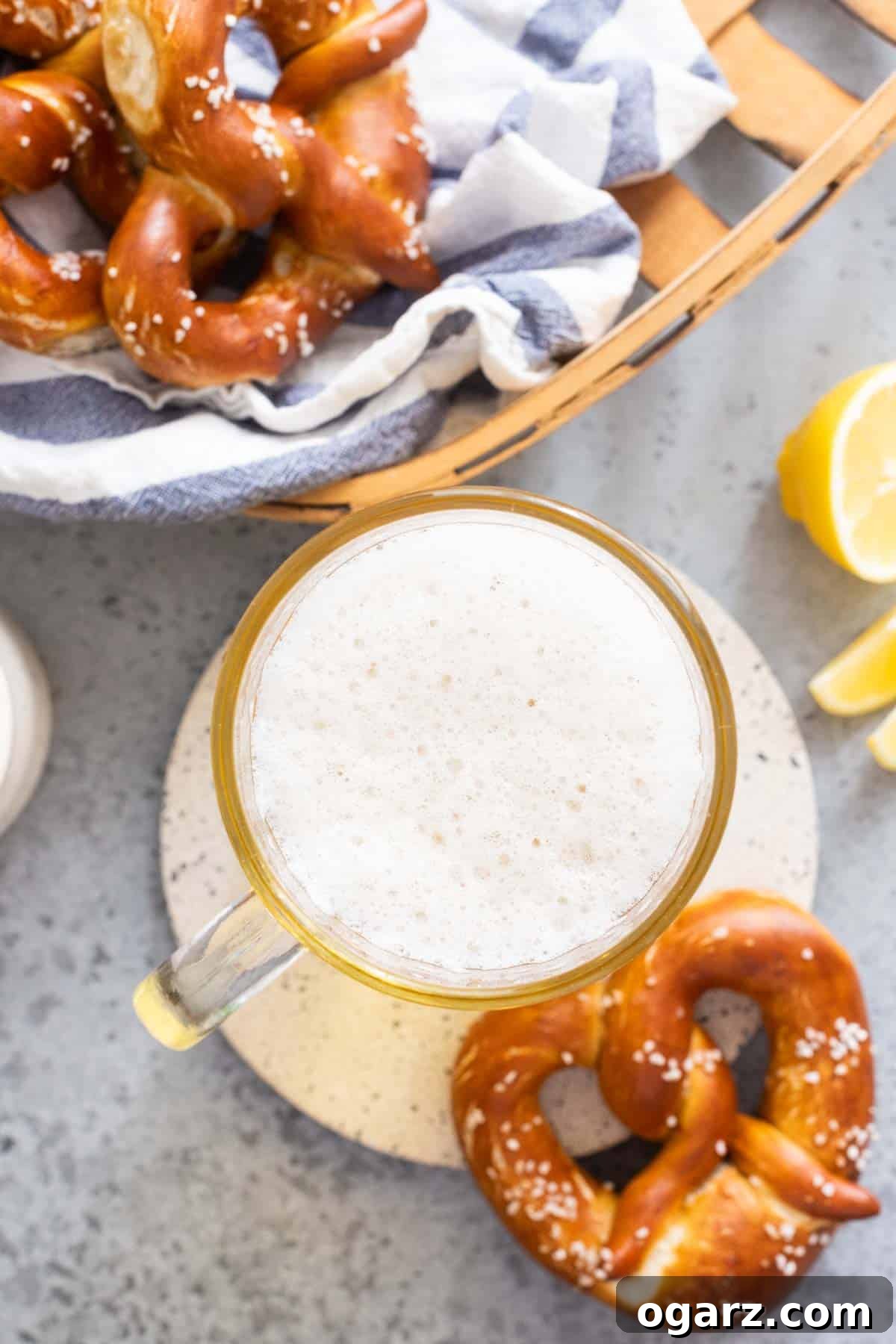
- Brezen (Bavarian Pretzels): The salty, chewy goodness of a pretzel is an iconic pairing for any German beer, and Radler is no exception. Serve them plain or with a side of sweet mustard for dipping.
- Authentic German Potato Salad: Unlike its mayonnaise-based American cousin, German potato salad is typically vinegar-based, warm, and tangy, making it a wonderful complement to the crisp Radler.
- German Schnitzel: The light, refreshing qualities of a Radler provide a perfect counterpoint to the richness of a fried Schnitzel, cleansing the palate with each sip.
- Bavarian Beer Cheese Dip (Obatzda): This flavorful cheese spread, often served with rye bread or pretzels, has a robust taste that finds balance with the light and citrusy Radler.
- Grilled Seafood or Fish: The clean, citrus notes of Radler pair beautifully with the delicate flavors of grilled seafood, enhancing the fresh taste.
-
Fresh Salads: Light salads, particularly those with a tangy dressing, are a natural fit. Try it with:
- Wurstsalat (German Sausage Salad): A hearty yet refreshing salad, perfect for a Biergarten feel.
- German Cucumber Salad: Creamy and dill-infused, it’s a classic summer side.
- Italian Pasta Salad: A versatile choice that works well with the Radler’s light character.
More German Recipes to Try
Explore More German Culinary Delights
German Recipes
German Onion Pie
Cakes
Black Forest Cake
Main Dishes
Flammkuchen
Sides & Salads
Wurstsalat
Never Miss A Recipe! Subscribe to my newsletter and follow along on Facebook, Instagram, and Pinterest for more great recipes and all of the latest updates.
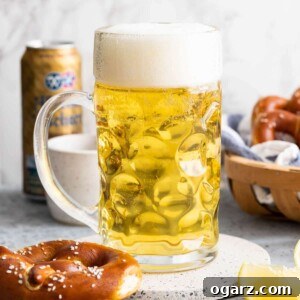
Radler
Julia Foerster
2 minutes
0 minutes
2 minutes
1
Equipment
-
1 beer stein mug
Ingredients
- 16 oz light lager beer, e.g. Paulaner Münchner Hell
- 16 oz sparkling lemonade, or citrus soda like Sprite
Instructions
-
Make sure the beer and lemonade are cold.
-
Pour the beer into the glass. Fill it about halfway to leave enough room for the lemonade.
-
Slowly pour the lemonade or citrus soda into the glass, filling it the rest of the way. The beer will foam so make sure to go slow.
-
Serve and enjoy immediately!
Notes
- Chilling: It’s important to chill the beer and the lemonade; do not add ice to the Radler.
- Beer: You can use alcoholic or non-alcoholic beer. I recommend using a German Lager or Pilsener for the most authentic taste. See the main article for more options.
- Lemonade: Use a sparkling lemonade or citrus soda. Using lemonade without fizz will result in a Radler that lacks effervescence and tastes stale. See the main article for options.
- Mixing Beer and Lemonade: First, pour the beer into the glass, then the lemonade. The lemonade is heavier and will combine better with the beer.
- Ratio: I usually go for a 50:50 ratio, but you can also opt for 60:40 and use more beer if preferred.
- Serving: Radler is traditionally served in a beer stein (Masskrug) or a Willi Becher beer glass without any garnishes.
- Foam: A healthy head of foam on top is desirable as it protects the fizz and aromatics of the drink.
- Make-ahead: Radler should not be made ahead of time because it would lose its fizz and refreshing quality.
Nutrition
Carbohydrates: 63g |
Protein: 3g |
Sodium: 64mg |
Potassium: 127mg |
Sugar: 46g |
Calcium: 27mg |
Iron: 0.2mg