
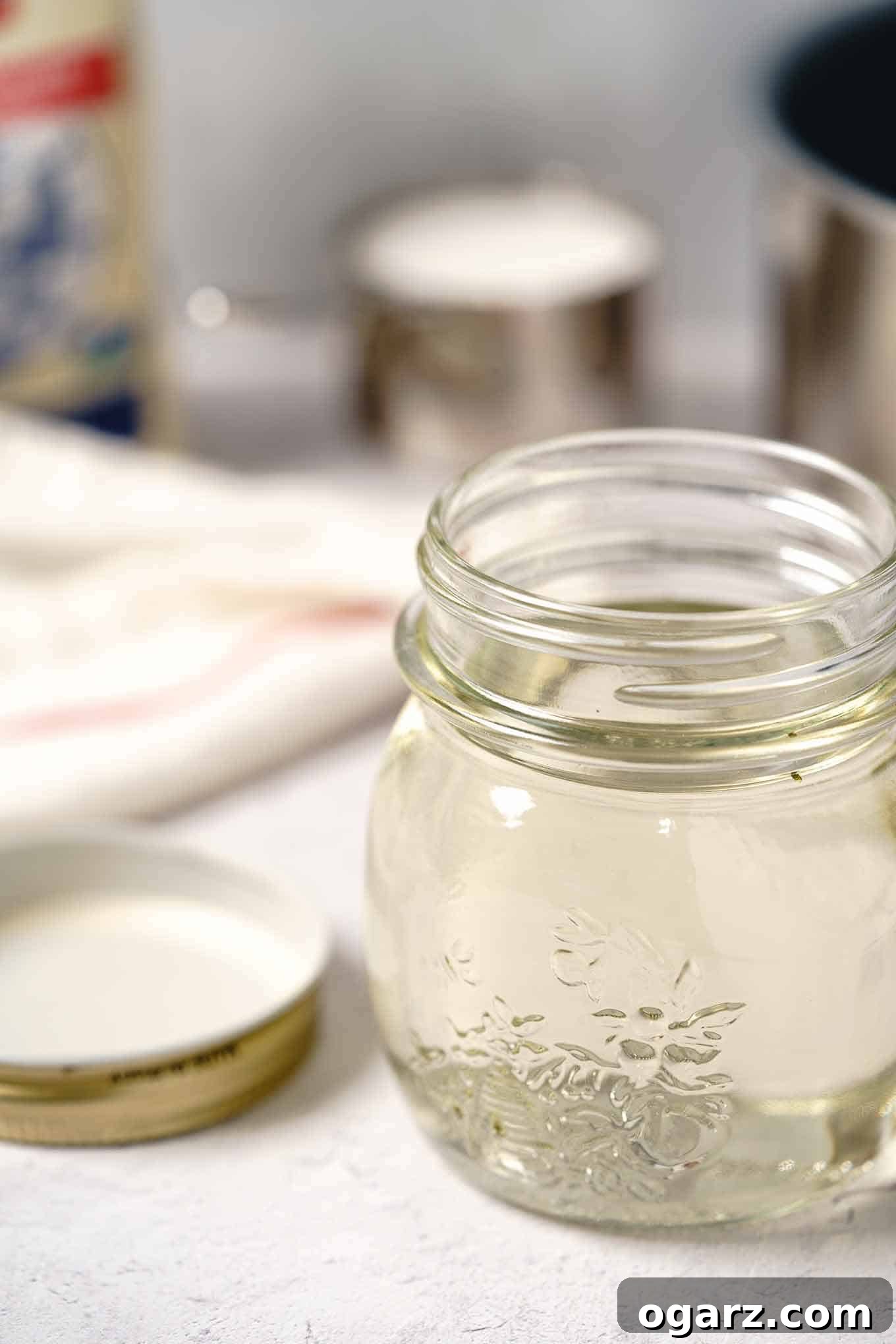

The Essential Guide to Simple Syrup: Elevate Your Cocktails and More
Simple syrup is a fundamental ingredient for any home bartender, culinary enthusiast, or anyone looking to add a touch of sweetness to their beverages and dishes. This clear, easy-to-make liquid sweetener dissolves seamlessly into both hot and cold liquids, making it far superior to granular sugar for many applications. Its neutral flavor profile ensures that it sweetens without altering the original taste of your drink or food, allowing the primary flavors to shine through. From classic cocktails to everyday iced coffee, mastering simple syrup is a game-changer.
Many professional mixologists and chefs consider simple syrup an indispensable staple due to its incredible versatility and the smooth, consistent sweetness it provides. Unlike raw sugar, which can settle at the bottom of a cold drink or create a gritty texture, simple syrup integrates perfectly, ensuring every sip is uniformly sweet and delightful. It’s not just for drinks; this humble concoction can transform desserts, fruit salads, and even certain savory glazes.
What Exactly is Simple Syrup?
At its core, simple syrup is a liquid sweetener made by dissolving sugar in water. The process involves gently heating water and sugar until the sugar crystals completely disappear, resulting in a smooth, viscous liquid. This pre-dissolved sugar makes it effortlessly blendable, providing an immediate and even sweetness without the need for stirring or waiting for granules to dissolve. It’s the secret behind perfectly balanced cocktails and refreshingly sweet non-alcoholic beverages.
Why Make Your Own Simple Syrup?
While pre-made simple syrups are available, crafting your own offers numerous advantages:
- Cost-Effectiveness: Sugar and water are inexpensive ingredients. Making simple syrup at home is significantly cheaper than buying bottled versions, especially if you use it frequently.
- Control Over Ingredients: You dictate the quality of sugar and water used, ensuring no artificial additives or preservatives. This also allows you to experiment with different types of sugars for unique flavor profiles.
- Freshness: Homemade syrup offers a fresher taste. While it has a good shelf life, making smaller batches ensures you always have the best quality on hand.
- Customization: The real beauty of homemade simple syrup lies in its potential for customization. You can easily infuse it with a myriad of flavors, from fresh herbs and spices to fruits and vegetables, opening up a world of culinary possibilities.
- Environmental Impact: Reducing reliance on commercially bottled products can also contribute to less plastic waste.
Types of Simple Syrup: Ratios and Sweeteners
The term “simple syrup” often refers to a classic 1:1 sugar-to-water ratio, but variations exist, primarily in the concentration of sugar and the type of sweetener used. Understanding these differences allows you to choose the best syrup for your specific needs, whether you’re crafting a delicate cocktail or a robust winter drink.
Classic Ratios: Regular vs. Rich Simple Syrup
- Regular Simple Syrup (1:1 Ratio): This is the most common type, made by combining equal parts sugar and water. It’s incredibly versatile and widely used in a variety of cocktails like mojitos, daiquiris, and margaritas, as well as for sweetening iced tea or coffee. Its lighter consistency provides sweetness without significantly altering the drink’s texture or body. It’s easy to make and a great starting point for any beginner.
- Rich Simple Syrup (2:1 Ratio): As the name suggests, this syrup uses double the amount of sugar compared to water (e.g., two cups of sugar to one cup of water). Professional mixologists often prefer rich simple syrup because its thicker consistency adds a luxurious mouthfeel and depth to cocktails. Due to its higher sugar content, you often need less of it to achieve the desired sweetness, making drinks less diluted. Rich syrup is excellent for spirit-forward cocktails like an Old Fashioned or a Sazerac, where a more substantial sweetness and texture are desired.
Exploring Different Sweeteners
Beyond plain granulated sugar, you can experiment with various sugars and natural sweeteners to create simple syrups with distinct flavors:
- Demerara and Turbinado Sugars: Both demerara and turbinado sugars are raw, unrefined cane sugars with larger crystals and a coarser texture than granulated sugar. They possess a delicate, caramel-like flavor and a golden hue. Simple syrups made with these sugars pair exceptionally well with tropical drinks, especially those featuring rum, whiskey, or aged spirits, adding a layer of depth that white sugar cannot. Their subtle molasses notes enhance the complexity of a cocktail.
- Brown Sugar: Brown sugar, which contains molasses, offers a much richer, more pronounced caramel and toffee flavor. A brown sugar simple syrup is a fantastic choice for holiday and winter cocktails, imparting warmth and an inviting aroma. It harmonizes beautifully with dark spirits like bourbon, brandy, and spiced rum. Infusing it further with warming spices like cinnamon sticks, cloves, or star anise can create truly exceptional seasonal beverages.
- Honey: Honey’s unique floral and earthy notes make it a delightful sweetener, particularly suitable for mixing with bourbon, whiskey, and other brown spirits. However, you cannot directly add raw honey to cold cocktails because it will seize up and become difficult to mix. To overcome this, create a honey syrup by combining 3 parts honey with 1 part boiling water. This process thins the honey, making it easily blendable into any drink without clumping. Honey syrup adds a natural, complex sweetness that store-bought syrups often lack.
- Maple Syrup: For a distinctive autumnal twist, consider using pure maple syrup. Its deep, earthy, and slightly smoky flavor is perfect for fall-themed cocktails, especially those made with bourbon, rye whiskey, or apple cider. Maple syrup can be used directly as a syrup, or you can dilute it slightly with hot water to create a thinner consistency if desired.
- Agave Nectar: Agave nectar is a popular natural sweetener derived from the agave plant. It’s sweeter than sugar and has a thinner consistency, with a relatively neutral flavor that works well in a variety of drinks. It’s often favored in margaritas and other tequila-based cocktails, and can be a good option for those seeking a lower glycemic index alternative. Agave syrup is already liquid, so it doesn’t require cooking; you can simply dilute it with a small amount of warm water if you want to achieve a specific sweetness level or texture.
Essential Equipment for Making Simple Syrup
Crafting simple syrup requires minimal equipment, most of which you likely already have in your kitchen. Having the right tools ensures a smooth and efficient process:
- Small Saucepan: A small to medium-sized saucepan is perfect for heating the water and dissolving the sugar. Stainless steel or non-reactive pans are ideal.
- Whisk or Spoon: You’ll need a whisk or spoon to stir the sugar and water until the sugar completely dissolves.
- Measuring Cups: Accurate measuring cups are crucial for maintaining the correct sugar-to-water ratio.
- Heat-Resistant Jar or Bottle: Once cooled, your simple syrup needs to be stored in an airtight, heat-resistant container. Glass jars with tight-fitting lids (like Mason jars or swing-top bottles) are excellent choices.
- Funnel (Optional but Recommended): A funnel makes transferring the cooled syrup into your storage container much easier, minimizing spills and mess.
- Fine-Mesh Sieve (for Infused Syrups): If you plan to make infused simple syrups, a fine-mesh sieve will be necessary to strain out any solids (herbs, spices, fruit pieces) for a clear, smooth syrup.
How to Make Simple Syrup: A Step-by-Step Guide
Making simple syrup is a straightforward process that takes mere minutes. Once you master the basic technique, you can easily adapt it for different sugar ratios and flavor infusions.
Yields approximately 1 cup of Regular Simple Syrup (1:1 ratio)
Prep time: 2 minutes | Cook time: 5-8 minutes | Total time: 10-15 minutes (plus cooling)
Ingredients:
- 1 cup water
- 1 cup granulated sugar
- 1 tablespoon vodka (optional, for extended shelf life)
Instructions:
- Combine Ingredients: In a small saucepan, combine 1 cup of water and 1 cup of granulated sugar. For a rich simple syrup, use 1 cup of water and 2 cups of sugar.
- Heat Gently: Place the saucepan over medium heat. Stir continuously with a whisk or spoon until the sugar completely dissolves into the water. Avoid bringing the mixture to a rapid boil; a gentle simmer is sufficient to dissolve the sugar without causing excessive evaporation, which could alter the ratio. This process typically takes about 5 minutes.
- Remove from Heat: Once all the sugar crystals have dissolved and the mixture is clear, remove the saucepan from the heat.
- Cool Completely: Allow the simple syrup to cool completely to room temperature before transferring it to a storage container. Cooling can take anywhere from 30 minutes to an hour, depending on the volume.
- Optional Preservative: If desired, once the syrup has cooled, stir in 1 tablespoon of vodka. This step is entirely optional but can help extend the shelf life of your syrup, especially for regular or flavored versions.
- Store: Pour the cooled simple syrup into a clean, airtight glass container. Label it with the date of preparation.
Troubleshooting Common Simple Syrup Issues
While simple syrup is generally easy to make, you might encounter a few common issues. Here’s how to address them:
- Crystallization: This happens when some sugar doesn’t fully dissolve and then encourages other sugar molecules to crystalize out of the solution, creating a grainy texture. To prevent this, ensure all sugar is dissolved before removing from heat. Avoid scraping down the sides of the pan once simmering starts, as this can introduce undissolved sugar crystals back into the solution. If crystallization occurs, you can often reheat the syrup with a small amount of water until it re-dissolves, then cool it very carefully without agitation.
- Cloudiness: A cloudy appearance is a primary indicator of spoilage. It means bacteria or mold has begun to grow. Always store simple syrup in a clean, airtight container in the refrigerator and discard it if it appears cloudy.
- Off-Odors or Flavors: Any unusual smells or tastes are also clear signs of spoilage. Trust your senses and discard the batch.
- Too Thick or Too Thin: If your syrup is too thick (perhaps from over-reducing), you can thin it by adding a small amount of boiled and cooled water. If it’s too thin, you can gently simmer it again for a few more minutes to reduce it slightly, or use a rich simple syrup recipe next time for a thicker consistency.
Flavor-Infused Simple Syrups: Unleash Your Creativity
One of the most exciting aspects of making simple syrup at home is the ability to infuse it with virtually any flavor imaginable. Infused syrups can dramatically elevate the complexity and character of your cocktails, mocktails, and culinary creations. The process is straightforward, typically involving steeping aromatic ingredients in the hot syrup.
The Infusion Process:
To create a flavor-infused simple syrup, follow the basic steps for making simple syrup (dissolving sugar in water over heat). Once the sugar has fully dissolved and you remove the saucepan from the heat, add your desired flavoring agents directly to the hot syrup. Allow the ingredients to steep as the syrup cools to room temperature. The longer they steep, the more intense the flavor will be. Once cooled, strain the syrup through a fine-mesh sieve to remove any solids before storing. This ensures a clear, smooth syrup.
Popular Infusion Ideas and Their Applications:
-
Herbal Infusions:
- Mint Simple Syrup: Perfect for mojitos, mint juleps, iced teas, or drizzling over fruit salads.
- Rosemary Simple Syrup: Excellent with gin, vodka, or bourbon cocktails, especially those with citrus notes. Try it in a Lemon Rosemary Fizz.
- Thyme Simple Syrup: Adds an earthy, savory note to gin or whiskey cocktails, or even a sparkling lemonade.
- Basil Simple Syrup: Fantastic in refreshing summer drinks, Pimm’s Cups, or spritzes, pairing well with cucumber and citrus.
-
Spice Infusions:
- Cinnamon or Spiced Simple Syrup: Infuse with cinnamon sticks, cloves, star anise, and a few cardamom pods. Ideal for holiday cocktails like a Holiday Old Fashioned, mulled wine, or apple cider-based drinks.
- Ginger Simple Syrup: Adds a spicy kick to Moscow mules, dark rum cocktails, or hot toddies.
- Vanilla Bean Simple Syrup: Scrape a vanilla bean into the syrup for a sophisticated sweetness perfect for coffee, desserts, or creamy cocktails.
-
Fruit & Citrus Infusions:
- Berry Simple Syrup: Muddle fresh strawberries, raspberries, or blueberries into the hot syrup. Great for margaritas, spritzers, or drizzled over pancakes and ice cream.
- Citrus Zest Simple Syrup: Use the zest (avoiding the white pith) of lemons, limes, oranges, or grapefruits. Enhances the citrus notes in almost any cocktail, like a Spiced Orange Champagne Cocktail.
- Apple or Pear Simple Syrup: Simmer thinly sliced apples or pears with the syrup for a fruity, autumnal flavor, wonderful in fall cocktails or non-alcoholic ciders.
-
Unexpected Infusions:
- Jalapeño Simple Syrup: Add a few slices of fresh jalapeño (seeds removed for less heat) to create a spicy syrup for margaritas, palomas, or even a spicy lemonade.
- Coffee Simple Syrup: Brew a strong cup of coffee and use it instead of water for a coffee-flavored syrup, perfect for espresso martinis or coffee-based desserts.
Creative Uses for Simple Syrup Beyond Cocktails
While simple syrup is a star in the world of mixology, its utility extends far beyond the bar. This versatile sweetener can enhance a wide array of culinary creations, adding moisture, sweetness, and often, a touch of elegance.
-
Non-Alcoholic Beverages:
- Iced Tea and Lemonade: Say goodbye to undissolved sugar crystals. Simple syrup blends effortlessly into cold tea and lemonade, ensuring consistent sweetness.
- Coffee and Cold Brew: Sweeten your iced coffee or cold brew without grittiness. Vanilla or cinnamon-infused syrups are particularly delightful.
- Sparkling Water and Sodas: Mix with sparkling water and a squeeze of fresh citrus for a homemade soda. Infused syrups can create gourmet sodas.
- Smoothies and Juices: Add a touch of simple syrup to balance the tartness of fruit in smoothies or fresh juices.
-
Baking and Desserts:
- Moistening Cakes: Brush simple syrup (plain or infused) over cake layers to keep them moist and add subtle flavor, especially for sponge cakes or genoise.
- Fruit Salads: Toss fresh fruit salads with a drizzle of simple syrup to enhance their natural sweetness and give them a beautiful sheen. Citrus or mint-infused syrups work wonderfully here.
- Glazes and Frostings: Incorporate into glazes for pastries, tarts, or donuts, or add to buttercreams for an extra smooth texture and sweetness.
- Sorbets and Granitas: Simple syrup is a key component in creating smooth, icy textures for homemade sorbets and granitas, preventing them from becoming too hard.
- Compotes and Sauces: Use to sweeten fruit compotes, coulis, or dessert sauces for a rich, liquid consistency.
-
Savory Applications (with infused syrups):
- Glazes for Meats and Vegetables: A spicy (jalapeño) or herbal (rosemary, thyme) simple syrup can be reduced and used as a glaze for roasted chicken, pork, or root vegetables, adding a sweet and aromatic caramelized finish.
- Salad Dressings: A small amount of citrus-infused simple syrup can balance vinaigrettes, especially those with tart fruits or vinegars.
Tips for Storing and Preserving Simple Syrup
Proper storage is key to extending the life of your homemade simple syrup and ensuring it remains fresh and safe to use. Simple syrup is essentially a sugar solution, and while sugar itself acts as a preservative, it’s not immune to spoilage over time.
- Refrigeration is Essential: Always store simple syrup in a tightly sealed container in the refrigerator. This slows down bacterial growth significantly. Glass jars with airtight lids are ideal.
-
Shelf Life:
- Regular Simple Syrup (1:1): Typically keeps for up to one month when stored properly in the refrigerator.
- Rich Simple Syrup (2:1): Due to its higher sugar concentration, which acts as a stronger preservative, rich simple syrup can last longer, often up to six months in the refrigerator.
- Flavored Simple Syrups: Syrups infused with fresh fruits, herbs, or spices tend to have a shorter shelf life, usually around 2-3 weeks, even with refrigeration. The natural oils and compounds from these ingredients can encourage quicker spoilage.
- Extend Shelf Life with Vodka (Optional): Adding a small amount of high-proof alcohol can act as an additional preservative, particularly beneficial for flavored syrups or if you want to push the boundaries of the regular syrup’s shelf life. A general guideline is to add one tablespoon of 100-proof vodka (or similar clear spirit) to every cup of prepared simple syrup once it has cooled. The alcohol inhibits the growth of mold and bacteria.
-
Watch for Signs of Spoilage: Always inspect your simple syrup before use. Key indicators of spoilage include:
- Cloudy Appearance: If your clear syrup suddenly becomes cloudy, it’s a strong sign of bacterial growth.
- Change in Color: Any discoloration not typical of the syrup (e.g., green or pink hues) indicates mold.
- Off-Odors: An unpleasant or fermented smell is a definitive sign that the syrup has gone bad.
- Visible Mold: If you see any fuzzy patches or black spots, discard the entire batch immediately.
- Sterilize Containers: Before storing, ensure your bottles or jars are thoroughly clean and sterilized. This helps prevent the introduction of bacteria that could shorten the syrup’s shelf life.
- Labeling: Always label your syrup with the date it was made. This makes it easy to keep track of its freshness and avoid using expired batches.
By following these simple storage and preservation tips, you can enjoy your homemade simple syrup for an extended period, always having a fresh, versatile sweetener at your fingertips.
Conclusion: The Sweet Simplicity
Simple syrup is more than just sugar dissolved in water; it’s a fundamental building block for countless culinary creations, from perfectly balanced cocktails to moist cakes and refreshing beverages. Its ease of preparation, versatility, and the endless possibilities for flavor infusion make it an indispensable staple in any kitchen. By taking a few minutes to make your own, you gain control over ingredients, save money, and unlock a world of creative potential.
Whether you opt for a classic 1:1 ratio, a rich 2:1 syrup, or venture into the exciting realm of infused flavors, mastering simple syrup empowers you to elevate your home bar and kitchen endeavors. So go ahead, whip up a batch, experiment with different sugars and infusions, and enjoy the sweet rewards!