

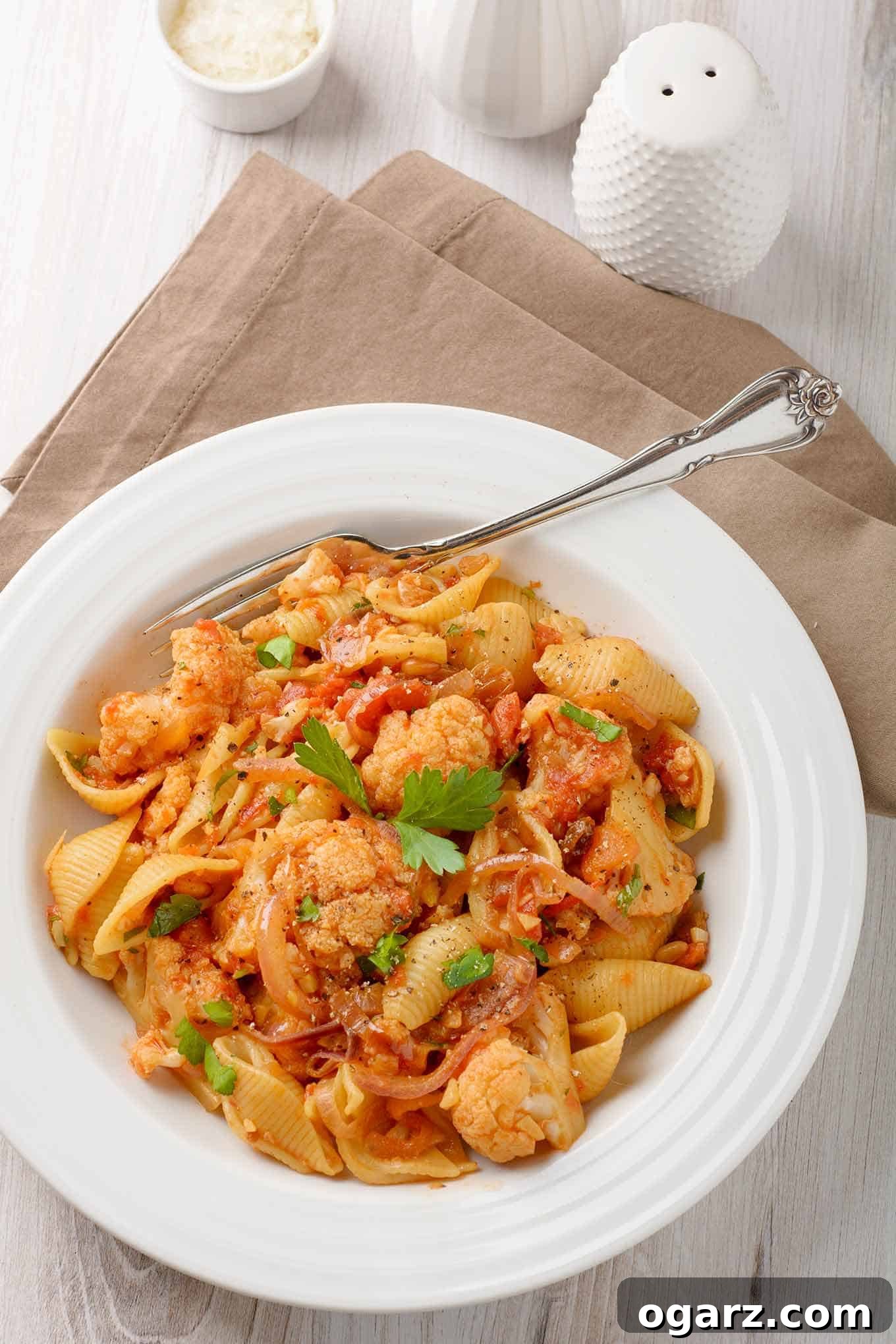
Embark on a culinary journey to the sun-drenched island of Sicily with this remarkable pasta dish. Sicilian cuisine is celebrated for its bold yet harmonious contrasts, and this recipe for pasta with cauliflower perfectly embodies that spirit. Anchovies, saffron, golden raisins, and pine nuts are signature ingredients of this vibrant Mediterranean region, creating a flavor profile that is both unexpectedly intricate and beautifully balanced. While the combination might initially seem unusual to the uninitiated palate, these elements seamlessly merge to produce a subtle depth and a truly unforgettable taste experience.
Far from being just another pasta dish, this Sicilian classic offers a symphony of textures and aromas. The delicate sweetness of plump raisins plays off the briny umami of anchovies, while the earthy crunch of pine nuts complements the floral notes of saffron. Coupled with tender cauliflower and your favorite pasta shape, it transforms simple ingredients into a gourmet meal that’s surprisingly easy to prepare. This recipe is not only a fantastic meatless option but also a testament to the richness and ingenuity of traditional Sicilian cooking, bringing the authentic taste of the island straight to your dinner table.
The Essence of Sicilian Flavors: A Deep Dive into Key Ingredients
The magic of this Sicilian pasta with cauliflower lies in its distinctive blend of ingredients, each playing a crucial role in building the dish’s complex flavor profile. Understanding the contribution of each component elevates the cooking process and enhances the appreciation of the final meal.
Anchovies: The Unsung Hero of Umami
For many, the mention of anchovies in a pasta dish might raise an eyebrow, but in Sicilian cuisine, they are revered as a foundational element, not a fishy topping. When finely chopped and slowly sautéed, anchovy fillets literally “melt” into the olive oil, onion, and garlic mixture, dissolving completely into the sauce. What they leave behind is not an overpowering fish flavor, but a deep, rich, savory umami quality that provides an unparalleled depth to the sauce. This fundamental flavor base is what makes the dish truly authentic and prevents it from tasting flat. It’s a secret weapon that adds complexity and a gourmet touch, transforming a simple vegetarian pasta into something extraordinary. Trust the process; the anchovies are indispensable.
Saffron: The Golden Touch of Aroma and Color
Saffron, known as the world’s most expensive spice, imparts a beautiful golden hue and a subtly sweet, hay-like aroma that is characteristic of many traditional Sicilian recipes. Its delicate flavor needs a bit of coaxing to fully release, which is why steeping the crushed threads in hot liquid is a crucial preliminary step. This gentle infusion allows the saffron to bloom, infusing the sauce with its distinctive notes and an appetizing warmth that can’t be replicated. It adds an elegant touch and a layer of aromatic complexity that is both exotic and comforting.
Golden Raisins and Pine Nuts: Sweetness and Crunch
The inclusion of golden raisins and pine nuts might seem unexpected in a savory pasta dish, but they are classic Sicilian pairings that offer delightful contrasts. The raisins, when plumped, release a natural sweetness that balances the savory elements of the sauce and the slight bitterness of the cauliflower. They add a chewy texture and bursts of fruitiness, harkening back to Sicily’s historical connections with North African and Arab cuisines. Pine nuts, or “pignoli,” contribute a buttery, slightly resinous flavor and a satisfying crunch. Toasting them amplifies their nutty characteristics, adding another layer of texture and aroma that elevates the entire dish. Together, they create a dynamic interplay of sweet, savory, and nutty notes, along with varied textures that keep each bite interesting.
Cauliflower: The Humble Yet Versatile Star
Cauliflower, often considered a simple vegetable, shines brightly in this Sicilian pasta. When steamed to tender perfection, its mild, slightly nutty flavor provides an ideal canvas for the more assertive ingredients. It absorbs the rich sauce beautifully, adding a wholesome and satisfying bulk to the dish. Cauliflower is also packed with nutrients, making this pasta a healthy and fulfilling meal. Its florets offer a pleasing texture that complements the pasta, ensuring every forkful is a delightful mix of components.
Mastering Your Sicilian Pasta: Essential Tips for Success
Crafting this exquisitely flavorful Sicilian pasta requires attention to a few key steps. These techniques ensure that each ingredient contributes its best, creating a harmonious and deeply satisfying meal. Follow these tips to unlock the full potential of this unique recipe.
- Saffron and Raisins: Aromatic Infusion & Sweet Plumpness: In a dish with a relatively short cooking time, maximizing flavor extraction is paramount. For the saffron, steeping the crushed threads in a small amount of hot pasta water allows its precious oils and pigments to fully release, ensuring a vibrant color and deep, earthy aroma permeates the sauce. Simultaneously, using the same warm pasta water to rehydrate the golden raisins makes them wonderfully plump, tender, and intensely sweet, enhancing their contribution to the dish’s overall balance. This dual activation step is quick but vital for achieving the dish’s signature complexity.
- The Golden Crunch: Toasting Pine Nuts to Perfection: Pine nuts possess a naturally rich, buttery flavor, but a brief toast truly elevates them. The easiest and most effective method is to use a dry pan over medium heat. Spread the pine nuts in a single layer and shake the pan constantly to ensure even browning. This process typically takes only 1 to 1-1/2 minutes; however, vigilance is key as pine nuts can go from perfectly golden to burnt in a matter of seconds. Their enhanced nutty aroma and crisp texture are well worth the close watch.
- The Secret Umami Bomb: Why Anchovies are Non-Negotiable: The success of any pasta dish hinges on the depth of its sauce, and here, anchovies are the secret weapon. The sauce begins with red onion and garlic gently sautéed in quality olive oil. Once the onion is lightly caramelized, finely chopped anchovy fillets are added. As they cook, they literally “melt” and dissolve into the aromatic base, imparting a profoundly rich, savory umami quality that is foundational to the dish’s flavor. Crucially, this process leaves no ‘fishy’ taste; instead, it provides a complex, satisfying backbone that makes the sauce truly sing. Do not omit them!
- Preserving Freshness: The Art of Brief Simmering: Once the aromatic base is established, incorporate the diced tomatoes, plumped raisins, and saffron (including its steeping liquid). Allow this mixture to simmer gently for just a few minutes while your pasta finishes cooking. This brief simmering period is intentional. It allows the individual flavors to meld and deepen slightly without becoming muddled or overcooked. The goal is to preserve the vibrant, distinct characteristics of each ingredient while creating a cohesive sauce that perfectly coats the pasta and cauliflower, highlighting their fresh qualities.
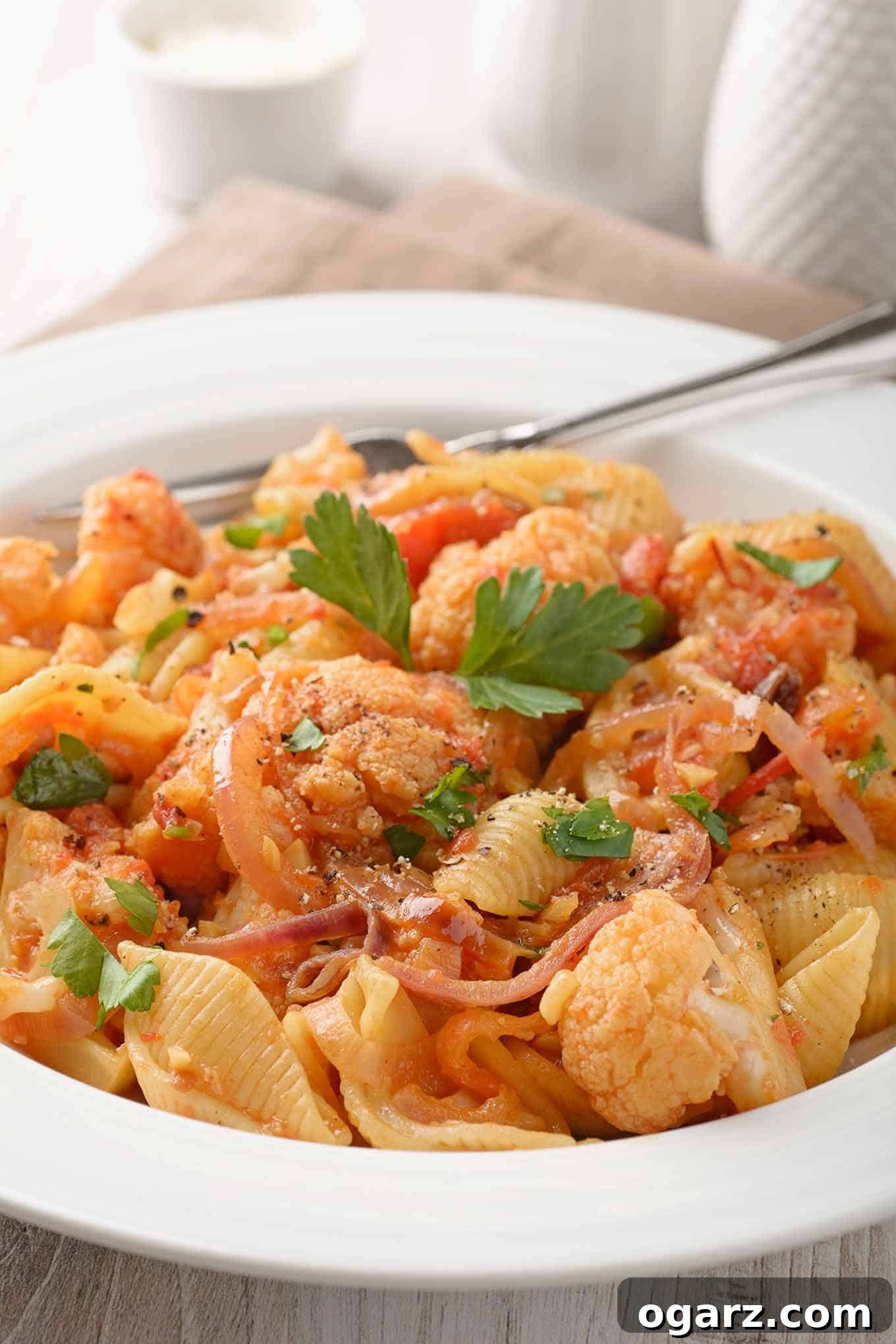
- Finishing Touches: Elevating Your Dish: Once the pasta is al dente, drain it and combine it immediately with the rich, aromatic sauce and the tender cauliflower florets. Stir in a generous amount of freshly chopped flat-leaf parsley; its bright, herbaceous notes add a burst of fresh flavor and a beautiful contrasting green color. Serve individual portions immediately, garnished with a sprinkle of freshly ground black pepper. For the cheese, we highly recommend Pecorino, an Italian sheep’s milk cheese known for its sharp, salty, and nutty profile, or Parmigiano-Reggiano, with its equally intense and complex savory notes. Both cheeses complement the sweet, savory, and earthy flavors of this dish without overpowering them, adding a final layer of robust Italian authenticity.
Exploring Variations: Tailoring Your Sicilian Pasta
While the recipe presented offers a delicious and authentic take on Sicilian pasta with cauliflower, the beauty of traditional dishes often lies in their regional variations and adaptability. Exploring these alternatives allows for personalization and offers new culinary experiences, reflecting the diverse gastronomic landscape of Sicily itself.
Tomato-Free Authenticity: The Broth and Olive Oil Approach
It’s important to note that many of the most authentic and historical Sicilian versions of this dish actually do not call for any tomatoes. This might be a surprise for those accustomed to tomato-rich Italian sauces. Instead, these traditional preparations rely on either a generous combination of vegetable broth and additional high-quality olive oil, or simply a larger quantity of olive oil, to create a luscious coating for the pasta and cauliflower. This approach allows the subtle nuances of the saffron, anchovies, raisins, and pine nuts to shine even more brightly, resulting in a dish with a cleaner, more verdant flavor profile and a velvety mouthfeel. If you’re looking to delve deeper into Sicilian culinary tradition, try preparing it without tomatoes, focusing on the richness provided by the other ingredients.
Vegetable Substitutions: Broccoli, Broccolini, and Beyond
The versatility of this pasta dish extends to its main vegetable component. While cauliflower is classic, many delicious variations substitute it with other seasonal vegetables. Broccoli or broccolini are popular choices, offering a slightly greener, earthier flavor and a similar satisfying texture when cooked until tender-crisp. You could also experiment with Romanesco broccoli for a stunning visual appeal and unique texture, or even artichoke hearts for an added layer of Mediterranean flavor. Adjust cooking times as needed to ensure the vegetables are perfectly tender but not mushy, maintaining their integrity within the sauce.
Protein Alternatives: Sardines for a Different Oceanic Twist
For those who enjoy a richer seafood presence, some Sicilian variations feature sardines instead of anchovies. Sardines provide a more pronounced fish flavor and a different texture, often flaked into the sauce, offering a bolder oceanic note. If you choose to use sardines, opt for high-quality, oil-packed varieties and add them towards the end of the cooking process to preserve their texture and prevent them from becoming too disintegrated. This swap introduces a distinct character to the dish, appealing to those who appreciate a more robust seafood presence.
We believe that culinary exploration is a joy, and adapting traditional recipes to suit personal preferences or available ingredients is part of that journey. If you’ve had the pleasure of trying any of these versions or have developed your own creative variations, we would be delighted to hear about your experiences. Please feel free to share your thoughts, tips, and insights in the comments section below, fostering a community of food lovers eager to explore the vast and delicious world of Sicilian cuisine.
Sicilian Pasta with Cauliflower and Saffron
Print Recipe
Ingredients
- 10 ounces pasta, shells, rotini, or penne
- 1/2 teaspoon crushed saffron threads
- 1/4 cup golden raisins
- 1/4 cup pine nuts
- 1 medium head cauliflower
- Salt and freshly ground black pepper, to taste
- 2 tablespoons Olive oil, plus more as needed
- 1/2 medium red onion, thinly sliced
- 4 anchovy fillets, rinsed and finely chopped
- 3 cloves garlic, minced
- 1 cup diced tomatoes, with their juices
- 2 tablespoons flat leaf parsley, chopped, plus more for garnish
- Pecorino or Parmigiano-Reggiano for grating, for serving
Instructions
-
Bring a large pot of generously salted water to a rolling boil for the pasta.
-
Once the pasta water begins to simmer, carefully ladle off approximately half a cup of the hot water and divide it equally between two small prep bowls. Add the crushed saffron threads to one bowl to steep, and the golden raisins to the other bowl to rehydrate. Set these bowls aside. Steeping the saffron allows its full flavor and color to develop, while soaking the raisins makes them plump, sweeter, and more tender.
-
Heat a large, dry sauté pan over medium heat. Add the pine nuts to the hot pan. Continuously shake the pan over the heat until the pine nuts are lightly golden and fragrant, typically about 1/2 to 1 minute. Exercise caution, as pine nuts burn very quickly. Immediately transfer the toasted pine nuts to a small bowl and set aside to prevent further cooking.
-
Core the cauliflower and separate it into bite-sized florets. Add the cauliflower florets to the same sauté pan. Season with a pinch of salt and freshly ground black pepper. Pour about 1/2-inch of water into the pan.
-
Place the pan back over medium-high heat, cover tightly, and simmer until the cauliflower is fork-tender but still retains a slight bite, usually 7 to 10 minutes. Once cooked, transfer the cauliflower florets to a plate and set them aside.
-
Wipe the sauté pan clean and dry. Add a tablespoon or two of olive oil to the pan and place it back on the stove over medium heat. Separate the thinly sliced red onion into rings and sauté until they become lightly caramelized and softened, about 4 to 5 minutes. Add the minced garlic and cook for an additional minute until fragrant, being careful not to burn it.
-
Add the finely chopped anchovy fillets to the onion and garlic mixture. Continue cooking, stirring frequently, until the anchovies have completely broken down and dissolved into the aromatics, creating a rich umami paste, approximately 3 to 4 minutes more.
-
Stir in the diced tomatoes with their juices, along with the saffron and its steeping liquid. Drain the plumped raisins and add them to the pan as well. Cover the pan, reduce the heat to medium-low, and let the sauce gently simmer for 8 to 9 minutes while you cook the pasta according to package directions until al dente.
-
Once the pasta is cooked, drain it thoroughly. Return the steamed cauliflower florets to the simmering tomato sauce and heat through for 1 minute. Add the cooked pasta, toasted pine nuts, and chopped flat-leaf parsley to the pan. Toss everything together until the pasta and cauliflower are evenly coated with the flavorful sauce.
-
Serve individual portions of the pasta immediately. Finish each serving with an extra grind of fresh black pepper and a generous grating of Pecorino or Parmigiano-Reggiano cheese, according to preference.
Notes
- Thoroughly steeping the saffron to unlock its full aromatic potential.
- Plumping the golden raisins to achieve a tender texture and amplified sweetness.
- Carefully toasting the pine nuts to deepen their nutty flavor and add a satisfying crunch.
Nutrition Information
Nutrition information is automatically calculated, so should only be used as an approximation.

Enjoyed this recipe? Share your thoughts below!