Vibrant Spanish Sangria
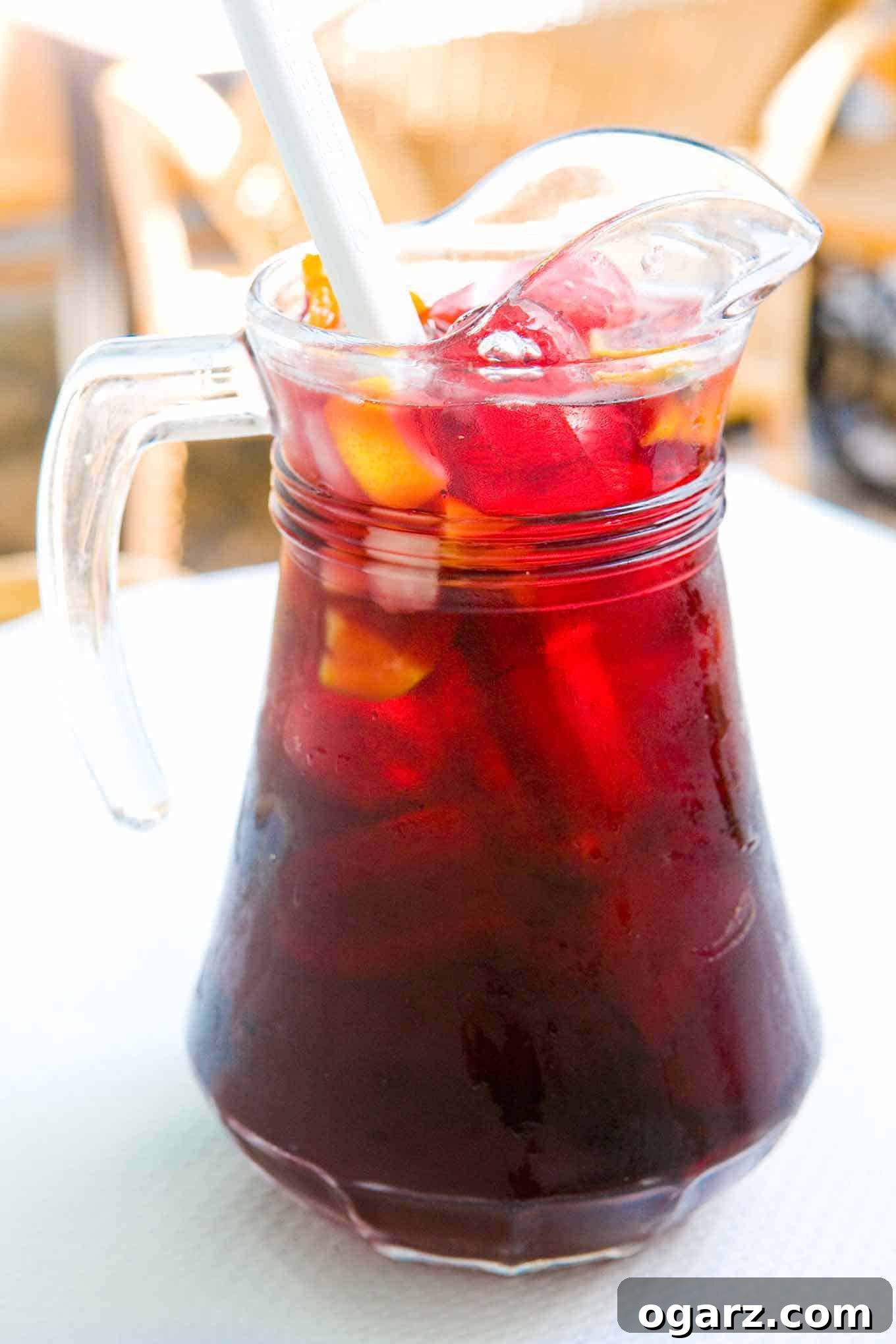
Classic Spanish Sangria: A Timeless Elixir for Every Occasion
Sangria, a delightful and refreshing Spanish wine punch, boasts a rich history dating back to the 15th century. Traditionally crafted with red wine, brandy, and an assortment of fresh fruits, this iconic beverage has evolved over centuries while retaining its charming essence. Originating in Spain and Portugal, sangria has transcended borders to become a global favorite, synonymous with vibrant gatherings, sunny afternoons, and the joyous spirit of Iberian culture.
While the basic concept of sangria allows for boundless creativity in ingredient selection, our recipe takes you on a journey very close to a traditional Spanish rendition. We focus on the authentic flavors that define classic sangria, creating a balanced and exquisitely refreshing drink. Central to this recipe is Rioja, a revered, bold red wine primarily made from Tempranillo grapes in northern Spain. Its robust character provides the perfect backbone for the fruity and boozy additions, which include fine brandy, aromatic orange liqueur, and the bright, zesty notes of fresh oranges and lemons.
The Heritage of Sangria: From Ancient Roots to Modern Delight
The term “sangria” itself comes from “sangre,” the Spanish word for blood, a fitting name given its deep red hue. Its origins can be traced to early Roman and Greek traditions of mixing wine with water, spices, and fruits to make it safer to drink and enhance its flavor. Over time, as trade routes expanded and new fruits became available, particularly citrus, these wine-based concoctions evolved. By the 15th century, what we recognize as sangria began to take shape, becoming a staple in Spanish households and taverns.
During the colonization of the Americas, sangria was introduced to new lands, and its popularity continued to spread, especially in regions with abundant fruit. However, it wasn’t until the 1964 New York World’s Fair that sangria truly captured the American imagination, served at the Spanish Pavilion and quickly becoming a sensation. Today, sangria is enjoyed worldwide, adapting to local tastes and available ingredients, yet its soul remains firmly rooted in Spanish tradition.
Crafting the Perfect Classic Spanish Sangria
Our recipe for classic Spanish sangria is designed for both authenticity and ease, ensuring that even novice mixologists can achieve a professional-tasting result. The careful selection of each ingredient contributes to the harmonious blend of flavors that define this beloved beverage.
The Cornerstone: Choosing Your Red Wine
The foundation of any great sangria is the wine. For a truly classic Spanish sangria, Rioja wine is unparalleled. Made predominantly from Tempranillo grapes, Rioja offers a fantastic balance of fruitiness, acidity, and subtle tannins that stand up beautifully to the other ingredients without being overpowering. Look for a young or crianza Rioja, which will be fruit-forward and less oaky, allowing the fresh fruit flavors to shine. While Rioja is ideal, if it’s not readily available, a Grenache, Merlot, or Pinot Noir can serve as suitable alternatives, ensuring they are not too heavy or overly sweet.
The Spirit of Sangria: Brandy and Orange Liqueur
Brandy adds a crucial depth and warmth to sangria, elevating its complexity beyond just wine and fruit. A good Spanish brandy, or a readily available VS or VSOP brandy, will impart a rich, slightly sweet, and fruity undertone. The orange liqueur, typically triple sec or Cointreau, contributes a vibrant citrus note and a touch of sweetness, enhancing the overall fruit profile and providing a subtle alcoholic kick that rounds out the drink.
The Freshness Factor: Citrus and Beyond
Freshly squeezed orange and lemon juices are non-negotiable for a truly authentic sangria. These provide a tart, bright counterpoint to the wine and liqueurs, creating a refreshing zing that is characteristic of Spanish sangria. Sliced fresh oranges and lemons not only add visual appeal but also infuse the punch with their essential oils and juices as they macerate. While this classic recipe focuses on citrus, don’t hesitate to experiment with other seasonal fruits like apples, peaches, or berries once you’ve mastered the traditional version.
Beyond the Classic: Exploring Sangria’s Versatility
The beauty of sangria lies in its adaptability. Once you’ve mastered the classic, a world of variations awaits. We’ve explored several delightful twists on this traditional recipe:
- Summer Berry Sangria: Perfect for warmer months, this vibrant sangria is bursting with the flavors of fresh strawberries and raspberries. It uses a lighter red wine like Merlot or Pinot Noir, allowing the sweet and slightly tart berries to take center stage. A touch of berry liqueur or simple syrup can further enhance its summery appeal.
- Italian Sangria: A delightful cross-cultural creation, our Italian Sangria swaps Rioja for the robust notes of Chianti. Flavored with the bright, aromatic zest of limoncello and the distinctive bittersweet kick of Campari, this variation offers a tart, citrusy blend of flavors that makes an exceptional aperitif. It’s a refreshing take that transports your taste buds straight to the sun-drenched Italian countryside.
- Winter Spice Sangria: For the holiday season or cozy winter evenings, this unique sangria offers warmth and comfort. Made with rich port wine, infused with cinnamon schnapps, and adorned with festive cranberries and clementines, it’s a wonderfully aromatic and flavorful drink that captures the spirit of winter celebrations.
These variations are just a starting point. Consider a tropical sangria with pineapple and mango, a rosé sangria for lighter occasions, or even a sparkling sangria with Cava or Prosecco for an added celebratory fizz. The possibilities are truly endless!

Classic Spanish Sangria
Lynne Webb
10 minutes
10 minutes
6
servings
Ingredients
- 1 bottle, 750ml Rioja wine
- 2 ounces brandy
- 2 ounces orange liqueur, triple sec
- 4 ounces freshly squeezed orange juice
- 2 ounces freshly squeezed lemon juice
- 1 lemon, sliced
- 1 small orange, sliced
Instructions
-
Combine the wine, brandy, orange liqueur, orange juice, lemon juice, lemon slices, and orange slices in a large pitcher.
-
Refrigerate until thoroughly chilled, about 3 hours.
-
Serve over ice.
Nutrition
Calories:
229
,
Sodium:
12
mg
,
Carbohydrates:
17
g
,
Fiber:
1
g
,
Sugar:
10
g
,
Protein:
1
g
Nutrition information is automatically calculated, so should only be used as an approximation.
Like this recipe? We’d love to hear your thoughts!
Share your comments and reviews below.
Tips for Mastering Your Homemade Sangria
Creating an exceptional pitcher of sangria is more than just mixing ingredients; it’s about balance and patience. Here are some essential tips to ensure your sangria is always a hit:
- Chill Thoroughly: The most crucial step for sangria is adequate chilling. Allow your sangria to refrigerate for at least 3 hours, or ideally 4-6 hours, before serving. This allows the flavors to meld beautifully and the fruit to infuse the wine. Overnight chilling can yield an even more profound flavor.
- Fruit Maceration: Don’t just slice and toss the fruit. Gently muddle or lightly press some of the fruit slices (especially the citrus) against the bottom of the pitcher before adding the liquids. This releases their juices and essential oils, enhancing the flavor infusion.
- Adjust Sweetness to Taste: Traditional Spanish sangria is often less sweet than many commercial versions. The sweetness from the orange liqueur and fruit juices is usually sufficient. However, if you prefer a sweeter drink, add a touch of simple syrup (equal parts sugar and water, heated until sugar dissolves, then cooled) or a splash of agave nectar. Avoid adding granulated sugar directly as it may not dissolve properly.
- Quality of Ingredients Matters: You don’t need to break the bank for the wine, but choose a wine you would genuinely enjoy drinking on its own. The same applies to brandy and orange liqueur – a good quality spirit will make a noticeable difference in the final taste.
- Don’t Forget the Ice: While the sangria itself should be thoroughly chilled, serving it over ice is essential to keep it cold and refreshing, especially on a warm day. Add ice to individual glasses rather than to the pitcher to avoid diluting the entire batch.
- Garnish Generously: A visually appealing drink is always more enjoyable. Garnish your sangria glasses with extra fresh fruit slices, a sprig of mint, or a cinnamon stick for the winter spice variation.
- Sparkling Touch (Optional): For a celebratory twist, top off each glass with a splash of sparkling water, soda, or Cava just before serving. This adds effervescence and brightens the drink.
Frequently Asked Questions About Sangria
Here are answers to some common questions about making and enjoying sangria:
What type of red wine is best for classic Spanish sangria?
For a truly authentic classic Spanish sangria, Rioja wine, particularly a Crianza or a young, fruit-forward bottling, is highly recommended. Other excellent choices include Grenache (Garnacha), Merlot, or Pinot Noir, as long as they are not overly oaky or heavily bodied. The key is a wine with good fruit characteristics and moderate tannins that won’t overpower the other ingredients.
Can I make sangria with white wine?
Absolutely! While classic sangria is red, white sangria (often called “Sangria Blanca”) is a popular and delicious alternative. Use a crisp, dry white wine like Sauvignon Blanc, Pinot Grigio, or Verdejo. Pair it with lighter fruits such as peaches, green apples, grapes, and citrus. White sangria is often lighter and perhaps even more refreshing, making it perfect for summer.
How far in advance can I prepare sangria?
Sangria can be prepared quite a bit in advance, which is one of its many advantages for entertaining. It’s best when allowed to chill for at least 3 hours, but it can be made up to 24 hours ahead of time. This extended chilling period allows the flavors to fully meld and the fruit to infuse the wine beautifully. However, avoid adding carbonated mixers (like soda or sparkling water) until just before serving to maintain their fizz.
What fruits work best in sangria?
For classic red sangria, oranges and lemons are essential, often accompanied by apples. However, the choice of fruit is very flexible! Other popular additions include berries (strawberries, raspberries, blueberries), peaches, plums, nectarines, and grapes. For white sangria, consider green apples, pears, kiwi, and melon. Always use fresh, ripe fruit for the best flavor.
Do I need to add extra sugar to my sangria?
It depends on your preference and the sweetness of your wine and fruit. Many traditional Spanish sangrias are not overly sweet. The natural sweetness from the orange juice, orange liqueur, and macerated fruit is often enough. Taste your sangria after it has chilled for a few hours. If you find it needs more sweetness, add a tablespoon or two of simple syrup, agave nectar, or a natural sweetener like honey, stirring until dissolved.
What’s the best way to serve sangria?
Sangria is traditionally served in large pitchers with plenty of ice. When serving individual portions, ladle the sangria, ensuring each glass gets a good amount of the fruit. Serve in wine glasses or tall tumblers, and for an extra touch, garnish each glass with a fresh fruit slice or a sprig of mint.
Embrace the Spirit of Spain with This Classic Sangria
There’s an undeniable charm in a beautifully crafted pitcher of sangria. It’s more than just a drink; it’s an invitation to relax, connect, and savor the moment, much like the Spanish tradition it hails from. This classic Spanish sangria recipe, with its harmonious blend of robust Rioja, warming brandy, bright citrus, and fresh fruit, offers an authentic taste of Spain that’s both invigorating and deeply satisfying.
Whether you’re hosting a lively fiesta, enjoying a quiet evening on the patio, or simply looking for a refreshing escape, this easy-to-follow recipe provides everything you need to create a memorable beverage. So gather your ingredients, follow these simple steps, and let the rich flavors of a true classic Spanish sangria transport you to the sun-drenched landscapes and vibrant culture of Spain. Cheers!