
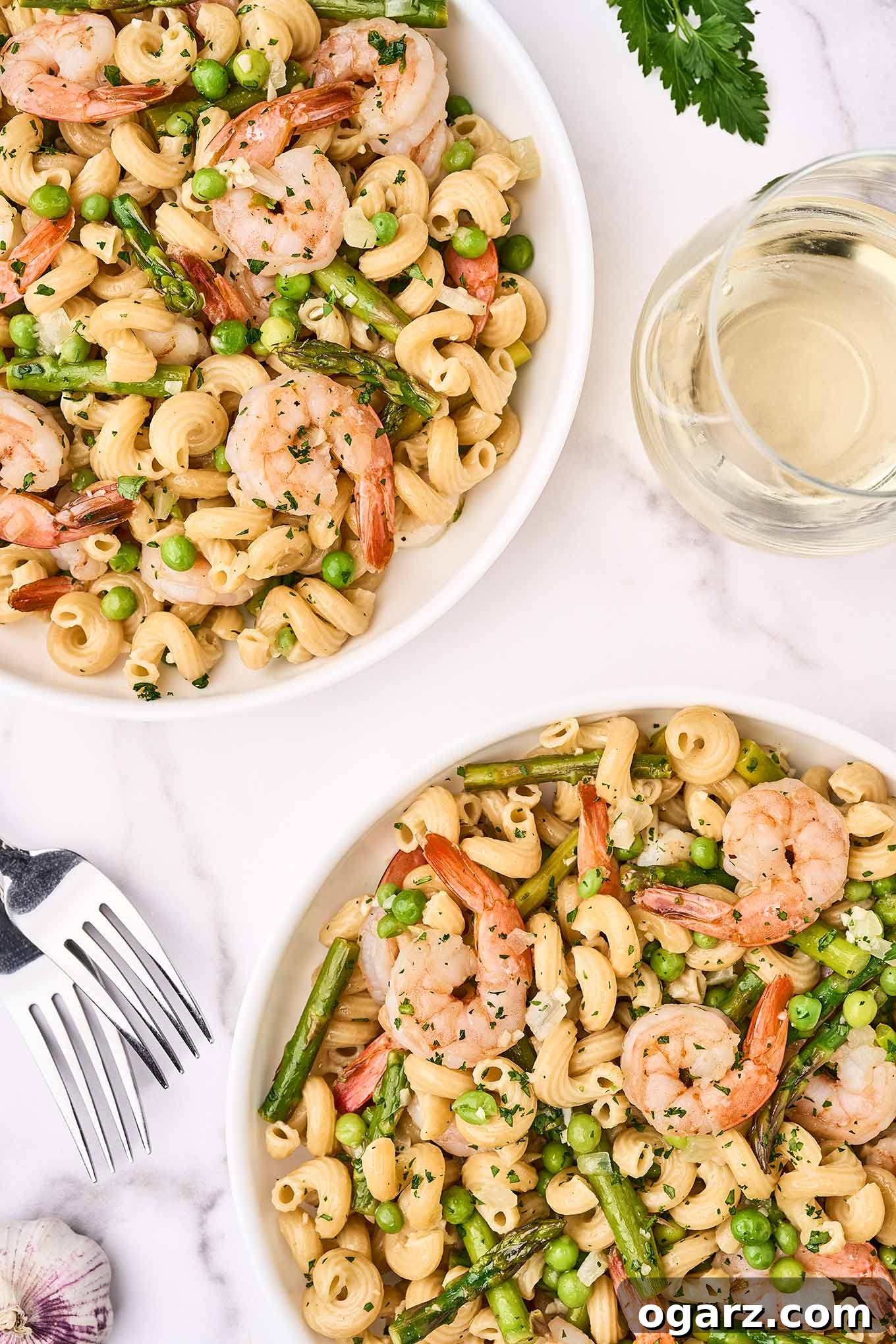
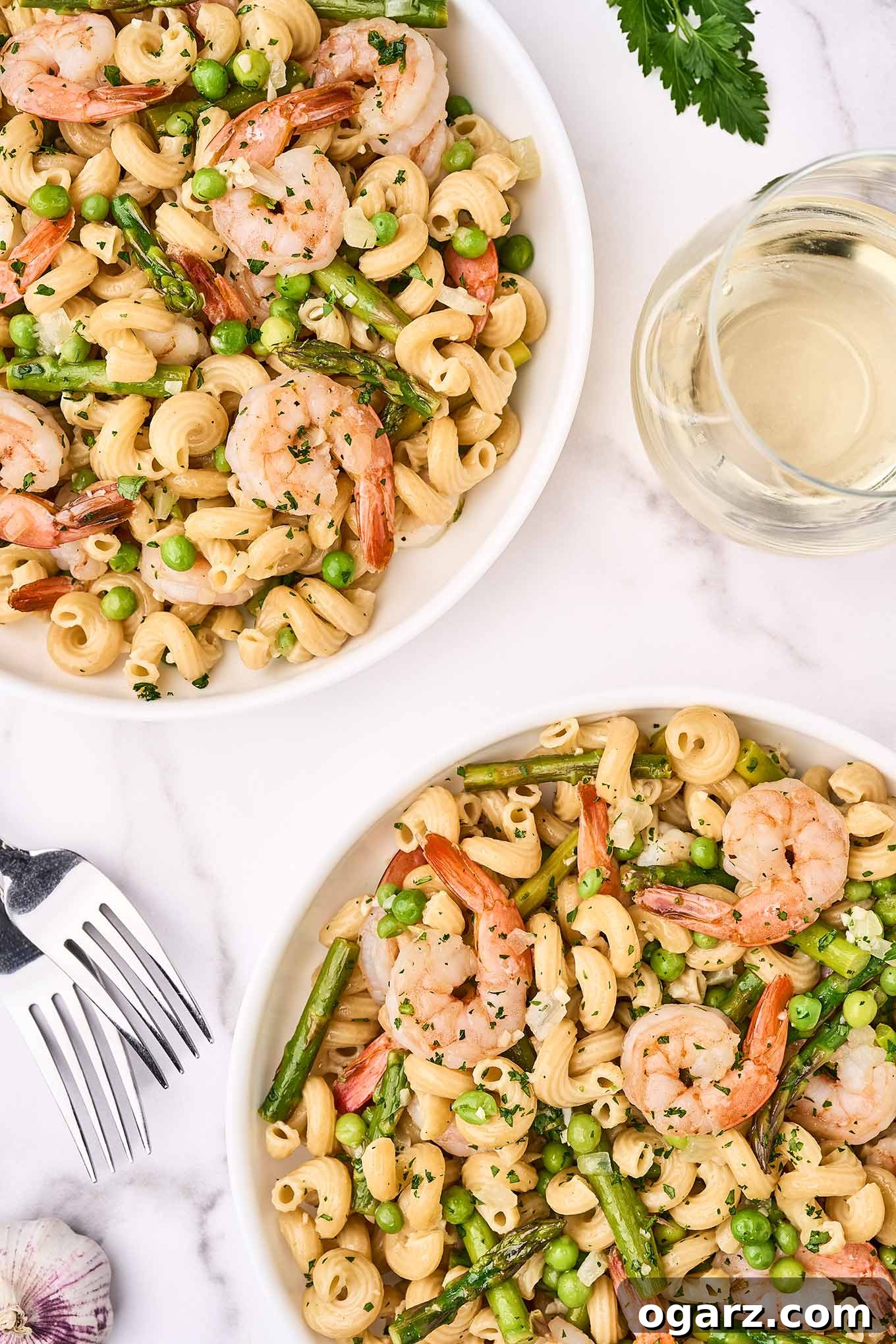
Effortless Elegance: The Ultimate Shrimp Pasta Primavera for Spring and Summer
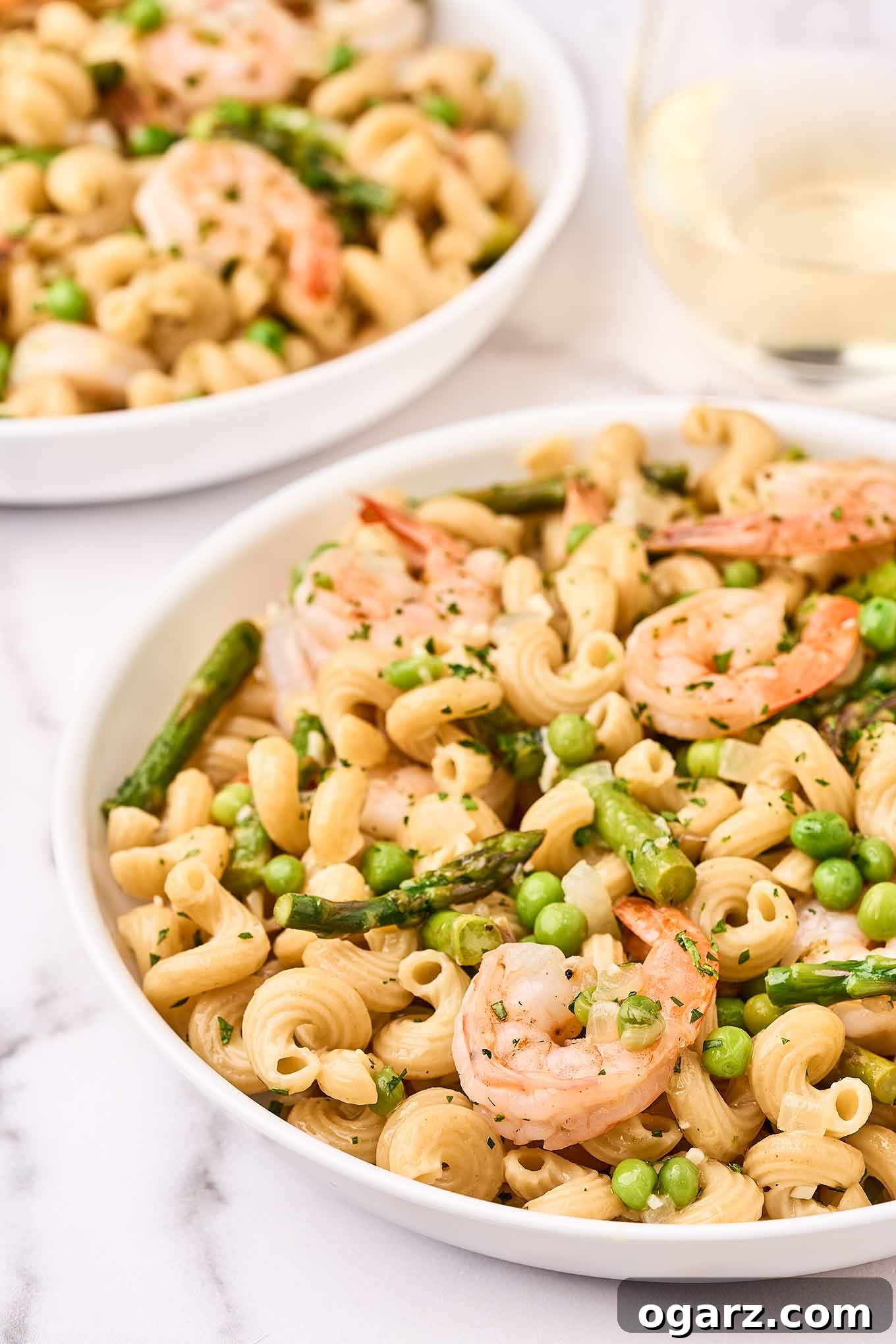
As the days grow longer and the weather beckons for lighter, fresher meals, there’s one dish that consistently delivers on both flavor and simplicity: Shrimp Pasta Primavera. This vibrant, satisfying pasta dish is a celebration of seasonal ingredients, quick-cooking shrimp, and a delicate garlic wine sauce, making it the perfect choice for busy weeknights or relaxed weekend gatherings.
Imagine tender, succulent shrimp mingling with crisp asparagus spears, sweet peas, and your favorite pasta, all coated in a light, aromatic sauce. This isn’t just another pasta recipe; it’s a refreshing culinary experience designed to bring the essence of spring and summer right to your dinner table. Forget heavy, complicated meals; our Shrimp Pasta Primavera promises robust flavors without compromising on ease, going from kitchen to table in a mere thirty minutes.
Whether you’re looking for a delightful dinner that won’t weigh you down or a recipe to make the most of fresh seasonal produce like asparagus, this pasta primavera with shrimp is an absolute winner. It’s an ideal way to enjoy the peak freshness of spring vegetables, combined with the convenience of pantry staples, resulting in a dish that’s both elegant and incredibly simple to prepare.
Mastering the Flavors: Key Ingredients for Perfect Shrimp Pasta Primavera
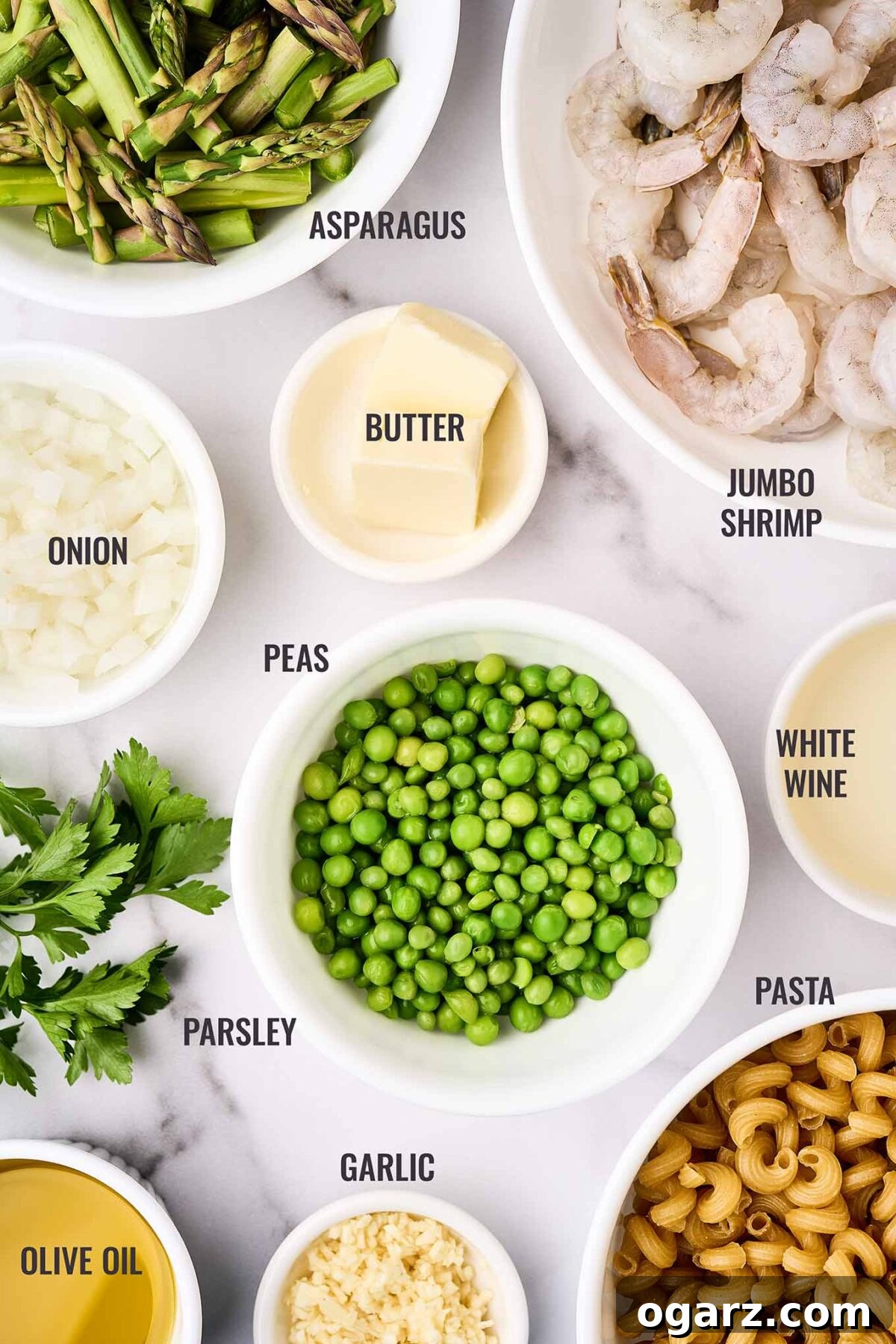
Understanding your ingredients is the first step to creating an unforgettable meal. Here’s what you need to know about the essential components of this Shrimp Pasta Primavera recipe. The complete list, including exact quantities, can be found in the detailed recipe card below.
-
Shrimp Selection for Primavera
For this exquisite Shrimp Pasta Primavera, we highly recommend using either jumbo (16 to 20 count per pound) or extra-large (21 to 25 count per pound) shrimp. Their substantial size ensures they remain tender and juicy, providing a satisfying bite alongside the pasta and vegetables. While we often leave the tails on during sautéing for an extra layer of flavor in the pan, you are welcome to remove them before cooking if you prefer a tail-free dining experience. Always choose peeled and deveined shrimp for convenience, whether fresh or frozen.
-
Choosing the Best Asparagus
Asparagus is a cornerstone of any great primavera. When you’re at the market, look for relatively thin, bright green spears with tight, firm tips. Thin asparagus cooks quickly and evenly, achieving that perfect crisp-tender texture in the light white wine garlic sauce, unlike thicker spears which can sometimes be woody. Trim the woody ends by gently bending each spear until it naturally snaps, or simply cut the bottom inch or two off the stalks.
-
Peas: Fresh or Frozen Perfection
Frozen peas are an absolute lifesaver for this recipe, offering convenience without sacrificing flavor or texture. They can be added directly from the freezer, cooking quickly in the warm sauce. While regular sweet peas work wonderfully, we have a particular fondness for petite peas due to their delicate sweetness and tender bite. If you have access to fresh peas, by all means, use them for an even brighter flavor profile!
-
Pasta Shapes that Capture the Sauce
The right pasta shape can truly elevate your Shrimp Pasta Primavera. Opt for cuts with ridges, grooves, or curves that excel at catching and holding onto the delicate garlic wine sauce. Our top choice is cavatappi, with its corkscrew shape providing excellent sauce adhesion. Penne and rotini are also fantastic alternatives, ensuring every forkful is perfectly coated in flavor. Avoid very thin or very thick pasta types that might not balance as well with the light sauce and tender vegetables.
-
White Wine or Broth: The Liquid Gold
A dry white wine is crucial for deglazing the pan and building the complex flavor base of our sauce. Pinot Grigio or Sauvignon Blanc are ideal choices, offering crisp acidity that complements the shrimp and vegetables beautifully. Plus, a bottle of either pairs wonderfully with the finished dish! If you prefer not to use alcohol, a high-quality low-sodium chicken broth makes an excellent substitute, providing depth without altering the essence of the dish significantly.
-
Aromatics and Fats: The Foundation of Flavor
Beyond the main ingredients, don’t underestimate the power of good olive oil, fresh garlic, and sweet onion. These aromatics are sautéed to form the aromatic backbone of the sauce. Good quality butter is also divided and used strategically to add richness and gloss to both the pasta and the finished shrimp, enhancing the overall luxurious feel of the dish. Fresh flat-leaf parsley adds a final burst of herbaceous freshness and a touch of color.
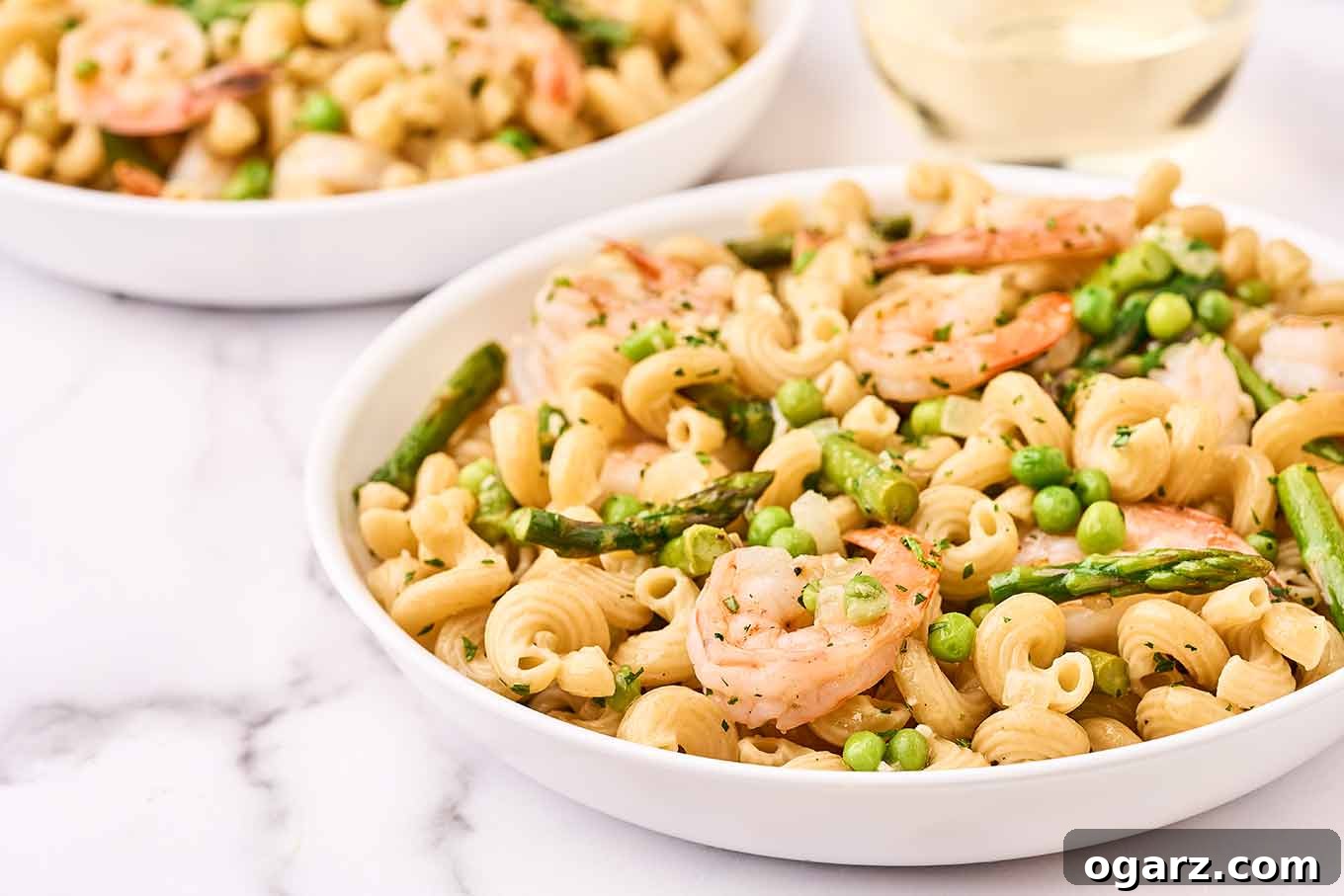
Crafting Your Shrimp Pasta Primavera: A Step-by-Step Guide
Creating this delightful Shrimp Pasta Primavera is simpler than you might think! This overview provides the essential steps, ensuring a smooth cooking process. For detailed instructions and quantities, please refer to the comprehensive recipe card below.
-
Prepare Your Workspace
Before you begin any cooking, set a large pot of generously salted water to boil. This will be for your pasta. Having this ready ensures a seamless transition when it’s time to cook the pasta.
-
Build the Flavor Base
In a spacious skillet, heat a good amount of olive oil over medium heat. Add your finely chopped onion and sauté it gently until it turns soft and translucent, about 3-4 minutes. This mellows its flavor. Next, stir in the minced garlic and cook for just another 1-2 minutes until it becomes fragrant and barely golden, being careful not to burn it. Immediately deglaze the pan by pouring in the dry white wine, scraping up any delicious browned bits from the bottom of the skillet. These “bits” are packed with flavor!
-
Perfectly Cooked Pasta
While your aromatics are sautéing, cook the pasta in the boiling salted water according to package directions until al dente. This means it should be firm to the bite, not mushy. Before draining, make sure to reserve about ¾ cup of the starchy pasta cooking water – this is your secret weapon for a luscious sauce! Return the drained pasta to its pot, add a tablespoon each of olive oil and butter, and toss to coat. This prevents sticking and adds a beautiful sheen, then set it aside.
-
Tender-Crisp Vegetables
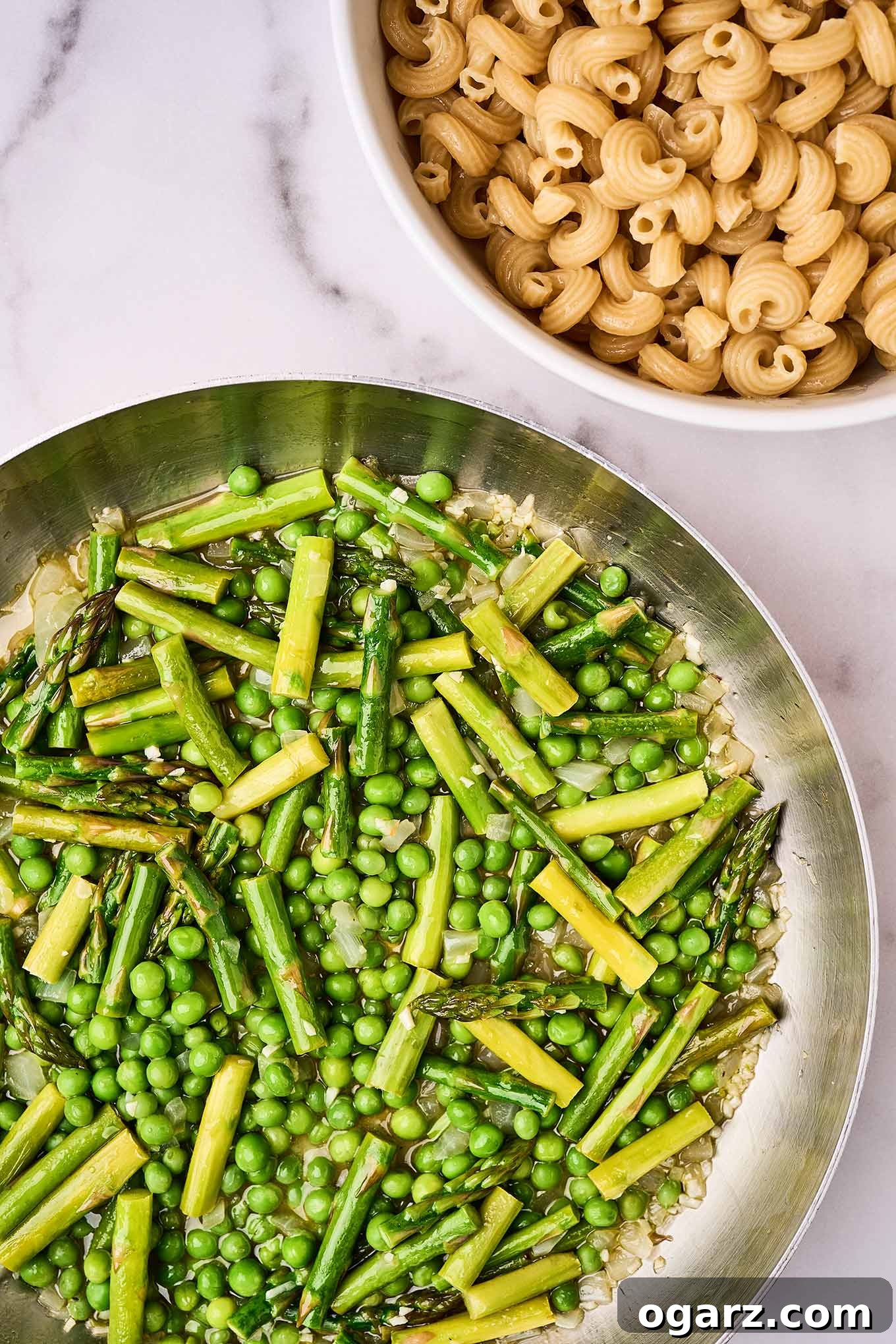
Return to your skillet with the onion and garlic mixture. Add the trimmed asparagus pieces along with about half of the reserved pasta water. Increase the heat slightly to medium-high and cook until the asparagus is bright green and just tender, typically 3-4 minutes. Season with salt and pepper to taste. Finally, stir in the frozen peas and cook for just one more minute until heated through. Transfer these vibrant vegetables to the pot with the pasta and gently combine.
-
Sauté the Shrimp to Perfection
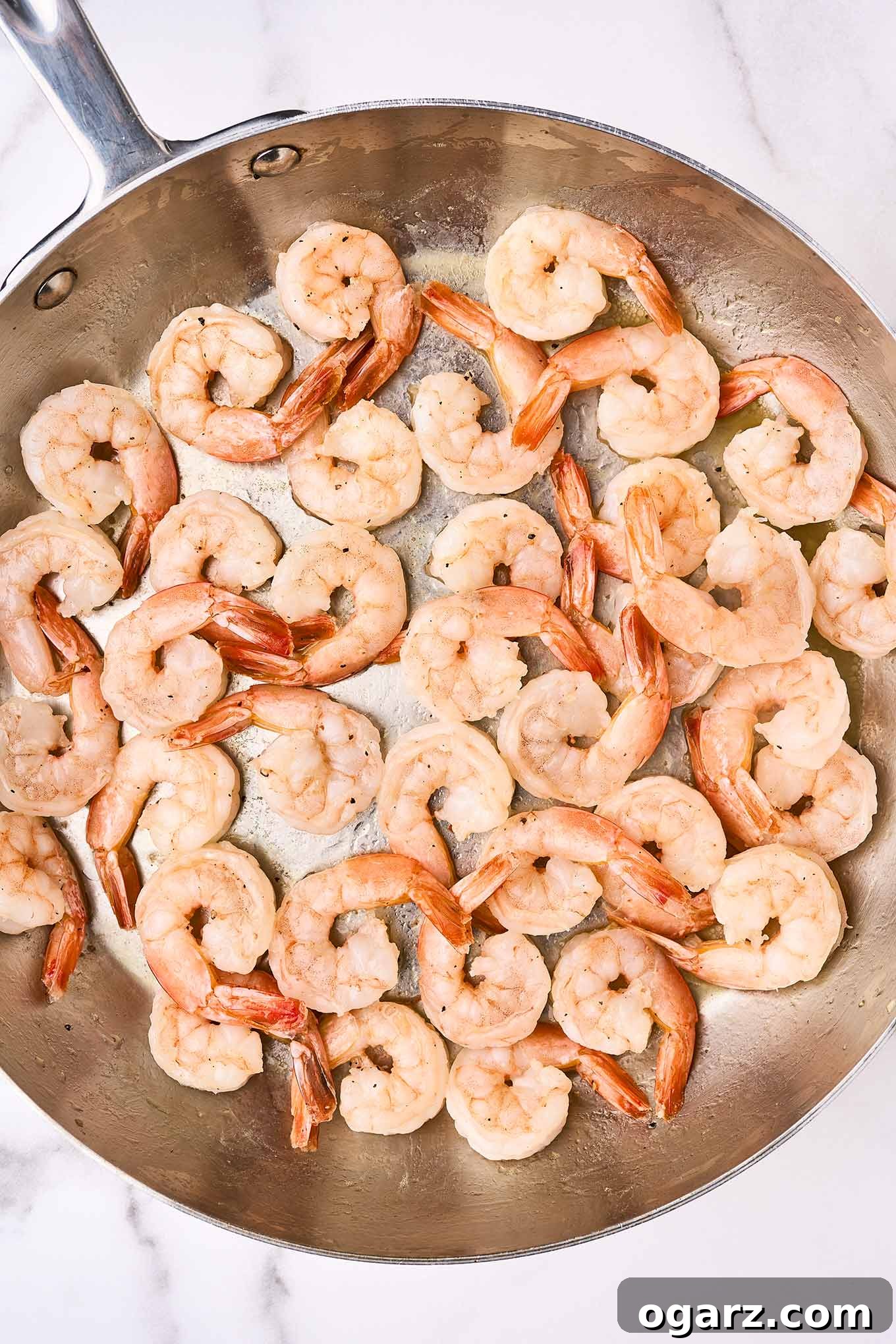
Use the same skillet for the shrimp. Add the remaining butter and olive oil (one tablespoon of each) and heat over medium-high heat. Once shimmering, add the peeled and deveined jumbo shrimp, seasoning them lightly with salt and pepper. Sauté quickly, for only 1½ to 2 minutes, until they turn pink and opaque. It’s crucial not to overcook shrimp, as they can become rubbery.
-
Bringing It All Together
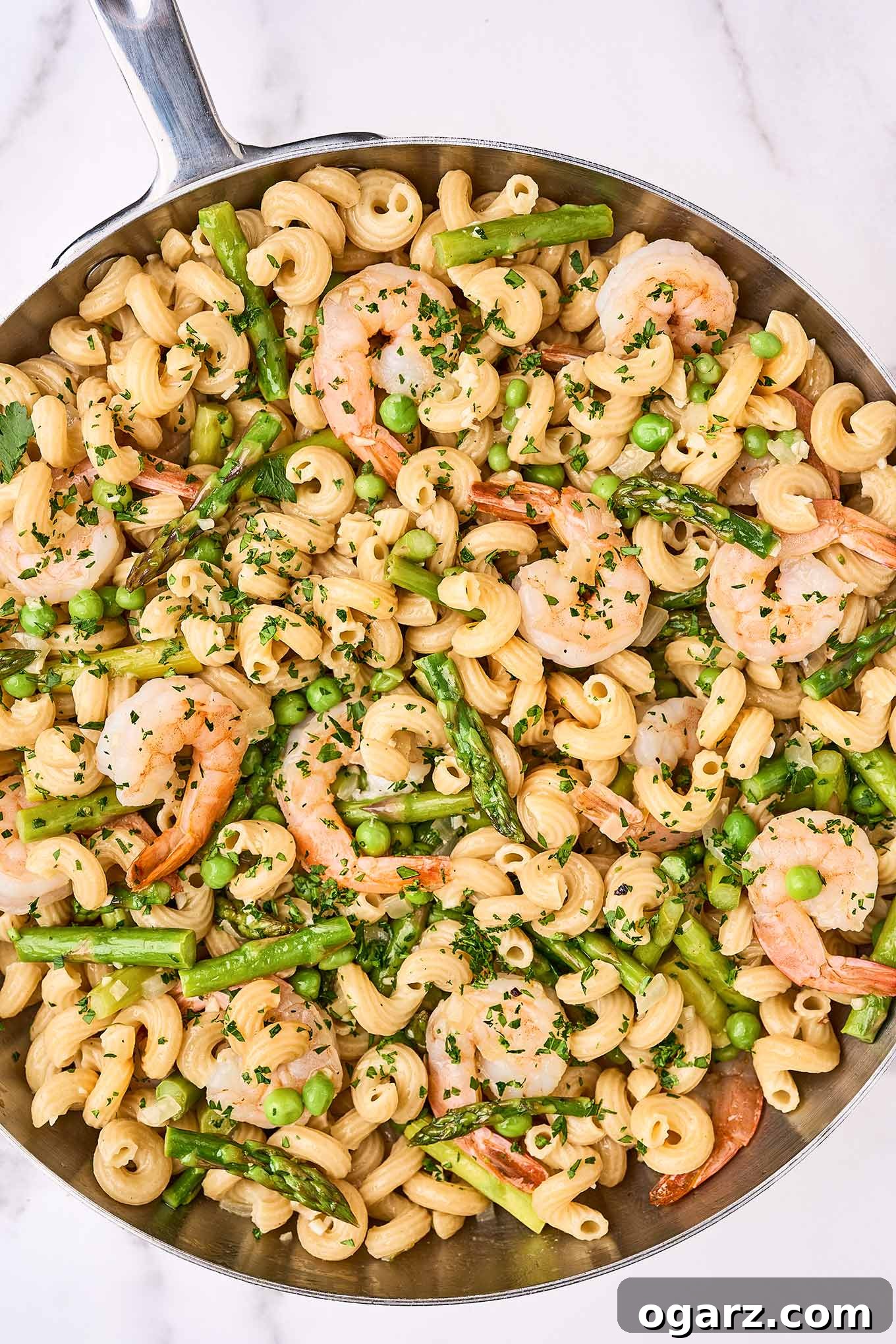
Return the cooked pasta and vegetables to the skillet with the shrimp. Sprinkle in the chopped fresh parsley. Toss everything together gently but thoroughly, ensuring all ingredients are well combined and heated through, about one minute. If the sauce seems a little dry, add a splash more of the reserved pasta water, tablespoon by tablespoon, until it reaches your desired consistency. Taste the finished dish and adjust seasonings (salt, pepper) as needed to enhance all the fresh flavors.
-
Serve and Enjoy!
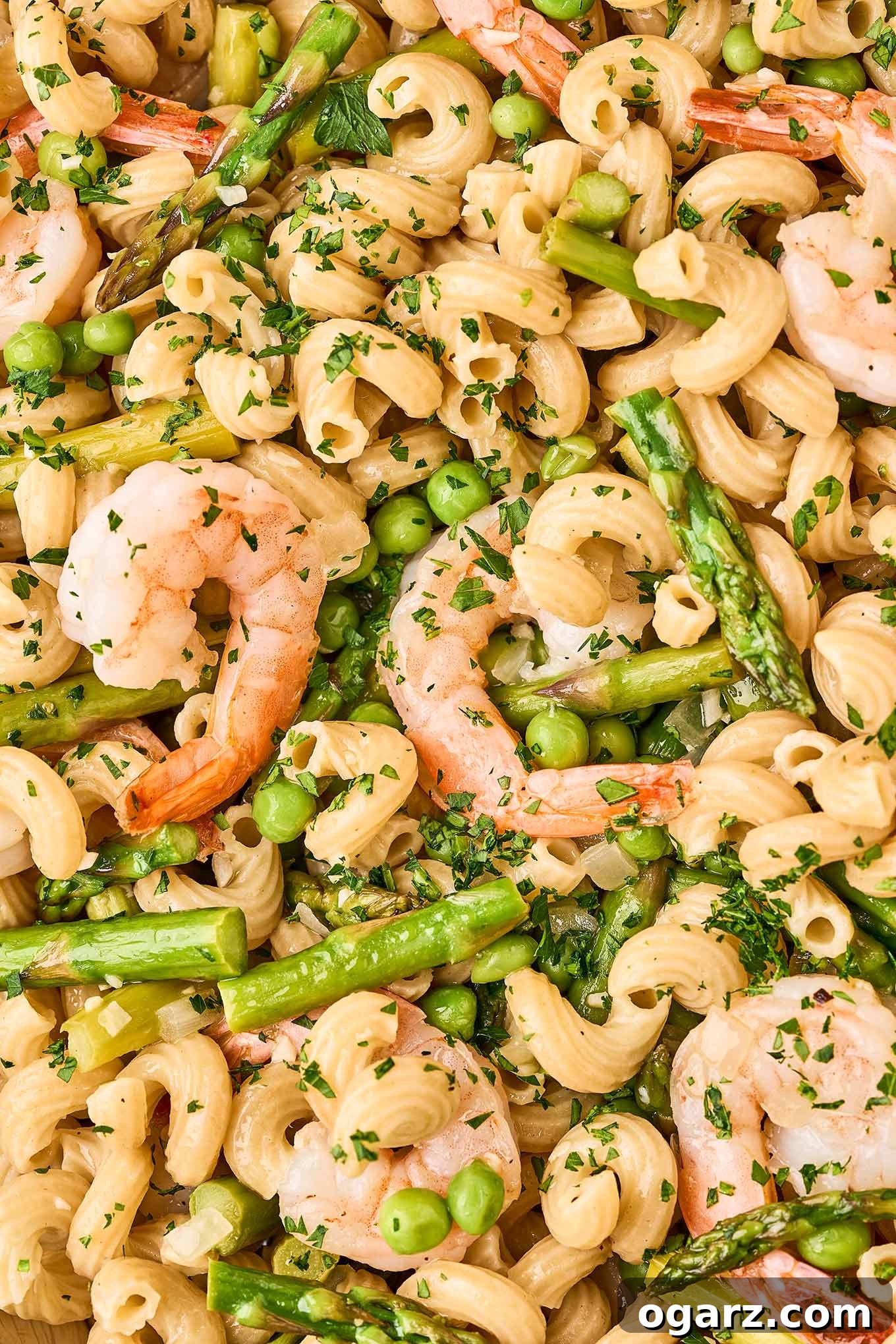
Divide the Shrimp Pasta Primavera into individual bowls. For a final flourish, sprinkle with a bit more fresh chopped parsley and a generous crack of black pepper. Serve immediately and savor the delightful combination of fresh ingredients and a savory sauce.
Tips for the Best Shrimp Pasta Primavera
- Don’t Overcook the Pasta: Always cook your pasta al dente, meaning it should still have a slight bite to it. It will continue to cook slightly when tossed with the hot sauce. Overcooked pasta becomes mushy and loses its appeal.
- The Power of Pasta Water: Never skip reserving some pasta water! The starch in the water helps to emulsify the sauce, creating a silky texture that clings beautifully to the pasta and vegetables. It’s also perfect for thinning the sauce if it becomes too dry.
- Shrimp Sautéing Secrets: Shrimp cook very quickly. Sauté them for only 1.5 to 2 minutes per side, or until they just turn pink and opaque. Overcooking will make them tough and rubbery.
- Thin Asparagus is Key: As mentioned, thin asparagus spears ensure even cooking and a tender texture. If you only have thick spears, consider blanching them for a minute or two before adding them to the skillet with the onion mixture.
- Season as You Go: Don’t wait until the end to season. Season the shrimp with salt and pepper before cooking, and taste the vegetable mixture and final pasta dish, adjusting salt and pepper as needed. This layering of seasoning builds depth of flavor.
- Fresh Herbs Make a Difference: While dried herbs have their place, fresh flat-leaf parsley is indispensable for this primavera. Its bright, peppery notes truly enhance the freshness of the dish. Add it at the very end to preserve its vibrant flavor and color.
Endless Possibilities: Easy Recipe Variations for Pasta Primavera
This Shrimp Pasta Primavera recipe is wonderfully adaptable, allowing you to customize it based on your preferences or what you have on hand. Don’t hesitate to get creative!
-
Switch Up the Protein
While shrimp is fantastic, you can easily substitute it with other quick-cooking proteins. Try chicken tenderloins, cut into 1-inch pieces and sautéed until cooked through. Diced ham, which is already cooked, can be added at the end for a flavorful boost. Scallops or even firm white fish flakes (added very gently at the end) could also work beautifully for a different seafood profile. For a vegetarian option, consider adding chickpeas or white beans for protein.
-
Explore New Vegetables
The “primavera” (meaning “spring” in Italian) aspect of this dish invites a wide array of fresh vegetables. Sugar snap peas add a delightful crunch and sweetness. Shredded carrots, finely diced zucchini, or fresh green beans (blanched or steamed until tender-crisp) are all excellent additions. Other ideas include thinly sliced bell peppers, cherry tomatoes (halved and added at the very end), or even baby spinach that wilts into the hot pasta. Feel free to use a medley of your favorite seasonal produce!
-
Cheese and Herb Enhancements
A sprinkle of freshly grated Parmesan cheese before serving can add a wonderful savory depth. For a different flavor, try a light dusting of Pecorino Romano or even some crumbled feta cheese, especially if adding Mediterranean-inspired vegetables. Beyond parsley, fresh basil or a hint of oregano can also complement the flavors beautifully.
-
Spice It Up
If you enjoy a bit of heat, a pinch of red pepper flakes added with the garlic can give your Shrimp Pasta Primavera a subtle kick. Adjust the amount to your personal spice preference.
-
Creamy Indulgence
For a richer, creamier sauce, stir in a tablespoon or two of cream cheese or a splash of heavy cream along with the reserved pasta water at the end. This will create a more decadent version of the light primavera sauce.
More Delicious Shrimp Pasta Recipes
Shrimp is a versatile and quick-cooking protein that’s perfect for pasta dinners. We always recommend keeping a bag of frozen, peeled, and deveined shrimp on hand. They defrost rapidly in a bowl of cool water—a lifesaver when dinner plans are spontaneous! If you loved this Shrimp Pasta Primavera, explore these other fantastic ways to incorporate shrimp into an easy and flavorful pasta meal:
- Spanish Spaghetti with Shrimp and Chorizo (a smoky, spicy, and utterly delicious combination)
- Mediterranean Shrimp and Pasta Salad (featuring artichokes, olives, feta, and more for a refreshing twist)
- Sautéed Shrimp with Orzo (choose between a classic garlic butter sauce or a Greek-style version with feta and dill)
- Shrimp Fra Diavolo (a classic Italian favorite with robust tomatoes, spicy red pepper, and fragrant basil)
- Pasta with Sautéed Shrimp and Zucchini (linguine tossed with garlicky sautéed shrimp, fresh zucchini, and sweet bell pepper for a garden-fresh taste)
Shrimp Pasta Primavera
By Lynne Webb
Shrimp Pasta Primavera is a light yet satisfying dish that combines tender sautéed shrimp, a flavorful white wine garlic sauce, and crisp-tender seasonal vegetables with pasta to create a meal that perfectly balances vibrant flavors and delightful simplicity.
Prep: 10 mins
Cook: 20 mins
Total: 30 mins
Servings: 4 servings
Ingredients
- 6 tablespoons olive oil, divided
- 4 cloves garlic, minced
- 1/2 cup onion, finely chopped
- 1/4 cup dry white wine (or low-sodium chicken broth)
- 10 ounces pasta (cavatappi, rotini, or penne recommended)
- 2 tablespoons butter, divided
- 1/2 lb asparagus, trimmed and cut into 1-1/2-inch pieces
- 1 cup frozen peas, preferably petite
- 1 lb jumbo shrimp, peeled and deveined (tails on or off, your preference)
- 2 tablespoons flat-leaf parsley, chopped, plus more for garnish
- Salt and freshly cracked black pepper, to taste
Instructions
- Bring a large pot of generously salted water to a rolling boil for the pasta.
- Heat 4 tablespoons of olive oil in a large skillet over medium heat. Add the finely chopped onion and sauté until it becomes soft and translucent, which typically takes 3 to 4 minutes. Stir in the minced garlic and continue cooking for 1 to 2 minutes longer, until it is fragrant and barely golden. Be careful not to burn the garlic.
- Deglaze the pan by pouring in the dry white wine. Scrape up any browned bits that may have accumulated on the bottom of the skillet with a wooden spoon, incorporating them into the sauce.
- Meanwhile, cook the pasta in the boiling salted water according to package instructions until al dente. Before draining, reserve 3/4 cup of the starchy pasta cooking water. Drain the pasta and immediately return it to the pot. Add 1 tablespoon each of olive oil and butter, then toss to coat the pasta evenly. Set aside.
- Add the trimmed asparagus and about half of the reserved pasta water to the onion-garlic mixture in the skillet. Increase the heat to medium-high and cook until the asparagus is bright green and just tender-crisp, about 3 to 4 minutes. Season the vegetables with salt and pepper to taste.
- Stir in the frozen peas and cook for just 1 minute longer, allowing them to heat through. Transfer the cooked vegetables from the skillet to the pot with the pasta and gently combine.
- Return the now-empty frying pan to the stove over medium-high heat. Add the remaining 1 tablespoon of butter and 1 tablespoon of olive oil. Once the butter is melted and shimmering, add the shrimp. Season the shrimp lightly with salt and pepper. Sauté the shrimp for 1-1/2 to 2 minutes, or until they turn pink and opaque, ensuring they are not overcooked.
- Add the chopped fresh parsley to the skillet with the shrimp. Then, add the combined pasta and vegetables back into the skillet. Continue cooking and tossing everything together for about a minute, ensuring all ingredients are heated through and well coated in the sauce. If the mixture appears too dry, gradually add a bit more of the reserved pasta water, tablespoon by tablespoon, until it reaches your desired consistency. Taste the dish and adjust the seasoning (salt, pepper) as needed.
- To serve, plate individual servings of Shrimp Pasta Primavera. Garnish each portion with a sprinkle of fresh parsley and a generous crack of fresh black pepper over the top. Serve immediately and enjoy!
Nutrition Information (Approximate Per Serving)
- Calories: 645
- Total Fat: 29g
- Cholesterol: 158mg
- Sodium: 698mg
- Carbohydrates: 65g
- Fiber: 6g
- Sugar: 6g
- Protein: 28g
Note: Nutrition information is automatically calculated and should be used as an approximation. Actual values may vary based on specific ingredients and preparation methods.