
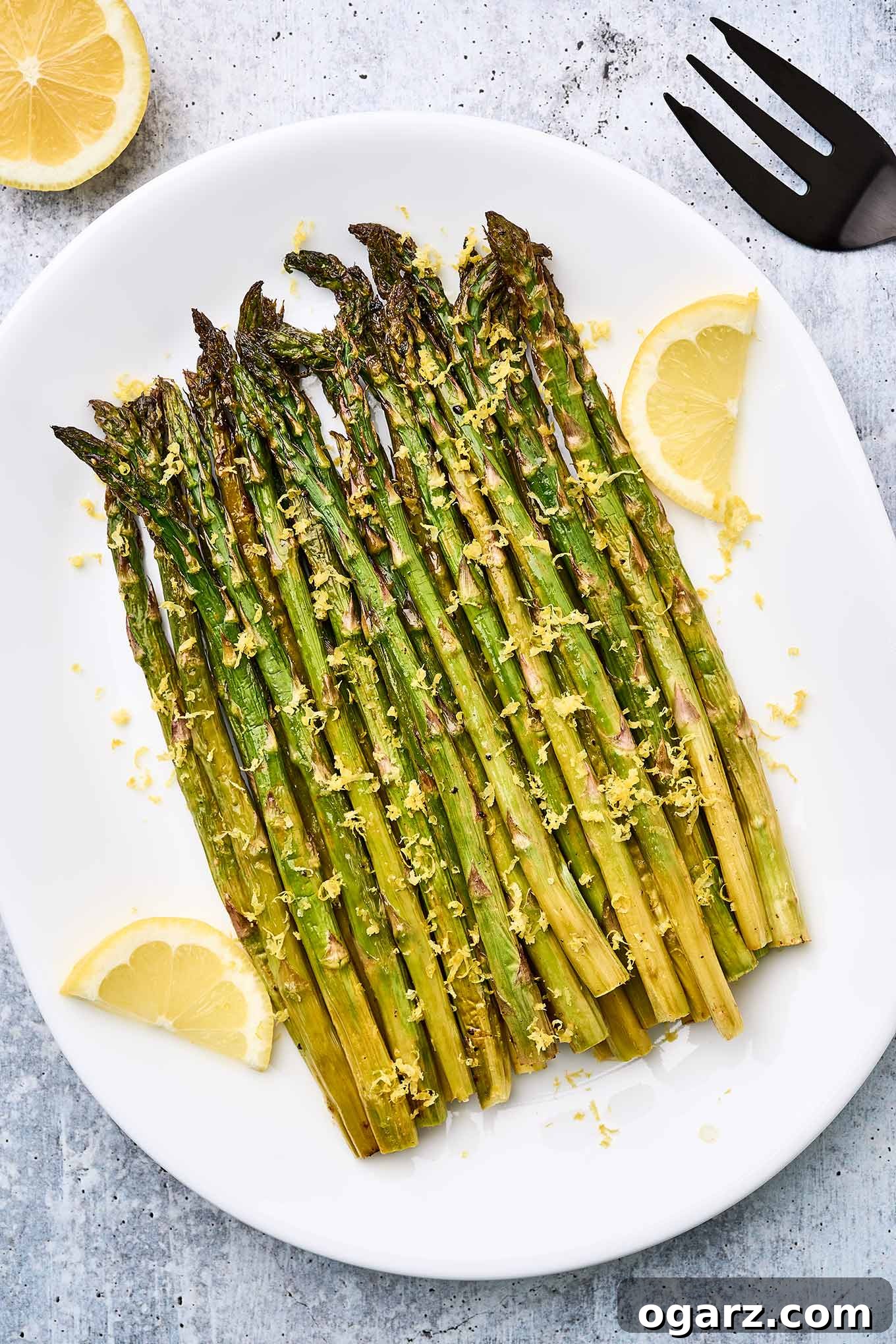
Lemon Roasted Asparagus: The Perfect Easy Side Dish for Spring
Discover the delightful simplicity of **Lemon Roasted Asparagus**, a vibrant and incredibly easy side dish that brings out the best flavors of spring. With just a few staple ingredients and minimal prep time, this recipe transforms fresh asparagus into a tender-crisp vegetable bursting with bright, zesty notes and a hint of rich butter. It’s a versatile dish that complements a wide array of main courses, making it an essential addition to your culinary repertoire, especially during the peak asparagus season.
Roasting asparagus with lemon and melted butter caramelizes its natural sugars, enhancing its inherent sweetness while imparting a fresh, citrusy finish. This method ensures a perfectly tender interior with slightly crisp edges, a texture far superior to steaming or boiling. Whether you’re planning an elegant dinner party or a casual weeknight meal, this lemon roasted asparagus recipe is guaranteed to impress with its effortless elegance and irresistible taste.
We particularly love serving this bright side dish alongside roasted new potatoes and a delicate Trout Meunière (pan-seared fish fillets bathed in lemon brown butter, fresh parsley, and shallots). This combination creates a harmonious and sophisticated spring dinner menu that is both satisfying and delightfully fresh. However, its adaptability means it pairs beautifully with almost any protein, from grilled chicken to succulent steaks or even as a standout component in a spring salad.
Key Ingredients for the Best Lemon Roasted Asparagus
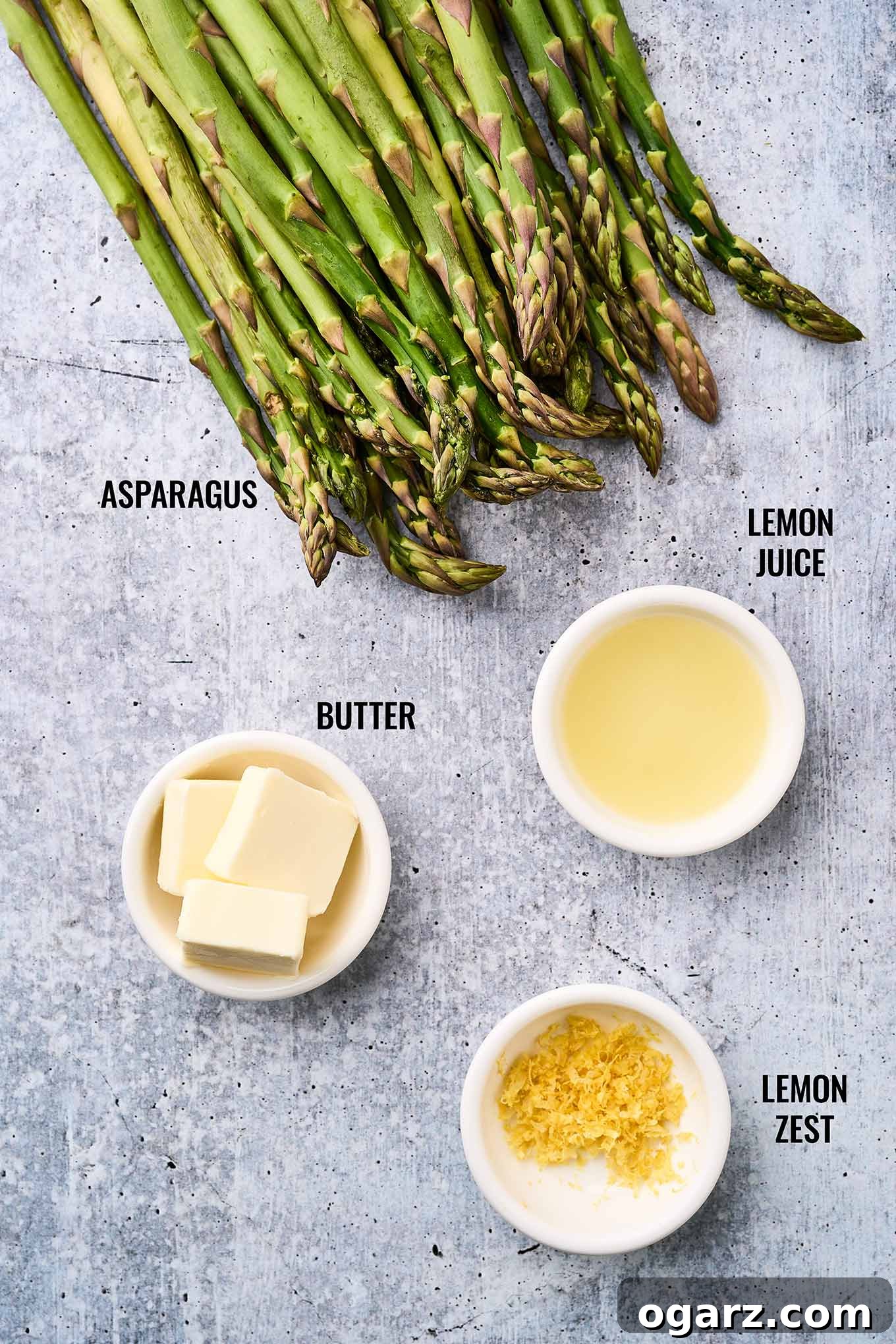
Understanding your ingredients is the first step to creating a truly exceptional dish. Here’s what you need to know about the key components for this easy lemon roasted asparagus recipe. The complete list of ingredients, including precise quantities, can be found in the printable recipe card further down this page.
Asparagus: Selection, Trimming, and Storage Secrets
ASPARAGUS: While readily available year-round, asparagus truly shines in spring and early summer, offering its most tender and flavorful spears. When selecting asparagus, look for stalks that are bright green, firm to the touch, and have tightly closed, compact tips. Avoid any spears that appear limp, shriveled, or have open, feathery tips, as these indicate older or poorly stored vegetables.
Proper storage is crucial to maintain freshness. To keep your asparagus crisp for up to three days, trim about an inch off the woody ends and stand the spears upright in a jar or container with about an inch of water at the bottom. Loosely cover the tops with a plastic bag and refrigerate. This method keeps them hydrated and prevents them from drying out.
For trimming, we recommend using a sharp knife rather than the “snapping method.” Snapping can often lead to unnecessary waste, especially with thinner spears. Instead, hold a spear firmly and bend it; where it naturally wants to snap is where the tough, woody end begins. Then, use a knife to cut all the asparagus spears at that approximate point. For particularly thick asparagus stalks, gently peel the lower third of the outer skin with a vegetable peeler. This ensures even cooking and prevents the thicker parts from being tough while the delicate tips overcook.
Beyond its delicious taste, asparagus is a nutritional powerhouse. It’s an excellent source of vitamins K, A, C, and E, as well as folate, dietary fiber, and antioxidants. It contributes to bone health, supports digestion, and has anti-inflammatory properties, making it a truly healthy addition to any meal.
The Essential Brightness of Fresh Lemon
LEMON: In this recipe, there is truly no substitute for the vibrant zest and freshly squeezed juice of a ripe lemon. The juice provides a tart acidity that cuts through the richness of the butter and enhances the asparagus’s natural sweetness, while the zest contributes aromatic oils that infuse the dish with a complex, bright citrus fragrance. Bottled lemon juice lacks the fresh, dynamic flavor and the essential zest for this recipe.
If you don’t have a fresh lemon on hand, we suggest roasting your asparagus in plain butter with salt and pepper. While still delicious, it won’t achieve the signature bright, zesty profile that makes this particular dish so special. Fresh lemon also adds a boost of Vitamin C, making the dish even healthier.
Butter: The Foundation of Flavor
BUTTER: Butter plays a critical role in carrying and amplifying the flavors of lemon and asparagus. When melted and roasted, it lightly browns, adding a nutty depth and richness that perfectly complements the vegetables. It also helps achieve that desirable tender-crisp texture and a slight caramelization on the asparagus stalks. For a dairy-free or vegan alternative, a good quality olive oil can be used, though the flavor profile will be slightly different.
Salt and Freshly Ground Black Pepper: Simple Seasoning Essentials
SALT AND FRESHLY GROUND BLACK PEPPER: These fundamental seasonings are crucial for bringing out and balancing the natural flavors of the asparagus and lemon. Don’t underestimate their power; a good pinch of salt enhances sweetness, while fresh black pepper adds a subtle warmth and aroma. Seasoning lightly before roasting allows the natural flavors to shine through, and you can always adjust to taste before serving.
Quick Prep & Roasting Overview
How to Make Delicious Lemon Roasted Asparagus in Minutes
Preparing this delightful lemon roasted asparagus is incredibly straightforward, perfect for even the busiest cooks. Here’s a quick overview of the simple steps involved to get you started. For detailed, step-by-step instructions with all measurements, please refer to the comprehensive recipe card below.
Step-by-Step Guide to Perfect Roasted Asparagus:
- Preheat Your Oven: Start by preheating your oven to 425°F (220°C). A hot oven is key to achieving that desirable tender-crisp texture quickly.
- Prepare the Asparagus: While the oven heats, focus on the asparagus. Trim the tough, woody ends from each spear with a sharp knife. If you have particularly thick spears, take an extra moment to gently peel the lower third of the outer skin. This ensures every bite is tender and delicious.
- Melt the Butter: Scatter small pieces of butter directly onto a large baking sheet. Place the baking sheet into the preheated oven for just one to two minutes, allowing the butter to melt completely. This clever trick saves you from dirtying an extra pan!
- Coat and Season: Carefully remove the hot baking sheet from the oven. Tilt and swirl the sheet to ensure the melted butter thinly coats the entire surface. Arrange the trimmed asparagus spears in a single layer on the buttered sheet; avoid overcrowding, as this can lead to steaming rather than roasting. Drizzle the asparagus evenly with fresh lemon juice. Using tongs, gently toss the spears on the baking sheet until they are thoroughly coated in the fragrant butter and lemon mixture. Season lightly but evenly with salt and freshly ground black pepper.
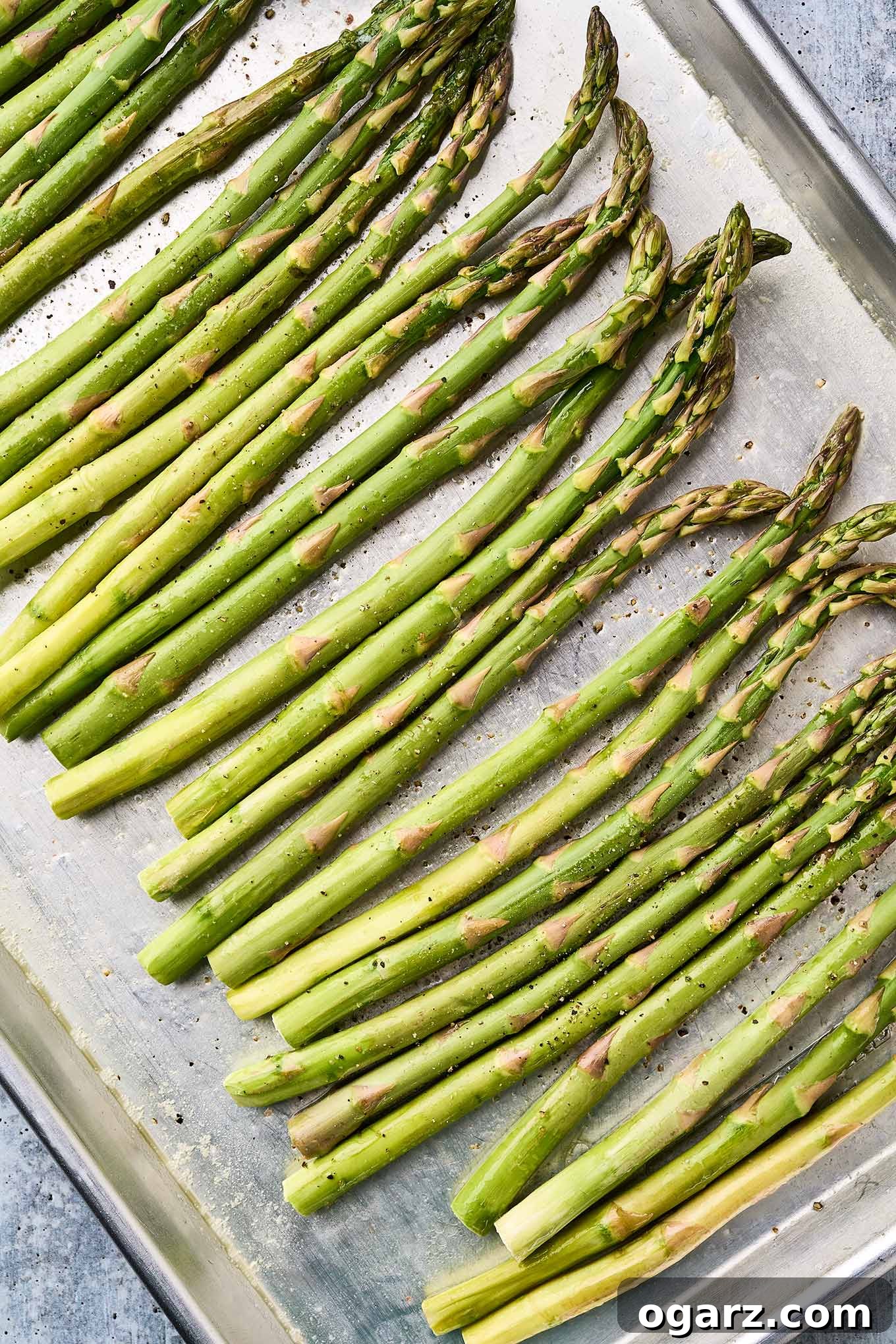
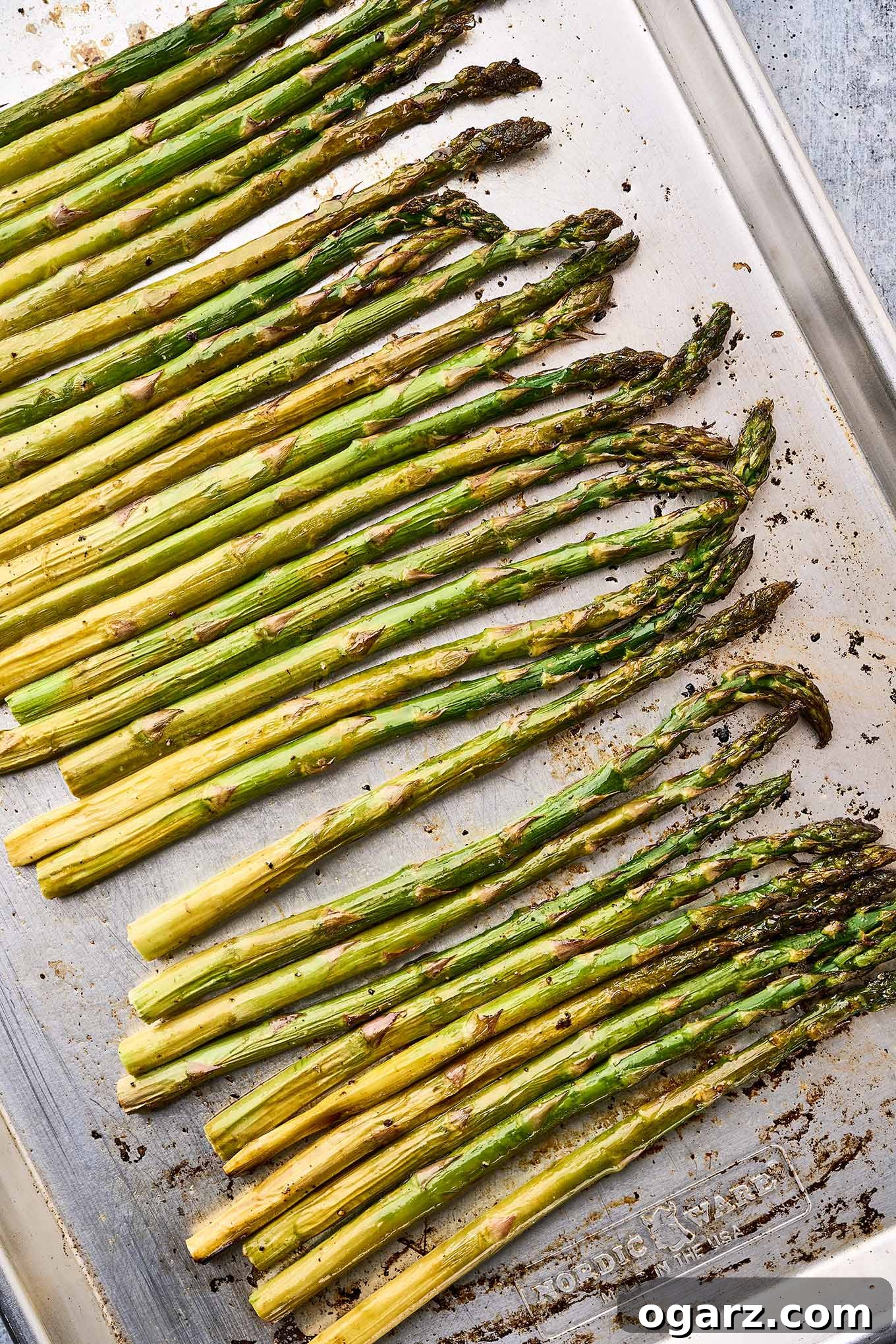
- Roast to Perfection: Return the baking sheet to the oven and roast the asparagus until it’s tender-crisp, typically 10 to 15 minutes. For even cooking and browning, rotate the pan about halfway through the cooking time (around the 5-7 minute mark). The exact timing will depend on the thickness of your asparagus spears; thinner spears will cook more quickly. Keep a close eye on them in the oven and test for tenderness by piercing a stalk with the tip of a sharp knife—it should be easily pierced but still retain a slight bite. The trick is to ensure you don’t overcook the delicate tips, which can quickly become mushy.
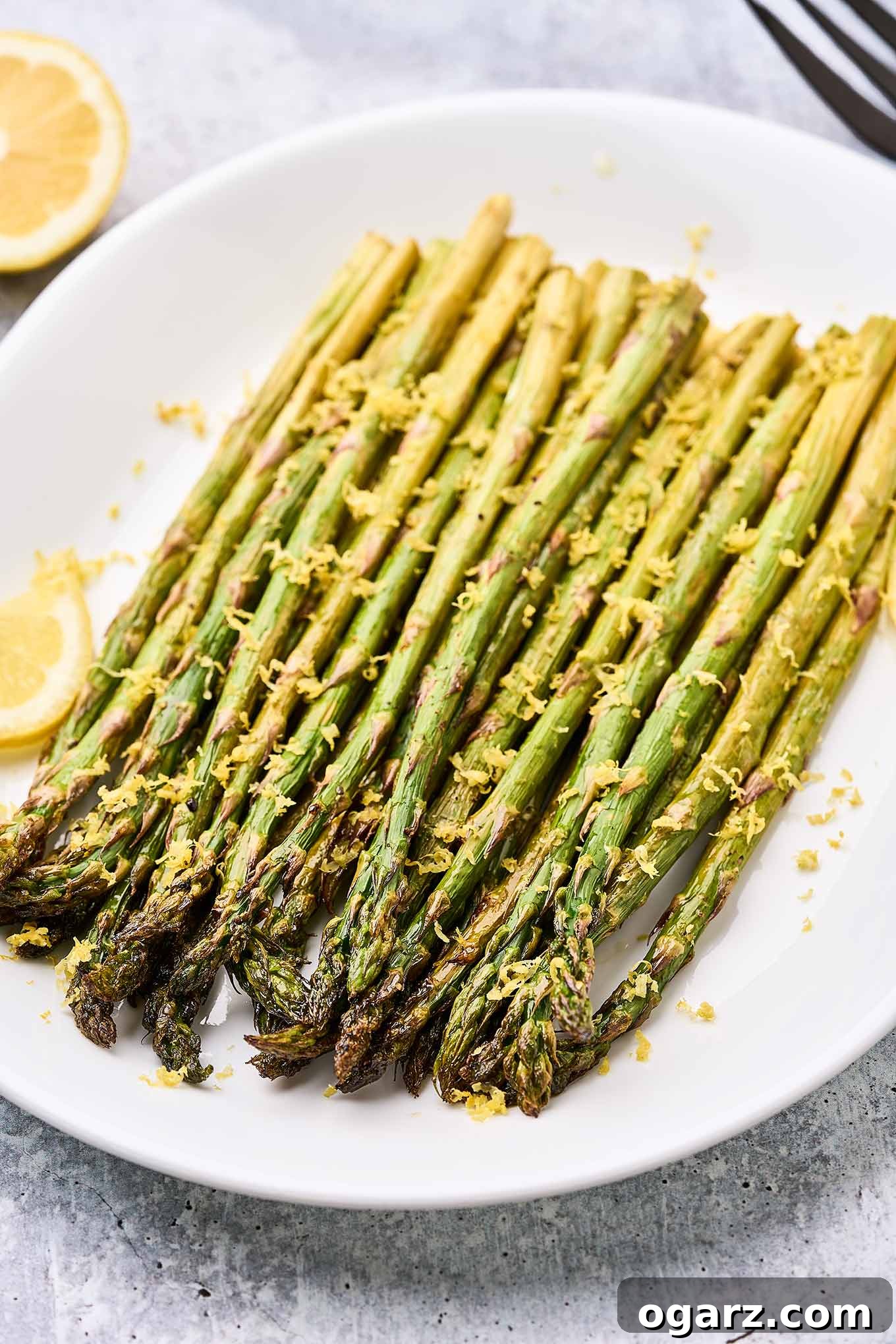
- Finish with Zest: Once perfectly tender and vibrant green, remove the asparagus from the oven. Immediately sprinkle with a generous amount of fresh lemon zest. This final touch adds an incredible burst of aromatic brightness just before serving.
Transfer the beautifully roasted asparagus to a serving dish and enjoy it hot. Its simple preparation and sophisticated flavor profile make it an instant favorite.
Elevate Your Asparagus: Delicious Variations & Creative Pairings
Asparagus is a wonderfully versatile vegetable, making it ideal for a myriad of quick, flavorful dishes. While our classic Lemon Roasted Asparagus is a timeless favorite, there are many ways to customize and serve it to suit any palate or occasion.
Beyond the Classic: Simple Variations to Try
- Garlic Lover’s Delight: For an extra layer of savory flavor, add 1-2 cloves of minced garlic along with the lemon juice and butter before roasting. The garlic will mellow and become sweet as it roasts, adding an irresistible aroma.
- Parmesan Perfection: A few minutes before the asparagus is done, sprinkle it with 2-3 tablespoons of grated Parmesan cheese. The cheese will melt and become slightly crispy, adding a salty, umami kick.
- Herbaceous Harmony: Fresh herbs are fantastic with asparagus. Consider adding a tablespoon of finely chopped fresh dill, parsley, thyme, or rosemary when you toss the asparagus with lemon juice. These herbs will infuse their delicate flavors during roasting.
- A Hint of Heat: For those who enjoy a little spice, a pinch of red pepper flakes tossed with the asparagus can add a pleasant warmth and kick.
- Balsamic Glaze Finish: After roasting, a light drizzle of balsamic glaze (a reduction of balsamic vinegar) can add a beautiful tangy sweetness that perfectly complements the lemon and butter.
- Dairy-Free Option: If you prefer to avoid dairy, simply swap the butter for an equal amount of good quality extra virgin olive oil. The asparagus will still roast beautifully, offering a slightly different but equally delicious flavor profile.
Creative Serving Ideas for Lemon Roasted Asparagus
This lemon roasted asparagus is a perfect companion to nearly any main course, but here are some specific ideas to inspire your next meal:
- With Poultry: Serve alongside pan-seared chicken breasts, grilled turkey cutlets, or a whole roasted chicken. The lemon notes in the asparagus echo beautifully with lighter poultry dishes.
- Fish & Seafood Feast: As mentioned, it’s exceptional with Trout Meunière. It also pairs wonderfully with baked salmon, flaky cod, grilled shrimp, or scallops, enhancing the delicate flavors of the seafood.
- Red Meat Match: Don’t limit it to light fare! The brightness of lemon roasted asparagus provides a refreshing contrast to richer meats like a perfectly grilled steak, roast lamb, or pork tenderloin.
- Brunch & Breakfast: Incorporate it into your morning meals! It’s delicious nestled alongside scrambled eggs, poached eggs with hollandaise sauce, or as part of a frittata.
- Salad Enhancer: Let it cool slightly and chop it into bite-sized pieces to add to a spring salad with goat cheese, cherry tomatoes, and a light vinaigrette.
- Pasta Perfection: Toss roasted asparagus with pasta, a light cream sauce, more lemon, and perhaps some grilled chicken or peas for a complete meal. Our Tortellini with Roasted Asparagus recipe is another fantastic example, combining tender cheese tortellini with lemon and roasted asparagus for a bright, satisfying dish.
- Appetizer Appeal: For an easy and unique appetizer, try our Prosciutto-Wrapped Roasted Asparagus. It brings together two classic ingredients for a salty, savory bite that is always a hit at gatherings.
Whether you stick to the classic recipe or explore these exciting variations, lemon roasted asparagus remains a testament to how simple ingredients can create extraordinary flavors.
Lemon Roasted Asparagus Recipe

Lemon Roasted Asparagus
By Lynne Webb
This easy lemon roasted asparagus recipe comes together in just 20 minutes, combining only a few ingredients to bring out the distinctive natural sweetness of this delicious spring vegetable. It’s particularly good when asparagus is at its peak during spring and early summer.
Prep Time: 5 mins | Cook Time: 15 mins | Total Time: 20 mins
Servings: 4 servings
Print Recipe
Ingredients
- 1 lb asparagus, ends trimmed
- 3 tablespoons butter, cut into small pieces (or olive oil for dairy-free)
- Salt and freshly ground black pepper, to taste
- 1 tablespoon freshly squeezed lemon juice
- Zest of 1 lemon
Instructions
- Preheat the oven to 425°F (220°C).
- Trim the woody ends from the asparagus spears. For particularly thick stalks, gently peel the lower third of the outer skin with a vegetable peeler to ensure even tenderness.
- Scatter the butter pieces evenly on a large baking sheet. Place the baking sheet in the preheated oven for 1 to 2 minutes, or until the butter is completely melted.
- Carefully remove the hot baking sheet from the oven. Tilt and swirl the sheet to ensure the melted butter coats the entire surface.
- Arrange the trimmed asparagus spears in a single layer on the buttered baking sheet, ensuring they do not overlap.
- Drizzle the asparagus evenly with fresh lemon juice. Using tongs, gently toss the spears on the baking sheet until they are thoroughly coated in the butter and lemon mixture. Season generously with salt and freshly ground black pepper.
- Roast the asparagus for 10 to 15 minutes, or until tender-crisp. Rotate the pan about halfway through the cooking time (around 5-7 minutes) to promote even cooking and browning. Cooking time may vary based on the thickness of the asparagus spears; thinner spears will cook faster. Test for tenderness by piercing a stalk with the tip of a sharp knife – it should be easily pierced but still have a slight bite. Be careful not to overcook the delicate tips, which can quickly become mushy.
- Once perfectly tender and vibrantly green, remove the asparagus from the oven. Immediately sprinkle with the fresh lemon zest.
- Transfer the lemon roasted asparagus to a serving dish and serve hot.
Chef’s Notes & Tips
- You may have heard about the “snapping method” for trimming asparagus, but we don’t recommend it. This method can often result in far too much waste, especially if your asparagus spears are relatively thin. A sharp knife allows for more precise trimming, maximizing your edible yield.
- For the best flavor and texture, choose asparagus with bright green, firm stalks and tightly closed tips. Avoid any spears that appear limp, shriveled, or have open, flowering tips.
- If you prefer a dairy-free option, substitute the butter with 2-3 tablespoons of good quality extra virgin olive oil.
Nutrition Information (Approximate Per Serving)
Calories: 99, Total Fat: 9g, Cholesterol: 23mg, Sodium: 70mg, Carbohydrates: 5g, Fiber: 2g, Sugar: 2g, Protein: 3g
Nutrition information is automatically calculated and should be considered an approximation. Individual results may vary based on ingredients and preparation methods.
Enjoy this recipe? Share your thoughts and rate it below!