
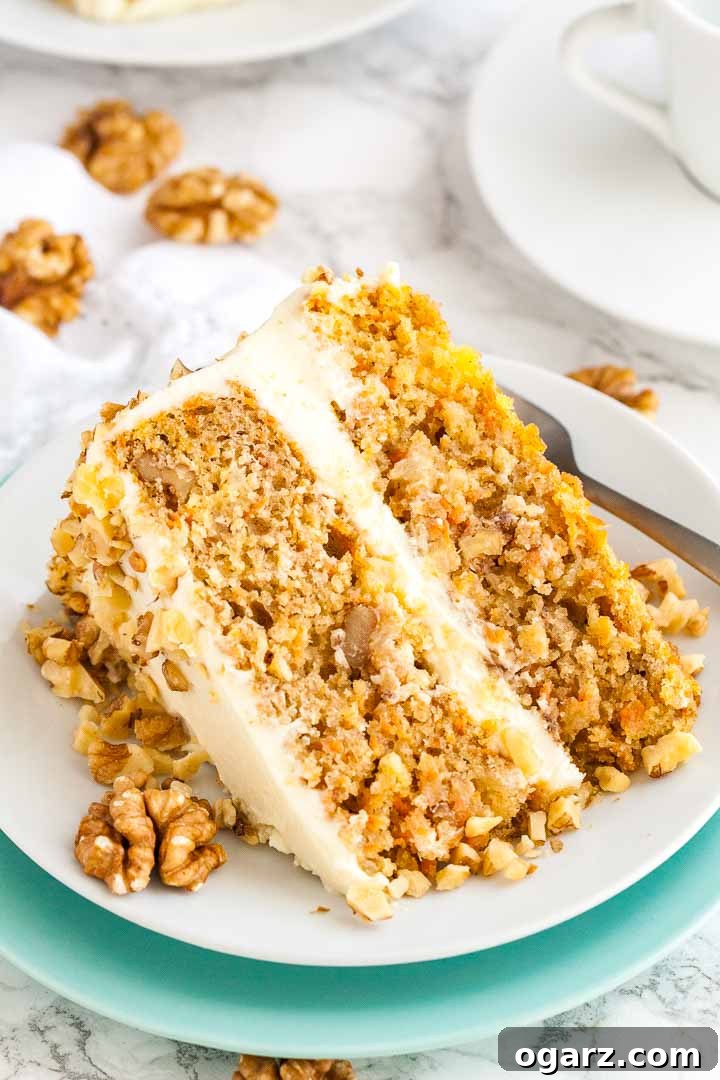
Deliciously Moist Carrot Pineapple Cake with Cream Cheese Frosting
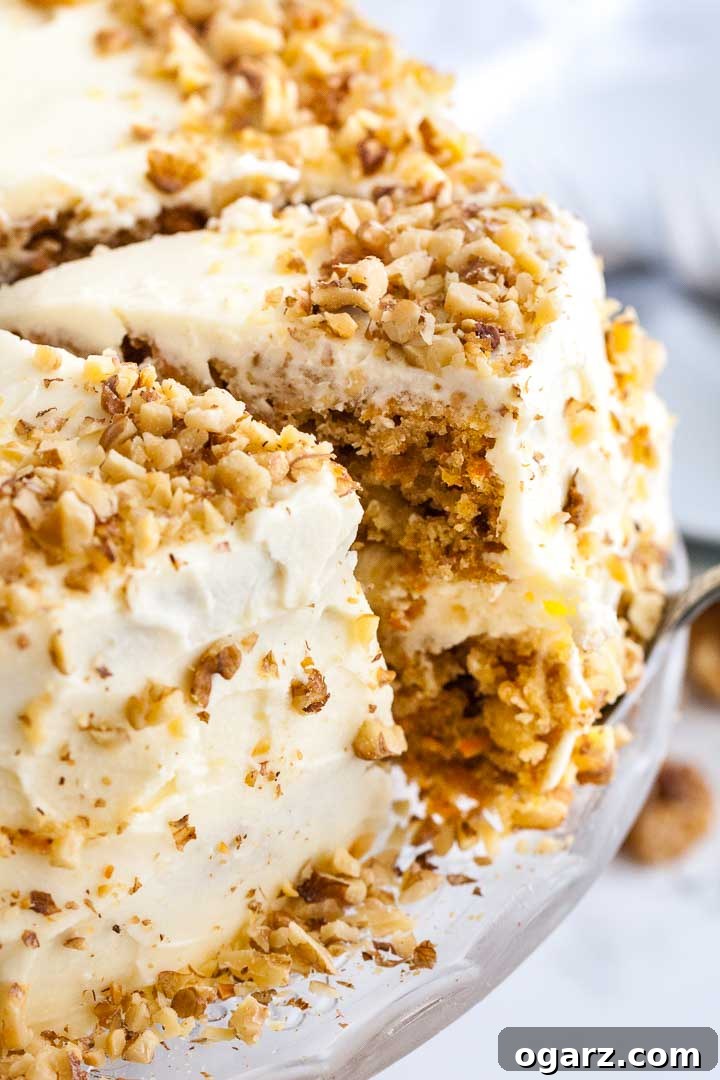
Indulge in the ultimate homemade treat: a delightfully moist Carrot Pineapple Cake that’s incredibly easy to make from scratch, requiring no fancy equipment. This recipe elevates the classic carrot cake, infusing it with the vibrant sweetness of crushed pineapple and the warmth of perfectly balanced spices. Each bite reveals a tender crumb, generously studded with fresh carrots and juicy pineapple, all crowned with a luscious, not-too-sweet cream cheese frosting. It’s a dessert that truly tastes better than traditional versions, leaving a lasting impression on every palate.
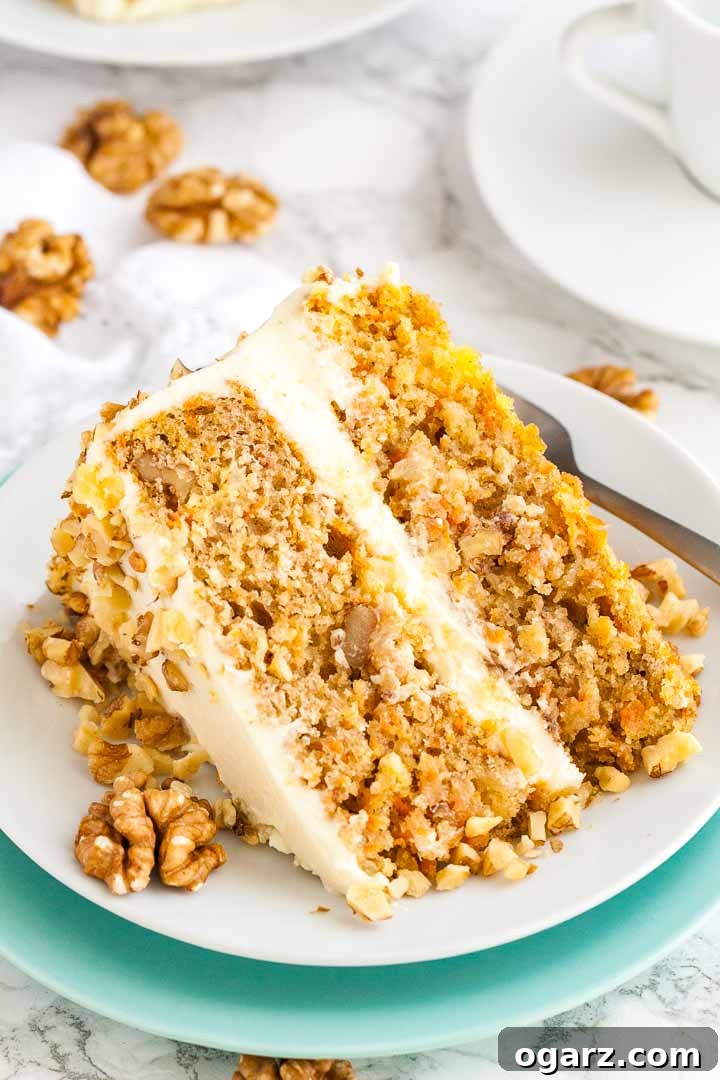
Prepare to discover one of the finest carrot cakes you’ll ever encounter! This extraordinary moist carrot cake with pineapple, lovingly draped in a velvety cream cheese frosting, offers an unparalleled taste experience. Despite its supremely delicious flavor and incredibly moist texture, this recipe is surprisingly simple to recreate in your own kitchen using basic, accessible ingredients. Say goodbye to complicated baking processes and hello to effortless homemade perfection.
One of the most appealing aspects of this particular cake is its straightforward preparation. You can whip up this culinary masterpiece quickly and efficiently without the need for any specialized or elaborate kitchen equipment. Forget about stand mixers or multiple attachments; a simple whisk and two mixing bowls are all you need to create the rich, flavorful batter. This makes it an ideal choice for bakers of all skill levels, from beginners to seasoned pros.
Beyond its ease, this carrot pineapple cake is a versatile delight perfect for a myriad of occasions. Whether you’re celebrating a major holiday like Easter or Thanksgiving, hosting a casual brunch, or simply craving a comforting dessert, this cake fits the bill. A true make-ahead marvel, it tastes even better on the second day as the flavors meld and deepen, making it a stress-free option for entertaining.
Unlocking Unrivaled Moisture: The Secret to This Cake’s Success
The exceptional moisture of this simple carrot pineapple cake isn’t just a happy accident; it’s a carefully crafted outcome stemming from a thoughtful selection of ingredients and a precise mixing technique. Achieving a truly moist cake involves more than just adding liquid; it’s about the interaction of fats, sugars, and moisture-rich components that keep the crumb tender and fresh for days.
Key Ingredients for a Perfectly Moist Crumb:
- Abundant Grated Carrots: Freshly grated carrots are not merely a flavor enhancer; they are a significant source of natural moisture. As the cake bakes, the carrots soften, releasing their water content into the batter, which contributes to a delicate, tender texture.
- Sweet Crushed Pineapple: The addition of crushed pineapple is a game-changer for moisture. Beyond its delightful tropical flavor, pineapple is incredibly juicy. When incorporated into the batter, it creates pockets of moisture that prevent the cake from drying out, ensuring every slice is succulent.
- Brown Sugar’s Role: Unlike granulated sugar, brown sugar contains molasses, which is naturally hygroscopic, meaning it attracts and retains moisture. This property helps keep the cake softer and more tender over time, contributing to its signature moistness and a deeper, more complex sweetness.
- Vegetable Oil Over Butter: While butter offers a rich flavor, vegetable oil is superior for imparting moisture in cakes. Oil is 100% fat, whereas butter contains water. Using oil creates a very fine, even crumb that stays moist longer because the oil remains liquid at room temperature, keeping the cake consistently tender and flavorful for several days.
- Applesauce (Optional but Recommended): Incorporating unsweetened applesauce is another fantastic way to boost moisture while slightly reducing the overall fat content. Applesauce acts as a humectant, locking in moisture and ensuring a wonderfully tender cake without making it dense.
The Importance of Baking Technique:
Beyond the ingredients, the method of preparation plays an equally crucial role in achieving that perfect moist texture. Two techniques are paramount:
- Avoid Overbeating the Batter: When mixing the dry and wet ingredients, it’s vital to mix only until just combined. Overbeating develops the gluten in the flour, leading to a tough, dry cake. Using a spatula or a whisk (rather than an electric mixer) for the final mix helps prevent this, keeping the batter light and the resulting cake tender.
- Don’t Overbake the Cake: Overbaking is the quickest way to dry out any cake. Keep a close eye on your oven and start checking for doneness a few minutes before the recipe suggests. The cake is ready when a wooden skewer or toothpick inserted into the center comes out clean or with a few moist crumbs attached.
By understanding and applying these simple yet effective principles, you’ll consistently bake a carrot pineapple cake that is exceptionally moist, tender, and incredibly flavorful, making it a guaranteed crowd-pleaser.
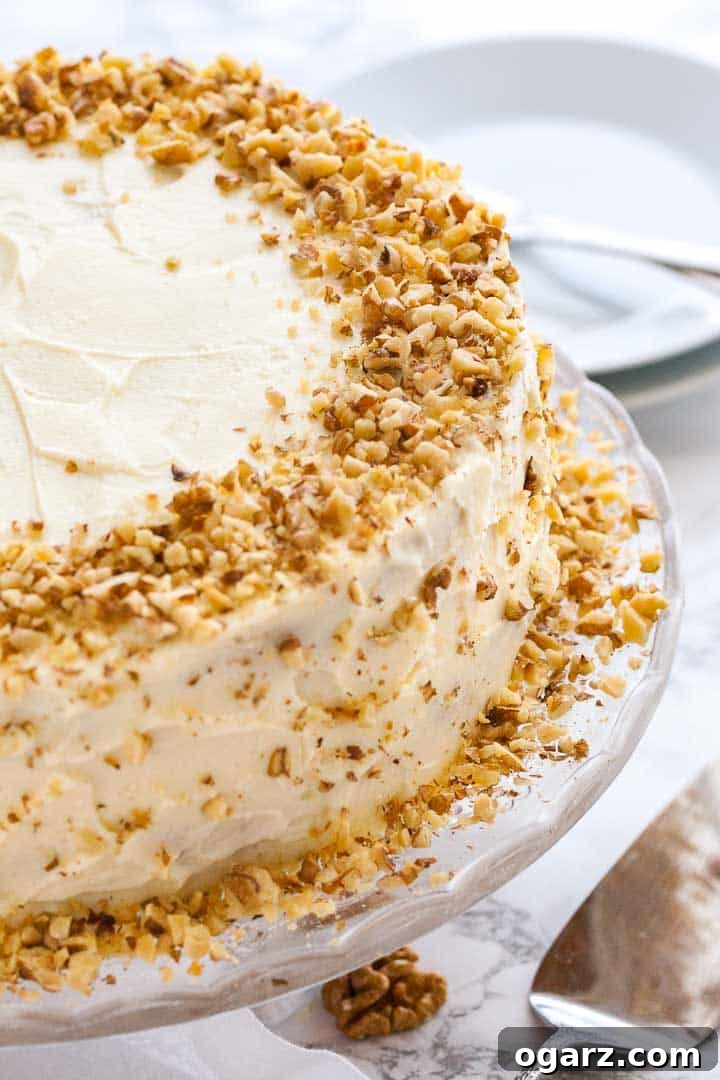
Essential Tips for Baking Your Best Carrot Pineapple Cake
- Don’t skip prepping the pans! This crucial first step ensures your beautiful cake layers release cleanly and easily. Always spray your cake pans generously with non-stick spray, then line the bottoms with parchment paper rounds. This creates an extra barrier against sticking and guarantees perfect cake layers every time.
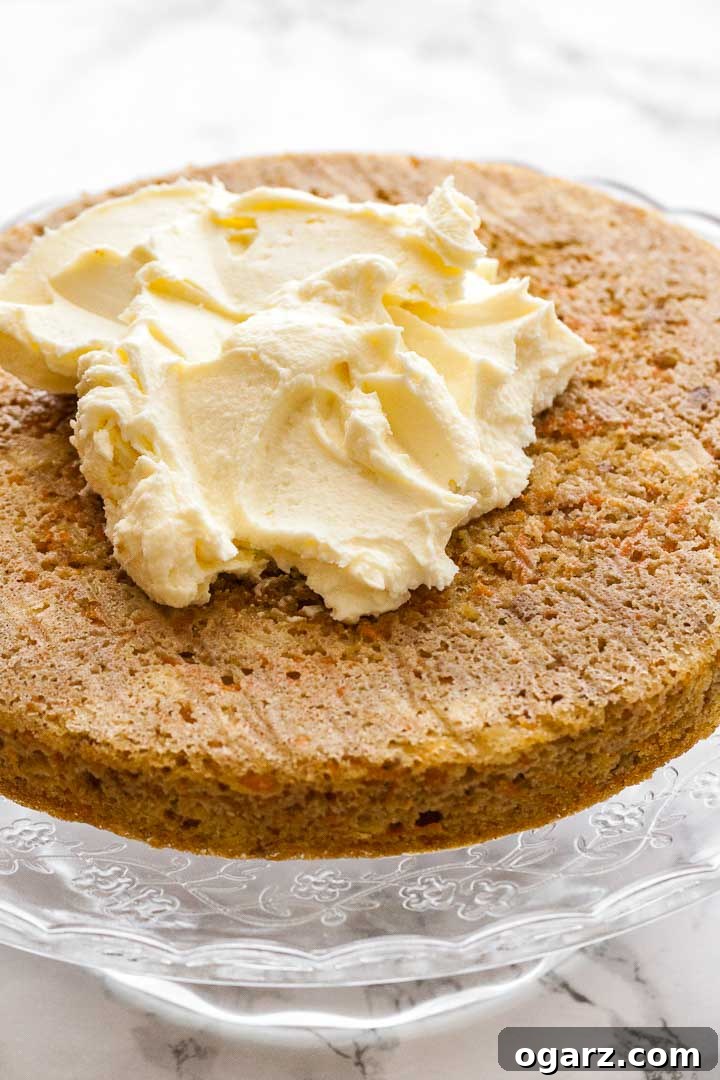
- Let the cakes cool completely before frosting them. Patience is key here! Frosting warm cake layers will result in a melted, runny mess as the heat from the cake will cause the butter in the cream cheese frosting to break down. Allow at least an hour or two for the cakes to cool fully on a wire rack before even thinking about frosting. You can even pop them in the fridge for a short while to speed up the process if you’re in a hurry.
- Put the cake on the serving platter before you decorate it. This simple trick saves you from the precarious task of transferring a fully frosted and decorated cake. It reduces the risk of smudges, dents, or accidental drops, ensuring your final presentation is flawless.
- Double the frosting if you like it extra thick! Our recipe provides a perfectly balanced amount of frosting that complements the cake without overpowering it. However, if you’re a true frosting enthusiast who loves a generous, decadent layer, feel free to double the cream cheese frosting recipe for an even more indulgent experience.
- The not-too-sweet frosting works perfectly with this sweet, lightly spiced carrot layer cake. Our cream cheese frosting is designed to be slightly tangy and moderately sweet, allowing the rich flavors of the carrot and pineapple cake to truly shine through. It creates a harmonious balance, preventing the overall dessert from becoming overly sugary. If you prefer your frosting really sweet, however, you can certainly adjust the powdered sugar content to your liking or opt for another favorite frosting recipe that caters to a sweeter tooth.
- This cake tastes best on the next day! While delicious fresh out of the oven, the flavors of this carrot pineapple cake develop and deepen overnight. The spices become more pronounced, the carrots and pineapple meld further into the cake, and the cake’s moisture truly settles. Store it covered in the fridge or a cold place to allow this magical transformation to happen, then let it come to room temperature for a few minutes before serving to enjoy its full flavor and tender texture.
Key Ingredients & Thoughtful Swaps for Your Carrot Pineapple Cake
Crafting the perfect Carrot Pineapple Cake begins with understanding the role each ingredient plays. Here’s a detailed overview of what you’ll need and potential substitutions to ensure success and suit your preferences. For precise quantities, please refer to the recipe card at the bottom.
- Flour: This recipe calls for standard all-purpose flour. It provides the ideal structure for a tender yet sturdy cake. I highly advise against using self-rising flour, as it contains leavening agents that would throw off the balance of baking powder and soda in our recipe. Accurate measurement is crucial for baking success. Use a digital kitchen scale for the most precise results (you can easily switch to metric measurements in the recipe card), or if using cups, employ the spoon-and-level method: spoon flour into your measuring cup and level off the top with a straight edge, rather than packing it down.
- Spices: The warm, inviting aroma and flavor of this cake come from a carefully selected blend of ground cinnamon, nutmeg, and allspice. These spices are classic pairings for carrot cake, offering depth and complexity. If you enjoy a bit of zing, a touch of ground ginger can be a wonderful addition, enhancing the cake’s overall warmth.
- Applesauce: Unsweetened applesauce is a fantastic addition, contributing moisture and a touch of natural sweetness while slightly lightening the cake. Using unsweetened ensures the cake isn’t overly sweet, especially with the brown and granulated sugars. If you don’t have applesauce, you can substitute it with an equal amount of additional vegetable oil, increasing the total oil to 1 cup instead of ½ cup. While applesauce adds moisture and a hint of healthiness, it’s not recommended to replace all the oil with it, as oil provides a unique tender crumb that applesauce alone cannot replicate.
- Oil: For this cake, a flavor-neutral oil is essential to let the carrot and pineapple flavors shine. Canola oil is a popular choice, but other mild oils like avocado oil or grapeseed oil work beautifully. Avoid strong-flavored oils like olive oil, as they can impart an undesirable taste.
- Carrots: You’ll need about 5 medium carrots, yielding approximately 2 cups once grated. Always peel your carrots before shredding. For the best texture and moisture, I highly recommend freshly shredding your carrots using a food processor with a shredding disc or a box grater (the large holes work best). Freshly grated carrots contain more natural moisture than pre-shredded varieties, which can sometimes be dry and impact the final texture of the cake.
- Pineapple: A single 8-oz can of crushed pineapple is perfect for this recipe. After draining, you’ll be left with about 2/3 cup of fruit, which provides ample moisture and tropical sweetness. If you prefer to use fresh pineapple, you can easily prepare your own crushed pineapple (see the detailed tip below). Ensure it is well-drained to avoid making the batter too wet.
- Nuts: Walnuts are our preferred nut for this recipe, offering a delightful crunch and earthy flavor that complements the sweet cake. You’ll need about 1 cup in total, both incorporated into the batter and for decorating the finished cake. Pecans are another excellent alternative if you prefer their buttery notes. Lightly toasting the nuts beforehand can enhance their flavor significantly.
- Cream Cheese: For the frosting, always use block cream cheese, not the spreadable kind that comes in a tub or whipped cream cheese. Block cream cheese has a firmer texture and a lower water content, which is crucial for achieving a stable, pipeable, and perfectly textured cream cheese frosting. Softened block cream cheese will blend smoothly with butter and powdered sugar for that classic tangy-sweet frosting.
Mastering Crushed Pineapple from Scratch
While canned crushed pineapple is convenient and works wonderfully in this recipe, you might prefer the taste and texture of fresh pineapple. Or perhaps you only have chunks (fresh or canned) on hand. No problem! It’s incredibly simple to make your own crushed pineapple at home. Here’s how:
Start with fresh pineapple chunks or canned pineapple chunks. Place them into a blender or a food processor. Add just a tiny splash of the pineapple’s own liquid (if using canned, use the juice from the can; if fresh, a tablespoon or two of water might suffice if it’s very dry). Be careful not to add too much liquid at this stage. Pulse the machine a few times until the pineapple reaches a texture that resembles store-bought crushed pineapple. You want a finely chopped consistency, not a smooth puree or a soupy mixture. The goal is small, distinct pieces that still retain some bite.
Once processed, it’s crucial to measure the pineapple *after* you’ve processed and drained it. You’ll need approximately 2/3 cup of well-drained crushed pineapple for this recipe. Proper draining is key to prevent excess moisture from making your cake batter too thin. Simply press the crushed pineapple gently against a fine-mesh sieve to remove any extra liquid before adding it to your cake batter. This ensures the perfect balance of moisture and flavor in your finished cake.
Effortless Carrot Shredding Techniques
Perfectly shredded carrots are essential for the ideal texture and moisture in your carrot pineapple cake. There are two primary methods you can use to achieve this, each with its advantages:
- Using a Box Grater: This is the classic, hand-held method that requires no special equipment beyond a standard box grater. For best results, use the large holes of the grater. Hold the carrot firmly and grate it downwards against the sharp edges. This method produces beautifully coarse shreds that add both texture and a burst of natural moisture to the cake. It’s a great option if you don’t have a food processor or prefer a more hands-on approach.
- Utilizing a Food Processor: For a quick and efficient solution, a food processor fitted with a shredding disc (often called a grating disc) is your best friend. Simply peel your carrots, cut them into pieces that fit the feed tube, and let the machine do the work. The large-holed shredding disc is generally recommended for carrot cake, as it yields shreds that are substantial enough to be noticed in the cake’s texture but still tender after baking.
Fresh vs. Pre-shredded Carrots: Whenever possible, opt for freshly grated carrots. They contain significantly more natural moisture, which is a major contributor to the cake’s overall moistness and fresh flavor. Pre-shredded carrots, especially those found in bags at the grocery store, can sometimes be drier and coarser, potentially affecting the final texture of your cake. However, if you are genuinely short on time, pre-shredded carrots can be used as a convenient alternative, though you might notice a slight difference in the cake’s moisture content.
Explore More Delicious Cake Recipes
Cakes
Cranberry Upside Down Cake
Cakes
German Apple Cake
Cakes
Easy Carrot Cake Recipe
Cakes
Easy Banana Cake Recipe
Pin
Carrot Pineapple Cake
Julia Foerster
30
minutes
40
minutes
1
hour
10
minutes
18
Equipment
-
box grater or food processor
-
Two 9-inch cake pans
-
Mixing bowls
-
Whisk and spatula
-
Electric mixer (for frosting)
Ingredients
For the Carrot Cake:
-
2 ½
cups
all-purpose flour -
2
teaspoons
baking powder -
1
teaspoon
baking soda -
2
teaspoons
ground cinnamon -
¼
teaspoon
ground nutmeg -
¼
teaspoon
allspice -
1
teaspoon
salt -
4
large eggs -
½
cup
unsweetened applesauce -
½
cup
canola,
or other neutral vegetable oil -
1
teaspoon
vanilla extract -
1
cup
brown sugar -
½
cup
granulated sugar -
2
cups
grated carrot,
about 5 medium carrots -
1
cup
crushed canned pineapple,
well-drained -
½
cup
chopped walnuts,
plus more for decorating
For the Cream Cheese Frosting:
-
½
cup
unsalted butter,
softened -
2
cups
powdered sugar,
sifted -
1
teaspoon
vanilla extract -
16
oz
block of cream cheese,
softened
Metric
Instructions
-
Prepare Baking Pans: Preheat your oven to 350°F (180°C). Thoroughly grease two 9-inch round cake pans. For an extra layer of non-stick assurance, line the bottoms of each pan with a parchment paper round. This prevents sticking and ensures your cake layers release perfectly. Set the prepared pans aside.
-
Combine Dry Ingredients: In a medium-sized mixing bowl, whisk together the all-purpose flour, baking powder, baking soda, ground cinnamon, nutmeg, allspice, and salt. Whisk well to ensure all leavening agents and spices are evenly distributed throughout the flour mixture.2 ½ cups all-purpose flour,
2 teaspoons baking powder,
1 teaspoon baking soda,
2 teaspoons ground cinnamon,
¼ teaspoon ground nutmeg,
¼ teaspoon allspice,
1 teaspoon salt -
Mix Wet Ingredients: In a separate, larger bowl, vigorously whisk together the eggs, unsweetened applesauce, canola (or vegetable) oil, vanilla extract, brown sugar, and granulated sugar. Continue whisking until the mixture is thoroughly combined and there are no visible lumps of brown sugar remaining. The mixture should be smooth and cohesive.4 large eggs,
½ cup unsweetened applesauce,
½ cup canola oil,
1 teaspoon vanilla extract,
1 cup brown sugar,
½ cup granulated sugar -
Combine Wet and Dry: Pour the dry ingredient mixture into the bowl with the wet ingredients. Using a whisk or spatula, mix gently until just combined. Be careful not to overmix; a few streaks of flour are acceptable, as overmixing can lead to a tough cake.
-
Fold in Add-ins: Gently fold in the grated carrots, well-drained crushed pineapple, and chopped walnuts into the batter using a spatula. Mix just enough to distribute them evenly without deflating the batter.2 cups grated carrot,
1 cup crushed canned pineapple,
½ cup chopped walnuts -
Bake the Cake: Divide the prepared cake batter evenly between your two greased and lined 9-inch cake pans. Place them in the preheated oven and bake for 35-40 minutes. The cake is done when a wooden skewer or toothpick inserted into the center of a cake layer comes out clean, or with only a few moist crumbs attached.
-
Cool Completely: Once baked, remove the cakes from the oven and place the pans on a wire cooling rack. Allow them to cool completely in the pans, typically for at least 1-2 hours, before attempting to remove them. This prevents the delicate cake from breaking.
-
Prepare Cream Cheese Frosting: While the cakes are cooling, begin making your frosting. In the bowl of a stand mixer fitted with the paddle attachment (or using a hand mixer), beat together the softened unsalted butter and sifted powdered sugar at medium speed. Beat for 2-3 minutes until the mixture is light, fluffy, and smooth.½ cup unsalted butter,
2 cups powdered sugar -
Add Remaining Frosting Ingredients: Add the vanilla extract and the softened block cream cheese to the butter and sugar mixture. Beat on low speed until just blended and smooth. Be careful not to overbeat, as this can make the frosting too soft. If the frosting seems a little too soft after mixing, place it in the freezer for 5-10 minutes to firm it up slightly before frosting.1 teaspoon vanilla extract,
16 oz block of cream cheese -
Assemble and Decorate: Once your cake layers are completely cool, carefully remove them from their pans. Place one cake layer on your chosen serving platter. Spread a generous layer of cream cheese frosting over the top. Gently place the second cake layer on top, and then frost the top and sides of the entire cake. Finish by decorating with additional chopped walnuts, if desired, for an appealing presentation.
Nutrition
Calories:
431
kcal
|
Carbohydrates:
53
g
|
Protein:
5
g
|
Fat:
23
g
|
Saturated Fat:
13
g
|
Cholesterol:
77
mg
|
Sodium:
300
mg
|
Potassium:
231
mg
|
Fiber:
1
g
|
Sugar:
37
g
|
Vitamin A:
2940
IU
|
Vitamin C:
3.9
mg
|
Calcium:
79
mg
|
Iron:
1.5
mg
Love this recipe? Share your thoughts below!
Your rating and comments help others discover delicious recipes like this.