
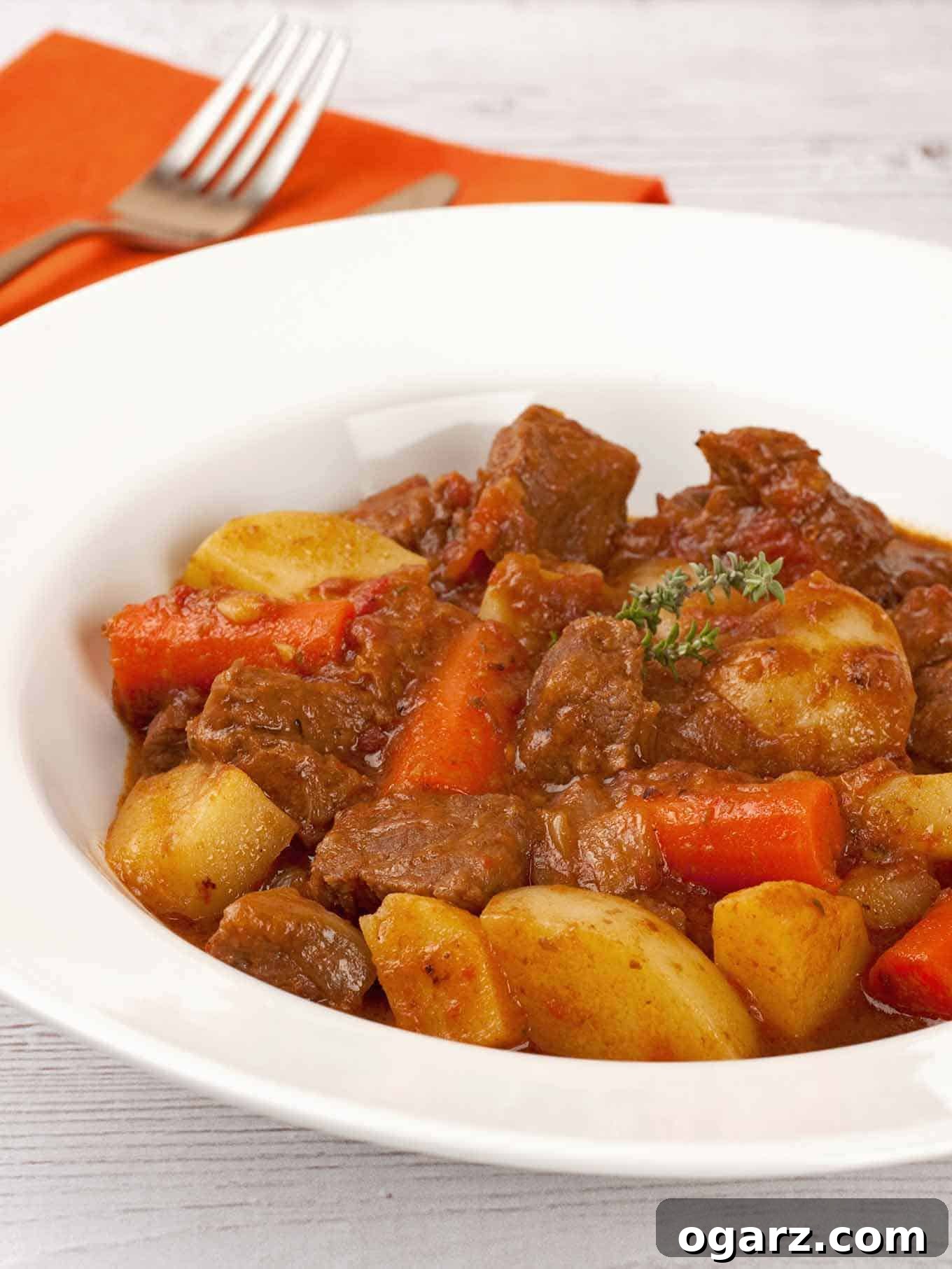
The Ultimate Tender Pressure Cooker Beef Stew: Fast, Flavorful, and Effortless
There are few dishes as universally comforting and satisfying as a hearty beef stew. The mere mention of it conjures images of tender meat, soft vegetables, and a rich, savory gravy, perfect for chasing away the chill of a cold evening. While traditional beef stew often requires hours of slow simmering to achieve that coveted melt-in-your-mouth tenderness, modern kitchen technology offers a delightful shortcut without compromising on flavor or texture. Enter the pressure cooker – a culinary game-changer that transforms a labor of love into an effortlessly elegant meal.
A pressure cooker is an ideal way to prepare beef stew, not just because it’s incredibly speedy, but because it excels at retaining all the natural moisture and concentrated flavors of the meat and vegetables. The high-pressure environment tenderizes even the toughest cuts of beef in a fraction of the time, resulting in a stew that tastes like it has been simmering all day. This recipe is our absolute favorite for pressure cooker beef stew – a simple yet tremendously flavorful combination of ingredients, designed for culinary perfection.
If you’re looking for another robust beef dish made with the convenience of a pressure cooker, we highly recommend trying our recipe for Pressure Cooker Pot Roast, which features a succulent rump roast for a different, yet equally delicious, experience.
Why Pressure Cooker Beef Stew is a Weeknight Game Changer
Pressure cooking might seem intimidating to some, but it’s a remarkably straightforward method that brings several advantages to your kitchen, especially when tackling dishes like beef stew. Understanding these benefits will surely make you a convert:
Unparalleled Speed
The most obvious benefit of a pressure cooker is its ability to drastically cut down cooking time. What typically takes 2-3 hours on the stovetop or in a slow cooker can be achieved in under an hour with a pressure cooker. This means you can enjoy a deeply flavored, tender beef stew even on a busy weeknight, without sacrificing quality for convenience. The high-pressure environment raises the boiling point of liquids, cooking food faster and more efficiently.
Exceptional Tenderness Every Time
Beef stew traditionally relies on tough cuts of meat like chuck, which are packed with connective tissue. While slow cooking breaks down these tissues over many hours, a pressure cooker achieves the same incredible tenderness in a fraction of the time. The intense pressure forces liquid and steam into the meat fibers, effectively tenderizing them and transforming them into succulent, fall-apart pieces that are a hallmark of a truly great stew.
Deep, Concentrated Flavors
Because the pressure cooker creates a sealed environment, very little steam or aroma escapes during cooking. This means that all the wonderful flavors from your beef, vegetables, herbs, and broth are intensely concentrated within the pot. The result is a beef stew with a depth of flavor that can often surpass traditional methods, as every ingredient’s essence is locked in and melds beautifully with the others. It’s like a flavor multiplier for your ingredients.
Optimal Moisture Retention
Unlike open-pot cooking where moisture evaporates, the sealed nature of a pressure cooker ensures that liquids and natural juices are trapped inside. This prevents your meat and vegetables from drying out, leaving them perfectly moist and juicy. Your beef will be tender, and your potatoes and carrots will be soft but not mushy, absorbing all the delicious gravy.
Choosing Your Ingredients for the Perfect Stew
The success of any great beef stew begins with the quality of its ingredients. While the pressure cooker works its magic quickly, starting with fresh, flavorful components will elevate your stew from good to unforgettable.
The Star: Stew Beef
- Cut of Beef: For beef stew, cuts like chuck roast, round steak, or even short ribs are excellent choices. These cuts are typically tougher but become incredibly tender and flavorful when cooked under pressure. Look for meat with good marbling, which contributes to moisture and taste.
- Preparation: Cut the beef into uniform 1-inch cubes. This ensures even cooking and perfect bite-sized pieces in every spoonful. Trimming off excessive fat is a good idea, but leave a little for flavor.
The Flavor Foundation: Aromatics and Liquids
- Flour: A light dredge in flour helps to brown the meat beautifully and also acts as a natural thickener for the gravy.
- Salt and Pepper: Essential seasonings that enhance the inherent flavors of the beef and vegetables. Freshly ground black pepper makes a noticeable difference.
- Beef Broth: Opt for a high-quality, low-sodium beef broth or stock. It forms the base of your gravy, so its flavor is crucial. You can also use homemade beef stock for an even richer taste.
- Worcestershire Sauce: This secret weapon adds a complex, umami depth that is hard to replicate. Its savory, tangy notes bring out the best in beef.
- Dijon Mustard: A tablespoon of Dijon mustard might seem unusual, but it adds a subtle tang and a slight kick that brightens the entire stew without making it taste “mustardy.” It’s a fantastic flavor enhancer.
- Olive Oil: Used for browning the beef and sautéing the aromatics, imparting a subtle fruity note.
- Yellow Onion and Garlic: The classic aromatic duo. Chopped yellow onion provides a sweet, savory base, while fresh garlic cloves add pungent depth. Don’t skimp on these!
- Diced Tomatoes: Undrained diced tomatoes add a lovely acidity and a touch of sweetness, balancing the richness of the beef and broth. They also contribute to the stew’s vibrant color and texture.
The Hearty Fillers: Vegetables
- Potatoes: Russet, Yukon Gold, or red potatoes all work well. Peel and cut them into 1-inch cubes. They absorb the rich gravy and become wonderfully tender.
- Carrots: Fresh carrots, peeled and cut into 1-inch pieces, add natural sweetness, color, and a pleasant texture contrast.
- Turnip: A medium turnip, peeled and cut into 1-inch pieces, introduces a subtle peppery, earthy flavor that complements the other vegetables beautifully. If you’re not a fan of turnip, you can substitute with parsnips or more carrots/potatoes.
The Freshness Factor: Herbs
- Fresh Thyme Leaves: Fresh herbs are superior to dried ones in stew for their vibrant, aromatic qualities. Thyme is a classic pairing with beef and adds an earthy, slightly lemon-peppery note that elevates the entire dish.
Mastering the Pressure Cooker Technique for Optimal Results
While the pressure cooker does most of the heavy lifting, a few key steps in preparation and technique ensure your beef stew reaches its full potential. Paying attention to these details will make all the difference in achieving a rich, flavorful, and perfectly textured stew.
- Prepare the Beef and Flour Coating: Start by combining the flour, salt, and pepper in a shallow dish. Dredge the beef cubes thoroughly, ensuring each piece is lightly coated. Shake off any excess flour. This step is crucial for two reasons: the flour helps create a beautiful brown crust on the beef, which translates to deeper flavor (Maillard reaction), and it also contributes to thickening the gravy later.
- Brown the Beef for Deep Flavor: Heat the olive oil in your pressure cooker over medium-high heat. Add the floured beef in batches, if necessary, to avoid overcrowding the pot. Cook, turning frequently, until all sides are lightly browned. Browning the beef is perhaps the most important step for developing a rich, complex flavor base for your stew. Transfer the browned beef to a plate and set aside, discarding any excess fat from the pot.
- Sauté the Aromatics: Reduce the heat to medium and add a little more olive oil if needed. Add the chopped onion to the cooker and cook until it becomes soft and translucent, typically about 4 to 5 minutes. Then, add the chopped garlic and cook for just 1 minute longer until fragrant. Be careful not to burn the garlic, as it can turn bitter.
- Deglaze for Maximum Flavor: This step is vital for a truly flavorful gravy. Stir in the beef broth mixture (beef broth, Worcestershire, and Dijon mustard) and the diced tomatoes into the cooker. Use a wooden spoon to vigorously scrape up any browned bits that have stuck to the bottom of the pan. These “fond” bits are packed with concentrated flavor and will dissolve into your liquid, enriching the gravy. Return the browned beef to the cooker and bring the mixture to a simmer, raising the heat if necessary.
- First Pressure Cook – Tenderness for Beef: Cover the pressure cooker, lock the lid securely into place, and bring it to high pressure. Cook for 20 minutes at high pressure. This initial cooking phase is dedicated to tenderizing the beef to perfection. Once the time is up, carefully remove the cooker from the heat and allow the pressure to release naturally for a few minutes, or use the quick release method if your cooker allows and you’re in a hurry. Once the pressure has fully released, open the lid, taste the gravy, and adjust the seasoning (salt and pepper) as needed.
- Second Pressure Cook – Perfecting the Vegetables: Add the cubed potatoes, carrots, turnip, and fresh thyme leaves to the stew. Stir gently to combine. Cover the cooker again and lock the lid in place. Bring the cooker back to high pressure and cook for an additional 5 minutes. This shorter cooking time ensures the vegetables become tender without turning to mush.
- Serve Immediately: Once the second cooking cycle is complete, remove the cooker from the heat and allow the pressure to drop naturally before opening the lid. This natural release helps to further tenderize the vegetables and settle the stew. Spoon the steaming, delicious stew into bowls and serve immediately, perhaps with an extra sprig of fresh thyme for garnish.

Pressure Cooker Beef Stew
Lynne Webb
20 minutes
35 minutes
55 minutes
4
servings
Rate Recipe
Print Recipe
Ingredients
- 1-1/2 lbs stew beef, cut into 1-inch cubes
- 1/4 cup flour
- 1 teaspoon salt
- 1/2 teaspoon freshly ground black pepper
- 2 cups beef broth
- 2 teaspoons Worcestershire sauce
- 1 tablespoon Dijon-style mustard
- 2 tablespoons olive oil
- 1 medium yellow onion, chopped
- 2 cloves garlic, chopped
- 1-1/2 cups diced tomatoes, undrained
- 2 to 3 medium potatoes, peeled and cut into 1-inch cubes
- 2 to 3 carrots, peeled and cut into 1-inch pieces
- 1 medium turnip, peeled and cut into 1-inch pieces
- 1 tablespoon fresh thyme leaves
Instructions
-
Combine the flour, salt and pepper in a shallow dish, dredge the beef, shake off the excess flour and set aside.
-
Combine the beef broth, Worcestershire and mustard in a measuring cup and set aside.
-
Heat the olive oil in the pressure cooker over medium-high heat. Add the beef and cook, turning frequently, until lightly browned on all sides. Transfer the beef to a plate and discard any excess fat.
-
Reduce the heat to medium and add the olive oil to the cooker. Add the onion and cook until soft and translucent, about 4 to 5 minutes. Add the garlic and cook 1 minute longer. Stir in the beef broth mixture and tomatoes, scraping up any browned bits from the bottom of the pan. Return the beef to the cooker and bring the mixture to a simmer, raising the heat if necessary.
-
Cover the cooker, lock the lid into place and bring it to high pressure. Cook for 20 minutes at high pressure, then remove from the heat, release the pressure, taste the gravy and adjust the seasoning as needed.
-
Add the potatoes, carrots, turnip and thyme leaves. Cover the cooker and lock the lid in place. Bring the cooker back to high pressure, then cook the stew for an additional 5 minutes.
-
Remove the cooker from the heat and allow the pressure to drop naturally before opening. Spoon the stew into bowls and serve immediately.
Like this recipe? Rate and comment below!
Tips for Success with Your Pressure Cooker Beef Stew
- Don’t Overcrowd the Pot: When browning the beef, ensure you do it in batches if necessary. Overcrowding cools down the pot and steams the meat instead of browning it, which prevents that crucial flavor development.
- Scrape Up the Fond: After browning the beef and sautéing the aromatics, deglaze the pot thoroughly with your broth mixture. Those browned bits stuck to the bottom (the “fond”) are packed with flavor and will dissolve into your gravy, making it incredibly rich.
- Proper Pressure Release: For the most tender beef and to prevent the stew from foaming up, a natural pressure release for at least 5-10 minutes (or fully natural) is often recommended after the first cook. For the second cook with vegetables, a quick release is usually fine. Always consult your pressure cooker’s manual.
- Adjust Seasoning at the End: Different broths and ingredients can vary in saltiness. Always taste and adjust your seasonings after the stew is cooked and the pressure has been released. A pinch more salt or pepper can make all the difference.
- Resting Period: Allowing the stew to rest for a few minutes after cooking lets the flavors meld further and the gravy thicken slightly.
Delicious Serving Suggestions
This pressure cooker beef stew is a complete meal in itself, featuring protein, vegetables, and a rich sauce. However, pairing it with a simple side can elevate the dining experience:
- Crusty Bread: A warm, crusty baguette or sourdough loaf is perfect for soaking up every last drop of the savory gravy.
- Green Salad: A light, fresh green salad with a vinaigrette dressing provides a refreshing contrast to the richness of the stew.
- Creamy Mashed Potatoes: If you prefer extra potatoes or a different texture, a side of creamy mashed potatoes or even mashed cauliflower can be a delightful accompaniment.
- Rice or Noodles: For an alternative to potatoes, serve your stew over a bed of fluffy white rice, brown rice, or egg noodles to absorb the delicious sauce.
Variations and Customizations
While this recipe is a tried-and-true favorite, don’t hesitate to experiment and make it your own. Here are a few ideas for customizing your pressure cooker beef stew:
- Add More Vegetables: Feel free to include other hearty vegetables like parsnips, celery, mushrooms, or even green beans. If adding quicker-cooking vegetables like peas or corn, stir them in after the pressure has been released from the final cooking cycle and let them heat through for a few minutes.
- Herb Variations: Rosemary, bay leaves, or a pinch of dried marjoram can also add wonderful aromatics to the stew. Add bay leaves at the beginning of the cooking process and remove before serving.
- Red Wine Boost: For an even deeper, more complex flavor, replace half a cup of the beef broth with a dry red wine (like Cabernet Sauvignon or Merlot) after sautéing the onions and garlic, and let it simmer to reduce before adding the rest of the liquid.
- Spice It Up: A pinch of red pepper flakes or a dash of hot sauce can add a gentle warmth and kick to your stew if you enjoy a little heat.
- Thicken the Gravy: If you prefer an even thicker gravy, you can create a slurry with a tablespoon of cornstarch mixed with cold water and stir it into the simmering stew after the pressure cooking is complete. Simmer for a few minutes until thickened to your desired consistency.
Storage and Reheating
Pressure cooker beef stew is often even better the next day as the flavors have more time to meld and deepen. It’s also excellent for meal prepping!
- Refrigeration: Store leftover beef stew in an airtight container in the refrigerator for up to 3-4 days.
- Freezing: Beef stew freezes exceptionally well. Allow it to cool completely, then transfer it to freezer-safe containers or heavy-duty freezer bags. It can be stored in the freezer for up to 3 months. Thaw overnight in the refrigerator before reheating.
- Reheating: Gently reheat the stew on the stovetop over medium-low heat, stirring occasionally, until heated through. You may need to add a splash of beef broth or water to adjust the consistency if it has thickened too much. Alternatively, individual portions can be reheated in the microwave.
Conclusion: A Hearty Meal, Made Easy
Preparing a truly spectacular beef stew doesn’t have to be an all-day affair. With the magic of a pressure cooker, you can achieve incredibly tender beef, perfectly cooked vegetables, and a rich, deeply flavored gravy in under an hour. This recipe for pressure cooker beef stew simplifies the process without compromising on the robust, comforting taste that makes this classic dish so beloved. It’s a testament to how modern cooking methods can enhance traditional favorites, making them accessible for even the busiest home cooks.
So, gather your ingredients, fire up your pressure cooker, and prepare to savor a bowl of the ultimate tender beef stew. It’s the perfect hearty meal to warm your soul and impress your family, proving that convenience and gourmet flavor can absolutely go hand-in-hand.