
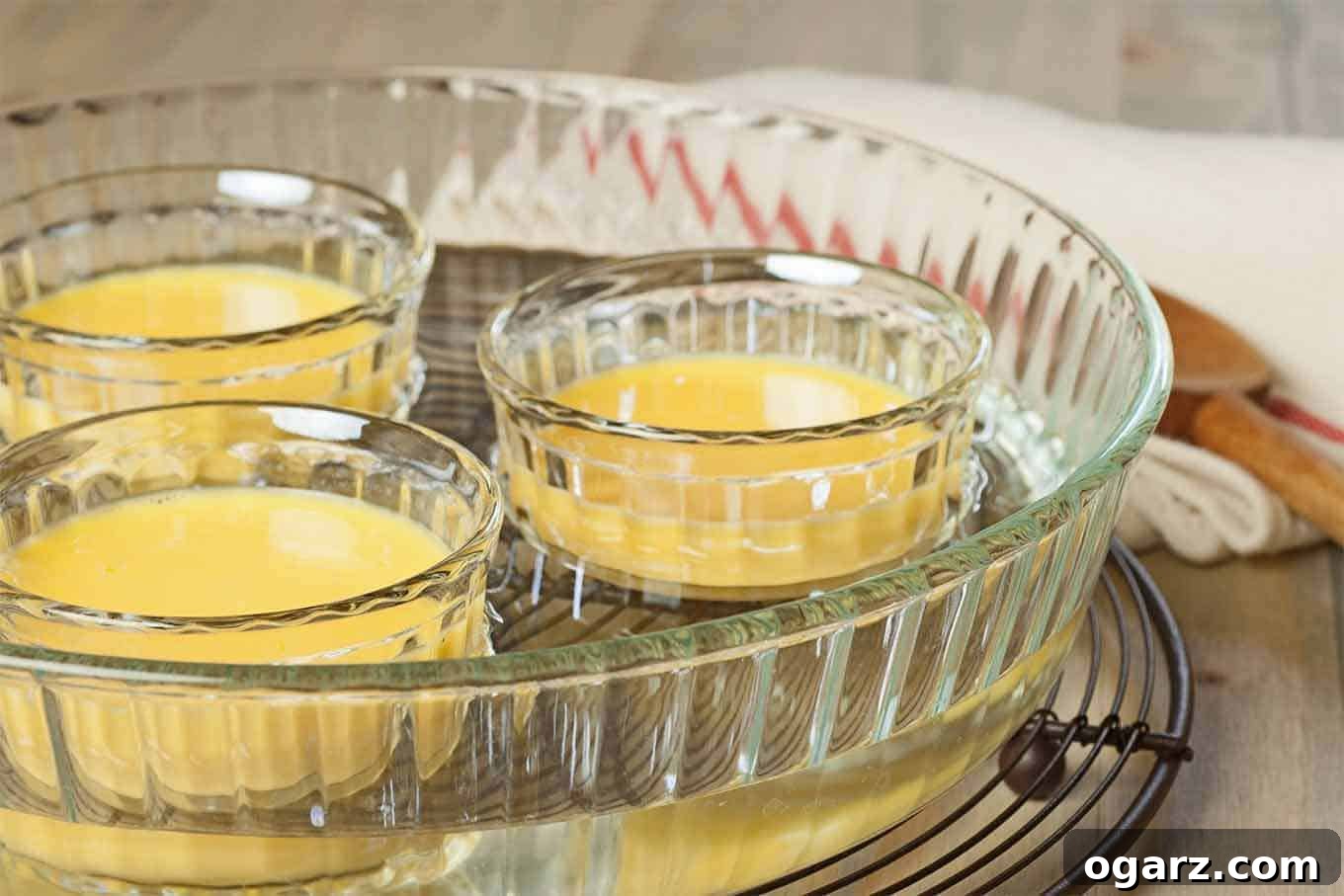
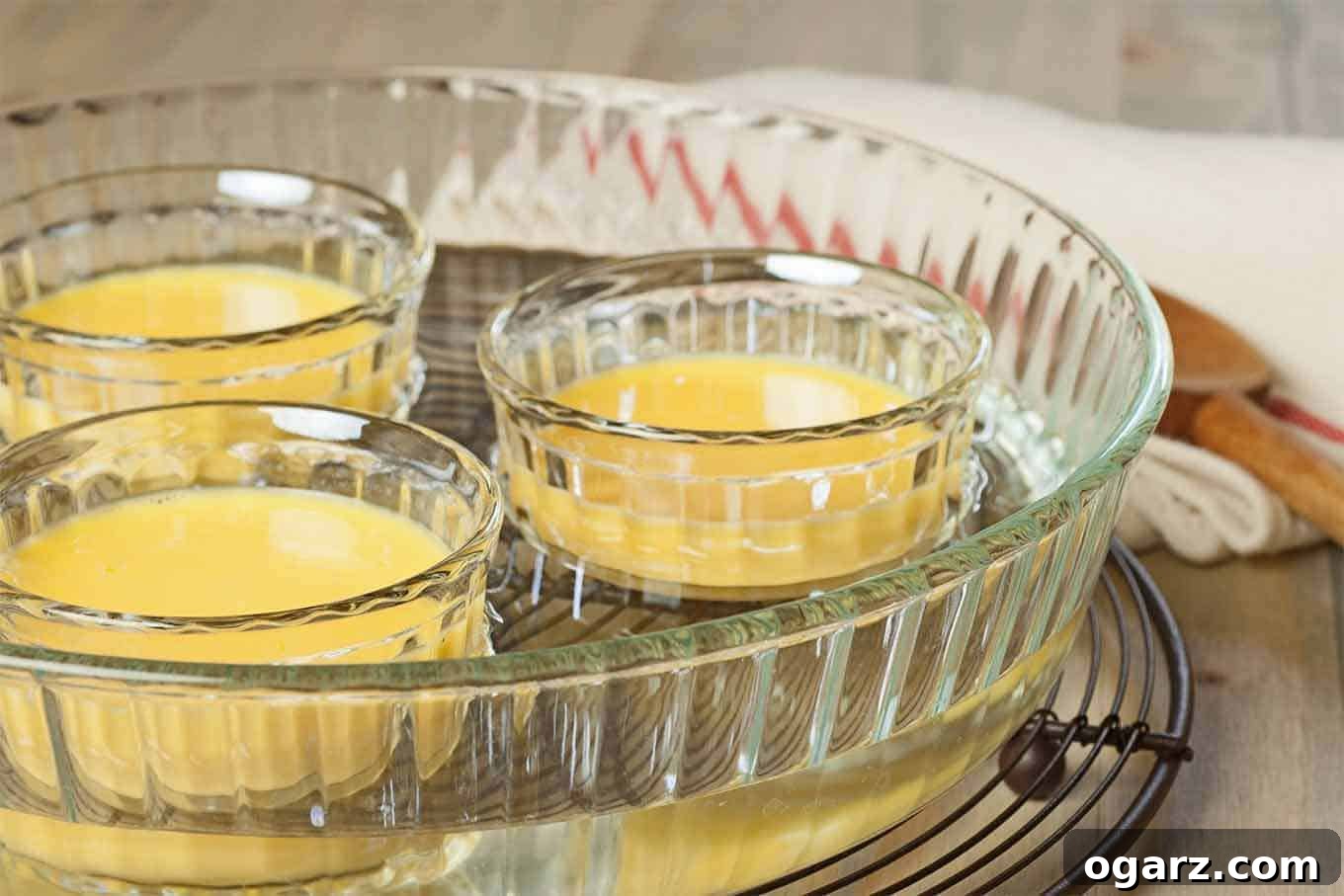
Unlock the secret to flawlessly baked delicate desserts and savory dishes with the timeless culinary technique known as a bain-marie, or water bath. Originating from French cuisine, this simple yet incredibly effective method provides a gentle, even heat distribution that is crucial for preventing common baking pitfalls like cracking, curdling, or uneven cooking. Whether you’re aspiring to create silky smooth custards, crack-free cheesecakes, tender pâtés, or ethereal mousses, mastering the water bath will elevate your results from good to absolutely sublime.
At its core, a bain-marie works by surrounding the food you’re baking with hot water. This creates a moist, consistent thermal environment inside your oven, replicating a slow, steaming action. Unlike direct dry heat, which can quickly dry out and overcook delicate ingredients, the water bath ensures a gradual, controlled cooking process. This indirect heat prevents rapid temperature fluctuations, allowing your dishes to set beautifully with a perfect texture every time. Dive into the world of gentle baking and discover how this fundamental technique can transform your most ambitious recipes into culinary masterpieces.
The Indispensable Benefits of a Bain-Marie for Delicate Baking
The strategic use of a water bath in your baking endeavors brings forth a multitude of advantages, particularly when dealing with recipes that demand precision and a gentle touch. Understanding these benefits will illustrate why this technique is celebrated by professional chefs and home bakers alike:
- Prevents Cracking: One of the most common woes when baking cheesecakes is the dreaded surface crack. A bain-marie mitigates this by maintaining a consistently humid environment around the cake, preventing the surface from drying out and expanding too quickly, thus resulting in a beautifully smooth, unblemished top.
- Ensures Even Cooking: Delicate mixtures like custards, terrines, and soufflés require uniform heat to cook through without developing a tough exterior or remaining undercooked in the center. The water bath’s steady temperature ensures that the entire dish cooks evenly from edge to center, leading to a homogenous, perfect texture.
- Maintains Moisture: Dishes prone to drying out, such as certain bread puddings or mousses, greatly benefit from the moist heat provided by a water bath. This prevents the edges from becoming rubbery or dry while the center finishes cooking, preserving the intended creamy or tender consistency throughout.
- Prevents Curdling and Scorching: High, direct heat can cause protein-rich mixtures like custards to curdle or separate, resulting in an unappetizing texture. The gentle, insulated heat of a bain-marie prevents these delicate proteins from cooking too rapidly, ensuring a velvety smooth and stable emulsion. Similarly, it protects ingredients from scorching, which can occur when delicate sauces or mixtures are heated directly.
- Achieves Silky Smooth Textures: For dishes like crème brûlée, flan, or panna cotta, a silky smooth, melt-in-your-mouth texture is paramount. The slow, gentle coagulation facilitated by a water bath is key to achieving this coveted consistency, free from air bubbles or a grainy mouthfeel.
- Reduces Oven Hot Spots: Ovens can have inconsistent temperatures, leading to unevenly baked goods. The water in the bain-marie acts as a thermal buffer, absorbing and distributing heat more uniformly, thereby neutralizing any potential hot spots and ensuring a more predictable bake.
How a Water Bath Works: A Culinary Science Lesson
To fully appreciate the magic of a bain-marie, it’s helpful to understand the scientific principles behind its operation. This technique leverages the unique properties of water to create an ideal cooking environment:
- Heat Transfer through Water: Water has a high specific heat capacity, meaning it can absorb and release a significant amount of heat energy without experiencing drastic temperature changes. When placed in the oven, the hot water surrounding your baking dish acts as a buffer. It heats up slowly and transfers its heat even more slowly and gently to the food inside. This indirect heat transfer is far less aggressive than direct air exposure, preventing the outer edges of your dish from overcooking before the center is done.
- Temperature Regulation: The boiling point of water (212°F or 100°C at sea level) acts as a natural thermostat. While your oven might be set to a higher temperature (e.g., 325-350°F), the food within the water bath will not exceed the temperature of the water itself. This provides a constant, controlled cooking temperature, safeguarding delicate ingredients from scorching or curdling due to excessive heat. The consistent temperature ensures that proteins coagulate slowly and starches thicken gradually, leading to a smoother texture.
- Steam Creation and Humidity: As the water in the bain-marie heats up, it produces steam within the enclosed oven environment. This increase in humidity is vital, particularly for dishes like cheesecakes, as it prevents the surface from drying out and cracking. The moist atmosphere helps keep the top of the dish soft and pliable, allowing it to expand and contract gently without fracturing.
- Insulation: The layer of water acts as an insulating barrier, shielding the delicate ingredients from the harsh, dry heat of the oven’s air currents. This insulation ensures that the cooking process is gradual and gentle, allowing for the even setting of custards and the tender cooking of terrines.
By harnessing these principles, the bain-marie effectively transforms your oven into a giant, precision steamer, providing the perfect conditions for your most sensitive culinary creations.
Setting Up Your Bain-Marie: A Step-by-Step Guide for Perfect Results
Creating an effective water bath is a straightforward process that requires attention to a few key details. Follow these steps to ensure your bain-marie is perfectly set up for success:
1. Choose the Right Equipment
- Outer Container: Select a baking dish, roasting pan, or casserole dish that is large enough to comfortably hold your inner dishes while allowing for at least a half-inch to one inch of space between them. It must also be deep enough to allow water to come at least 1/2 to 2/3 of the way up the sides of your inner dishes without overflowing when moved. Glass, ceramic, or metal pans work equally well.
- Inner Dishes: These are the containers holding your actual recipe – ramekins, soufflé dishes, springform pans, loaf pans, or terrine molds. Ensure they fit well within your outer container.
- Optional Liner: Consider placing a kitchen towel, a silicone mat, or even a few layers of newspaper at the bottom of your outer container. This provides insulation, prevents the inner dishes from sliding around, and can help to buffer the heat slightly, ensuring even gentler cooking.
2. Prepare Your Inner Dishes
Prepare your recipe as instructed. This typically involves greasing and/or flouring molds for items like custards or cheesecakes, or lining them with parchment paper. Pour your prepared batter or mixture into the inner dishes. If using a springform pan for a cheesecake, it is absolutely crucial to wrap the outside of the pan securely with at least two layers of heavy-duty aluminum foil. Ensure the foil extends well above the waterline to prevent any water from seeping into your cheesecake batter.
3. Arrange in the Outer Container
Carefully place your filled inner dishes into the larger outer container. Ensure they are stable and not touching each other, allowing for even heat circulation. If you’re using a towel or silicone mat, place it first, then arrange your dishes on top.
4. Add the Water (The Crucial Step!)
For best results, always use hot or boiling water for your bain-marie. This prevents the outer pan from cooling down the inner dishes too much and kick-starts the gentle cooking process immediately. While some recipes suggest adding cold water, boiling water ensures a more consistent temperature from the outset.
A crucial tip for safety and preventing spills: carefully place your entire assembled bain-marie (outer pan with inner dishes) onto the oven rack *before* pouring in the hot water. Then, slowly and steadily pour the hot water into the outer container, around your inner dishes, making sure to avoid splashing water into your food. Fill the water until it reaches approximately 1/2 to 2/3 of the way up the sides of your inner dishes.
5. Bake According to Recipe Instructions
With the water bath in place and filled, close the oven door and bake your recipe for the time and temperature specified. The water level should remain consistent throughout cooking, but for very long baking times, you might need to carefully add more hot water if it evaporates too much (though this is rare for most standard recipes).
6. Remove and Cool Promptly
Once your dish is cooked (test for doneness as per your recipe – custards will often have a slight jiggle in the center), it is absolutely critical to remove it from the water bath immediately. Using oven mitts, carefully lift the inner dishes out of the hot water. If you leave them in the warm water, even outside the oven, the residual heat will continue to cook them, potentially leading to an overbaked, dry, or cracked result.
Place the cooked dishes on a wire rack to cool completely. Many recipes baked in a bain-marie, such as cheesecakes and custards, require thorough chilling in the refrigerator to fully set and develop their optimal flavor and texture before serving.
Mastering the Art: Recipes Perfected by a Bain-Marie
The versatility of the bain-marie extends across a wide range of culinary applications, transforming good recipes into truly exceptional ones. Here are some of the most common and beloved dishes that significantly benefit from this gentle cooking method:
- Custards and Crèmes: This is perhaps the most classic application. Recipes like Crème Brûlée, Crème Caramel, Flan, and simple baked custards achieve their signature silky, melt-in-your-mouth texture thanks to the even, moist heat of a water bath. It prevents the eggs from scrambling or curdling and ensures a smooth, uniform set.
- Cheesecakes: For New York-style cheesecakes or individual cheesecake ramekins, a bain-marie is indispensable. It virtually guarantees a crack-free surface by maintaining a humid environment and preventing the rapid cooling and shrinking that causes fissures. The result is a uniformly creamy texture throughout, from edge to center.
- Terrines and Pâtés: Savory dishes such as meat pâtés, vegetable terrines, or even liver mousses are often cooked in a water bath. This method ensures that the delicate forcemeats cook gently and evenly, preventing them from drying out or developing a rubbery texture, while allowing fats to render slowly for a richer flavor.
- Mousses and Delicate Soufflés: While not all mousses or soufflés require a bain-marie, some delicate variations, particularly those with a higher egg content or requiring a very tender set, benefit from the water bath’s gentle cooking. It helps to stabilize the structure and prevent premature collapse.
- Bread Puddings and Rice Puddings: For rich, creamy bread puddings or rice puddings, especially those with a custard base, a bain-marie ensures a moist, tender interior without a dry, crusty exterior. The consistent moisture keeps the texture soft and luxurious.
- Melting Chocolate and Keeping Sauces Warm: While typically a stovetop application, the principle of a bain-marie is also used for gently melting chocolate without scorching it, or for keeping delicate sauces (like hollandaise or beurre blanc) warm without breaking or separating. This prevents direct heat from damaging sensitive ingredients.
Tips for Success and Troubleshooting Your Water Bath
Even with the simplest techniques, a few expert tips can make all the difference, and knowing how to troubleshoot common issues can save your delicious creations:
Top Tips for a Flawless Bain-Marie:
- Always Use Hot Water: As emphasized before, hot or boiling water is paramount. It ensures that the temperature in the bain-marie is consistent from the moment it enters the oven, preventing temperature shock for your delicate batters.
- Mind the Water Level: The 1/2 to 2/3 mark up the sides of your inner dish is critical. Too little water, and the effect is diminished; too much, and you risk water sloshing into your food during transfer or baking.
- Protect Springform Pans: For cheesecakes, double-wrap your springform pan with heavy-duty aluminum foil, creating a robust seal extending well beyond the waterline. This is your best defense against dreaded water seepage.
- Stabilize Inner Dishes: A kitchen towel or silicone mat at the bottom of your outer container is a simple yet effective way to prevent dishes from sliding and potentially tipping over when you transfer the heavy water bath into the oven.
- Careful Transfer: The bain-marie becomes very heavy once filled with water. If possible, place the outer pan with your inner dishes on the oven rack first, then pour in the hot water using a kettle or a measuring cup with a spout. This minimizes the risk of spills and burns.
- Don’t Overcook: The gentle heat of a bain-marie can sometimes make it tempting to leave dishes in longer. Always check for doneness according to your recipe and remove promptly. Overcooking can still lead to a dry or grainy texture, even in a water bath.
Troubleshooting Common Bain-Marie Issues:
- Cracked Cheesecake: If your cheesecake still cracks despite using a bain-marie, it could be due to several reasons:
- Overbaking: Even with a water bath, overbaking can cause cracking.
- Too Rapid Cooling: Drastic temperature changes can cause cracks. Allow the cheesecake to cool gradually in the oven with the door ajar, then remove.
- Under-mixed Batter: Too much air incorporated into the batter can lead to expansion and cracking.
- Soupy or Unset Custard: This almost always indicates underbaking. Check your oven temperature with an oven thermometer and ensure you’re baking for the full recommended time, or until the custard reaches the specified internal temperature (often around 170-175°F / 77-79°C).
- Water Seepage into Dishes:
- For Springform Pans: Your foil wrap was not secure enough, or it had small holes. Ensure multiple layers of heavy-duty foil are used and crimped tightly around the pan.
- For Other Dishes: Check your inner dish for hairline cracks before using, as water can seep through these.
- Uneven Cooking (Rare with Bain-Marie): If this occurs, it might be an issue with your oven’s calibration or the placement of the bain-marie. Try rotating the pan halfway through baking, or check your oven’s actual temperature with a thermometer.
By keeping these tips in mind and understanding how to address common challenges, you’ll find that the bain-marie quickly becomes one of your most reliable and rewarding baking techniques.
Conclusion: Elevate Your Baking with the Bain-Marie
The bain-marie, or water bath, is far more than just a kitchen gadget; it’s a fundamental technique that empowers home bakers to achieve professional-level results with delicate dishes. From preventing unsightly cracks in your prized cheesecake to ensuring your custards are impeccably smooth and velvety, its gentle, consistent heat transfer is the key to culinary success. By embracing this simple yet profound method, you gain control over the baking process, transforming what might otherwise be challenging recipes into consistently perfect creations.
So, the next time you embark on a baking adventure involving custards, mousses, pâtés, or cheesecakes, remember the power of the water bath. With a little preparation and careful execution, you’ll unlock a new level of finesse in your kitchen, impressing yourself and your guests with flawlessly textured, beautifully cooked delicacies. Happy baking!
Recipes Baked In A Bain-Marie
- Grape Nut Custard Pudding
- Savory Bacon, Leek and Thyme Bread Pudding