
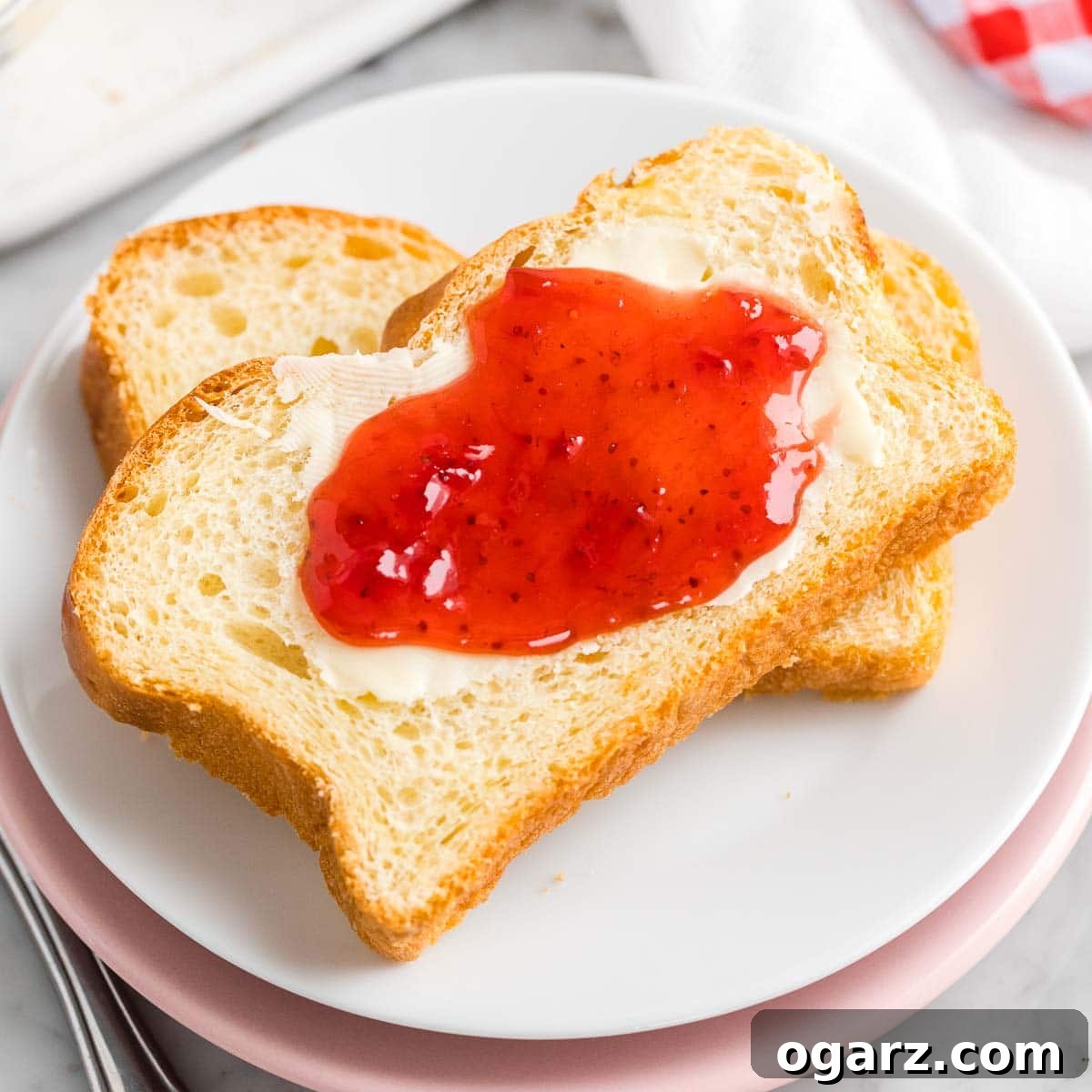
Mastering Homemade Brioche Bread: A Rich, Buttery Delight for Every Occasion
Imagine a loaf of bread so exquisitely rich, so tenderly buttery, and so irresistibly golden that it elevates every meal from simple to sublime. This is brioche, and while it might seem like a luxury reserved for artisan bakeries, crafting this magnificent bread at home is surprisingly simple. Get ready to bake a brioche loaf that will forever change your breakfast, brunch, and sandwich game – especially when transformed into the most decadent French toast you’ve ever tasted.
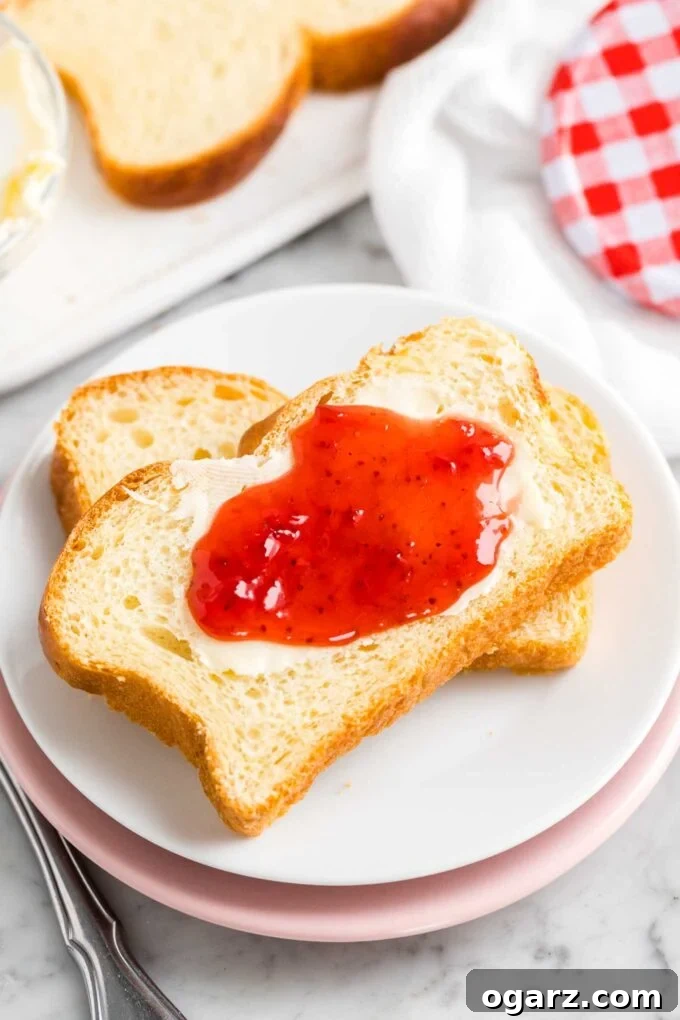
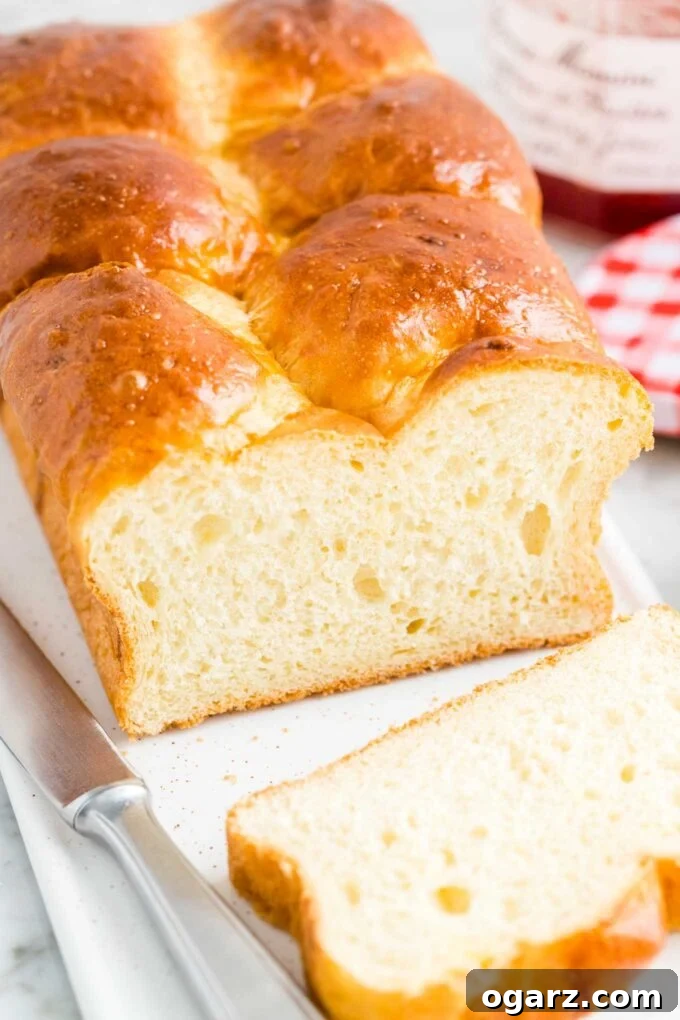
A perfectly baked French brioche loaf is truly a masterpiece. Its exterior boasts a glorious golden hue, hinting at the tender, flaky crumb within. Each bite delivers a rich, slightly sweet, and profoundly buttery flavor that is utterly unforgettable. While it’s famously perfect for French toast, its versatility makes it an outstanding choice for elegant sandwiches, luxurious bread pudding, or simply enjoyed on its own with a smear of your favorite jam.
This beloved treat is a staple in bakeries worldwide, cherished for its unique texture and exquisite taste. The incredible news is that you don’t need to be a professional baker to achieve such a culinary feat. With this straightforward recipe, you can recreate the magic of authentic brioche right in your home kitchen, much like mastering a classic white bread or an intricate braided Easter bread.
What is Brioche? Unveiling the Art of Viennoiserie
At its heart, brioche is more than just bread; it’s a celebrated member of the “Viennoiserie” family. This French term refers to a category of baked goods that fall somewhere between bread and pastry, characterized by their rich doughs. What sets brioche apart from traditional yeast bread is the generous addition of eggs, butter, and sugar to the dough. These luxurious ingredients transform the final product, resulting in a loaf that is simultaneously richer, denser, yet incredibly light and flaky compared to standard bread.
The origins of brioche can be traced back to 15th-century France, where it quickly became renowned for its delicate balance of sweet and savory notes. This unique profile makes it incredibly adaptable, suitable for both sweet and savory applications. The high butter content contributes to its tender crumb and distinctive golden color, while the eggs add richness, structure, and a beautiful sheen. The slight sweetness, derived from sugar, complements its savory potential, making brioche a truly versatile bread.
The Brioche Family: Exploring Similar Enriched Breads
The concept of an enriched dough, featuring ingredients like eggs, butter, and sugar, is not exclusive to brioche. Many cultures boast their own beloved versions of this bread style, each with its unique twist. Here are a few notable examples you might have encountered:
- Challah: This traditional Jewish braided bread shares brioche’s beautiful golden appearance, often attributed to eggs. However, as it adheres to Kosher dietary laws, it typically does not contain dairy products or butter. Consequently, challah tends to be a bit denser and less sweet than brioche, with a slightly chewier texture. Its richness comes primarily from eggs and oil.
- Hawaiian Bread: Often celebrated for its soft, sweet, and fluffy texture, Hawaiian bread comes remarkably close to French brioche in terms of flavor profile and richness. What distinguishes it is generally a lower fat content and the strategic inclusion of potato flour. Potato flour helps retain moisture, keeping the bread exceptionally fresh and soft for longer, contributing to its signature melt-in-your-mouth quality.
- Portuguese Sweet Bread: Interestingly, Portuguese Sweet Bread is often very similar, if not identical in many recipes, to Hawaiian bread. This highlights the cross-cultural appeal and evolution of enriched bread recipes, demonstrating how similar culinary traditions can emerge in different parts of the world. It’s another delicious example of how added eggs, sugar, and fat create a wonderfully tender and flavorful loaf.
The Versatility of Brioche: Beyond Just French Toast
While the thought of warm, buttery brioche often conjures images of luxurious French toast, its culinary applications extend far beyond the breakfast table. Brioche’s unique characteristics—its tender crumb, rich flavor, and slight sweetness—make it an incredibly versatile bread suitable for a multitude of dishes. Let’s explore some of the best ways to enjoy this delightful loaf:
The Ultimate French Toast Experience
Undoubtedly, my absolute favorite way to enjoy homemade brioche is to transform it into brioche French toast. This pairing is a match made in culinary heaven! The eggs in the brioche dough inherently make it denser and more substantial than ordinary bread. This structural integrity is crucial because it allows the brioche slices to soak up the egg and milk mixture without becoming soggy or falling apart. Instead, they absorb the custard beautifully, yielding an incredibly rich, custardy interior with a perfectly golden-brown, crisp exterior when cooked.
The inherent balance between sweet and savory in brioche bread means it provides the perfect canvas for any toppings you desire. Drizzle it with maple syrup, sprinkle fresh berries, add a dollop of whipped cream, or even go savory with bacon and avocado. The brioche itself provides such a solid flavor foundation that every topping shines.
Creative Culinary Uses for Your Homemade Brioche
But French toast is truly just the beginning. This homemade brioche bread recipe opens up a world of delicious possibilities:
- Brioche Bread Pudding: The rich, slightly sweet nature of brioche makes it ideal for bread pudding. It absorbs the custard base wonderfully, resulting in a dessert that is incredibly moist, flavorful, and luxurious. Add fruits, chocolate, or spices for an even more decadent treat.
- French Toast Casserole: For entertaining a crowd, a French toast casserole made with brioche is a showstopper. Prepare it the night before, let the brioche soak up the flavors, and bake it in the morning for an effortless yet impressive brunch centerpiece.
- Gourmet Sandwiches: Elevate your everyday sandwiches to gourmet status. The soft, buttery texture of brioche complements both sweet and savory fillings beautifully. Imagine a grilled cheese on brioche, or a deli sandwich with a touch of elegance. Its sturdy yet tender crumb holds up well to various fillings.
- Sweet or Savory Sliders: Cut mini brioche buns for sliders. They are perfect for small burgers, pulled pork, or even sweet breakfast sliders with fruit and cream cheese.
- Simply Plain: Sometimes, the simplest pleasures are the best. A slice of homemade brioche, perhaps lightly toasted, with a smear of butter or a dab of honey, is a delightful treat on its own. Its inherent flavor and texture are complex enough to be thoroughly enjoyed without any adornments.
Crafting Your Perfect Brioche: Essential Ingredients and Their Roles
Brioche is a testament to the power of simple ingredients, transformed by technique and care. Because the ingredient list is relatively short, the quality and preparation of each component are paramount to achieving that signature rich, tender, and airy crumb. Understanding the role each ingredient plays will help you bake a consistently perfect brioche loaf every time.
- Bread Flour: The Foundation of Structure
The choice of flour is critical for brioche. Bread flour differs from all-purpose flour primarily in its protein content, typically ranging from 11-14% compared to all-purpose flour’s 9-11%. This higher protein level is essential for developing stronger gluten networks, which in turn creates a chewier, stretchier, and more characteristically bread-like texture. Using bread flour ensures your brioche has the necessary structure to support the rich additions of butter and eggs, preventing it from becoming overly dense or cake-like. Substituting with all-purpose flour would significantly alter the desired texture of your brioche. - Instant Yeast: The Catalyst for Rise
Yeast is the living organism responsible for the bread’s rise. Among the various types available, such as RapidRise (often from Fleischmann’s) and Active Dry, our brioche recipe specifically calls for instant yeast. Instant yeast is favored for its convenience and efficiency: it can be mixed directly with dry ingredients without prior proofing, and it acts quickly. While other yeasts might eventually get the job done, instant yeast provides the consistent and timely rise that is optimal for the brioche dough, ensuring a beautifully airy result. - Unsalted Butter: The Key to Richness and Texture
Butter is arguably the star ingredient in brioche, contributing profoundly to its richness, tenderness, and characteristic golden color. It is crucial to use unsalted butter for this recipe. Salted butter can contain up to 13% more water than unsalted varieties. This extra water can negatively impact the delicate structure and texture of the finished loaf, and even interfere with the dough’s rise during proofing. Furthermore, using unsalted butter gives you precise control over the salt content in your recipe. Equally important is the butter’s temperature: it must be at room temperature and soft, but not melted. Butter that is too cold will not incorporate properly into the dough, leading to a lumpy texture, while melted butter can turn your dough into a batter, resulting in a dense, cake-like product rather than the light, airy bread you desire. - Eggs: The Source of Richness and Color
Eggs are another cornerstone of brioche, providing significant richness, moisture, and a beautiful golden color to both the crumb and the crust. They also contribute to the dough’s structure, making it more tender and less prone to drying out. The protein in eggs strengthens the gluten, while the fat contributes to the bread’s softness. - Sugar: For Flavor, Browning, and Yeast Activation
Sugar plays multiple roles in brioche. It provides food for the yeast, helping it to activate and produce carbon dioxide, which makes the bread rise. Beyond that, sugar contributes to the signature subtle sweetness of brioche, enhancing its overall flavor profile. It also aids in achieving that desirable golden-brown crust through caramelization during baking. - Water: Hydration for Development
Water hydrates the flour, allowing gluten development and yeast activation. It should be at room temperature to ensure it doesn’t shock the yeast (if too cold) or kill it (if too hot). - Salt: Enhancing Flavor and Controlling Yeast
Salt is vital for flavor balance, preventing the brioche from tasting bland or overly sweet. It also plays a role in controlling yeast activity, ensuring a steady and consistent rise, and strengthening the gluten structure.
Brioche Bread Recipe
Brioche bread is rich, buttery, and easy to bake at home. Try this simple recipe that is perfect for making French toast and never go back to store-bought!
By: Julia Foerster
Prep Time: 20 minutes
Cook Time: 30 minutes
Proofing Time: 1 hour 30 minutes
Total Time: 2 hours 20 minutes
Yields: 2 Loaves
Ingredients
- 4 cups bread flour, spooned and leveled
- 1 Tbsp instant yeast, or rapid-rise yeast
- 1 1/4 cups water, room temperature
- 5 large eggs, lightly beaten (4 for dough, 1 for egg wash)
- 1/4 cup sugar
- 2 tsp salt
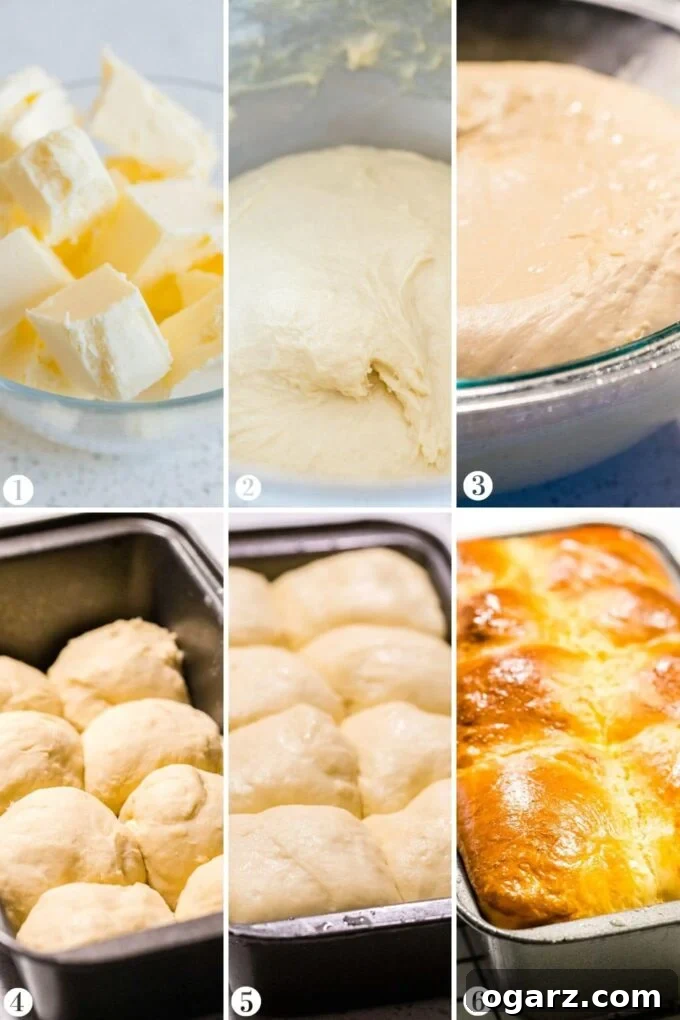
- 3/4 cup unsalted butter, cut into 12 pieces and softened
Instructions
- Combine Dry and Wet Ingredients (Initial Mix): In the bowl of a stand mixer fitted with the dough hook, combine the bread flour and instant yeast. Add 1 1/4 cups of room temperature water and 4 of the lightly beaten eggs. Mix on low speed until no dry flour remains and the ingredients are just combined. Scrape down the sides of the bowl frequently to ensure everything is incorporated. Cover the bowl with plastic wrap or a clean tea towel and let it rest for 15 minutes. This autolyse step allows the flour to fully hydrate and gluten development to begin.
- Incorporate Sugar, Salt, and Butter (Kneading): After the resting period, add the sugar and salt to the dough in the stand mixer. Begin kneading on medium speed until these new additions are fully incorporated. With the mixer still running, add the softened unsalted butter, one piece at a time. Allow each piece to be fully absorbed into the dough before adding the next. This gradual addition ensures the butter emulsifies properly into the dough, creating a rich and homogenous mixture. Continue to scrape down the bowl as needed. Once all the butter is added, continue kneading for a further 10-15 minutes (or 15-20 minutes if kneading by hand). The dough should become elastic, smooth, and pull away cleanly from the sides of the bowl, indicating proper gluten development.
- First Rise (Bulk Fermentation): Transfer the kneaded dough to a lightly greased bowl. Turn the dough once to ensure it’s coated in oil. Cover the bowl tightly with greased plastic wrap or a damp tea towel. Let the dough rise at room temperature until it has doubled in size, which typically takes about 1 hour, depending on your room temperature. This first rise develops flavor and texture.
- Shape the Loaves and Second Rise: Lightly grease two standard 8×4-inch loaf pans. Gently punch down the risen dough in the bowl to release the air. Turn the dough out onto a lightly floured work surface. Divide the dough into 16 equal pieces. Roll each piece into a smooth, tight ball. Arrange eight balls of dough in each prepared baking pan, distributing them evenly. Cover the pans again with greased plastic wrap and let the dough rise until doubled in size, typically around 45 minutes. The second rise is often faster than the first because the yeast is already very active.
- Bake the Brioche: While the dough is on its second rise, preheat your oven to 350 degrees F (175 degrees C). Lightly beat the remaining 1 egg (from the 5 total) to create an egg wash. Gently brush the tops of the risen loaves with this egg wash; you might not need to use all of it. This egg wash will give your brioche a beautiful golden sheen. Bake the loaves for 30-35 minutes, or until they are deeply golden brown on top and a thermometer inserted into the center of the loaf registers between 205 to 210 degrees F (96 to 99 degrees C). Rotate the pans halfway through baking to ensure even browning.
- Cooling: Once baked, remove the loaves from the oven. Let them cool in their pans on a wire rack for about 15 minutes. This allows the bread to set before handling. After 15 minutes, carefully remove the loaves from the pans and transfer them directly to the wire rack to cool completely. Cooling completely is important for the crumb to fully set and for the flavor to develop.
Helpful Tips & Troubleshooting
- Flour is Key: Always use bread flour, not all-purpose flour, for the best structure and chew.
- Check Your Yeast: Ensure your instant yeast is active and not expired. If your dough isn’t rising, dormant yeast is often the culprit.
- Temperature Matters: Use room temperature or lukewarm water and eggs. Hot water can kill the yeast, and cold ingredients can slow down the rise significantly.
- Perfect Butter Consistency: Your butter should be genuinely at room temperature – soft enough that your finger can make an indent without sliding through, but not melted or greasy.
- Kneading for Gluten: Proper kneading is crucial. Whether using a stand mixer (at least 10 minutes) or by hand (15-20 minutes), adequate kneading activates the gluten. This elasticity is vital for the dough to become strong enough to hold the air bubbles from the yeast, preventing the loaf from collapsing after the second rise, which often happens due to insufficient kneading and large, unstable air pockets.
- Don’t Overproof: While rising is essential, overproofing can lead to a dense, gummy texture and a yeasty, alcoholic smell. Keep an eye on the dough and ensure it doubles in size, but doesn’t become overly bubbly or start to deflate.
- Oven Temperature Accuracy: An accurate oven thermometer can be a baker’s best friend. Consistent temperature is key for even baking and a beautiful crust.
Storage and Freezing Instructions
- Storage: Freshly baked brioche loaves can be stored in airtight zipper-lock bags or wrapped tightly in plastic wrap at room temperature for up to 2 days. For longer freshness, consider refrigeration, but it can sometimes dry out bread.
- Freezing: Brioche freezes exceptionally well! Allow the loaves to cool completely before freezing; this prevents condensation and sogginess. Once cooled, double wrap the bread tightly in plastic wrap, then an additional layer of freezer paper or aluminum foil. Ensure the wrapping is as airtight as possible to prevent freezer burn. You can also freeze individual slices, which are perfect for quick French toast preparations. To thaw a frozen brioche loaf, simply let it sit at room temperature for at least three hours, or until fully defrosted.
Make Ahead Option
For convenience, you can prepare the dough ahead of time. After covering the pans with plastic wrap following step 4 (after shaping the balls into pans for the second rise), refrigerate the pans for up to 24 hours. The cold temperature will slow down the yeast activity. When you’re ready to bake, remove the loaves from the refrigerator and let them sit at room temperature for approximately 2 hours to warm up and complete their final rise before proceeding with baking. You may need to increase the baking time by about 5 minutes.
Nutrition Information (per loaf)
Calories: 1742kcal | Carbohydrates: 208g | Protein: 43g | Fat: 82g | Saturated Fat: 47g | Cholesterol: 510mg | Sodium: 2474mg | Potassium: 411mg | Fiber: 7g | Sugar: 26g | Vitamin A: 2602IU | Calcium: 107mg | Iron: 4mg
(Note: Nutritional values are approximate and may vary based on specific ingredients and preparation.)
Other Popular Recipes Made with Yeast to Try
If you’ve enjoyed the rewarding experience of baking with yeast, consider exploring these other delightful recipes:
- Adorable Easter Bunny Rolls
- Quick & Easy Air Fryer Donuts
- Flavorful Cranberry Orange Rolls
If you’ve tried this brioche recipe or any other delicious creations from my kitchen, please don’t hesitate to rate the recipe and leave a comment below. I genuinely love hearing from you and seeing your baking successes! For more culinary inspiration and to ensure you never miss a new recipe, follow me on PINTEREST, FACEBOOK, or INSTAGRAM.