
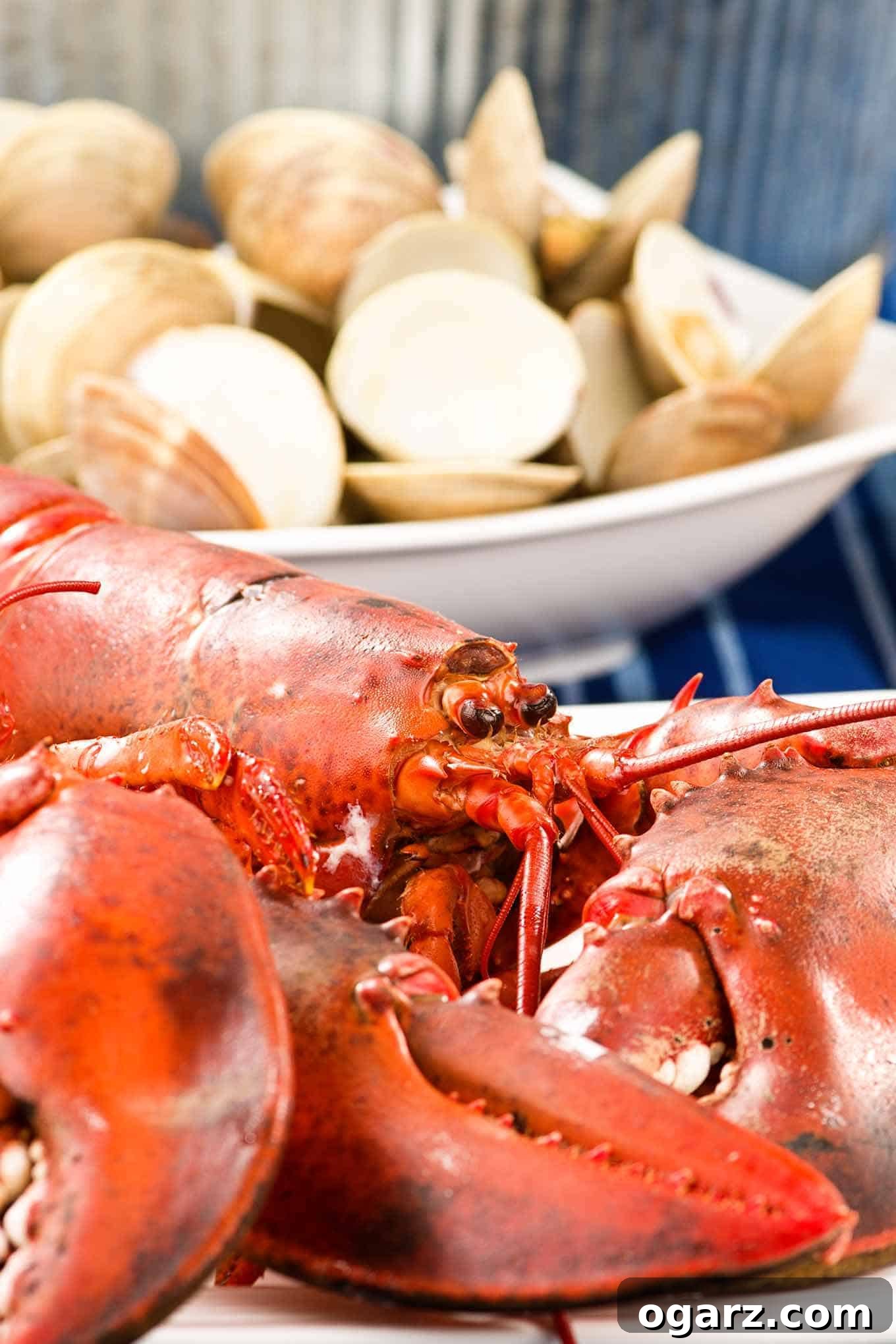

The Ultimate Stovetop Clambake: Bringing New England Flavors Home
For many, the very mention of a traditional New England clambake evokes idyllic visions: a pristine coastal summer day, the rhythmic sound of rolling waves, the inviting aroma of a smoky beach fire, and an abundant feast of succulent lobsters and briny clams. This quintessential culinary experience, deeply rooted in maritime tradition, often seems reserved for those lucky enough to live by the sea or visit its shores.
However, what if you could recreate that magical, mouth-watering experience right in your own kitchen, no matter how far you live from the ocean? Our guide to preparing a spectacular stovetop clambake makes this dream a delicious reality. It’s surprisingly straightforward, remarkably quick, and offers a fantastically casual yet impressive meal to share with friends and family. Imagine gathering around a table laden with fresh seafood, sweet corn, tender potatoes, and savory sausage – all cooked to perfection in a single pot on your stovetop. This isn’t just a meal; it’s an event, an accessible celebration of coastal flavors that bypasses the need for a sandy beach or elaborate outdoor setup.
Embrace the joy of a homemade clambake, an experience that transcends geography and weather. Whether it’s a rainy afternoon or a bustling city evening, you can indulge in the rich, oceanic tastes that define a true New England clambake. This guide will walk you through every step, ensuring your stovetop clambake is not just good, but unforgettable. Get ready to impress your guests and satisfy your seafood cravings with minimal fuss and maximum flavor.
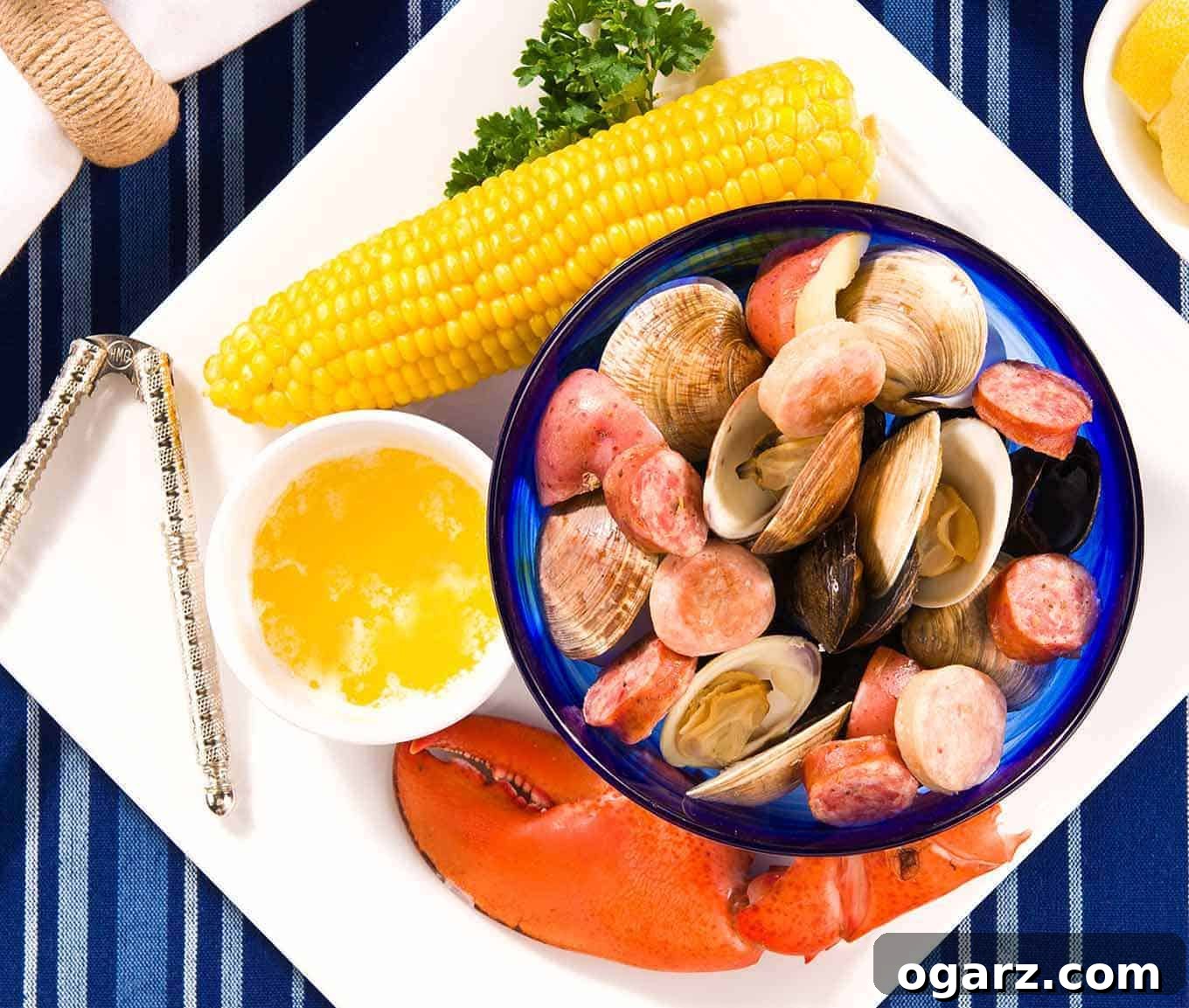
Mastering Your Homemade Clambake: A Step-by-Step Guide
Creating a stovetop clambake is far simpler than many imagine, allowing you to enjoy all the elements of a classic seaside feast without the traditional pit fire. Our method incorporates all the beloved components: succulent mussels, tender littleneck clams, savory smoked sausage, hearty red potatoes, and sweet fresh corn, all harmoniously cooked together. The best part? This entire culinary marvel takes only about 30 minutes of actual cooking time, making it an ideal choice for weeknight entertaining or spontaneous weekend gatherings.
This section provides a comprehensive overview of how to properly prepare and assemble your stovetop clambake. We’ll delve into selecting the freshest ingredients, the optimal layering technique, and essential tips for ensuring everything cooks to perfection. While we provide a concise guide here, the full detailed ingredient quantities and simple, step-by-step instructions for cooking this delicious seafood medley are meticulously outlined in the comprehensive recipe card located further down this page. Read on to unlock the secrets to a perfect, effortless clambake that will transport your taste buds straight to the New England coast.
Essential Ingredients for a Perfect Stovetop Clambake
The beauty of a clambake lies in its fresh, high-quality ingredients. This recipe is designed to serve six people generously, but it’s incredibly versatile. You can easily adjust the quantities to accommodate a smaller, intimate dinner or a larger, lively party. Sourcing fresh, live seafood is paramount for the best flavor and texture. Don’t hesitate to ask your local fishmonger for their freshest recommendations and advice on handling.
- Live Lobsters (1-1/4 lbs) – 1 per person: Look for active, healthy lobsters. Their vibrant color and lively movements are indicators of freshness. This size is ideal for individual servings, offering a good balance of tail and claw meat.
- Mussels – 1/2 lb per person: Choose mussels that are tightly closed. If any are slightly open, tap them gently; they should close. Discard any that remain open or have cracked shells.
- Littleneck Clams – 1 lb per person: Similar to mussels, clams should be tightly closed. Their briny flavor is essential to the clambake liquid.
- Fresh Corn – 1 ear per person: Sweet corn on the cob adds a wonderful natural sweetness and texture. Opt for corn with bright green husks and plump kernels.
- Red Potatoes – 1/4 lb per person: Red potatoes hold their shape well during cooking and absorb the delicious seafood flavors. Their slightly waxy texture is perfect for this dish.
- Smoked Sausage – 2 to 3 ounces per person: A good quality smoked sausage, like kielbasa or andouille, adds a savory, smoky depth that complements the seafood beautifully. Slice it into rounds for even cooking and flavor distribution.
- Butter – 3 tablespoons per person: An indispensable accompaniment for dipping your cooked lobster and corn. Fresh, unsalted butter is recommended so you can control the seasoning.
- Lemons – 1/2 per person: Fresh lemon wedges provide a bright, acidic counterpoint to the rich seafood and butter, enhancing all the flavors.
Key Equipment You’ll Need
While a traditional clambake requires a pit and hot rocks, our stovetop version simplifies the equipment considerably. You’ll need a few common kitchen items to ensure a smooth and successful cooking process. Having the right tools at hand makes all the difference in preparing and enjoying your seafood feast.
- One or two large stockpots with tight-fitting lids: The size of your stockpot(s) is crucial. It needs to be large enough to hold all the ingredients comfortably, allowing steam to circulate. A tight-fitting lid is essential to trap the steam, which is how the ingredients will cook. For six servings, a single large pot (16-20 quart) might suffice, but two smaller pots could be easier to manage and ensure even cooking.
- Cheesecloth: This is used to create bundles for the clams and mussels, making them easy to retrieve and preventing any stray grit from mingling with other ingredients.
- Nut crackers: Essential for cracking open the tough shells of the lobster claws, allowing easy access to the delicious meat inside.
- Seafood picks and seafood forks: These specialized tools help extract every last bit of tender meat from the lobster and crab shells, ensuring nothing goes to waste.
- Small dipping bowls for melted butter: Individual bowls prevent cross-contamination and add a touch of elegance to the serving presentation.

Preparing Your Seafood & Veggies for the Clambake
Proper preparation is key to a successful and delicious stovetop clambake. Taking a few moments to prepare your ingredients beforehand will streamline the cooking process and ensure everything is ready to go into the pot in the correct order. Fresh seafood requires careful handling, so pay close attention to these steps to maximize flavor and safety.
- Remove the husks from the corn: Peel back the green husks and remove all silk strands from the corn ears. You can leave a small portion of the husks attached at the base if you like for a rustic presentation, or remove them entirely.
- Cut the potatoes into chunks and par-cook them for 5 minutes: Scrub the red potatoes clean. Depending on their size, halve or quarter them to create uniform 1-1/2-inch chunks. Par-cooking ensures they will be tender at the same time as the seafood. Place them in a stockpot, cover with cold water, add a pinch of salt, bring to a boil, cover, and cook for 5 minutes. Drain thoroughly and set aside.
- Cut the smoked sausage into rounds: Slice your chosen smoked sausage into 3/8-inch thick rounds. This size is perfect for even cooking and infusing flavor throughout the clambake.
- Rinse the clams: Place the littleneck clams in a colander and rinse them thoroughly under cool running water. Inspect each clam to ensure it’s tightly closed. Discard any that are open or cracked. Soaking them in cold, salted water for about 20 minutes can also help them expel any sand.
- Rinse the mussels and trim away any “beards”: Under cool running water, scrub the mussels with a stiff brush. For any mussels that have a fibrous “beard” protruding from the shell, pull it firmly towards the hinge of the mussel to remove it. Discard any mussels with broken shells or those that don’t close when tapped.
- Wrap and tie the mussels and clams in cheesecloth: Lay out two large squares of cheesecloth. Divide the cleaned mussels and clams equally between them. Gather the corners of each cheesecloth square and tie them securely with kitchen twine to form loose-fitting “bags.” This step is crucial; it keeps the shellfish together, prevents grit from escaping into the broth, and makes for easy serving.
The Art of Layering: Building Your Stovetop Clambake Pot
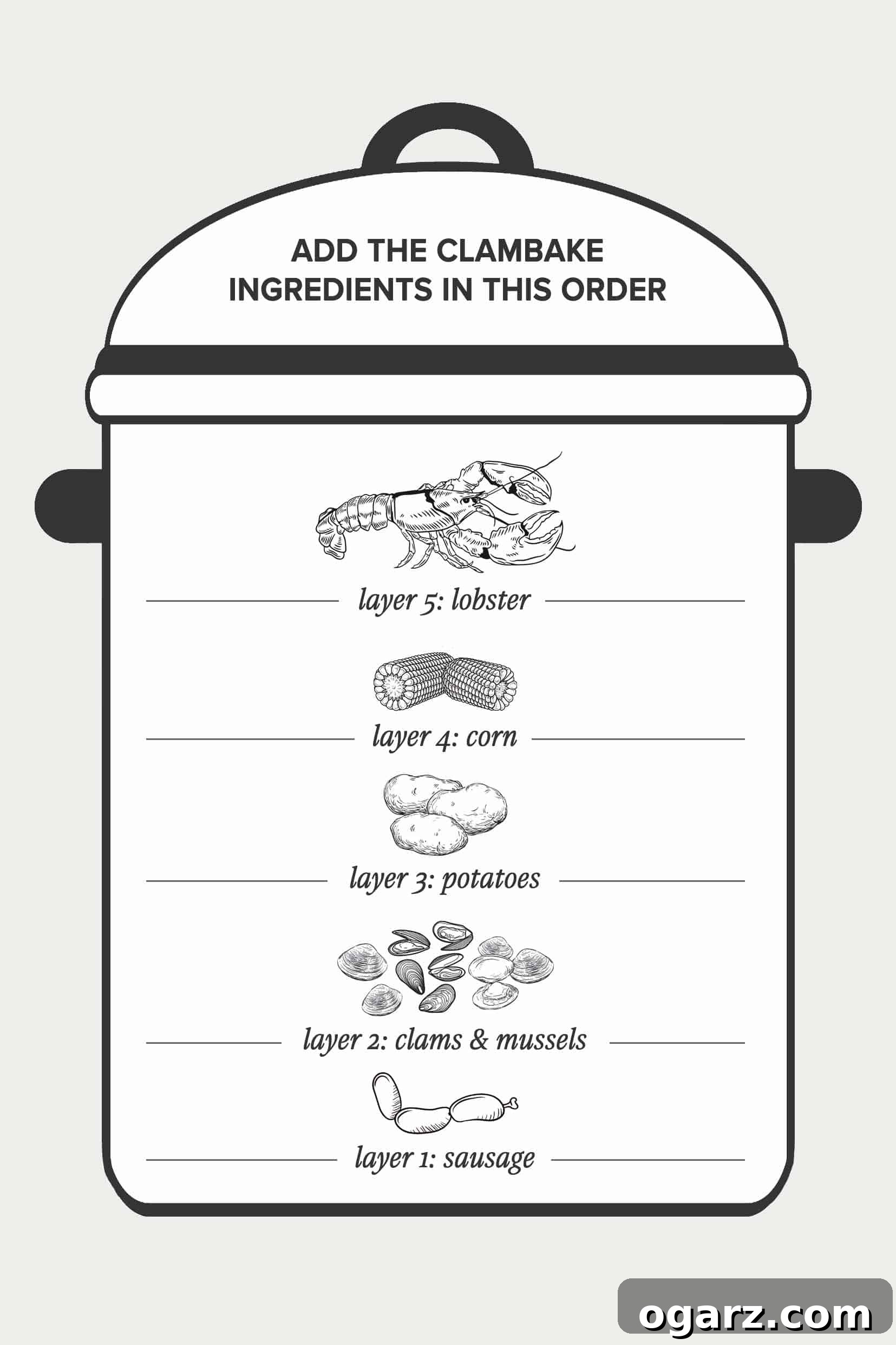
The secret to a successful stovetop clambake lies in the strategic layering of ingredients within the stockpot. This method ensures that each component cooks perfectly while allowing flavors to meld and infuse throughout the entire dish. The liquid released by the shellfish will act as a natural steaming agent, creating a fragrant, delicious broth that cooks everything above it. This thoughtful arrangement is what elevates a simple seafood boil into a true New England-style clambake.
Follow this precise layering order to achieve optimal results:
- Smoked sausage: Begin by scattering the sliced smoked sausage rounds across the very bottom of the stockpot. Placing the sausage here allows its rich, savory fats and smoky flavors to render out and infuse the steam, which in turn flavors all the other ingredients as they cook above. It acts as a foundational flavor builder.
- Mussels and clams: Next, carefully place your cheesecloth bags filled with mussels and clams on top of the sausage. As these shellfish steam open, they will release their flavorful briny liquids. This liquid is essential, forming the primary steaming medium for the entire clambake, imparting a distinct oceanic essence to everything it touches.
- Potatoes: Layer the par-cooked red potato chunks over the shellfish bags. Because they were partially cooked beforehand, they will reach tender perfection at the same time as the seafood, absorbing all the wonderful flavors rising from below.
- Corn: Arrange the ears of fresh corn on top of the potatoes. The corn serves a dual purpose: it cooks beautifully in the steam, becoming sweet and tender, and its sturdy shape also creates a natural “shelf” or platform for the lobsters to rest upon, keeping them slightly elevated for even steaming.
- Lobsters: Finally, place the live lobsters on top of the corn. Lobsters require precise cooking, and their bright red color is the ultimate indicator of doneness. When the lobsters have turned fully red and are perfectly cooked, you can be confident that all the other ingredients in your carefully layered pot have also reached their ideal state of doneness.
Once all your ingredients are layered, secure the tight-fitting lid onto your stockpot. Cook over medium-high heat for approximately 25 to 30 minutes. Keep an eye on the lobsters; they should turn a vibrant, bright red when fully cooked. It is typically not necessary to add any additional water to the pot, as the shellfish will release ample liquid for steaming. The anticipation as the delicious aromas fill your kitchen is part of the clambake experience!
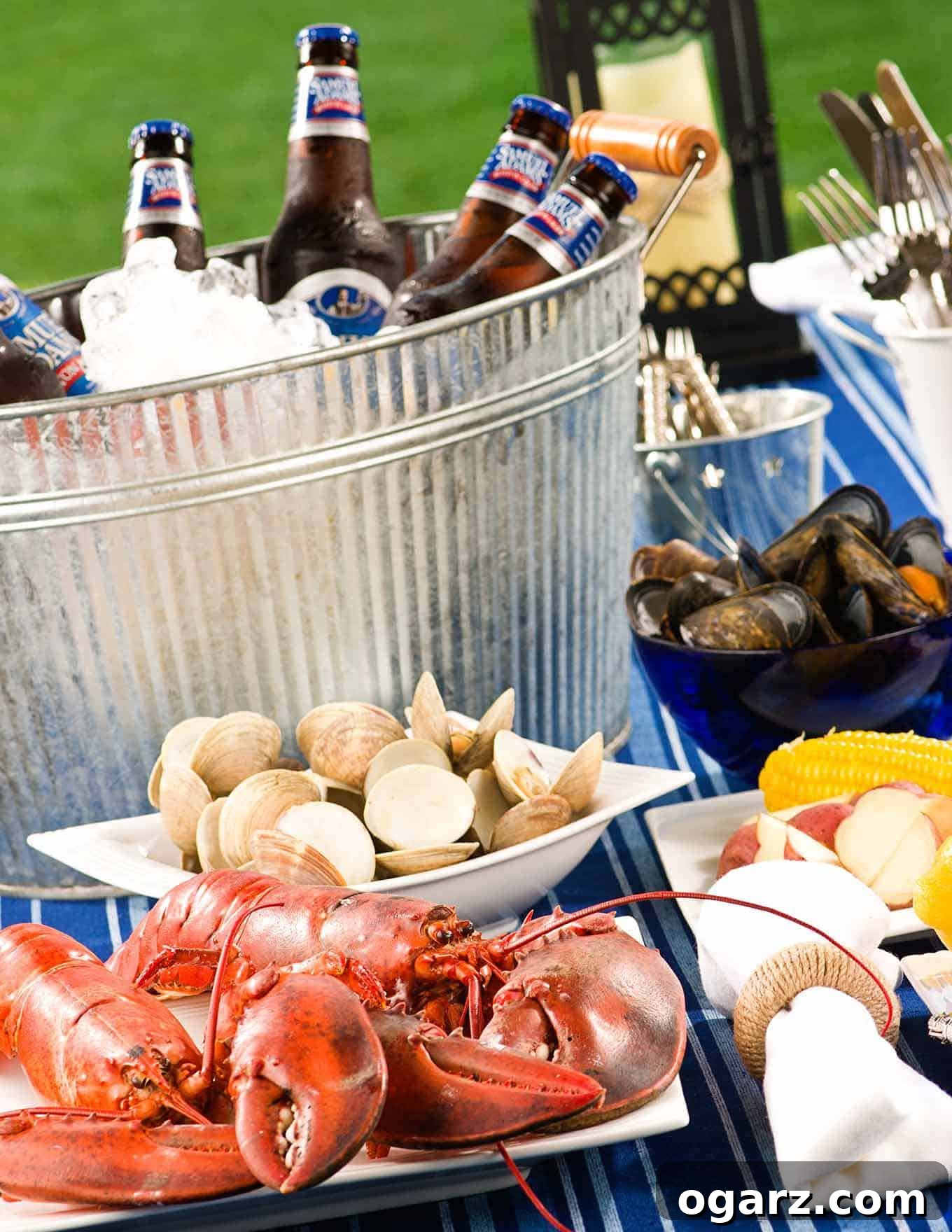
Serving Your Stovetop Clambake & Perfect Pairings
Once your stovetop clambake is cooked to perfection, the real celebration begins! Serving a clambake is all about creating a festive, communal experience. Carefully transfer the cooked lobsters and corn ears to a large, impressive platter, making them the centerpiece. The sausage and potatoes can be scooped into a separate serving bowl. Remember to provide plenty of lemon wedges for a burst of freshness and individual ramekins of warm melted butter for dipping the sweet lobster meat and tender corn. Spread out the nutcrackers and seafood picks, along with ample napkins or moist towelettes – clambakes are wonderfully messy affairs, and that’s part of the fun!
For an authentic New England feel, you might also consider offering side dishes like coleslaw, crusty bread to soak up any juices, or a simple green salad to cut through the richness. The joy of a clambake is in its informality and the shared delight of cracking shells and savoring fresh flavors.
What to Drink With Your Clambake
Choosing the right beverage can significantly enhance your clambake experience. The fresh, briny flavors of seafood, especially when paired with rich butter, call for drinks that offer a refreshing contrast or complementary notes. Here are some excellent pairing suggestions:
Wine Pairings: Our top recommendation for a clambake is a crisp, dry Rosé. Its light body, refreshing acidity, and subtle fruit notes perfectly complement the sweetness of lobster and clams without overwhelming them. Beyond Rosé, several other food-friendly white wines are fantastic choices:
- Riesling (Dry or Off-Dry): A German or Alsatian Riesling with good acidity and notes of green apple or citrus can beautifully cut through the richness of butter and highlight the seafood’s natural sweetness.
- Pinot Grigio/Gris: This popular Italian white wine is known for its light body, crisp acidity, and often subtle almond or pear notes, making it a reliable and refreshing partner for shellfish.
- Sauvignon Blanc: With its vibrant acidity and herbaceous, citrusy profile (think grapefruit and passionfruit), Sauvignon Blanc provides a zesty contrast that brightens the entire meal.
Beer Pairings: If you prefer beer, there are equally delightful options that pair wonderfully with a clambake. The effervescence and variety of flavors in beer can be a fantastic match:
- Summer Shandy: A light, citrus-infused shandy is incredibly refreshing and its bright, fruity notes are a natural fit for a summer seafood spread.
- Your Favorite Summer Ale: Look for light, crisp, and slightly fruity ales that won’t overpower the delicate flavors of the seafood. Many craft breweries offer seasonal summer ales that are brewed specifically for pairing with light meals.
- Classic Lagers: An all-around classic like Samuel Adams Boston Lager offers a balanced, malty profile with a clean finish that makes it a versatile and satisfying choice for any hearty meal, including a clambake. Other good options include light pilsners or golden ales.
No matter your preference, choose something you enjoy that complements the fresh, vibrant flavors of your homemade stovetop clambake. Cheers to a fantastic meal!
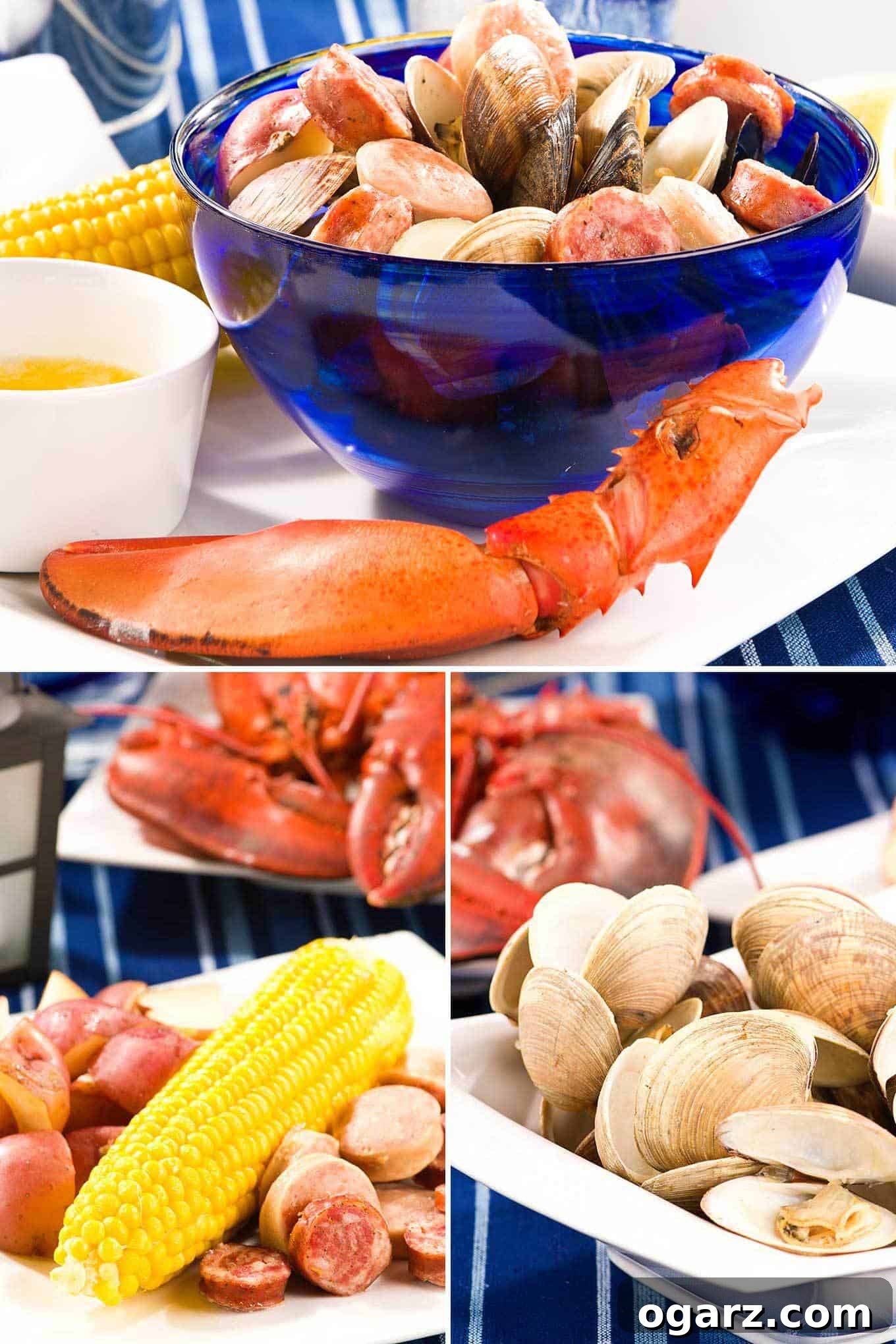

Stovetop Clambake
Lynne Webb
15 mins
30 mins
45 mins
6 servings
Ingredients
- 6 lobsters, 1 to 1-1/4 lbs each
- 3 lbs mussels
- 6 lbs littleneck clams
- 6 ears fresh corn, husked
- 1-1/2 lbs red potatoes
- 1 lb smoked sausage
- 1/2 lb butter
- 3 lemons, cut into wedges
Equipment required:
- 1 or 2 large stockpots with tight-fitting lids
- Cheesecloth
- 6 Nutcrackers
- 6 Seafood picks
- 6 Seafood forks
Instructions
-
Scrub the potatoes and depending on their size, either halve or quarter them to make 1-1/2-inch chunks.
-
Place them in one of the stock pots and cover with cold water. Add a pinch of salt, bring the water to a boil, cover and cook for 5 minutes. Drain and set aside.
-
Slice the sausage into 3/8-inch thick rounds and scatter in the bottom of the stockpots.
-
Rinse the mussels under cool running water and trim any “beards” with a sharp knife. Rinse and inspect the clams in the same manner.
-
Lay out 2 large squares of cheesecloth and divide a combination of mussels and clams between them. Gather up the ends of the cheesecloth and tie to form a loose-fitting “bag.”
-
Lay the “bags” on top of the sausage rounds, then scatter the potatoes on top. Add the corn next, then lay the lobsters on top.
-
Cover and cook over medium-high heat for 25 to 30 minutes, or until the lobsters turn bright red. Note: It is not necessary to add water.
-
While the seafood cooks, melt the butter in a small saucepan and keep warm.
-
To serve, transfer the seafood and corn to a large platter and the sausage and potatoes to a bowl.
-
Set out the lemon wedges, and pour the butter into individual ramekins for dipping. Enjoy!
Nutrition
Calories:
684
,
Total Fat:
38
g
,
Cholesterol:
138
mg
,
Sodium:
1007
mg
,
Carbohydrates:
43
g
,
Fiber:
5
g
,
Sugar:
8
g
,
Protein:
25
g
Nutrition information is automatically calculated, so should only be used as an approximation.