
Table of Contents
- The Essence of New England Boiled Dinner
- History and Cultural Significance of This Classic Dish
- Mastering the Key Ingredients for a Perfect Boiled Dinner
- Step-by-Step Guide to Prepare New England Boiled Dinner
- Expert Tip: How to Mellow the Saltiness of Corned Beef
- Serving Suggestions and Traditional Pairings
- Storing and Reheating Your New England Boiled Dinner Leftovers
- Discover More Comforting Recipes You’ll Love
- New England Boiled Dinner (Printable Recipe)
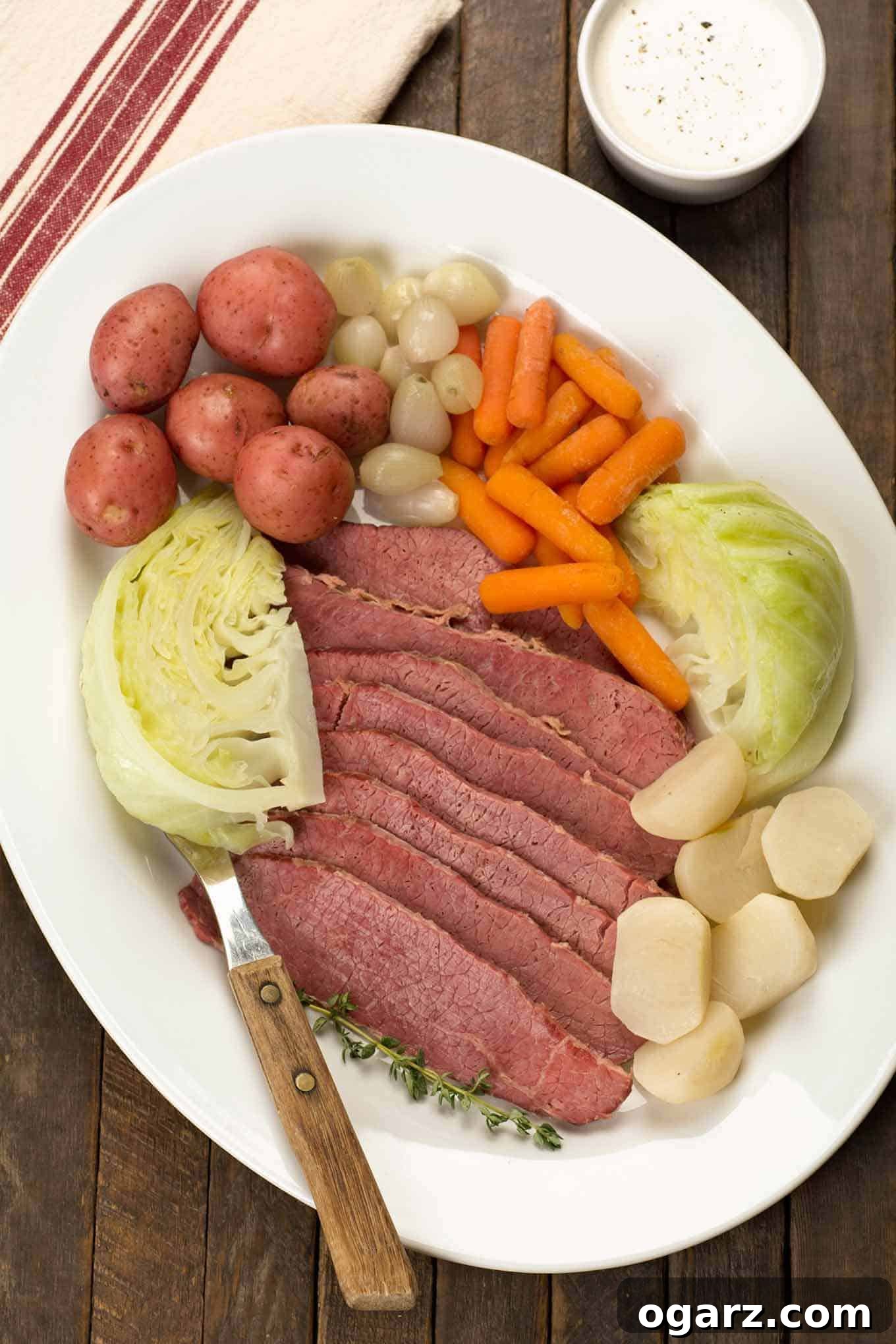
The New England Boiled Dinner, a quintessential dish rooted in American culinary tradition, extends far beyond its popular association with St. Patrick’s Day. While many across the United States enjoy this hearty meal in celebration of Irish heritage, its true charm lies in its simplicity, comforting flavors, and adaptability as an easy, one-dish meal suitable for any time of the year. This classic preparation involves slow-simmering a tender corned beef brisket with an assortment of wholesome root vegetables and crisp cabbage, resulting in a deeply flavorful and satisfying supper.
Typically requiring around 2.5 to 3 hours of cooking time, the beauty of the New England Boiled Dinner is its minimal hands-on effort. Once the ingredients are prepped and the pot is simmering, it mostly takes care of itself, making it an ideal choice for a relaxing weekend meal or a comforting family dinner where you want maximum flavor with minimal fuss. This recipe provides practical tips to ensure a truly delicious rendition of this beloved New England classic, from techniques to minimize the inherent saltiness of corned beef to careful timing for perfectly cooked vegetables. To complete the experience, a simple, creamy horseradish sauce and robust whole-grain mustard are offered as traditional accompaniments, elevating every bite.
The Essence of New England Boiled Dinner
New England Boiled Dinner is more than just a meal; it’s a culinary embrace of tradition, designed to be both nourishing and straightforward. At its core, it celebrates simple, seasonal ingredients brought together in a single pot. The slow-simmering process not only tenderizes the corned beef but also infuses the vegetables with rich, savory flavors, making each component shine while contributing to a cohesive and comforting whole. This dish embodies the spirit of home cooking – unpretentious, deeply satisfying, and perfect for gathering loved ones around the table.
History and Cultural Significance of This Classic Dish
While often associated with Irish-American communities and St. Patrick’s Day, the New England Boiled Dinner has a rich and somewhat distinct history. Its origins can be traced back to the British tradition of salt beef, a staple for sailors and working-class families due to its affordability and long shelf life. When Irish immigrants arrived in America, particularly in Boston and other New England cities, they adapted their traditional bacon and cabbage dishes, often replacing bacon with the more readily available and cheaper corned beef, which was produced by Jewish butchers. Over time, this evolved into the familiar corned beef and cabbage dish, often served with root vegetables, mirroring the ingredients available and the communal cooking methods of the era.
The dish’s popularity soared, becoming a symbol of shared heritage and comfort food. Today, it remains a beloved staple, not just for holiday celebrations but as a testament to the enduring appeal of simple, well-prepared ingredients. Understanding its journey from a practical necessity to a cherished tradition adds another layer of appreciation for this truly classic American meal.
Mastering the Key Ingredients for a Perfect Boiled Dinner
Here’s what you need to know about the essential ingredients in this recipe. The complete list, including precise quantities, is in the printable recipe card below.
- CORNED BEEF: The star of our boiled dinner, corned beef is typically made from brisket, an economical cut sourced from the cow’s breast section. It undergoes a brining process in a seasoned solution containing salt, pickling spices, and sodium nitrite (also known as pink curing salt). Similar to uncured brisket, corned beef requires a lengthy cooking period in liquid to achieve optimal tenderness. For this recipe, we recommend a traditional, flat-cut corned beef brisket, ideally weighing between 2 and 3 pounds.
- GREEN CABBAGE: When selecting cabbage, look for heads that are vibrant green, firm to the touch, and feel moderately heavy for their size, indicating freshness and moisture. Avoid any with visible blemishes, yellowing leaves, or cracked stems. Uncut cabbage can be stored in your refrigerator’s crisper drawer for up to two weeks, maintaining its crispness.
- BABY (NEW) POTATOES: Baby red potatoes are our preferred choice for this dish due to their appealing presentation and creamy texture. When shopping, try to select potatoes of uniform small size, as they will cook more evenly and present beautifully whole on a serving platter. If baby red potatoes are unavailable, small yellow varieties or regular-sized Yukon Golds cut into chunks make excellent substitutes. Their waxy texture holds up well to boiling without becoming overly starchy.
- BABY CARROTS: While full-sized carrots can certainly be used, baby carrots are chosen here primarily for their visual appeal on the platter. They cook to the same tender and sweet perfection as larger carrots but add an elegant touch to the presentation. You can also use regular carrots, peeled and cut into 1-inch pieces.
- TURNIPS: Purple-top turnips offer a delicate earthy, sweet, and slightly peppery flavor that we find complements the robust corned beef beautifully. Their tender texture when cooked makes them a delightful addition. If turnips are not to your liking, parsnips can be used as an alternative, or you may omit them entirely without compromising the core integrity of the dish.
- PEARL ONIONS: Fresh pearl onions are highly recommended for this boiled dinner as they retain their shape and provide a delicate sweetness that holds up better than their frozen counterparts. While peeling them can be a bit tedious, our recipe notes provide an easy method to make this task much simpler and quicker, ensuring you enjoy their distinct flavor and charming appearance.
Step-by-Step Guide to Prepare New England Boiled Dinner
Planning to make this classic recipe? Here’s a quick overview of the process. Detailed, step-by-step instructions are in the printable recipe card below.
1. PREPARE THE CORNED BEEF: Begin by placing your corned beef brisket in a large Dutch oven and covering it with water. Bring it to a rapid simmer for about 10 minutes, then drain this water and replace it with fresh water. Add your pickling spices (peppercorns, cloves, and bay leaf) and slow-simmer for several hours until the beef is incredibly tender and easily pierced with a fork. Once cooked, transfer the beef to a plate and cover it loosely with foil to keep it warm while you prepare the vegetables.
2. COOK THE VEGETABLES: Utilize the flavorful cooking liquid from the corned beef to boil your vegetables. First, add the baby potatoes and par-cook them for about 5 minutes. Next, introduce the carrots, turnips, and pearl onions, continuing to simmer. Finally, add the cabbage wedges and cook until all the vegetables reach a perfect, tender-crisp texture. This staged addition ensures each vegetable is cooked to its ideal doneness.
3. CRAFT THE SAUCE: While the vegetables are simmering, quickly prepare a creamy horseradish sauce by combining sour cream with prepared horseradish. Season it to taste with salt and freshly ground black pepper. Also, ready a serving dish with some robust whole-grain mustard for those who prefer a simpler condiment.
4. ASSEMBLE AND SERVE: Slice the tender corned beef against the grain into 1/4-inch thick portions. Arrange the cooked vegetables artfully on a large serving platter. Briefly return the sliced beef to the warm cooking liquid for a minute or two to ensure it’s piping hot, then place it elegantly in the center of the platter alongside the vibrant vegetables. Serve immediately with the homemade horseradish cream sauce and whole-grain mustard.
Expert Tip: How to Mellow the Saltiness of Corned Beef
Given that corned beef is a salt-cured product, it’s a smart practice to take proactive steps to reduce its intense salty flavor, allowing the beef’s natural richness and the aromatic pickling spices to truly shine.
The most effective method, as recommended in our recipe instructions, is to discard the initial batch of simmering water after about 10 minutes of cooking. This process helps significantly reduce the surface saltiness of the meat. By replacing it with fresh water for the remainder of the cooking, you create a more balanced flavor profile, ensuring that the subtle notes of cloves, peppercorns, and bay leaf can properly infuse the beef without being overshadowed by excessive salt.
While some prefer to soak and rinse the meat extensively before cooking, the initial simmering method is quicker, more efficient, and has the added benefit of rendering off a small amount of extra fat, contributing to a leaner, more enjoyable dish.

Serving Suggestions and Traditional Pairings
A New England Boiled Dinner is a complete meal in itself, but a few traditional accompaniments can truly elevate the experience. The creamy, zesty horseradish sauce provides a delightful contrast to the rich corned beef, adding a bright, piquant kick. For those who enjoy a deeper, more robust flavor, a grainy or whole-grain mustard offers a wonderful textural and taste complement. Beyond sauces, consider a fresh loaf of crusty Irish soda bread to soak up the flavorful broth, or a simple green salad dressed with a light vinaigrette to cut through the richness of the main dish. A pint of your favorite ale or a dry hard cider would also make excellent beverage pairings, enhancing the overall traditional feel of this comforting meal.
Storing and Reheating Your New England Boiled Dinner Leftovers
Enjoying New England Boiled Dinner is often a multi-day affair, as the leftovers are just as delicious, if not more so, than the initial meal. Properly stored, any remaining portions will keep beautifully for up to three days in the refrigerator. When it comes to reheating, you have the flexibility to use either the stovetop or the oven, depending on your preference and the amount you’re warming up. Keep in mind that the whole baby potatoes might take a slightly longer time to warm through compared to the other ingredients; slicing them in half before reheating can help them heat more evenly and quickly.
TO REHEAT ON THE STOVE: For a quick and efficient reheat, place your corned beef and vegetables in a shallow pan with a tight-fitting lid. Add just a splash of water to the bottom of the pan to create a little steam. Set the pan over medium heat, cover, and cook until everything is heated through to your satisfaction. This usually takes about 5 to 7 minutes. For optimal food safety and enjoyment, the internal temperature of the meat should reach approximately 165°F (74°C).
TO REHEAT IN THE OVEN: If you’re reheating a larger quantity or prefer a gentler warming method, preheat your oven to 325°F (160°C). Arrange the corned beef slices and vegetables in a single layer on a rimmed baking pan. Pour a small amount of water over them, then cover the pan tightly with aluminum foil to trap moisture. Heat for 10 to 15 minutes, or until all components are thoroughly warmed to your liking, ensuring a delicious continuation of your meal.
Discover More Comforting Recipes You’ll Love
While New England Boiled Dinner is the epitome of classic comfort food and a superb choice for a homemade St. Patrick’s Day feast, the world of hearty, satisfying meals is vast. If you’re looking to explore other beloved options, we highly recommend trying our traditional shepherd’s pie made with ground lamb, a rich and savory dish topped with creamy mashed potatoes. For those who appreciate a more traditional meat-and-potatoes meal with an elegant twist, our pan-seared loin lamb chops served alongside a delectable side dish of colcannon (buttery mashed potatoes skillfully blended with sautéed kale or cabbage) offer a delightful culinary journey. Each recipe promises warmth, flavor, and a truly home-cooked experience.

New England Boiled Dinner
Lynne Webb
15 minutes
3 hours
30 minutes
3 hours
45 minutes
6
servings
Rate Recipe
Print Recipe
Ingredients
-
2 to 3
lb
corned beef brisket,
uncooked -
10
peppercorns -
6
whole cloves -
1
bay leaf -
1-1/2
pounds
baby red potatoes -
1/2
lb
baby carrots -
1
lb
purple-top turnips,
peeled and cubed -
3/4
lb
pearl onions,
peeled (see notes) -
1
head
green cabbage,
cut into wedges (see notes) -
Whole grain mustard,
for serving
For the Horseradish Cream Sauce:
-
3/4
cup
sour cream -
2
tablespoons
prepared horseradish -
Salt and freshly ground black pepper
Instructions
-
Place the corned beef in a large Dutch oven, cover it completely with water, and bring to a rapid simmer. Cook for 10 minutes to draw out initial saltiness, then carefully discard this water. Replace it with fresh water, ensuring the beef is again fully submerged, and bring it back to a gentle simmer (see notes for more on mellowing saltiness).
-
Reduce the heat to medium-low, then add the peppercorns, whole cloves, and bay leaf to the pot. Cover the Dutch oven and continue cooking until the corned beef is exceptionally fork-tender, which will typically take between 2.5 to 3 hours. Note: Monitor the liquid to ensure it maintains a gentle simmer; you may need to reduce the heat further to low if it continues to bubble too rapidly.
-
While the corned beef is simmering to perfection, take this time to prepare all your vegetables as directed (refer to the notes section below for detailed preparation tips).
-
Once the corned beef is cooked, carefully transfer it from the Dutch oven to a cutting board. Cover it with a double thickness of aluminum foil to retain warmth and allow it to rest while you cook the vegetables.
-
Return the Dutch oven with its flavorful liquid to the stove. Add the baby potatoes to the liquid and increase the heat to medium-high. Cover and simmer for 5 minutes to give the potatoes a head start, then add the carrots, turnips, and pearl onions.
-
Continue to simmer for an additional 10 minutes. Then, gently place the cabbage wedges into the pot and cook for another 10 to 12 minutes, or until all the vegetables are tender yet still hold their shape when pierced with the tip of a sharp knife.
-
While the vegetables are cooking, prepare the vibrant horseradish cream sauce. In a small bowl, combine the sour cream and prepared horseradish. Season the mixture generously to taste with salt and freshly ground black pepper. Transfer this creamy sauce to a serving bowl for easy access.
-
Once all the vegetables are perfectly cooked and tender, leave them in the Dutch oven to keep warm for a couple of minutes. During this brief pause, slice the rested corned beef against the grain into uniform 1/4-inch thick slices. This ensures maximum tenderness.
-
Using a slotted spoon, swiftly transfer the cooked vegetables to a large serving platter, artfully arranging them. To ensure the corned beef is wonderfully warm, return the sliced beef to the pot’s hot liquid for just 2 minutes while you complete the vegetable arrangement.
-
Finally, using tongs, arrange the perfectly warmed corned beef slices in the center of the platter. Serve this magnificent New England Boiled Dinner immediately, accompanied by the tangy horseradish cream sauce and a robust coarse-grain mustard for dipping.
Notes
How to Mellow the Salty Flavor of Corned Beef
Because corned beef is inherently a salt-cured product, it’s highly advisable to take measures to temper its salty flavor. Discarding the first batch of simmering water, as explicitly recommended in our recipe instructions, is a crucial step. This process significantly helps reduce the overall saltiness of the meat, allowing the nuanced and infused flavors of the cloves, peppercorns, and bay leaf to truly develop and shine through. As an alternative or additional step, you can also soak and rinse the meat thoroughly before cooking, but the initial simmering method is often quicker and also provides the added benefit of rendering out a little bit of extra fat, resulting in a more balanced dish.
Tips For Preparing the Vegetables
CUT THE CABBAGE INTO WEDGES: For an appealing presentation and to keep the cabbage wedges intact during cooking, trim the tough stem end from the cabbage. Then, carefully cut the head into 6 equal wedges, ensuring the core remains intact in each wedge. This clever technique prevents the individual leaves from falling apart in the simmering liquid, maintaining their neat shape on your serving platter.
HOW TO PEEL THE PEARL ONIONS: Peeling pearl onions can be a delicate task, but this method makes it effortless. First, immerse the pearl onions in rapidly boiling water for 3 to 4 minutes. Immediately after, plunge them into a bowl of ice water for 2 minutes to halt the cooking process. Drain them thoroughly, then use kitchen shears to snip off the root end of each onion. Gently squeeze the onion from the opposite, top end, and the softened inner onion should easily pop out of its skin through the trimmed root end, leaving you with perfectly peeled pearl onions.
How to Store and Reheat New England Boiled Dinner
Leftovers of this delicious New England Boiled Dinner are perfect for future meals and will keep well for up to three days when stored properly in an airtight container in the refrigerator. You have convenient options for reheating them, either on the stove or in the oven, depending on your preference. Since the whole baby potatoes tend to take a little longer to warm through than the other ingredients, a useful tip is to cut them in half before reheating to ensure they heat evenly and quickly.
TO REHEAT ON THE STOVE: For a quick stovetop reheat, place the leftover corned beef and vegetables in a shallow pan equipped with a tight-fitting lid. Add a small amount of water (about 1/4 cup) to the bottom of the pan to create steam. Cover the pan and set it over medium heat, cooking until all ingredients are heated to your desired temperature. This process should only take 5 to 7 minutes. For food safety, you can test the meat’s temperature; it should ideally reach about 165°F (74°C).
TO REHEAT IN THE OVEN: If you prefer reheating in the oven, preheat it to 325°F (160°C). Arrange the corned beef and vegetables in a single, even layer on a rimmed baking pan. Drizzle a little water over them (about 1/4 cup) and then cover the pan tightly with aluminum foil to lock in moisture and flavor. Heat for 10 to 15 minutes, or until everything is thoroughly warmed through, providing a delicious second serving.
Nutrition
Calories:
598
,
Total Fat:
32
g
,
Cholesterol:
112
mg
,
Sodium:
1671
mg
,
Carbohydrates:
45
g
,
Fiber:
10
g
,
Sugar:
13
g
,
Protein:
35
g
Nutrition information is automatically calculated, so should only be used as an approximation.
Like this recipe? Rate and comment below!