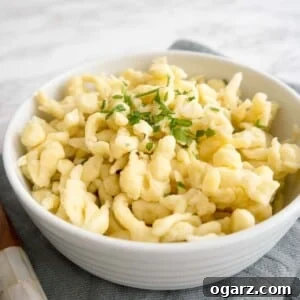
Discover the easiest German Spaetzle recipe – a delightful side dish ready in just 15 minutes! Learn how to make these incredibly delicious egg noodles from scratch and elevate your homemade meals.
Authentic German Spaetzle: A Culinary Delight for Every Table
Craving a taste of authentic German comfort food that’s both quick and incredibly satisfying? Look no further than this easy homemade Spaetzle recipe. Often described as a unique type of egg noodle or small dumpling, Spaetzle is a beloved staple in German cuisine, particularly in the southern regions like Swabia. Unlike traditional pasta, Spaetzle boasts a wonderfully chewy, slightly irregular texture that makes it perfect for soaking up rich gravies and sauces, or even shining as the star of its own dish.
This recipe ensures you can create these delightful German egg noodles from scratch in as little as 15 minutes, making it a fantastic alternative to rice, pasta, or potatoes for any meal. Forget the store-bought versions – once you experience the superior flavor and texture of homemade Spaetzle, you’ll never go back!
What is Spaetzle? The Heart of German Comfort Food
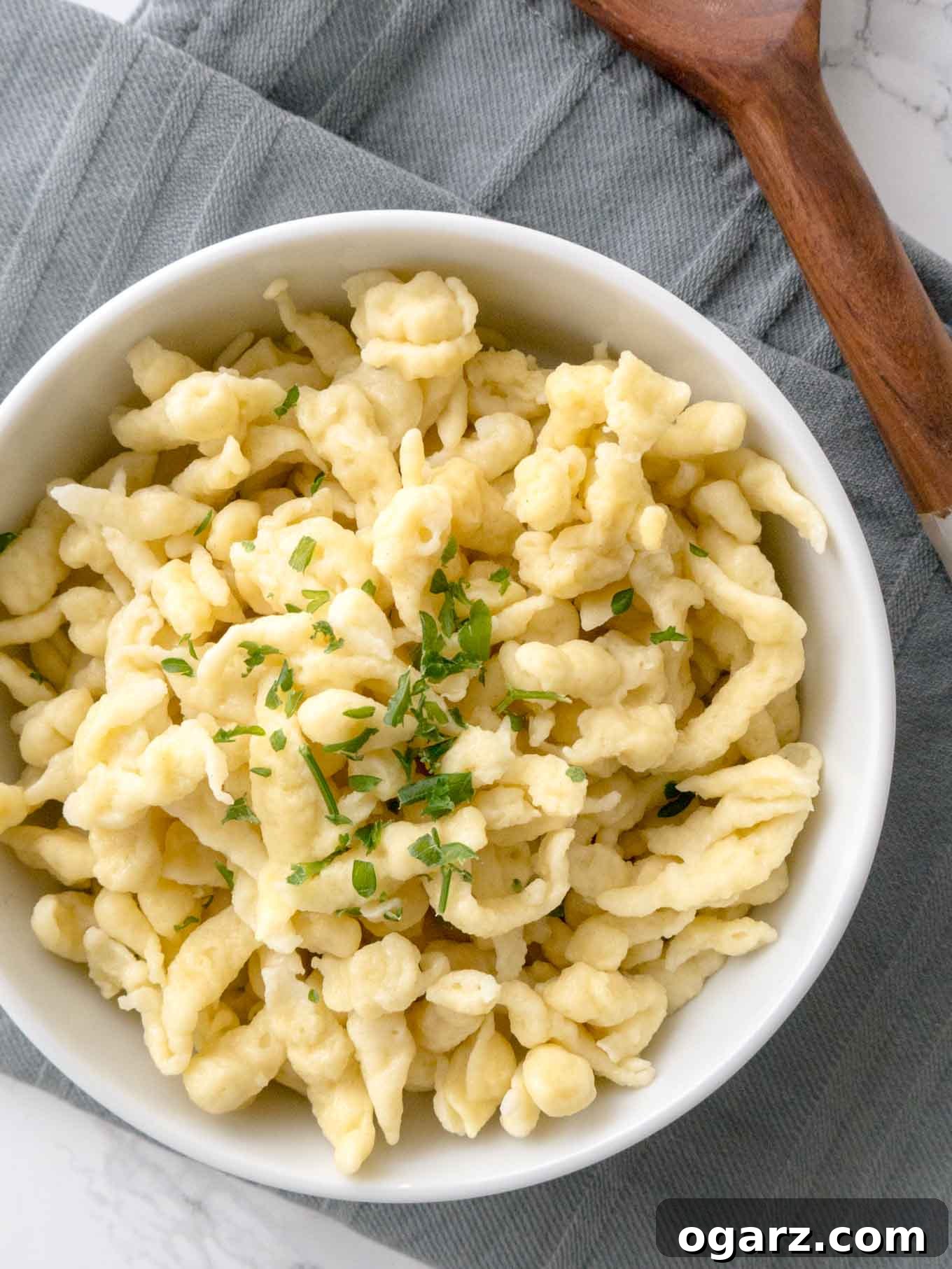
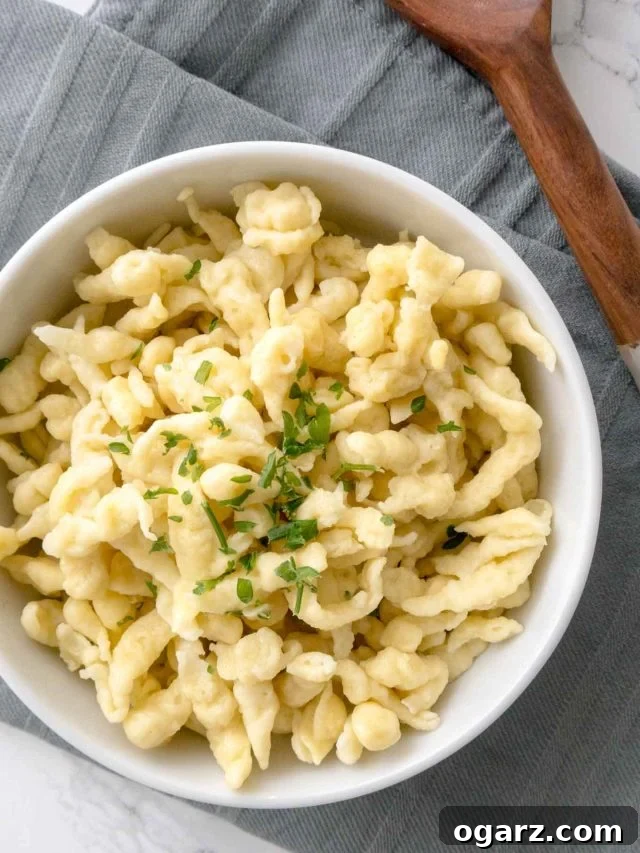
At its core, Spaetzle is a simple dough made from flour, eggs, and a liquid (typically milk or water), seasoned with salt. The name “Spätzle” literally translates to “little sparrows,” while in other parts of Germany, they are known as “Knöpfle,” meaning “little buttons,” referring to their charming, irregular shapes. These delicate, chewy noodles are a testament to the beauty of uncomplicated ingredients coming together to create something truly magical.
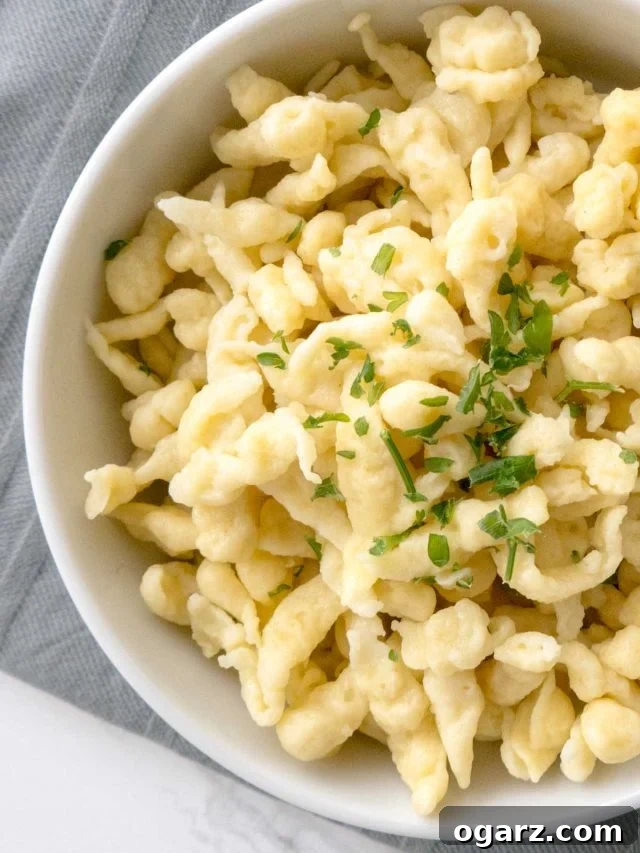
While often enjoyed as a versatile side dish, Spaetzle is also the primary component in famous dishes like Käsespätzle (German cheese Spaetzle), a hearty and irresistible main course that could easily become your new family favorite. Tossed simply with a knob of melted butter and a sprinkle of fresh parsley, they transform into an easy yet profoundly delicious accompaniment that the whole family will adore. They offer a comforting, savory flavor, but can also be adapted for sweet preparations, making them incredibly versatile.
A Culinary Journey: Spaetzle Beyond the Side Dish
The beauty of Spaetzle lies in its incredible adaptability. It seamlessly transitions from a humble side dish to a comforting main course, proving its culinary prowess in various settings.
Side Dish Excellence
Spaetzle’s irregular, dimpled surface is a perfect match for any dish featuring a luscious sauce or gravy. Its ability to absorb flavors makes it an ideal companion for classic German fare and beyond. Imagine pairing perfectly cooked Spaetzle with:
- Hearty Goulash: The rich, paprika-infused sauce finds its ultimate partner in chewy Spaetzle.
- Beef Stroganoff: A creamy mushroom sauce clings beautifully to each noodle, creating a harmonious bite.
- Traditional Schnitzel: Whether served with a mushroom cream sauce or a simple lemon wedge, Spaetzle offers a comforting contrast.
- Sauerbraten: This tender pot roast with its tangy gravy is elevated by the presence of these delicate egg noodles.
- Pork Roast: A classic German Sunday dinner often features succulent pork roast and ample gravy, perfect for Spaetzle.
The humble Spaetzle truly shines when it can soak up every last drop of a flavorful sauce, enhancing the entire meal with its unique texture and subtle eggy richness.
Star of the Show: Main Course & Sweet Delights
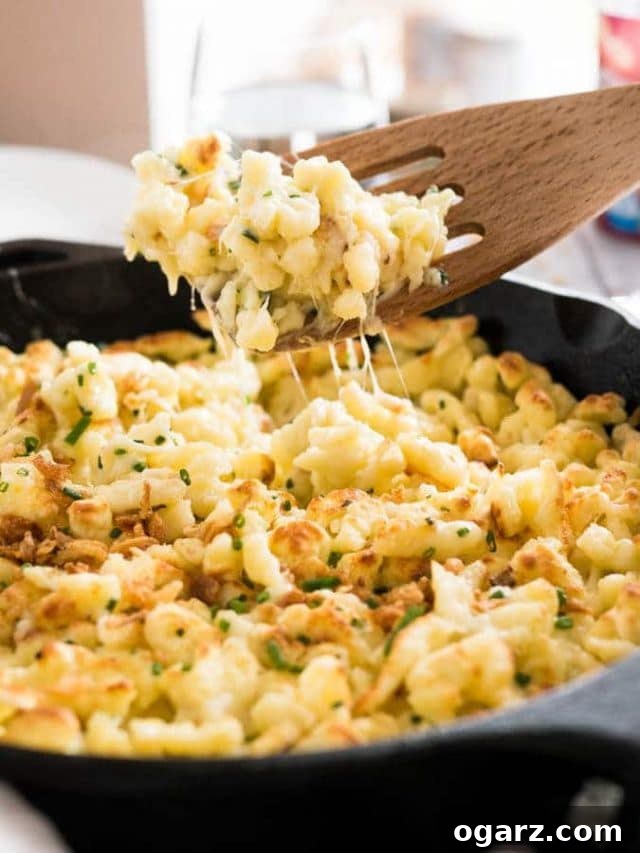
Beyond its role as a side, Spaetzle can effortlessly take center stage. The most famous example is Käsespätzle, often called the German equivalent of macaroni and cheese. This indulgent dish combines freshly made Spaetzle with generous layers of melted cheese (typically Emmentaler or Gruyère) and crispy, golden-brown fried onions. It’s a hearty, satisfying meal that truly showcases the noodles’ potential.
But the versatility doesn’t end there! Spaetzle can also be transformed into delightful sweet dishes. Imagine them tossed with melted butter, cinnamon sugar, and served with a side of warm applesauce or a fresh fruit compote. This unexpected sweet twist makes Spaetzle a delightful dessert or even a comforting breakfast option.
The Homemade Difference: Why Fresh Spaetzle Reigns Supreme
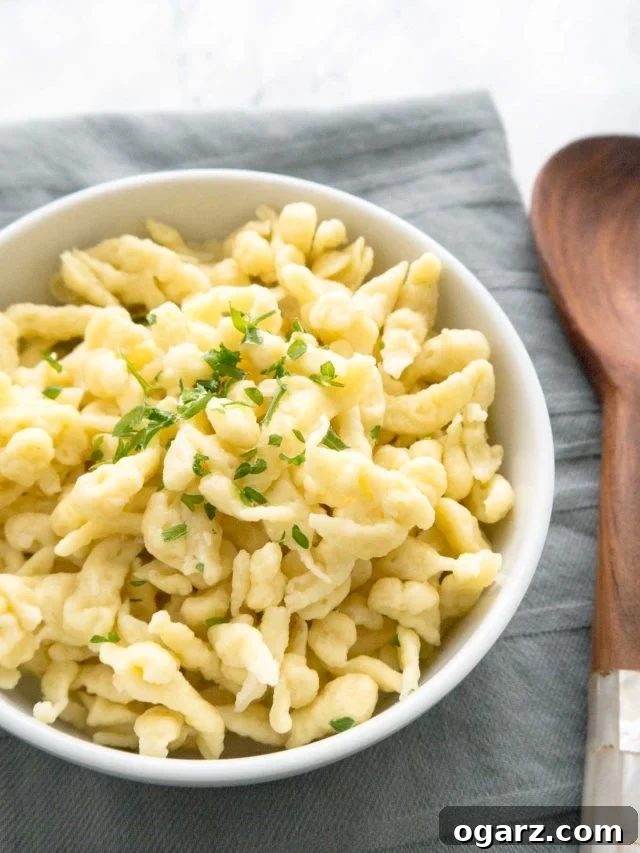
For many years, like countless others, we relied on pre-made, packaged Spaetzle, assuming that making it from scratch was too complicated or time-consuming. However, that perception completely changed after our first attempt at homemade Spaetzle. The difference in taste and texture is so profound that once you try fresh, homemade Spaetzle, the pre-made versions simply won’t compare.
Making Spaetzle at home is surprisingly easy and incredibly rewarding. The process brings a freshness and vibrant flavor that packaged noodles just can’t replicate. You have full control over the quality of your ingredients, ensuring a wholesome and delicious dish every time. Plus, there’s an undeniable satisfaction in crafting these charming noodles with your own hands. It’s a culinary adventure that connects you directly to the rich traditions of German home cooking.
Making Spaetzle: A Simple Guide to German Noodle Perfection
Creating Spaetzle at home is an enjoyable process, especially with the right tools and a few simple techniques. Don’t be intimidated; it’s far easier than you might think!
Essential Equipment
While you can make Spaetzle with minimal tools, certain equipment simplifies the process significantly:
- Spaetzle Maker: This is the easiest and most common way to create uniform noodles. There are several types:
- Board with Scraper: A traditional choice, this involves placing the batter on a board with holes and using a scraper to push the dough directly into simmering water.
- Spaetzle Press: Similar to a potato ricer, you load the batter into a chamber and press it through holes directly into the pot.
- Spaetzle Planer/Grater: This tool rests over the pot, and you slide a hopper filled with batter back and forth, allowing the dough to fall through.
- Alternative Tools: If you don’t have a dedicated Spaetzle maker, you can still make them!
- Colander or Large-Holed Sieve: Simply press the batter through the holes with a spoon or spatula.
- Potato Ricer: Works similarly to a Spaetzle press.
- Hand-Scraped Spatzen: For a more rustic, larger “sparrow” shape (like my mother-in-law makes), you can scrape the dough directly off a cutting board into the water using a knife or spoon. This method requires a bit more practice but yields delightful results.
- Large Pot: Essential for boiling the Spaetzle in batches without overcrowding.
- Slotted Spoon or Spider: For easily transferring the cooked Spaetzle from the water.
Regardless of the tool you choose, the goal is to create small, irregular pieces of dough that cook quickly to a perfectly chewy texture.
Key Ingredients & The Milk vs. Water Debate
The beauty of Spaetzle lies in its simple, wholesome ingredients:
- Flour: All-purpose flour works wonderfully for this recipe. In Germany, a slightly coarser “Spätzlemehl” (Spaetzle flour) is available, but it’s not essential for a delicious result. Crucially, avoid self-rising flour, as it will lead to an undesirable texture.
- Eggs: Eggs are what give Spaetzle its characteristic richness, color, and chewy texture. They are non-negotiable!
- Liquid (Milk or Water): This is where a friendly debate often arises among German cooks.
- Water: Many traditionalists prefer water for a lighter Spaetzle that allows the accompanying sauces to shine.
- Milk: Using milk, as I prefer in this recipe, yields a richer, slightly creamier Spaetzle with a more tender crumb.
You can even use a combination of both. If you have a milk allergy or preference, water is a perfectly fine substitute.
- Salt: Essential for seasoning the dough and the cooking water.
While traditional Spaetzle batter is kept simple to complement flavorful gravies and cheeses, you can certainly add a touch of personal flair. A pinch of freshly grated nutmeg can enhance its savory profile, or you can stir in finely chopped herbs like parsley, chives, or basil directly into the batter for an aromatic twist.
HOW TO MAKE SPAETZLE FROM SCRATCH
Making homemade Spaetzle is a straightforward process, especially with a few tips in mind:
- Prepare the Batter: In a large bowl, whisk together the flour, eggs, milk (or water), and salt until the batter is smooth and slightly bubbly. You can use a hand whisk or an electric mixer. The consistency is key – it should be pourable but thick enough to hold its shape as it drops into the water, similar to a thick pancake batter. Let the batter rest for 5-10 minutes; this allows the flour to fully hydrate.
- Boil the Water: Bring a large pot of generously salted water to a rolling boil. A good rule of thumb is to salt the water as you would for pasta, making it taste like the sea. Once boiling, reduce the heat to a gentle simmer. This prevents the delicate Spaetzle from breaking apart.
- Form the Spaetzle: Place your Spaetzle maker (or chosen alternative) over the simmering water. Add a few spoons of batter to the device.
- Cook in Batches: Whether using a board and scraper or a colander, push or scrape the batter through the holes directly into the simmering water. Work in small batches – about one-third to one-half of the batter at a time – to prevent overcrowding the pot. As the Spaetzle cooks, it will rise to the surface, usually within a minute or two. Once they float, they are done. Stir occasionally to prevent sticking.
- Drain and Finish: Use a slotted spoon or spider to transfer the cooked Spaetzle to a colander positioned over a bowl to drain any excess water. If you’re not serving them immediately, toss the hot Spaetzle with a tablespoon or two of melted butter or a drizzle of olive oil to prevent them from sticking together.
Tips for Spaetzle Success
- Don’t Overcrowd the Pot: Cooking Spaetzle in batches is crucial. Overcrowding will lower the water temperature and cause the Spaetzle to stick together and cook unevenly.
- Clean Equipment with Cold Water: Dough is notoriously sticky, and hot water can make it even stickier. Rinse your Spaetzle maker or tools with cold water immediately after use for easier cleaning.
- Adjust Batter Consistency: If your Spaetzle is too soft and falls apart, the batter might be too thin – add a little more flour. If it’s too stiff and difficult to press, add a tiny bit more milk or water.
- Reheating for Crispy Perfection: Leftover Spaetzle are fantastic when reheated! Simply melt some butter in a pan and sauté the Spaetzle until they’re warmed through and slightly crispy. This method adds another layer of delicious texture.
- Make-Ahead Friendly: Spaetzle can be made in advance, which is perfect for stress-free meal preparation. Store cooked Spaetzle tossed with butter or oil in an airtight container in the fridge for 3-4 days.
Serving Suggestions & Popular Pairings
The culinary possibilities with Spaetzle are vast! Here are some ideas to inspire your next meal:
- Classic German Fare: Serve alongside traditional roasts like German Apple Streusel Sheet Cake and my Plum Cake with Streusel but there’re also many delicious savory dishes like Schnitzel, pork roast, or any dish with a rich gravy, such as goulash, rouladen, or game meats.
- Creamy Sauces: Spaetzle is superb with creamy mushroom sauces, paprika sauces, or even a simple cheese sauce.
- Simple Buttered: A quick toss with melted butter, fresh parsley, and a pinch of salt and pepper is a delicious and understated way to enjoy them.
- Käsespätzle (Cheese Spaetzle): The ultimate comfort food. Layer warm Spaetzle with grated cheese (Emmentaler or Gruyère are traditional) and crispy fried onions. Bake until bubbly and golden. Be sure to try my easy Käsespätzle recipe!
- Vegetarian Options: Serve with a simple brown butter sauce and sage, or with roasted vegetables.
- Sweet Variations: For a delightful dessert or breakfast, serve warm Spaetzle with applesauce, plum compote, or tossed with butter and cinnamon sugar.
Storage and Reheating
This recipe makes a generous batch, perfect for feeding a family or having delicious leftovers. Here’s how to store and reheat your homemade Spaetzle:
- Refrigeration: Store leftover Spaetzle in an airtight container in the fridge for up to 3-4 days. Ensure they are lightly tossed with melted butter or oil before storing to prevent sticking.
- Reheating: The best way to reheat Spaetzle is to sauté them in a pan with a little butter or oil over medium heat until warmed through and slightly golden. This creates a delightful crispy exterior.
- Freezing: While best fresh, cooked Spaetzle can be frozen. Lay them in a single layer on a baking sheet to freeze, then transfer to a freezer-safe bag or container for up to 2-3 months. Reheat from frozen in a pan with butter, stirring frequently.