
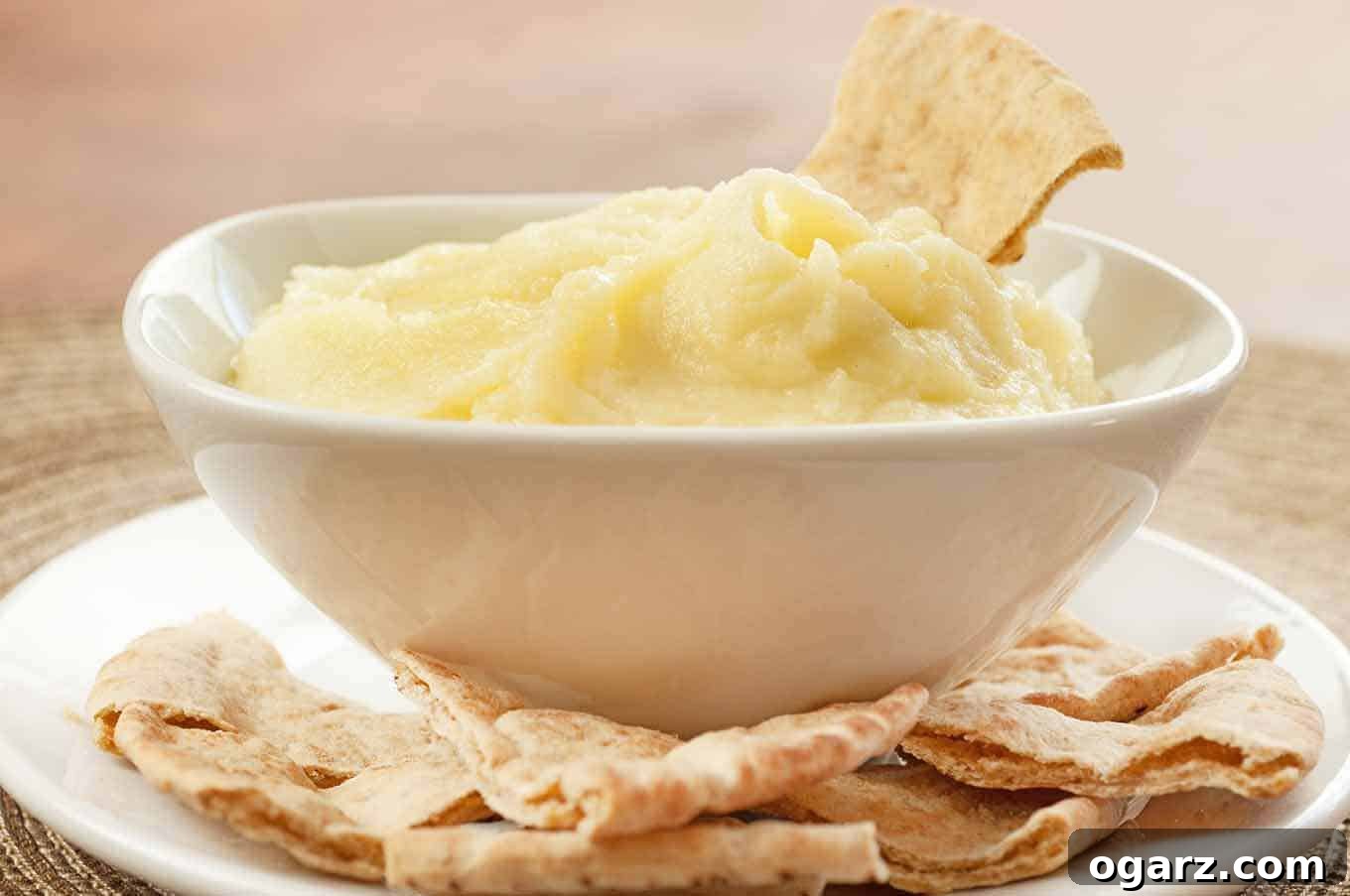
Authentic Skordalia: The Ultimate Greek Potato-Garlic Dip Recipe
Step into the vibrant world of Greek cuisine with Skordalia, a revered classic that promises an explosion of flavor in every bite. This smooth, creamy, and undeniably garlicky dip or sauce is a staple across Greece, cherished for its versatility and robust character. Made from a simple base of pureed potatoes, or sometimes bread, combined with generous amounts of fresh garlic, rich olive oil, and tangy lemon juice, Skordalia offers a culinary experience unlike any other. It’s more than just a dip; it’s a testament to the power of humble ingredients transformed into something extraordinary.
Whether you’re hosting a gathering, preparing a Mediterranean feast, or simply looking for an exciting alternative to everyday dips like hummus, Skordalia delivers. Its rich texture and pungent flavor make it an ideal accompaniment to a variety of dishes, from crispy fried fish and grilled meats to fresh vegetables and warm pita bread. Join us as we explore the history, craft, and endless possibilities of this iconic Greek delight.
The Ancient Roots of Skordalia: A Culinary Journey Through Greece
Skordalia, often spelled Skorthalia, boasts a history as rich and profound as its flavor profile. The name itself is derived from “skordo,” the Greek word for garlic, clearly indicating its most prominent ingredient. While its exact origins are shrouded in antiquity, it’s widely believed that variations of garlic sauces have been a part of Greek culinary traditions for centuries, perhaps even dating back to ancient Greece. Garlic, celebrated for its medicinal properties and potent flavor, has always held a significant place in the Mediterranean diet.
Traditionally, Skordalia was a dish of necessity and ingenuity, transforming readily available staples like potatoes and stale bread into a flavorful condiment. It became particularly significant during Lent, when meat and dairy were abstained from, making this plant-based dip an essential part of the fasting table. Today, Skordalia remains a beloved dish, deeply embedded in Greek culture and enjoyed during holidays, family meals, and celebratory feasts. It’s a dish that evokes warmth, tradition, and the unmistakable taste of Greece.
Across different regions of Greece, you might encounter subtle variations of Skordalia. Some versions lean heavily on potatoes for a denser, smoother consistency, while others incorporate bread (often soaked and squeezed) for a lighter, airier texture. There are also recipes that feature ground almonds or walnuts, adding an earthy depth and a slightly different mouthfeel. Regardless of the regional twist, the soul of Skordalia—the invigorating kick of garlic, the bright zest of lemon, and the silky richness of olive oil—remains universally cherished.
Why Skordalia Stands Out: Flavor Profile and Versatility
What truly sets Skordalia apart from other dips is its bold and unapologetic garlic presence. This isn’t just a hint of garlic; it’s a celebration of it. However, the intensity is beautifully balanced by the acidity of fresh lemon juice, which cuts through the garlic’s sharpness and adds a refreshing tang. High-quality extra virgin olive oil contributes a fruity, peppery note and helps emulsify the dip, creating its characteristic velvety texture. When all these elements come together, they create a harmonious balance of pungent, bright, rich, and creamy flavors.
The texture of Skordalia is equally important. When made correctly, it should be luxuriously smooth, almost like a whipped purée, yet substantial enough to cling to whatever it accompanies. Our recipe, combining both potatoes and bread, aims for a perfect middle ground – offering the comforting creaminess of potatoes with the slight lightness that bread contributes, avoiding the gluey texture that can sometimes result from over-processed potatoes.
The versatility of Skordalia is another reason for its enduring popularity. While it shines as an appetizer dip served with toasted pita triangles or fresh crudités, its applications extend far beyond the mezze platter. Traditionally, it’s a quintessential partner for fried cod (known as Bakaliaros Skordalia), offering a powerful counterpoint to the rich fish. It also pairs magnificently with grilled octopus, calamari, or any simple grilled fish. Beyond seafood, consider serving it alongside roasted lamb, chicken, or even drizzled over roasted vegetables like asparagus or broccoli. Its ability to elevate simple dishes makes it an invaluable addition to your culinary repertoire.
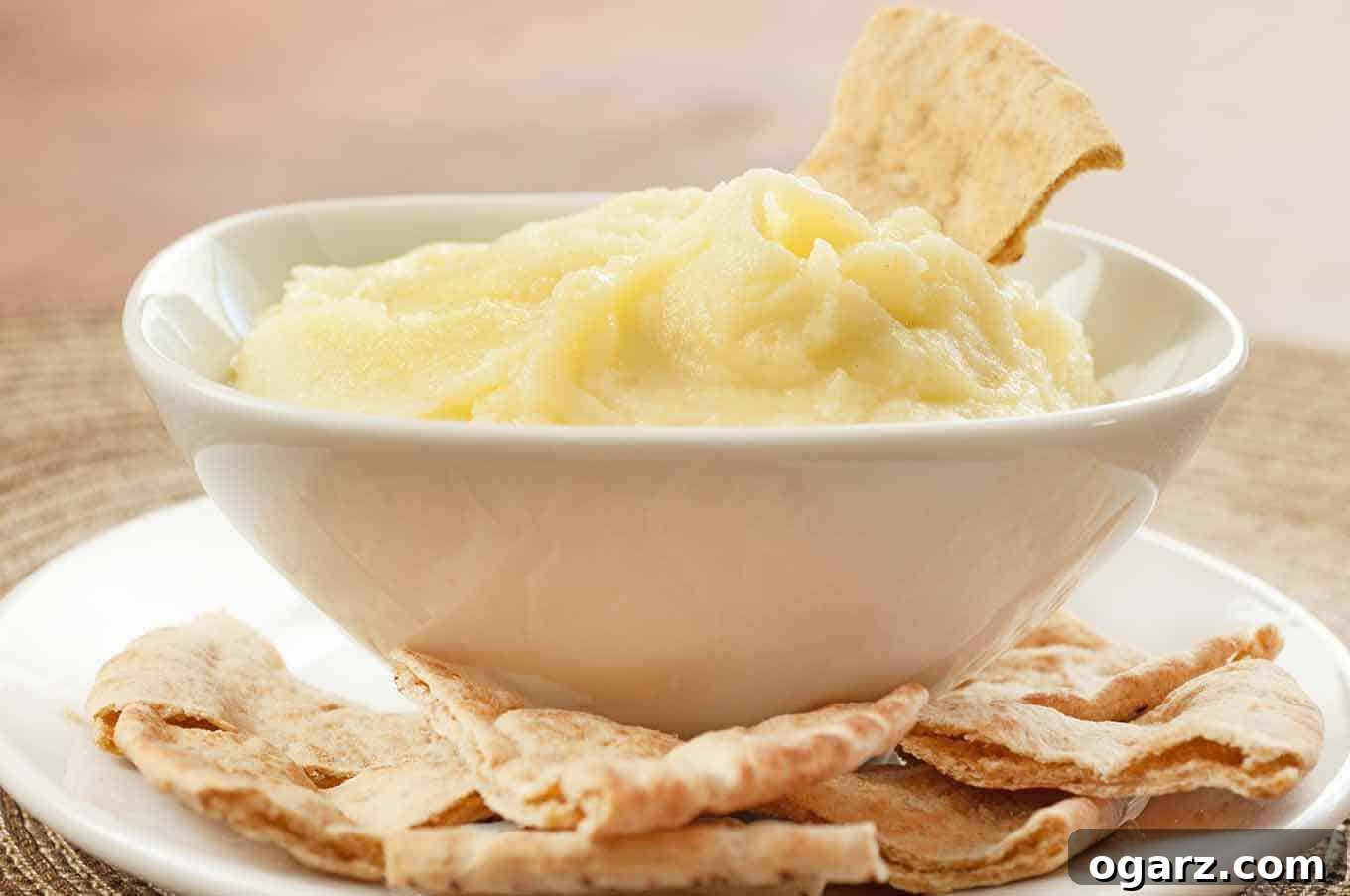
Classic Skordalia – Greek Potato-Garlic Dip
By Lynne Webb
Skordalia is a classic Greek dip or sauce made from boiled potatoes and/or bread, olive oil, lemon juice, and an abundance of garlic. We love serving it as a vibrant appetizer with crunchy toasted pita triangles.
Print Recipe
Ingredients
- 1 cup plain mashed potatoes, about 2 large potatoes. (See notes below for potato preparation).
- 2 to 3 cloves garlic, peeled and roughly chopped. Adjust to your preference for garlic intensity.
- 2 slices soft white bread, crusts removed.
- 1/3 cup extra-virgin olive oil, good quality is recommended.
- 2 tablespoons mayonnaise. This adds extra creaminess and richness.
- 2 tablespoons fresh lemon juice, or more to taste.
- 1/8 teaspoon white pepper, or more to taste.
- Kosher salt to taste, start with 1/2 teaspoon.
- Toasted pita triangles for serving.
Instructions
- Prepare the potatoes: Boil or steam your potatoes until very tender. Peel and mash them thoroughly while still warm until no lumps remain. Allow them to cool completely before using.
- In the bowl of a food processor, place the roughly chopped garlic. Pulse several times until the garlic is very finely minced.
- Soak the bread slices in cool water for 1 to 2 minutes until soft. Squeeze out as much excess water as possible, ensuring the bread is quite dry, then add it to the food processor with the minced garlic. Pulse to combine them thoroughly.
- Add the extra-virgin olive oil, mayonnaise, lemon juice, white pepper, and salt to the processor. Process until the mixture is very smooth and well combined, forming a creamy paste.
- Finally, add the cooled mashed potatoes to the food processor. Pulse just enough to blend the potatoes into the mixture until smooth. Be careful not to over-process the potatoes, as this can make the Skordalia gluey.
- Taste the Skordalia and adjust the seasoning as needed, adding more salt, lemon juice, or even a touch more garlic if desired. Transfer the dip to a serving bowl.
- Cover the Skordalia and chill in the refrigerator for at least 2 hours. This crucial step allows the intense flavors to meld and deepen, resulting in a more complex and satisfying dip.
- Before serving, remove the Skordalia from the refrigerator about 30 to 45 minutes to bring it closer to room temperature, which enhances its creaminess and flavor. Serve as an appetizer with toasted pita triangles or as a sauce for your favorite Greek dishes.
To Make Toasted Pita Triangles:
- Preheat your oven to 400°F (200°C).
- Cut pita pockets into your desired sized triangles.
- Brush each pita triangle lightly with a little olive oil (do not saturate).
- Bake for 8 to 10 minutes, or until they are lightly golden and crisped.
Notes
About the Potatoes:
For the best Skordalia, we highly recommend using plain boiled and mashed potatoes with no seasoning (no butter, milk, or cream added). Starchy potatoes like Russets or Yukon Golds work exceptionally well for achieving a smooth texture. If you decide to use leftover prepared mashed potatoes, you can certainly do so, but be mindful of their existing flavor. If they already contain ingredients like butter, cream, or sour cream, you might want to omit or reduce the mayonnaise in this recipe. Always add the other ingredients first, then taste, and use your judgment before adding the mayonnaise to avoid an overly rich or unbalanced flavor.
Garlic Intensity:
The recipe calls for 2 to 3 cloves of garlic. For a truly bold and traditional Skordalia, don’t shy away from using the full 3 cloves or even a bit more if you are a true garlic lover. For a milder flavor, start with 2 cloves. You can also experiment with roasting the garlic first for a sweeter, more mellow garlic flavor, though this deviates from the classic raw garlic pungency.
Tips for the Perfect Skordalia Every Time
Achieving that perfect, silky-smooth Skordalia is an art, but with a few simple tips, you can master it in your own kitchen:
- Potato Preparation is Key: Ensure your potatoes are boiled until fork-tender and then mashed absolutely smooth. Any lumps will detract from the desired creamy texture. Allow them to cool completely before processing; warm potatoes can become gluey when blended.
- Garlic First: Always process the garlic by itself initially to ensure it’s finely minced. This prevents large chunks of garlic in your final dip and helps release its potent flavor evenly.
- Don’t Over-Process the Potatoes: Once the mashed potatoes are added, pulse the food processor just enough to combine. Over-blending potatoes can release too much starch, leading to an unappetizingly gummy or sticky texture.
- Emulsify Slowly: While this recipe adds olive oil along with other liquids, in some traditional methods, olive oil is drizzled in slowly at the end. For this recipe, ensure all liquids are well incorporated with the bread and garlic before adding potatoes to facilitate a good emulsion.
- Taste and Adjust: Skordalia relies heavily on the balance of garlic, lemon, and salt. Always taste your mixture before chilling and adjust seasonings as needed. Don’t be afraid to add more lemon juice for brightness or salt to enhance all the flavors.
- Chilling is Crucial: The minimum 2-hour chilling period is not just a suggestion; it’s essential. This allows the strong garlic flavor to mellow slightly and meld with the other ingredients, resulting in a more harmonious and delicious dip.
Exciting Variations to Explore
While the classic potato-and-bread Skordalia is divine, there are wonderful variations you can explore to customize this Greek gem:
- Nutty Skordalia: For a richer, deeper flavor and a slightly different texture, try adding 1/4 cup of blanched almonds or walnuts (soaked and finely ground) along with the bread and garlic. This is a common traditional variation, particularly with almonds.
- Herbaceous Infusion: Incorporate fresh herbs like finely chopped parsley or dill for an added layer of freshness. Add a tablespoon or two along with the lemon juice.
- Spicy Kick: If you enjoy a bit of heat, a pinch of red pepper flakes or a tiny dash of cayenne pepper can provide a lovely warmth to the garlicky dip.
- Vinegar Boost: Some recipes use a touch of white wine vinegar instead of, or in addition to, lemon juice for a different kind of tanginess. Experiment with a teaspoon at a time.
- Vegan Skordalia: For a completely vegan version, simply omit the mayonnaise. The olive oil will still provide ample richness. Ensure all other ingredients are plant-based.
- Roasted Garlic Skordalia: For a sweeter, milder garlic flavor, roast your garlic cloves until soft and caramelized before adding them to the food processor. This creates a more subdued but equally delicious dip.
Serving Suggestions and Perfect Pairings
Skordalia is incredibly versatile and can be incorporated into many different meals and occasions. Here are some inspiring ideas:
- Classic Appetizer: Serve it generously with warm, toasted pita bread or fresh, crusty bread. It’s also fantastic with a colorful array of fresh vegetable crudités like cucumber sticks, bell pepper strips, carrots, and cherry tomatoes.
- Seafood’s Best Friend: This is where Skordalia truly shines. Pair it with fried cod (Bakaliaros), grilled octopus, pan-seared calamari, or even simple baked white fish. The pungent dip complements the delicate flavors of seafood beautifully.
- Mezze Platter Star: Create a stunning Greek mezze platter by combining Skordalia with other dips like tzatziki and hummus, olives, feta cheese, dolmades, and various pickled vegetables.
- Grilled Meats and Poultry: Drizzle Skordalia over grilled chicken skewers (souvlaki), lamb chops, or even a simple grilled steak for a burst of Mediterranean flavor.
- Vegetarian Delight: Spoon it over roasted vegetables like eggplant, zucchini, or bell peppers. It also makes a fantastic spread for vegetarian sandwiches or wraps.
- Wine Pairing: Complement the bold flavors of Skordalia with a crisp, dry white wine. Assyrtiko from Santorini, a Sauvignon Blanc, or a Pinot Grigio would be excellent choices, offering a refreshing contrast.
Storage and Make-Ahead Tips
Skordalia is a wonderful dip to prepare in advance, as its flavors tend to deepen and improve with time. Once made, store your Skordalia in an airtight container in the refrigerator for up to 3-4 days. While chilling is essential for flavor development, remember to take it out about 30-45 minutes before serving to allow it to come closer to room temperature. This will restore its creamy texture and enhance its aromatic qualities.
If the Skordalia seems too thick after refrigeration, you can gently loosen it with a tablespoon of cold water or a drizzle of extra olive oil, mixing until it reaches your desired consistency. Freezing is generally not recommended for potato-based Skordalia, as potatoes can become grainy or watery upon thawing. For the best texture and flavor, enjoy it fresh within a few days of preparation.
The Health Benefits of This Garlic-Rich Dip
Beyond its incredible taste, Skordalia offers several health benefits, largely thanks to its core ingredients:
- Garlic: A powerhouse of health, garlic is renowned for its immune-boosting properties, anti-inflammatory effects, and cardiovascular benefits. It contains compounds like allicin, which are believed to contribute to overall well-being.
- Extra Virgin Olive Oil: The cornerstone of the Mediterranean diet, olive oil is rich in monounsaturated fats and antioxidants. These healthy fats are known to support heart health, reduce inflammation, and provide essential nutrients.
- Potatoes: Providing a good source of complex carbohydrates for sustained energy, potatoes also contain vitamin C, vitamin B6, potassium, and dietary fiber, contributing to digestive health and satiety.
- Lemon Juice: A natural source of vitamin C, lemon juice adds not only flavor but also antioxidant benefits and aids in nutrient absorption.
Enjoying Skordalia means savoring a dish that is not only delicious but also contributes positively to a balanced and healthy diet, embodying the essence of Mediterranean culinary wisdom.
Like this recipe? We’d love to hear from you! Please rate and comment below to share your experience.