
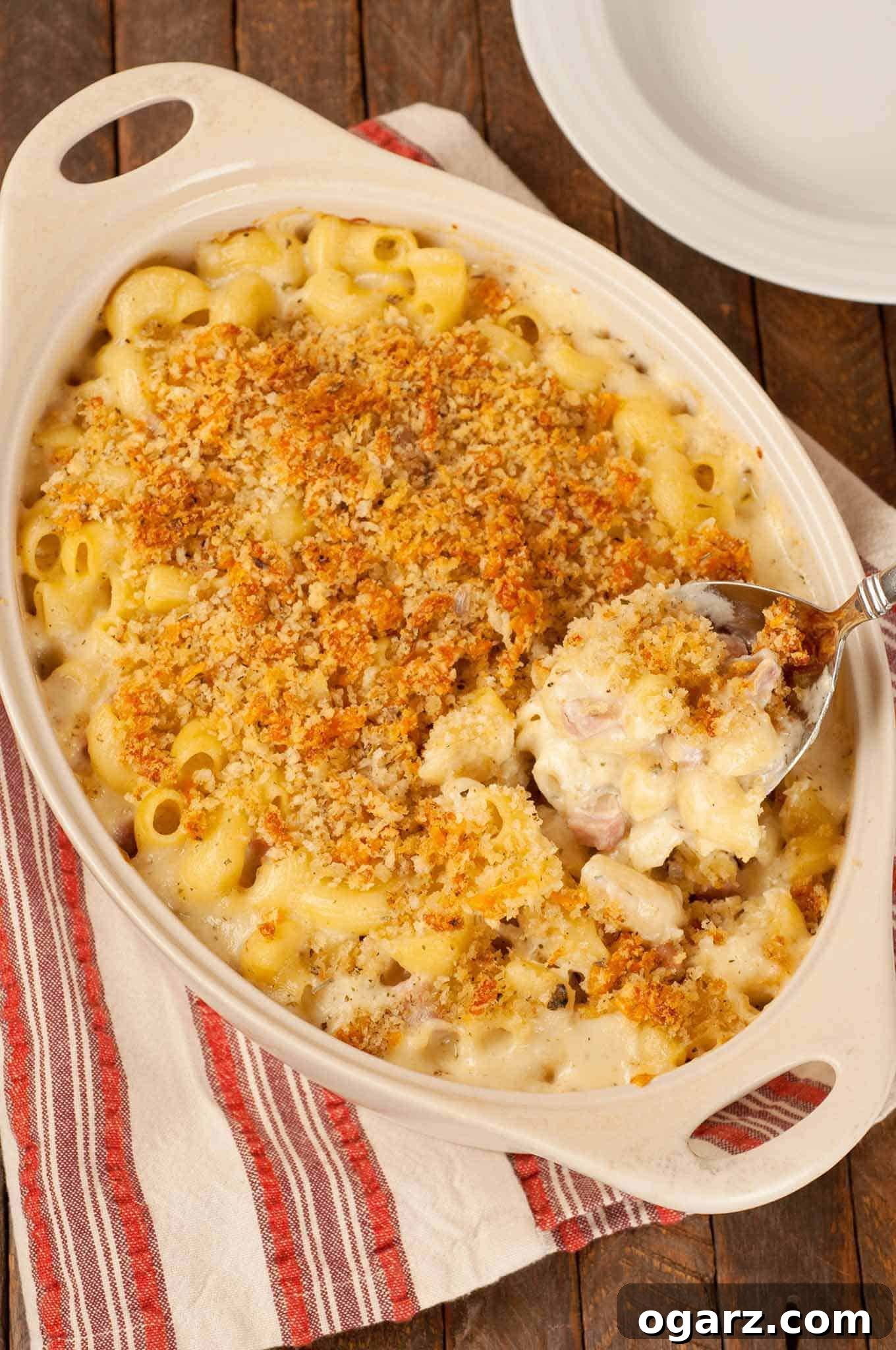
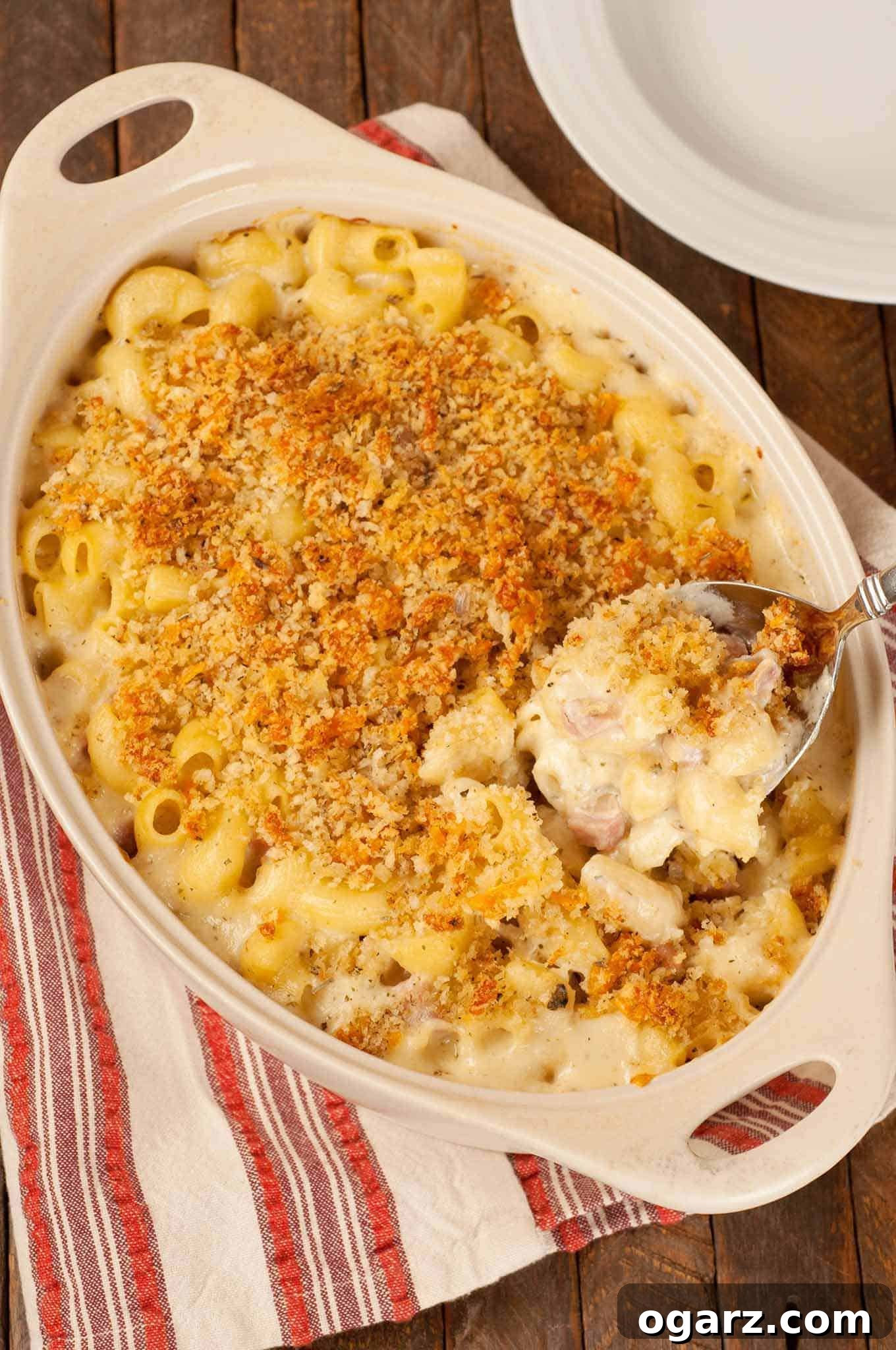
Savoring Elegance: French-Inspired Macaroni and Cheese
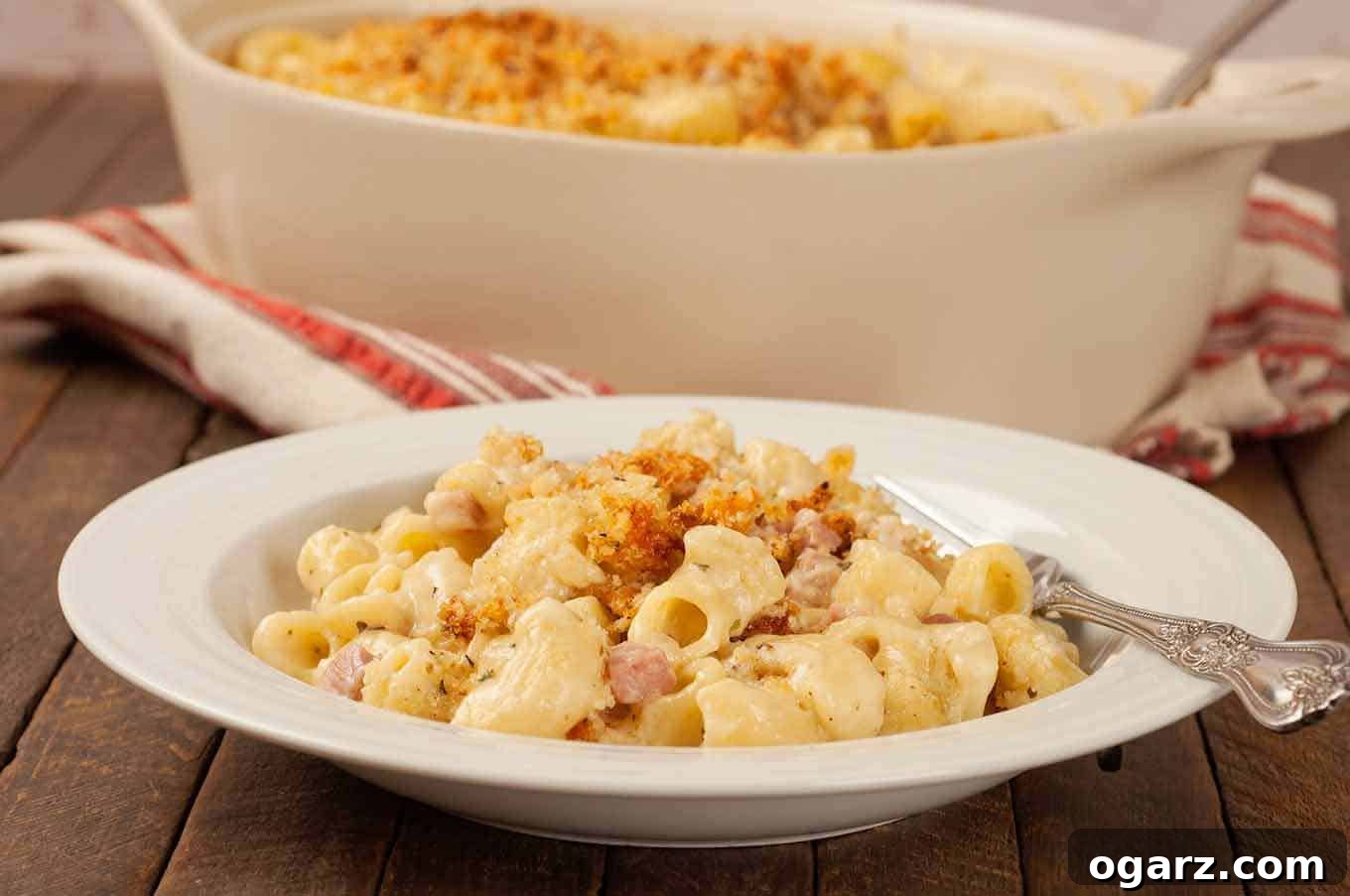
Macaroni and cheese, a timeless comfort food, takes on a sophisticated new persona with our French-inspired rendition. This unique casserole transcends the ordinary, offering a distinct flavor profile that captures the essence of European culinary artistry. By carefully selecting a medley of premium imported ingredients, including a trio of exquisite French cheeses, delicately seasoned unsmoked ham, and a fragrant blend of traditional Provençal herbs, we’ve crafted a dish that is both familiar and remarkably refined. The result is a luscious, velvety creation, rich in complex flavors, yet beautifully balanced. Served alongside a crisp, vibrant green salad, it transforms a simple dinner into an elegantly satisfying meal, perfect for any occasion when you desire comfort with a touch of gourmet flair.
Unveiling the Key Ingredients: A Taste of France
The magic of this French macaroni and cheese lies in the quality and harmony of its components. Here’s an in-depth look at the star ingredients we’ve chosen, each contributing to the dish’s authentic European character. Detailed quantities and specific measurements are provided in the full recipe below.
- Ossau-Iraty: The Sheep’s Milk Delight
Hailing from the picturesque French Pyrenees, Ossau-Iraty is an ivory-hued sheep’s milk cheese renowned for its firm yet creamy texture, buttery flavor, and delicate nutty aroma. This ancient cheese, with an AOC (Appellation d’Origine Contrôlée) status, has been produced in the Basque Country and Béarn for centuries. Its relatively high butterfat content ensures it melts beautifully, creating an incredibly smooth and luxurious cheese sauce, making it an exceptional foundation for our macaroni and cheese. If Ossau-Iraty proves elusive, a well-aged Manchego cheese, with its similar sheep’s milk base and nutty profile, makes an excellent and accessible substitution, delivering a comparable depth of flavor and melting quality.
- Chèvre: The Tangy Goat’s Milk Counterpoint
Simply meaning “goat” in French, Chèvre, when referring to cheese, typically describes a soft, creamy white cheese crafted from goat’s milk. Its characteristic tangy, bright, and subtly grassy flavor provides a crucial counterpoint to the richness of the sheep’s milk and cow’s milk cheeses in this recipe. Fresh chèvre, with its spreadable texture, melts into the sauce effortlessly, infusing it with a refreshing zest that prevents the dish from feeling overly heavy. This delightful acidity brightens the entire flavor profile, ensuring each bite is vibrant and engaging. Avoid aged, harder goat cheeses, as their texture and more intense flavor might not blend as seamlessly.
- Mimolette: The Dazzling Orange Gem
Mimolette, a captivating cow’s milk cheese, originates from the city of Lille in the northernmost region of France. Immediately recognizable by its unique, vibrant orange hue, this color is entirely natural, derived from the addition of annatto, a plant-based food coloring made from the seeds of the achiote tree. Mimolette is typically aged for 18 to 24 months, developing a rather fruity aroma and a distinctive nutty, caramel-like flavor that intensifies and becomes sharper with prolonged aging. Its firm texture grates well and adds another layer of complexity and a beautiful visual appeal to the dish. Should Mimolette be unavailable, aged Gouda or Edam are excellent alternatives, offering similar nutty undertones and good melting characteristics, though they won’t replicate the striking orange color.
- Uncured, Preferably Unsmoked Ham: A Delicate Savory Touch
For this recipe, the choice of ham is paramount. We sought an uncured, preferably unsmoked ham to ensure its flavor remains mild and doesn’t overpower the delicate nuances of the cheeses and herbs. Smoked hams, while delicious in their own right, can dominate the palate, while overly sweet baked hams would clash with the savory profile we aim for. A French-style ham, such as HerbeCotto, which subtly features herbes de Provence, worked beautifully in our tests. If such a specific ham is hard to find, opt for any high-quality, uncured ham with a neutral, mild flavor, similar to a good old-fashioned boiled ham. Dice it into small, uniform cubes to ensure it integrates seamlessly into the creamy sauce, offering pockets of savory goodness without distraction.
- Herbes de Provence: The Aromatic Soul of Southern France
Herbes de Provence is a quintessential dried blend of aromatic herbs synonymous with the sun-drenched landscapes of southern France. While the exact composition can vary slightly, it typically includes a harmonious mix of basil, rosemary, sage, thyme, fennel seed, lavender, marjoram, and summer savory. This blend imparts a fragrant, floral, and earthy quality to the macaroni and cheese, elevating its aroma and taste. The amount you use can be adjusted to personal preference and the intensity of your specific blend; start with a conservative amount and add more as desired. A crucial tip for using dried herbs, including Herbes de Provence: they tend to lose their potency over time. We highly recommend purchasing smaller quantities and using them relatively quickly to ensure maximum flavor in your dishes. Fresh herbs can also be used, though adjustments to quantity may be necessary.
- Pasta: The Perfect Vessel for Creamy Indulgence
The choice of pasta shape is more than just aesthetic; it plays a vital role in how well the sauce clings to and is delivered with each bite. For this French-inspired macaroni and cheese, we selected pipette pasta, named from the Italian for “little pipe.” Its petite, curved, and ridged shape is perfectly designed to capture and hold the luscious, creamy cheese blend, both on its exterior and within its hollow interior. This ensures an intensely flavorful experience with every forkful. Other excellent choices for capturing rich sauces include mini shells (conchigliette), small elbow macaroni, or mini bow-ties (farfalle). The key is to choose a shape with ample surface area or nooks and crannies to embrace the decadent sauce.
Crafting Your French Macaroni and Cheese: A Step-by-Step Culinary Journey
Embark on the journey of creating this exquisite French-inspired macaroni and cheese. This section provides a comprehensive overview of the process, highlighting key techniques and tips for success. For precise measurements, detailed ingredients lists, and cooking times, please refer to the printable recipe provided below.
- Preparation and Oven Preheat: Begin by preheating your oven to 350°F (175°C). Generously butter a 2-1/2 to 3-quart baking dish. This crucial step prevents sticking and contributes to a beautifully golden, slightly crisp crust on the sides of the casserole.
- Cooking the Pasta to Perfection: Bring a large pot of well-salted water to a rolling boil. Add your chosen pasta shape (such as pipette) and cook until it is tender but still firm to the bite, or al dente. This is essential, as the pasta will continue to cook slightly in the oven; avoiding overcooking now prevents a mushy texture later. Drain the pasta thoroughly and set it aside.
- Sautéing the Aromatics: While the pasta cooks, heat a tablespoon of olive oil in a large, heavy saucepan or Dutch oven over medium heat. Add the minced shallots and sauté them gently for 2 to 3 minutes, or until they have softened and become translucent, releasing their sweet, oniony aroma.
- Building the Flavor Base with Ham and Herbs: Introduce the diced ham to the saucepan and continue cooking for another minute, allowing it to warm through and release its savory notes. Pour in the dry white wine, using it to deglaze the pan and lift any flavorful bits from the bottom. Stir in 2 teaspoons of the herbes de Provence. Cook, stirring occasionally, until the liquid has completely evaporated, which should take about 2 minutes. This concentrates the flavors beautifully. Transfer this ham and shallot mixture to a bowl and set it aside, then wipe out the saucepan to prepare for the béchamel.
- Warming the Milk: In a microwave-safe container or a separate small saucepan, gently warm the whole milk until it is warm to the touch but not scalded. Warming the milk prevents lumps when it’s added to the roux and helps create a smoother sauce. Set aside.
- Creating the Velvety Roux: Return the large saucepan to the stove over medium heat. Melt 4 tablespoons of butter. Once melted and bubbling, sprinkle in the all-purpose flour. Using a whisk, blend the butter and flour until well combined, forming a thick paste known as a roux. Continue cooking, whisking constantly, for 3 to 4 minutes until the roux develops a pale golden color and a nutty aroma. This cooking time is vital to cook out the raw flour taste.
- Developing the Béchamel Sauce: Gradually add the warmed milk to the roux, a little at a time, whisking continuously and vigorously to ensure a smooth consistency. Continue cooking the sauce, whisking frequently, for 7 to 8 minutes, until it becomes smooth, thick enough to coat the back of a spoon, and gently simmering. Scrape down the sides of the pan once or twice with a spatula during cooking to prevent any lumps from forming. This is your béchamel base.
- Melting the French Cheeses: Reduce the heat to low. Add the coarsely grated Ossau-Iraty cheese and about half of the grated Mimolette to the béchamel. Stir continuously until the cheeses are completely melted and incorporated, creating a rich and smooth sauce. Next, add the softened chèvre (goat cheese) and stir until it too has melted into the sauce, contributing its distinctive tang. Finally, fold in the reserved ham and shallot mixture, combining it well with the cheese sauce.
- Seasoning and Finishing the Sauce: Cook for just 1 minute more, stirring constantly to marry all the flavors. Season the sauce generously to taste with salt and freshly ground pepper (white or black, as preferred). Stir in an additional 1 teaspoon of herbes de Provence. Taste the sauce again and adjust the amount of herbes de Provence to your preference; we often find an extra teaspoon truly enhances the aromatic profile.
- Combining and Initial Bake: Add the cooked pasta to the cheese sauce in the saucepan. Gently fold everything together until the pasta is thoroughly coated with the creamy, flavorful sauce. Transfer the entire mixture to the prepared baking dish, spreading it evenly. Bake uncovered for 20 minutes to allow the flavors to meld and the top to begin to brown.
- Preparing the Golden Breadcrumb Topping: While the macaroni bakes, prepare the irresistible topping. In a small frying pan, melt the remaining tablespoon of butter over medium heat. Add the remaining minced shallot (approximately 1 tablespoon) and sauté for about 1 minute until it slightly softens. Add the panko crumbs and toss them with the buttered shallots to combine. Continue cooking, stirring continually, for approximately 2 minutes, or until the panko crumbs are lightly toasted and golden brown. Remove the pan from the heat and stir in the remaining Mimolette cheese until it just begins to melt and coat the crumbs.
- Final Bake and Resting: Remove the macaroni and cheese casserole from the oven. Evenly distribute the golden breadcrumb mixture over the top. Return the casserole to the oven and continue baking for another 6 to 8 minutes, or until the topping is beautifully crisp and golden brown. Once baked, allow the French macaroni and cheese to rest for about 5 minutes before serving. This resting period allows the casserole to set slightly, making it easier to serve and ensuring the sauce remains perfectly creamy.
Storing and Reheating Your Culinary Creation
Proper storage is key to enjoying your delicious French macaroni and cheese for days to come. Always allow the casserole to cool completely to room temperature before storing. Transfer any leftovers to a smaller baking dish lightly coated with nonstick spray or into airtight food storage containers. For individual portions, you can also wrap them tightly in aluminum foil. Covered tightly, the macaroni and cheese will keep well in the refrigerator for up to 3 days.
For longer storage, this dish freezes surprisingly well for up to 1 month, although you might notice a slight change in texture upon thawing and reheating. If freezing, ensure it’s in a freezer-safe container. To reheat frozen portions, thaw them overnight in the refrigerator first. To reheat, preheat your oven to 350°F (175°C) and bake the covered casserole tightly with foil for 20 to 30 minutes, or until heated through and bubbling. For a crisper top, you can remove the foil for the last 5-10 minutes of reheating.
Explore More Macaroni and Cheese Delights
Infatuated with the comforting allure of mac and cheese? Dive deeper into the world of this beloved dish by visiting our comprehensive guide on How to Make the Best Macaroni and Cheese. This essential post shares our fundamental formula, covering all the techniques, ratios, and secrets you need to master perfect macaroni and cheese every time. Whether you prefer classic baked versions or creamy stovetop creations, you’ll learn how to select your favorite cheeses, experiment with various mix-ins, and confidently create your own unique and irresistible interpretations of this quintessential comfort food. Expand your culinary repertoire and discover endless possibilities beyond the classic!
French Macaroni and Cheese
Lynne Webb
10
1
1
10
8
servings
Ingredients
- 1 lb pipette, or other medium-sized, ridged cut of pasta
- 1 tablespoon olive oil
- 1 medium shallot, about 3 tablespoons, finely chopped, divided
- 2 tablespoons dry white wine
- 3/4 lb uncured ham, cut into 1/4-inch cubes (see notes)
- 2 to 4 teaspoons herbes de Provence, divided
- 3-3/4 cups whole milk
- 5 tablespoons butter, divided
- 4 tablespoons all-purpose flour
- Salt and freshly ground pepper, white or black
- 8 ounces Ossau-Iraty (see notes for substitutions), coarsely grated
- 6 ounces chèvre, goat cheese, softened
- 3 ounces Mimolette (see notes for substitutions), coarsely grated, divided
- 3/4 cup panko crumbs
Instructions
-
Preheat the oven to 350°F (175°C) and generously butter a 2-1/2 to 3-quart baking dish.
-
Bring a large pot of salted water to a boil. Add the pipette pasta and cook until tender but not soft (al dente). Drain and set aside.
-
While the pasta is cooking, heat the olive oil in a large, heavy saucepan over medium heat. Add 2/3 of the shallot (approximately 2 tablespoons) and sauté until softened, 2 to 3 minutes.
-
Add the ham and continue cooking for another minute. Add the dry white wine and 2 teaspoons of the herbes de Provence and cook until the liquid has evaporated, about 2 minutes longer. Transfer the mixture to a bowl, set aside, and wipe out the pan.
-
Heat the milk in the microwave or a separate saucepan until warm but not scalded. Set aside.
-
Return the saucepan to the stove and melt 4 tablespoons of the butter over medium heat. Sprinkle in the all-purpose flour and blend with a whisk until well combined. Continue cooking, whisking constantly, until the mixture develops a pale golden color, 3 to 4 minutes. Gradually add the warmed milk, whisking continually until well blended and smooth.
-
Continue cooking, whisking frequently, until the sauce is smooth and thick enough to coat the back of a spoon, 7 to 8 minutes. Scrape down the sides of the pan with a spatula once or twice during cooking to ensure there are no lumps in your sauce.
-
Reduce the heat to low. Add the Ossau-Iraty and about half of the Mimolette, stirring until completely melted. Add the goat cheese (chèvre), stir until melted, then add the ham mixture and combine well.
-
Cook for 1 minute, stirring constantly, then season to taste with salt and freshly ground pepper and stir in 1 teaspoon of the herbes de Provence. Taste again and adjust the amount of herbes de Provence to your liking (we used an additional teaspoon).
-
Add the cooked pasta, combine well, and transfer the mixture to the prepared baking dish. Bake uncovered for 20 minutes.
-
While the macaroni bakes, heat the remaining tablespoon of butter in a small skillet over medium heat. Add the remaining shallot (approximately 1 tablespoon) and sauté until slightly softened, 1 minute. Add the panko crumbs and toss to combine. Continue cooking, stirring continually for about 2 minutes, or until lightly toasted. Remove from the heat, add the remaining Mimolette, and combine well.
-
Remove the casserole from the oven, top with the crumb mixture, and continue baking for about 6 to 8 minutes or until the topping is crisp and golden. Allow the macaroni and cheese to rest for about 5 minutes before serving.
Notes
Cheese Substitutions
Here are a couple of widely-available suggestions for alternatives to the French cheeses in this recipe.
- Ossau-Iraty: Substitute 1-year Manchego
- Mimolette: Substitute aged Gouda or Edam
How to Store Leftovers
Allow the macaroni and cheese to cool completely before storing. Transfer to a smaller baking dish coated with nonstick spray or a food storage container (you can also wrap individual portions in foil). Cover tightly and store in the refrigerator for up to 3 days. Macaroni and cheese can also be frozen for up to 1 month, although it may change the texture slightly. Thaw overnight in the refrigerator before reheating.
To reheat, preheat the oven to 350°F (175°C) and bake tightly covered for 20 to 30 minutes.
Nutrition
Calories:
564
,
Total Fat:
27
g
,
Cholesterol:
90
mg
,
Sodium:
1136
mg
,
Carbohydrates:
53
g
,
Fiber:
2
g
,
Sugar:
4
g
,
Protein:
27
g
Nutrition information is automatically calculated, so should only be used as an approximation.