
Table of Contents
- An Introduction to Elegant Roasting
- Why Choose Cornish Hens?
- The Magic of Bourbon and Honey Glaze
- Key Ingredients for Success
- Step-by-Step: Roasting Cornish Hens with Bourbon Glaze
- Expert Tips for Perfect Roasted Cornish Hens
- What to Serve with Your Roasted Cornish Hens
- Roasted Cornish Hens with Bourbon Glaze (Full Recipe Card)
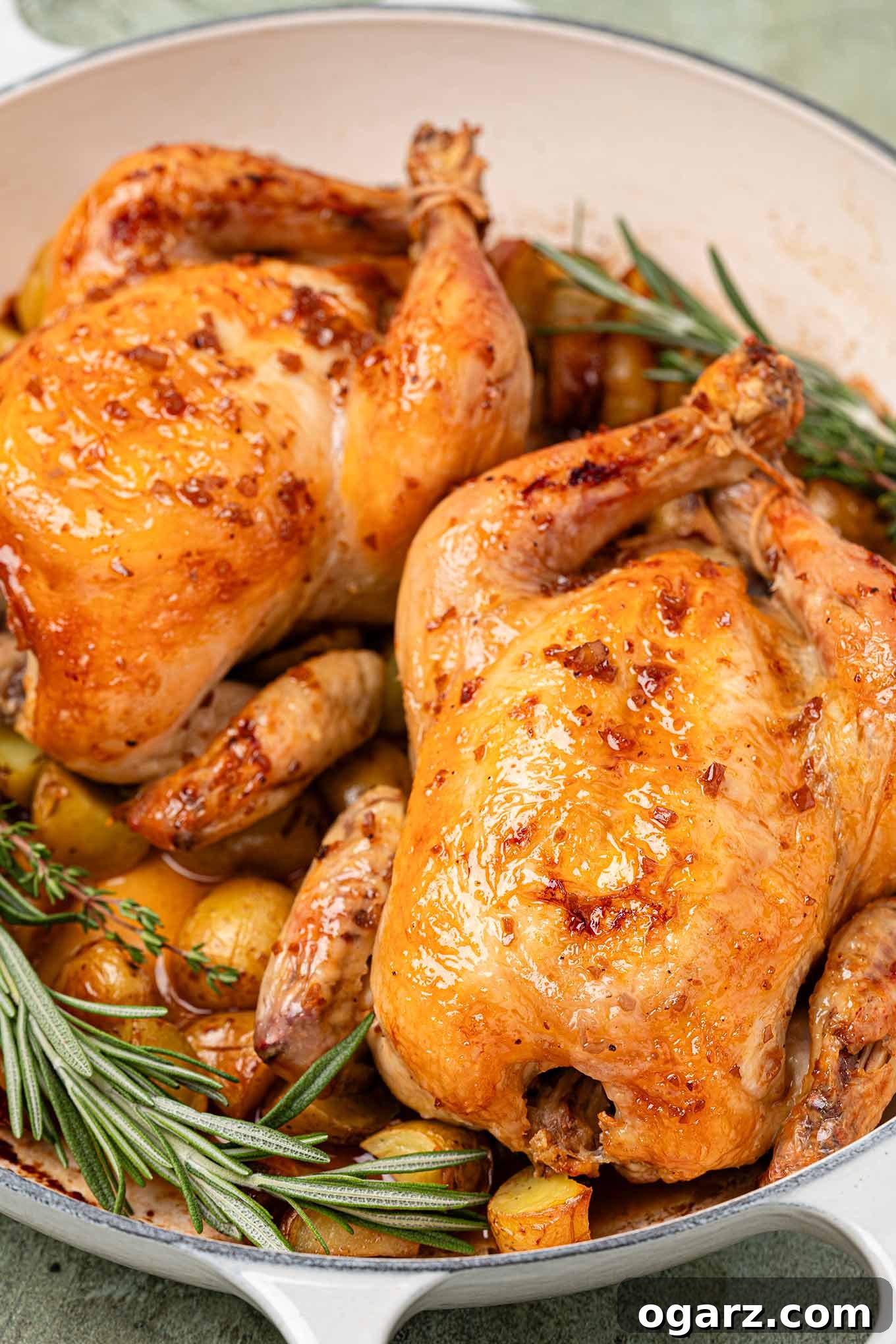
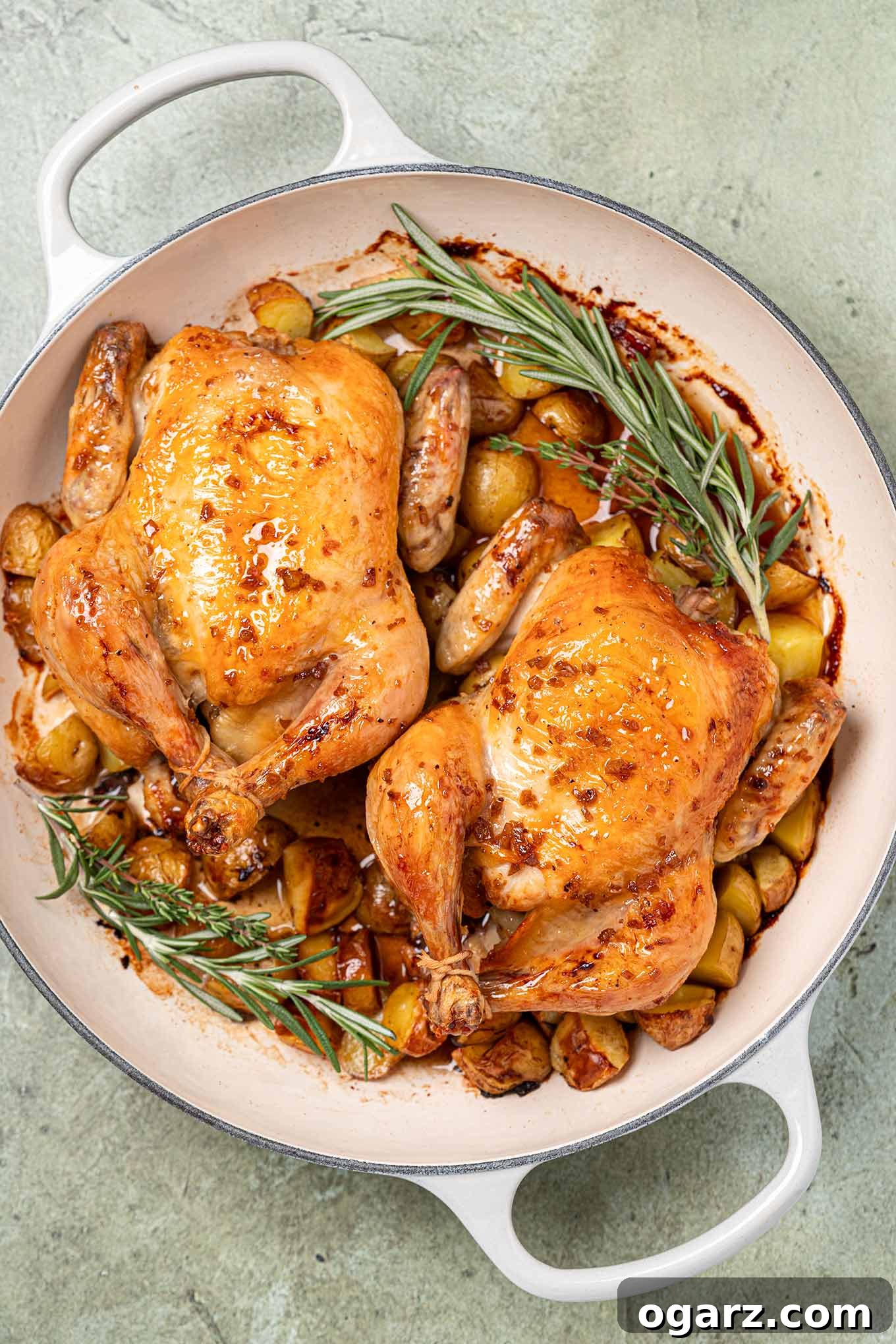
Are you searching for a dish that is both simple to prepare and exquisitely elegant? Look no further than perfectly roasted Cornish hens. These petite birds are celebrated for their incredibly tender, juicy meat and quick cooking time, making them a superb choice for any special occasion, from intimate dinners for two to grand holiday feasts. Our unique recipe elevates these delightful birds with a luscious, sweet, and savory bourbon and honey glaze. This glaze not only infuses them with incredible depth of flavor but also helps to create a beautifully golden and irresistibly crispy skin. Prepare to transform your dining experience and impress your guests with this gourmet yet surprisingly straightforward dish.
Why Choose Cornish Hens? The Secret to Effortless Elegance
Cornish game hens have long been a cherished choice in kitchens worldwide for their undeniable appeal and versatility. Originating from Cornwall, England, these small, flavorful chickens are typically served as a single portion per person, offering a perfectly individualized gourmet experience. My culinary journey with Cornish hens began in the late 1970s, evolving from traditional stuffings like wild rice pilaf to the sophisticated glazes I craft today. The enduring charm of these birds lies in their convenience and their impressive presentation. Unlike larger poultry, Cornish hens roast relatively quickly, allowing you to spend less time on preparation and more time savoring moments with your loved ones. Their compact size ensures even cooking throughout, consistently delivering moist and tender results, especially when paired with a rich, aromatic glaze that locks in moisture and develops a beautiful, caramelized crust. They consistently yield a tender and delicious meal, making them an ideal canvas for bold and exciting flavors like our signature bourbon and honey glaze.
The Magic Behind Our Bourbon and Honey Glaze
While the Cornish hen itself is a delight, the bourbon and honey glaze is the true star of this recipe. It transforms a simple roasted bird into an extraordinary culinary masterpiece. This exquisite glaze is a harmonious blend of sweet, savory, and subtly smoky notes that perfectly complement the delicate flavor profile of the hen. The bourbon introduces a sophisticated depth, a hint of woody warmth, and a touch of caramel, while the honey provides natural sweetness and an incredible sheen, helping the skin crisp up to a perfect golden brown. Minced garlic adds a fragrant, pungent kick, balancing the sweetness and creating a truly irresistible aroma that will fill your kitchen as the hens roast. This isn’t just a glaze; it’s a carefully crafted flavor enhancer that ensures each bite is memorable. The combination creates a rich, syrupy coating that adheres beautifully to the skin, caramelizing in the oven to form a deliciously sticky, slightly crisp, and profoundly flavorful exterior. This glaze is what elevates the dish from good to truly unforgettable.
Key Ingredients for Success
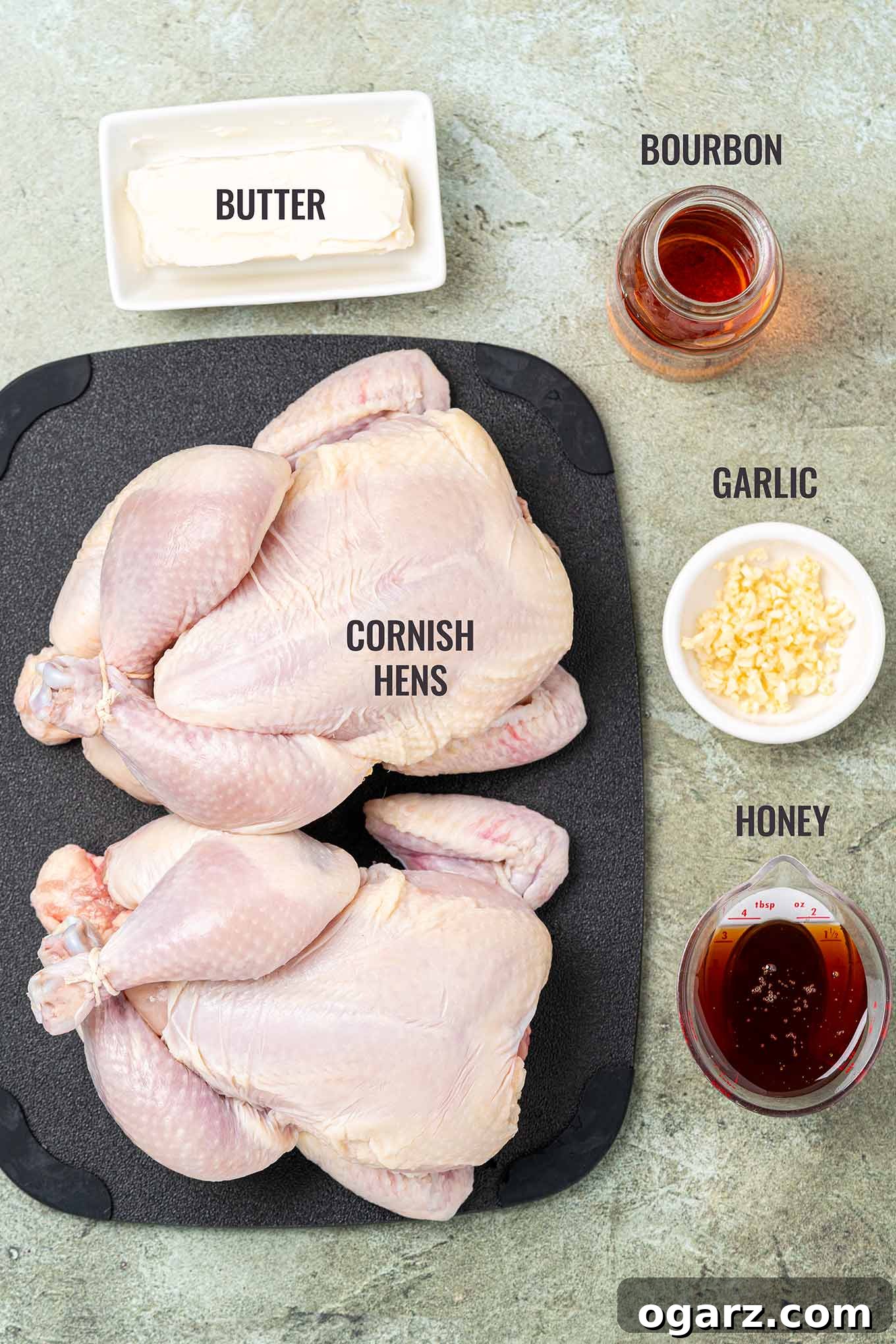
Here’s what you need to know about the key ingredients in this recipe. The complete list, including quantities, is in the full printable recipe card below.
- Cornish Hens: While fresh Cornish hens can occasionally be found at specialty markets, most standard grocers carry them in the freezer section. These birds typically average between 1-1/2 to 1-3/4 pounds each. For the best individual servings and optimal cooking, we highly recommend choosing hens on the smaller side. This recipe is designed for one hen per person, ensuring everyone enjoys a perfectly portioned, gourmet meal.
- Bourbon: The rich, slightly smoky, and sweet profile of bourbon is an ideal match for this flavorful glaze, contributing significant depth. However, if you prefer or only have it on hand, whiskey can serve as a suitable alternative. Please note that whiskey is generally less sweet than bourbon, so you might consider slightly increasing the amount of honey in the glaze to maintain a similar flavor balance.
- Honey: Honey plays a crucial dual role in our glaze: it provides natural sweetness that caramelizes beautifully, and it helps achieve the desired syrupy consistency. Maple syrup can be used as a substitute if you wish, but because it is typically thinner than honey, you may need to cook the glaze a little longer to reach the perfect, brushable thickness for coating the hens.
- Unsalted Butter: Essential for both rubbing directly onto the hens to promote crisp skin and as the foundational fat for creating our aromatic glaze. The butter adds richness and aids in browning.
- Fresh Garlic: Minced garlic adds a wonderful aromatic depth and a pungent kick to the glaze, perfectly complementing the sweetness of the honey and the complex notes of the bourbon.
- Salt and Freshly Ground Black Pepper: These fundamental seasonings are vital. They enhance the natural flavors of the hen and ensure the glaze is perfectly balanced, making every element shine.
Step-by-Step: Roasting Cornish Hens with Bourbon Glaze
Planning to make this recipe? Here’s a quick overview of how it’s done. Detailed, step-by-step instructions are in the full printable recipe card below.
1. Prepare Your Roasting Setup
Begin by preheating your oven to a precise 400°F (200°C). This initial high temperature is key to achieving that coveted crispy skin. Prepare two medium-sized roasting pans by positioning racks securely in the bottom of each. Then, generously coat these racks with a nonstick cooking spray. This crucial step prevents the hens from sticking and ensures optimal airflow around the birds, which is essential for even browning and thorough cooking.
2. Season and Prepare the Hens for Roasting
Before they hit the oven, proper preparation of your Cornish hens is paramount. Start by seasoning the cavity of each hen generously with salt and freshly ground black pepper. Next, take approximately one tablespoon of softened unsalted butter and rub it thoroughly all over the skin of each hen. This butter layer is vital for developing a beautiful golden, crispy skin. Season the exterior evenly with additional salt and pepper. For a neater presentation and to encourage more even cooking, tie the legs of each hen together with kitchen twine.
3. Begin the Roasting Process
Carefully arrange three prepared hens, breast side up, in each roasting pan. It’s important to leave a little space between each bird; this allows for proper heat circulation and ensures even browning. Pour about a 1/2-inch of water into the bottom of each pan. This water helps to create a moist environment within the oven, preventing the hens from drying out while they roast, and contributes to the development of flavorful pan juices. Place both pans in your preheated oven and roast the hens for an initial 25 minutes.
4. Baste and Rotate for Even Cooking
After the initial 25 minutes, carefully remove the roasting pans from the oven. Using a brush or spoon, baste the hens liberally with the delicious pan juices that have accumulated. This step adds flavor and essential moisture. Return the pans to the oven, ensuring you rotate their positions (e.g., switch top and bottom racks if using multiple, and rotate front to back) to promote even cooking across all hens. Continue roasting for an additional 20 minutes, or until an instant-read thermometer inserted into the thickest part of the breast registers 160°F (71°C).
5. Craft the Flavorful Bourbon Glaze
While your hens are roasting, it’s time to prepare the star of the show: the glaze. In a small saucepan, melt two tablespoons of butter over medium heat. Add the minced garlic and sauté until it becomes wonderfully soft and fragrant, which typically takes 2 to 3 minutes. Be diligent not to let the garlic brown, as this can introduce a bitter taste. Season the garlic with a pinch of salt and pepper, then carefully pour in the bourbon. Bring this mixture to a gentle simmer, then stir in the honey. Continue cooking and stirring frequently for about 8 to 10 minutes, or until the mixture has thickened to a syrupy consistency that will beautifully coat the hens. Cover the saucepan and keep the glaze warm until it’s time for its application.
6. Final Glazing and Caramelization
Once the hens have reached the internal temperature of 160°F (71°C), remove them from the oven. Immediately increase the oven temperature to a higher 450°F (230°C). Generously brush the roasted hens with your warm bourbon glaze. Return them to the super-heated oven for a brief period, just about 5 minutes. This quick burst of high heat allows the sugars in the glaze to caramelize, creating a dazzling, slightly sticky, and incredibly flavorful crust that is the hallmark of this dish.
7. Rest and Serve for Maximum Juiciness
Remove the gorgeously glazed hens from the oven. For optimal flavor and juiciness, it’s crucial to let them rest. Brush them with any remaining glaze and allow them to rest uncovered for 10 minutes before carving and serving. Resting allows the internal juices to redistribute evenly throughout the meat, ensuring every single bite is moist and tender. It is important not to cover them during this rest period, as doing so could steam the skin and soften the delightful crispy texture you worked so hard to achieve.
Expert Tips for Perfect Roasted Cornish Hens
Achieving perfectly roasted Cornish game hens every time is simple with these expert tips, ensuring juicy meat and crispy, flavorful skin:
Defrosting Cornish Hens Properly
Since most Cornish hens are purchased frozen, proper defrosting is your foundational step to success. The safest and most recommended method is a slow defrost in the refrigerator, allowing 24 to 30 hours for the hens to thaw completely. If you find yourself pressed for time and are defrosting only 2 to 4 hens, a quicker method involves submerging the hens (still in their original wrappers) in a container of cool water. Be sure to change the water every 20 to 30 minutes; this method typically thaws the hens in approximately 90 minutes. Always ensure they are fully thawed before proceeding with any part of the recipe to ensure even cooking.
Scaling the Recipe for Any Gathering
This recipe is remarkably flexible and can be effortlessly scaled to accommodate anywhere from two to a larger number of guests. If you are cooking for just two servings, simply halve all the quantities for the bourbon glaze. For four servings, the original glaze quantities should be sufficient, and you might even find yourself with a little extra. The wonderful aspect of this glaze is that it’s applied after the hens are mostly cooked, meaning any leftover glaze not used on the raw poultry can be gently warmed and served tableside for an optional extra drizzle. When scaling down the number of hens, remember that roasting times might be slightly reduced (perhaps by about 5 minutes) due to improved heat circulation in the oven with fewer birds.
Roasting with Potatoes for a Complete Meal
For a truly convenient and delicious one-pan meal, consider roasting your Cornish hens directly on a bed of baby yellow potatoes instead of a roasting rack. If you choose this method, plan for approximately 6 ounces of potatoes per hen (or per person). Toss the potatoes with a little melted butter (you can even melt the butter directly in the roasting pan in the oven for convenience) and season them generously with salt and freshly ground black pepper. Lay the seasoned hens directly on top of the potatoes and follow the roasting instructions as written. The potatoes will absorb all the incredible pan juices and hen drippings, resulting in a perfectly cooked, incredibly flavorful, and beautifully caramelized side dish that completes your meal effortlessly.
Infuse with Fresh Herbs for Added Aroma
To introduce a subtle yet wonderfully fragrant herbaceous note to your roasted hens, consider placing a sprig each of fresh rosemary and thyme inside the cavity of each hen before roasting. These aromatic herbs release their essential oils as the hens cook, subtly perfuming the meat from the inside out. If you are also roasting potatoes alongside the hens, feel free to toss one or two sprigs of these same herbs directly on top of the potatoes. This will enhance the aroma and infuse delicious herbal notes throughout the entire dish, creating a more complex and inviting flavor profile.
Achieving the Perfect Crispy Skin
Beyond the butter rub, ensuring that your Cornish hens develop wonderfully crispy skin involves a few crucial steps. First, it’s paramount to ensure your hens are as dry as possible before applying butter and seasoning; thoroughly pat them down with paper towels. Second, avoid overcrowding the roasting pan; leaving ample space between each hen allows hot air to circulate freely, promoting even browning and crisping. Finally, the final high-temperature blast during the glazing stage is absolutely critical. This brief exposure to intense heat effectively caramelizes the sugars in the glaze and crisps the skin to an absolute golden perfection.
Understanding Internal Temperature for Juiciness
Using an instant-read thermometer is the most reliable and accurate way to ensure your Cornish hens are cooked to perfection without the risk of overcooking and drying them out. Insert the thermometer into the thickest part of the breast, being careful to avoid touching any bone, as bone can give a false reading. The target temperature of 160°F (71°C) allows for a few degrees of carryover cooking once the hens are removed from the oven, ensuring they reach the safe final temperature of 165°F (74°C) while remaining incredibly juicy and tender. This precision guarantees a moist and delicious result every time.
What to Serve with Your Roasted Cornish Hens
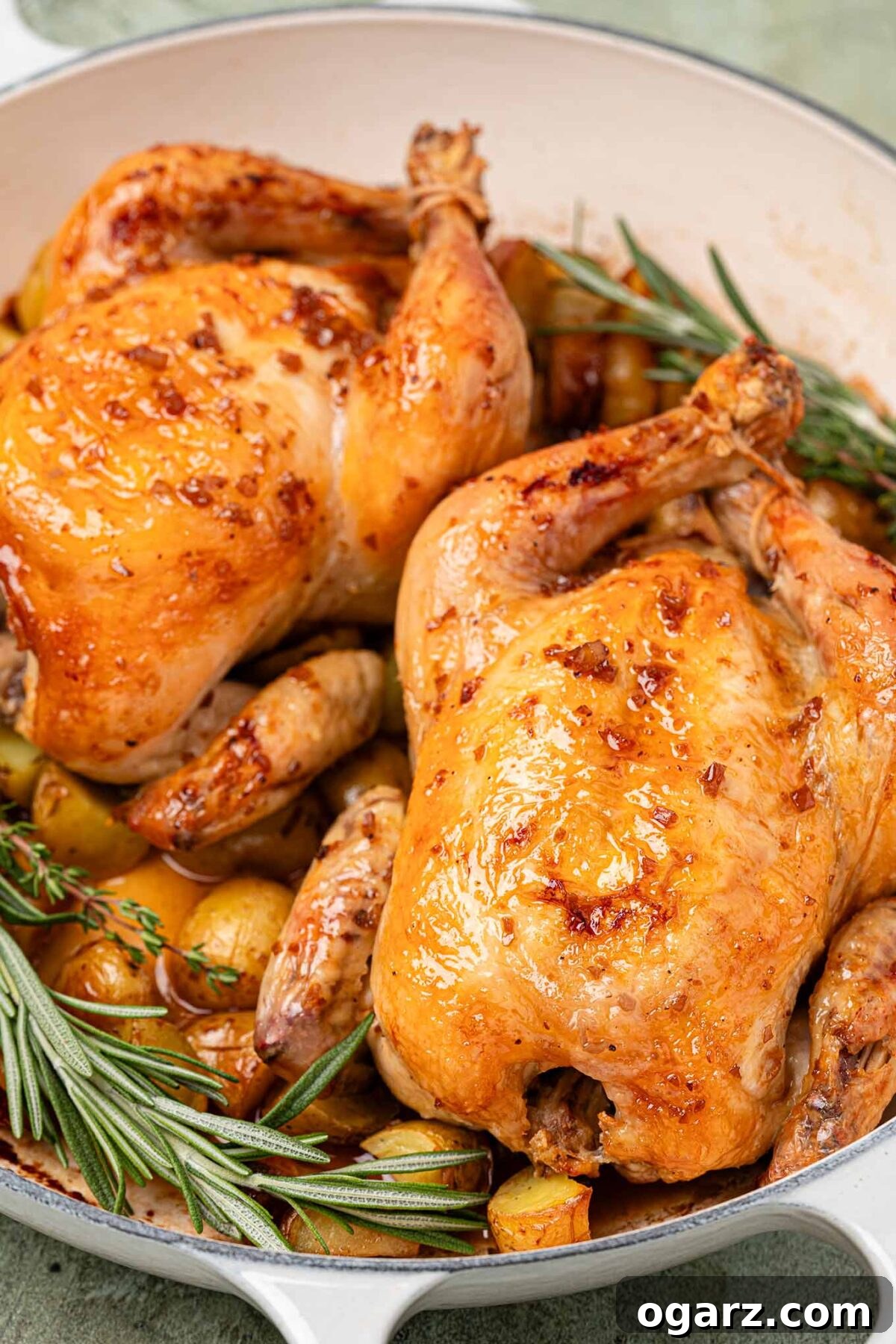
Roasted Cornish hens are incredibly versatile, and almost any side dish that traditionally complements chicken will pair beautifully. However, when you factor in the distinctive sweet, savory, and smoky notes of the bourbon and honey glaze, a Southern-inspired menu truly shines. These pairings are designed to create a cohesive and deeply satisfying meal. Here are some delectable options to complete your elegant feast:
- Southern Style Green Beans: Slow-cooked with smoky bacon and sweet onion, these green beans offer a rich, savory, and comforting contrast to the glazed hens. Their depth of flavor perfectly complements the poultry.
- Cornbread Stuffing with Bacon: More bacon? Yes, please! This savory, hearty stuffing provides a wonderful texture and flavor counterpoint, absorbing all the delicious drippings and glaze.
- Rustic Mashed Potatoes: Creamy, buttery, and infused with fresh herbs, these mashed potatoes are a comforting classic. They are perfect for soaking up any delicious pan juices or leftover glaze, ensuring no flavor goes to waste.
- Creamed Spinach: A timeless, rich, and decadent side dish that never fails to impress alongside roasted poultry. Its creamy texture and mild bitterness provide an excellent balance.
- Sweet Potatoes and Apples: A delightful combination with bright lemon and earthy fresh sage, offering a touch of natural sweetness and acidity that complements the bourbon glaze beautifully.
- Braised Collard Greens: For an authentic Southern touch, braise collard greens with ham hocks or bacon for a soulful, slightly bitter counterpoint that cleanses the palate.
- Creamy Macaroni and Cheese: A baked, creamy, and cheesy macaroni and cheese is the ultimate comfort food and a perfect, crowd-pleasing pairing for a celebratory meal.
- Roasted Asparagus: For a lighter, fresher option, simply roast asparagus spears with a little olive oil, salt, and pepper until they are tender-crisp. Their vibrant green and delicate flavor provide a refreshing balance.
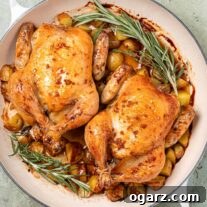
Roasted Cornish Hens With Bourbon Glaze
Lynne Webb
5 mins
55 mins
1 hr
6 servings
Pin Recipe
Rate Recipe
Print Recipe
Ingredients
- 6 Cornish game hens, (approx 1-1/2 lbs each)
- 6 tablespoons unsalted butter, softened
- Salt and freshly ground black pepper
For the glaze:
- 2 tablespoons butter
- 2 cloves garlic, minced
- 2/3 cup bourbon
- 1/4 cup honey
Instructions
-
Preheat the oven to 400°F (200°C). Position racks in the bottom of 2 medium-sized roasting pans and coat them both with nonstick spray.
-
Season the cavity of each hen with salt and pepper and rub a tablespoon of softened butter all over the skin. Season the exterior evenly with salt and pepper and tie the legs together with kitchen twine.
-
Arrange 3 hens, breast side up, in each roasting pan. Be sure to leave a little space between them. Add a 1/2-inch of water to the bottom of each pan and place them in the oven.
-
Roast the hens for 25 minutes, then baste with the pan juices. Return them to the oven, rotating the position of the roasting pans (top to bottom and front to back) to ensure even cooking.
-
Continue roasting the hens for an additional 20 minutes or until an instant-read thermometer inserted in the thickest part of the breast registers 160°F (71°C).
-
While the hens are roasting, heat the butter in a small saucepan over medium heat. Add the garlic and cook until soft and fragrant, 2 to 3 minutes (do not brown). Season with a pinch of salt and pepper, then add the bourbon.
-
Bring the mixture to a simmer, stir in the honey and continue cooking, stirring frequently, until it thickens to a syrupy consistency, 8 to 10 minutes. Cover and keep warm until ready to use.
-
Once the hens are cooked, remove them from the oven and increase the temperature to 450°F (230°C). Brush liberally with the glaze and return them to the oven just long enough for the glaze to caramelize, about 5 minutes. Remove and brush with any remaining glaze.
-
Let the hens rest for 10 minutes before serving (do not cover).
Nutrition
Calories: 773, Total Fat: 56g, Cholesterol: 340mg, Sodium: 357mg, Carbohydrates: 12g, Sugar: 12g, Protein: 57g
Nutrition information is automatically calculated, so should only be used as an approximation.