

Marzipankartoffeln are delightful marzipan candies dusted with chocolate. These charming, potato-shaped balls are a beloved German Christmas treat, famous for their delicious almond flavor and soft, chewy texture.

Homemade Marzipankartoffeln: An Easy German Christmas Candy Recipe
Step into the enchanting world of German Christmas traditions with Marzipankartoffeln, a beloved confection that captures the essence of the festive season. Known colloquially as “marzipan potatoes” due to their characteristic shape (Kartoffel translates to potato in German), these sweet, almond-flavored delights are a staple in many German households during the holidays. Imagine soft, pliable marzipan, subtly sweet and rich with almond flavor, meticulously shaped into small, rustic “potatoes” and then dusted with fine cocoa powder. The result is an irresistible treat that looks as charming as it tastes, offering a unique blend of sweetness and a hint of chocolate bitterness.
Unlike many elaborate holiday desserts, this classic Christmas treat is remarkably simple to prepare at home, requiring just three basic ingredients and absolutely no baking! The process is so straightforward, it makes for a wonderful activity to share with family, especially with children who will love rolling the marzipan into its distinctive shapes. Much like other quintessential German Christmas cookies such as Vanillekipferl and Zimtsterne, Marzipankartoffeln are more than just candy; they are a piece of cultural heritage, bringing warmth and joy to festive gatherings. This recipe will guide you through creating these tender, almond-flavored delicacies that truly taste superior to any store-bought version, making them a highlight of your holiday cookie platter or a thoughtful homemade gift.
What Are Marzipankartoffeln? A German Delicacy Explained
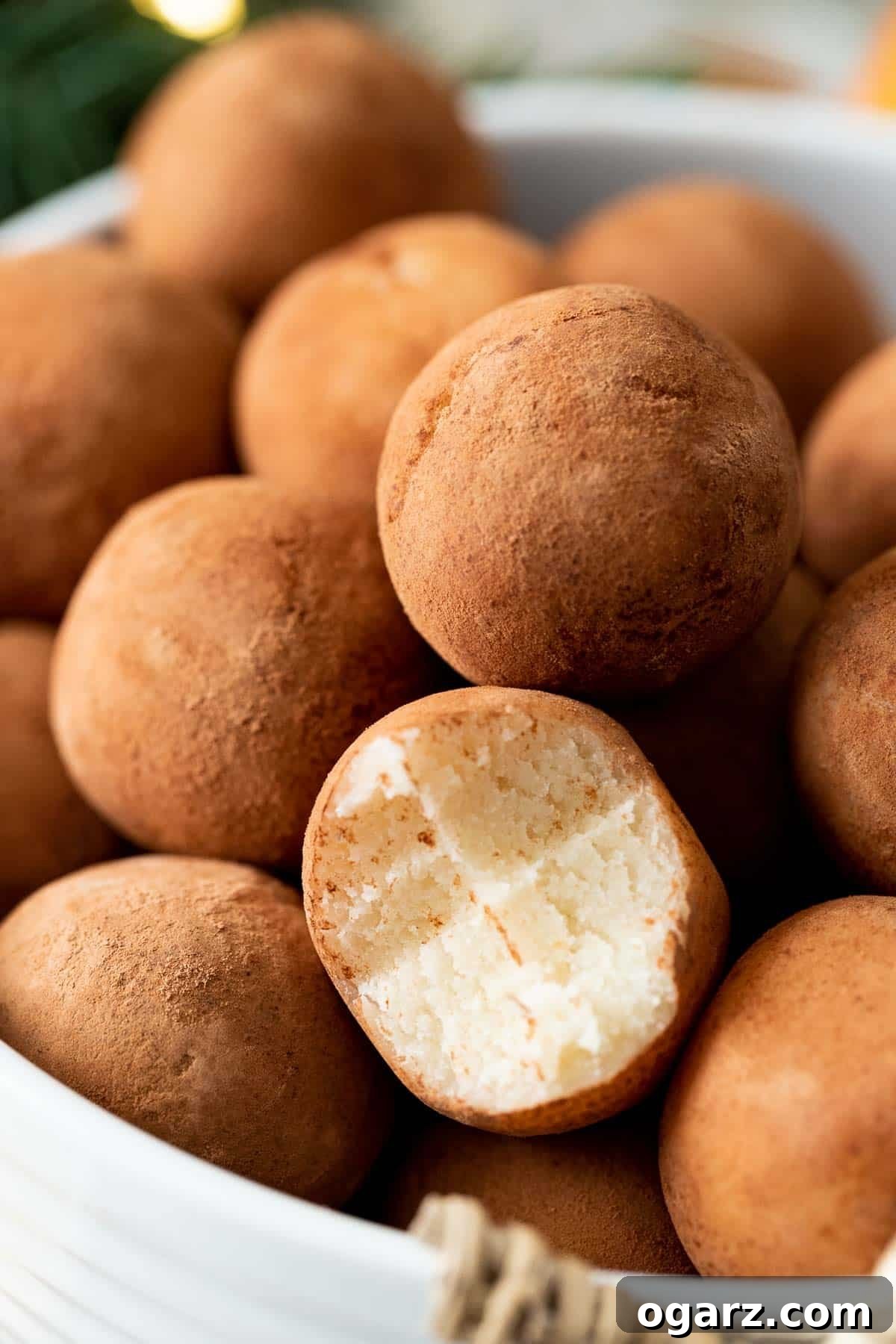
Marzipankartoffeln are small, roundish candies made primarily from marzipan, dusted with cocoa powder to give them an earthy, potato-like appearance. The name itself, “Marzipankartoffeln,” literally means “marzipan potatoes,” a direct reference to their humble, yet charming, potato-esque form. These delectable treats boast a soft, chewy texture and an intensely sweet almond flavor, often likened to a rich, unbaked cookie dough. They are a beloved fixture in German Christmas markets and grocery stores throughout the Advent season, embodying the spirit of traditional German sweets.
Historically, marzipan has been a prized confection in Germany, particularly Lübeck, which is famous for its high-quality marzipan. While its origins trace back to the Middle East, marzipan became a delicacy in Europe, especially around the Hanseatic League cities, eventually evolving into various forms of candy and pastry fillings. Marzipankartoffeln represent a simple, yet elegant, application of this versatile almond paste, making it accessible to home cooks and a delightful addition to holiday celebrations.
Why You’ll Adore This Marzipan Potato Recipe
- Effortless & Quick: This no-bake recipe comes together in under 15 minutes, making it a perfect last-minute addition to your holiday spread or a quick fix for a sweet craving. Forget about oven space and baking times during the busy Christmas period!
- Minimal Ingredients: You only need three core ingredients to craft these wonderfully chewy and tender treats, simplifying your shopping list and preparation process.
- Fun for All Ages: The straightforward process of shaping the marzipan makes this an ideal recipe to involve kids. The beauty of Marzipankartoffeln lies in their rustic charm – they don’t need to be perfectly uniform, making the process enjoyable and stress-free for everyone.
- Superior Taste: Experience a flavor and texture that far surpasses most store-bought versions. Freshly made Marzipankartoffeln offer a richer almond taste and a melt-in-your-mouth tenderness that is truly special.
- Versatile Treat: Beyond being a delightful holiday indulgence, these marzipan potatoes make charming edible gifts or an elegant addition to any festive dessert platter.
Essential Ingredients for Marzipankartoffeln
Crafting these delicious German marzipan candies requires just a few key ingredients. Quality matters here, especially for the marzipan itself, as it forms the heart of the treat. Below is a detailed overview of what you’ll need to create the perfect Marzipankartoffeln.
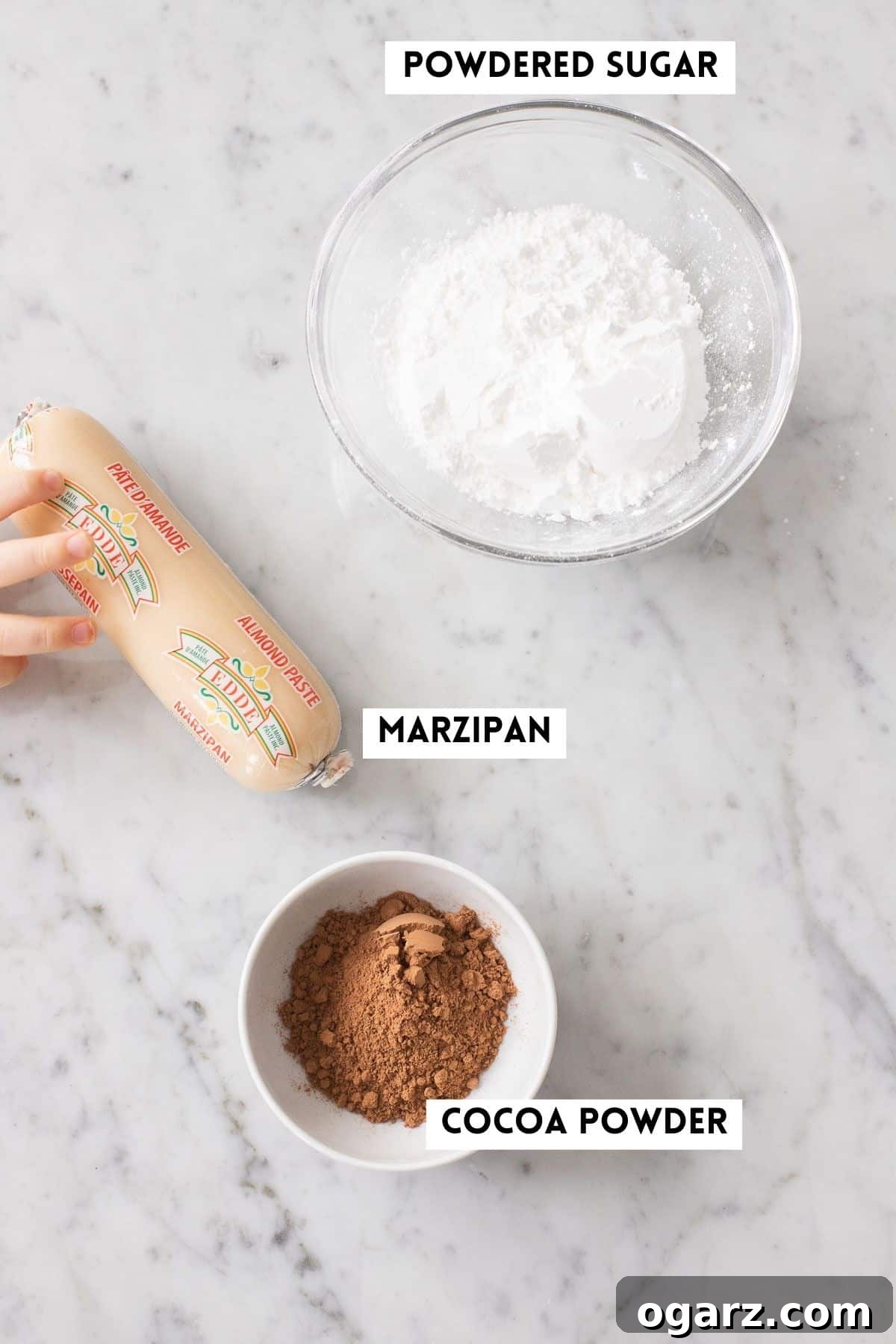
- Marzipan: This is the star of the show. You’ll need good quality store-bought marzipan, or you can opt to make your own from scratch for an even fresher flavor. It’s crucial not to confuse marzipan with almond paste; while both are made from almonds, they have different sugar-to-almond ratios and textures. Marzipan is sweeter and smoother, designed for confectionery, whereas almond paste is coarser and less sweet, typically used as a baking ingredient. Using almond paste will result in a different texture and taste profile for your Marzipankartoffeln.
- Powdered Sugar (Icing Sugar): Essential for both sweetening and achieving the perfect consistency. The powdered sugar must be sifted before being combined with the marzipan. This crucial step prevents any unsightly clumps of sugar from marring the smooth, tender texture of your finished marzipan potatoes. It also helps in creating a more uniform dough that is easier to shape.
- Cocoa Powder: Used for dusting the shaped marzipan balls, providing both their characteristic “potato skin” appearance and a delightful, subtle chocolatey contrast to the sweet almond interior. You can use either regular unsweetened cocoa powder or Dutch-processed cocoa powder. Dutch-processed cocoa is often darker and has a smoother, less bitter flavor, which can enhance the overall taste and visual appeal. Whichever you choose, ensure it’s unsweetened to balance the sweetness of the marzipan.
Crafting Your Marzipankartoffeln: A Simple Step-by-Step Guide
Making Marzipankartoffeln is a rewarding process that requires minimal effort for maximum deliciousness. Follow these simple steps to create your own batch of these delightful German Christmas candies.
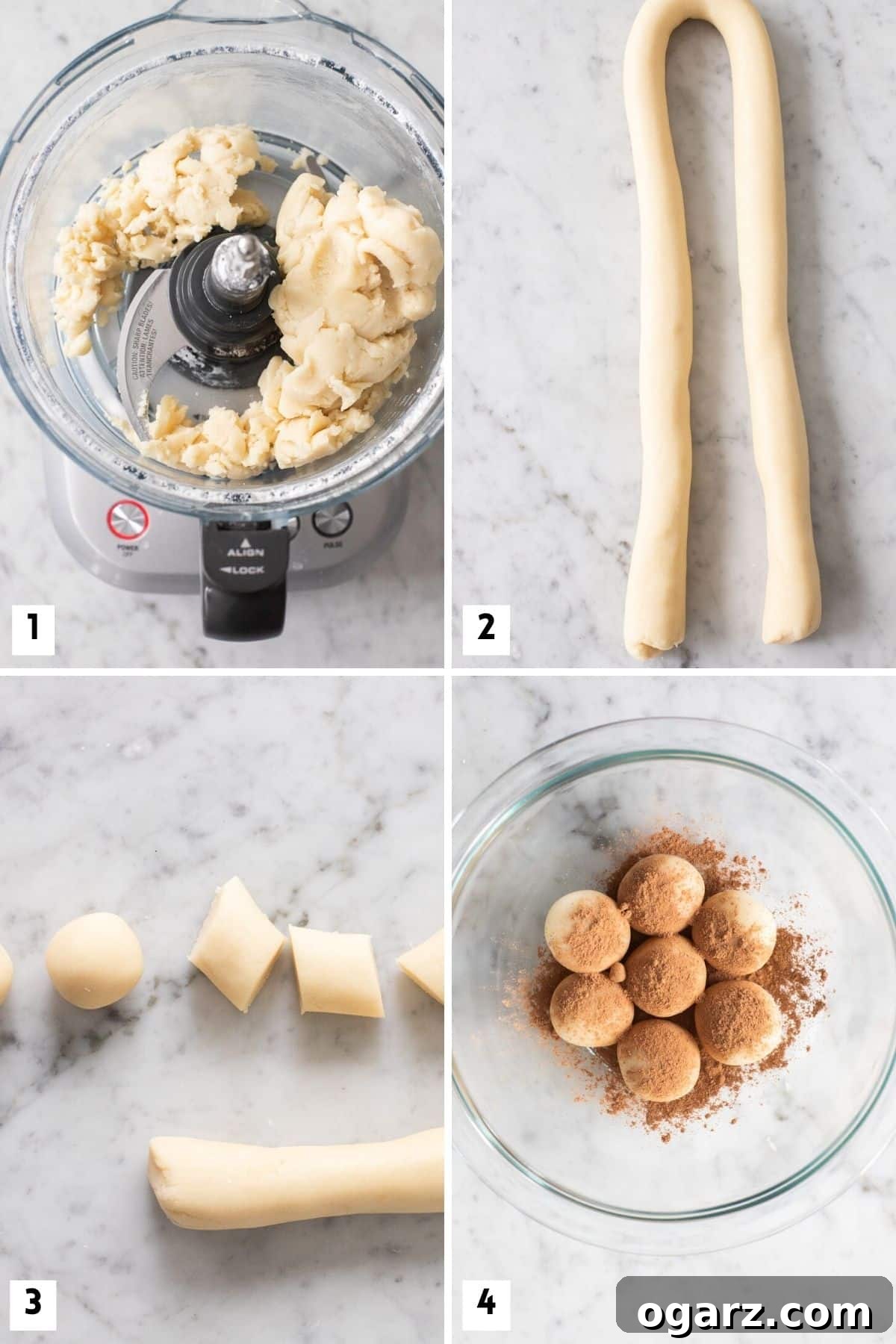
- Combine Ingredients: Begin by combining the marzipan and the sifted powdered sugar. You can do this efficiently in a food processor by pulsing until the mixture comes together and forms a smooth, cohesive dough. Alternatively, for a hands-on approach, place the marzipan and powdered sugar in a bowl and knead them together with your hands until well combined and smooth. The warmth from your hands will help the marzipan become pliable. If, during this process, the mixture appears too dry or crumbly, add water a tiny bit at a time, starting with a single teaspoon, until it reaches a soft, workable consistency.
- Shape into a Log: Once your marzipan dough is smooth and uniform, turn it out onto a clean work surface that has been lightly dusted with powdered sugar. Gently form the dough into a ball, then carefully roll it out into a long, cylindrical log. Aim for a consistent thickness across the entire log, as this will help ensure your marzipan potatoes are roughly the same size.
- Form Individual Balls: Using a knife or a bench scraper, cut off walnut-sized pieces from the marzipan log. Take each piece and roll it between your palms to form a small, round ball. Traditionally, Marzipankartoffeln are about 3/4-inch in diameter, resembling miniature potatoes. Don’t worry if they aren’t perfectly spherical; a slightly irregular shape adds to their rustic charm.
- Dust with Cocoa Powder: For the final touch, place a generous amount of cocoa powder into a container with a lid (a plastic food container works well). Add the marzipan balls to the container in small batches, close the lid securely, and gently shake it. Continue shaking until all the Marzipankartoffeln are evenly coated with the cocoa powder, giving them their distinctive “earthy” look. Once coated, carefully remove the balls and gently roll them between your hands to remove any excess cocoa powder, ensuring a cleaner finish and preventing a powdery mouthfeel. Store your finished Marzipankartoffeln in an airtight container.
Expert Tips for Marzipankartoffeln Success
While this recipe is incredibly simple, a few expert tips can help ensure your Marzipankartoffeln turn out perfectly every time, from achieving the ideal texture to exploring delightful flavor variations.
- Homemade Marzipan for the Win: While good quality store-bought marzipan works wonderfully, making your own can elevate the flavor and texture significantly. If you opt for homemade marzipan, use this marzipan recipe. Remember to add an additional 3/4 cup of powdered sugar to the homemade mixture. This extra sugar helps to balance the almond intensity of fresh marzipan and ensures the correct consistency for shaping these small delights.
- Flavorful Add-ins: Experiment with various essences to customize your marzipan potatoes. A tablespoon of kirsch (cherry brandy) or a few drops of rose water can add a classic, aromatic touch. For a citrusy twist, consider adding a splash of Cointreau, orange blossom water, or another orange-flavored liqueur. Some enthusiasts also enjoy mixing a pinch of cinnamon into the cocoa powder before dusting, which adds a warm, spicy note to the finished candy.
- Achieving the Right Consistency: Marzipan can vary in its moisture content depending on the brand or if it’s homemade. If your marzipan mixture feels too dry and crumbly, preventing it from coming together, gradually add a little bit of liquid. Start with just one teaspoon of water or your chosen liqueur, mixing it in thoroughly before adding more, until the dough is pliable and easy to shape without cracking. Conversely, if it feels too sticky, a bit more sifted powdered sugar can help.
- Enhanced Flavor Over Time: Patience is a virtue with Marzipankartoffeln. These candies, like many traditional treats, often taste even better a few days after they are made. The flavors have time to meld and deepen, resulting in a more complex and harmonious taste.
- Dealing with Cold Marzipan: If your marzipan has been stored in a cold place and feels too stiff to work with, it can be gently warmed to improve its pliability. Place it in the microwave for a few seconds (5-10 seconds at a time) or knead it with your hands. The natural warmth from your hands will soften it, making it much easier to shape.
- Yield and Size Customization: This recipe typically yields around 25 walnut-sized marzipan potatoes. However, you have complete flexibility to make them smaller or larger based on your preference. While traditionally Marzipankartoffeln are uniform in size, feel free to embrace creativity and make a variety of small, charming potato-shaped balls.
- Traditional Egg Whites vs. Modern Approach: Some very traditional German marzipan recipes might call for raw egg whites to achieve a particular texture or binding quality. However, for safety and simplicity, this recipe avoids raw egg whites. A small amount of water or liqueur is used instead to adjust the consistency, ensuring a delicious and safe treat without any raw egg concerns.

Recipe FAQs: Your Marzipankartoffeln Questions Answered
Marzipan is a sweet, pliable paste primarily made from finely ground almonds and sugar, often enhanced with almond extract, water, or rosewater. It has a smooth, dough-like consistency and is widely used in confectionery for making candies, sculpting decorative elements for cakes, or as a flavorful filling in pastries and desserts. Its rich almond flavor and smooth texture make it a versatile and beloved ingredient in many European culinary traditions.
No, almond paste and marzipan are distinctly different, though both are made from almonds. The main difference lies in their ratio of almonds to sugar and their texture. Almond paste typically contains a higher proportion of almonds and less sugar, resulting in a coarser texture and a less sweet, more intensely almond flavor. It’s often used as an ingredient within baked goods, such as fillings for cakes and pastries. Marzipan, on the other hand, contains more sugar, making it much sweeter, smoother, and more pliable, ideal for shaping into candies or decorative elements, as seen with Marzipankartoffeln.
Absolutely! You can make Marzipankartoffeln entirely from scratch by preparing your own homemade marzipan. For a delicious homemade marzipan, you can follow this homemade marzipan recipe. Once your homemade marzipan is ready, you will need to add an additional 3/4 cup of sifted powdered sugar to the recipe before shaping and dusting the balls. This adjustment helps to achieve the perfect sweetness and texture required for Marzipankartoffeln, as homemade marzipan can sometimes be less sweet and slightly firmer than commercial versions. Making it from scratch offers a wonderfully fresh and authentic flavor experience.
Yes, Marzipankartoffeln are naturally gluten-free, provided that all your ingredients (marzipan, powdered sugar, and cocoa powder) are certified gluten-free. Most commercial marzipan is gluten-free, but always check labels if you have strict dietary requirements, as some brands may contain trace amounts due to processing.
Beyond the traditional cocoa dusting, you can make your Marzipankartoffeln even more festive! Consider dusting some with finely chopped pistachios for a green touch, or roll them in a mix of powdered sugar and a tiny bit of red food coloring for a pink hue. You could also dip a portion of them in melted dark or white chocolate for an extra layer of indulgence and decoration. A sprinkle of edible glitter can also add a magical sparkle perfect for the holidays.
Make-Ahead and Storage Guidelines for Marzipankartoffeln
One of the many appealing aspects of Marzipan Kartoffeln is their excellent shelf life, making them a perfect treat to prepare in advance for holiday gatherings or as thoughtful homemade gifts. These delightful marzipan candies will retain their freshness and delicious taste for approximately two weeks when stored properly in an airtight container or a traditional metal tin. In my experience, they often keep even longer, simply becoming a bit firmer in texture over time, while still maintaining their wonderful flavor.
Crucially, Marzipankartoffeln do not require refrigeration. In fact, storing them at room temperature in a cool, dry place is ideal. This helps preserve their soft, pliable texture and prevents any condensation that might occur in the refrigerator, which could affect the cocoa powder dusting. For best results, keep them away from direct sunlight and heat sources. This simple storage makes them a convenient and stress-free addition to your holiday baking repertoire.
Embrace the Holiday Spirit with Homemade Marzipankartoffeln
There’s something truly special about indulging in a homemade treat during the festive season, and these Marzipankartoffeln perfectly embody that spirit. Their ease of preparation, combined with their delightful almond flavor and charming appearance, makes them an indispensable part of any German-inspired Christmas celebration. Whether you’re making them for your family, gifting them to friends, or simply enjoying them with a cup of coffee or mulled wine, these marzipan potatoes are sure to bring a touch of traditional German magic to your holidays. So, gather your simple ingredients, roll up your sleeves, and prepare to create a batch of these irresistible no-bake candies that will be cherished by all.
Marzipankartoffeln Recipe

Marzipankartoffeln are delightful marzipan candies dusted with cocoa. These charming, potato-shaped balls are a beloved German Christmas treat, famous for their delicious almond flavor and soft, chewy texture.
Yields: 25 servings
Prep time: 15 minutes
Cook time: 0 minutes
Total time: 15 minutes
Author: Julia Foerster
Ingredients
- 8 ounces marzipan
- 1/2 cup powdered sugar, sifted
- 2 Tbsp cocoa powder
Instructions
- In a food processor or by hand, combine marzipan and sifted powdered sugar until a smooth, pliable dough forms. If the mixture appears too dry, gradually add a very small amount of water (starting with 1 teaspoon) until the desired consistency is achieved.
- Transfer the marzipan mixture onto a clean surface lightly dusted with powdered sugar. Gently form it into a cohesive ball, then roll it into a long, uniform log.
- From the log, cut off pieces approximately the size of a walnut. Roll each piece into a small, round ball, aiming for a diameter of about 3/4-inch. Set these marzipan balls aside.
- Place a generous amount of cocoa powder into a container with a tight-fitting lid. Add the marzipan balls in small batches. Secure the lid and gently shake the container until all the Marzipankartoffeln are evenly coated with cocoa powder. Carefully remove them and lightly roll them between your palms to remove any excess cocoa, ensuring a neat finish.
Notes
- Homemade Marzipan: For an authentic touch, you can prepare marzipan from scratch using this homemade marzipan recipe. If using homemade marzipan, incorporate an additional 3/4 cup of powdered sugar into the mixture before shaping and dusting the balls. This adjustment accounts for the potentially different sweetness level and consistency of homemade versions.
- Flavor Enhancements: Elevate the taste by incorporating 1 tablespoon of Kirsch (cherry liqueur) or a few drops of rose water into the marzipan mixture. Other excellent options include Cointreau, orange blossom water, or a different orange-flavored liqueur. For a subtle spice, a pinch of cinnamon can be mixed into the cocoa powder used for dusting.
- Achieving the Perfect Consistency: The pliability of marzipan can vary depending on whether it’s store-bought or homemade. If your mixture feels too dry and crumbly, add water sparingly, starting with just one teaspoon at a time, until the dough is smooth and easy to work with.
- Enhanced Flavor Over Time: These marzipan candies often taste even better a few days after preparation, as the flavors meld and deepen.
- Handling Cold Marzipan: If your marzipan is particularly cold and stiff, gently warm it in the microwave for a few seconds or knead it with your hands until it becomes soft and pliable, making it easier to shape.
- Yield: This recipe typically yields about 25 walnut-sized Marzipankartoffeln.
- Shaping Variations: While traditionally marzipan potatoes are uniform, feel free to experiment with different sizes or slightly irregular “potato-like” shapes to add character.
- Egg Whites in Traditional Recipes: Some traditional Marzipankartoffeln recipes call for raw egg whites to achieve a certain texture. However, this recipe avoids raw eggs and instead uses a minimal amount of water to adjust consistency, ensuring safety and ease.
Nutrition
Per serving (approximate values):
- Calories: 54 kcal
- Carbohydrates: 7g
- Protein: 1g
- Fat: 2g
- Saturated Fat: 0.2g
- Polyunsaturated Fat: 0.4g
- Monounsaturated Fat: 2g
- Sodium: 3mg
- Potassium: 31mg
- Fiber: 0.4g
- Sugar: 6g
- Vitamin A: 1 IU
- Calcium: 6mg
- Iron: 0.2mg
If you loved making these traditional German marzipan treats, why not explore more festive delights? Here are some other cherished German Christmas recipes to inspire your holiday baking:
More German Christmas Recipes to Try
Desserts
Candied Orange Peel
Cookies, Brownies & Bars
Cornflake Cookies
Christmas Recipes
Pfeffernusse
Cookies, Brownies & Bars