
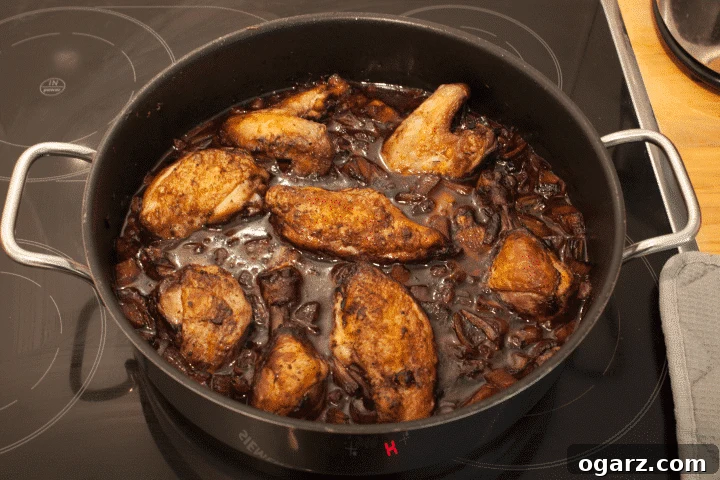
Our easy Coq au Vin recipe is an exquisite French classic, perfect for entertaining guests or elevating a weeknight meal. This timeless dish features succulent bone-in, skin-on chicken thighs, beautifully browned and then slow-braised in a rich red wine sauce, infused with aromatic herbs, tender shallots, and savory bacon. Prepare to impress with minimal effort!
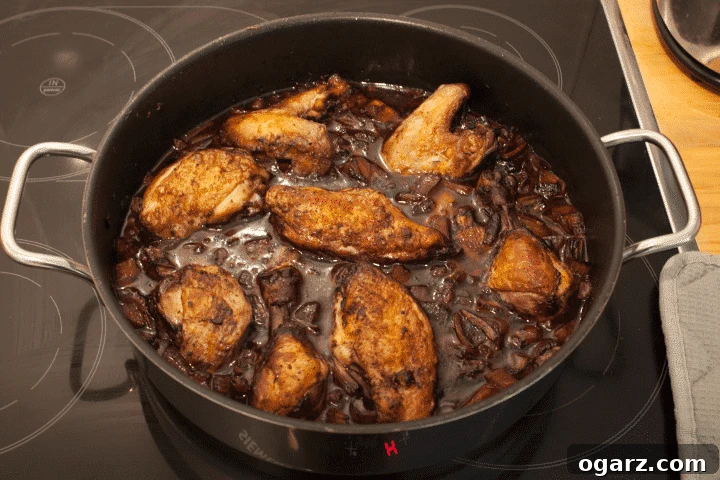
Step into the heart of French culinary tradition with Coq au Vin, a beloved chicken stew renowned for its deep, complex flavors and surprisingly simple preparation. This iconic dish perfectly encapsulates the elegance and rustic charm of French cuisine, transforming humble ingredients into a truly memorable feast. Imagine tender chicken, simmered to perfection in a luscious red wine gravy, fragrant with herbs and rich vegetables – it’s a gastronomic experience that feels wonderfully opulent yet remains delightfully accessible for any home cook.
While often perceived as a sophisticated dish reserved for special occasions, our easy Coq au Vin recipe proves that creating a classic French masterpiece doesn’t have to be complicated. We’ve simplified the steps without compromising on the authentic, robust flavors that make this dish so cherished. It’s the ideal choice for a dinner party, promising to enchant your guests with its rich aroma and exquisite taste, but it’s also straightforward enough to whip up on a cozy weeknight, bringing a touch of French bistro dining right to your table.
Serve this magnificent French chicken stew with classic accompaniments to complete the experience. Buttery mashed potatoes, creamy polenta, or even simple, crusty baguette slices are perfect for soaking up every drop of the delectable red wine sauce. For a truly authentic touch, sprinkle with fresh parsley before serving. This Coq au Vin recipe is designed to bring you joy in cooking and eating, proving that French culinary excellence is well within your reach.
Why Our Easy Coq au Vin Recipe Stands Out
Many people shy away from classic French recipes, believing them to be overly complicated or requiring specialized skills. Our Coq au Vin recipe breaks down these barriers, offering a streamlined approach to a gourmet dish. Here’s why you’ll love making and serving our version:
- Simplified yet Authentic: We’ve distilled the essence of traditional Coq au Vin into a recipe that’s easy to follow, using readily available ingredients, without sacrificing any of the rich, profound flavors you’d expect from this classic French stew.
- Guest-Ready Elegance: This dish truly shines when entertaining. Its impressive presentation and gourmet taste make it an instant crowd-pleaser, yet the hands-on time is surprisingly minimal, allowing you more time to enjoy with your company.
- Step-by-Step Guidance: From prepping your chicken to achieving that perfect deep brown sear and rich braising liquid, our detailed instructions, complete with helpful tips and tricks, will guide you through each stage, ensuring a successful and delicious outcome every time.
- Comfort Food at its Finest: Beyond its elegance, Coq au Vin is the ultimate comfort food. The slow braising process yields incredibly tender chicken and a deeply flavorful sauce that warms the soul, making it perfect for any season.
- Versatile Pairing Options: This robust stew pairs beautifully with a variety of side dishes, from simple potatoes to sophisticated pasta, giving you flexibility in how you serve it to complement your meal.
Key Ingredients for the Perfect Coq au Vin
The magic of Coq au Vin lies in the quality and harmony of its few core ingredients. Choosing the right components ensures a rich, flavorful, and authentic result. Here’s a closer look at what you’ll need and why each element is crucial for this French chicken masterpiece:
- Chicken: For the most tender, succulent, and flavor-packed Coq au Vin, bone-in, skin-on chicken thighs are indispensable. The bone marrow adds depth to the sauce, while the skin crisps beautifully during browning, contributing essential rendered fat and a layer of savory flavor. While you can use other chicken pieces, thighs are preferred for their higher fat content, which keeps them from drying out during the long braise.
- Aromatics (Onion & Garlic):
- Shallots: I highly recommend using shallots for their delicate, sweet, and slightly pungent flavor profile, which is milder and more refined than regular onions. They truly elevate the dish. If shallots are unavailable, an equal amount of small pearl onions (peeled) or even large wedges of yellow or white onions can serve as a suitable substitute, though the flavor will be slightly bolder.
- Garlic: Fresh garlic is paramount! Its pungent aroma mellows during cooking, infusing the sauce with a foundational savory note. Simply crush the cloves with the side of a large knife to release their essence before adding them to the pot whole or roughly chopped.
- Bacon (Lardons): Strips of smoky bacon, cut into small pieces (known as lardons in French cuisine), are a non-negotiable addition. They render their fat, providing an excellent base for browning the chicken and sautéing vegetables, and their crisp, salty bits add a wonderful textural and flavor dimension to the finished stew. Choose good quality, thick-cut bacon for the best results.
- Fresh Herbs: The freshness of the herbs is key to brightening the rich flavors of this dish. We utilize:
- Thyme: Earthy and slightly minty, thyme is a classic companion to chicken and red wine. A few sprigs will infuse the sauce beautifully.
- Parsley: Used both in the braise and as a fresh garnish, parsley offers a clean, herbaceous lift.
- Bay Leaf: This humble leaf adds a subtle, almost medicinal, aromatic background note that deepens the complexity of the stew.
- Hearty Vegetables: Adding a medley of vegetables not only enhances the flavor but also adds essential nutrients and vibrant color. We include:
- Carrots: Their natural sweetness complements the savory and acidic notes of the wine.
- Celery: Adds an earthy, herbaceous undertone and contributes to the aromatic base.
- Mushrooms: Sliced white or cremini mushrooms absorb the rich flavors of the sauce beautifully and add an umami depth. Sautéing them separately ensures they develop a lovely golden color and retain their texture.
- Red Bell Pepper: While not strictly traditional, red bell pepper adds a touch of sweetness and vibrant color, creating a more well-rounded vegetable profile.
- Red Wine: This is the soul of Coq au Vin and the base of its iconic sauce. A good quality, dry red wine is crucial. Choose one you enjoy drinking, as its flavor will concentrate in the stew. Excellent choices include:
- Shiraz (Syrah): Offers bold fruit and peppery notes.
- Malbec: Known for its dark fruit and smoky undertones.
- Merlot: Softer and fruitier, a very approachable choice.
- Cabernet Sauvignon: A robust wine with notes of blackcurrant and often a hint of bell pepper.
Avoid cooking wines, as they contain added salt and preservatives that can detract from the dish’s flavor.
- Tomato Paste: A small amount of tomato paste adds a touch of concentrated sweetness and umami, enhancing the richness and color of the sauce without making it taste overtly tomatoey.
- Olive Oil: For sautéing the initial ingredients.
- Salt and Pepper: Essential for seasoning at every stage, building layers of flavor.
Crafting Your Classic Coq au Vin: A Step-by-Step Guide
Creating this French masterpiece is a rewarding culinary journey. Follow these detailed steps to achieve a perfectly braised, flavor-rich Coq au Vin that will impress any palate. Remember, building layers of flavor is key to this dish’s success.
Preparation is Key: Setting Up for Success
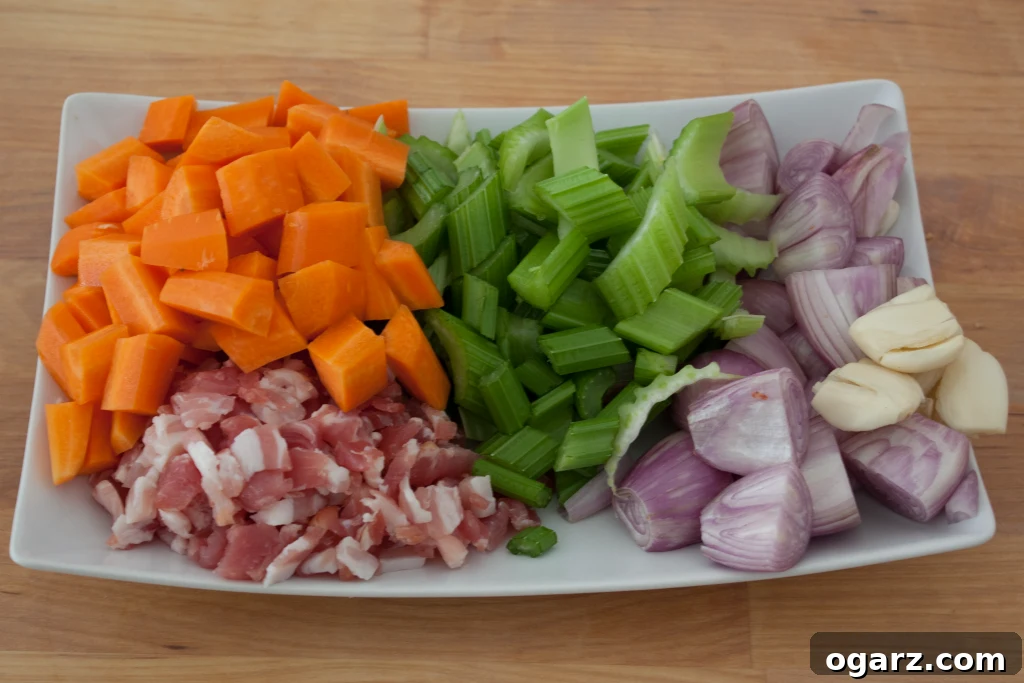
- Mise en Place: Begin by preparing all your ingredients. Dice the bacon into small pieces. Peel the shallots and quarter them. Crush the garlic cloves (leaving them whole or roughly chopped is fine, as their flavor will infuse the sauce). Cut carrots and celery into chunky, bite-sized pieces to ensure they hold up during the long braise.
- Prepare the Chicken: If using whole chicken legs, separate the thighs and drumsticks. You can make a small incision around the bone near the joint of the drumstick to help it cook more evenly and faster. Pat the chicken pieces thoroughly dry with paper towels – this is crucial for achieving a good sear. Season the chicken generously all over with salt and freshly ground black pepper.
- Preheat Oven: Preheat your oven to 400°F (200°C). This ensures it’s ready for the braising stage.
Cooking the Coq au Vin: Building Layers of Flavor
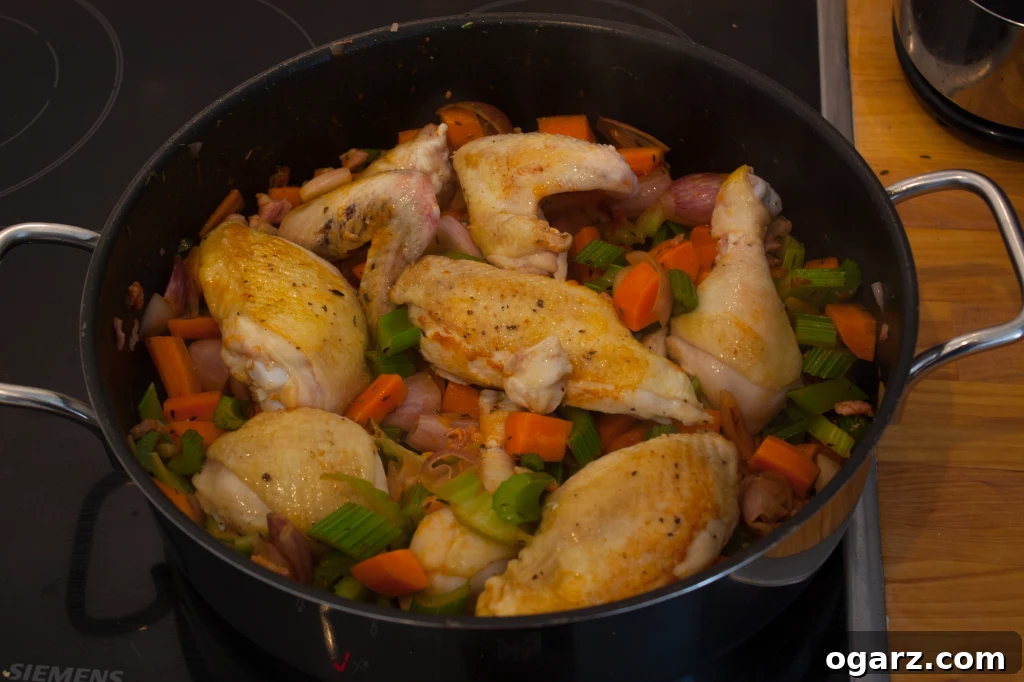
- Brown the Chicken: In a large, oven-safe roasting dish or Dutch oven, heat a tablespoon of olive oil (or a little of the rendered bacon fat) over medium-high heat. Carefully place the seasoned chicken thighs, skin-side down, in a single layer without overcrowding the pan. Cook for 5-7 minutes until the skin is deeply golden brown and crispy. Flip and brown the other side for another 3-5 minutes. Remove the browned chicken from the pan and set it aside on a plate; resist the urge to eat it all now!
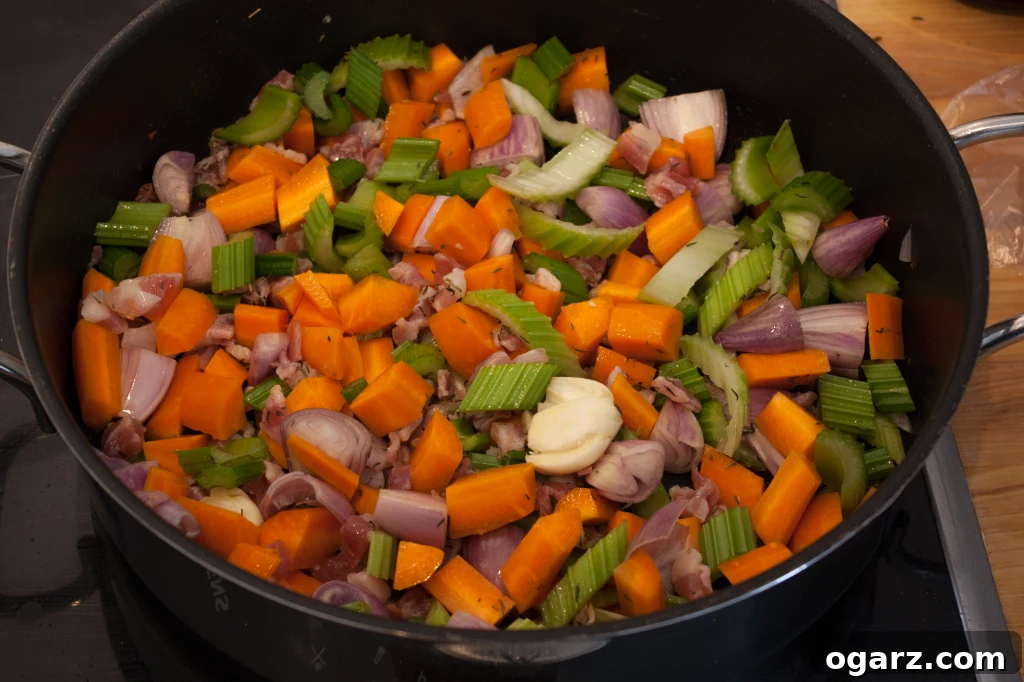
- Sauté Aromatics and Bacon: Reduce the heat to medium. Add the diced bacon to the same pan and cook until crispy. Remove the bacon with a slotted spoon and set aside, leaving the rendered fat in the pan. Add the prepared shallots, carrots, celery, and fresh thyme sprigs to the pan. Sauté for about 5-7 minutes, stirring occasionally, until the vegetables begin to soften and become slightly caramelized. Add the crushed garlic and cook for another minute until fragrant.
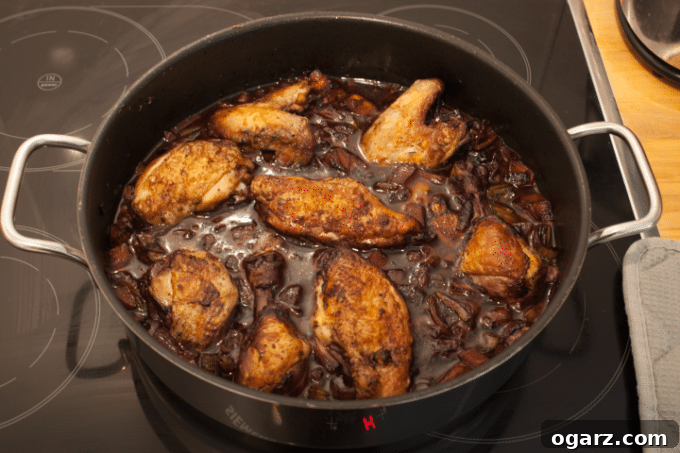
- Deglaze and Simmer: Stir in the tomato paste and cook for 1-2 minutes, allowing it to slightly darken and develop its flavor (this is called “pincer” the paste). Return the browned chicken pieces and crispy bacon to the pot, nestling them among the vegetables. Pour in the red wine. Bring the mixture to a gentle simmer, scraping up any browned bits from the bottom of the pan with a wooden spoon – these “fond” bits are packed with flavor. Season generously with salt and pepper.
- Braise in the Oven: Once simmering, cover the roasting dish tightly with a lid or aluminum foil. Transfer it to the preheated oven and braise for 40 minutes. This slow cooking allows the chicken to become incredibly tender and the flavors to meld beautifully.
- Prepare Mushrooms and Bell Pepper: While the Coq au Vin is braising, prepare your mushrooms and red bell pepper. Slice the mushrooms and chop the bell pepper into chunky pieces. In a separate skillet, heat a little olive oil over high heat. Add the mushrooms and bell pepper and sauté vigorously until they get a good sear and some color. Season with salt, pepper, and a generous sprinkle of fresh chopped parsley. The high heat ensures they brown rather than steam, adding another layer of texture and flavor.
- Final Assembly and Serving: Once the chicken is done braising, carefully remove the dish from the oven. Taste the sauce and adjust seasoning if necessary. Remove the thyme sprigs and bay leaf. Serve the tender chicken and rich braising vegetables directly from the roasting dish. Top each serving with the separately sautéed mushrooms and bell pepper, and a final flourish of fresh chopped parsley.
What to Serve with Your Magnificent Coq au Vin
Coq au Vin is a robust and hearty dish that pairs beautifully with a variety of side dishes, complementing its rich flavors and creating a truly satisfying meal. Here are some classic and creative suggestions to complete your French culinary experience:
- Potato Perfection:
- Buttered Potatoes: Simple boiled potatoes, tossed in melted butter and a touch of salt, are an elegant and classic choice, perfect for soaking up the exquisite red wine sauce.
- Creamy Mashed Potatoes: A smooth, buttery, and perhaps garlicky mashed potato provides a wonderfully soft contrast to the tender chicken and rich gravy.
- Roasted Baby Potatoes: Crispy on the outside, fluffy on the inside, roasted potatoes add a different texture and flavor dimension.
- Noodles and Grains:
- Buttery Egg Noodles: Wide, tender egg noodles are another fantastic vehicle for the sauce, offering a comforting and satisfying element.
- Easy German Spaetzle: For a delightful European twist, these small, soft egg noodles offer a unique texture that pairs surprisingly well with the French stew.
- Creamy Polenta: Soft, velvety polenta makes a luxurious and flavorful base for the Coq au Vin.
- Wild Rice Pilaf: For a lighter, nutty option, a simple wild rice pilaf can provide a pleasant contrast.
- Bread for Soaking:
- Crusty Baguette: A simple, fresh crusty baguette is absolutely essential. Its sturdy crust and soft interior are ideal for mopping up every last drop of the delicious, complex red wine sauce.
- Balancing Greenery:
- Simple Green Salad: To balance the richness of the Coq au Vin, a crisp green salad with a light vinaigrette is always a welcome accompaniment. It provides freshness and a palate cleanser. Consider mixed greens, endive, or even a frisée salad.
- Steamed Green Beans or Asparagus: Lightly steamed or blanched green vegetables add color and freshness without overpowering the main dish.
- Wine Pairings: Naturally, serve the same red wine you used in the stew alongside the meal. For a different option, a dry rosé or a light-bodied Pinot Noir could also be enjoyable.
- Decadent Desserts: Complete your French-inspired meal with a delightful dessert:
- Easy Crème Brûlée: The classic French dessert with its rich custard and caramelized sugar crust.
- Easy Chocolate Mousse: A light, airy, and intensely chocolatey finish to a hearty meal.
No matter which sides you choose, ensure they complement the deep flavors of the Coq au Vin without competing with it. Enjoy the wonderful experience of a classic French dinner!
Storage and Make-Ahead Tips for Coq au Vin
Coq au Vin is one of those wonderful dishes that often tastes even better the next day, as the flavors have more time to meld and deepen. This makes it an excellent choice for meal prepping or entertaining, as you can prepare it in advance. Here’s how to store leftovers and some tips for making it ahead of time:
Storage Instructions:
- Refrigeration: Allow any leftover Coq au Vin to cool completely to room temperature before storing. Transfer the stew into an airtight container. It will keep beautifully in the refrigerator for 2-3 days. Make sure to separate the chicken from the bones if you prefer, but it’s also fine to store it as is.
- Freezing: Coq au Vin freezes exceptionally well! Once completely cooled, transfer the stew into freezer-safe containers or heavy-duty freezer bags. Ensure there is minimal air in the container to prevent freezer burn. It can be stored in the freezer for up to 3 months. Thaw overnight in the refrigerator before reheating.
Reheating Instructions:
- Microwave: For individual servings, place the Coq au Vin in a microwave-safe dish and heat on medium power, stirring occasionally, until heated through.
- Stovetop: For larger quantities or to restore the texture, transfer the stew to a pot or Dutch oven. Reheat over medium-low heat, stirring gently, until it simmers and is thoroughly heated. If the sauce has thickened too much, you can add a splash of chicken broth or red wine to thin it to your desired consistency.
- Oven: If reheating a large batch, you can place it in an oven-safe dish, cover it with foil, and warm it in a preheated oven at 300°F (150°C) for about 20-30 minutes, or until heated through.
Make-Ahead Tips:
Preparing Coq au Vin a day in advance can significantly reduce stress on the day of serving, especially when hosting. The flavors will have more time to develop, resulting in an even richer stew.
- Full Preparation: You can cook the entire Coq au Vin recipe from start to finish a day or two before you plan to serve it. Follow all the cooking steps, then allow it to cool completely before refrigerating.
- Day of Serving: On the day you want to serve, simply reheat the stew gently on the stovetop or in the oven until piping hot. While reheating, you can prepare the separately sautéed mushrooms and bell peppers fresh for the best texture, adding them just before serving. This ensures maximum flavor and freshness for these components.
- Browning Chicken and Bacon: If you’re really short on time, you can brown the chicken and bacon, and even sauté the initial aromatics, a day ahead. Store these components separately in the refrigerator. On serving day, simply combine them, deglaze with wine, and continue with the braising process.
With these storage and make-ahead options, you can enjoy the incredible flavors of Coq au Vin with ease, whether for a quick family dinner or a grand celebration.
Expert Tips for Coq au Vin Success
Achieving a truly outstanding Coq au Vin is a delightful experience, and a few expert tips can elevate your dish from good to unforgettable. Pay attention to these details to ensure your French chicken stew is packed with flavor and perfectly executed:
- Pat the Chicken Dry: This cannot be stressed enough. Before browning, ensure your chicken thighs are thoroughly dry. Excess moisture will steam the chicken rather than sear it, preventing that crucial golden-brown crust which is essential for deep flavor development.
- Don’t Crowd the Pan: When browning the chicken, cook it in batches if necessary. Overcrowding the pan lowers the temperature, leading to steaming instead of searing. Give each piece enough space to achieve a beautiful, dark crust.
- Scrape the Fond: After browning the chicken and sautéing the vegetables, your pan will have delicious browned bits stuck to the bottom (this is called “fond”). When you add the red wine, use a wooden spoon to vigorously scrape these bits up. This fond is pure flavor gold and will enrich your sauce immensely.
- Choose the Right Wine: As mentioned in the ingredient notes, use a dry red wine that you would enjoy drinking. Avoid “cooking wine” as it often contains salt and other additives that can negatively impact the flavor. The wine’s flavor concentrates during cooking, so a good quality wine makes a noticeable difference.
- Low and Slow Braising: Coq au Vin is a braised dish, meaning it benefits from slow, gentle cooking. High heat can make the chicken tough and cause the sauce to reduce too quickly or burn. The oven provides a consistent, all-around heat that is perfect for tenderizing the chicken and developing a rich sauce.
- Taste and Adjust Seasoning: Always taste your sauce before serving. The flavors will develop and concentrate during cooking. You may need to add more salt or pepper to achieve perfect balance. A pinch of sugar can sometimes help balance the acidity of the wine if it tastes too tart.
- Sauté Mushrooms Separately: While some recipes add mushrooms directly to the braise, sautéing them in a separate hot pan ensures they brown beautifully and retain a pleasant texture. Adding them directly to the stew can make them soggy and less appealing.
- Rest the Dish: Like many stews, Coq au Vin benefits from resting for 10-15 minutes after it comes out of the oven. This allows the juices in the chicken to redistribute, making it even more tender, and the flavors in the sauce to settle.
- Fresh Herbs for Garnish: A final sprinkle of fresh parsley (or chives, or even a tiny bit of fresh thyme) right before serving adds a vibrant color and a burst of fresh flavor that brightens the entire dish.
By following these tips, you’ll be well on your way to mastering Coq au Vin and impressing everyone at your table with this truly timeless French classic!
More Dinner Recipes You’ll Love
Main Dishes
Pork Medallions with Blue Cheese Sauce
Air Fryer
Air Fryer Meatballs
Main Dishes
Baked Chicken Legs with Potatoes
Main Dishes
Taco Lasagna
Easy Coq au Vin Recipe
Julia Foerster
20 minutes
45 minutes
1 hour 5 minutes
4
Ingredients
- 6 chicken thighs, bone-in, skin-on
- 5 shallots, quartered
- 3 cloves garlic, skin removed and crushed
- 2 slices bacon, diced
- 2 tsp fresh thyme
- 2 carrots, peeled and chopped
- 2 celery stalks, chopped
- 2 tbsp tomato paste
- 3 cups red wine
- 3 cups sliced white mushrooms
- 1 red bell pepper, chopped
- 1 tbsp fresh parsley, chopped
- Olive oil
- Salt and Pepper, to taste
Instructions
- Season the chicken thighs generously with salt and pepper. Preheat the oven to 400°F (200°C).
- In a large, oven-safe roasting dish or Dutch oven, heat a tablespoon of olive oil over medium-high heat. Fry the chicken, skin-side down, until deeply brown and crispy on all sides (about 5-7 minutes per side). Remove chicken from the pan and set aside.
- Add the diced bacon to the same pan and cook until crispy. Remove bacon and set aside, leaving rendered fat. Add the carrots, celery, quartered shallots, and fresh thyme to the pan. Sauté for 5-7 minutes until vegetables begin to soften. Add crushed garlic and cook for 1 minute until fragrant.
- Stir in the tomato paste and cook for 1-2 minutes. Return the browned chicken and crispy bacon to the pan. Pour in the red wine, scraping any browned bits from the bottom of the pan. Bring to a gentle simmer. Season with salt and pepper to taste.
- Cover the dish and transfer to the preheated oven. Braise for 40 minutes, or until chicken is tender and cooked through.
- Meanwhile, in a separate hot skillet, cook the sliced mushrooms and chopped red bell pepper in some olive oil until they are nicely browned and tender. Season with parsley, salt, and pepper.
- Once the chicken is ready, remove the dish from the oven. Serve the chicken and braised vegetables directly from the roasting dish, topped with the sautéed mushrooms and bell pepper. Garnish with additional fresh parsley if desired.
Nutrition Facts (Approximate per serving)
Calories: 642kcal |
Carbohydrates: 20g |
Protein: 33g |
Fat: 33g |
Saturated Fat: 9g |
Cholesterol: 173mg |
Sodium: 306mg |
Potassium: 1182mg |
Fiber: 4g |
Sugar: 9g |
Vitamin A: 6413IU |
Vitamin C: 49mg |
Calcium: 61mg |
Iron: 3mg