
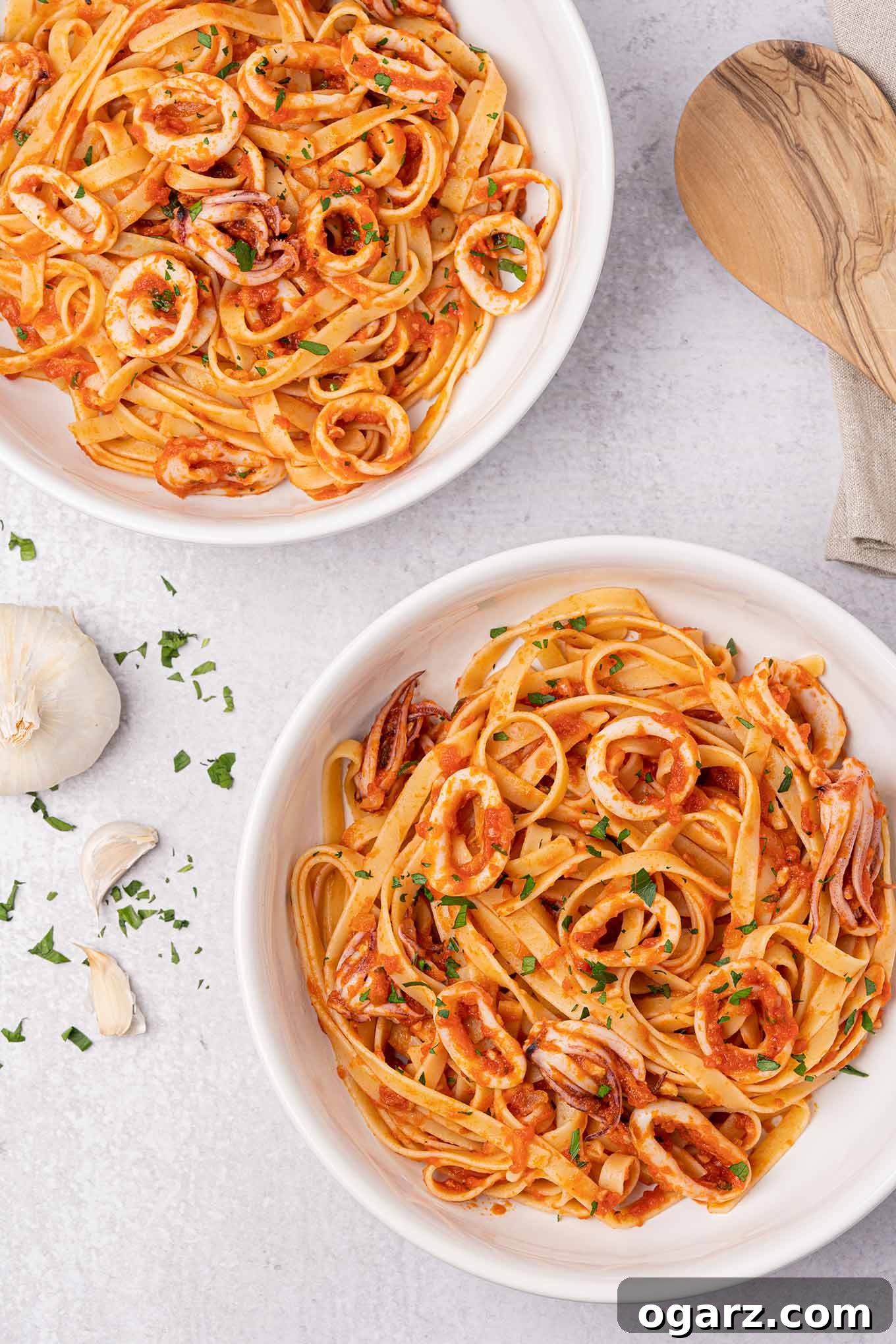

Dive into the exquisite flavors of the Mediterranean with this remarkably simple yet elegant calamari pasta recipe. Marrying tender, succulent squid with a vibrant, rich marinara sauce and al dente linguine, this dish is a testament to the beauty of Italian seafood cuisine. It’s an ideal choice for a sophisticated dinner party, a romantic evening, or a satisfying weeknight meal when you crave something special without the fuss.
The secret to truly sensational calamari pasta lies in the preparation of the squid itself. Many shy away from cooking calamari, fearing a rubbery texture, but our detailed, step-by-step instructions ensure you achieve tender perfection every time. We’ll guide you through the process, making it easy for even novice cooks to master this delightful Italian classic.
Beyond its incredible taste, cooking with squid offers numerous advantages. It’s an incredibly economical seafood option, making gourmet dining accessible. Nutritionally, squid is a powerhouse: low in calories and fat, yet remarkably high in protein and beneficial Omega-3 fatty acids, contributing to a healthy lifestyle. For convenience, we often use pre-cleaned frozen calamari, usually harvested from the pristine waters of the North Atlantic. Keeping a few packages on hand in your freezer means a delicious, healthy meal is always within reach.
Why This Calamari Pasta Recipe Is a Must-Try
This Calamari Pasta with Marinara is more than just a meal; it’s an experience. Here’s why it deserves a spot in your regular rotation:
- Effortlessly Elegant: Despite its impressive appearance and taste, this dish is surprisingly straightforward to prepare, proving that gourmet doesn’t have to mean complicated.
- Speedy Preparation: With a total time of just 40 minutes, including both prep and cook time, it’s faster than most takeout options and guarantees a fresh, homemade meal.
- Nutrient-Rich: Calamari is a lean source of protein, packed with essential vitamins and minerals, and boasts high levels of heart-healthy Omega-3s.
- Economical Seafood: Unlike other seafood, squid is budget-friendly, allowing you to enjoy a luxurious meal without breaking the bank.
- Customizable: While perfect as is, this recipe serves as a fantastic base for incorporating other seafood or seasonal vegetables.
Prepare to impress yourself and your loved ones with a dish that truly embodies the spirit of Italian home cooking.
Key Ingredients for Authentic Calamari Pasta
Crafting an exceptional calamari pasta begins with selecting the right ingredients. Here’s an in-depth look at what you’ll need and why each component is crucial. The full list with precise quantities can be found in the printable recipe card below.
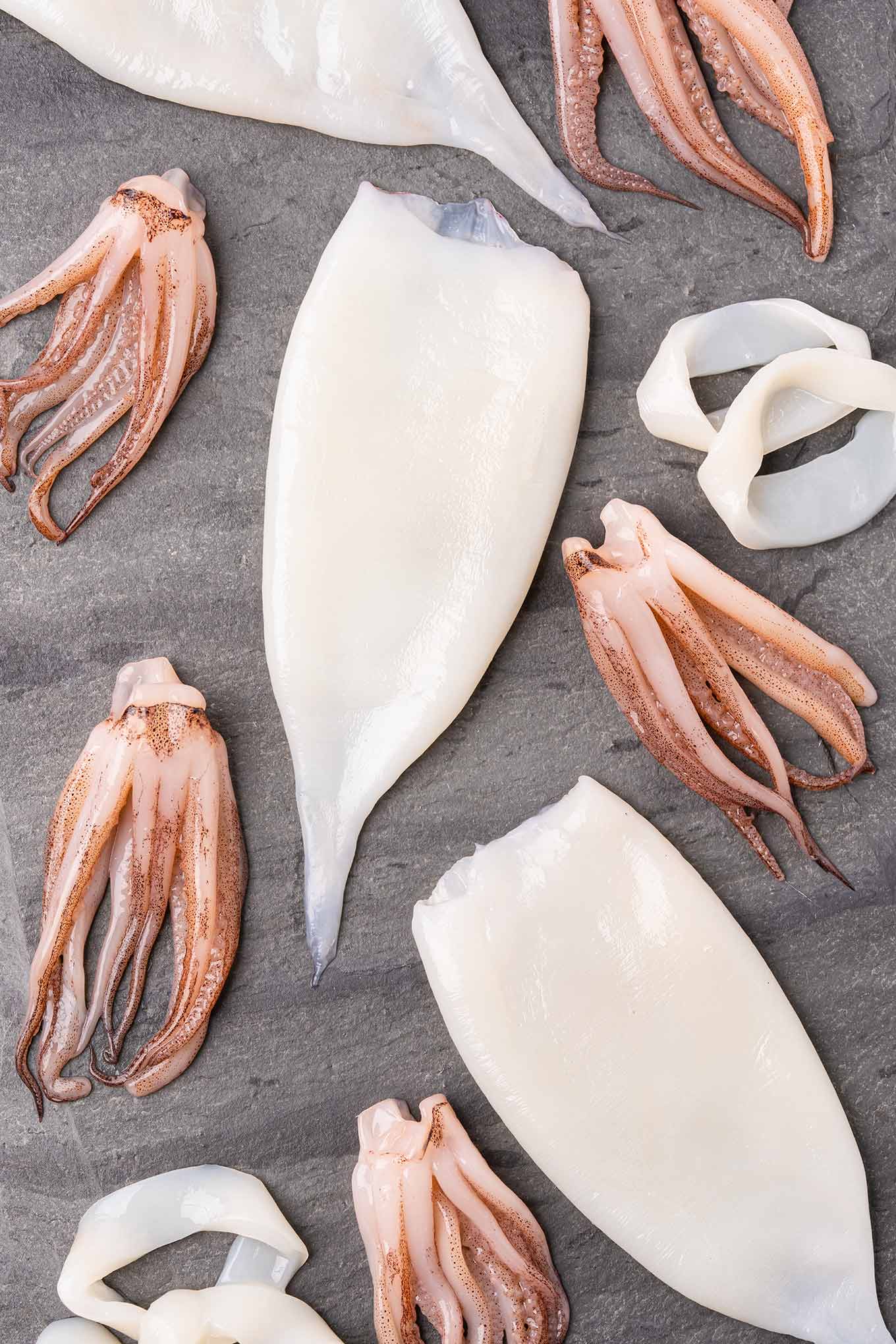
- CALAMARI (SQUID): The star of our dish. Depending on your location and availability, you can purchase squid either fresh or frozen, and either pre-cleaned or whole.
- Fresh Squid: If opting for fresh, look for squid that has a mild, briny aroma, indicative of its freshness. The flesh should appear firm and glossy, not dull or discolored.
- Frozen Squid: Frozen squid is an excellent and often more convenient alternative, as the freezing process typically doesn’t compromise its delicate flavor or texture when handled correctly. Most frozen squid is sold pre-cleaned, saving you a significant amount of preparation time. Always defrost frozen squid slowly overnight in the refrigerator. Before cooking, give it a quick rinse under cool running water and pat it thoroughly dry.
- TOMATOES: The foundation of our flavorful marinara sauce. The quality of your canned tomatoes will significantly impact the final taste of the dish.
- San Marzano Tomatoes: We highly recommend using a high-quality brand of San Marzano tomatoes. These prized Italian tomatoes are celebrated for their fewer seeds, thicker flesh, and naturally sweeter, less acidic profile compared to other varieties. They create a sauce that is perfectly balanced and rich in flavor.
- Authenticity Check: Be discerning when purchasing San Marzano tomatoes, as some brands may use the name loosely. Look for labels that explicitly state “Product of Italy” and bear the “D.O.P.” (Denominazione di Origine Protetta) certification, which guarantees their authenticity and origin. Reputable brands like Cento, Delallo, and Alessi are widely available and consistently produce excellent sauce bases. If San Marzano are unavailable, good quality crushed or diced tomatoes can be used as a substitute.
- PASTA: The canvas for our delicious sauce and tender calamari. The choice of pasta can greatly influence the overall dining experience.
- Linguine: We favor a long, flat pasta like linguine for this calamari dish. Its slightly wider, flatter surface is perfect for capturing and holding onto the rich marinara sauce, ensuring every bite is bursting with flavor. The weight and texture of linguine also complement the tender chewiness of the calamari beautifully, creating a harmonious mouthfeel.
- Other Options: Excellent alternatives include spaghetti, fettuccine, or even bucatini, all of which will deliver a delightful experience. Ensure you cook the pasta al dente for the best texture.
- OLIVE OIL, GARLIC & RED PEPPER FLAKES: These aromatic ingredients form the flavor base of our marinara. Use good quality extra virgin olive oil. Freshly minced garlic is non-negotiable for its pungent aroma. Crushed red pepper flakes add a gentle warmth, adjustable to your preferred spice level.
- DRIED OREGANO: A classic Italian herb that brings an earthy, slightly peppery note, enhancing the tomato sauce without overpowering the delicate seafood.
- FRESH PARSLEY: Added at the very end, fresh chopped parsley brightens the dish with its herbaceous, clean flavor, and vibrant color.
- SALT & FRESHLY GROUND BLACK PEPPER: Essential for seasoning, bringing all the flavors into balance. Taste and adjust as you go.
Prep & Cook Overview
How to Make Tender Calamari Pasta with Marinara: A Step-by-Step Guide
Embarking on this culinary journey? Here’s a quick overview of the key steps involved in creating this delightful dish. Detailed, printable instructions are available in the recipe card below.
1. Prepare Your Workspace and Pasta Water
Start by bringing a large pot of generously salted water to a rolling boil. This is crucial for cooking your linguine perfectly al dente. Ensure you use enough water to allow the pasta to move freely, preventing sticking.
2. Expertly Prepare the Squid
Achieving tender calamari begins with proper preparation. Rinse the squid bodies (tubes) thoroughly, both inside and out, under cool running water. Do the same for the tentacles, inspecting for any grit. Gently pat them dry with paper towels and arrange them on a clean cutting board.
Slice the squid bodies crosswise into neat 1/4-inch thick rings. If the tentacles are particularly large, you might want to cut them in half through the ring that joins them at the top. This ensures even cooking and easier eating. Once sliced, transfer the rings and tentacles to a bowl, cover it, and refrigerate while you prepare the sauce. This keeps them chilled and ready for their brief cooking time.
3. Craft the Perfect Marinara Sauce
Heat the extra virgin olive oil in a large sauté pan or Dutch oven over medium heat. Add the minced garlic and crushed red pepper flakes. Sauté gently for about 2 minutes, stirring constantly, until the garlic is wonderfully fragrant and barely golden. Be careful not to let it brown, as burnt garlic can turn bitter.
Next, using your hands (or a potato masher if you prefer), crush the canned plum tomatoes directly into the pan along with their juices. Stir in the dried oregano. Use a spatula to break up any remaining large tomato pieces. Bring the sauce to a gentle simmer for about 5 minutes, allowing the initial flavors to meld. Season generously with salt and freshly ground black pepper to taste. Reduce the heat to low and continue to simmer the sauce gently for at least 20 minutes, or longer if you have time, stirring occasionally. This slow simmer deepens the flavors, creating a rich and robust marinara. Taste again before proceeding and adjust seasonings as needed.
4. Cook the Linguine to Al Dente Perfection
While your exquisite marinara sauce is simmering, cook the linguine according to the package directions. Aim for an al dente texture – firm to the bite, yet cooked through. Overcooked pasta can become mushy and compromise the dish. Once cooked, drain the pasta, reserving a small amount of pasta water (about half a cup) in case you need to loosen the sauce later.
5. The Final Assembly: Combining Flavors
This is the critical step for tender calamari. Increase the heat of your marinara sauce back to a gentle simmer. Add the prepared calamari rings and tentacles, along with the fresh chopped parsley, to the simmering sauce. Stir well to combine. Cook the calamari for a very short time, typically just 2 to 3 minutes, or until the squid turns opaque. It’s paramount not to overcook the calamari at this stage; overcooking is the primary cause of a rubbery texture.
Once the calamari is perfectly opaque and tender, add the drained linguine directly to the sauce. Using tongs, toss everything together vigorously until the pasta is thoroughly coated with the marinara and calamari. If the sauce seems too thick, add a tablespoon or two of the reserved pasta water to achieve the desired consistency. Plate individual servings immediately, perhaps with an extra sprinkle of fresh parsley.
The Secret to Perfectly Tender Calamari: Avoid the Rubber Band Effect
Calamari sometimes gets an unfair reputation for being chewy or rubbery, but this is almost always a result of incorrect cooking methods, not the ingredient itself. With the right technique, you can consistently achieve beautifully tender squid that practically melts in your mouth. The solution is surprisingly simple, yet crucial:
Calamari must be cooked either for a very short duration or for a very long duration. There’s no in-between if you want that perfect texture.
- The Short Cook Method (3-5 minutes): This is the method we employ for our calamari pasta recipe. For this dish, we prioritize a fresh, delicate flavor and a tender, almost crisp-tender texture. By adding the calamari to a simmering sauce for just 2 to 3 minutes, it cooks quickly until opaque and remains incredibly tender. The muscle fibers in the squid tighten up rapidly, but if removed from the heat before they seize too much, they stay soft.
- The Long Braise Method (30 minutes or longer): If calamari is cooked past the initial short window, it becomes tough and rubbery. However, if you continue to cook it for an extended period, typically 30 minutes to an hour (or even more, depending on the size), the muscle fibers eventually break down again, resulting in a very tender, stew-like consistency. While delicious in its own right, a long braise in tomato sauce would yield a slightly different flavor profile and texture, more akin to a rich, slow-cooked ragu, rather than the light and fresh feel we aim for in this pasta dish.
For this specific recipe, maintaining that short cooking time is paramount to showcasing the calamari’s natural tenderness and fresh, oceanic flavor. Trust the timing, and you’ll be rewarded with truly exquisite results.
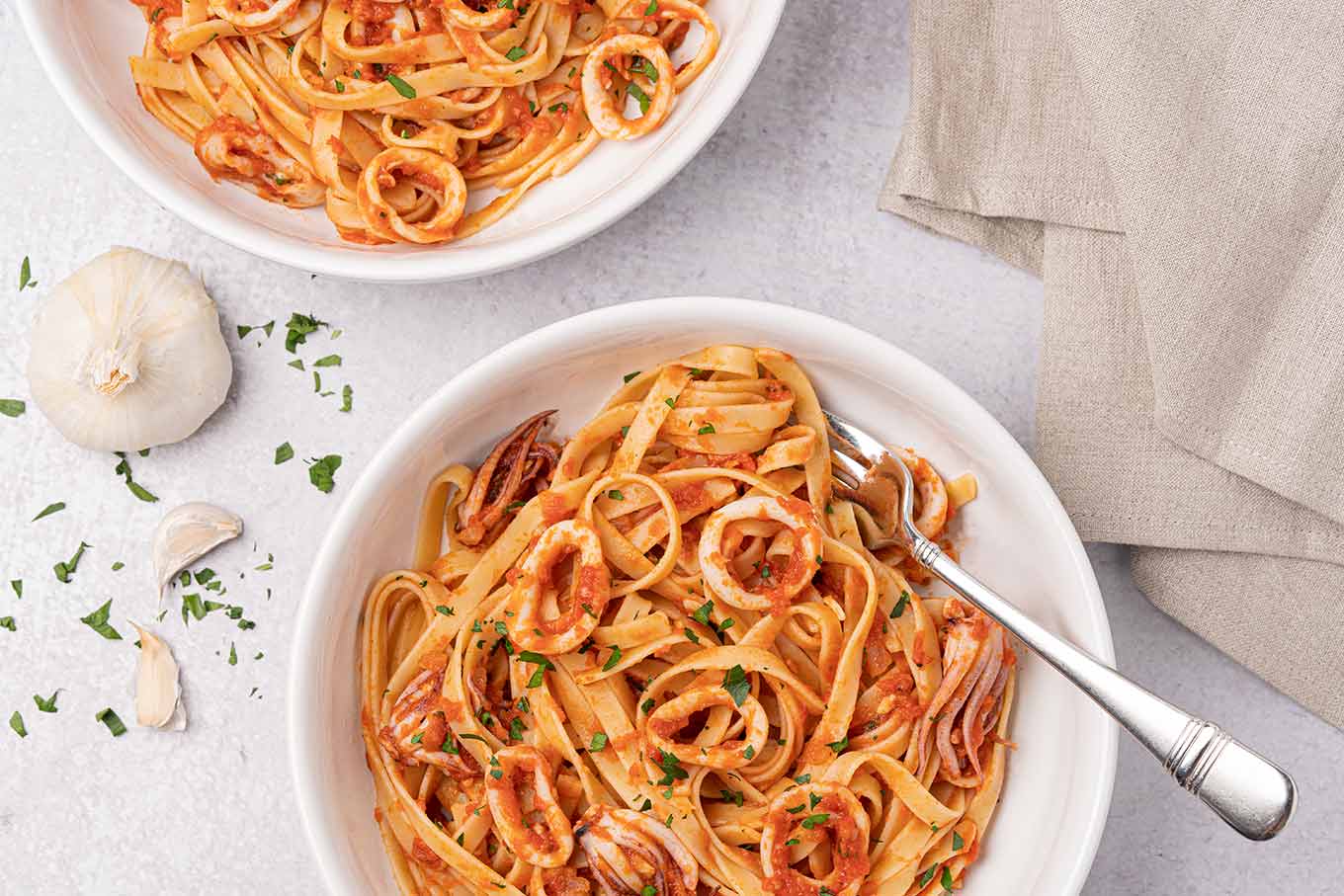
What to Serve with Calamari Pasta: Complementary Pairings
This flavorful calamari pasta is a complete meal on its own, but pairing it with complementary dishes can elevate your dining experience. Here are some suggestions for both a simple weeknight dinner and a grand Italian feast:
For a Casual Weeknight Meal:
- Simple Green Salad: A fresh, crisp green salad with a light vinaigrette is the perfect counterpoint to the rich pasta. Its acidity cuts through the richness and refreshes the palate.
- Crusty Bread: A warm, crusty loaf of Italian bread or focaccia is essential for soaking up every last drop of that delicious marinara sauce.
- Roasted Asparagus or Broccoli: Lightly roasted or steamed vegetables offer a healthy and flavorful side without overpowering the main dish.
For a Special Occasion or Multi-Course Italian Dinner:
If you’re looking to integrate this calamari pasta into a more elaborate Italian dinner, perhaps as the pasta course in a celebration like the Feast of the Seven Fishes, consider these traditional pairings:
- Clams Casino: A classic appetizer featuring baked clams with breadcrumbs and bacon.
- Scungilli Salad: A refreshing salad with conch, celery, and a zesty dressing.
- Seared Sea Scallops with Roasted Tomatoes: Delicate, perfectly seared scallops offer a sweet contrast.
- Steamed Mussels Italian Style: Mussels steamed in white wine, garlic, and herbs.
- Baked Stuffed Shrimp: Plump shrimp filled with a savory breadcrumb stuffing.
- Baked Cod: A light and flaky baked fish dish.
Wine Pairings:
For a perfect wine pairing, opt for a crisp, dry white wine that complements seafood without overwhelming it. Excellent choices include a Vermentino, Sauvignon Blanc, Pinot Grigio, or a light-bodied Chardonnay (unoaked). These wines offer acidity and subtle fruit notes that beautifully enhance the flavors of the calamari and tomato sauce.
Calamari Pasta with Marinara
Lynne Webb
10
30
40
4 servings
Print Recipe
Ingredients
- 1 lb calamari (squid), cleaned (see notes)
- 1/4 cup extra virgin olive oil
- 5 cloves garlic, minced
- 1/4 teaspoon crushed red pepper flakes, (more to taste)
- 28 ounces canned, Italian plum tomatoes, undrained
- 1 teaspoon dried oregano
- Salt and freshly ground black pepper
- 12 ounces linguine
- 2 tablespoons chopped fresh parsley
Instructions
-
Bring a large pot of salted water to a rapid boil for the linguine.
-
Thoroughly rinse the squid bodies (tubes) inside and out under cool running water. Repeat with the tentacles, then place them on a cutting board.
-
Slice the squid bodies crosswise into 1/4-inch thick rings. If the tentacles are large, cut them in half. Pat all squid pieces dry with paper towels, transfer to a plate, and refrigerate until you are ready to cook.
-
In a sauté pan, heat the olive oil over medium heat. Add the minced garlic and crushed red pepper flakes. Sauté for about 2 minutes, stirring, until the garlic is fragrant and light golden. Do not allow it to brown.
-
Using your hands, crush the canned plum tomatoes and add them (along with their juices) to the pan. Stir in the dried oregano. Use a spatula to break up any large tomato pieces, then simmer for 5 minutes. Season with salt and pepper to taste.
-
Reduce the heat to low and allow the sauce to simmer gently for an additional 20 minutes, stirring occasionally, to deepen the flavors. Taste and adjust the seasoning as needed.
-
While the sauce is simmering, cook the linguine in the boiling salted water according to package directions until it is al dente. Drain well and set aside.
-
Increase the marinara sauce heat back to a gentle simmer. Add the chilled calamari and fresh chopped parsley to the sauce. Cook for just 2 to 3 minutes, or until the calamari pieces turn opaque. It is crucial not to overcook; calamari should be tender, not rubbery.
-
Add the cooked linguine directly to the sauce with the calamari. Toss thoroughly with tongs until the pasta is evenly coated. Serve immediately in individual portions.
Notes
How to Clean Squid (if using whole, uncleaned squid)
Squid is available fresh or frozen, and either whole or pre-cleaned. Most frozen squid comes pre-cleaned, requiring only defrosting overnight in the refrigerator before use. If you’ve purchased whole, uncleaned squid, follow these steps for proper cleaning:
- Separate the tentacles from the main body. Grip the tentacles firmly and pull gently but steadily to remove them and the entrails from the body. Discard the entrails and the clear, plastic-like quill found inside the body tube.
- Carefully peel away the thin, purplish membrane that covers the outside of the squid body. Use a sharp knife or kitchen shears to trim off the triangular fins on either side of the body.
- Using kitchen shears, cut off the tentacles just past the eyes, leaving only the edible tentacle clusters. Then, gently squeeze the top of the tentacles where they meet to pop out the hard, round beak, which should also be discarded.
- Proceed with the final cleaning steps as directed in the main recipe, such as rinsing and slicing.
Make Ahead Tips for Convenience
- Calamari Preparation: Cleaned squid can be prepared one day in advance. Store it tightly covered in the coldest part of your refrigerator. Remember to drain any excess liquid and pat it dry just before cooking.
- Marinara Sauce: The marinara sauce is excellent for make-ahead convenience. It can be prepared a day or two in advance. Store it in an airtight container in the refrigerator. When ready to use, gently reheat the sauce to a simmer before adding the raw squid and fresh parsley as per the recipe instructions. This allows the flavors to deepen even further.
Storage and Reheating
Leftover calamari pasta can be stored in an airtight container in the refrigerator for up to 2 days. To reheat, gently warm in a skillet over medium-low heat, adding a splash of water or chicken broth if needed to loosen the sauce. Be careful not to overheat, as this can cause the calamari to become tough.
Nutrition
Calories: 581
,
Total Fat: 17g
,
Cholesterol: 264mg
,
Sodium: 343mg
,
Carbohydrates: 77g
,
Fiber: 5g
,
Sugar: 7g
,
Protein: 31g
Nutrition information is automatically calculated and should be used as an approximation only.
Enjoyed this recipe? Share your thoughts below!