
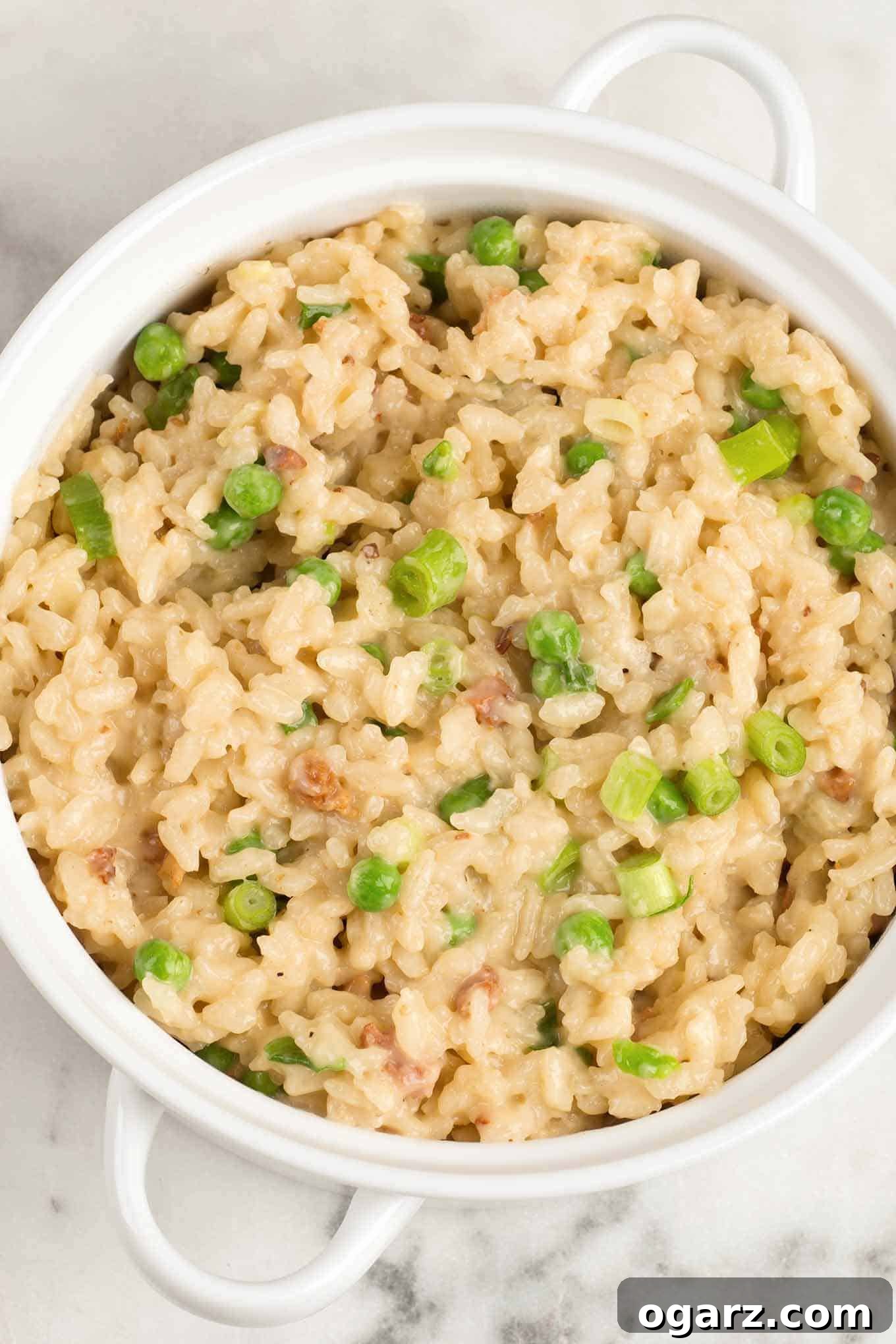
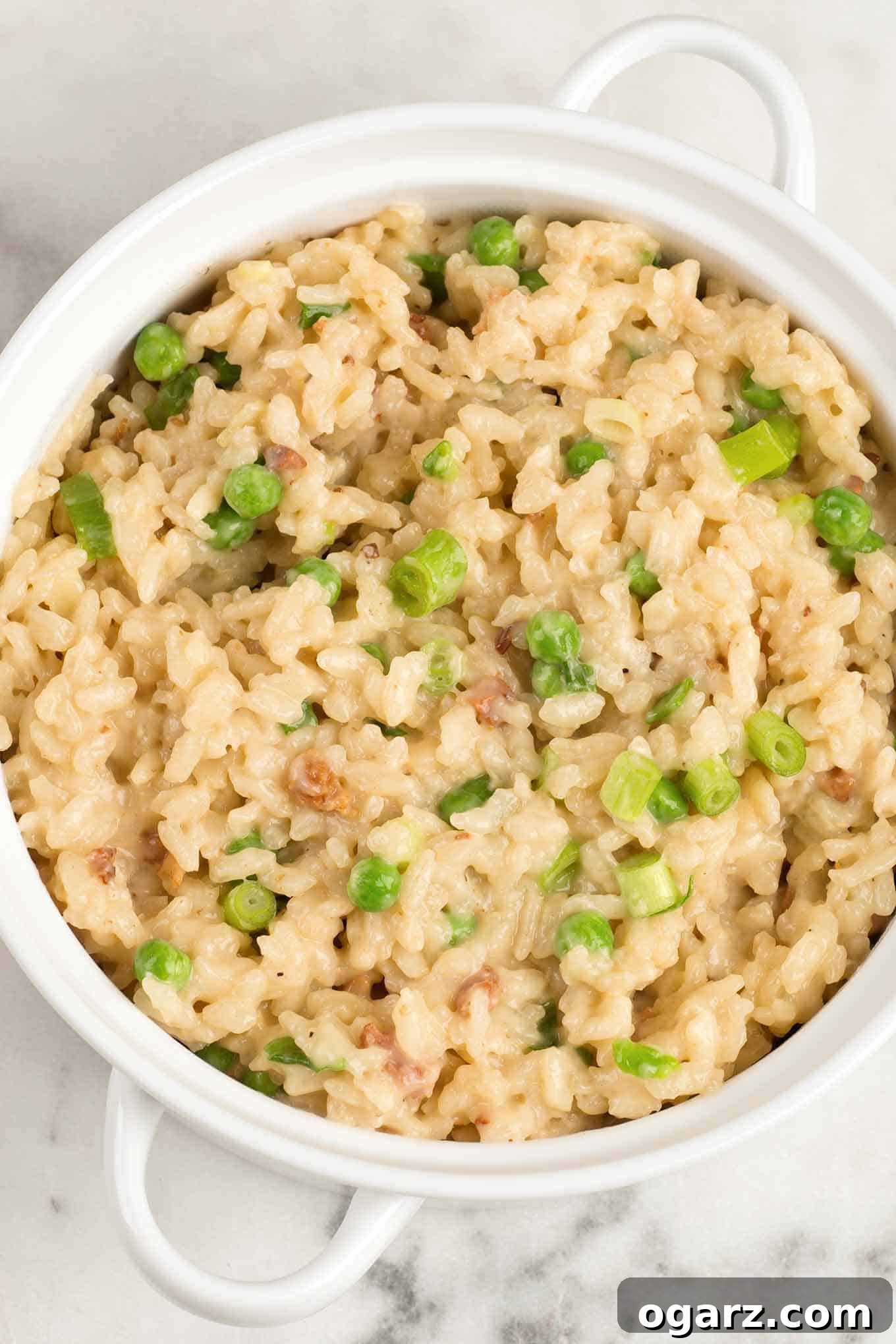
Embark on a culinary journey to the heart of Italy with risotto, a dish that transcends mere comfort food. Far from ordinary, this exquisite rice preparation is a testament to the art of slow cooking, offering a luxurious experience that is both light and profoundly satisfying. Risotto’s unique charm lies in its adaptability; it serves as a versatile canvas for an endless array of flavors, from seasonal vegetables and aromatic herbs to savory meats and fresh seafood. While it might appear complex, mastering the technique for a perfectly creamy, al dente risotto is surprisingly straightforward once you grasp its fundamental principles.
The true magic of risotto, and what sets it apart from other rice dishes, is its fascinating interplay of textures. Unlike conventional rice varieties that cook to a uniformly soft consistency, risotto delivers an irresistible duality: a rich, velvety sauce enveloping grains that retain a delightful, firm bite. This captivating contrast is the hallmark of an authentically prepared Italian risotto, making it a beloved staple in homes and trattorias alike.
The Secret Behind Risotto: Arborio Rice
At the core of every exceptional risotto is Arborio rice, a specific Italian short-grain variety cultivated for this very purpose. Arborio is truly unique among rice types due to its distinctive starch composition. Each plump grain boasts a hard, starchy core encased within a softer, outer layer of starch. As the rice simmers and is gradually stirred with hot broth, this soft outer shell meticulously breaks down. This release of starch into the cooking liquid is precisely what creates the signature creamy, luscious sauce that defines risotto. Simultaneously, the resilient hard core remains intact, ensuring that each grain maintains its characteristic “al dente” texture – firm to the bite, yet yielding.
This careful balance of creamy exterior and firm interior is not merely a preference; it’s the defining characteristic that elevates risotto to a culinary art form. Without Arborio rice, or its equally suitable counterparts like Carnaroli or Vialone Nano, achieving this delicate textural harmony would be impossible. These Italian rice varieties absorb liquids efficiently while releasing their starches gradually, creating a natural thickening agent that coats every grain in a rich, flavorful embrace. Understanding the role of Arborio rice is the first step towards unlocking the secrets of a truly magnificent risotto.
The Essential Building Blocks of Any Risotto
While risotto offers endless possibilities for customization, every truly great recipe is constructed upon four fundamental pillars. Mastering these core components ensures a delicious and authentic result, regardless of your chosen flavors.
- Brodo (Broth): The Soul of the Dish
The broth is arguably the most critical ingredient in risotto, infusing the rice with depth and character. Since Arborio rice naturally generates its own sauce, the quality and flavor of your broth are paramount. Whether you opt for a savory chicken, a robust vegetable, a delicate seafood, or a rich beef broth, it must be of excellent quality. Homemade broth will always yield superior results, but a good low-sodium store-bought variety can also work. Crucially, the broth must be kept hot – at a gentle simmer – throughout the entire cooking process. Adding cold broth would shock the rice, hindering the proper release of starch and preventing the desired creamy texture. It should be added in small, controlled increments, allowing the rice to absorb each addition before introducing the next, a process vital for developing the risotto’s characteristic creaminess and even cooking. - Soffritto (Sautéed Aromatics): The Flavor Foundation
The soffritto is the aromatic base upon which all great Italian dishes, including risotto, are built. This involves gently sautéing a mix of finely diced aromatics in a generous amount of olive oil or butter until they are soft, translucent, and fragrant. The classic soffritto typically includes finely chopped onion (or shallots, as in our Primavera recipe), often accompanied by celery and carrots. Minced garlic is usually added towards the end of the sautéing process to prevent it from burning and turning bitter. This step is crucial as it creates the initial layer of complex flavors that will permeate the entire dish, setting the stage for the rice and subsequent additions. - Riso (Rice): The Heart of Risotto
As previously discussed, Italian Arborio rice is the quintessential choice for authentic risotto. Its unique starch properties are what make the creamy texture possible. While other short-grain rice varieties exist, none quite replicate the precise balance of starch release and al dente chew that Arborio provides. For the most discerning palate, Carnaroli rice is another excellent option, often favored by chefs for its higher starch content and ability to retain an even firmer bite. Vialone Nano is also a great choice, known for its smaller grain and quick cooking time. Sticking to these specialized varieties is key to achieving true risotto perfection. - Condimenti (Seasonings & Add-ins): The Creative Expression
This is where your culinary creativity truly shines! Condimenti refer to the diverse array of ingredients you incorporate towards the end of the cooking process, transforming the basic risotto into a specific, flavorful creation. There are no strict rules here; this stage invites experimentation. You can add a medley of seasonal vegetables like asparagus, mushrooms, pumpkin, or peas (as in our Primavera). Fresh herbs such as parsley, basil, thyme, or rosemary can elevate the aroma. For heartier options, consider diced pancetta, sausage, chicken, or various types of seafood like shrimp or scallops. And, of course, no Italian risotto is complete without the generous addition of your favorite hard cheese, typically freshly grated Parmigiano-Reggiano, or sometimes Pecorino Romano for a sharper taste. These final additions are gently folded in, allowed to warm through, and contribute the vibrant flavors and colors that define your risotto.
Mastering the Art: How to Cook Risotto Perfectly
Cooking risotto is more of a rhythmic dance than a rigid formula, requiring attention and patience. Follow these steps for a consistently delicious and creamy result:
- Prepare Your Broth: Begin by pouring your chosen broth into a small saucepan. Bring it to a gentle simmer over medium heat and maintain this warmth throughout the entire cooking process. Keeping the broth hot is non-negotiable for smooth starch release and consistent cooking.
- Sauté the Aromatics: In a separate, larger, heavy-bottomed saucepan or Dutch oven, heat 1-2 tablespoons of olive oil or butter over medium heat. Add your finely diced aromatics (onions, shallots, celery, carrots) and sauté gently until they are soft, translucent, and fragrant, typically 3-5 minutes. If adding garlic, introduce it in the last minute to prevent burning.
- Toast the Rice (Tostatura): Add the Arborio rice to the saucepan with the aromatics. Stir continuously for 1 to 2 minutes, ensuring every grain is thoroughly coated with the oil or butter. This crucial step, known as “tostatura,” lightly toasts the rice, sealing its exterior and helping it maintain its structure while absorbing liquid. You should hear a faint sizzling sound, and the edges of the grains might become translucent, but they should not brown.
- Deglaze with Wine: Pour in a splash of dry white wine (about 1/3 to 1/2 cup). Stir constantly until the wine is fully absorbed and its alcoholic aroma has evaporated. This step deglazes the pan, adding a layer of acidity and complexity to the flavor profile. If you prefer not to use wine, an equal amount of hot broth can be used.
- The Gradual Broth Addition: This is the core of risotto cooking. Add approximately 1/2 cup of the hot broth to the rice. Stir gently but constantly, allowing the rice to absorb the liquid. As the broth is absorbed and the mixture thickens, add another 1/2 cup. Continue this ladle-by-ladle process, waiting for each addition to be nearly absorbed before adding more. The constant stirring helps to gently abrade the rice grains, encouraging them to release their starches and create that signature creamy texture.
- Checking for Absorption (Pro Tip): It can be tricky to tell when enough broth has been absorbed, especially as the risotto gets creamier. A reliable trick is to drag a wooden spoon across the bottom of the pan to create a path. If you can see the bottom of the pan for a second or two before the liquid fills it back in, the broth has been sufficiently absorbed, and you’re ready for the next addition. If the path fills in immediately, the rice needs a little more time.
- Seasoning: Season the risotto to taste with salt and freshly ground black pepper two or three times throughout the cooking process. This allows the flavors to build gradually and ensures a well-seasoned final dish. Remember that broth can be salty, so season carefully.
- Achieving Al Dente Perfection: The total cooking time for most Arborio rice varieties ranges from 18 to 25 minutes. However, start tasting the rice around the 15-minute mark. You are looking for an “al dente” texture – the grains should be firm to the bite but not hard or chalky. They should be tender on the outside with a slight resistance in the center. Stop adding broth when you are happy with the texture, even if you have broth remaining. Unlike other types of rice, Arborio will always retain this pleasing firmness.
- Mantecaura (Creaming & Finishing): Once the rice reaches your desired al dente texture, remove the pan from the heat. This is the stage for “mantecaura,” which means “beating with butter.” Stir in a tablespoon or two of cold butter and a generous handful of freshly grated Parmigiano-Reggiano cheese. Add your desired flavorings (condimenti) – vegetables, herbs, meats, or seafood – and cook for just 1 more minute to heat them through. The butter and cheese emulsify with the rice starch, creating an incredibly rich, glossy, and extra-creamy finish.
- Serve Immediately: Risotto is a dish that waits for no one. It is best served piping hot and immediately after it’s finished. Garnish with additional grated cheese and a sprinkle of fresh herbs if desired. Enjoy the exquisite balance of creaminess and texture.
Recipe: Risotto Primavera – A Taste of Spring
This delightful Risotto Primavera is a celebration of spring flavors, combining the richness of pancetta with the sweetness of peas and the delicate bite of scallions. It’s a vibrant, comforting dish that brings the freshness of the season to your table.
Risotto Primavera
By Lynne Webb
This delicious, spring-inspired risotto recipe is made with arborio rice, diced pancetta, shallots, peas, scallions and white wine.
Prep Time: 10 minutes
Cook Time: 30 minutes
Total Time: 40 minutes
Servings: 4 servings
Ingredients
- 1/2 lb arborio rice
- 2-1/2 cups low-sodium chicken broth, plus more if needed
- 1 tablespoon olive oil
- 1/4 lb pancetta, cut into 1/4-inch dice
- 1 large shallot, minced
- 1/3 cup dry white wine
- Salt and freshly ground black pepper, to taste
- 2 tablespoons heavy cream, or milk
- 1/2 cup frozen peas, thawed
- 2 scallions, chopped
- Parmigiano-Reggiano cheese, freshly grated, for serving
Instructions
- In a small saucepan, bring the chicken broth to a slow simmer over medium heat. Keep it warm throughout the cooking process.
- In a separate, larger, heavy-bottomed saucepan or Dutch oven, heat the olive oil over medium heat. Add the diced pancetta and sauté until lightly browned and crispy, about 3 to 4 minutes.
- Carefully drain all but about 3 tablespoons of the rendered fat from the pan. If you have less than 3 tablespoons, add a small amount of extra olive oil to make up the difference.
- Add the minced shallot to the pancetta in the pan. Continue cooking, stirring often, until the shallot is soft and translucent, approximately 3 to 4 minutes.
- Add the arborio rice to the pan and stir vigorously to thoroughly coat each grain with the remaining oil and pancetta fat. Cook for 1 to 2 minutes, allowing the rice to lightly toast.
- Pour in the dry white wine and stir continuously until the wine has been fully absorbed by the rice and its alcoholic aroma has evaporated.
- Add 1/2 cup of the hot broth to the rice. Stir constantly, gently scraping the bottom of the pan, until the broth has been almost entirely absorbed. Continue adding the broth in 1/2 cup increments, allowing each addition to be absorbed before adding more. (Refer to the absorption tip above if needed).
- Stir continually while the risotto cooks, ensuring the rice doesn’t stick to the bottom of the pan and the starches are released. Season to taste with salt and freshly ground black pepper two or three times throughout this process, adjusting as needed.
- Total cooking time will be approximately 18 to 20 minutes. Begin tasting the rice after about 15 minutes. Continue adding broth and stirring until the rice is cooked al dente – firm to the bite but tender. It should not be mushy.
- Once the rice is cooked to your liking, remove the pan from the heat. Stir in the heavy cream (or milk), thawed peas, and chopped scallions. Cook for just 1 more minute, stirring, to heat these ingredients through and incorporate them into the creamy risotto.
- Serve the Risotto Primavera immediately, topped generously with freshly grated Parmigiano-Reggiano cheese.
- This recipe can be easily doubled to yield 8 servings.
Notes for Perfect Risotto
- One of the most common challenges in making risotto is determining when the broth has been fully absorbed, especially as the dish becomes creamier. A helpful technique is to drag a wooden spoon across the bottom of the pan to create a clear path.
- If you can still see the bottom of the pan for a second or two as you draw the spoon across, it indicates that the broth has been sufficiently absorbed, and you can proceed with the next addition of liquid. If the path fills in immediately behind your spoon, it means the rice needs a little more time to absorb the current liquid before you add more. This method helps prevent over-liquifying the risotto.
Nutrition Information (Approximate)
Nutrition information is automatically calculated and should be used as an approximation. Per serving:
- Calories: 425
- Total Fat: 18g
- Cholesterol: 29mg
- Sodium: 212mg
- Carbohydrates: 51g
- Fiber: 3g
- Sugar: 2g
- Protein: 10g
Inspired to cook? Share your thoughts and experience below!