
Table of Contents
- Effortless Weeknight Dinners: The Magic of Sheet Pan Cooking
- Why This Sheet Pan Salmon Dinner Is a Must-Try
- Mastering Your Ingredients for the Perfect Sheet Pan Meal
- Step-by-Step Guide to Your Delicious Sheet Pan Salmon
- Elevate Your Salmon: Flavor Variations to Explore
- Pro Tips for Flawless Sheet Pan Dinners Every Time
- Serving and Storage Suggestions
- Recipe: Sheet Pan Salmon with Potatoes and Green Beans
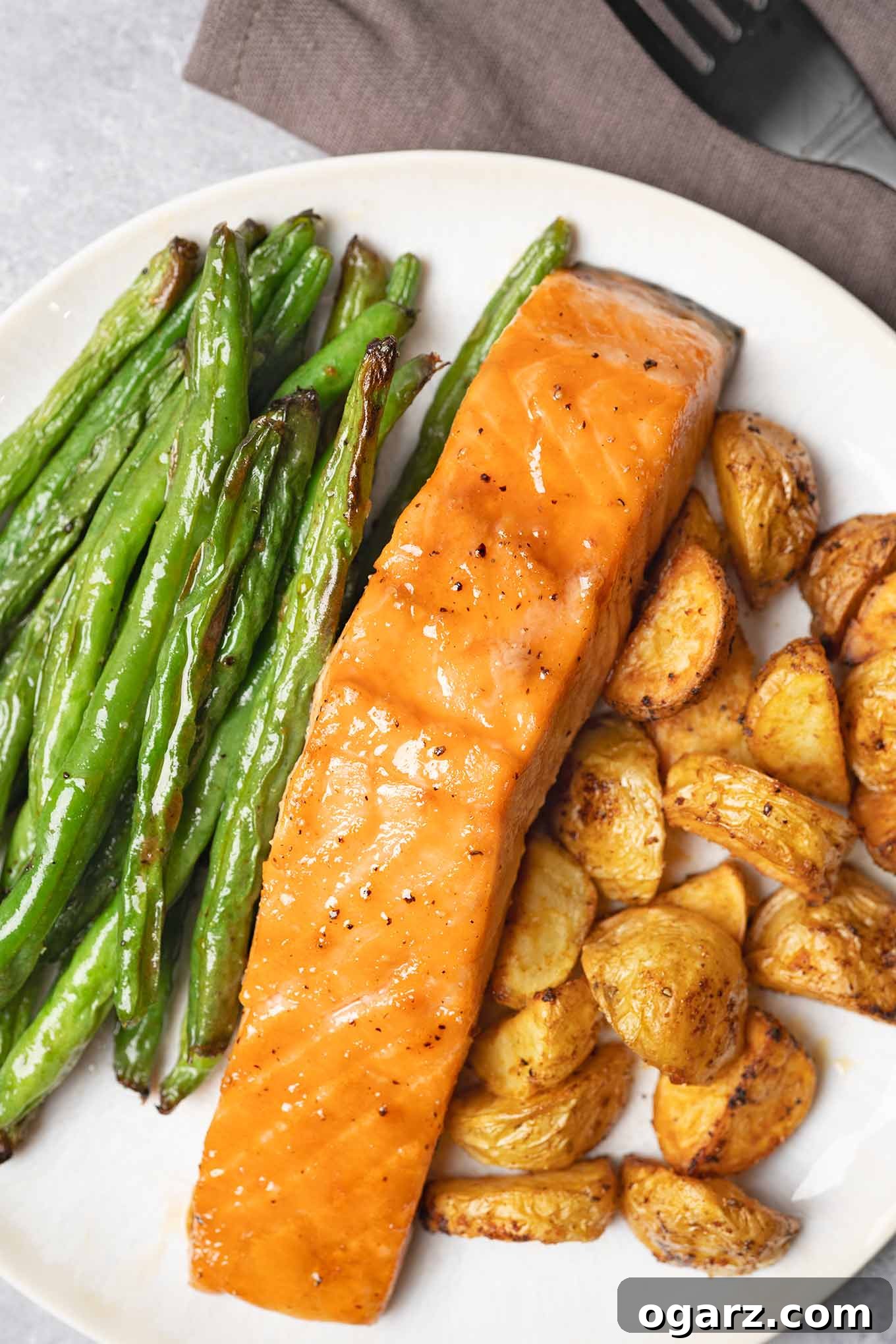
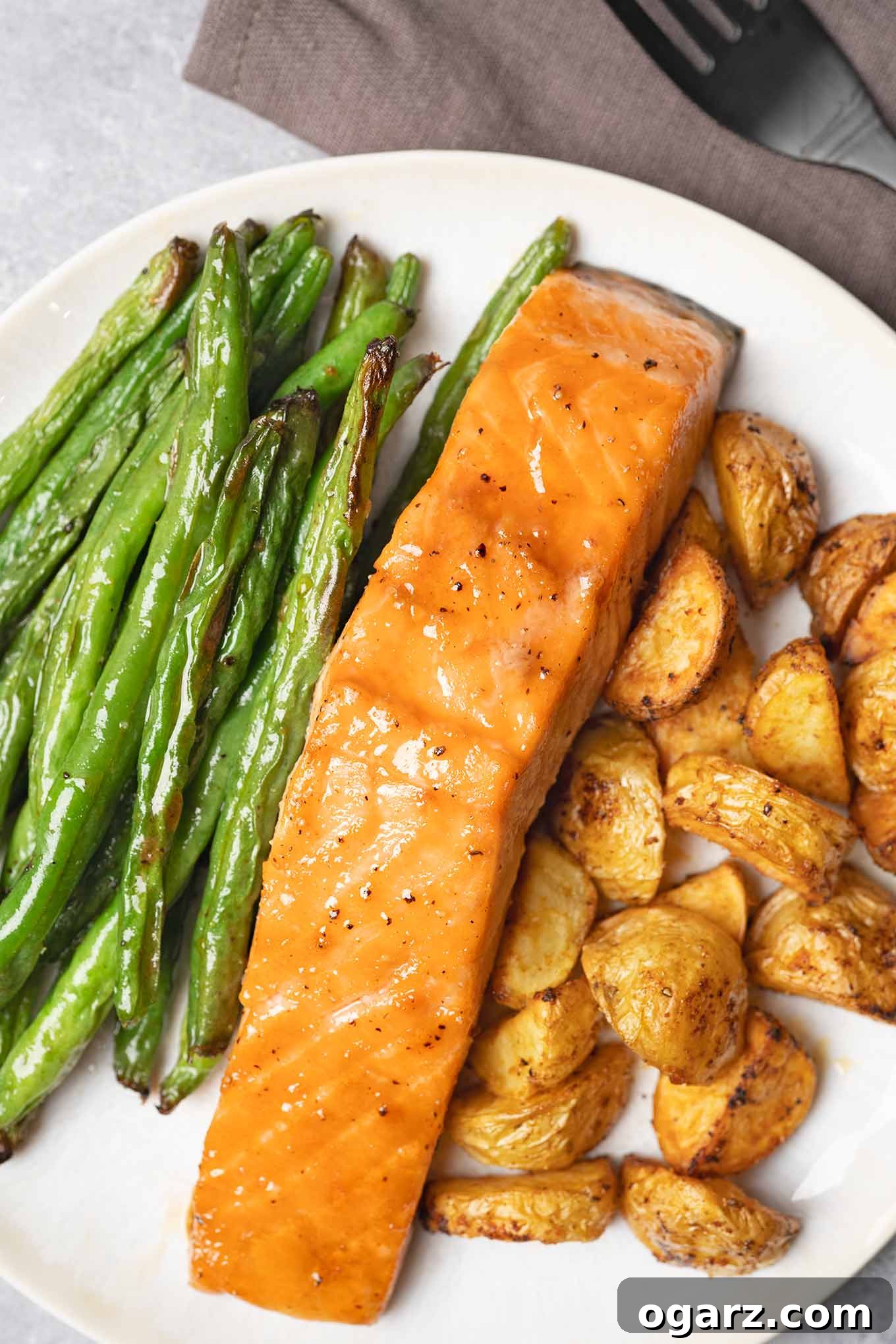
In the quest for delicious, healthy, and convenient weeknight meals, the sheet pan dinner reigns supreme. This expertly crafted sheet pan salmon dinner offers a brilliant solution for busy individuals, delivering a wholesome and flavorful meal with minimal fuss and remarkably easy cleanup. Featuring perfectly roasted salmon, tender baby potatoes, and crisp-tender green beans, this recipe is a beautifully balanced option that brings gourmet quality to your table without the usual time commitment.
Effortless Weeknight Dinners: The Magic of Sheet Pan Cooking
If sheet pan dinners haven’t yet become a staple in your collection of go-to weeknight recipes, you’re on the cusp of discovering a revolutionary approach to home cooking. These meals are not just a trend; they are a lifestyle upgrade for anyone seeking efficiency without compromising on taste. Sheet pan recipes leverage the power of high-heat roasting, a method that cooks food swiftly and infuses it with incredible depth of flavor through the magic of caramelization and the Maillard reaction. This process transforms simple ingredients into culinary delights, effectively eliminating the need for extensive prep work and constant monitoring.
One of the most appealing aspects of oven-roasting is its inherently hands-off nature. Once your ingredients are prepped and arranged on the pan, the oven does most of the heavy lifting. This frees up your precious time, allowing you to attend to other tasks, whether it’s whipping up a quick side salad, setting the table, or simply relaxing after a long day. The benefits extend beyond cooking time; the sheer simplicity of cleanup is a major draw. Imagine cooking an entire, balanced meal using just one pan – that’s the reality of a sheet pan dinner, significantly reducing the pile of dishes after your meal.
Why This Sheet Pan Salmon Dinner Is a Must-Try
Our sheet pan salmon dinner is not just easy; it’s a testament to how simple ingredients can come together to create a truly satisfying and nutritious meal. It’s perfect for those evenings when you crave something wholesome and delicious but are short on time. This recipe brilliantly combines lean protein, complex carbohydrates, and essential vegetables, making it a balanced choice that supports a healthy lifestyle. The rich, buttery flavor of salmon, the earthy sweetness of roasted potatoes, and the vibrant crunch of green beans are a harmonious trio that will delight your palate.
Beyond its culinary appeal, this meal boasts significant health benefits. Salmon is a powerhouse of Omega-3 fatty acids, known for supporting heart health and cognitive function. Potatoes provide essential vitamins and fiber, while green beans add a burst of nutrients and antioxidants. All cooked together, the flavors meld beautifully, creating a comforting and incredibly appetizing dish that feels far more elaborate than its preparation suggests. It’s the ultimate combination of convenience, flavor, and nutrition.
Mastering Your Ingredients for the Perfect Sheet Pan Meal
Understanding the role of each ingredient is key to unlocking the full potential of this recipe. Here’s what you need to know about the key ingredients. The complete list, including precise quantities, can be found in the printable recipe card below.
- SALMON: The Heart of the Meal
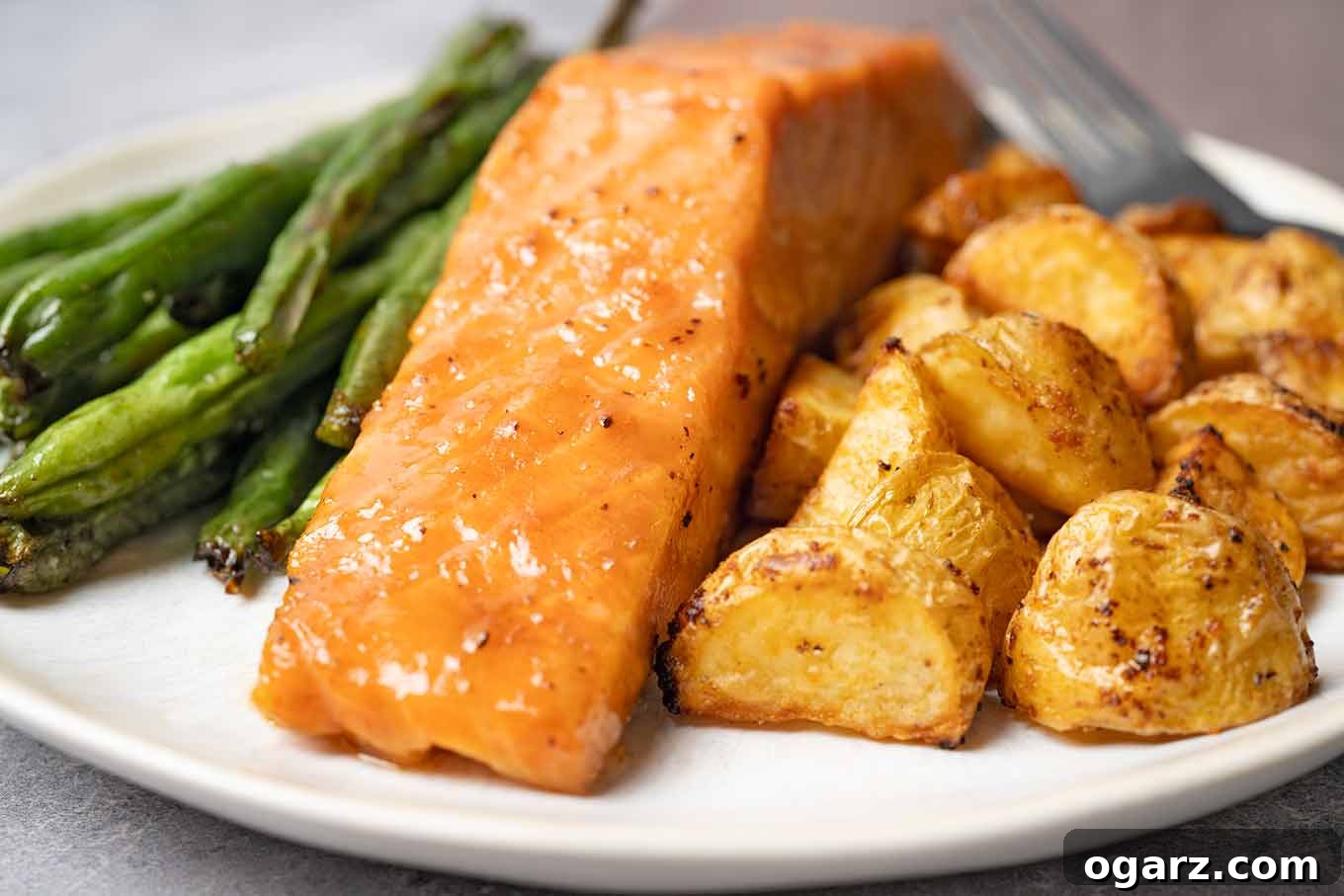
For this recipe, we recommend choosing 4 to 6-ounce, skin-on salmon fillets. The skin serves a crucial purpose: it helps to retain moisture during the high-heat roasting process, ensuring your fish remains flaky and tender, never dry. Furthermore, the skin adds a subtle layer of flavor and makes the fillets much easier to handle and remove from the pan once cooked. While many varieties work well, Atlantic salmon, particularly those raised in the Faroe Islands, are often praised for their rich flavor and tender texture, as pictured in this post. When selecting salmon, look for vibrant, moist flesh and a fresh, clean smell to ensure the highest quality.
- BABY POTATOES: Sweet & Tender Foundation
Baby yellow or red potatoes are our top choice for roasting in this sheet pan dinner. Their small size and tender texture allow them to cook through beautifully while developing a delightful caramelization on the outside. They possess a natural buttery flavor that pairs wonderfully with the salmon and green beans. We’ve experimented with other varieties, such as fingerling potatoes, but found that they tended to become tough rather than achieving that perfect golden-brown, tender interior. For best results, ensure your baby potatoes are cut into uniform, bite-sized pieces to promote even cooking.
- GREEN BEANS: Crisp-Tender Perfection
If you haven’t yet experienced the joy of roasted fresh green beans, prepare for a delightful culinary revelation. While they may not win any beauty contests after roasting, the slight browning and char that develop in the oven bring out an incredible, subtly sweet flavor that transforms them from a simple side into a crave-worthy component of the meal. Roasting also gives them a pleasant crisp-tender texture that’s far superior to boiled or steamed beans. Look for fresh, vibrant green beans with a firm snap.
- BROWN SUGAR: The Glaze Secret
The brown sugar, combined with salt and pepper, creates a simple yet incredibly effective glaze for the salmon. This mixture not only adds a touch of sweetness that balances the richness of the fish but also helps to create a beautiful, caramelized crust on the salmon fillets. This glaze is key to locking in moisture and boosting flavor.
- OLIVE OIL: The Roasting Essential
Olive oil acts as the primary fat for roasting, helping vegetables brown beautifully and ensuring the salmon cooks evenly. It also aids in seasoning distribution and contributes a subtle, fruity note to the overall flavor profile of the dish.
Step-by-Step Guide to Your Delicious Sheet Pan Salmon
Ready to create this incredible meal? Here’s a quick overview of the process. Detailed, step-by-step instructions with exact measurements are provided in the printable recipe card below.
1. Prepare Your Workspace: Preheat and Line
Before diving into ingredient prep, preheat your oven to 425°F (220°C). This high temperature is essential for achieving proper caramelization and quick cooking. Simultaneously, line a large rimmed baking sheet (a half sheet pan, typically 13″ x 18″) with parchment paper. Parchment paper is your best friend for sheet pan meals – it prevents sticking and makes cleanup virtually effortless.
2. Craft the Brown Sugar Glaze for Salmon
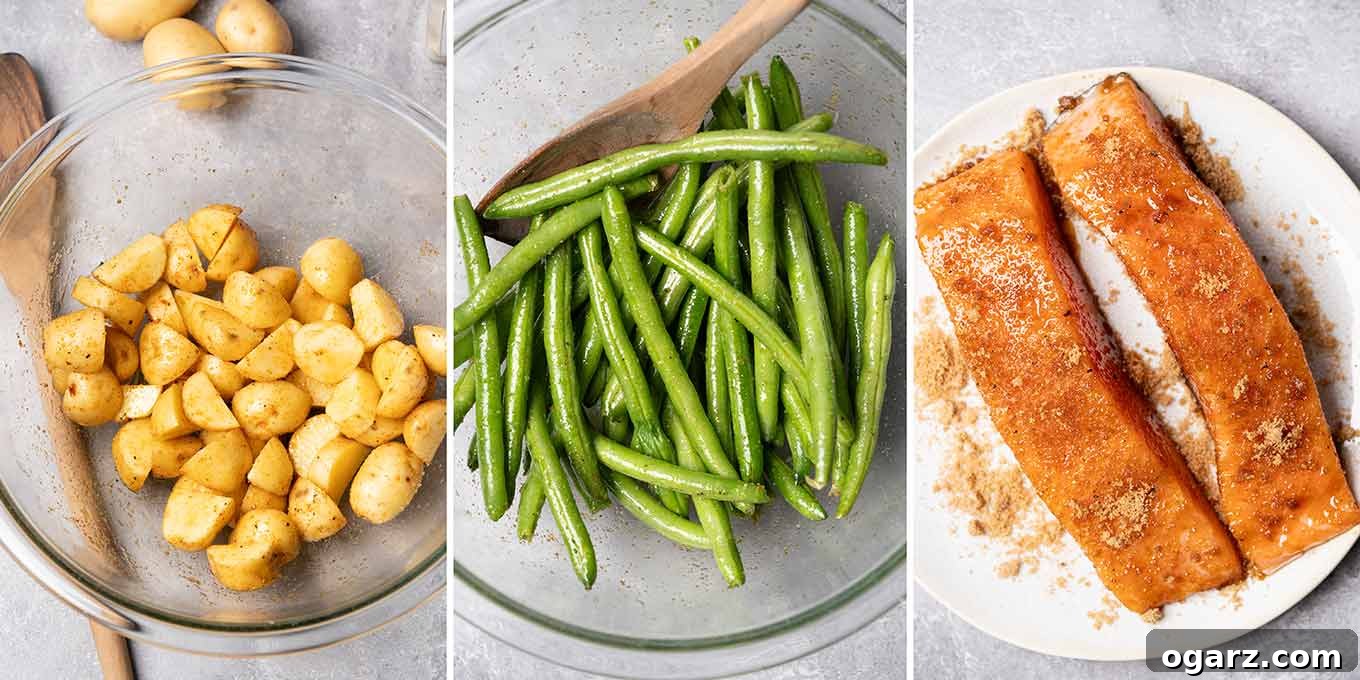
On a shallow plate, spread out the brown sugar. Combine it with a generous pinch of salt and a few grinds of fresh black pepper. Take your salmon fillets and gently coat the top and sides with this sweet and savory sugar mixture. Press lightly to ensure the glaze adheres well to the fish. Set the glazed salmon aside for a moment. As it rests, some of the brown sugar coating may begin to liquefy and run off, creating a syrupy pool. Don’t discard this! You’ll want to spoon this delicious syrup back over the salmon fillets just before they go into the oven, maximizing flavor and caramelization.
3. Kickstart the Roasting: Potatoes First
In a mixing bowl, add your bite-sized baby potatoes. Drizzle them generously with olive oil, then season with salt and pepper. Toss everything together thoroughly until the potatoes are evenly coated. Arrange the seasoned potatoes in a single layer on one side of your prepared sheet pan. This single layer is crucial for even roasting and browning. Place the pan in the preheated oven and roast the potatoes until they are tender when pierced with the tip of a knife, which usually takes about 15 minutes. This head start ensures the denser potatoes are perfectly cooked alongside the faster-cooking salmon and green beans.
4. Introduce the Green Beans to the Pan
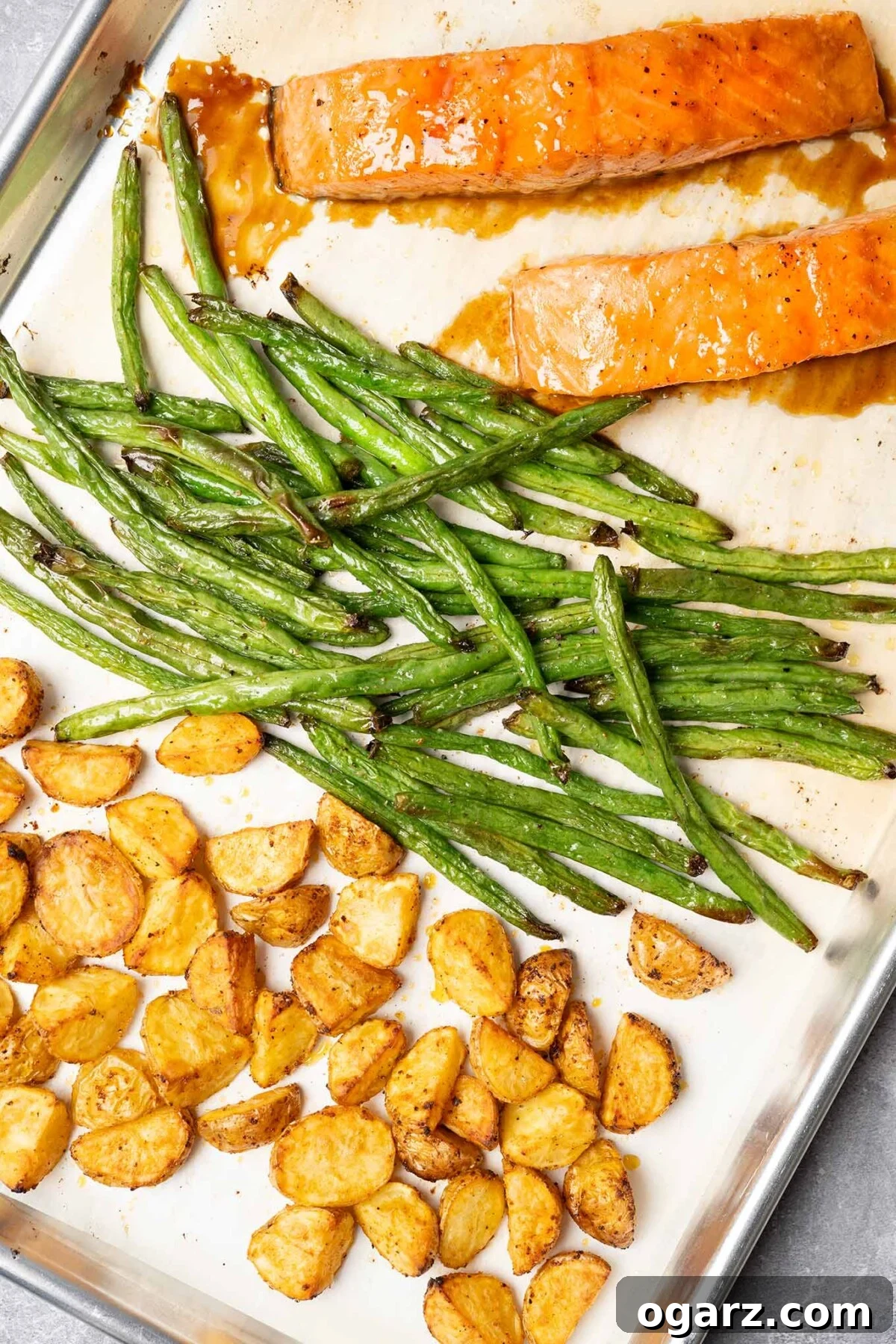
While the potatoes are roasting, use the same mixing bowl to prepare your fresh green beans. Drizzle them with the remaining olive oil, season with salt and pepper, and toss to combine. Once the potatoes have completed their initial 15 minutes and are tender, carefully add the seasoned green beans to the sheet pan. Arrange them on the other side of the pan, making sure to leave enough room for the salmon fillets, which will be added shortly. Continue roasting the potatoes and green beans together until the beans are crisp-tender and show a slight char, typically another 10 minutes.
5. The Grand Finale: Roasting the Salmon
With the vegetables nearly done, it’s time to add the star of the show. Carefully place the brown sugar-glazed salmon fillets on the sheet pan in the space you’ve reserved. Return the pan to the oven and roast for an additional 6 to 8 minutes. The exact cooking time for salmon can vary based on the thickness of your fillets and your desired doneness. Aim for an internal temperature of 145°F (63°C) or until the salmon flakes easily with a fork. Be mindful not to overcook, as salmon can dry out quickly. Once cooked, remove the pan from the oven and serve immediately.
Elevate Your Salmon: Flavor Variations to Explore
While the brown sugar glaze in this recipe is a beloved classic, the versatility of oven-roasted salmon allows for endless culinary creativity. Experimenting with different glazes and seasonings can transform your sheet pan salmon into a new dining experience every time. Here are a few exciting flavor variations to inspire your next meal:
- Orange and Bourbon Glaze: For a sophisticated twist, consider an orange and bourbon glaze. The citrusy brightness of orange zest and juice, combined with the smoky depth of bourbon, creates an exquisite sauce that caramelizes beautifully on the salmon, offering a sweet, tangy, and slightly boozy note. This variation is particularly good for special occasions or when you want to impress.
- Honey and Garlic: A perennial favorite, a simple honey and garlic glaze delivers a perfect balance of sweet and savory. Whisk together honey, minced garlic, a splash of soy sauce (or tamari for gluten-free), and a touch of ginger. This sticky, aromatic glaze creates a delightful crust and infuses the salmon with irresistible flavors. It pairs wonderfully with almost any roasted vegetable.
- Sweet and Smoky Bacon Glaze: For an indulgent and unique profile, try a sweet and smoky bacon-glazed version. This involves cooking bacon until crispy, then using the rendered fat and crumbled bacon bits in a glaze with maple syrup or brown sugar and a hint of smoked paprika. The combination of salty bacon, sweet glaze, and tender salmon is truly unforgettable.
- Lemon-Herb Infusion: Keep it fresh and light with a simple mix of lemon juice, olive oil, fresh dill, parsley, and a pinch of garlic powder. This bright and herbaceous approach highlights the natural flavor of the salmon without overwhelming it, perfect for a lighter meal.
- Spicy Sriracha-Lime: For those who love a kick, combine sriracha (or another chili sauce), lime juice, a dash of honey, and some grated fresh ginger. This vibrant, spicy glaze adds an exciting zesty heat that’s incredibly addictive and offers a modern take on roasted salmon.
No matter which variation you choose, remember that the goal is to enhance the salmon, not mask its inherent deliciousness. These glazes also contribute to the beautiful caramelization process, making your sheet pan salmon even more appealing.
Pro Tips for Flawless Sheet Pan Dinners Every Time
While the concept of tossing all your dinner ingredients onto a single pan and into the oven might seem tempting for its simplicity, there are a few expert guidelines that, when followed, will elevate your sheet pan meals from good to absolutely outstanding. These tips ensure every component is properly cooked, flavorful, and perfectly textured.
Here are some general tips for preparing consistently successful sheet pan dinners:
- ALWAYS PREHEAT Your Oven and Pan:
Do not skip this step! A properly preheated oven ensures that food begins to cook immediately upon entering, leading to better searing and caramelization. Lining your sheet pan with parchment paper is also non-negotiable for hassle-free removal of food and incredibly easy cleanup. Some chefs even recommend preheating the empty sheet pan in the oven for a few minutes before adding ingredients to give them an even better head start on browning.
- PREPARE Your Veggies Properly and Uniformly:
The key to even cooking is consistency. Make every effort to cut your vegetables into uniform sizes and shapes. This ensures that they all cook at roughly the same rate. When arranging them on the sheet pan, ensure they are in a single layer. Avoid overcrowding the pan at all costs; if vegetables are piled up, they will steam instead of roast, resulting in soggy, less flavorful results. If necessary, use two sheet pans to give your ingredients enough space to breathe and brown.
- SEASON INGREDIENTS INDIVIDUALLY and Adequately:
Rather than a haphazard sprinkle over the entire pan, season each ingredient separately before combining them or adding them to the pan. Toss them with a little fat (like olive oil) to aid in browning and flavor development. Don’t be heavy-handed with the seasoning; the oven will do its work to develop deep flavors through caramelization. The oil helps transfer heat and allows spices and herbs to adhere better.
- CALCULATE COOKING TIMES for Each Ingredient (The Golden Rule):
This is arguably the most critical tip for sheet pan success. Different ingredients have different cooking times. First, determine the total cooking time for your protein, then figure out the cooking time for each vegetable. This will help you plan precisely when to add each component to the oven. For instance, in this salmon recipe, the potatoes (being denser) require a longer cooking time than the green beans and significantly longer than the salmon fillets (which only need about 6 to 8 minutes). The salmon is, therefore, the last ingredient to go into the oven.
- CONSIDER PRE-COOKING Denser Veggies If Needed:
For exceptionally dense vegetables like whole sweet potatoes or very large root vegetables, you might consider a slight pre-cook (e.g., a quick par-boil or an initial roast in the oven by themselves) before adding other ingredients. You can even remove them from the pan after their initial cook and add them back near the end of the roasting time with the faster-cooking items. While not necessary for this specific salmon recipe with baby potatoes, it’s a valuable technique for other sheet pan combinations. This ensures they’ll be properly cooked through and develop that desirable caramelized quality.
- MAKE A GLAZE OR SAUCE to Enhance Flavor and Moisture:
A glaze, marinade, or sauce can dramatically elevate a sheet pan dinner. The brown sugar glaze for the salmon in this recipe is a perfect example. It not only adds a burst of flavor but also helps to retain moisture in the protein and aids in achieving that beautiful, irresistible caramelization. A final drizzle of fresh lemon juice or a sprinkle of fresh herbs after roasting can also brighten the flavors.
- GET AHEAD OF CLEANUP while Dinner Roasts:
One of the biggest perks of sheet pan cooking is the minimal cleanup. Maximize this benefit by tackling any dishes or utensils you used during preparation while your dinner is roasting. This is also a perfect time to prepare any fresh salads or set the table, ensuring that when the timer dings, you’re ready to enjoy your meal with no lingering kitchen duties, making post-dinner relaxation truly effortless.
Serving and Storage Suggestions
This Sheet Pan Salmon Dinner is a complete meal on its own, offering a perfect balance of protein, vegetables, and carbohydrates. However, for those looking to expand the meal or add an extra touch, here are some serving and storage recommendations:
- Serving Suggestions:
- Fresh Salad: A simple mixed green salad with a light vinaigrette can add a refreshing contrast to the warm, roasted flavors.
- Grain Bowl: For a heartier meal, serve alongside a scoop of quinoa, couscous, or brown rice to soak up any delicious pan juices.
- Lemon Wedges: A fresh squeeze of lemon over the salmon and vegetables just before serving brightens all the flavors.
- Fresh Herbs: A sprinkle of fresh chopped parsley or dill can add a vibrant finish and an extra layer of aroma.
- Storage:
- Leftovers can be stored in an airtight container in the refrigerator for up to 2-3 days.
- Separate the salmon from the vegetables if possible, as they reheat differently.
- Reheating:
- Oven: For best results, reheat salmon and vegetables in the oven at a lower temperature (around 300°F / 150°C) until warmed through. This helps prevent the salmon from drying out.
- Microwave: While convenient, the microwave can sometimes dry out salmon. If using, reheat on a low power setting in short bursts, checking frequently.
This sheet pan salmon dinner is designed for ease and enjoyment, both in its creation and its consumption. We hope these tips help you master this delightful recipe and inspire many more effortless meals in your kitchen!

Recipe: Sheet Pan Salmon with Potatoes and Green Beans
Pin Recipe
Rate Recipe
Print Recipe
Ingredients
- 2 center-cut salmon fillets, skin-on (4 to 6 ounces each)
- 3 tablespoons brown sugar
- Salt and freshly ground black pepper
- 3/4 pound baby yellow or red potatoes, cut into bite-sized pieces
- 3/4 pound fresh green beans, ends trimmed
- Olive oil
Instructions
-
Preheat the oven to 425°F (220°C) and line a large rimmed baking sheet (half sheet pan 13″x18″) with parchment paper.
-
Spread the brown sugar on a plate and combine it with 1/2 teaspoon salt and a few grinds of black pepper. Coat the top and sides of the salmon fillets with the sugar mixture, pressing lightly to be sure it adheres, and set aside. Note: Some brown sugar coating may turn syrupy and run off the fillets while waiting to be roasted. You’ll want to spoon this over the salmon before popping it in the oven.
-
Add the potatoes to a mixing bowl, drizzle with 1 tablespoon of olive oil, season with salt and pepper, and toss to coat. Arrange them on one side of the prepared pan in a single layer and roast until tender when pierced with the tip of a knife, about 15 minutes.
-
While the potatoes roast, add the green beans to the same mixing bowl, drizzle the remaining tablespoon of olive oil, season with salt and pepper, and toss to coat.
-
As soon as the potatoes are tender, add the green beans to the pan, leaving room for your salmon fillets (see notes). Continue roasting until the beans are crisp-tender, about 10 minutes.
-
Add the salmon to the pan and roast for 6 to 8 minutes depending on the size of your fillets. Salmon is cooked when it flakes easily with a fork or reaches an internal temperature of 145°F (63°C).
Notes
How to Double This Recipe
Increasing the recipe for 4 servings: This recipe is written to serve two, but you can easily double the quantities. You may want to divide the portions between two sheet pans to avoid overcrowding, but provided the pans are not overcrowded, cooking times should remain the same.
Nutrition
Nutrition information is automatically calculated, so should only be used as an approximation.