
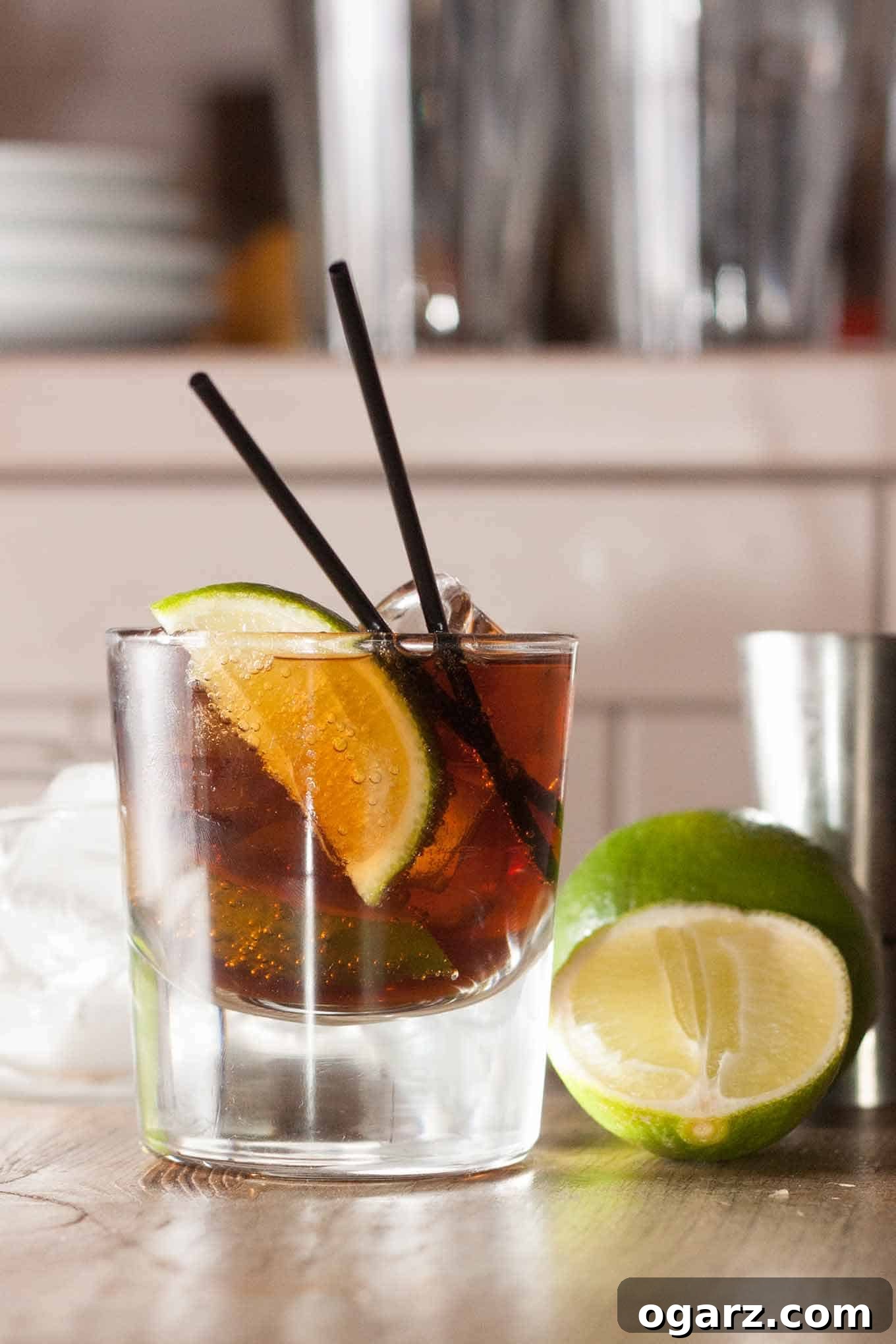
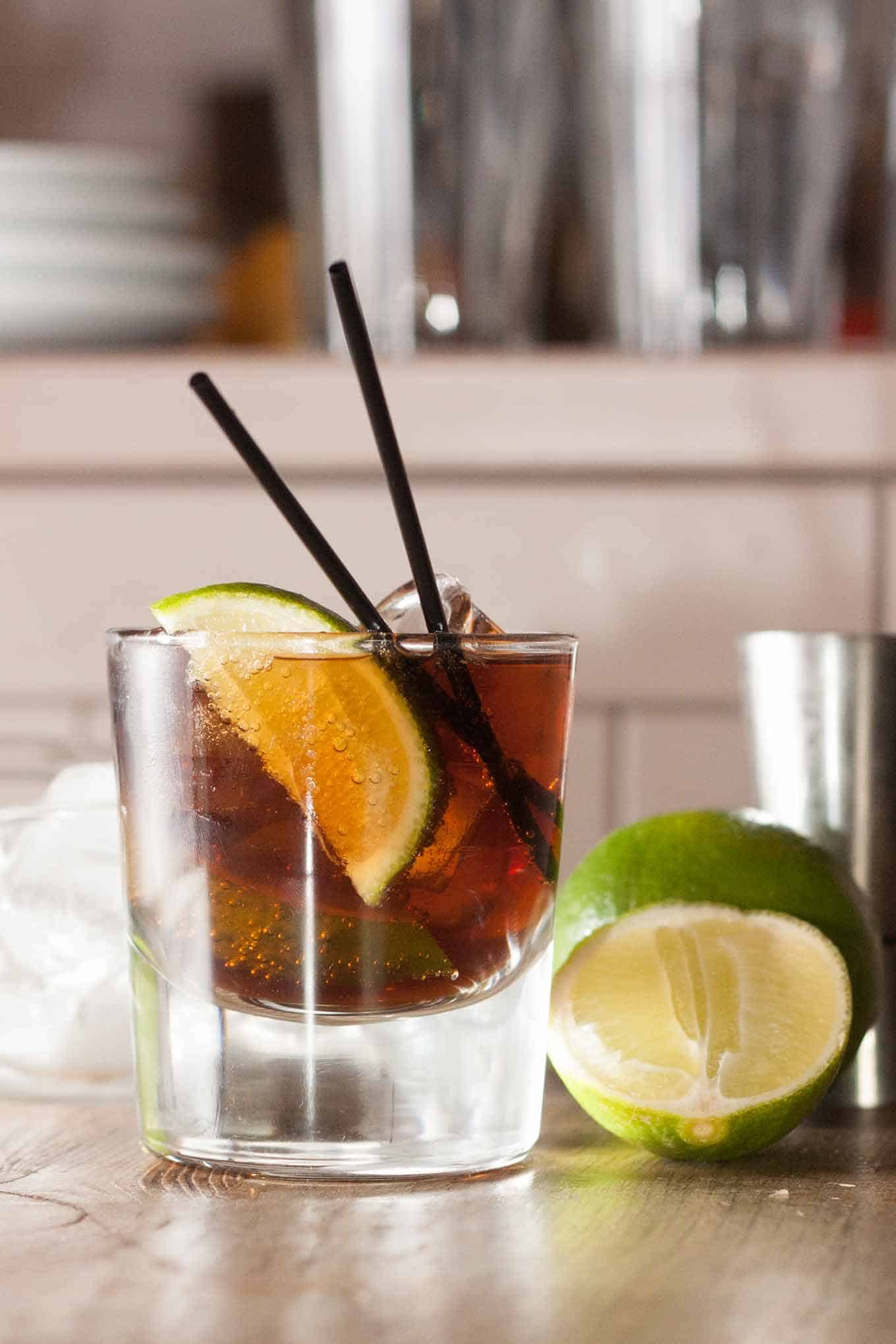
Discover the refreshing simplicity and rich history behind the iconic Cuba Libre cocktail. More than just a rum and cola, this vibrant drink combines the crispness of light rum with the effervescence of cola, beautifully brightened by the essential tang of fresh lime. Originating in Havana around the turn of the twentieth century, the Cuba Libre has captivated palates worldwide, cementing its status as one of the most beloved and endlessly refreshing rum cocktails you can savor.
The Enduring Legacy of the Cuba Libre: A Taste of Freedom
The Cuba Libre, meaning “Free Cuba,” is far more than a casual mix of rum and cola; it’s a beverage steeped in history and patriotism. Its story begins in Havana, Cuba, around the turn of the 20th century, specifically during the Spanish-American War (1898) and the subsequent period of Cuban independence. American soldiers, stationed in Cuba, brought Coca-Cola with them, a relatively new drink at the time. They mixed it with local Cuban rum and, perhaps, the omnipresent Cuban lime, reportedly toasting “¡Por Cuba Libre!” (For a Free Cuba!) to celebrate the liberation of Cuba from Spanish rule.
This simple yet profound toast gave birth to a cocktail that would quickly spread across the globe. While the exact moment and individual credited with its invention are debated, the sentiment behind the name resonated deeply. The combination struck a chord, offering a perfectly balanced drink that was both invigorating and symbolic. Unlike a straightforward rum and coke, the crucial addition of fresh lime juice elevates the Cuba Libre, cutting through the sweetness of the cola and adding a zesty brightness that makes it truly stand out. It transforms a simple concoction into a sophisticated, immensely satisfying experience.
Why Fresh Lime is Non-Negotiable: Beyond Just Rum and Cola
Many casually dismiss the Cuba Libre as “just a rum and coke.” However, this overlooks the ingredient that gives the Cuba Libre its distinctive “pizzazz”: fresh lime. The difference between a rum and coke and a Cuba Libre lies entirely in this vibrant citrus. Fresh lime juice acts as a crucial balancing agent, preventing the drink from becoming overly sweet or cloying. It introduces a tangy acidity that brightens the entire profile, making the drink incredibly refreshing and complex.
The natural oils in the lime peel, released when squeezed and muddled, contribute aromatic notes that enhance the overall sensory experience. These citrusy aromas complement the vanilla and caramel notes often found in cola, as well as the subtle nuances of light rum. Without the lime, you’re left with a sweet, albeit enjoyable, highball. With it, you unlock a dynamic, effervescent cocktail that truly embodies its historical name and refreshing spirit.
Crafting Your Own Classic Cuba Libre: Essential Ingredients
The beauty of the Cuba Libre lies in its simplicity, but the quality of each ingredient profoundly impacts the final taste. Selecting the right rum, the freshest limes, and a good cola is key to recreating this Cuban classic.
1. The Rum: A Foundation of Lightness
For a traditional Cuba Libre, light (or white) rum is the spirit of choice. Brands like Bacardí (which, coincidentally, has strong historical ties to Cuba before its move to Puerto Rico) are often preferred for their clean, crisp profile that doesn’t overpower the other ingredients. A good light rum offers subtle sweetness and a hint of molasses without heavy aging notes. While you can experiment with aged or dark rums for a different twist, stick to a quality light rum for the authentic experience.
2. The Lime: The Heart of the Cocktail
Freshness is paramount here. Bottled lime juice simply won’t do. You need freshly squeezed lime juice to provide that essential zest and acidity. A single lime typically yields enough juice for one to two cocktails, along with wedges for garnish. Choose firm, bright green limes that feel heavy for their size, indicating they are juicy. The act of squeezing and gently muddling a lime wedge in the glass also releases aromatic oils from the peel, adding another layer of flavor and fragrance.
3. The Cola: The Effervescent Sweetness
While Coca-Cola is the traditional choice, any quality cola will work. Some enthusiasts prefer Mexican Coke, which is made with cane sugar rather than high-fructose corn syrup, for a slightly richer and less cloying sweetness. Others might opt for a craft cola. The key is to use well-chilled cola to maintain the drink’s effervescence and keep it refreshingly cold without excessive ice melt diluting the flavors too quickly.
4. The Ice: Keeping It Cool
Plenty of good quality ice is crucial. Large ice cubes or spheres melt slower, providing sustained chill without rapid dilution. Fill your glass generously with ice to ensure the drink stays cold from the first sip to the last, preventing it from becoming watery.
Explore More Refreshing Drinks:
- Southside Cocktail
- Cuban Peach
- Cuba Libre (from Serious Eats)
Cuba Libre
Lynne Webb
5 minutes
5 minutes
1
serving
Print Recipe
Ingredients
- 2 ounces light rum
- Freshly squeezed juice of 1/2 lime, about 1 tablespoon
- 2 lime wedges
- Well-chilled cola
Instructions
-
Squeeze the fresh lime juice into a double old-fashioned glass. Add one of the lime wedges to the glass and gently muddle it with a spoon or muddler to release its aromatic oils and enhance the citrus flavor.
-
Pour in the light rum. Fill the glass generously with ice cubes to ensure the cocktail remains refreshingly cold.
-
Top off the glass with well-chilled cola. Stir gently with a bar spoon to combine the ingredients without losing too much of the cola’s carbonation. Garnish with the remaining fresh lime wedge. Serve immediately and enjoy!
Notes
Tips for Crafting the Perfect Cuba Libre
Chill Your Glassware
A simple trick to elevate your Cuba Libre is to chill your glass before mixing. Place your double old-fashioned glass in the freezer for a few minutes or fill it with ice water while you gather your ingredients. A cold glass helps keep the drink colder for longer, slowing down ice dilution and preserving the crisp flavors.
The Art of the Muddle
While merely squeezing lime juice is acceptable, gently muddling a lime wedge in the glass before adding other ingredients releases the aromatic oils from the peel. This adds a more complex, fragrant citrus note to the drink that can’t be achieved with juice alone. Don’t over-muddle; a few gentle presses are sufficient to extract the oils without making the drink bitter.
Stir, Don’t Shake
The Cuba Libre is a built cocktail, meaning ingredients are added directly to the serving glass. It should be stirred gently, not shaken. Shaking cola will cause it to lose its carbonation rapidly, resulting in a flat drink. A gentle stir ensures the ingredients are well combined while preserving the effervescence.
Consider Your Cola Temperature
Ensure your cola is thoroughly chilled before mixing. Room temperature cola will melt your ice too quickly and dilute your drink. A cold cola not only helps maintain the drink’s temperature but also its fizziness, which is a key component of the Cuba Libre’s refreshing appeal.
Variations to Explore
While the classic Cuba Libre is perfect in its original form, you can experiment with variations to suit different tastes:
- Dark Rum Cuba Libre: Swap light rum for an aged or dark rum for a richer, more complex flavor profile with notes of caramel, vanilla, or oak.
- Spiced Rum Cuba Libre: Introduce spiced rum for an aromatic twist, adding hints of cinnamon, nutmeg, or clove that complement the cola beautifully.
- Diet Cuba Libre: For a lighter option, use diet cola. While it changes the flavor slightly, it still provides a refreshing drink.
- Craft Cola Experimentation: Explore different craft colas that might offer unique flavor undertones, from cherry to vanilla, adding a new dimension to the cocktail.
Frequently Asked Questions About the Cuba Libre
What is the difference between a Cuba Libre and a Rum and Coke?
The defining difference is the inclusion of fresh lime juice. A true Cuba Libre always includes a significant squeeze of fresh lime juice, which adds a crucial tartness and aroma that balances the sweetness of the cola and rum. A rum and coke, on the other hand, is simply rum mixed with cola, often without any citrus.
Why is it called Cuba Libre?
The name “Cuba Libre,” meaning “Free Cuba,” originated during the Spanish-American War era, around 1900 in Havana, Cuba. American soldiers, bringing Coca-Cola to the island, mixed it with local rum and reportedly toasted to a “Free Cuba” in celebration of Cuba’s newfound independence from Spain.
What is the best rum to use for a Cuba Libre?
Traditionally, a light (or white) rum is used. Bacardí is a popular choice due to its historical connection and clean profile. However, any good quality light rum will work well. For variations, you can explore aged or spiced rums.
Can I make a non-alcoholic version of the Cuba Libre?
Absolutely! A virgin Cuba Libre, often called a “Cuba Sin Alcohol” or simply a “Lime and Cola,” is made by mixing fresh lime juice with cola and serving over ice. It’s a refreshing non-alcoholic option that still captures the spirit of the original.
How do I make a batch of Cuba Libres for a party?
For a batch, simply scale up the ingredients. Mix the rum and fresh lime juice in a pitcher, keeping it chilled. When ready to serve, pour the rum-lime mixture into individual glasses filled with ice, then top each glass with chilled cola. This method helps maintain carbonation and allows guests to customize their drink strength if desired.
Ready to try this classic? Share your thoughts below!
We’d love to hear your experience with the Cuba Libre.