
Table of Contents
- The Ultimate Comfort Bowl: Classic Split Pea Soup
- Key Ingredients for Perfect Split Pea Soup and Substitutions
- Mastering the Art: How to Make Split Pea Soup
- Stovetop Method: A Traditional Approach
- Instant Pot Method: Speed and Convenience
- Serving and Garnish Suggestions
- Storage, Reheating, and Meal Prep Tips
- Why Split Pea Soup? A Nutritious and Budget-Friendly Choice
- Explore More Hearty Dinner Soups
- Easy Classic Split Pea Soup (Printable Recipe)
The Ultimate Comfort Bowl: Classic Split Pea Soup
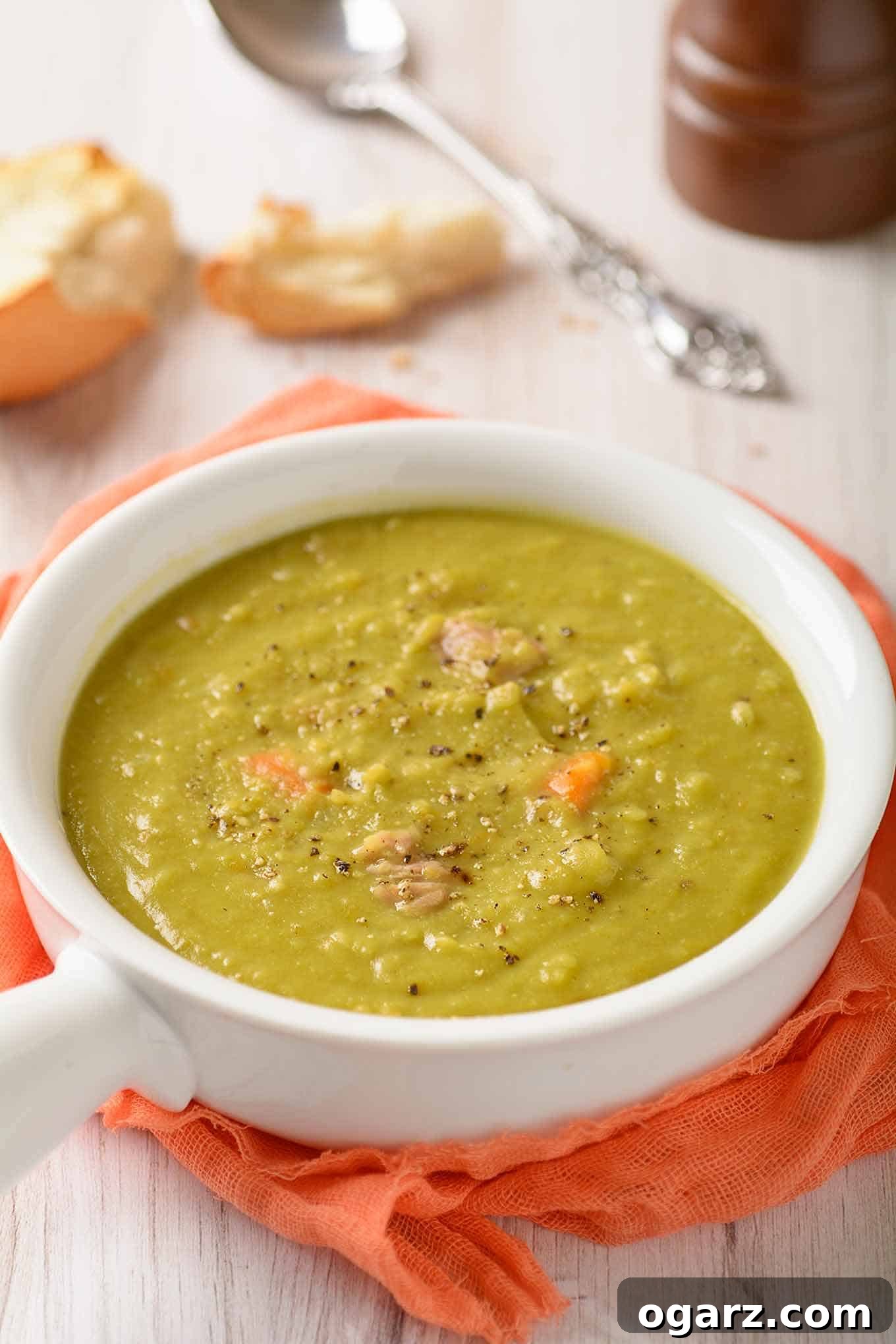
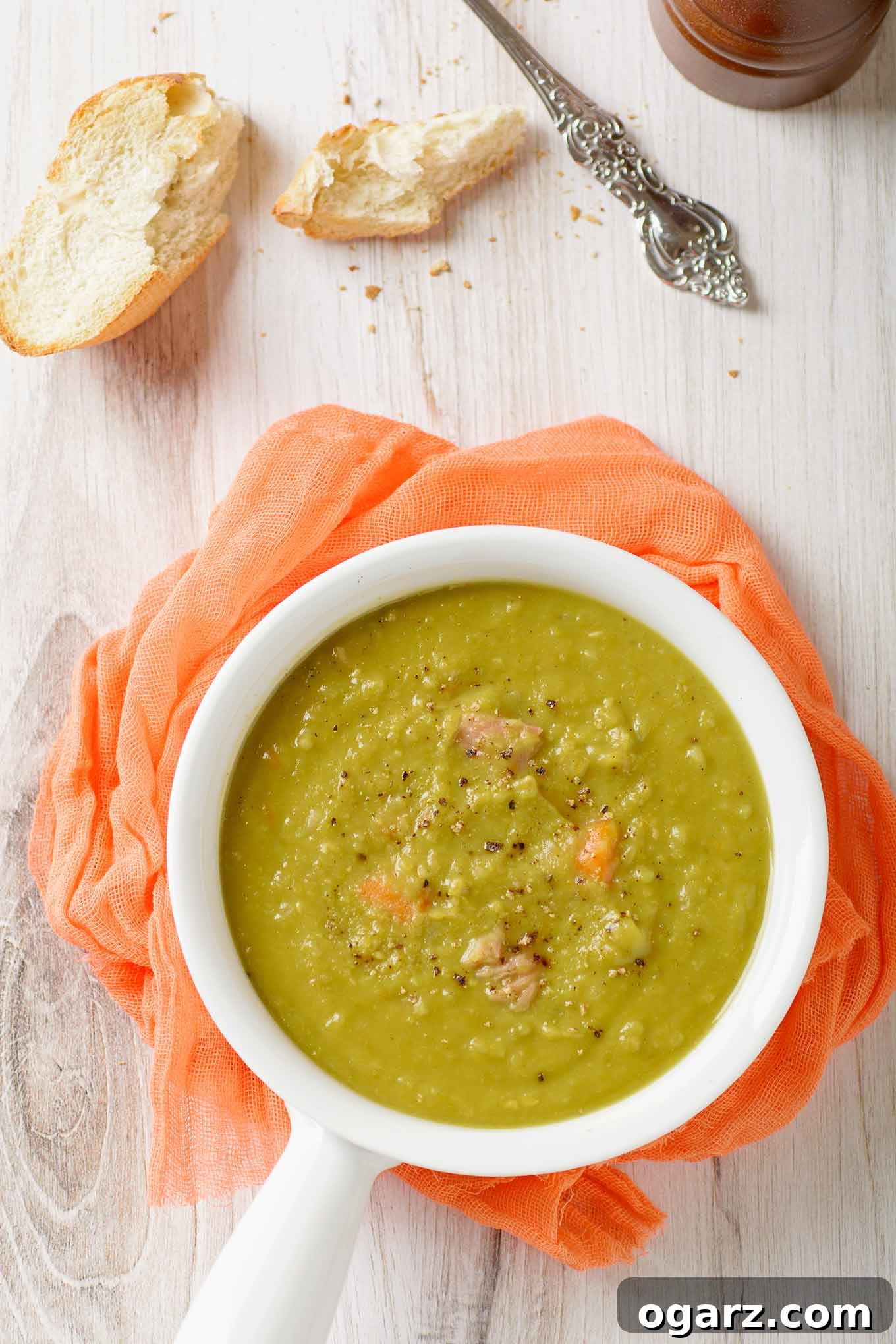
There are few dishes that evoke the feeling of warmth and home quite like a simmering pot of split pea soup. This humble yet incredibly satisfying soup is a timeless classic, celebrated for its rich, smoky flavor, creamy texture, and hearty nature. It’s a remarkably simple dish, built upon a foundation of just a few wholesome ingredients that transform into a deeply flavorful and filling meal with surprisingly little effort. Whether you’re seeking a cozy dinner on a chilly evening, a nutritious family meal, or an economical option that tastes gourmet, this easy classic split pea soup recipe is sure to become a cherished favorite. Our comprehensive guide walks you through every step, offering flexible options for both traditional stovetop cooking and the convenience of an Instant Pot, ensuring delicious results every time.
Split pea soup isn’t just about comfort; it’s also a powerhouse of nutrition, packed with fiber and protein, making it an excellent choice for a healthy and satisfying diet. Its ability to stretch a few ingredients into a substantial meal also makes it a budget-friendly hero, perfect for feeding a crowd or providing delicious leftovers for days. The beauty of this recipe lies in its straightforward approach, proving that you don’t need exotic ingredients or complex techniques to create something truly exceptional. From the moment the aromatic vegetables begin to soften in the pot to the final, creamy spoonful, you’ll understand why this soup has remained a beloved staple for generations.
Key Ingredients for Perfect Split Pea Soup and Substitutions
Understanding the role of each ingredient is essential for perfecting this timeless soup. Here’s what you need to know about the key components in this recipe. The complete list, including precise quantities, is in the printable recipe card below.
- SPLIT PEAS: The star of the show, split peas are dried peas that have had their outer skins removed and been split in half. This processing allows them to cook much faster than whole dried peas or other legumes and naturally break down into a wonderfully creamy, thick texture without the need for additional thickeners. They come in both yellow and green varieties; while both work, we highly recommend the vibrant green variety for its classic color and slightly sweeter, earthier flavor profile that defines traditional split pea soup. No pre-soaking is required, making them incredibly convenient.
- HAM BONE: A ham bone is the secret weapon for imparting an incredible depth of smoky flavor to your soup. It infuses the entire pot with a savory, unctuous quality that is difficult to replicate otherwise. If you’ve recently enjoyed a baked ham, save that bone! If a ham bone isn’t available, you can still achieve a delicious soup. Consider cooking several slices of bacon until crispy before sautéing your aromatics. Remove the bacon (save for garnish!) and use the rendered fat to cook the onion and celery. For an extra layer of smoky goodness, a touch of smoked paprika can be added to the pot along with the other seasonings. Another excellent substitute for the ham bone is a smoked ham hock or a small piece of smoked turkey leg, both of which will contribute that essential smoky essence.
- HAM: Diced ham adds delightful bites of tender, savory meat throughout the soup, complementing the creamy peas and smoky undertones. You have several options here: leftover baked ham from a holiday meal is perfect for this recipe. Alternatively, you can purchase a ham steak from the grocery store and dice it yourself, or opt for convenience with pre-packaged diced ham. Your local deli counter is also a great source; ask for a couple of thick slices of good quality ham to cube. The ham adds both flavor and substance, making the soup even more filling and satisfying.
- AROMATIC VEGETABLES (ONION, CELERY, CARROTS): Known as the “mirepoix,” this trio forms the flavorful foundation of many soups and stews, and split pea soup is no exception. Diced onion, celery, and carrots are sautéed until tender, releasing their sweet and savory notes which become deeply embedded in the soup’s broth. They add essential freshness, a subtle sweetness, and a pleasant textural contrast to the creamy peas.
- BROTH AND WATER: A combination of low-sodium chicken broth and water creates the liquid base for the soup. Using low-sodium broth allows you to control the overall saltiness of the dish, especially when using a ham bone or ham, which can be quite salty. As the soup cooks, the peas absorb liquid and thicken the broth, so having extra water or broth on hand is useful for adjusting the consistency to your preference.
- BAY LEAF: A single bay leaf adds a subtle, herbaceous, and slightly floral note that enhances the overall savory profile of the soup without overpowering it. Remember to remove it before serving.
- SALT AND PEPPER: These essential seasonings are adjusted at the end of cooking to bring all the flavors into balance. Since ham and broth can vary in saltiness, always taste and adjust gradually.
Prep Overview
Mastering the Art: How to Make Split Pea Soup
Preparing this classic split pea soup is a rewarding experience, yielding a dish that’s both deeply flavorful and incredibly comforting. Here’s a quick overview of the process. Detailed, step-by-step instructions for both stovetop and Instant Pot methods are provided in the printable recipe card below, ensuring you can choose the method that best suits your kitchen and schedule.
The beauty of split pea soup lies in its forgiving nature and straightforward preparation. Whether you prefer the slow, gentle simmer of a stovetop pot or the quick efficiency of an Instant Pot, the result is consistently delicious. The key to success is allowing the ingredients to meld and the peas to fully break down, creating that signature creamy texture.
Stovetop Method: A Traditional Approach
The stovetop method for classic split pea soup is incredibly easy and truly highlights the beauty of simple, slow cooking. For the best results, you’ll want to use a heavy-bottomed stockpot or Dutch oven. This type of pot helps to distribute heat evenly, preventing scorching and ensuring your soup maintains a gentle simmer without burning.
Step 1: SAUTÉ THE AROMATICS: Begin by heating a small amount of vegetable oil in your chosen soup pot over medium heat. Once shimmering, add the diced onion and celery. Sauté these vegetables gently, stirring occasionally, until they become soft and translucent, typically taking about 4 to 5 minutes. This step is crucial for building the foundational flavor of your soup, releasing the sweet and savory notes from the vegetables.
Step 2: COMBINE AND SIMMER: Next, introduce the remaining core ingredients to the pot: the roughly chopped carrots, the ham bone (or your chosen smoky substitute), the diced ham, the dried split peas, chicken broth, the initial 2 cups of water, and a bay leaf. Stir everything together thoroughly to ensure all ingredients are well combined. Bring the entire mixture to a gentle simmer. Once simmering, reduce the heat to low, cover the pot, but leave the lid slightly ajar. This slight gap allows some steam to escape, preventing the soup from boiling over while still retaining moisture and heat. The low simmer is essential for the peas to slowly break down and for the flavors to fully meld.
Step 3: COOK UNTIL THICKENED: Allow the soup to cook, stirring occasionally to prevent sticking, until the split peas have completely broken down into a creamy consistency and the soup has visibly thickened. This typically takes approximately 50 to 60 minutes, though cooking times can vary slightly. The soup should have a uniform, velvety texture, with the ham and vegetables suspended throughout.
Step 4: FINISH AND SERVE: Once the soup has reached your desired consistency, carefully remove and discard the ham bone and the bay leaf. Give the soup a good stir to ensure everything is evenly blended. At this point, assess the texture; if the soup is too thick for your liking, you can add a little more water or chicken broth, a quarter cup at a time, stirring well after each addition until the consistency is perfect. Finally, season the soup generously to taste with salt and freshly ground black pepper. Ladle the hot soup into bowls and prepare to enjoy a comforting, flavorful meal.
Instant Pot Method: Speed and Convenience
For those seeking a quicker route to this beloved classic, the Instant Pot is an invaluable tool. We’ve successfully prepared split pea soup using both stovetop and Instant Pot methods, and both yield identically delicious, creamy results. The Instant Pot method offers a significant time-saving advantage, shaving off about 10 minutes of active cooking time and reducing the overall wait. The preparation steps are essentially the same as the stovetop version, with key differences primarily in timing and pressure cooking technique. Full, detailed instructions are provided in the printable recipe version below.
Step 1: SAUTÉ IN THE INSTANT POT: Press the “Sauté” button on your Instant Pot. Allow it to heat for approximately 1 to 1-1/2 minutes. Add the vegetable oil, then the diced onion and celery. Sauté these aromatics for 3 to 4 minutes until they are softened and fragrant.
Step 2: DEGLAZE AND ADD INGREDIENTS: After sautéing, press “Cancel” to turn off the sauté function. This is an important step to prevent any burning at the bottom of the pot. Add the carrots, ham bone, diced ham, dried split peas, chicken broth, 2 cups of water, and the bay leaf to the Instant Pot. Give everything a quick stir. Make sure to scrape any browned bits from the bottom of the pot to prevent a “Burn” warning.
Step 3: PRESSURE COOK: Secure the lid onto the Instant Pot, ensuring the sealing ring is properly in place and the vent is in the “Sealing” position. Use the “Manual” (or “Pressure Cook”) function and set the pot to cook for 18 minutes at high pressure. This relatively short pressure cooking time is all it takes for the split peas to break down beautifully.
Step 4: NATURAL RELEASE AND FINISH: Once the cooking cycle is complete, allow the pressure to release naturally for 15 minutes. This natural release helps to further tenderize the peas and prevent excessive foam. After 15 minutes, carefully turn the steam release valve to the “Venting” position to release any remaining pressure. Once the floating valve drops, it’s safe to unlock and remove the cover. Carefully remove and discard the ham bone and bay leaf.
Step 5: ADJUST AND SERVE: Stir the soup thoroughly to blend the creamy peas and other ingredients. If the soup is thicker than you prefer, gradually add more water or chicken broth, a quarter cup at a time, until you reach your desired consistency. Taste and season with salt and freshly ground black pepper as needed. Ladle the piping hot split pea soup into bowls for a quick, delicious, and deeply satisfying meal.
Serving and Garnish Suggestions
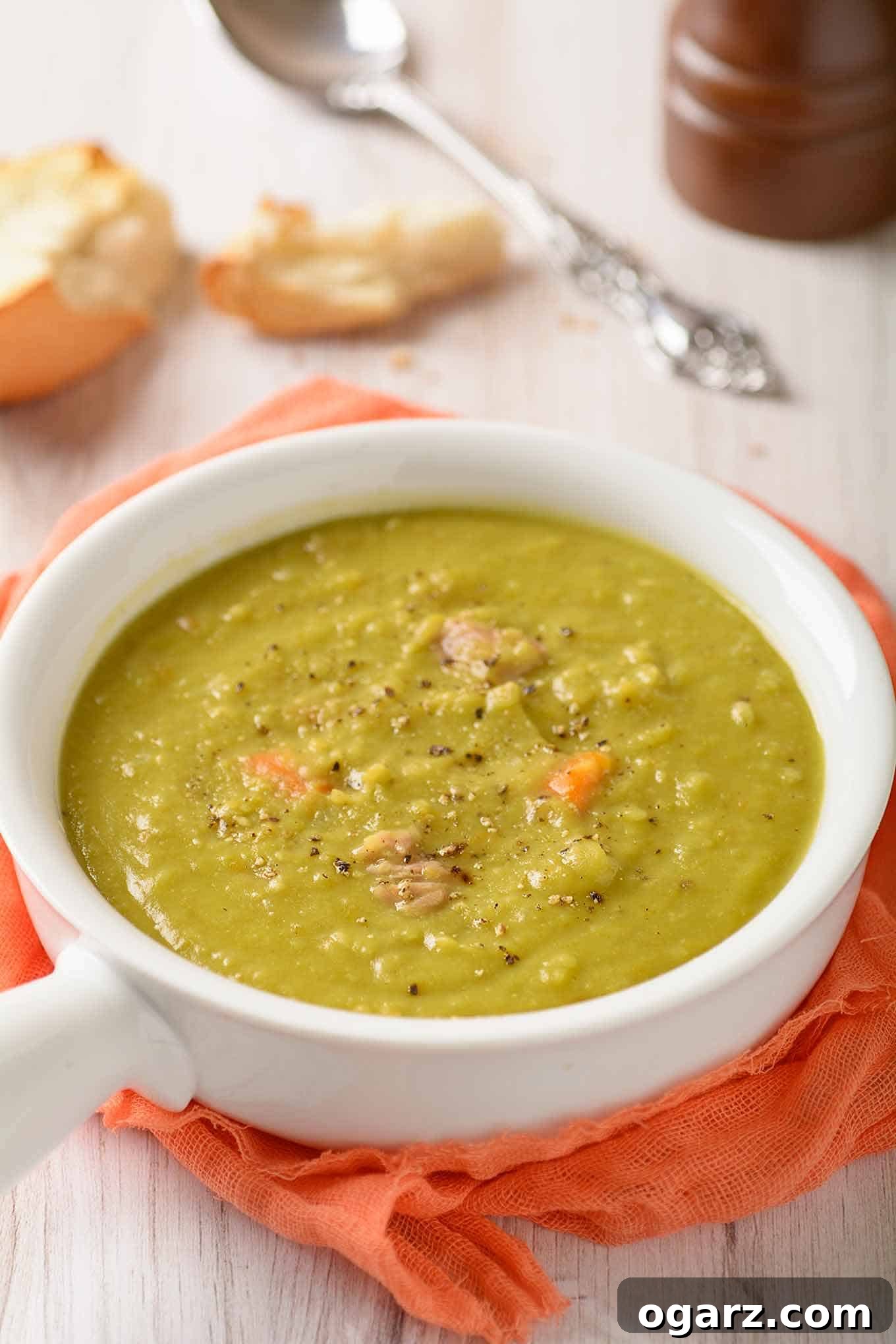
Classic split pea soup is wonderful on its own, but a few simple additions can elevate the experience. Serve it piping hot with a side of crusty bread or warm cornbread for dipping. A grilled cheese sandwich or a light green salad makes for a perfect companion, creating a well-rounded and comforting meal.
For garnishes, consider a sprinkle of fresh chopped parsley or chives for a pop of color and herbaceous freshness. A dollop of sour cream or a swirl of heavy cream can add a luxurious touch and balance the savory flavors. If you used bacon as a ham bone substitute, crumble some crispy bacon bits over the top. A pinch of smoked paprika can also enhance the smoky notes. Don’t forget a fresh grind of black pepper just before serving!
Storage, Reheating, and Meal Prep Tips
Split pea soup is an excellent candidate for meal prepping, as it stores beautifully and often tastes even better the next day as the flavors deepen. This makes it a perfect dish to cook a large batch of to enjoy throughout the week.
Storage: Allow the soup to cool completely before transferring it to airtight storage containers. It can be safely stored in the refrigerator for up to 3 to 4 days. For longer storage, split pea soup freezes exceptionally well. Portion the cooled soup into freezer-safe containers or heavy-duty freezer bags. It can be frozen for up to three months. When freezing, remember to leave a little headspace in containers as the soup will expand slightly upon freezing.
Reheating: When reheating refrigerated or thawed soup, you’ll likely notice that it has thickened considerably. This is completely normal and expected, as the starches in the peas continue to absorb liquid and bind during cooling. To restore it to its original creamy consistency, gently reheat the soup on the stovetop over low to medium heat, or in the microwave. As it heats, gradually stir in additional low-sodium chicken broth or water, a quarter cup at a time, until it reaches your desired thickness. Stir frequently to prevent sticking and ensure even heating. Always taste and adjust seasonings after reheating, as flavors can sometimes mellow in the refrigerator or freezer.
Meal Prep: The versatility and shelf-life of split pea soup make it ideal for preparing ahead. Cook a large batch on a Sunday, and you’ll have delicious, nutritious lunches or quick dinners ready for the busy week ahead. Pair it with a fresh salad or a sandwich for a complete meal.
Why Split Pea Soup? A Nutritious and Budget-Friendly Choice
Beyond its undeniable comfort, split pea soup stands out as a remarkably healthy and economical meal. Dried split peas are an excellent source of plant-based protein, making this soup incredibly filling and satisfying, whether you’re a meat-eater or exploring more plant-forward options (with ham substitutions). They are also loaded with dietary fiber, which is crucial for digestive health and helps keep you feeling full for longer, assisting with weight management. Additionally, split peas provide essential vitamins and minerals, including B vitamins, iron, zinc, and potassium.
From a financial perspective, split pea soup is a true budget champion. Dried split peas are one of the most affordable protein sources available, and the other core ingredients—onions, carrots, celery, and even ham—are typically inexpensive. Using a ham bone, often a byproduct of a larger ham roast, is a fantastic way to minimize food waste and maximize flavor without extra cost. This makes split pea soup an ideal meal for families, students, or anyone looking to enjoy delicious, homemade food without breaking the bank.
Historically, dishes like split pea soup were staples in many cultures precisely because of their ability to provide substantial nutrition from accessible and inexpensive ingredients. It’s a testament to the power of simple cooking, turning humble components into a culinary masterpiece that nourishes both body and soul. Its timeless appeal continues today, proving that sometimes, the simplest recipes are indeed the best.
Explore More Hearty Dinner Soups
If hearty dinner soups are a guaranteed hit at your dinner table, we’ve curated some other fantastic recipes for you to try. Each offers a unique flavor profile and a satisfying meal:
- Italian Chicken Soup combines tender chicken thighs, fresh greens like spinach or kale, and pasta to create another wonderful one-pot dinner soup. It cooks up fairly quickly, making it ideal for busy weeknights, and is bursting with robust Italian flavors.
- Pressure Cooker Cabbage Soup, made with lean ground turkey and flavorful smoked sausage, is a truly budget-friendly and nourishing option. Its quick preparation in a pressure cooker makes it a convenient choice for a comforting and wholesome meal that’s both delicious and easy to fix.
- Creamy Chicken Tortilla Soup is a Mexican-style favorite that delivers a delightful mild kick and a wonderfully rich, creamy, and cheesy texture. Topped with crispy tortilla strips and fresh avocado, it’s a vibrant and incredibly satisfying bowl.
- Minestrone Soup is a classic “cook once, eat twice” favorite, packed to the brim with a colorful array of fresh vegetables, wholesome beans, hearty pasta, and savory Italian sausage. It’s a complete meal in a bowl, perfect for feeding a family and enjoying delicious leftovers.
Easy Classic Split Pea Soup
Rate Recipe
Print Recipe
Ingredients
- 2 tablespoons vegetable oil
- 1 medium yellow onion, diced
- 2 ribs of celery, diced
- 3 medium carrots, peeled and roughly chopped
- 1 ham bone, see notes for substitutions
- 1-1/2 cups diced ham
- 4 cups low-sodium chicken broth
- 2 cups water, plus more if needed
- 1 lb dried split peas, (about 2-1/4 cups)
- 1 bay leaf
- Salt and freshly ground black pepper
Instructions
Stovetop Method
-
Heat the vegetable oil in a large pot over medium heat. Add the onion and celery and sauté until soft, 4 to 5 minutes.
-
Add the carrots, ham bone, diced ham, split peas, chicken broth, 2 cups of water and bay leaf to the pot. Bring the soup mixture to a slow simmer and cover, leaving the lid slightly askew.
-
Cook, stirring occasionally, until the peas have broken down completely and the soup has thickened, 50 to 60 minutes. Remove and discard the ham bone and bay leaf.
-
Stir the soup to blend thoroughly and if necessary, add more water until the thickness of the soup is to your liking. Season to taste with salt and pepper and ladle into bowls for serving.
Instant Pot Method
-
Press the “sauté” button on the Instant Pot, let it heat for about 1-1/2 minutes, then add the vegetable oil, onion and celery. Sauté until soft, 3 to 4 minutes.
-
Cancel the “sauté” function and add the carrots, ham bone, diced ham, split peas, chicken broth, 2 cups of water and bay leaf to the pot.
-
Lock the cover onto the Instant Pot and use the “manual” function to set the pot to cook for 18 minutes at high pressure.
-
Once the time is up, allow the pressure to release naturally for 15 minutes, then release any remaining pressure by turning the steam valve to the venting position. Unlock the cover, remove the ham bone and bay leaf and discard.
-
Stir the soup to blend thoroughly and if necessary, add more water until the thickness of the soup is to your liking. Season to taste with salt and pepper and ladle into bowls for serving.
Notes
Split Pea Soup Leftovers
Split pea soup will thicken even more once refrigerated, so it’s helpful to have some additional low-sodium chicken broth on hand to thin it a bit when reheating.
Nutrition
Total Fat: 13g,
Cholesterol: 50mg,
Sodium: 769mg,
Carbohydrates: 23g,
Fiber: 7g,
Sugar: 5g,
Protein: 26g
Nutrition information is automatically calculated, so should only be used as an approximation.