
Louisiana Style Shrimp and Rice: A Culinary Journey to the Heart of Cajun Country
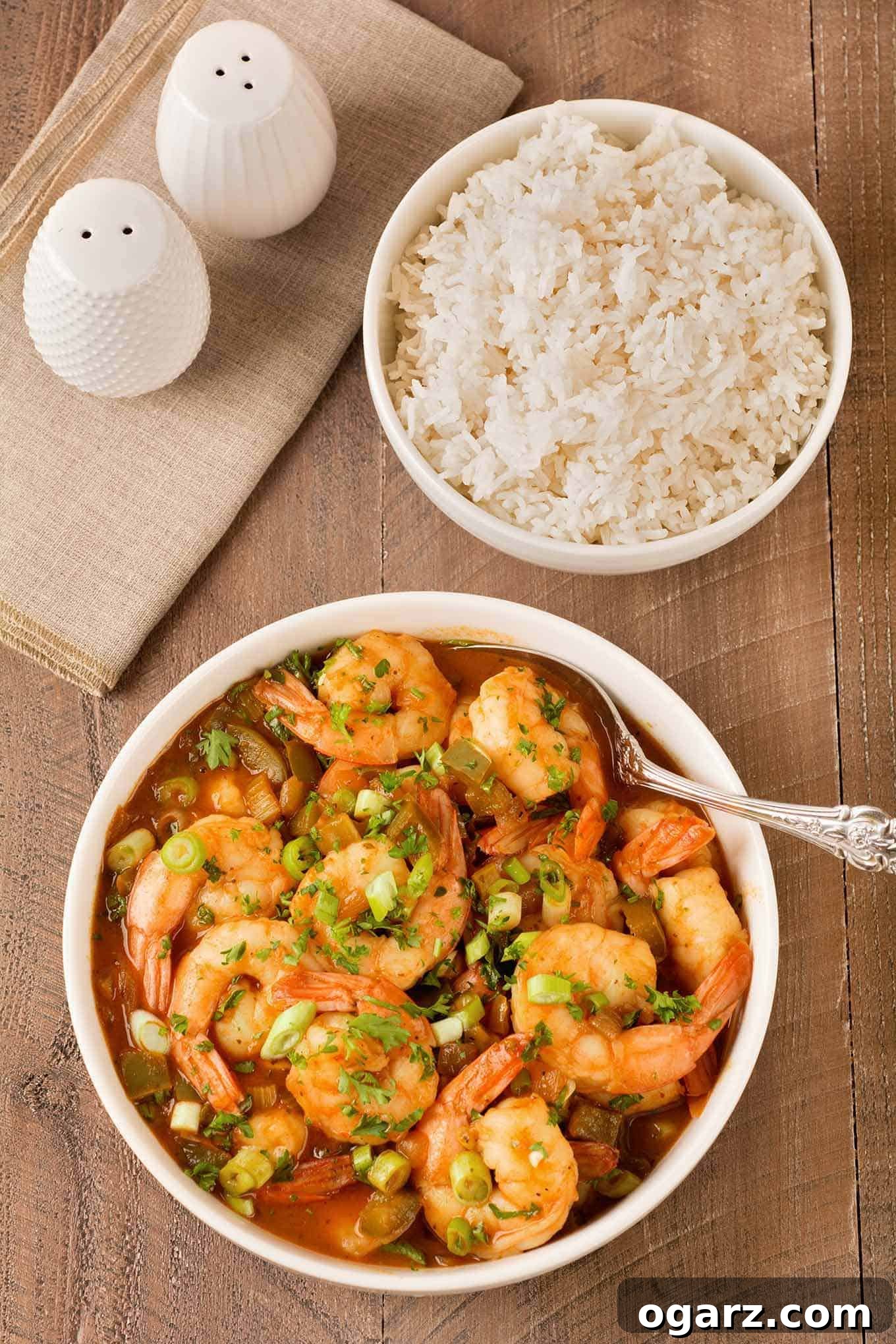
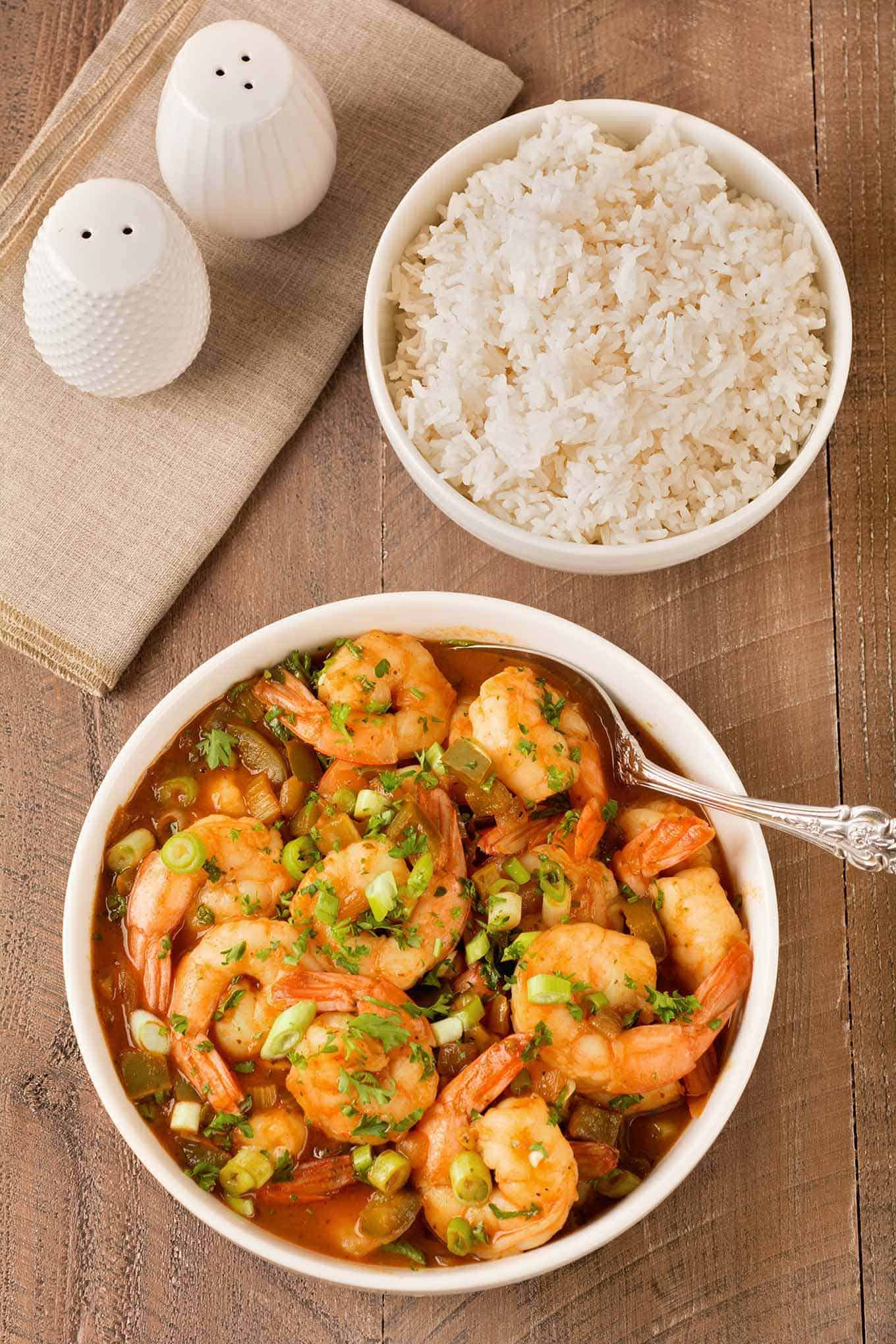
Embark on a culinary adventure with this exquisite Louisiana Style Shrimp and Rice, a dish that captures the soulful essence of Cajun and Creole cooking. More than just a meal, it’s an experience defined by its rich, robust, and utterly irresistible sauce. This isn’t just any shrimp dish; it’s a hearty stew-like creation, reminiscent of a classic étoufée, offering a symphony of flavors that will transport your taste buds straight to the bayous of Louisiana.
The magic truly lies in its deeply flavorful gravy, meticulously crafted from the foundational “Holy Trinity” of Cajun cuisine: sautéed onion, bell pepper, and celery. These aromatic vegetables form the base, which is then enhanced with seasoned flour, a touch of savory tomato paste, and, uniquely, beef stock. This extraordinary blend creates a velvety sauce that perfectly envelops each succulent shrimp, making every bite a delight. Served generously over a bed of fluffy white or wholesome brown rice, it’s a dish that promises profound satisfaction and intense flavor with surprising ease of preparation.
While beef stock might seem an unconventional choice for a shellfish dish, it’s precisely this unexpected pairing that elevates our Louisiana Style Shrimp and Rice to culinary distinction. The deep, rich umami notes of the beef stock provide a complex depth that beautifully complements the sweetness of the shrimp, setting this recipe apart from more traditional seafood preparations. This strategic ingredient choice imbues the dish with a grounding, savory foundation that amplifies the overall flavor profile, creating a truly unforgettable dining experience that’s both comforting and gourmet.
Unveiling the Origins: A Beloved Recipe’s Journey
Every great recipe has a story, and our Louisiana Style Shrimp and Rice is no exception. Our culinary journey to unearth its roots led us to what we believe is the foundational version of this beloved dish, originally featured on LouisianaSeafood.com. This particular iteration, known as Shrimp Delicate, gained special notoriety through our dedicated readers, Pat and Melanie. They discovered this culinary gem during an unforgettable trip to Baton Rouge and were so captivated by its flavors that they felt compelled to share it with our wider community.
Their enthusiasm highlighted the recipe’s widespread appeal and its authentic connection to Louisiana’s rich culinary heritage. It quickly became clear that this wasn’t just another shrimp dish; it was a testament to the region’s ability to transform simple ingredients into something truly extraordinary. Sharing “Shrimp Delicate” with our visitors became a priority, allowing more food enthusiasts to experience the genuine taste of Louisiana that had so charmed our readers. This commitment to sharing authentic and cherished recipes is at the heart of our mission, ensuring that these culinary traditions continue to inspire and delight home cooks everywhere.
What is Étouffée? A Deep Dive into Louisiana’s Iconic Dishes
Given the star role of its rich, enveloping sauce, our Louisiana Style Shrimp and Rice is often lovingly referred to as an étoufée. But what exactly defines an étouffée, and how does it stand apart from other legendary Cajun and Creole staples like gumbo and jambalaya? The distinctions, while sometimes subtle, are key to understanding the diverse and vibrant culinary landscape of Louisiana. Let’s unravel the delicious details that differentiate these iconic dishes, helping you navigate the flavors of the South with confidence and appreciation.
Étouffée: The Art of Smothering Flavor
- Étouffée: Loosely translated from French, the word étouffée means “smothered.” This culinary technique involves cooking ingredients slowly in a sealed pot with minimal liquid, allowing them to release and concentrate their natural flavors into a rich, thick sauce. Traditionally, étouffée features seafood, most famously succulent crawfish, though shrimp is also a popular choice. The sauce is typically thickened with a blonde or light brown roux (a mixture of fat and flour) and infused with the aromatic “Holy Trinity” of bell pepper, onion, and celery. The result is a velvety, intensely flavorful gravy that clings beautifully to the protein. Étouffée is almost universally served over a bed of warm, fluffy white rice, which soaks up every drop of the luxurious sauce, providing a comforting and deeply satisfying meal. Its preparation emphasizes a gentle, simmering process, allowing the flavors to meld and deepen without drying out the main ingredient.
Gumbo: The Soulful Stew of Louisiana
- Gumbo: Often considered the official state cuisine of Louisiana, gumbo is a robust, hearty stew celebrated for its complex flavors and diverse ingredients. Its distinctive taste primarily comes from a dark roux, which provides a deep, nutty base and a rich color. Gumbo is incredibly versatile and can be made with a wide array of meats, seafood, and vegetables. Common additions include chicken, sausage (like spicy andouille), shrimp, crab, or oysters. Essential vegetables typically feature okra (which can also act as a natural thickener), diced tomatoes, onions, and bell peppers. Beyond these, many gumbo recipes incorporate other ingredients like ham, duck, or even game meats, reflecting the various regional and family traditions. Unlike étouffée, gumbo has a soup-like consistency, though it is considerably thicker than a standard broth, and is traditionally served hot, often with a scoop of rice stirred directly into the bowl.
Jambalaya: The One-Pot Wonder
- Jambalaya: This classic Louisiana dish shares similarities with Spanish paella, primarily in its one-pot preparation where rice is cooked directly with a medley of meats, seafood, and vegetables. Jambalaya is a complete meal in itself, known for its vibrant flavors and hearty nature. The foundation often includes the “Holy Trinity” (onions, bell peppers, and celery), along with tomatoes (especially in Creole jambalaya), garlic, and a variety of proteins such as chicken, sausage (often andouille), and shrimp. What truly distinguishes jambalaya is that the rice absorbs the rich cooking liquids and flavors from the other ingredients as it cooks, resulting in a cohesive and intensely aromatic dish where every grain of rice is infused with taste. Its versatility means that recipes vary significantly from cook to cook and region to region, with Cajun jambalaya typically featuring a brown roux base and no tomatoes, while Creole jambalaya often includes tomatoes and a lighter preparation.
More Popular Shrimp Recipes to Explore:
If you’ve enjoyed the flavors of this Louisiana-style shrimp dish, you’ll love exploring other incredible shrimp recipes that showcase this versatile seafood:
- Easy Shrimp and Andouille Gumbo
- Shrimp and Grits
- Brazilian Shrimp Stew
- Sautéed Shrimp With Orzo
- Old Bay Shrimp Sauté
Louisiana Style Shrimp and Rice
Lynne Webb
30 minutes
20 minutes
50 minutes
4
servings
Rate Recipe
Print Recipe
Ingredients
-
1-1/4
lbs
large shrimp,
peeled (tails left on) and deveined -
3
tablespoons
olive oil -
1
cup
onion,
diced -
1
cup
celery,
diced -
1
green bell pepper,
seeded and diced -
2
cloves
garlic,
minced -
1
tablespoon
tomato paste -
1-1/2
cups
reduced-sodium beef stock -
3 to 4
scallions,
sliced -
2
tablespoons
fresh parsley,
finely chopped
For the seasoned flour mix:
-
2
tablespoons
all-purpose flour -
1
teaspoon
paprika -
1/2
teaspoon
dried oregano -
1/2
teaspoon
onion powder -
1/2
teaspoon
celery seed -
Pinch
of cayenne
Instructions
-
Make the seasoned flour blend by combining the flour, paprika, oregano, onion powder, celery seed, and cayenne in a small bowl. Set aside.
-
Heat the olive oil in a large frying pan over medium heat. Add the onion and sauté until softened, 3 to 4 minutes.
-
Add the celery and bell pepper and continue cooking for 2 minutes longer.
-
Add the garlic and sauté 1 minute more, then sprinkle the seasoned flour mixture over the entire pan.
-
Continue cooking, stirring constantly, until the flour is lightly browned.
-
Stir in the tomato paste and combine well.
-
Whisk in the beef broth and simmer, stirring constantly, until the mixture has thickened to a gravy consistency.
-
Add the shrimp and continue cooking, stirring occasionally, until they turn pink and opaque, 5 to 7 minutes.
-
Add the scallions and parsley, reserving a bit of each for garnish if desired.
-
Combine well and remove from the heat.
-
Serve over steamed white or brown rice.
Notes
For an extra layer of flavor, consider adding a dash of hot sauce or a pinch of Cajun seasoning to the gravy while it simmers.
Ensure your shrimp are not overcooked; they should be firm and pink but still tender. Overcooked shrimp can become rubbery.
Freshly chopped parsley and scallions are essential for garnish, adding a bright, fresh contrast to the rich stew.
Nutrition
Calories:
268
,
Total Fat:
12
g
,
Cholesterol:
228
mg
,
Sodium:
385
mg
,
Carbohydrates:
12
g
,
Fiber:
3
g
,
Sugar:
6
g
,
Protein:
32
g
Nutrition information is automatically calculated, so should only be used as an approximation.
Like this recipe? Rate and comment below!
Tips for Mastering Your Louisiana Style Shrimp and Rice
Creating this flavorful dish is a rewarding experience, and a few key tips can ensure your success in the kitchen, yielding a meal that truly sings with authentic Louisiana flavors.
Selecting and Preparing Shrimp
The quality of your shrimp is paramount. Opt for large, fresh shrimp, ideally with the tails left on for presentation and a bit of extra flavor, but ensure they are peeled and thoroughly deveined. If fresh shrimp aren’t available, high-quality frozen shrimp work wonderfully; just be sure to thaw them completely and pat them dry before cooking to prevent excess moisture from diluting your sauce. Proper shrimp preparation ensures they cook evenly and absorb the rich flavors of the gravy.
The Art of the Holy Trinity
The “Holy Trinity” – diced onion, bell pepper, and celery – forms the aromatic backbone of almost all Cajun and Creole dishes. For this recipe, aim for uniform dicing, which allows these vegetables to soften evenly and release their full spectrum of flavors into the olive oil without burning. Sautéing them until tender but not browned is crucial for building a sweet, savory foundation that enhances the entire dish.
Crafting the Seasoned Flour Blend
The seasoned flour isn’t just a thickener; it’s a flavor enhancer. By combining all-purpose flour with paprika, dried oregano, onion powder, celery seed, and a pinch of cayenne, you’re creating a spice-infused roux base without the lengthy process of a traditional roux. When sprinkled over the sautéed vegetables and cooked until lightly browned, this flour mix develops a nutty aroma and a deeper, more complex flavor profile that will become the soul of your gravy.
Building the Perfect Gravy
Once the seasoned flour is toasted, stirring in the tomato paste allows it to caramelize slightly, intensifying its sweetness and depth. Whisking in the reduced-sodium beef stock slowly is key to achieving a smooth, lump-free gravy. Simmer the mixture, stirring constantly, until it thickens to a consistency that perfectly coats the back of a spoon. This careful process ensures your gravy is rich, cohesive, and ready to embrace the shrimp.
Cooking the Shrimp to Perfection
Shrimp cook very quickly, so timing is essential. Add the peeled and deveined shrimp to the simmering gravy and cook, stirring occasionally, just until they turn pink and opaque. This usually takes only 5 to 7 minutes, depending on the size of your shrimp. Overcooking will result in tough, rubbery shrimp, so keep a close eye on them!
Finishing Touches and Serving Suggestions
Just before serving, stir in the fresh scallions and finely chopped parsley. These fresh herbs add a vibrant color and a burst of fresh flavor that brightens the rich gravy. For an appealing presentation, reserve a small amount of herbs for garnish. This Louisiana Style Shrimp and Rice is best served immediately over fluffy steamed white or nutty brown rice, allowing the rice to absorb all the delicious gravy. A side of crusty bread is also perfect for soaking up any leftover sauce, ensuring not a single drop of flavor goes to waste.
Variations to Customize Your Dish
While this recipe stands strong on its own, feel free to experiment with variations to suit your taste:
- Heat Level: Increase the cayenne pepper for a spicier kick, or add a few dashes of your favorite hot sauce at the end.
- Vegetable Additions: Consider adding other vegetables like diced bell peppers of different colors (red, yellow, orange) for a sweeter flavor, or a small amount of finely chopped jalapeño for heat.
- Aromatics: A bay leaf can be added to the simmering gravy and removed before serving for an additional layer of herbal aroma.
- Liquid Boost: A splash of dry white wine or a tablespoon of Worcestershire sauce can add extra complexity to the gravy.
The Nutritional Benefits of Shrimp
Beyond its incredible taste, shrimp is a fantastic choice for a healthy meal. It is an excellent source of lean protein, providing essential amino acids crucial for muscle building and repair. Shrimp is also low in calories and saturated fat, making it a heart-healthy option. Furthermore, it’s packed with important vitamins and minerals, including selenium, vitamin B12, phosphorus, and iodine, all of which contribute to overall well-being. Enjoying a dish like Louisiana Style Shrimp and Rice means savoring rich flavors while also benefiting from the nutritional powerhouse that shrimp offers.
We hope you enjoy this delightful journey to the heart of Louisiana cuisine. Share your culinary creations and favorite variations in the comments below!