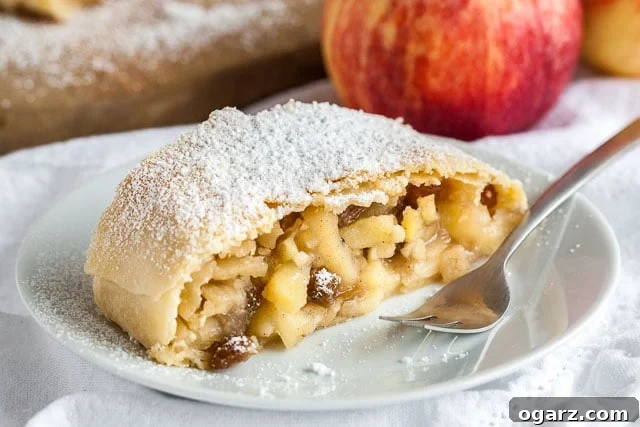
Traditional Austrian Apple Strudel (Apfelstrudel) Recipe
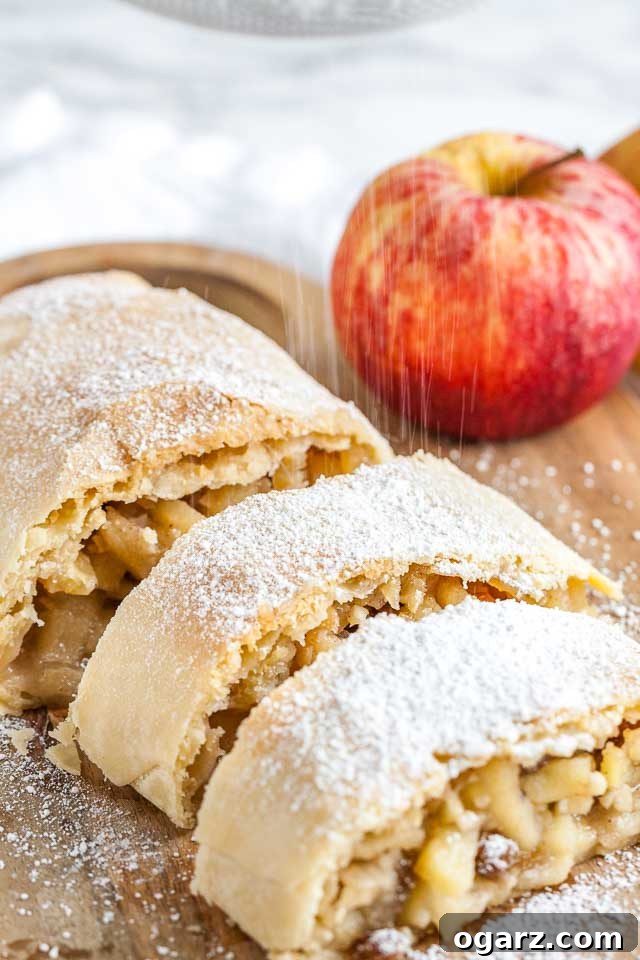
Prepare to delight your senses and impress your guests with this authentic Austrian Apple Strudel recipe, also known as Apfelstrudel. Forget the common misconception that this classic dessert is challenging to master; with our detailed guide, you’ll discover that creating a flaky, golden crust around a warmly spiced apple filling is much easier than you think. Perfect for fall and winter gatherings, this traditional treat, especially when served warm with a scoop of vanilla ice cream or a generous drizzle of vanilla sauce, promises a memorable culinary experience that everyone will adore.
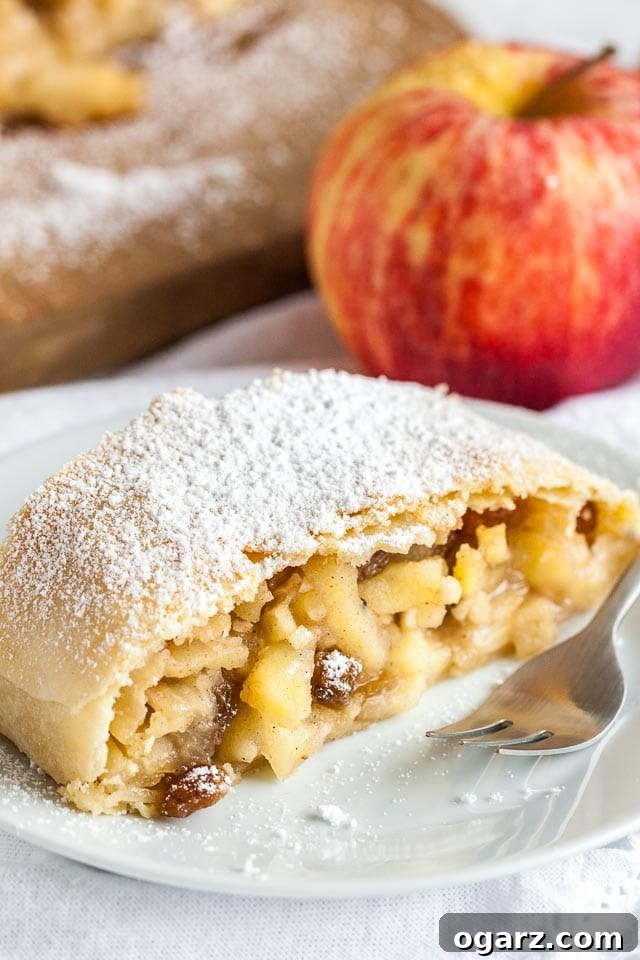
Our traditional Apfelstrudel features a delicate, handcrafted dough that bakes into an irresistibly buttery and flaky pastry. Nestled within is a luscious, spiced apple filling, generously studded with rum-soaked golden raisins and finely chopped almonds. This impressive dessert transcends mere sweetness, offering a symphony of textures and flavors that makes it perfect for special occasions, holiday celebrations, or simply an elevated everyday treat. The aroma alone will transport you straight to a cozy European bakery.
There’s nothing quite like serving this homemade Apfelstrudel warm, allowing the sweet scent of cinnamon and baked apples to fill your home. My personal favorite pairing is with a melting scoop of premium vanilla ice cream or a silky, homemade vanilla sauce. It’s an undisputed champion among desserts, especially as the crisp air of autumn descends and the festive cheer of winter approaches. This recipe brings the warmth and comfort of a classic European bakery right into your kitchen.
Many home bakers find the idea of making strudel dough from scratch daunting. However, I’m here to tell you that it’s far less complicated than it appears. Through numerous tests and refinements, I’ve developed a foolproof recipe and gathered essential tips and tricks to help you create a traditional Austrian Apple Strudel at home that rivals the best you might have tasted during a European holiday. This isn’t just a recipe; it’s a journey to unlock the secrets of a truly magnificent dessert.
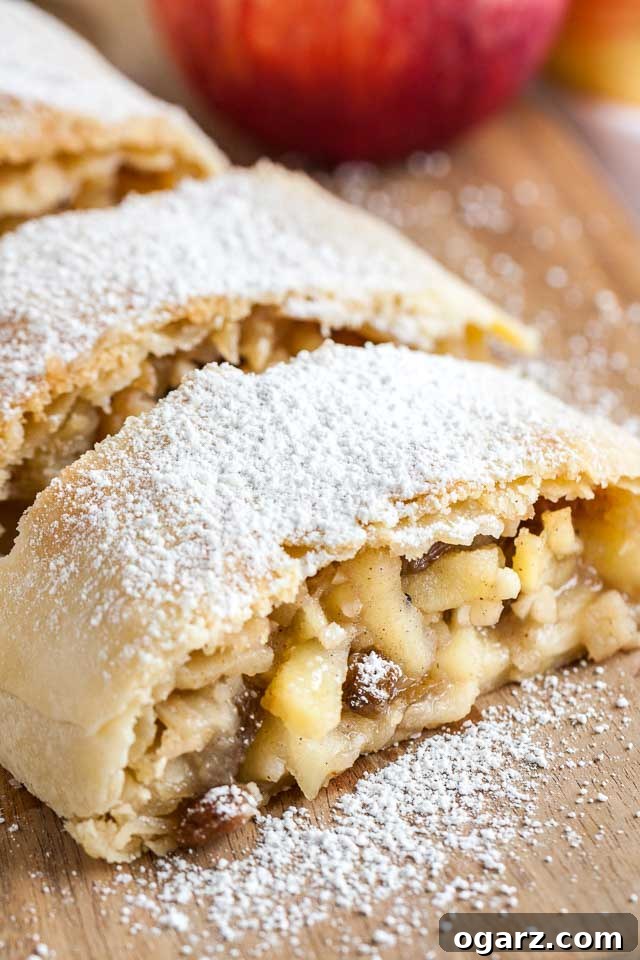
The Rich History and Origins of Apple Strudel
Despite its widespread popularity across Germany and Eastern Europe, Apple Strudel, or Apfelstrudel, is not originally a German pastry. Its true origins lie in Austria, tracing back to the days of the sprawling Austro-Hungarian Empire. The earliest known strudel recipe, a milk-cream strudel, dates back to 1696, found in a handwritten cookbook in Vienna. It is believed to have been inspired by Ottoman Empire baklava, brought to Austria by the Turks. The technique of layering thin dough sheets with a sweet filling then became a beloved culinary tradition, evolving into the iconic Apfelstrudel we know today.
The dessert’s popularity spread throughout the vast territories of the Austro-Hungarian Empire, making it a staple in countries like Hungary, Croatia, Slovenia, and the Czech Republic. While Germany was never part of this empire, its proximity to Austria, particularly Bavaria, led to a natural cultural exchange of culinary traditions. This is why many beloved Austrian dishes, such as Kaiserschmarrn (torn pancakes) and Apfelstrudel, are deeply ingrained in Bavarian cuisine, embodying a shared heritage of delicious, hearty comfort food.
Understanding Strudel Dough: The Heart of Apfelstrudel
The hallmark of a truly traditional Viennese Apple Strudel lies in its unique strudel dough. This isn’t your average pastry dough; it’s a marvel of simplicity and elasticity, made from just a handful of basic ingredients: flour, water, a little melted butter, and a pinch of salt. The magic happens during the stretching process, where this soft dough is meticulously hand-stretched until it becomes incredibly thin, almost transparent – so thin, in fact, that a skilled baker can read a newspaper through it. This paper-thin dough is what gives traditional strudel its characteristic light, airy, and undeniably flaky texture after baking.
While the authentic method of preparing strudel dough might seem intimidating, leading many modern recipes to suggest shortcuts like using store-bought phyllo dough or puff pastry, I strongly encourage you to embrace the traditional approach. There’s an immense satisfaction in creating this dough yourself, and the resulting flavor and texture are simply unmatched. You don’t need to be an Austrian grandmother with decades of experience to achieve a fantastic result. My recipe aims to demystify the process, guiding you to make a delicious strudel that is easier to manage than the traditional “tabletop-sized” stretch, yet equally delightful. The effort is minimal compared to the incredible reward of a truly authentic Apfelstrudel.
How to Make Apple Strudel from Scratch: A Step-by-Step Guide
Preparing the Strudel Dough for Success
Our journey begins with the dough, a simple yet crucial component. This dough recipe is refreshingly straightforward. In the bowl of a stand mixer, combine melted butter, all-purpose flour, a pinch of salt, and lukewarm water. Mix on medium speed for about one minute until a smooth, elastic dough forms. If you don’t have a stand mixer, you can achieve this by hand, kneading for about 5-7 minutes until the dough is supple and no longer sticky.
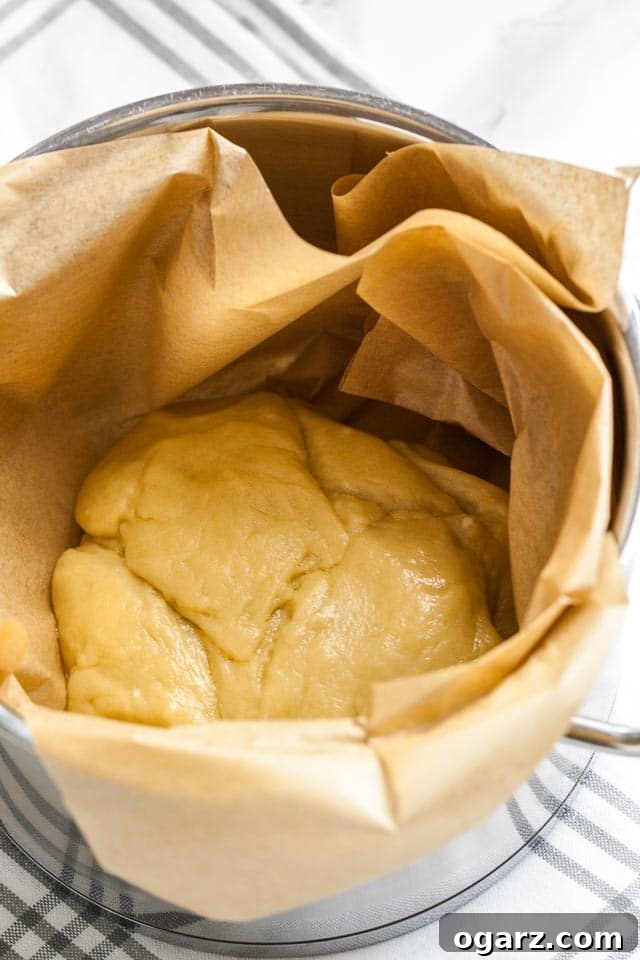
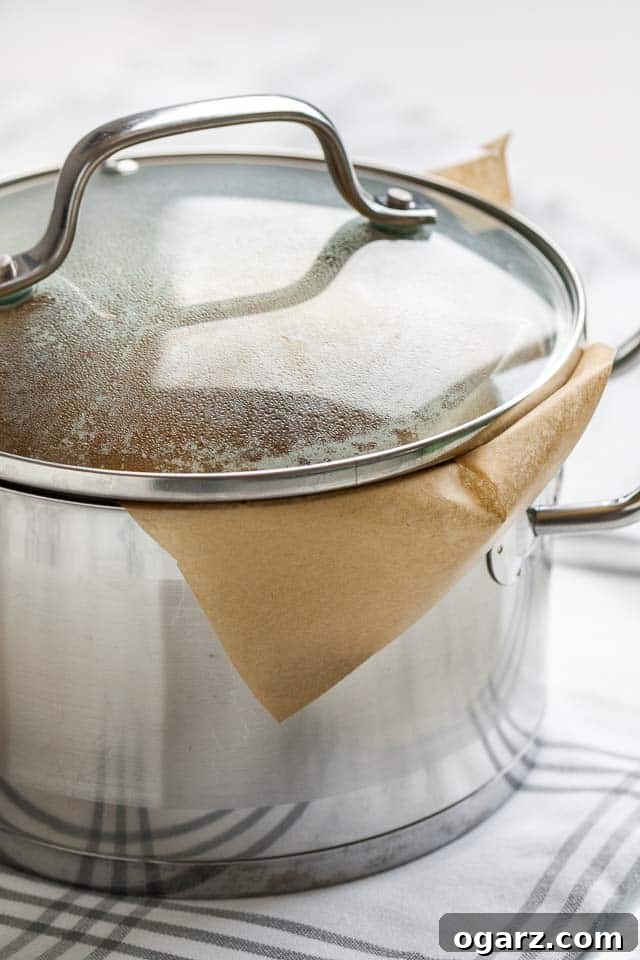
Now, for a unique and essential step that will dramatically improve your dough-stretching experience: allow the dough to rest in a hot, lidded pot. To do this, bring water to a boil in a small saucepan, then carefully empty it and dry it thoroughly. Line the warm pot with a sheet of parchment paper, place the dough ball inside, and cover it with the lid. Let it rest for at least 30 minutes at room temperature. This warm, steamy environment relaxes the gluten in the dough, making it incredibly elastic and significantly easier to stretch into its signature thinness without tearing.
Crafting the Perfect Apple Filling
While your dough is resting and developing its elasticity, it’s the perfect time to prepare the apple filling. It’s crucial that the filling is ready before you begin rolling and stretching the dough. A stretched dough left exposed to air for too long can dry out, becoming brittle and prone to tearing. Believe me, I’ve had my share of strudel mishaps during testing, including one unfortunate incident where the strudel burst open in the oven, spilling its delicious contents. Preparing the filling in advance mitigates this risk.
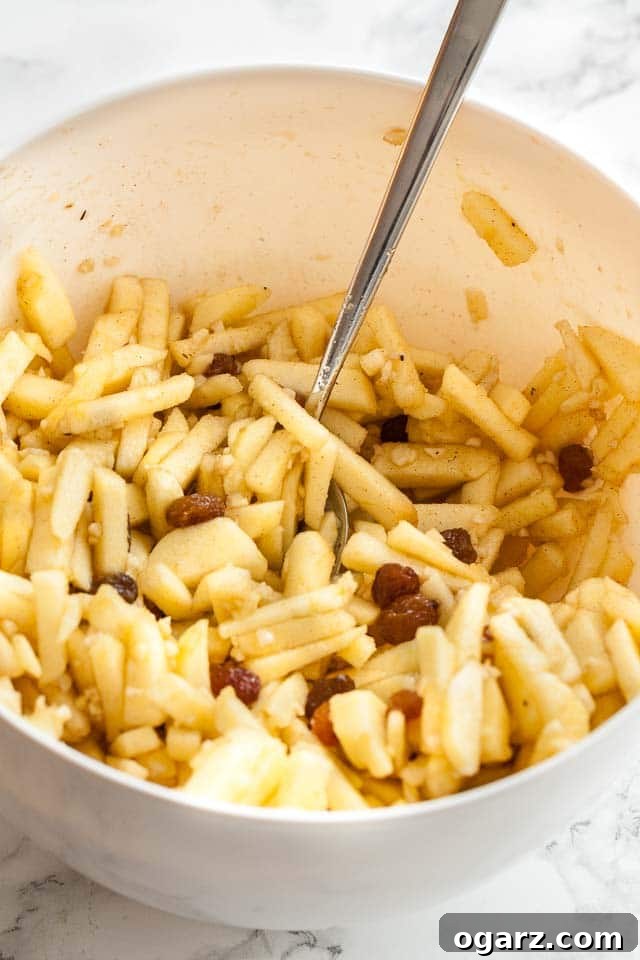
For the apple filling, I prefer to cut the apples into small, uniform stripes (batonnets), which cook evenly and offer a pleasant texture. Some people opt for small slices, which also work beautifully. Once sliced, combine the apples with lemon juice (to prevent browning), ground cinnamon, granulated sugar, vanilla extract, and the special additions of rum-soaked raisins and finely chopped almonds.
Rum-soaked raisins are an absolute must for an authentic Apfelstrudel, lending a complex sweetness and subtle boozy note. Simply combine golden raisins with rum and let them macerate for about 30 minutes. Afterwards, you can discard the rum (or save it for another use!) and add the plumped raisins to your filling. If you prefer to avoid alcohol, apple juice or lukewarm water make excellent substitutes for soaking the raisins.
Finely chopped almonds add a delightful textural contrast and nutty flavor. While optional, I highly recommend them. For the best result, ensure they are very finely chopped. You can often find pre-blanched, finely chopped almonds, or you can finely chop store-bought slivered almonds yourself.
The Art of Stretching the Dough: Tips for Success
Stretching strudel dough is often perceived as the most challenging step, but with a few simple tips, you’ll find it incredibly rewarding. Remember, perfection isn’t the goal on your first try; patience and practice are key. These tips will help you achieve a beautifully thin, pliable dough:
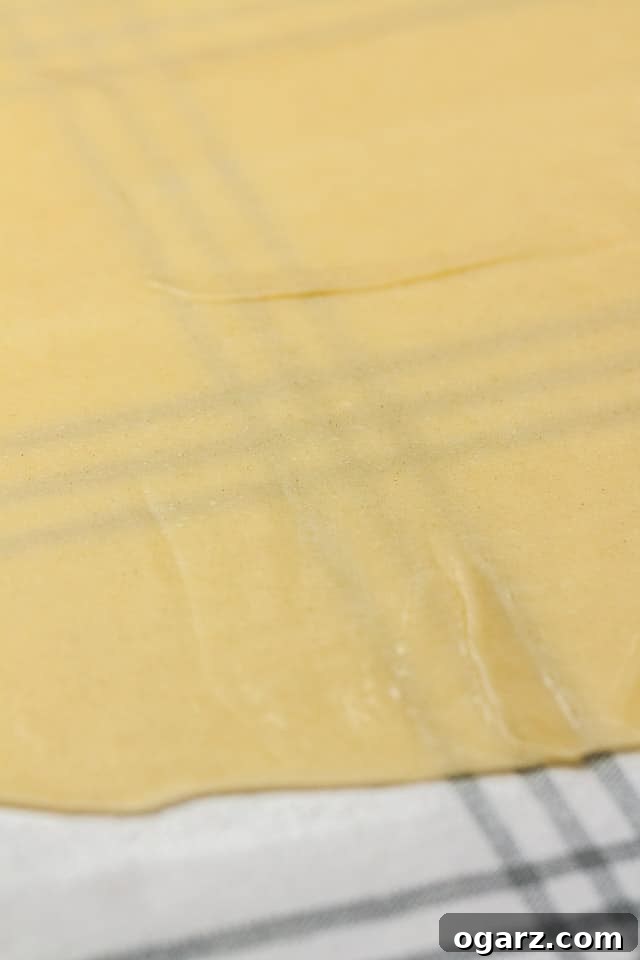
- Don’t Be Overly Ambitious: While Austrian grandmothers are renowned for stretching dough paper-thin with their bare hands in mere moments, most of us are not seasoned pros. Your goal is to stretch the dough thin enough to just barely see the pattern of your dish towel through it. This is more than sufficient for a delicious strudel. You’ll gain speed and skill with each attempt, so don’t aim for A+ on day one!
- Use a Smooth Dish Towel: Choose a clean, smooth cotton or linen dish towel for stretching. Avoid rough or heavily textured towels, as the delicate dough can stick to them, leading to tears. Lightly flour the towel before starting.
- Have Your Filling Prepared: As mentioned, once your dough is stretched, it needs to be filled quickly to prevent it from drying out and becoming brittle.
- Remove Jewelry and Push Up Sleeves: Rings, bracelets, or even loose sleeves can snag and tear the delicate dough. Clear your hands and wrists for an unobstructed stretching experience.
If you follow these guidelines, stretching the dough will be a satisfying, rather than stressful, part of the process.
Assembling Your Strudel Masterpiece
Once your dough is perfectly stretched (aim for roughly 18×12 inches or 45×30 cm), brush half of your melted butter evenly over the surface. Now, it’s time to add the filling. There are various ways to spread the apples, but I find the most straightforward and foolproof method is to create a single, thick stripe of filling.
Position the long side of the dough rectangle facing you. On the right side of the dough, leave a few inches of space. Then, sprinkle breadcrumbs in a continuous 6-inch-wide line from top to bottom, leaving a 2-inch margin at the top and bottom of this strip. The breadcrumbs are crucial; they absorb excess moisture from the apples, preventing the bottom crust from becoming soggy.
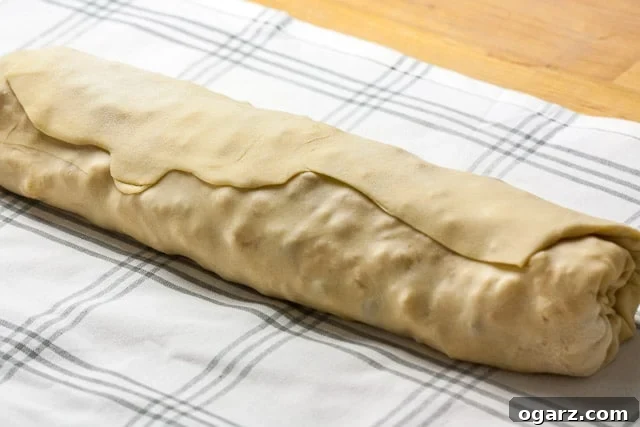
Carefully pile the prepared apple filling directly on top of the breadcrumbs. Use a slotted spoon to transfer the filling, ensuring any accumulated liquid remains in the bowl. Form a uniform pile of apples along the breadcrumb strip. Next, fold the 2-inch margins of dough at the top and bottom over onto the filling, creating neat ends. Finally, using the towel underneath, gently lift and roll the strudel from the short side, guiding it into a tight log, much like making a Swiss roll. Work slowly and carefully to maintain the integrity of the dough.
Carefully transfer your rolled strudel to a baking sheet lined with parchment paper, placing it seam-side down. Brush the entire surface with a little more melted butter. Preheat your oven to 350°F (180°C).
Baking to Golden Perfection
Bake the strudel in the lower third of the oven for approximately 50 minutes, or until it achieves a beautiful golden-brown color on top. To ensure that signature flaky, rich crust, make sure to brush the strudel with additional melted butter every 20 minutes while it bakes. This repeated brushing helps create layers and an exquisite golden finish. Once baked, let it cool for about 10 minutes before generously dusting with powdered sugar. Serve warm for the ultimate indulgence!
Serving Suggestions for Your Homemade Apfelstrudel
A freshly baked Apfelstrudel is a delight on its own, especially when dusted with a generous cloud of powdered sugar. However, to truly elevate the experience, consider these classic Austrian serving suggestions:
- Vanilla Sauce: The most traditional accompaniment, a warm, creamy vanilla sauce (often called Vanillesauce in Austria) provides a comforting contrast to the crisp pastry and spiced apples.
- Vanilla Ice Cream: A large dollop of premium vanilla ice cream melting over a warm slice of strudel is pure heaven. The cold creaminess against the warm, flaky pastry and sweet filling is an irresistible combination.
- Whipped Cream: For a lighter, yet equally decadent touch, a generous swirl of freshly whipped cream adds a touch of elegance and balances the rich flavors.
- Aromatic Coffee: In true Viennese tradition, Apfelstrudel pairs wonderfully with a strong cup of coffee, such as an Austrian Melange or Espresso, making it a perfect afternoon fika or dessert.
Make-Ahead and Storage Tips for Apple Strudel
While Apple Strudel is undoubtedly at its best when enjoyed warm, fresh from the oven, it remains wonderfully delicious at room temperature and reheats beautifully. Here are some tips for preparing and storing your strudel:
- Dough in Advance: You can prepare the strudel dough the day before and store it, tightly covered, in the refrigerator overnight. Just be sure to bring it to room temperature for about an hour before you attempt to roll it out, allowing it to regain its elasticity.
- Assembling in Advance: I generally do not recommend assembling the entire strudel and then waiting until the next day to bake it. The moisture from the apples can seep into the delicate dough, making it soggy and difficult to achieve that desired flaky crust.
- Freezing Unbaked Strudel: A great option for future enjoyment is to freeze the assembled but unbaked strudel. Carefully place the unbaked strudel on a parchment-lined baking sheet and freeze until solid. Once frozen, you can wrap it tightly in plastic wrap and then aluminum foil, and store it in the freezer for up to a month. When ready to bake, place the frozen strudel directly onto a baking sheet (no need to thaw), and bake for a few minutes longer than the recipe specifies, until golden and cooked through. I am still testing this method thoroughly and will update this post with more precise timing recommendations once confirmed.
- Storing Leftovers: Leftover baked strudel can be stored at room temperature, loosely covered, for up to 2 days, or in the refrigerator for up to 4 days. Reheat slices gently in a preheated oven (around 300°F/150°C) for 10-15 minutes until warmed through and the crust has re-crisped slightly.
Frequently Asked Questions About Apple Strudel
Here are answers to some common questions about making this delightful dessert:
- What kind of apples are best for Apple Strudel?
For the best balance of sweetness and tartness, and to ensure they hold their shape during baking, a mix of firm, tart apples and slightly sweeter ones works wonderfully. Varieties like Granny Smith, Honeycrisp, Fuji, or Braeburn are excellent choices. Avoid overly soft or mealy apples.
- Can I omit the rum in the filling?
Absolutely! If you prefer to avoid alcohol, you can soak the raisins in warm apple juice, orange juice, or even just lukewarm water. The goal is to plump them up and infuse them with a little extra flavor and moisture.
- How thin should the strudel dough truly be?
The ideal thickness for strudel dough is almost translucent. You should be able to see the pattern of your dish towel through it. Don’t worry if it’s not perfectly uniform; a few thicker spots are fine, and the overall thinness is what contributes to the signature flaky texture.
- What if my dough tears while stretching?
Don’t panic! Small tears are common and easily repairable. Simply pinch the edges of the tear back together. Remember, the dough is very forgiving. If a tear is larger, you can often patch it with a piece of excess dough from a thicker edge. The layers will mostly hide minor imperfections.
- How do I prevent a soggy bottom crust?
The breadcrumb layer is your secret weapon! Sprinkling breadcrumbs over the dough before adding the apple filling absorbs excess moisture released by the apples during baking, ensuring a crispy bottom crust. Using a slotted spoon to transfer the apple filling also helps minimize liquid.
Tools for Making This Austrian Apfelstrudel
- Stand Mixer: A kitchen appliance I use constantly, and it’s elegant enough to be a countertop decoration!
- Cinnamon: I go through a lot of cinnamon during the colder months, so I always keep a well-stocked supply.
- Apple Peeler, Corer, and Slicer: This handy tool cores, peels, and slices apples with incredible efficiency. It not only saves a tremendous amount of time but is also significantly safer than using a paring knife for preparing apples or potatoes.
More Traditional German & Austrian Dessert Recipes
If you’ve enjoyed making this Apfelstrudel, you might love exploring other classic European desserts:
- German Apple Cake (Versunkener Apfelkuchen)
- German Apple Streusel Sheet Cake
- Kaiserschmarrn Recipe (Torn Pancakes)
- German Lebkuchen Recipe {Elisenlebkuchen}
Recipe: Traditional Apple Strudel
Summary: Apple Strudel is much easier to make from scratch than you think and tastes amazing dusted with powdered sugar! Everyone will love this traditional Apfelstrudel that has a flaky crust and is filled with juicy spiced apples.
By: Julia Foerster
Prep Time: 45 minutes
Cook Time: 50 minutes
Total Time: 1 hour 35 minutes
Servings: 8
Ingredients
For the strudel dough:
- 1/4 cup unsalted butter, melted (55g)
- 1 1/2 cups all-purpose flour (200g)
- 1 pinch of salt
- 1/3 cup water, lukewarm (80ml)
For the apple filling:
- 1/3 cup golden raisins (50g)
- 2 Tbsp rum (or apple juice/water)
- 4 medium apples
- 1 tbsp lemon juice
- 1 tsp ground cinnamon
- 1/2 cup granulated sugar (100g)
- 1/4 cup slivered almonds, finely chopped (30g)
- 1 tsp vanilla extract
To assemble:
- 6 tbsp unsalted butter, melted (90g)
- 1/4 cup breadcrumbs (30g)
Instructions
- In the bowl of a stand mixer fitted with the paddle attachment, combine melted butter, flour, salt, and lukewarm water. Mix at medium speed for about 1 minute until a smooth and elastic dough forms.
- In a small saucepan (with a lid), bring water to a boil, then remove the pot from the heat, empty the pot and dry it with a dish towel. Line the pot with a sheet of parchment paper, put the dough into the pot and put the lid on. Let sit for 30 minutes at room temperature.
- Preheat the oven to 350°F (180°C) and line a baking sheet with parchment paper.
- Meanwhile, in a small bowl, combine raisins and rum (or chosen substitute). Let sit for 30 minutes. Then discard the rum.
- Peel, core, and cut the apples into small stripes (batonnets, see image above). Combine apples with lemon juice. Add cinnamon, sugar, raisins, almonds, and vanilla extract. Set aside.
- Lay a thin kitchen towel (preferably with a pattern) flat on the counter. Sprinkle lightly with flour. Roll the dough out as thin as you can with a rolling pin. Brush it with a little bit of melted butter.
- Then use your hands to carefully stretch it until it is about 18×12 inches (45×30 cm) big and you’re able to see the pattern of the dish towel through the dough.
- Brush half of the melted butter over the rolled out dough.
- The long side should be facing you. On the right side of the rectangle, leave a few inches space, then sprinkle the breadcrumbs top to bottom over the dough in a 6-inch thick line. Leave a 2-inch margin at the top and bottom of the strip.
- Pile the apple filling on top of the breadcrumbs. Use a slotted spoon so the liquid stays in the bowl.
- Fold the 2-inch margin at the top and bottom of the dough over onto the filling, then roll up the strudel from the short side with the help of the towel. Tuck the ends securely.
- Carefully transfer the strudel to the prepared baking sheet, seam side down. Brush with a little bit of melted butter.
- Bake for about 50 minutes in the lower third of the oven, until lightly golden on top. Brush strudel with remaining melted butter every 20 minutes while in the oven.
- Let cool for 10 minutes, then sprinkle generously with powdered sugar and serve warm.
Notes
Serve with homemade Vanilla Sauce for an authentic Austrian experience!
Nutrition Information
Calories: 377kcal per serving