
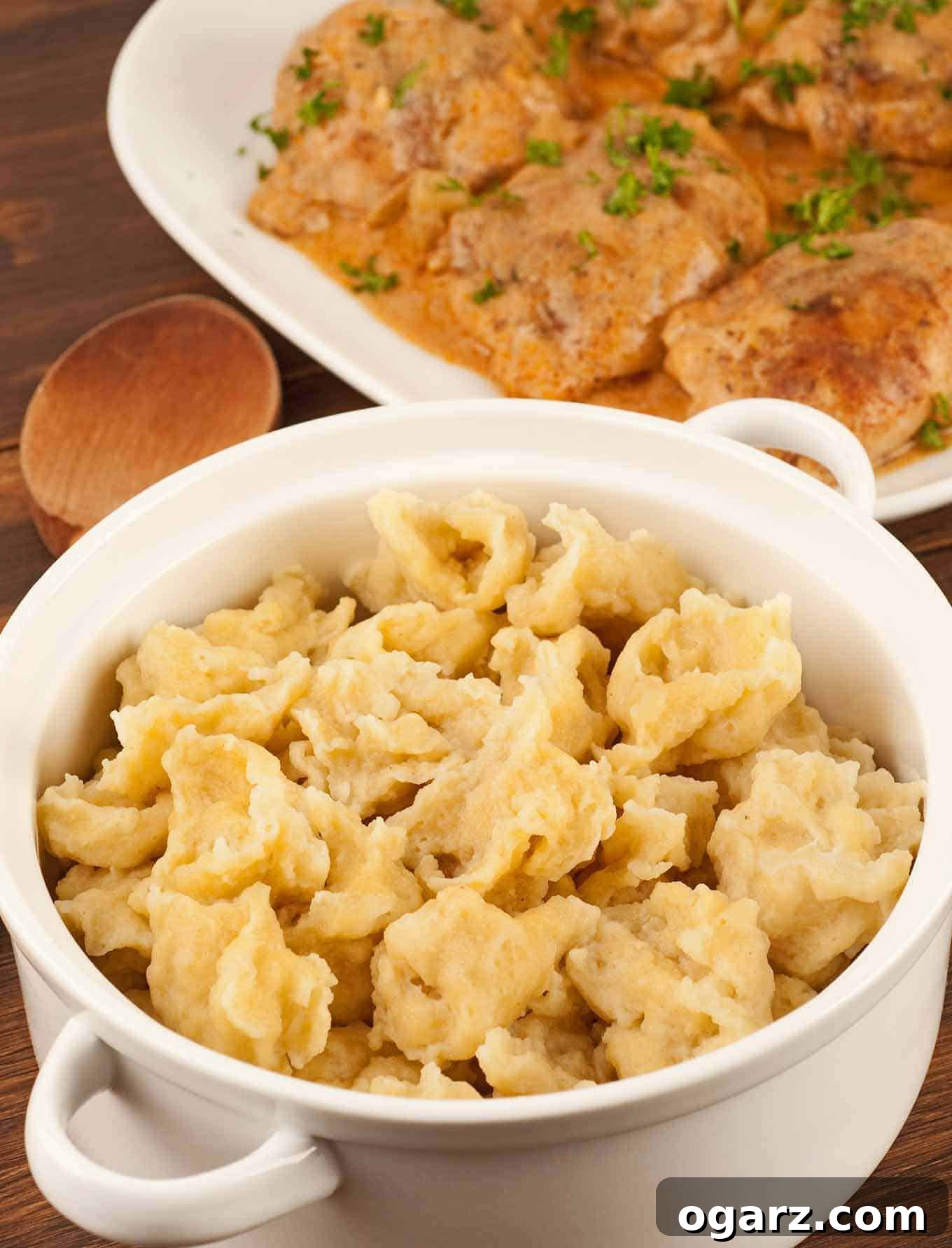
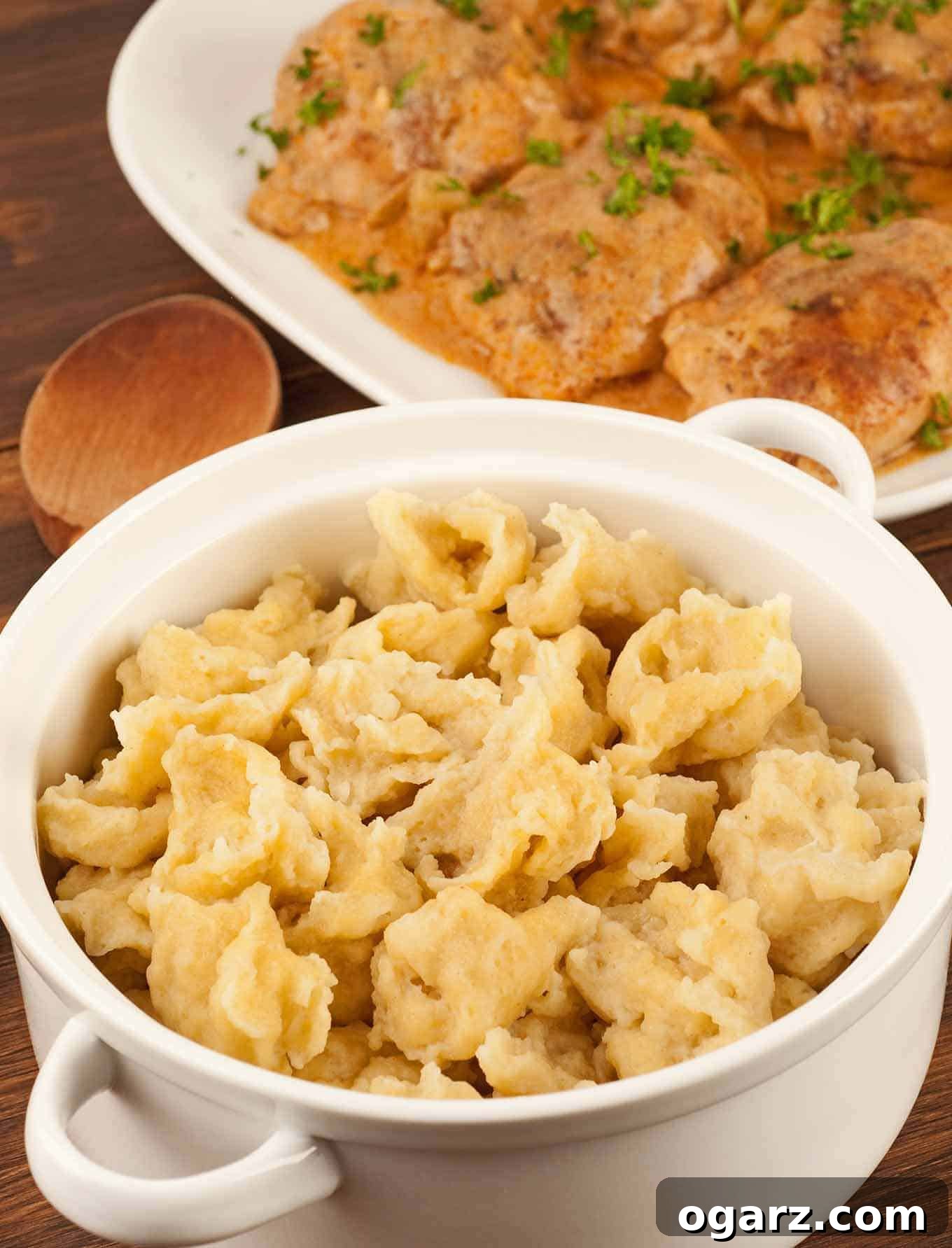
Authentic Hungarian Noodle Dumplings (Nokedli): A Beloved Family Recipe
Welcome to our kitchen, where we’re delighted to share a cherished family recipe for Hungarian Noodle Dumplings, affectionately known as Nokedli. These delightful, small, and irregularly shaped dumplings are a cornerstone of traditional Hungarian cuisine, often likened to German Spaetzle due to their similar preparation and versatile use. Easy and quick to prepare, nokedli offers a comforting texture and savory flavor that makes them an indispensable side dish for a wide array of hearty main courses. Our authentic recipe promises a true taste of Hungary, bringing a simple yet profoundly satisfying element to your dining table.
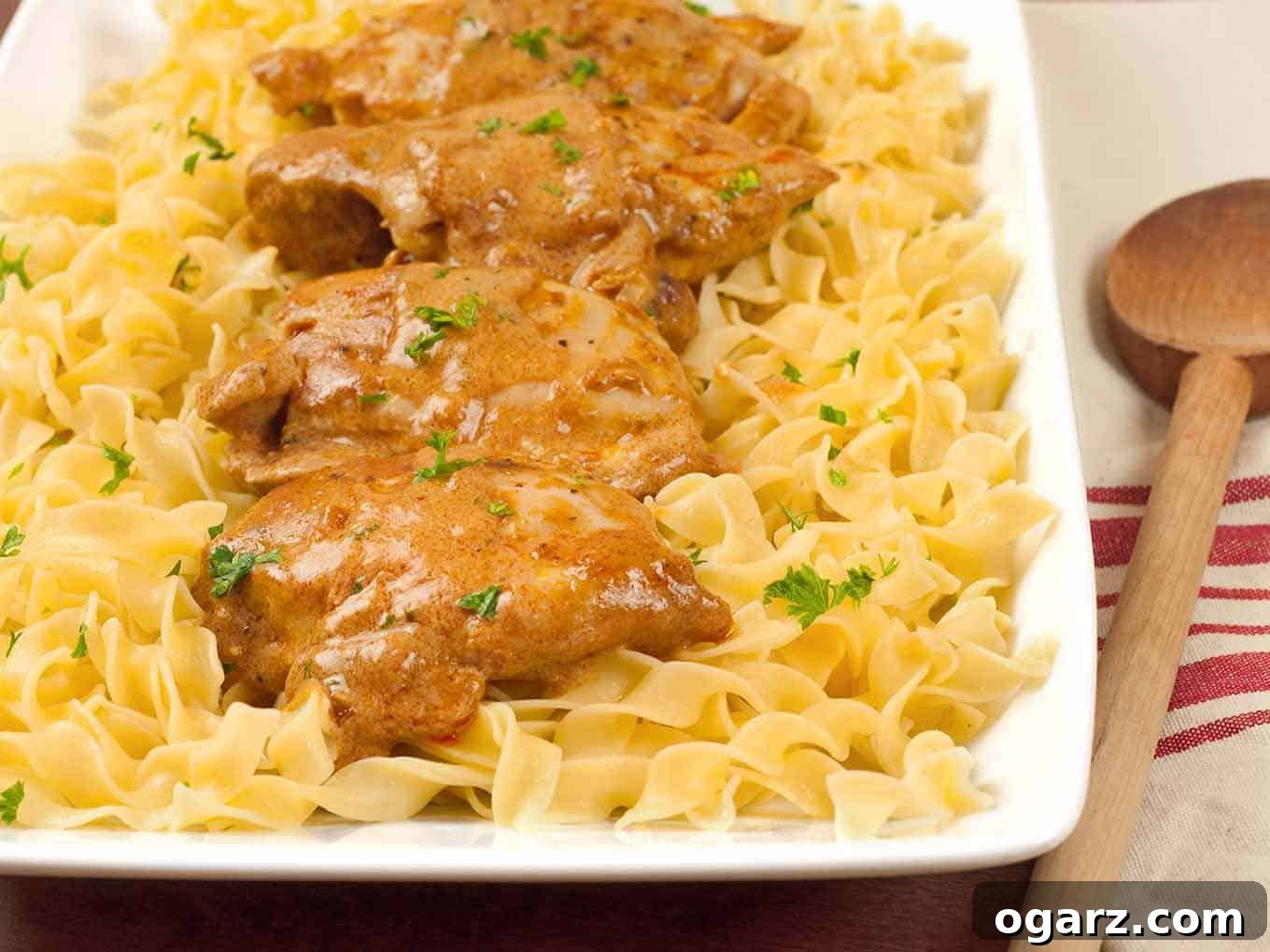
For generations, nokedli has graced Hungarian tables, serving as the perfect accompaniment to rich, saucy dishes. Its unassuming appearance belies a remarkable ability to absorb the flavors of stews and gravies, ensuring every bite is a harmonious blend of textures and tastes. While incredibly versatile, nokedli truly shines when served alongside a classic like our Easy Chicken Paprikas, creating a culinary experience that transports you straight to the heart of Central Europe. This recipe isn’t just about food; it’s about tradition, comfort, and the joy of sharing a homemade meal.
Making nokedli from scratch is a rewarding experience, offering a freshness and authenticity that pre-made alternatives simply cannot match. With just a few basic ingredients readily available in most pantries, and a straightforward technique, you can create these tender, chewy dumplings that are sure to become a new favorite in your home. Whether you’re a seasoned chef or a novice eager to explore Hungarian flavors, our detailed guide will help you master this beloved staple with confidence and ease.
Understanding Nokedli: A Staple of Hungarian Cuisine
Nokedli are small, soft egg noodles or dumplings, distinctive for their irregular, often oblong shape. Unlike traditional pasta that is typically rolled and cut, nokedli dough is usually pressed or scraped directly into boiling water through a special grater or a simple cutting board and knife. This unique method gives them their characteristic rustic appearance and a wonderfully chewy yet tender consistency. They are a beloved comfort food, deeply embedded in the culinary traditions and everyday meals of Hungary.
The beauty of nokedli lies in its inherent simplicity and adaptability. Primarily made from flour, eggs, water or milk, and salt, the dough is soft and pliable, resulting in a light dumpling. Once cooked, these dumplings are often gently tossed in melted butter, which enhances their flavor and gives them a lovely, golden sheen. They are far more than just a filler; nokedli acts as an integral component of many traditional Hungarian meals, offering a neutral yet flavorful canvas to complement robust, spicy, or creamy main dishes. Their ability to soak up delicious gravies and sauces makes them an ideal choice for hearty stews, adding substance and comfort to any meal.
Nokedli vs. Spaetzle: Unraveling the Similarities and Differences
Many people familiar with Central European cuisine might draw a strong parallel between Hungarian nokedli and German spaetzle. Indeed, the two are remarkably similar in concept and preparation! Both are small, irregular egg noodles or dumplings predominantly used as a versatile side dish across various regional cuisines. However, subtle distinctions exist, often rooted in regional culinary traditions, specific dough recipes, and the tools used for their creation.
Hungarian nokedli typically features a dough with a slightly higher proportion of eggs to flour, sometimes incorporating milk, resulting in a tender yet resilient texture. Traditionally, a “nokedli szaggató” (a specialized grater) is used, or the dough is expertly scraped from a cutting board directly into boiling water using a knife. German spaetzle, on the other hand, might feature slightly different ingredient ratios and is often made using a spaetzle press or board. Despite these minor variations in technique or specific ingredients, both nokedli and spaetzle share the common goal of providing a delightful, hearty, and absorbing accompaniment that beautifully soaks up the flavors of the main course. For lovers of either, the experience is one of pure comfort food bliss.
The Perfect Pairing: Serving Nokedli with Hungarian Classics and Beyond
While nokedli is famously served with Hungarian Chicken Paprikas, its culinary versatility extends far beyond this iconic dish. These tender dumplings are an excellent side for almost any dish boasting a rich sauce or gravy that they can readily soak up, transforming every bite into a symphony of flavors and textures. Consider expanding your culinary horizons by pairing them with some of these delightful options:
- Goulash (Gulyás): A quintessential Hungarian beef stew, rich with paprika, vegetables, and savory spices, finds its ultimate match in tender nokedli. The dumplings are perfect for absorbing the thick, flavorful broth.
- Pörkölt (Hungarian Stew): Similar to goulash but typically without potatoes and caraway, pörkölt made with beef, pork, or even hearty mushrooms is heavenly when served over a bed of nokedli.
- Roasted Meats: Whether it’s succulent roasted chicken, tender pork loin, or a slow-cooked pot roast, nokedli provides a wonderful textural contrast and absorbs the flavorful meat juices beautifully.
- Creamy Mushroom Sauce: For a delightful vegetarian option, nokedli tossed in a rich, creamy mushroom sauce or simply coated in aromatic herb butter is incredibly satisfying and full of flavor.
- Saucy Chicken or Pork Dishes: Any chicken or pork dish featuring a flavorful cream-based or tomato-based sauce will be elevated by the addition of nokedli.
Explore More Hungarian Culinary Inspirations:
Delve deeper into the rich tapestry of Hungarian cuisine with these other traditional recipes that beautifully complement the rustic charm of nokedli:
- Hungarian Summer Squash with Dill: A fresh, light, and vibrant side dish that offers a pleasant contrast.
- Hungarian Stuffed Cabbage Rolls: A hearty and flavorful main course, perfect for a cozy family dinner.
- Hungarian Cabbage Noodles: Another comforting noodle dish, offering a different textural experience.
Hungarian Noodle Dumplings (Nokedli)
Hungarian-style noodle dumplings (nokedli) are incredibly similar to German spaetzle. They are a delightful, quick-to-prepare side dish that complements a wide range of main dishes, with Chicken Paprikas being a beloved traditional pairing. This easy recipe brings authentic Hungarian comfort food to your table.
Print Recipe
Ingredients
- 2-1/2 cups all-purpose flour
- 1/4 teaspoon baking powder
- 1 teaspoon salt
- 1/2 teaspoon ground pepper
- 1/2 teaspoon ground nutmeg
- 3 large eggs, lightly beaten
- 3/4 cup milk
- 3 tablespoons unsalted butter
Instructions
- Prepare the Dough: In a large mixing bowl, combine the all-purpose flour, baking powder, salt, ground pepper, and ground nutmeg. Whisk these dry ingredients together thoroughly to ensure even distribution. Create a deep well in the center of the dry mixture. Pour the lightly beaten eggs and milk into this well. Using a sturdy wooden spoon or a spatula, combine the ingredients thoroughly, mixing from the center outwards, until a smooth, slightly sticky dough forms. Be careful not to overmix, as this can develop the gluten too much and lead to tough dumplings; a few small lumps are perfectly acceptable. Once combined, turn the dough onto a clean plate, cover it loosely with plastic wrap, and let it rest at room temperature for at least 30 minutes. This crucial resting period allows the flour to fully hydrate, resulting in a more tender, flavorful, and pliable dough that’s easier to work with.
- Prepare the Boiling Water: While the nokedli dough rests, fill a large pot (at least 6-quart capacity) with water. Add a generous amount of salt (approximately 1 tablespoon per gallon of water, similar to how you would salt pasta water for flavor). Place the pot over high heat and bring the salted water to a rapid, rolling boil. Maintaining a rapid boil is essential to ensure the nokedli cook quickly and evenly, preventing them from becoming mushy or sticking together.
- Form and Cook the Dumplings: Once the water is boiling rapidly and the dough has rested, it’s time to add the nokedli. There are several effective ways to do this:
- Traditional Method (Nokedli Szaggató): If you own a specific nokedli grater or a spaetzle maker, place it directly over the boiling pot. Spoon portions of the dough into the grater and press or scrape the dough through the holes, letting the small pieces fall directly into the boiling water.
- Cutting Board and Knife Method: Alternatively, place about one-quarter of the dough onto a small, wet cutting board. Using a small spoon or the blunt edge of a knife, scrape small, irregular pieces of dough directly into the boiling water. The irregular shapes are part of nokedli’s rustic charm.
- Two-Spoon Method: Simply use two teaspoons to scoop small bits of dough and gently drop them into the water. This method is effective for creating smaller, more uniform dumplings.
It is crucial to work in batches, cooking no more than one-quarter of the dough at a time. Overcrowding the pot will cause the water temperature to drop significantly, leading to unevenly cooked, gummy, or sticky dumplings.
- Retrieve the Cooked Dumplings: As the nokedli cook, they will float to the surface of the water, which typically happens within 1 to 2 minutes. Once they float, allow them to cook for an additional 30 seconds to 1 minute to ensure they are thoroughly cooked through. Using a slotted spoon or a fine-mesh strainer, carefully remove the cooked dumplings from the pot. Transfer them to a colander to drain any excess water, or place them directly into a large serving bowl. Repeat this process with the remaining dough until all the nokedli are cooked.
- Finish with Butter and Serve: Once all of the dumplings are cooked and drained, carefully pour out the boiling water from the pot (or use a separate, clean pan). Melt the 3 tablespoons of unsalted butter over medium heat in the same pot. Add the cooked nokedli to the melted butter and toss gently but thoroughly to coat them. Continue to toss the dumplings for 2 to 3 minutes, allowing them to heat through completely and develop a light, golden sheen. Taste and adjust seasoning if desired; you might wish to add a pinch more salt or freshly ground pepper. Serve immediately as a warm, comforting, and flavorful side dish, perfect with any saucy main course.
Nutrition Facts (Approximate per serving)
Calories: 255
Total Fat: 9g
Cholesterol: 111mg
Sodium: 471mg
Carbohydrates: 34g
Fiber: 1g
Protein: 9g
Please note: Nutrition information is an automatic calculation and should be used as an approximation. Actual values may vary significantly based on specific ingredients, portion sizes, and preparation methods.
Essential Tips for Making Perfect Nokedli Every Time
Achieving consistently delicious nokedli is simple and rewarding with a few key considerations and techniques. Follow these tips to ensure your homemade Hungarian dumplings turn out perfectly tender and flavorful:
- Mastering Dough Consistency: The consistency of your nokedli dough is paramount. It should be soft, quite sticky, but not overly runny. When you scrape it, it should hold its shape momentarily before falling into the water. If your dough feels too dry and stiff, add an extra tablespoon or two of milk until it reaches the right consistency. Conversely, if it’s too wet and doesn’t hold its shape at all, mix in a tablespoon of flour at a time until it firms up slightly.
- Avoid Overmixing the Dough: Resist the urge to aggressively mix or knead the dough. Overmixing can overdevelop the gluten in the flour, which will result in tough, rubbery dumplings. Mix just until the ingredients are thoroughly combined and no dry streaks of flour remain. A slightly lumpy dough is perfectly fine and often preferred.
- The Importance of Resting the Dough: The 30-minute resting period, as outlined in the recipe, is crucial. This time allows the flour to fully hydrate and absorb the liquids, leading to a more tender and pliable dough. A rested dough is not only easier to work with but also produces dumplings with a superior texture.
- Generously Salt Your Boiling Water: Just like when cooking pasta, nokedli benefits immensely from well-salted boiling water. This step is vital for flavoring the dumplings from the inside out. Without sufficient salt, your nokedli can taste bland, even after being tossed in butter.
- Do Not Overcrowd the Pot: This is a golden rule for cooking nokedli. Always cook the dumplings in small batches. Overcrowding the pot will drastically lower the water temperature, causing the nokedli to cook slowly, stick together, and become mushy instead of light and tender. Give them plenty of space to move freely in the boiling water.
- Finish with Flavor and Serve Immediately: Once cooked, immediately transfer your nokedli to a pan with melted butter and toss them. This step not only adds a delicious buttery flavor but also prevents the dumplings from sticking together as they cool. Serve them warm straight from the pan to enjoy their best texture and taste.
Creative Variations and Inspired Serving Suggestions
While traditional nokedli is a treat on its own, its simple profile makes it an excellent canvas for culinary creativity. Don’t hesitate to experiment with these variations to add a personalized touch to your dumplings:
- Herbed Nokedli: Stir in finely chopped fresh herbs such as parsley, chives, dill, or chervil into the dough mixture. This adds a wonderful aromatic dimension and a pop of color, making them even more appealing.
- Cheesy Nokedli: For a richer, more indulgent flavor, mix a handful of grated Parmesan, Pecorino Romano, or a mild Hungarian cheese (like trappista) directly into the dough. Alternatively, sprinkle grated cheese over the finished buttered dumplings just before serving.
- Paprika Nokedli: Infuse a subtle Hungarian essence by adding a teaspoon of sweet Hungarian paprika to the dry ingredients. This will lend a beautiful reddish hue and a gentle warmth to the dumplings, especially when served alongside goulash or paprikas.
- Brown Butter Nokedli: Instead of simply melting the butter for coating, brown it slightly until it develops a rich, nutty aroma. Toss the cooked dumplings in this browned butter for an extra layer of sophisticated flavor.
- Crispy Nokedli: For a delightful textural contrast, after tossing the cooked dumplings in butter, lightly pan-fry them for an additional 5-7 minutes over medium-high heat until they develop a slightly crispy, golden-brown exterior.
Beyond the Main Course: Quick Meals with Leftover Nokedli
Got some leftover nokedli? Don’t let these delicious dumplings go to waste! They can be cleverly repurposed into quick, satisfying meals for any time of day:
- Fried Nokedli with Eggs: This makes a fantastic hearty breakfast or brunch. Sauté leftover nokedli with finely chopped onions and bell peppers, then scramble in a couple of eggs until cooked through. Season with salt, pepper, and a pinch of paprika.
- Nokedli Salad: Toss cold nokedli with fresh seasonal vegetables like cherry tomatoes, cucumbers, bell peppers, and red onion. Dress it with a light vinaigrette and add some crumbled feta cheese or grilled chicken for a unique and refreshing pasta-style salad.
- Nokedli and Cabbage: A classic Hungarian comfort food combination! Sauté shredded cabbage until tender and slightly caramelized, then mix it with buttered nokedli and a pinch of caraway seeds for a simple, yet profoundly flavorful side dish that can even stand alone as a light meal.
Storing and Reheating Your Homemade Nokedli
If you find yourself with any leftover nokedli, rest assured they can be stored and reheated to maintain their deliciousness. Properly stored in an airtight container, they will keep fresh in the refrigerator for up to 3-4 days. Here are the best ways to reheat them:
- Pan-Frying (Recommended): This is arguably the best method for reheating nokedli, as it helps restore their tender-chewy texture and can even add a desirable crispiness. Heat a tablespoon of butter or oil in a non-stick pan over medium heat. Add the leftover nokedli and sauté, stirring occasionally, until they are warmed through and lightly golden or crispy on the edges.
- Microwave (Quick Option): For a faster reheat, place the nokedli in a microwave-safe dish. Add a tablespoon of water or broth and cover the dish loosely. Microwave in 30-second intervals, stirring in between, until heated through. Be aware that this method can sometimes make them a little softer than pan-frying.
Conclusion: Embrace the Comfort of Homemade Nokedli
Making Hungarian Noodle Dumplings (Nokedli) at home is more than just following a recipe; it’s a culinary journey that promises delicious rewards and a deep connection to a rich food heritage. From the simple act of combining basic ingredients to the satisfying moment they float to the surface of the boiling water, each step contributes to creating a truly comforting and authentic dish. This family recipe is not just about the food itself; it’s about sharing a piece of culinary heritage, bringing warmth, tradition, and incredible flavor to your table.
We encourage you to try this recipe and experience the profound joy of homemade nokedli. Its versatility as a side dish, its comforting texture, and its ability to complement so many hearty meals will undoubtedly make it a treasured addition to your recipe repertoire. Share this experience with your loved ones, and let the flavors of Hungary fill your home.
Enjoyed this recipe?
We’d love to hear from you! Please take a moment to rate this recipe and share your thoughts, tips, or experiences in the comments section below. Your feedback helps us grow and inspires other home cooks to discover the delights of Hungarian cuisine.