
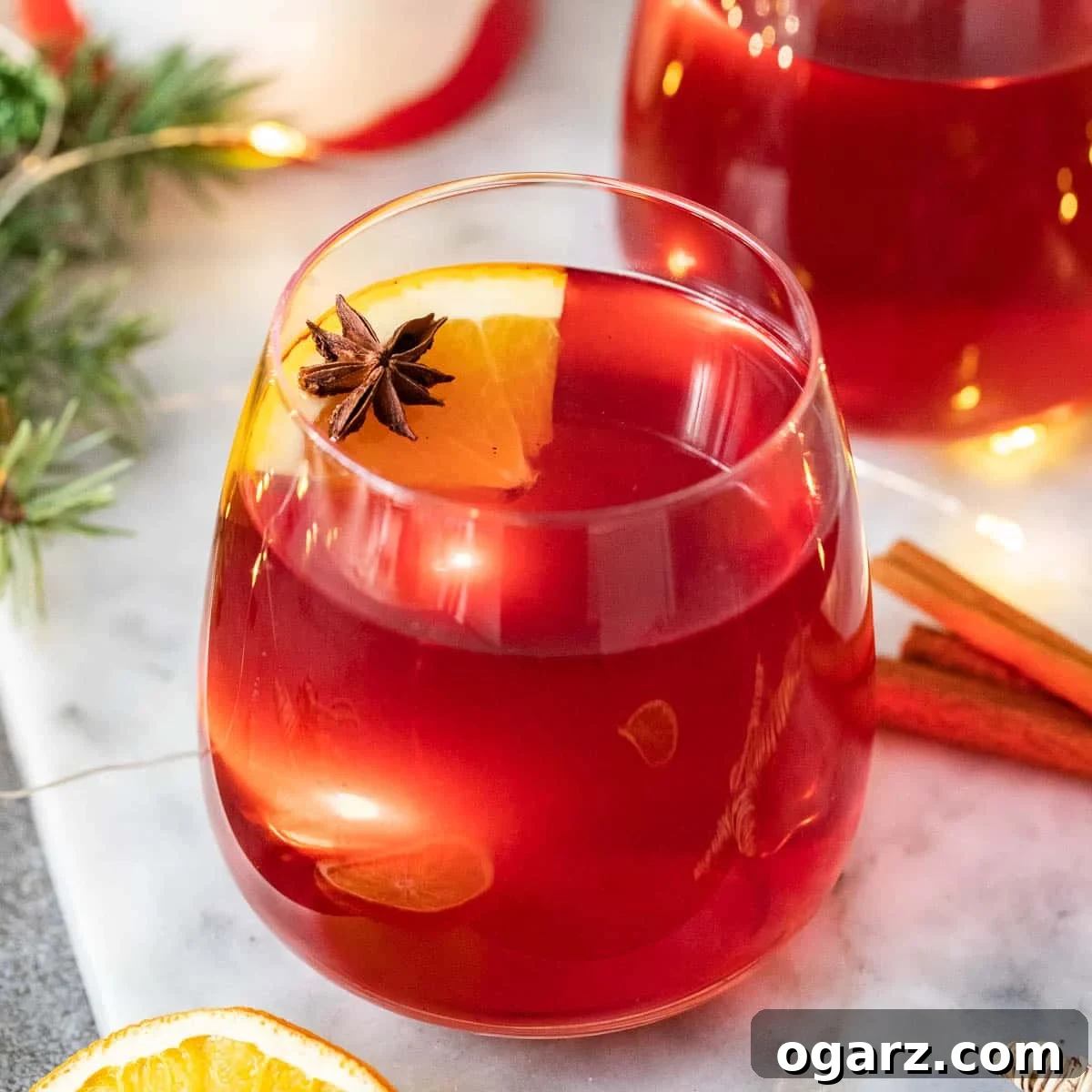
Kinderpunsch: The Ultimate Non-Alcoholic German Christmas Market Drink
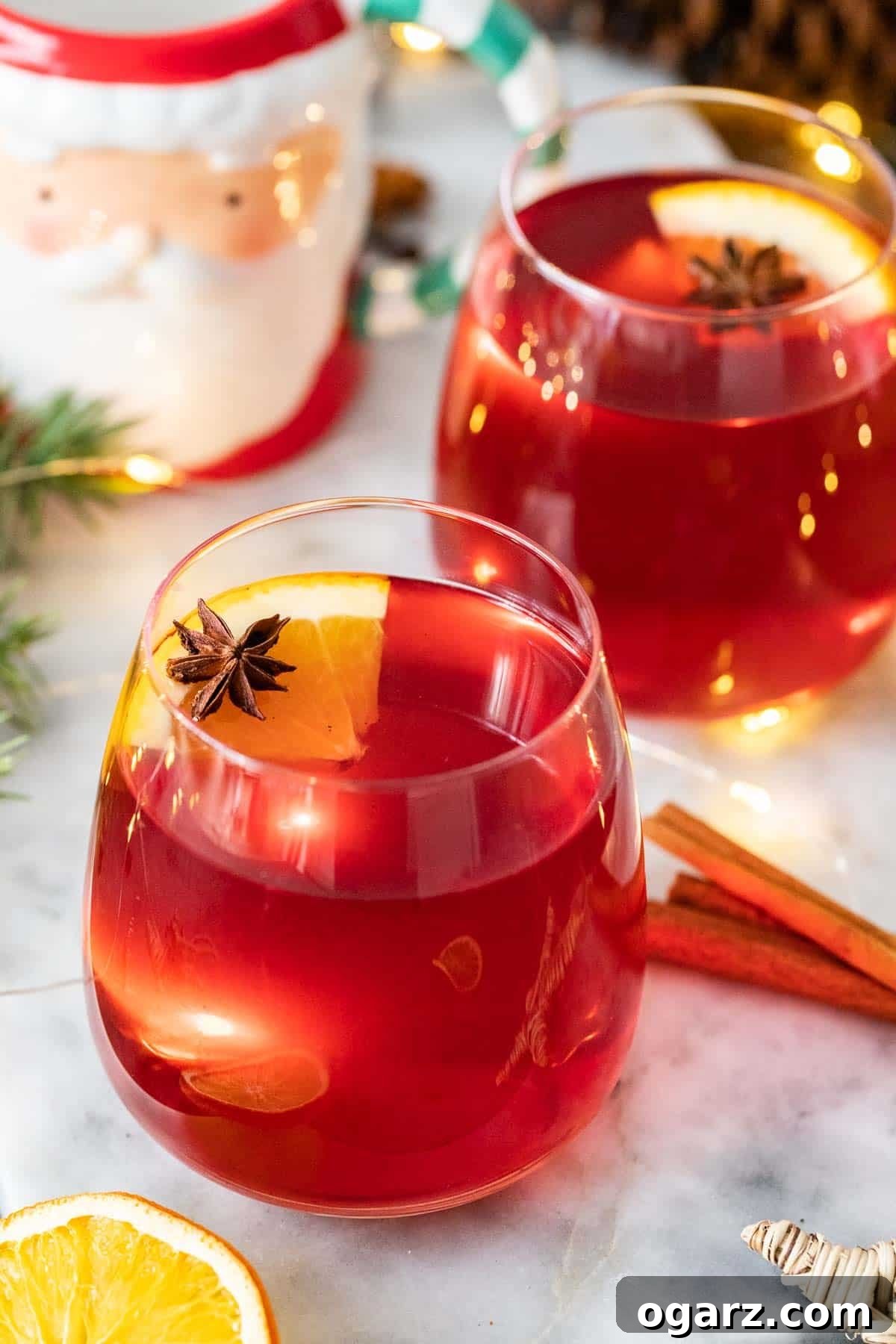
Embrace the festive spirit with Kinderpunsch, a cherished German holiday beverage that captures the heart of European Christmas markets. This non-alcoholic, warm punch is Germany’s delightful answer to mulled wine, offering a sweet, aromatic, and comforting experience for everyone. Perfectly spiced and served steaming hot, Kinderpunsch is not just a drink; it’s a sensory journey that evokes cherished holiday memories and creates new ones.
Often found bubbling away in large pots alongside traditional Glühwein at bustling German Christmas markets, Kinderpunsch is a classic enjoyed by all ages. It’s an absolute favorite among children, but its appeal extends far beyond, captivating designated drivers, expectant mothers, and anyone seeking a wonderfully spiced, alcohol-free alternative. Imagine a crisp winter day, perhaps with snow gently falling, and you’re holding a warm mug of Kinderpunsch – its rich flavors and comforting heat will undoubtedly warm you from the inside out.
Beyond its charm, this festive punch is remarkably inexpensive and incredibly easy to prepare at home. Requiring minimal effort and common pantry ingredients, it’s an ideal choice for holiday gatherings, cozy family evenings, or any outdoor adventure that calls for a soul-soothing hot drink. Its inviting aroma and vibrant taste make it a staple for creating a truly magical holiday atmosphere.
Why You’ll Adore This Kinderpunsch Recipe
This Kinderpunsch recipe is designed for ease, flavor, and widespread appeal. Here’s why it’s destined to become a new holiday tradition in your home:
- Budget-Friendly Ingredients: Crafted from readily available pantry staples, especially during the winter months, this recipe offers a delicious festive drink without breaking the bank.
- Perfect for Any Occasion: It’s the ultimate non-alcoholic beverage for holiday parties, school events, or family get-togethers. The recipe can be effortlessly scaled up or down, and larger batches can be kept warm and ready to serve in a slow cooker, making hosting a breeze.
- Quick and Simple Preparation: You can whip up a batch of authentic German Kinderpunsch in less than 20 minutes, with most of that time being hands-off simmering. This means more time enjoying the festivities and less time in the kitchen.
- Crowd-Pleasing Flavors: The harmonious blend of fruit juices and warming spices appeals to a broad range of palates, guaranteeing happy faces and empty mugs.
- Versatile & Customizable: Easily adaptable to different fruit juices and sweetness levels, allowing you to tailor the punch to your personal taste or dietary preferences.
What is Kinderpunsch? A Taste of German Christmas
Originating from Germany, “Kinderpunsch” literally translates to “children’s punch,” but its popularity far transcends its name. It’s a warm, spiced fruit punch that serves as the non-alcoholic counterpart to “Glühwein” (mulled wine), a beloved staple at German Christmas markets. While Glühwein offers a boozy warmth, Kinderpunsch provides all the festive flavors and comforting heat without any alcohol, making it universally enjoyable.
Traditionally, Kinderpunsch is crafted from fruit juices like apple or grape, infused with a medley of aromatic spices such as cinnamon, cloves, and star anise, and often brightened with citrus notes from oranges and lemons. The result is a beautifully balanced drink: sweet but not cloying, with a gentle tang and an intoxicating aroma that instantly transports you to a snowy Bavarian market. It’s a cornerstone of German holiday hospitality, offering a cozy respite from the winter chill and a symbol of festive cheer.
Essential Ingredients for Authentic Kinderpunsch
Here’s a comprehensive guide to the ingredients that bring this delightful German punch to life, ensuring a truly authentic and delicious experience. Specific quantities can be found in the detailed recipe card below.
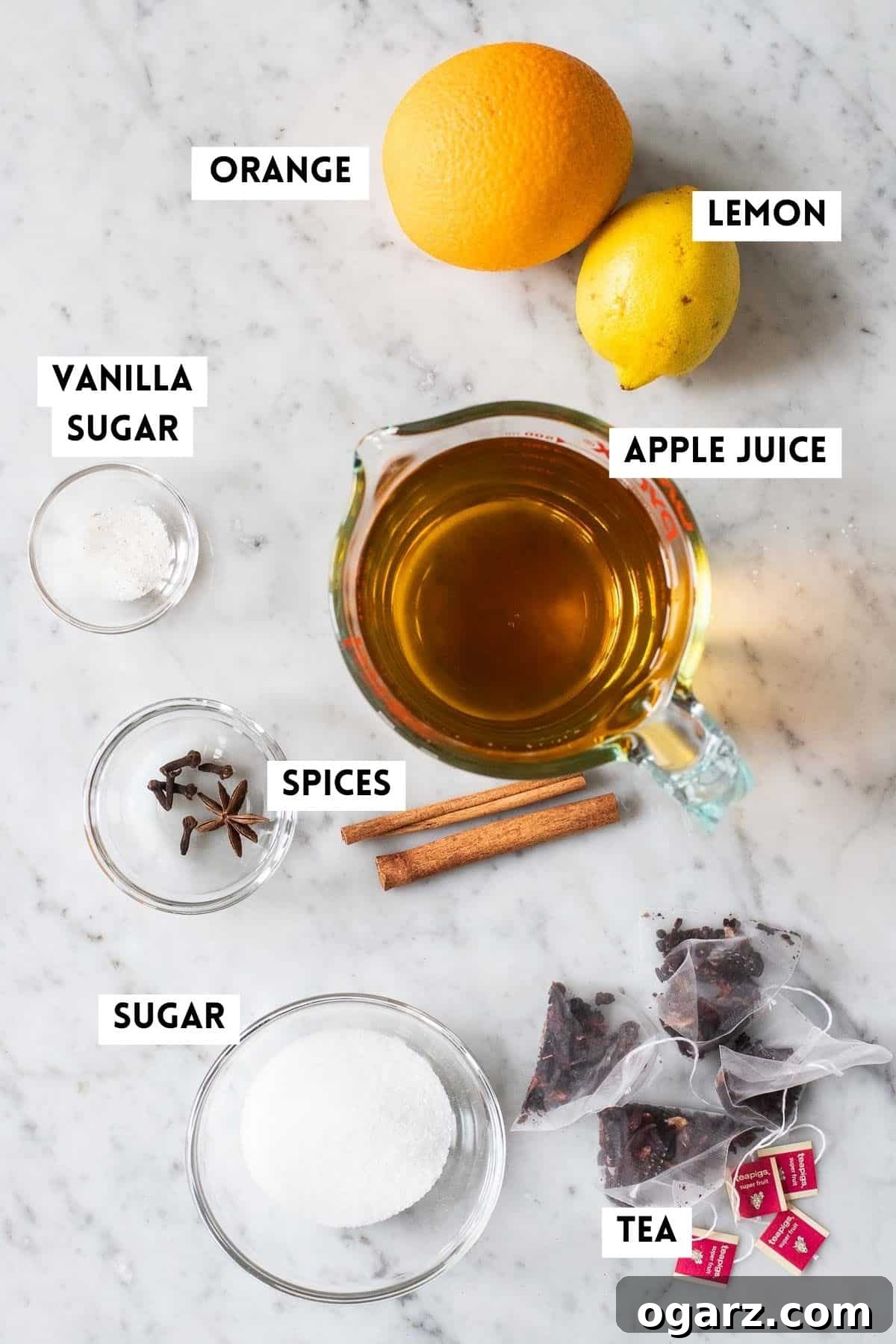
- Tea: The foundation of our Kinderpunsch. Opt for a high-quality fruit-based tea, known as Früchtetee in Germany. Varieties like berry, superfruit, or hibiscus are perfect choices. These teas lend a beautiful color and a natural fruity sweetness that complements the juices and spices. Using tea bags makes for easy steeping and removal.
- Apple Juice: My preferred base for this recipe due to its balanced sweetness and slight tartness, which tastes exceptionally good when warmed. Ensure you use 100% pure apple juice, not from concentrate or with added sugars, to maintain control over the punch’s sweetness. Feel free to experiment with other fruit juices like grape juice (for a deeper, richer flavor) or a combination of juices like cranberry and cherry for different flavor profiles.
- Spices: The heart and soul of any good German holiday punch. This recipe relies on a classic trio: cinnamon sticks, whole cloves, and star anise. It’s crucial to use whole spices rather than ground versions, as whole spices release their flavors more slowly and cleanly without making the punch cloudy or gritty. Ground spices can also become bitter when steeped for too long. For the best flavor, ensure your spices are fresh – ideally not older than a year – as their potency diminishes over time.
- Sugar: Traditionally, white granulated sugar is used to sweeten Kinderpunsch. However, you have flexibility here. Brown sugar can add a hint of molasses and depth, while a touch of honey or maple syrup can offer alternative sweetness with their unique aromatic qualities. You can always adjust the amount of sugar to your personal preference; often, halving the recommended amount is sufficient if your juices are already quite sweet.
- Vanilla Sugar: A subtle yet impactful ingredient that adds a delicate, sweet vanilla essence, elevating the overall flavor profile. If you don’t have store-bought vanilla sugar (which is common in European baking), you can easily make your own by burying a vanilla bean in granulated sugar for a few weeks, or simply use a good quality vanilla extract (about 1 teaspoon for this recipe).
- Lemon: Fresh lemon juice is essential for balancing the sweetness of the fruit juices and spices. Half a lemon usually provides enough acidity to brighten the punch without making it overly tart. If fresh lemons are unavailable, you can omit them, though the punch will benefit from a slight acidic lift.
- Orange: Adds a wonderful citrus aroma and flavor. It’s highly recommended to use an organic orange since you’ll be slicing it whole, peel included. The essential oils and much of the orange’s flavor reside in the peel, so do not peel it before slicing. A thorough rinse under hot water is always a good practice, especially for organic fruits.
Crafting Your Homemade Kinderpunsch: Step-by-Step Guide
Follow these simple steps to create a wonderfully warming mug of Kinderpunsch. The process is straightforward, ensuring a delicious result every time. For precise measurements, refer to the full recipe card below.
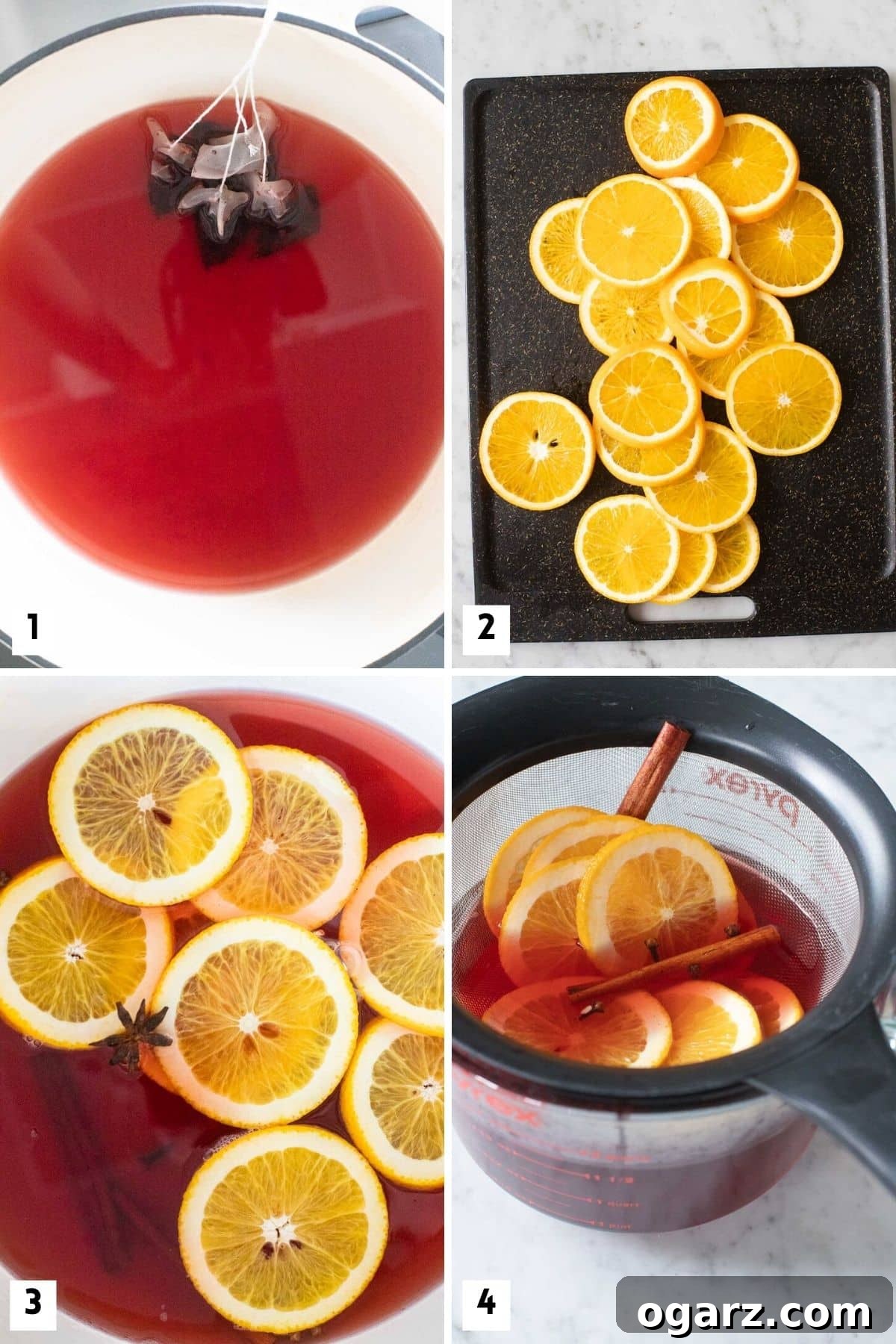
- Step 1: Prepare the Tea Base. In a large, heavy-bottomed pot (ensure it’s spacious enough to hold all subsequent ingredients), bring the specified amount of water to a rolling boil. Once boiling, immediately remove the pot from the heat. Add the fruit tea bags and allow them to steep for 5 to 8 minutes. The exact steeping time can vary based on the specific tea you are using and your desired tea strength. While the tea steeps, take this time to thinly slice your organic orange. Once the steeping is complete, carefully remove and discard the tea bags, ensuring no tea leaves are left behind.
- Step 2: Combine and Infuse Flavors. To the warm, steeped tea, add the apple juice, cinnamon sticks, whole cloves, star anise, sugar, and vanilla sugar. Gently squeeze the juice from half a lemon directly into the pot. Finally, add the prepared thin orange slices to the mixture. Stir everything well to ensure the sugar begins to dissolve and all the ingredients are thoroughly combined.
- Step 3: Gentle Simmer for Perfection. Return the pot to medium-low heat. Allow the Kinderpunsch to simmer gently for approximately 10 minutes. This simmering period is crucial as it allows the spices to slowly release their fragrant oils and the flavors to meld beautifully. It’s very important not to let the punch come to a vigorous boil, as intense heat can cause the spices to become bitter and diminish the delicate fruit flavors. A gentle simmer is all that’s needed for optimal infusion.
- Step 4: Strain and Serve Hot. Once the simmering time is complete, carefully pour the hot Kinderpunsch through a fine-mesh strainer into a heat-proof pitcher or directly into individual mugs. This step is essential to remove all the whole spices and orange slices, ensuring a smooth, pleasant drinking experience. Serve the Kinderpunsch immediately while it’s still piping hot, inviting warmth and festive cheer with every sip.
Mastering Kinderpunsch: Expert Tips & Variations
To ensure your homemade Kinderpunsch is as perfect as those enjoyed at German Christmas markets, keep these expert tips in mind:
- Juice Alternatives: While apple juice is traditional and highly recommended, you can easily substitute it with other 100% unsweetened fruit juices like grape, cranberry, or even a blend. Be mindful that using sweeter juices like orange juice can make the punch overly sweet if not adjusted. Always choose pure, unsweetened varieties to control the flavor balance.
- Color Variations: The final color of your Kinderpunsch will naturally vary depending on the specific fruit tea and juice you select. For example, hibiscus tea will impart a deeper red hue, while orange juice might result in a slightly cloudier, lighter orange punch. Embrace these natural variations!
- Optimal Tea Choice: For the most authentic and flavorful Kinderpunsch, always opt for a fruity tea. Hibiscus, berry, or a “super fruit” blend works best, providing a rich, aromatic base that complements the spices and citrus.
- Sweetness Control: The recipe calls for a specific amount of sugar, but this is always a guide. Feel free to reduce the sugar amount by half, or even more, if your chosen juices are naturally sweet or if you prefer a less sweet beverage. Taste and adjust before serving.
- Effortless Spice Removal: To make straining incredibly simple, place your whole spices (cinnamon sticks, cloves, star anise) inside a small reusable tea bag or a dedicated spice infuser before adding them to the pot. This allows for quick and clean removal once the punch has simmered.
- Avoid Bitterness from Orange: This is a crucial tip! While orange slices add wonderful flavor and aroma during simmering, their pith can impart bitterness if left in the hot punch for too long. Ensure you remove all orange slices after the 10-minute simmering period, along with the other spices, before serving.
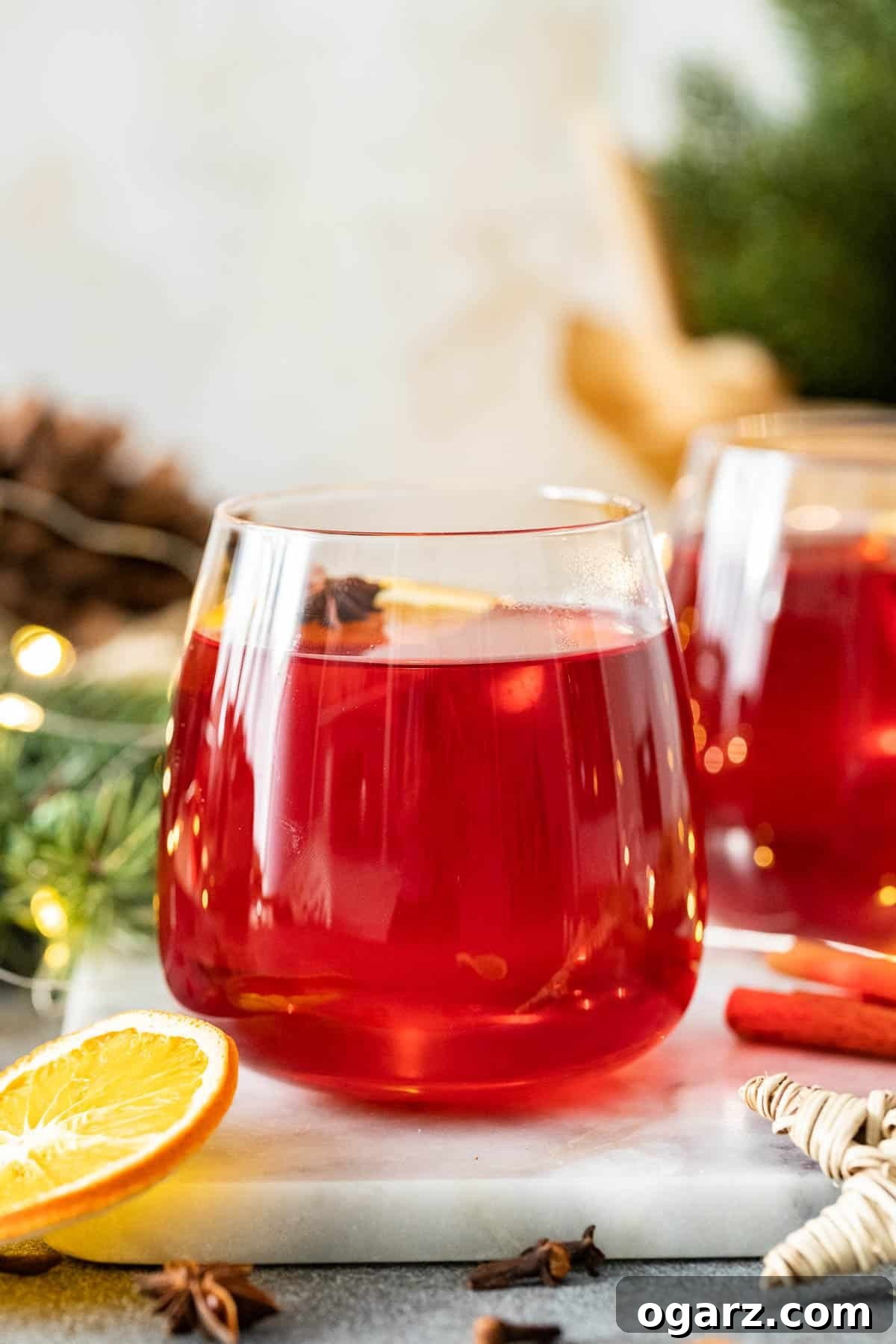
- Garnish for Presentation: Although traditionally Kinderpunsch is served plain, a simple garnish can elevate its visual appeal. Consider a fresh orange slice or a star anise pod floating on top of each mug. A cinnamon stick also makes a charming edible stirrer.
- Scaling for Crowds: This recipe is easily doubled or tripled for larger gatherings. When making a big batch, a slow cooker is your best friend. Prepare the Kinderpunsch on the stovetop, then transfer it to a slow cooker set to “warm” or “low” to keep it hot for hours without boiling, perfect for self-serving guests.

Serving Your Festive Kinderpunsch
Kinderpunsch is best enjoyed steaming hot, straight from the pot, especially on a chilly day. Serve it in festive mugs or heat-proof glasses that allow you to appreciate its beautiful color. While the drink is typically served without additional garnishes at Christmas markets, adding a simple touch can make it extra special for home entertaining.
Consider placing a fresh orange slice, a cinnamon stick, or a single star anise pod in each mug just before serving. These not only add a touch of elegance but also enhance the aromatic experience. Kinderpunsch pairs wonderfully with classic German Christmas treats such as German Christmas cookies, Lebkuchen (gingerbread), or even a simple slice of stollen. Its sweet and spicy profile also complements savory holiday appetizers, cutting through richness and refreshing the palate. It’s truly a versatile drink for any festive occasion.
Kinderpunsch FAQs
While the recipe images might show garnishes for aesthetic appeal, traditional Kinderpunsch at German markets is usually served without them. Garnishes can sometimes get in the way while drinking and don’t typically add significant flavor if the punch is strained properly. However, for home entertaining, a fresh orange slice, a cinnamon stick, or a whole star anise can be a lovely touch for presentation. Just remember the crucial tip: remove any orange slices used during the simmering process after 10 minutes to prevent bitterness from the pith.
Absolutely not! Do not peel the oranges before slicing them. Much of the vibrant flavor and aromatic oils are concentrated in the peel (or zest). Peeling the orange would cause you to miss out on these essential contributions to the punch. Instead, I highly recommend using organic oranges and giving them a thorough rinse with hot water before thinly slicing them to minimize any potential residue.
Yes, this Kinderpunsch recipe is perfectly suited for a slow cooker or crock pot, making it an excellent option for parties and larger gatherings. Prepare the punch as instructed on the stovetop, then transfer it to your slow cooker. Set it to the “warm” or “low” setting. This keeps the punch at an ideal serving temperature for an extended period, allowing guests to easily refill their glasses throughout your event without constant supervision.
Kinderpunsch is naturally vegan, as all ingredients are plant-based. To make it sugar-free, you would need to replace the sugar with a suitable sugar substitute like stevia, erythritol, or monk fruit sweetener. Adjust the quantity according to the product’s sweetness equivalence and taste preference. Keep in mind that artificial sweeteners might slightly alter the overall flavor profile.
Storage and Make-Ahead Tips for Kinderpunsch
One of the many advantages of Kinderpunsch is that it can be prepared in advance and stored, making it a fantastic stress-free option for holiday entertaining. To store it properly and maintain its delicious flavor, ensure you remove all the spices (cinnamon sticks, cloves, star anise) and orange slices from the punch after the initial simmering. Leaving them in too long, especially the orange slices, can lead to a bitter taste developing over time.
Once the punch has cooled to room temperature, transfer it to an airtight pitcher or bottle. It will keep beautifully in the refrigerator for approximately 3 to 4 days. When you’re ready to enjoy it again, simply reheat it gently on the stovetop over medium-low heat until it reaches your desired warmth. Avoid boiling it again to preserve the delicate spice aromas. For individual servings, you can also reheat portions in the microwave. Furthermore, for on-the-go enjoyment during cold weather activities, you can make the recipe ahead, heat it, and pour the hot beverage into a well-insulated thermos, keeping it warm for hours.
Explore More German Christmas Recipes
If you’ve enjoyed the comforting flavors of Kinderpunsch, you’ll love diving into these other traditional German Christmas recipes, perfect for expanding your holiday baking and entertaining repertoire:
German Recipes
The BEST German Christmas Cookies
German Recipes
German Lebkuchen Recipe
Christmas Recipes
Zimtsterne (Cinnamon Stars)
Cookies, Brownies & Bars
Vanillekipferl (German Vanilla Crescent Cookies)
Kinderpunsch: German Non-Alcoholic Christmas Punch
This delightful Kinderpunsch recipe brings the magic of German Christmas markets straight to your home. A beautifully spiced, non-alcoholic hot punch, it’s the perfect family-friendly alternative to mulled wine and a festive treat for all ages, warming you with every aromatic sip.

Prep Time: 5 minutes
Cook Time: 15 minutes
Total Time: 20 minutes
Servings: 6
Author: Julia Foerster
Ingredients
- 4 cups water
- 4 tea bags (berry or hibiscus are recommended)
- 2 cups apple juice (or grape juice)
- 2 cinnamon sticks
- 6 whole cloves
- 1 star anise
- 1/4 cup sugar (brown or white, adjust to taste)
- 1 tsp vanilla sugar (or vanilla extract)
- 1/2 lemon, juiced
- 1 organic orange, thinly sliced
Instructions
- Prepare the Tea Base: In a large pot, bring the water to a boil. Remove the pot from the heat, then add the tea bags and let them steep for 5–8 minutes, depending on your preferred tea strength. Once steeped, remove and discard the tea bags.
- Combine Ingredients: To the warm, steeped tea, add the apple juice, cinnamon sticks, whole cloves, star anise, sugar, and vanilla sugar. Squeeze the juice from half a lemon directly into the pot. Finally, add the thinly sliced orange rounds. Stir gently to combine.
- Gentle Simmer: Return the pot to medium-low heat and let the Kinderpunsch simmer gently for 10 minutes. It is crucial not to let the mixture come to a full boil, as this can negatively impact the delicate flavors of the spices and fruit.
- Strain and Serve: Carefully pour the hot Kinderpunsch through a fine-mesh strainer into serving mugs. This step removes all the spices and orange slices, ensuring a smooth, delightful drink. Serve immediately and enjoy the comforting warmth!
Notes
- For alternative fruit flavors, consider using grape juice or orange juice instead of apple juice. Always opt for 100% unsweetened juice to maintain control over the sweetness level.
- The final color of your Kinderpunsch may vary based on the specific tea and juice varieties you choose. For instance, orange juice tends to make the punch appear cloudier.
- Fruit-based teas such as hibiscus, berry blends, or “super fruit” teas yield the most authentic and delicious Kinderpunsch flavor.
- Adjust the sugar quantity to your preference. Many find half the recommended amount to be perfectly sweet without compromising flavor.
- To simplify straining, place the whole spices (cinnamon, cloves, star anise) into a small tea bag or a spice infuser before adding them to the pot.
- Important: Remove the orange slices after the 10-minute simmering period. Leaving them in longer can impart a bitter taste from the pith into your punch.
- Kinderpunsch can be prepared in advance and stored in the refrigerator for convenience.
Nutrition (per serving)
- Calories: 90 kcal
- Carbohydrates: 23g
- Protein: 0.5g
- Fat: 0.3g
- Saturated Fat: 0.04g
- Polyunsaturated Fat: 0.1g
- Monounsaturated Fat: 0.04g
- Sodium: 12mg
- Potassium: 145mg
- Fiber: 2g
- Sugar: 19g
- Vitamin A: 56 IU
- Vitamin C: 17mg
- Calcium: 37mg
- Iron: 0.4mg
This beloved German holiday beverage continues to be a favorite, offering warmth and cheer to celebrations across the globe. We hope this enhanced guide helps you bring a piece of German Christmas magic into your home.
This recipe was originally published in 2016 and meticulously updated with fresh insights, new images, and an enhanced recipe in 2022 to provide the best possible experience for our readers.