

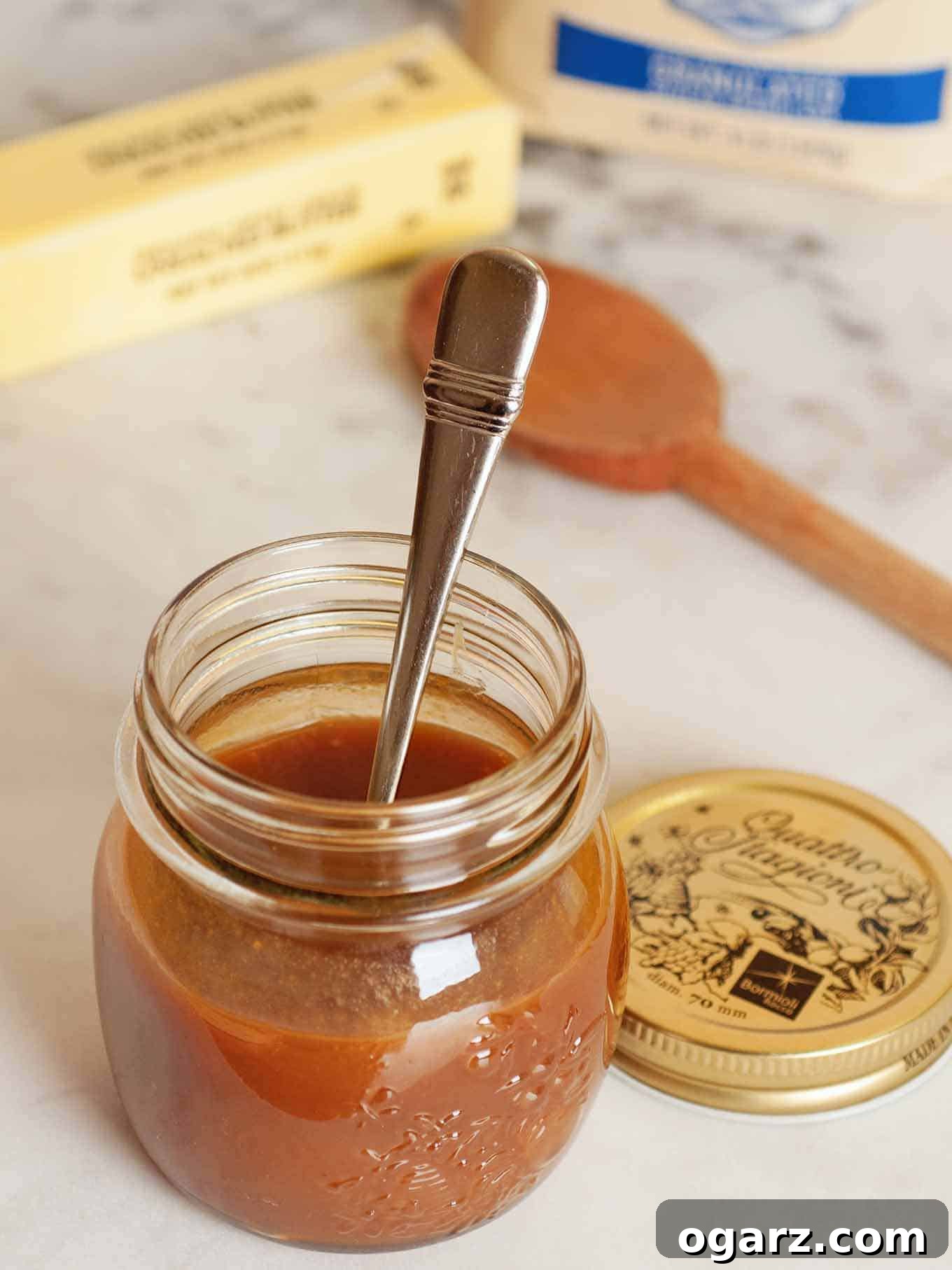
The Ultimate Guide to Making Heavenly Homemade Caramel Sauce
There’s an undeniable magic in a perfectly crafted caramel sauce. Its rich, buttery, and deeply sweet flavor evokes warmth and comfort, elevating everything it touches. If you’ve never ventured into making caramel sauce at home, you’re in for a delightful surprise. Forget the often-disappointing, overly sweet, and additive-laden store-bought versions. Crafting your own caramel is a surprisingly easy process that yields a superior product, free from artificial flavors or undesirable ingredients like high-fructose corn syrup.
This comprehensive guide will walk you through creating a luscious homemade caramel sauce in just minutes, transforming simple pantry staples into a gourmet delight. Not only is the flavor vastly superior, but the satisfaction of drizzling your own creation over desserts, fruits, or even savory dishes is truly unparalleled. Best of all, this homemade marvel keeps well in the refrigerator for a couple of weeks, making it a convenient staple to have on hand for impromptu sweet cravings or elegant entertaining.
Why Homemade Caramel Sauce Is Always the Best Choice
Many home cooks shy away from making caramel, intimidated by tales of burnt sugar or crystallized messes. However, with a few simple tips and a watchful eye, you’ll discover that homemade caramel is not only achievable but incredibly rewarding. Here’s why it stands head and shoulders above its store-bought counterparts:
- Unmatched Flavor Profile: The depth of flavor in homemade caramel comes from carefully caramelizing sugar, resulting in complex notes of toasted sugar, butter, and cream that are simply absent in mass-produced versions. Store-bought sauces often rely on artificial flavorings to mimic this complexity, falling far short of the authentic taste.
- Pure, Wholesome Ingredients: When you make caramel from scratch, you control every ingredient. This means no high-fructose corn syrup, no artificial colors, no preservatives, and no strange emulsifiers. Just pure sugar, water, butter, cream, and a touch of vanilla. It’s a clean label you can be proud of.
- Customizable Texture and Consistency: Achieve your desired consistency, whether you prefer a thick, chewy caramel or a silky, pourable sauce. With homemade, you have the flexibility to adjust the cooking time slightly to get the perfect texture for your application.
- Economic and Accessible: Caramel sauce requires only a handful of inexpensive and readily available ingredients. Making it yourself is often more cost-effective than purchasing premium store-bought brands, especially when you consider the superior quality you achieve.
Once you experience the rich, velvety texture and deep, nuanced flavor of homemade caramel, you’ll never go back to the jarred stuff. It’s a fundamental culinary skill that opens up a world of dessert possibilities.
Homemade Caramel Sauce
Lynne Webb
5
10
15
Rate Recipe
Print Recipe
Ingredients
- 3/4 cup granulated sugar
- 3 tablespoons water
- 4 tablespoons unsalted butter
- 6 tablespoons heavy cream, room temperature
- 1 teaspoon vanilla extract
Instructions
-
Combine the granulated sugar and water in a 1-quart saucepan. Place the saucepan over medium-high heat (aim for around 375°F if using a candy thermometer).
-
Bring the sugar mixture to a boil, whisking gently until all the sugar has completely dissolved. At this stage, it’s crucial not to leave the sugar unattended, as it can burn very quickly once it starts to change color. Avoid stirring once it starts boiling to prevent crystallization. Instead, gently swirl the pan if needed.
-
Continue cooking the sugar syrup without stirring until it transforms from clear to a deep gold, then to a rich, light brown amber color. This color change happens rapidly, so watch it closely. As soon as it reaches a light brown hue, immediately remove the pan from the heat to prevent burning. The residual heat will continue to cook it slightly.
-
Quickly add the unsalted butter to the hot caramel. Whisk vigorously until the butter has completely melted and is incorporated. Then, slowly pour in the room-temperature heavy cream and vanilla extract. Continue whisking until the sauce is perfectly smooth and uniform. Be cautious as the mixture will bubble up when the cream is added.
-
Carefully transfer the warm, silky caramel sauce into a clean glass jar. Allow it to cool completely to room temperature before covering it tightly. Once cooled, refrigerate the caramel sauce for up to 2 weeks for optimal freshness.
Notes
To serve:
Caramel sauce naturally thickens and hardens slightly when chilled in the refrigerator. To restore it to a pourable, luscious consistency, simply remove it from the fridge 30 to 45 minutes before serving to allow it to soften. Alternatively, spoon the desired amount into a separate microwave-safe bowl and heat it in the microwave for a few seconds at a time, stirring until it reaches your preferred pourable consistency. Be careful not to overheat.
Nutrition
Calories: 109
,
Total Fat: 7g
,
Cholesterol: 19mg
,
Sodium: 3mg
,
Carbohydrates: 13g
,
Sugar: 13g
Nutrition information is automatically calculated, so should only be used as an approximation.
The Science of Sweetness: Understanding Caramelization
Caramelization is a fascinating chemical process that occurs when sugar is heated. As sugar crystals melt and continue to cook past their melting point, they undergo a series of reactions that break down the sugar molecules and create hundreds of new compounds. These compounds are responsible for the distinctive nutty, buttery, and slightly bitter flavors, as well as the characteristic golden-brown color of caramel.
The key to perfect caramel lies in patience and observation. Initially, the sugar and water mixture will simply boil. The water serves to dissolve the sugar evenly, helping to prevent crystallization, which is when sugar molecules recrystallize prematurely, turning your smooth syrup into a gritty mess. Once the water evaporates, the sugar begins to caramelize. The color progression—from clear to pale gold, then amber, and finally deep brown—is your guide. Pulling it off the heat at the right moment is critical; too soon and it lacks depth, too late and it burns, becoming acrid and unusable.
Essential Tips for Caramel Perfection and Troubleshooting Common Issues
Making caramel isn’t difficult, but it does benefit from a few expert tips:
- Use a Heavy-Bottomed Pan: This ensures even heat distribution, reducing the risk of scorching.
- Resist Stirring (Mostly): Once the sugar and water are boiling and the sugar is dissolved, avoid stirring the mixture. Stirring can introduce air bubbles and sugar crystals from the sides of the pan back into the syrup, leading to crystallization. Instead, gently swirl the pan if you need to distribute the heat.
- Clean Sides of the Pan: If sugar crystals form on the sides of the pan during boiling, use a pastry brush dipped in water to gently wash them down. This helps prevent the entire batch from crystallizing.
- Room Temperature Ingredients: Ensure your butter and heavy cream are at room temperature. Adding cold dairy to hot caramel can cause the mixture to seize and become lumpy, making it harder to achieve a smooth sauce.
- Watch the Color, Not the Clock: Caramelization happens fast. The moment it turns a light, even amber or brown, remove it from the heat. It will continue to cook from residual heat. A candy thermometer can be helpful (aim for 340-350°F or 170-175°C), but visual cues are paramount.
- Be Prepared: Have all your ingredients measured and ready to go before you start. The caramel-making process is quick, and you won’t have time to measure butter or warm cream mid-way.
Troubleshooting Common Caramel Problems:
- Crystallized Caramel: If your caramel becomes grainy, it’s usually due to undissolved sugar crystals acting as a seed for more crystals. Try adding a tablespoon or two of hot water and gently reheating over low heat, swirling (not stirring!) until the crystals dissolve again. Prevention is key: don’t stir once boiling, and wash down sugar crystals from the sides of the pan.
- Burnt Caramel: Unfortunately, once caramel is burnt, there’s no going back. It will have a bitter, unpleasant taste. Discard it and start over. This is why watching the color is so important!
- Caramel Too Thick/Thin: If it’s too thick, gently reheat with a tablespoon of heavy cream or water until it reaches your desired consistency. If it’s too thin, you might have removed it from the heat too early or added too much liquid. You can try gently simmering it for a few more minutes to reduce it slightly, but be careful not to burn it.
Delicious Variations to Elevate Your Caramel Sauce
While classic caramel is heavenly on its own, it also serves as a fantastic base for exciting flavor variations:
- Salted Caramel Sauce: This is arguably the most popular variation. Simply whisk in 1/2 to 1 teaspoon of flaky sea salt (like Maldon) at the very end, just after adding the vanilla. The salt perfectly balances the sweetness, creating an incredibly addictive flavor profile.
- Bourbon or Whiskey Caramel: Add 1-2 tablespoons of your favorite bourbon or whiskey along with the vanilla extract for a sophisticated, boozy kick.
- Spiced Caramel: Infuse your cream with spices like cinnamon sticks, star anise, or cardamom pods by simmering them gently in the cream before adding it to the sugar. Strain the cream before use. Alternatively, add a pinch of ground cinnamon or nutmeg with the vanilla.
- Coffee Caramel: Dissolve 1-2 teaspoons of instant espresso powder in the warm cream before adding it to the caramel for a delightful coffee-infused sauce.
Creative Ways to Enjoy Your Homemade Caramel Sauce
The versatility of homemade caramel sauce is truly remarkable. Here are just a few ideas to inspire you:
- Classic Desserts: Drizzle generously over vanilla ice cream, apple pie, bread pudding, cheesecake, or brownies.
- Fruit Pairings: A natural partner for fresh fruits like sliced apples, pears, bananas, or even berries. A simple bowl of yogurt or oatmeal becomes a treat with a swirl of caramel.
- Beverages: Stir a spoonful into your coffee or hot chocolate for a gourmet touch. Make homemade caramel lattes or milkshakes.
- Breakfast & Brunch: Spoon over pancakes, waffles, French toast, or crepes. It’s also fantastic on warm toast or muffins.
- Baking & Confections: Use it as a filling for tarts, cakes, or cupcakes. Swirl it into cookie dough or use it as a dip for pretzels and cookies. Make caramel apples or caramel corn.
- Savory Adventures: Don’t limit caramel to sweets! A hint of caramel can be incredible in glazes for roasted pork or chicken, or even drizzled over roasted root vegetables for a surprising sweet and savory balance.
Storing and Reheating Your Liquid Gold
Your homemade caramel sauce will keep beautifully in the refrigerator for up to two weeks. Store it in an airtight glass jar or container. As noted earlier, chilling causes the sauce to thicken significantly. To achieve that luscious, pourable consistency again, simply let it sit at room temperature for 30-45 minutes before serving. For quicker reheating, place a portion in a microwave-safe bowl and heat in short bursts (10-15 seconds), stirring in between, until it reaches your desired consistency. Be mindful not to overheat, as this can alter the texture.
Embrace the simple pleasure of making your own caramel sauce. It’s a culinary skill that’s both impressive and immensely satisfying, promising to transform ordinary desserts into extraordinary experiences. Give this easy recipe a try, and prepare to fall in love with the rich, authentic taste of homemade caramel.
Like this recipe? Rate and comment below!
Your feedback helps others discover delicious recipes.